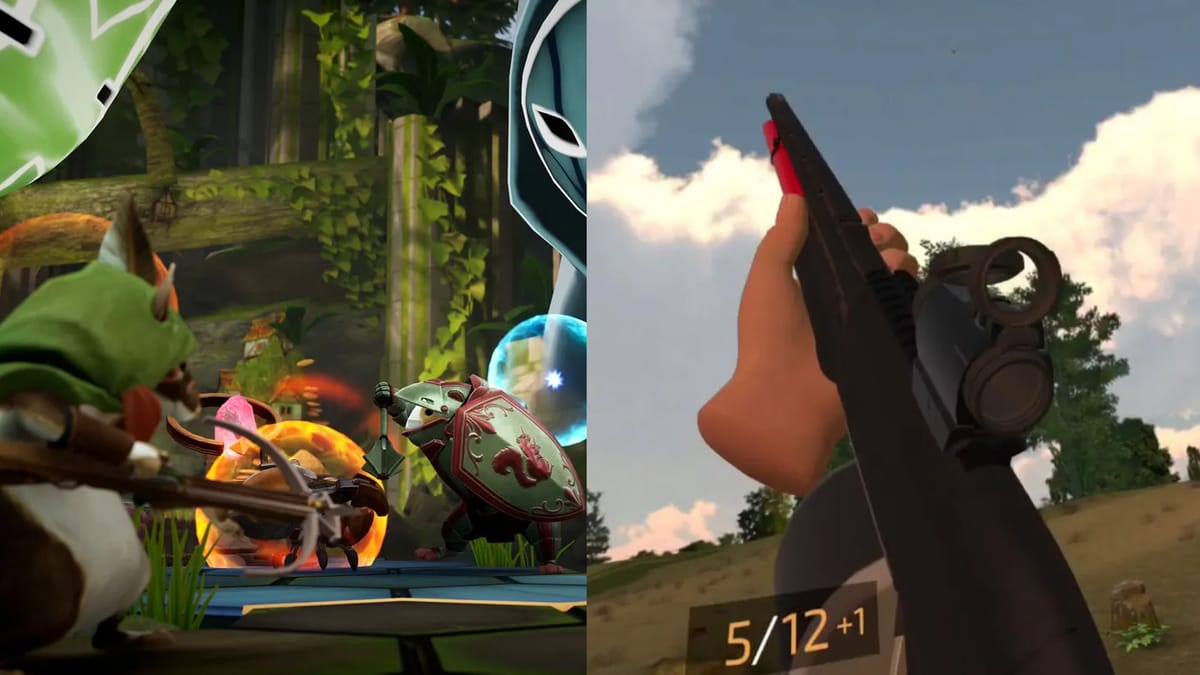
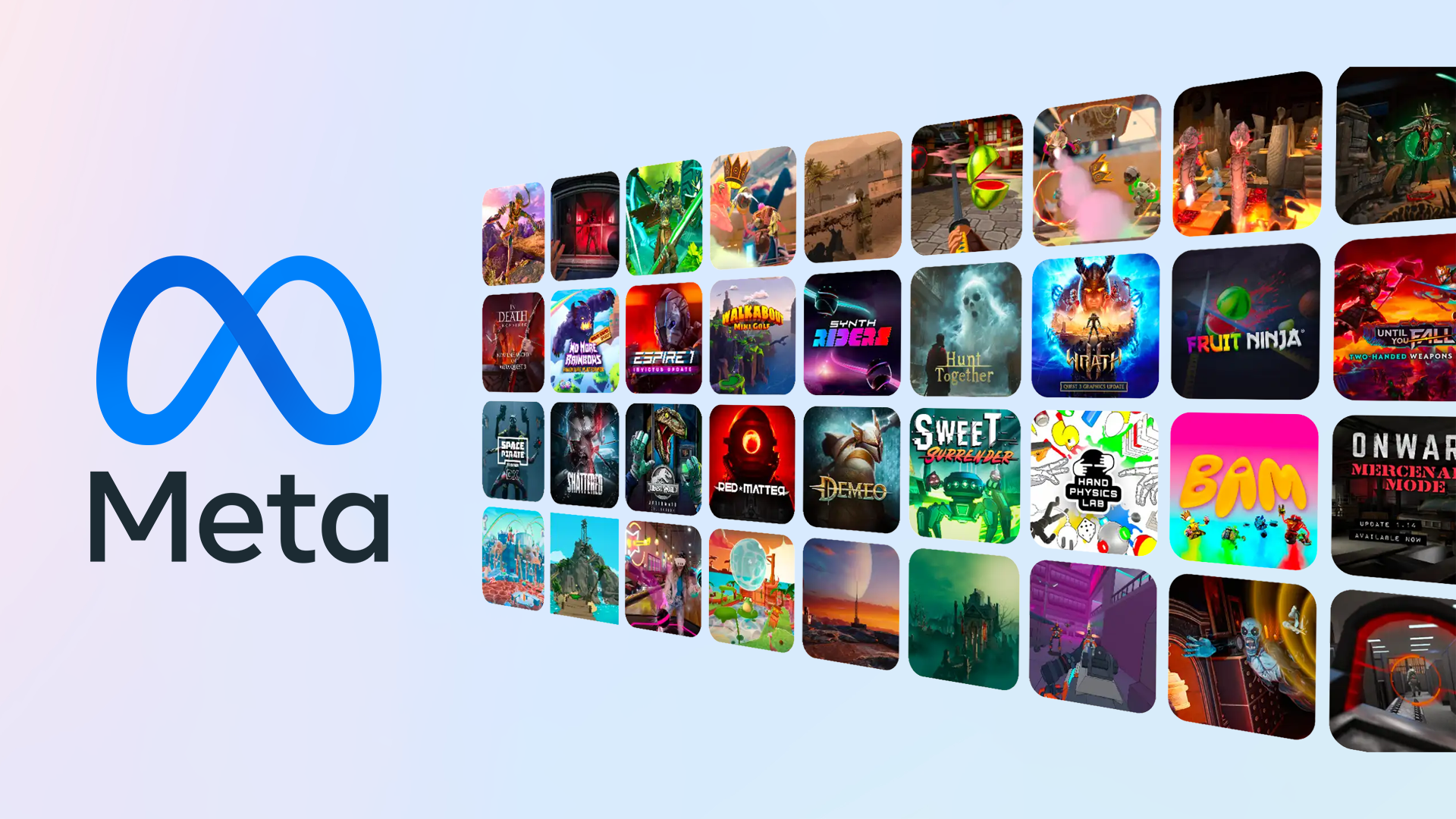
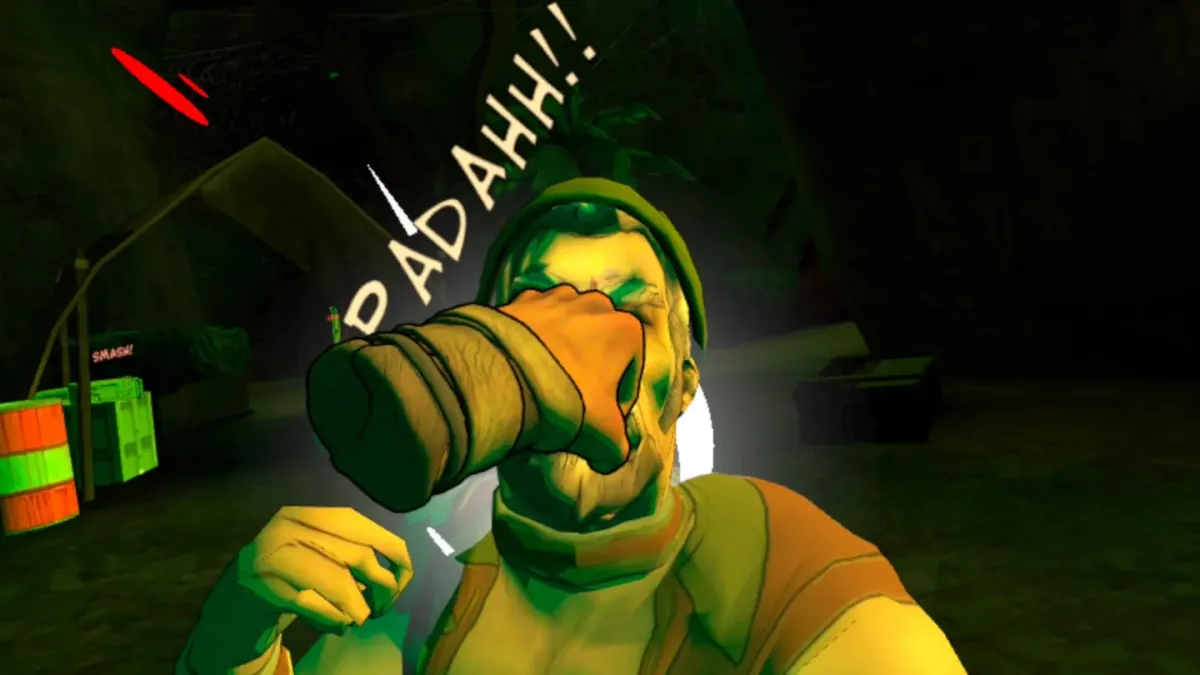
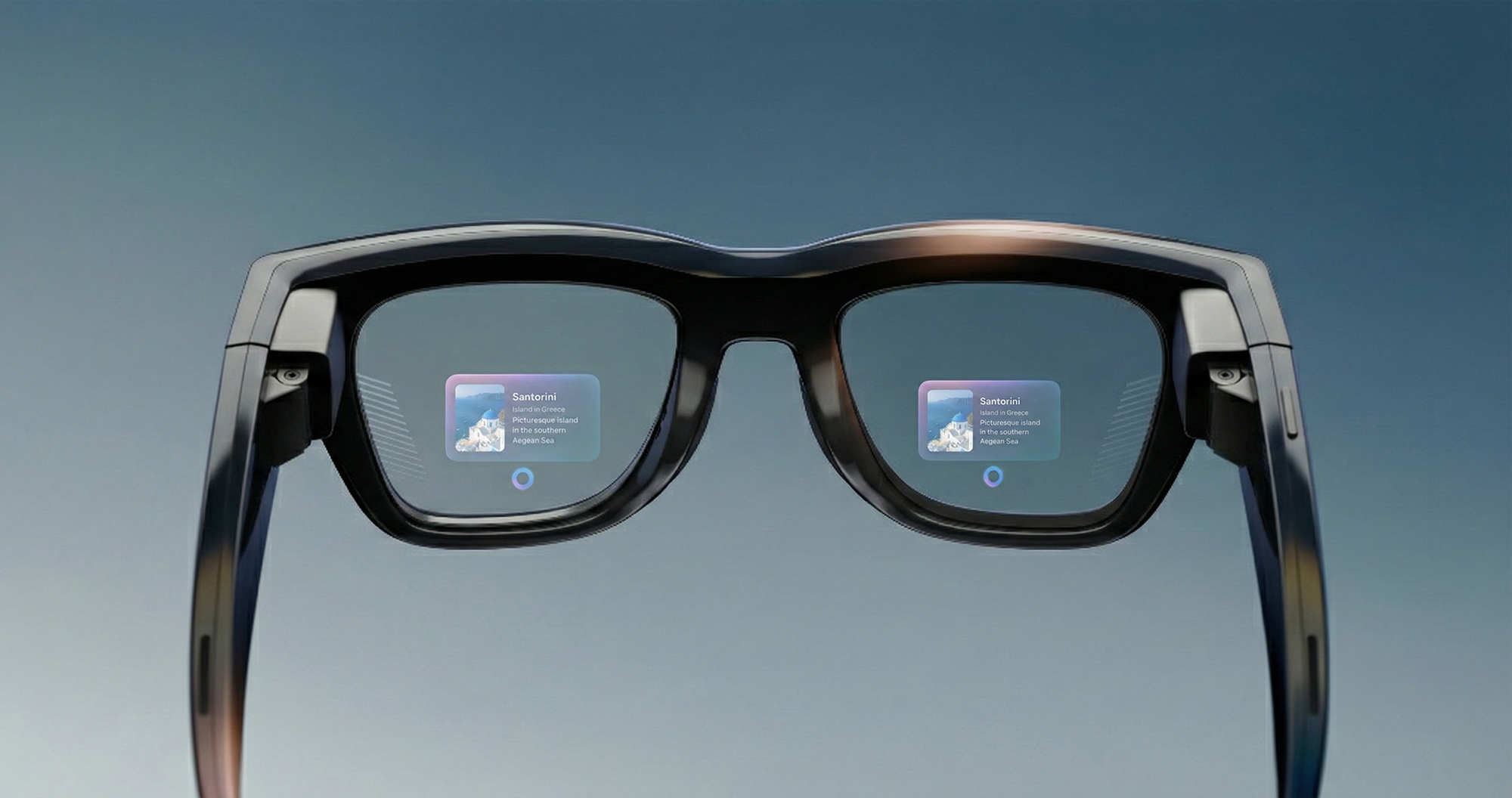
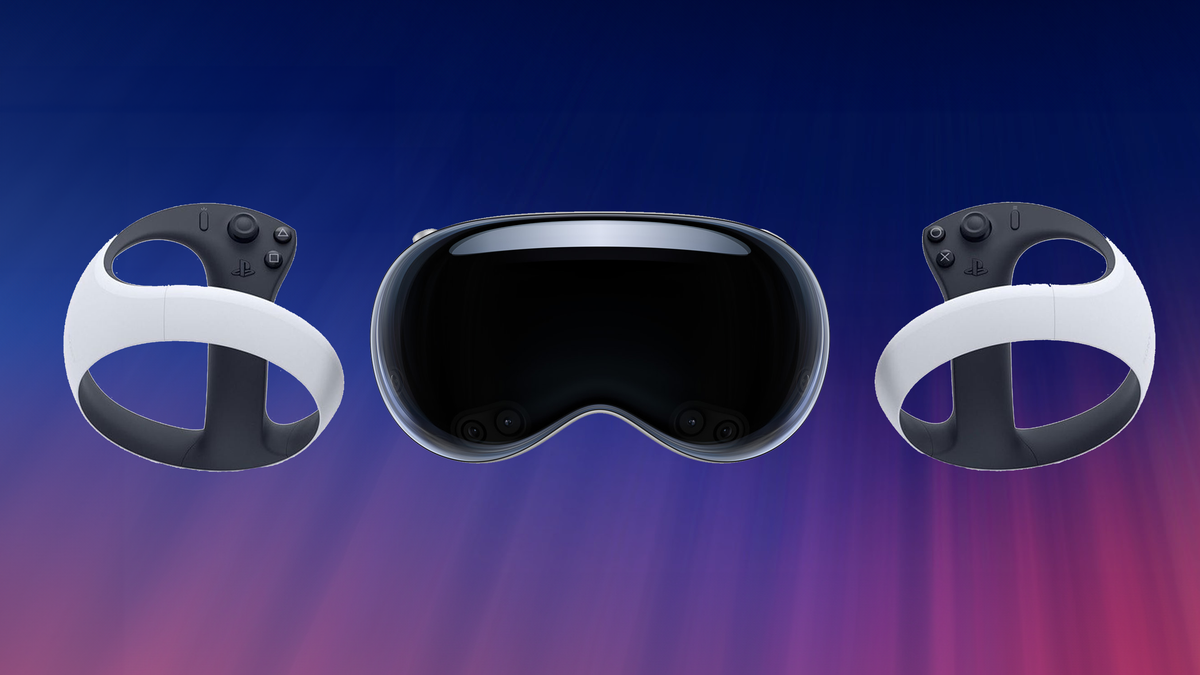
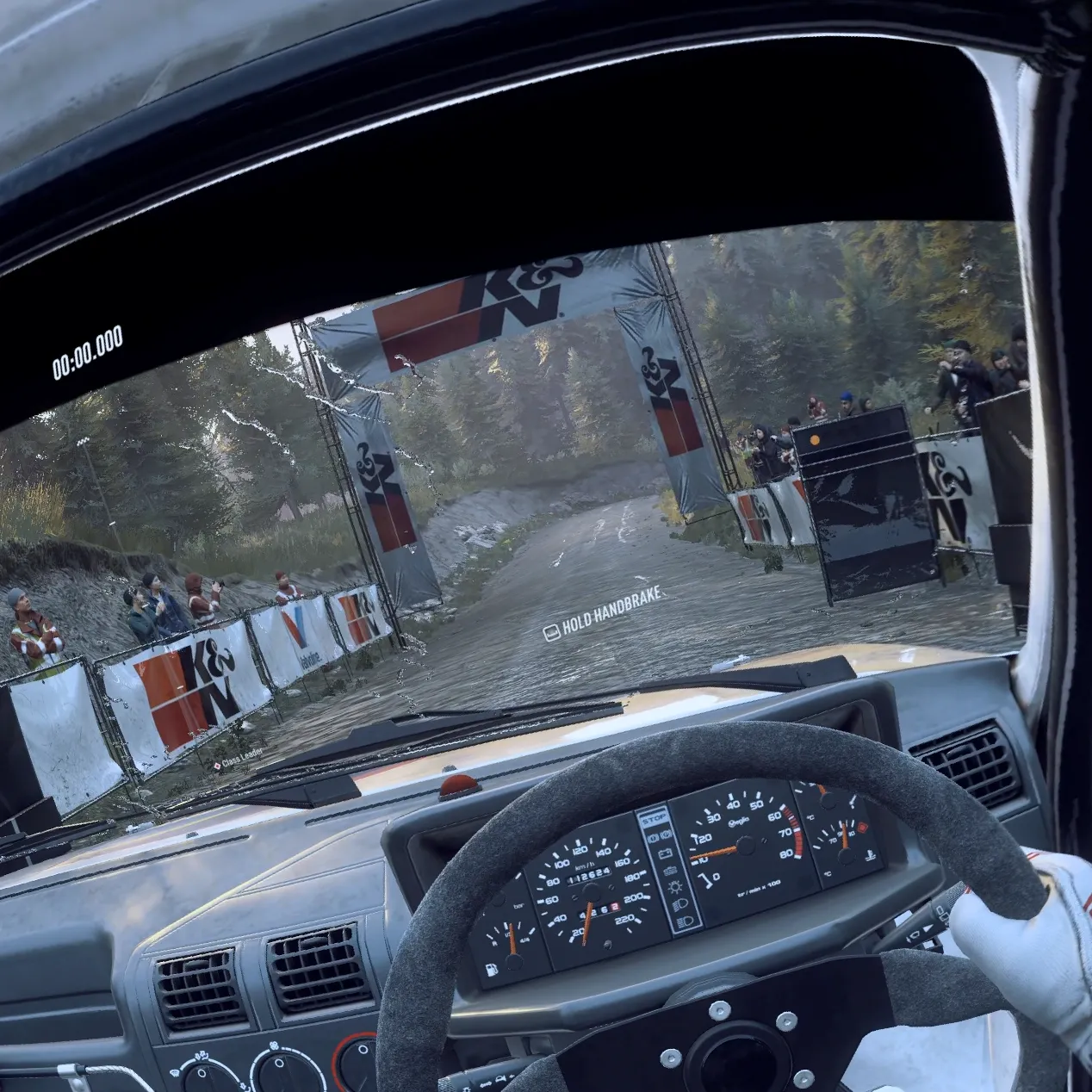
You can play the 4v1 zero-gravity survival horror game Blackgate as the paywalled alien for free right now until Monday.
Blackgate, heavily inspired by Dead By Daylight and Echo Arena, pits four engineers against one alien for survival. Engineers fly around the space station repairing systems and unlocking an armory full of weapons to incapacitate the alien before it gets to them all. The game is free to play for engineers with an additional $19.99 purchase required to play as the alien.
We played the game in Early Access, noting "it's a game attuned to and takes advantage of VR... Fully immersed in that world, the sense of dread you feel even when other people are nearby is wonderfully achieved." However, the limitations of its host-driven online play made it difficult to finish matches.
For the free to play weekend, starting right now and ending at 10am EST on Monday, the paywalled alien character is free for all players. Developer Megaverse, an original IP division of Fun Train, says it is running this event as a thank you for a recent influx of new players.
In a developer post about its other horror title, The Exorcist Legion VR, undergoing a name change, Fun Train noted a monthly active player base of seventy-five thousand players as of January.
0:00
/1:18
Blackgate is available on Quest headsets. A PC VR version has been announced with no release date as of yet.
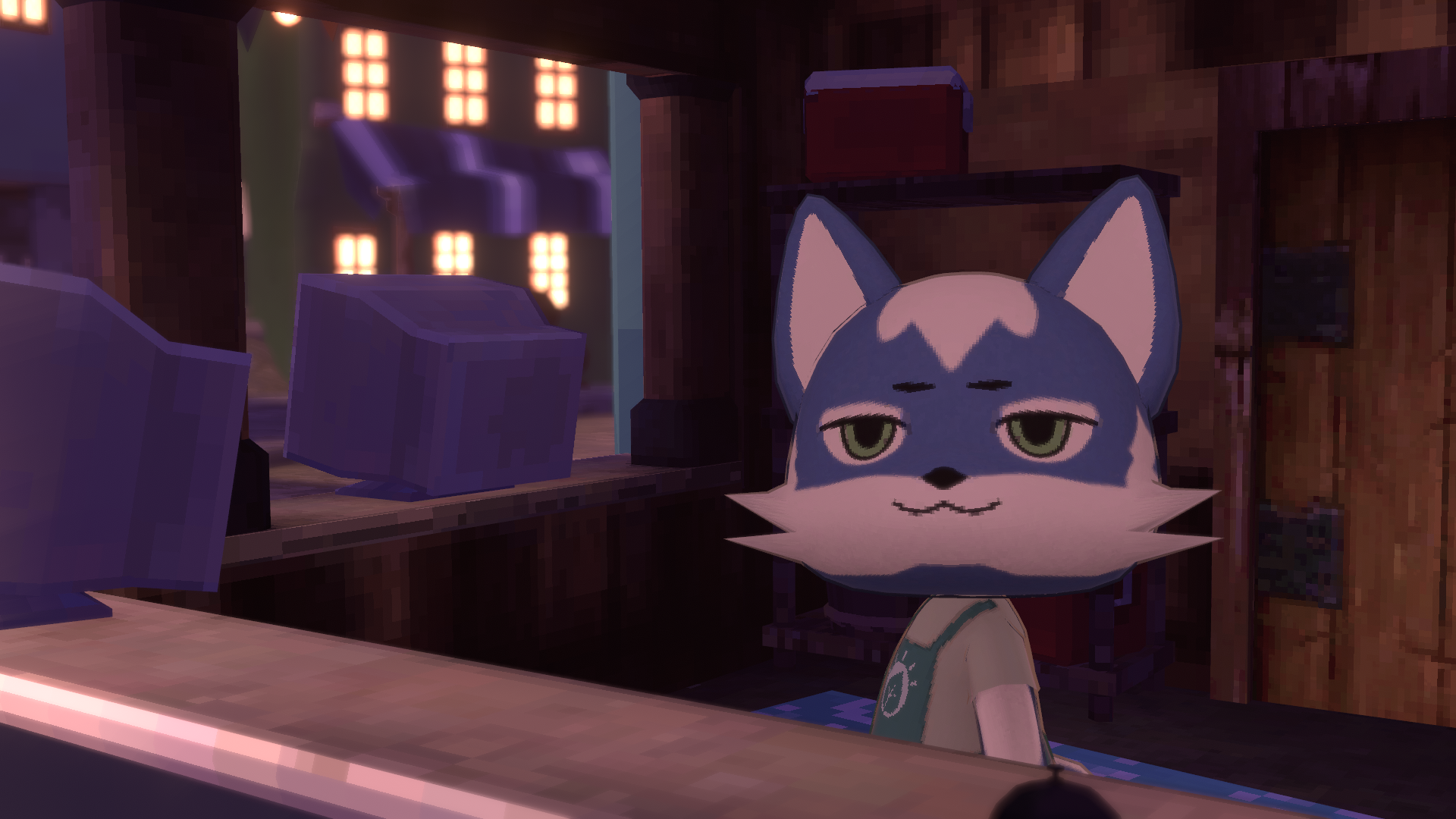
If you've been craving a visit to a cluster of islands that feels like a mix of Animal Crossing and Webfishing, Fish! in VRChat is worth a look.
The new social fishing world from TrickForge Studios features four scenic islands full of unique inhabitants as well as upgradable rods, an array of purchasable boats, and over 20,000 fish to possibly catch.
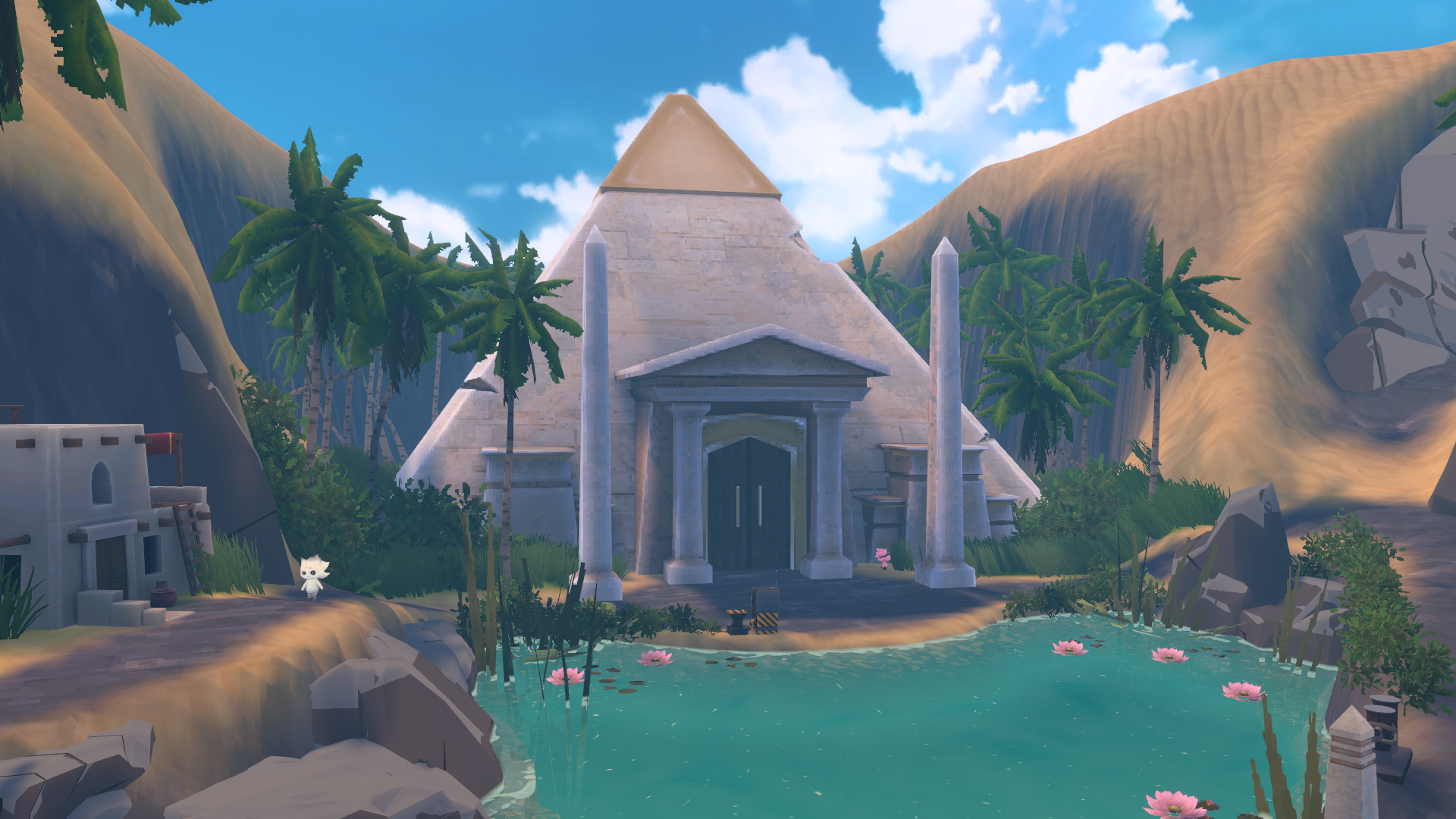
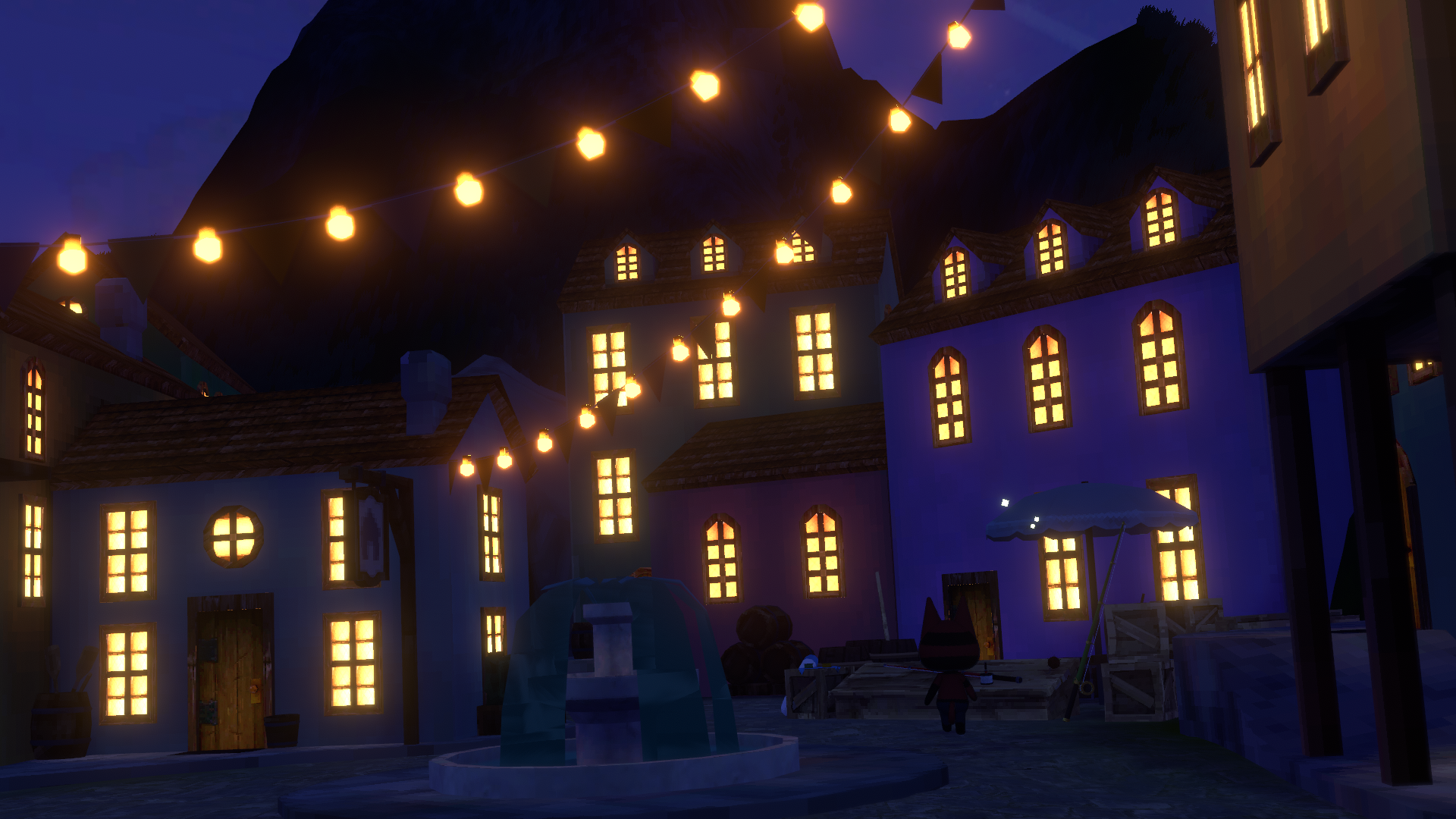
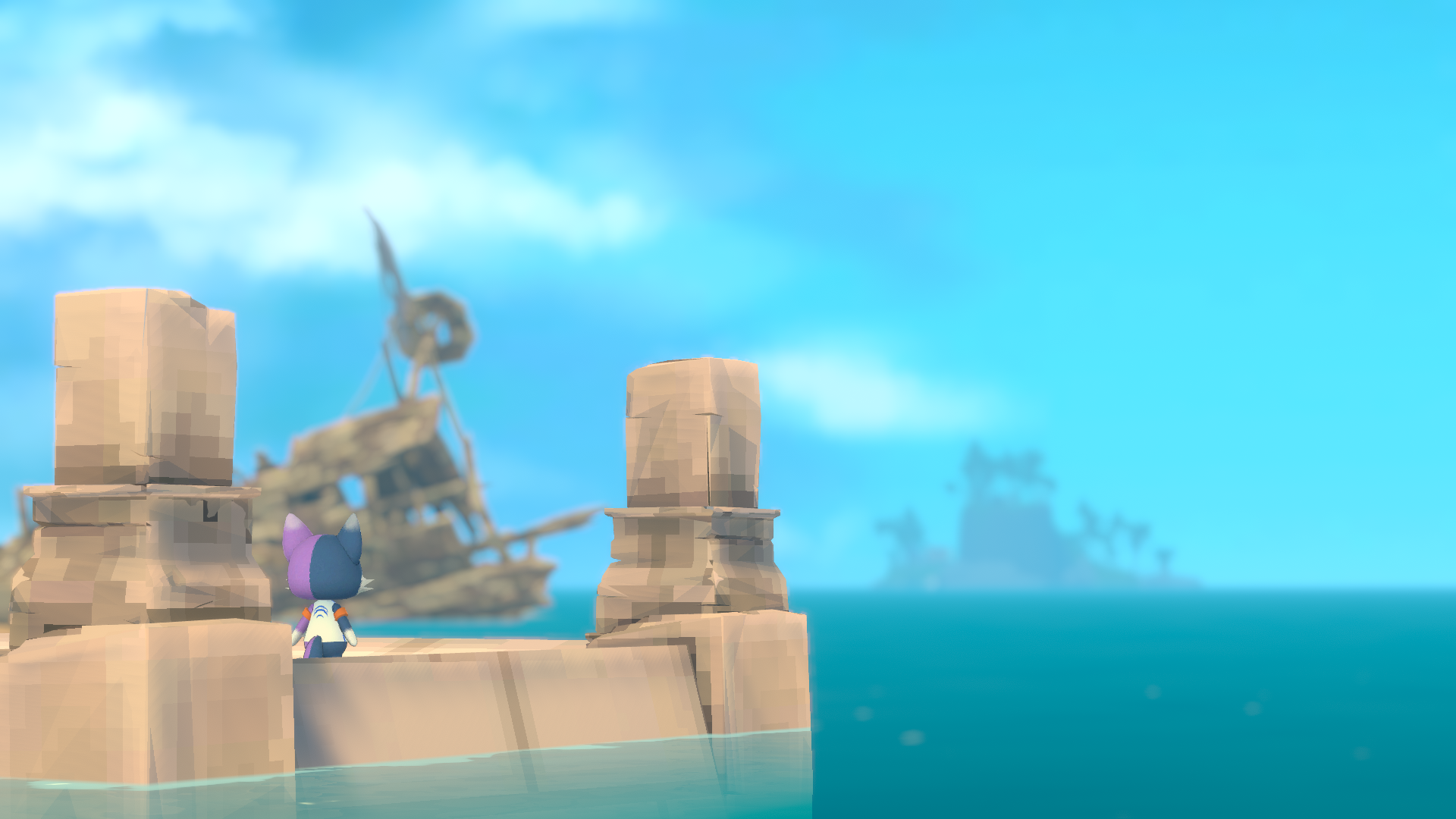
The islands of Fish! are vibrant with their own special themes.
Loading the map will welcome players to a main lobby where they can choose to go through a short tutorial to understand how fishing mechanics work. Pulling the trigger on a VR controller while holding a fishing rod will cast the line.
Once a fish bites, an exclamation point will appear above the bobber. Press the trigger button while the exclamation point is active and a fishing minigame will begin. Repeatedly pulling the trigger while keeping the fish icon within the goal area of your line will help to reel the fish in. If the fish falls outside of the goal area for too long, the minigame will fail and the fish will escape.
The shops in Fish! stay open 24/7.
Once the fish is caught, it will remain in the player's inventory until it can be sold at the village's shop. Each island has a store for selling goods as well as offering new fishing rods and different types of boats (surfing board, rowboat, dinghy, racing boat, and yacht). Captured fish can contain various appearance and size traits that can affect sale value.
Along with catching fish among the islands is the possibility of obtaining special relic pieces that can be used to enchant fishing rods. Hidden along the nooks and crannies of each island are also scraps of metal that can be used to play a special prize machine for perks, experience, and game currency.
0:00
/2:00
Although Fish! contains cozy design, it's also hiding plenty of secrets. On one island I found a villager inhabiting a dirt-laden shack who remarked that something terrible occurred to the house's previous inhabitant but wouldn't say what. A small distance away I spotted a headless ghost wandering along a path next to the swamp. A walk up that same path leads to a church where an ungodly eye shines atop the steeple.
Fish! is a standout experience both as a playable game and as an online "destination" to visit. Weather and day cycles affect the islands to provide different vistas throughout play. A sunny day can be overtaken by fog and moody rain, giving way to serene evenings. It truly feels like a fun-filled vacation.
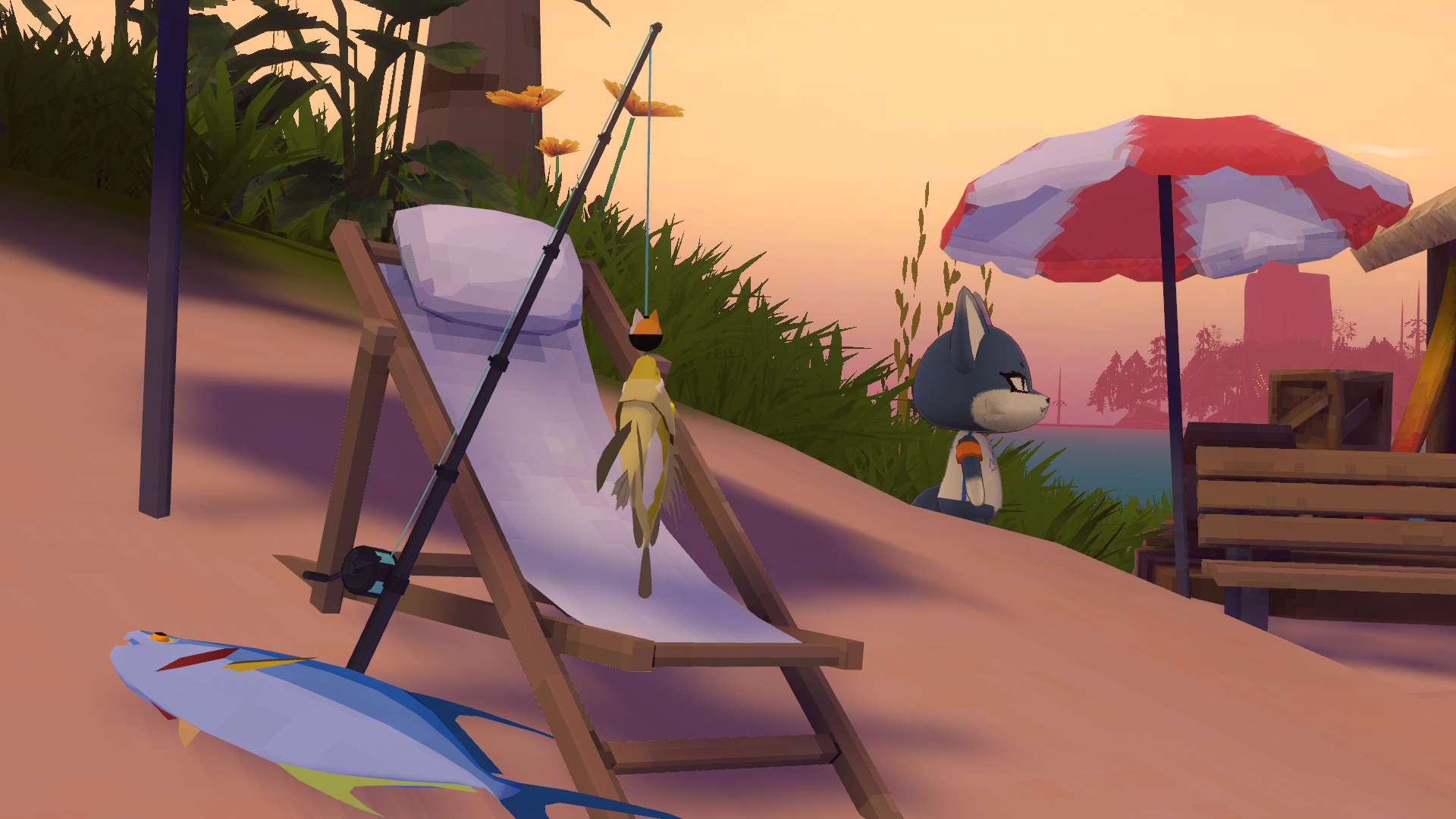
Try to fish out of the fountain if you find yourself here.
Godfall, head of TrickForge Studios, spent almost 8 months with his team to bring the experience to life. The soundtrack and environmental modeling were handled by Godfall and Svenssko while coding and programming were completed by Kittehkun and Gamerexde.
"I think developing for immersive platforms might be in a really good state right now," Godfall explained in an interview with UploadVR. "The goal at TrickForge Studios currently is to keep making great VRChat games, and then expand into Steam and console games in the future."
You might find precious scrap among the wreckage on different islands.
Fish! is currently in beta with expectations to wipe player progress upon the release of 1.0 at the end of the month. Visitors can enjoy the preview with their friends as long as they understand progress must be reset due to the map needing a fresh upload to debut the full game. TrickForge Studios has announced new areas upon the 1.0 release along with secrets and additional content.
"We want to offer everyone a full game experience, with simple optional transactions," said Godfall. "We are very passionate about FISH! and we want to keep the integrity of it."
You can find Fish! on VRChat, available in VR on standalone and PC VR headsets.
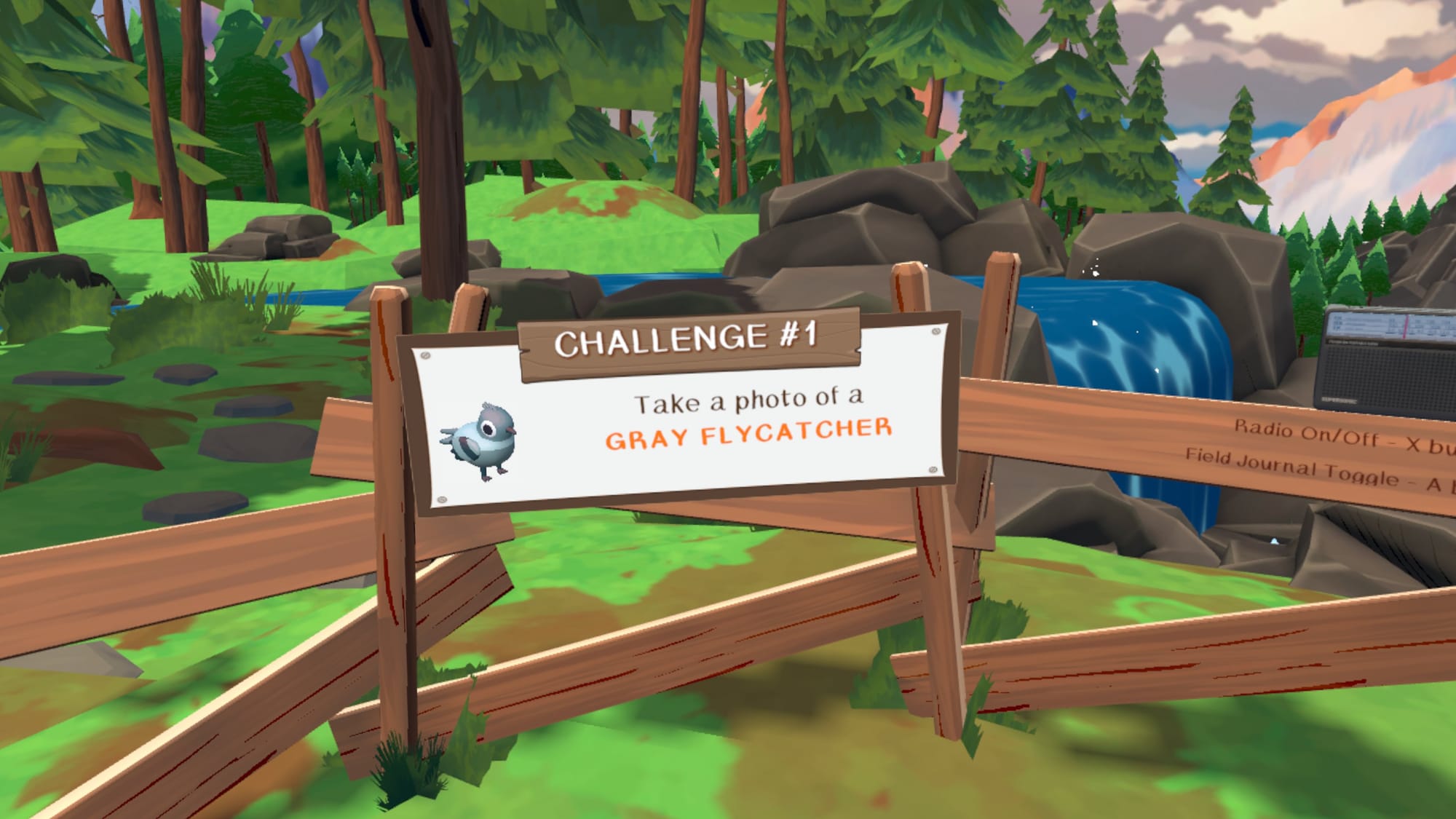
Birdseed is a cozy, free-to-play game about photographing silly birds. And trying the Early Access release, I simply love it.
Games are so often obsessed with spectacle, which is paradoxically one of the reasons I so dearly appreciate Birdseed. This gentle game about watching and photographing comically cute birds doesn't shout or overstimulate you. Instead, it invites you to relax, slow down, and simply enjoy a peaceful slice of nature filled with charming, delightfully curious birds.
After my first hands-on session with the Early Access release, I found myself returning over and over, not just to satisfy daily objectives and collect more in-game currency, but to simply exist, to listen to music or the sounds of nature, to hang out and shoot some photos of my hilarious birdbrained pals.
0:00
/0:28
Serious Photography?
As someone who's been a photographer for over 20 years, and a writer covering the camera industry for more than a decade, I was especially interested in how Birdseed, a game about photographing birds, handles the art and craft of photography.
While I personally love mechanical cameras and the extreme nuance of making a picture with a dedicated camera, adjusting aperture and shutter speed, ISO, and reading all about the finer points of depth-of-field and circle of confusion and other photography nonsense that most of the humans on Earth have never heard about, I understand that highly technical simulations of making pictures don't always make for a good gaming experience. For most people, serious photography is obtuse and opaque and boring.
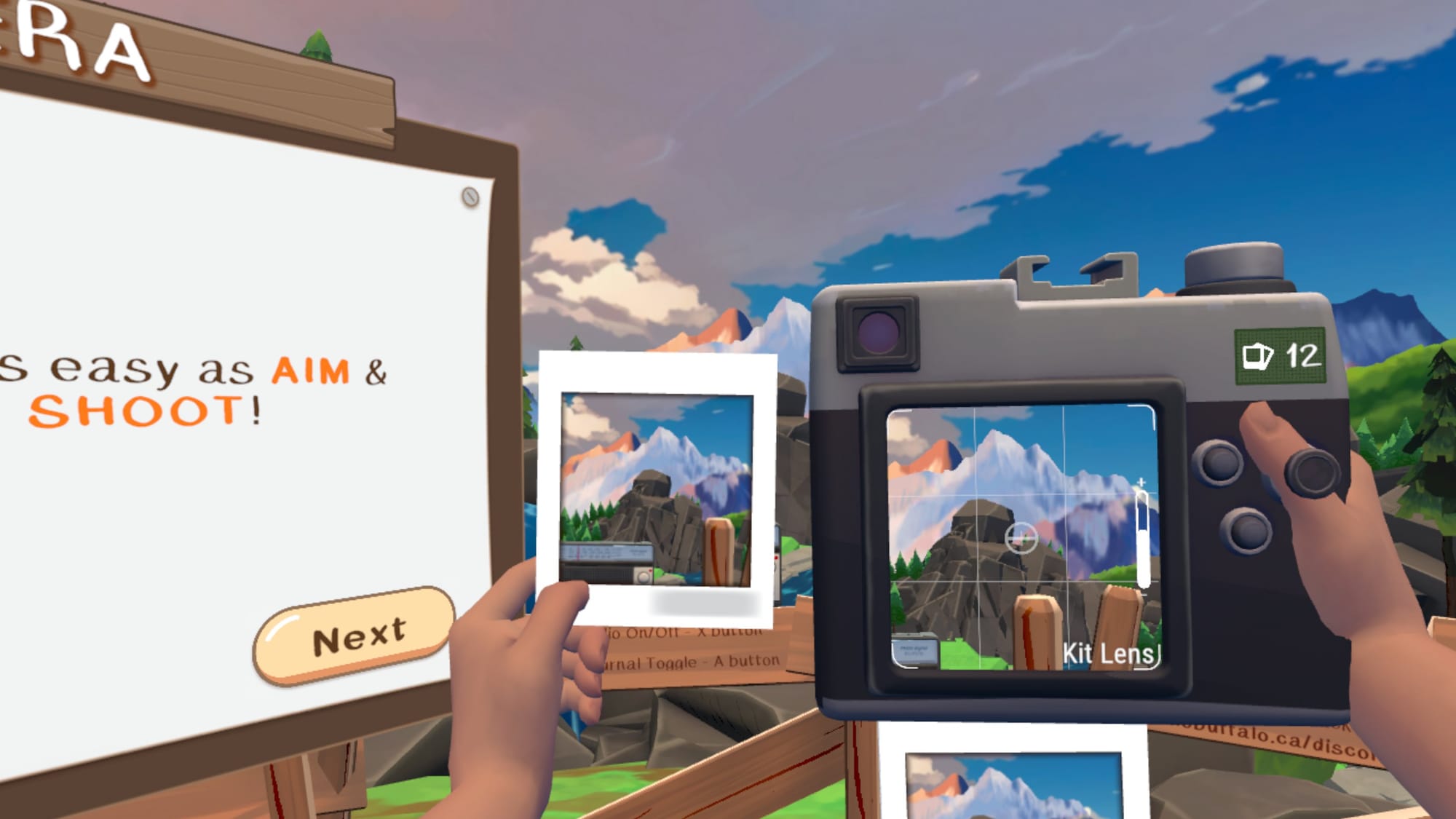
Birdseed sidesteps that by being incredibly simple. You can't move very far. In fact, you stand (or sit) in just a small central viewpoint from where the whole of your observation and photographing occur. You hold a camera, and that camera has just two controls: It can zoom in and out, and it can take a picture. That's it (for now). There are unlockable lenses of different focal lengths that can be interchanged, and future updates will likely bring art lenses and special effect filters and all of that good stuff. But for now, we're basically using a point-and-shoot, a type of camera that works as its name suggests. Point it at something, shoot, and a picture comes out.
The simplicity of gameplay is beautiful, and perfect for a game that's trying to do what Birdseed is trying to do. That is, put a camera in your hand, and give you something to point it at.
The environment is far from photorealistic, but it still manages to be lush and pretty, presented with artfully-crafted cartoonish simplicity. A pastel sun creeps low across a distant mountain range. Marshmallow clouds drift across the azure sky. Sparkling water dances down a falls while towering evergreens sway in the breeze. And within this beautiful nature scape flit birds of all sorts.
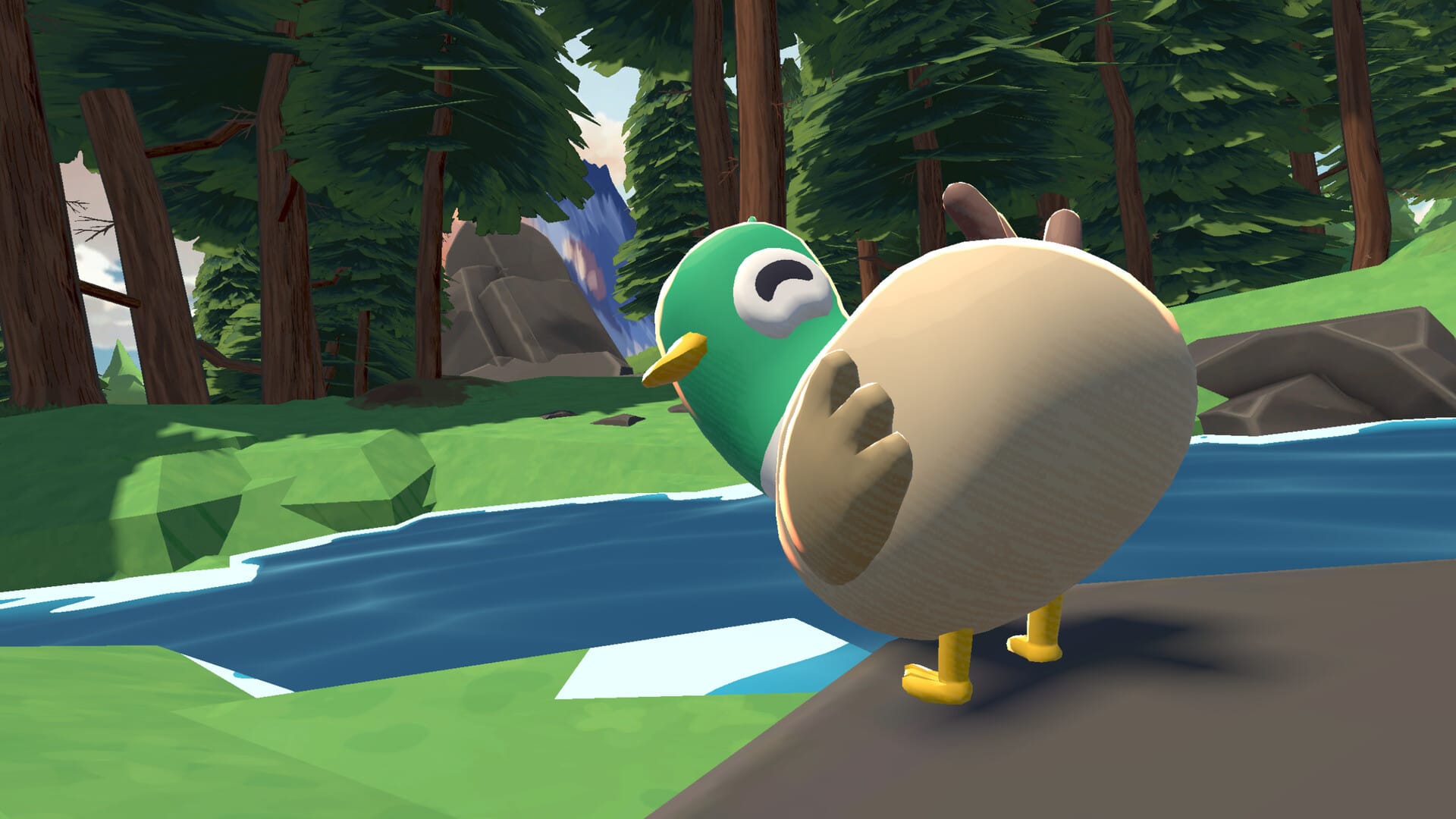
They dance among the branches, preen on the rocks, and soar high in the sky. And they look absolutely stupid (complimentary). They're goofy and silly, delightfully plump and bouncy. Their enormous eyes blink dumbly as they flutter and squawk and bounce. Even when diving on the wind, they look more like bowling pins than sleek products of a million years' evolution. I love these dumb birds.
The Decisive Moment
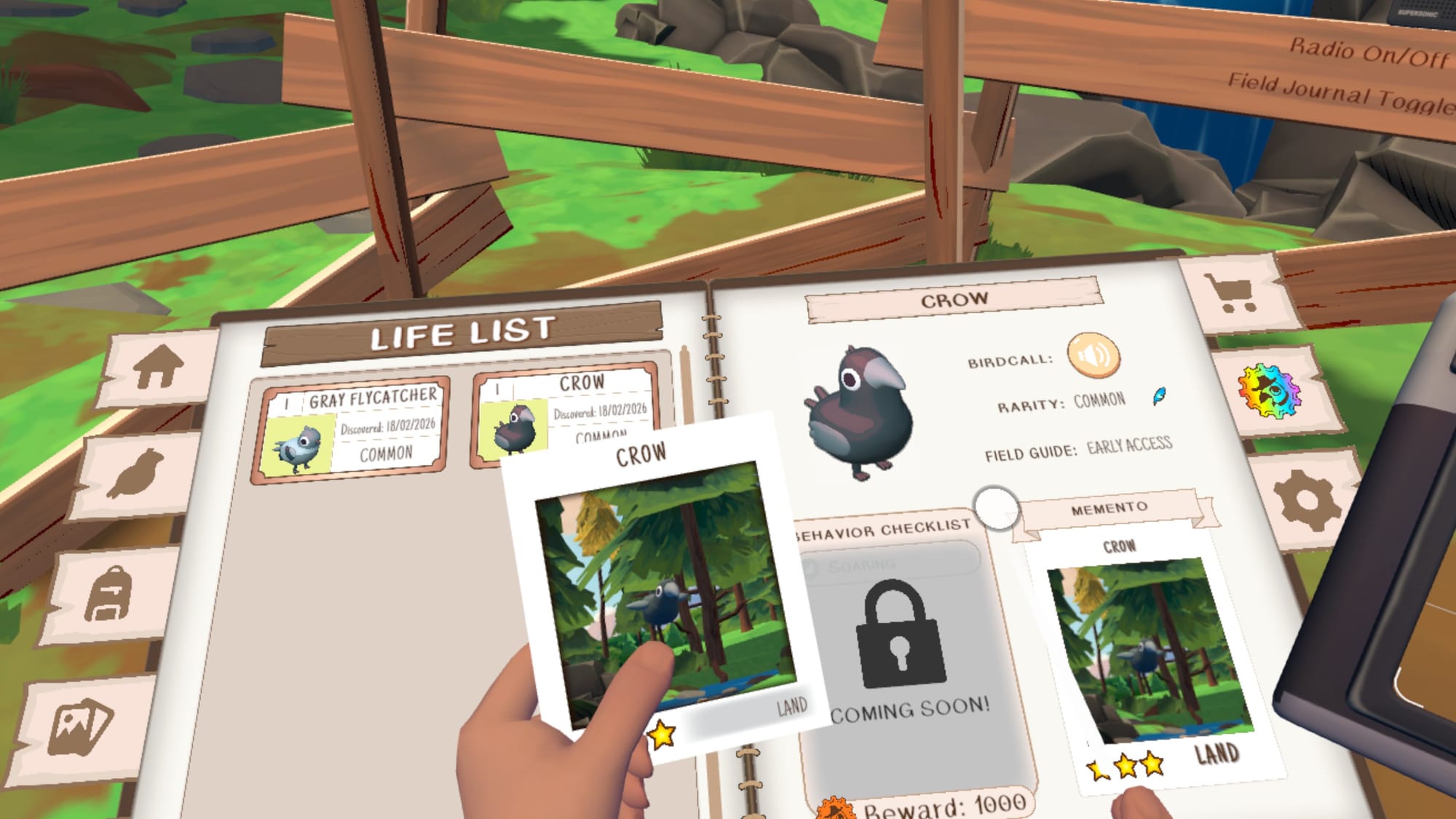
You have twelve pictures per day, as you're using a film camera, and these images are instantly ejected to be held, looked at, and then stored automatically in your photo album. Photos are rated for their content, as well as for the rarity of the bird, and the bird's poses or actions are marked as well. Capturing a rare bird or a bird in a rare action or pose will rate higher, and higher ratings or achieving certain challenges (for example, photographing a specific type of bird or making a three-star photo) will earn in-game currency which can be spent to buy new lenses and cosmetic items, such as new skins for your camera.
The scarcity of available photos per day is an interesting mechanic, and one that I appreciate. As happens in real life when we're shooting a film camera, the knowledge that we only have a limited number of shots tends to change the way we photograph. It forces me to pause for a moment, or to think deeper during the act of making an image. Do I really want to use a frame to make this photo? The result is that I either make better pictures, or sometimes I miss out. I found the same thing happening in Birdseed.
Exhausting your daily supply of film doesn't necessarily mean the play session is over. You can still hang out in the environment, watch birds, and enjoy the scenery. There's even a radio with which you can listen to some chill tunes.
If there's one major strike against Birdseed, it's that the game is not technically solid. During my play sessions, there were several instances of the game crashing. Restarting my Quest 3S smoothed things out temporarily, but a few more crashes led me to uninstall and reinstall Birdseed, which seemed to mostly solve the problem.
For now, and when it works without crashing, I'm enjoying every minute that I spend in Birdseed. Though those minutes amount to just about 30 per day, it's a nice half hour in VR. Birdseed has been a lovely experience that will surely only become more endearing, fully-fledged, and enjoyable when the game officially releases in March.
Birdseed VR is out now in Early Access on Quest 3 and 3S, with the full release coming in March on Quest and Steam.
The musical rhythm climbing game is coming to Meta Quest Early Access on March 5th.
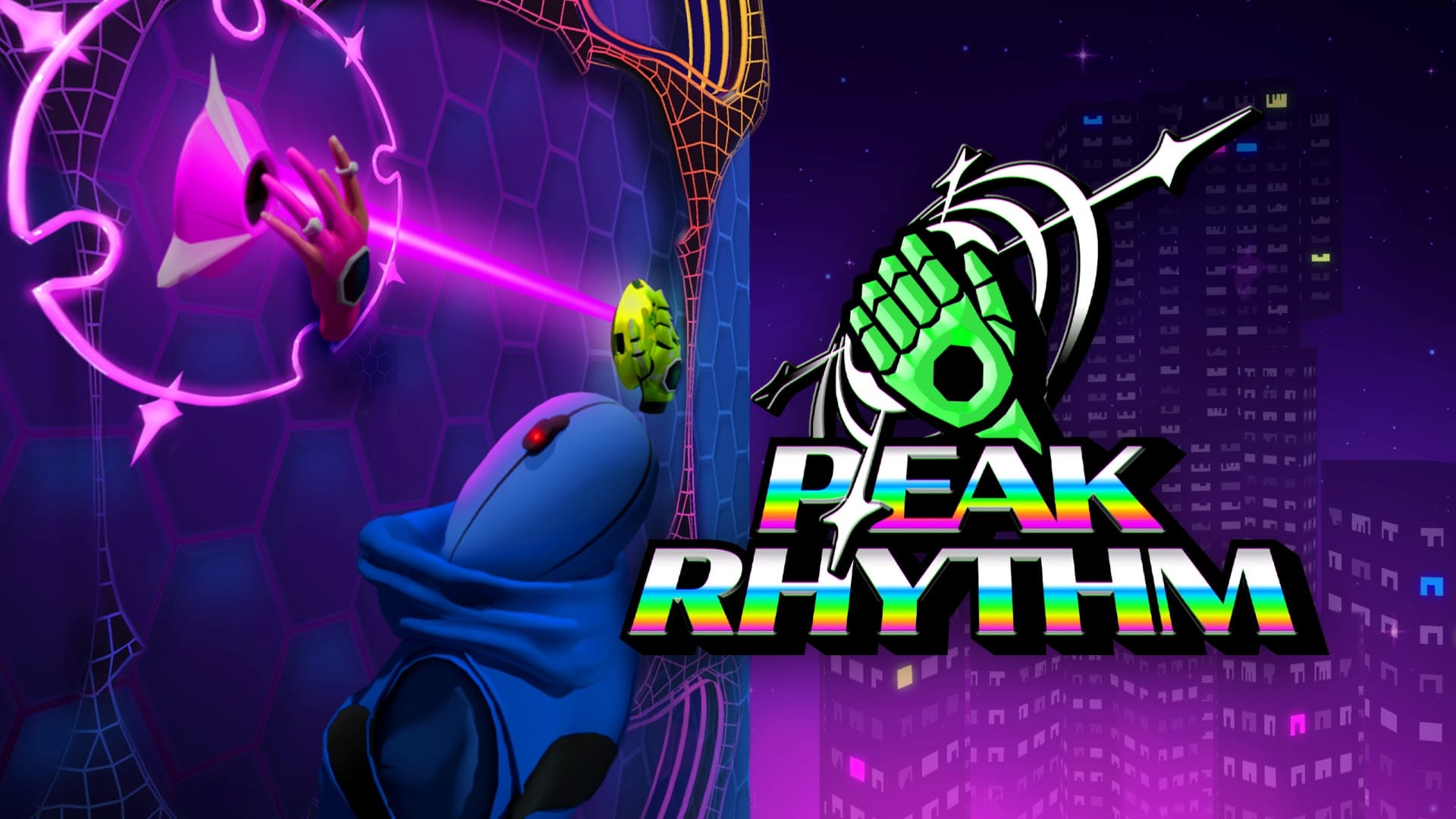
Developed by Zeitlos Interactive, Peak Rhythm is a VR climbing game that challenges players to climb in sync to an exciting soundtrack. Players grab handholds in time with the beat, which is visually denoted by "Timing Rings" which tighten around the various handholds.
Multiple types of grips add variety. Twist grips ask that you twist your wrist like a volume knob, and Double grips demand you grab hold with both hands. Grip and climb at the right moment and you're propelled ever higher; miss the beat and you fall. The higher you climb, the higher your name lands on the leaderboard.
0:00
/0:52
The game is launching in Early Access with original tracks spanning several genres, including Drum & Bass, Dubstep, House, and Disco, with tracks from FEISTLING, Killin' Void, Ion Diary, and funiel.
Also launching in Early Access is a fully functional Beatmap Editor, supporting custom maps and players' own music files. Multiplayer is planned as an Early Access update shortly after launch.
Peak Rhythm launches in Early Access on Quest on March 5, 2026 for $12.99.
Horizon+ crossed over 1 million "active subscribers" in 2025, according to Meta.
If you're unaware, Horizon+ is Meta's $8/month game subscription service for Quest headset owners. Subscribers get access to a Games Catalog of around 50 major VR titles, as well as an Indie Catalog of around 50 smaller titles, for a total of around 100 games.
The Games Catalog has grown to include some of the biggest and best VR games of all time, including Asgard’s Wrath 2, Assassin’s Creed Nexus VR, Cubism, Demeo, Dungeons of Eternity, Eleven Table Tennis, Ghosts of Tabor, Into the Radius, Job Simulator, Kingspray Graffiti, Les Mills Bodycombat, Maestro, Moss, Pistol Whip, Puzzling Places, Real VR Fishing, Red Matter 1 & 2, Synth Riders, The Climb 2, and The Thrill of the Fight.
Subscribers are also offered two specific games each month, pre-selected by Meta. Redeeming them lets you play them while you remain subscribed, or when you resubscribe in future.
One million subscribers would represent just under $100 million revenue per year, assuming they stick around that long.
All new Quest 3 and Quest 3S purchases come with 3 months of Horizon+. While these new users presumably aren't included in Meta's 1 million figure, we've reached out to the company to explicitly ask.
On a purely financial basis, assuming you're not fundamentally against the idea of a subscription, Horizon+ offers excellent value, and so reaching 1 million subscribers isn't particularly surprising.
Back in October, Meta opened enrollment in the Horizon+ Games Catalog and Indie Catalog to any interested developer, providing they meet the strict requirements.
Horizon+ represents a gradual but significant shift in the way many VR headset owners access premium titles since the launch of the original Oculus Quest almost seven years ago. It could have significant upsides for developers enrolled in the program, while bringing reduced spending for those not.
Apple too takes a similar approach on Vision Pro with the $7/month Apple Arcade subscription, but goes further, not offering the ability to outright buy many of the platform's top games.
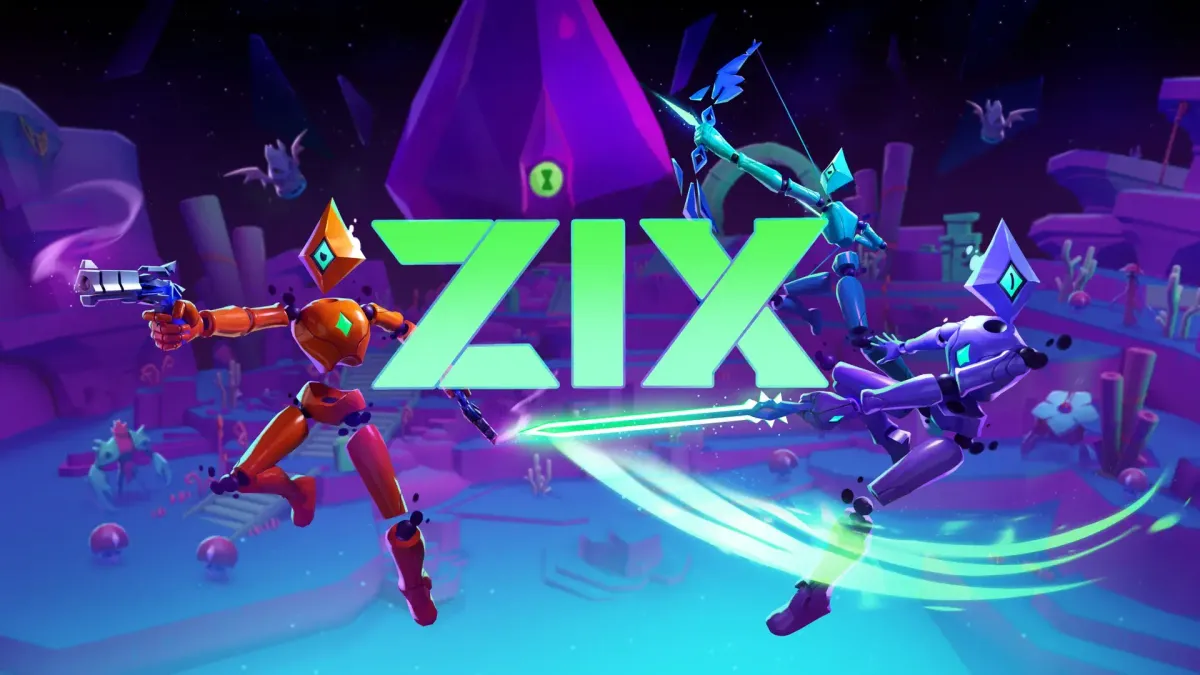
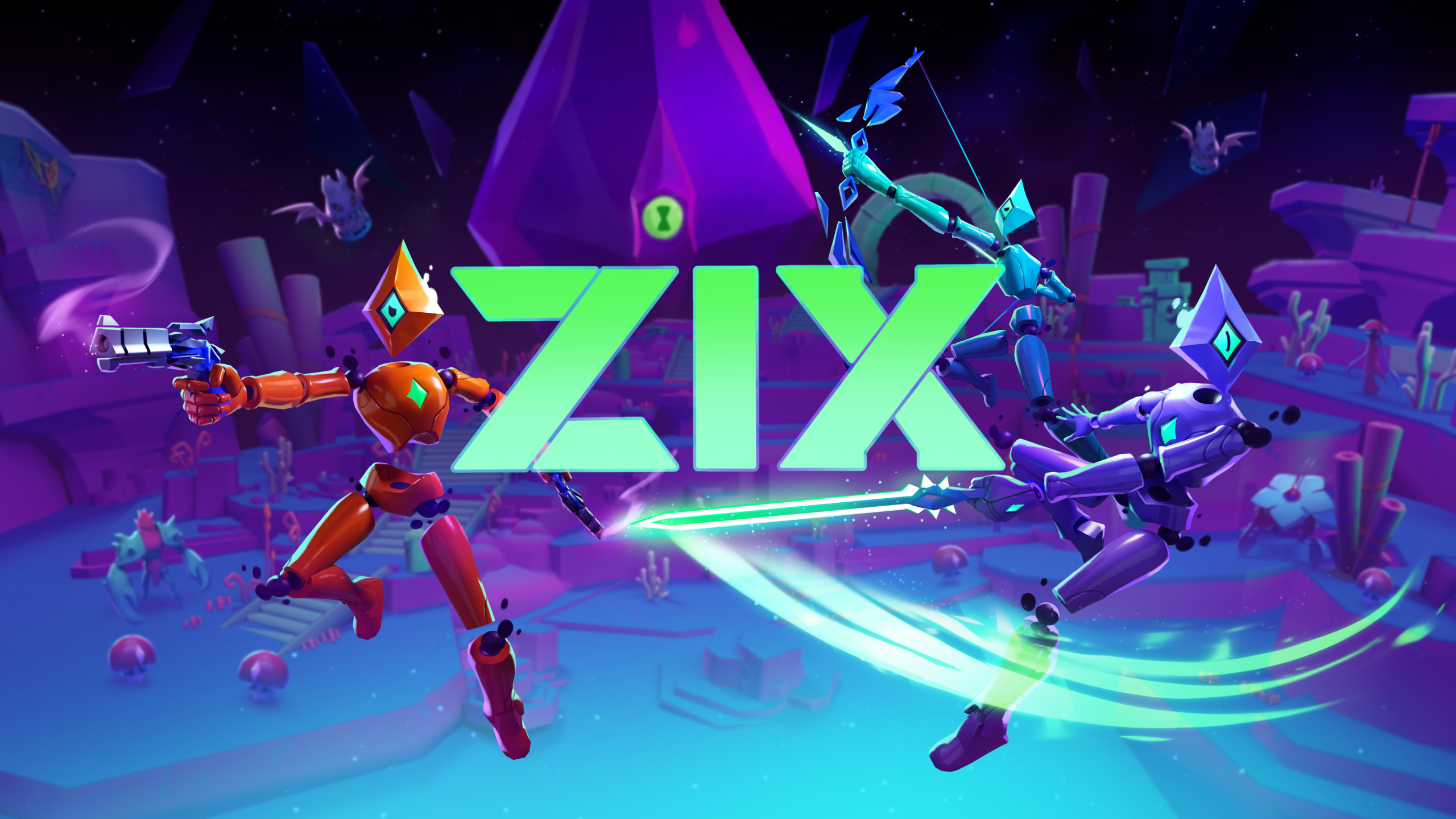
Hidden IO's latest update to ZIX upgrades the Unity engine to push the game forward while its new free-to-play spinoff aims to grow its player base.
Neon-themed co-op roguelite ZIX was hitting performance ceilings, according to Hidden IO, limiting its abilities to increase enemy counts and the overall pace of the game. The new Foundation update upgrades the Unity engine, bringing "meaningfully better" performance and enabling higher enemy counts and more intense encounters on each run.
In the dev post, Hidden IO also confirmed it is working on Gogo Dojo, a new free-to-play title designed to showcase the best of ZIX's gameplay style in an easier, more accessible setting. Pre-alpha playtesting for Gogo Dojo is said to start 'soon' in Hidden IO's Discord.
Explaining why it is developing a free game, Hidden IO stated "ZIX lives or dies by how many people play it. We can’t sustain development without players, and the current VR landscape is tough. Many studios are struggling, and we’re not immune to that reality."
0:00
/1:23
ZIX VR Game Trailer
The Foundation update is said to set the stage to expand ZIX in the future, including a revamped progression system and expanded build variety.
ZIX is available now in Early Access on Quest 3 and Steam for $19.99.
Meta published a blog post for developers wherein it lays out its new strategy for the Quest ecosystem and Horizon Worlds, taking the two in separate directions.
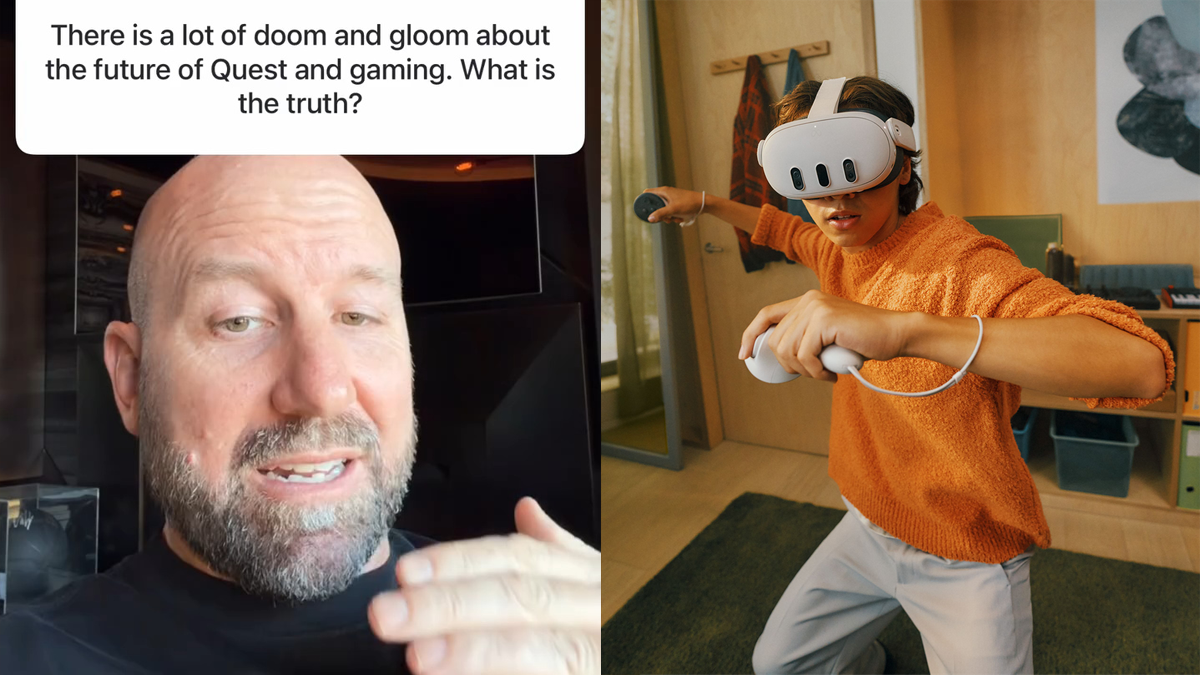
Titled 'Our Renewed Focus in 2026' and written by the VP of Content at Meta Reality Labs, Samantha Ryan, much of the post repeats what CTO Andrew Bosworth has already said in a series of public interviews and Instagram "ask me anything" sessions in recent weeks.
The gist of Meta's new VR and metaverse strategy, according to its executives, is that Horizon Worlds will become "almost exclusively mobile", and the platform will no longer be pushed on Quest owners. Meanwhile, on the VR side, Meta will focus on funding and supporting the third-party developer ecosystem instead of putting out its own blockbuster VR games to compete with them.
Meta is removing individual Horizon Worlds destinations from the in-VR store on Quest, Ryan writes, and "separating worlds from the Store" in the smartphone app.
"We heard your feedback loud and clear, and after a year of collecting data and running experiments, we agree. We’re removing individual worlds from our store shelves in VR, and we’re separating worlds from the Store in our mobile app. This change should result in more impressions for apps on the store."
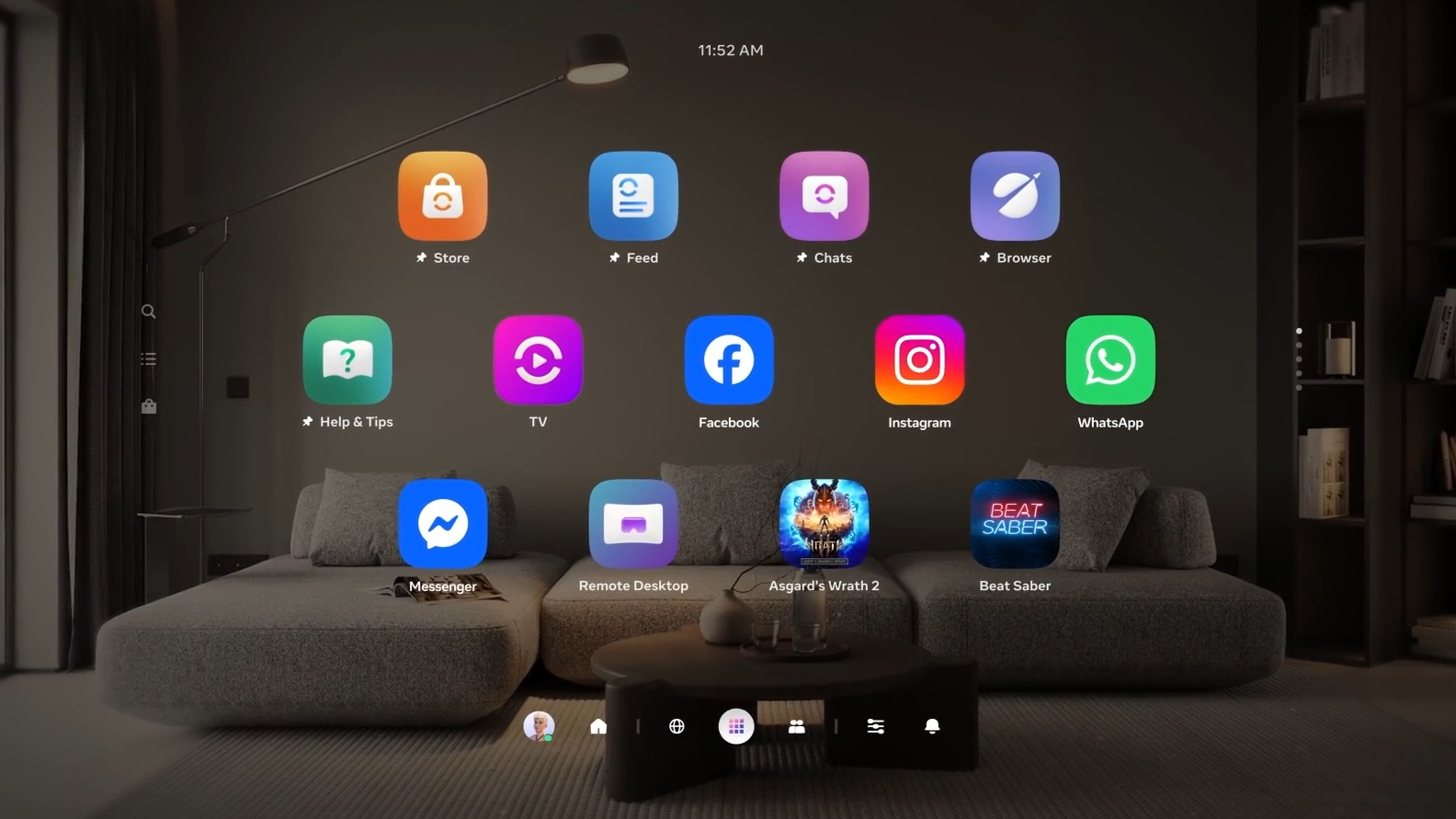
Last month, Meta also announced that Quest's new 'Navigator' UI will soon become the default and the Horizon Feed will be removed, meaning the headset will boot to a grid of your installed apps. Some Quest owners on the Public Test Channel (PTC) have also received a refreshed Navigator that lacks the 'Worlds' button.
The post also seems to take aim at the gloom and doom discourse around the future of the Quest platform that followed Meta's shutdown of three of its acquired VR game studios, significant layoffs at a fourth, cancelation of the Batman: Arkham Shadow sequel, and deprecation of Horizon Workrooms and Quest headsets for business offering.
As well as noting that Meta has "a robust roadmap of future VR headsets", echoing comments from the CFO and CTO, Ryan claims that VR "is still growing", and that Quest had "a tremendous holiday season that was on par with our 2024 results".
"Total payment volume on the platform remained similar year-over-year in 2025", Ryan writes, also noting that Quest headset sales remain "far ahead of all competitors" while Meta remains "the single biggest investor in the VR industry".
In what seems to be an attempt to reassure developers, Ryan claims Meta is "focused on supporting the third-party developer community" through "strategic partnerships and targeted investments".
Last year multiple new VR games earned millions of dollars of revenue on the platform, Ryan claims, including UG, Hard Bullet and The Thrill of the Fight 2.
"While we’re proud of the world-class work from Oculus Studios over the years, among 1P and 3P apps, 86% of the effective time people spend in their VR headsets is with third-party apps", Ryan notes.
Ryan also claims that in 2025 Meta invested "nearly $150 million in VR developer programs".
Of course, words are cheap, and since acquiring Oculus almost twelve years ago, Meta's VR strategy has constantly shifted under developers' feet. Many will be weary of this instability, and UploadVR will keep a close eye on the Quest platform in the wake of Meta's latest change of direction.
ByteDance's Pico will detail its competitor to visionOS, which will include a shared-space for 2D and spatial apps to run together, set to debut in its next headset.
We first heard that the owner of TikTok's VR platform Pico was working on a high-end headset over two years ago, when The Information reported that Pico 5 had been canceled in favor of a short-term Pico 4 refresh and a longer-term Apple Vision Pro competitor called Project Swan.
Now, Pico has listed a GDC 2026 talk titled 'Bring Your Apps and Games to General Spatial Computing with Project Swan', set to take place on March 12.
The listing says the talk will guide developers through building or porting games to its upcoming "flagship device for general spatial computing", running "Pico OS 6".
Notably, the listing mentions that Pico OS 6 supports "a new paradigm for spatial experiences in which games and apps coexist, allowing a primary experience to run alongside companion applications in a shared environment". Currently, only Apple Vision Pro's visionOS supports this concept of an XR shared space, with both 2D windows and 3D volumes, while Meta's Horizon OS and Google's Android XR are limited to running one spatial experience at a time.
While the listing describes Pico OS 6, it doesn't say anything about the upcoming headset itself, other than calling it a "flagship device". What exactly will it be?
Back in July, The Information reported that Pico was working on an ultralight headset resembling a pair of goggles, with an onboard dedicated image coprocessor and a tethered compute puck, similar to Meta's next headset.
Then, in November, a Chinese news outlet reported that ByteDance's Vice President of Technology said that Pico's 2026 headset will have 4K micro-OLED displays and a dedicated R1-style passthrough chip.
UploadVR's Mike Johnson and Kyle Riesenbeck will be in attendance at GDC 2026, and we've reached out to ByteDance in hopes of going hands-on with Project Swan. We'll let you know if we get a response.
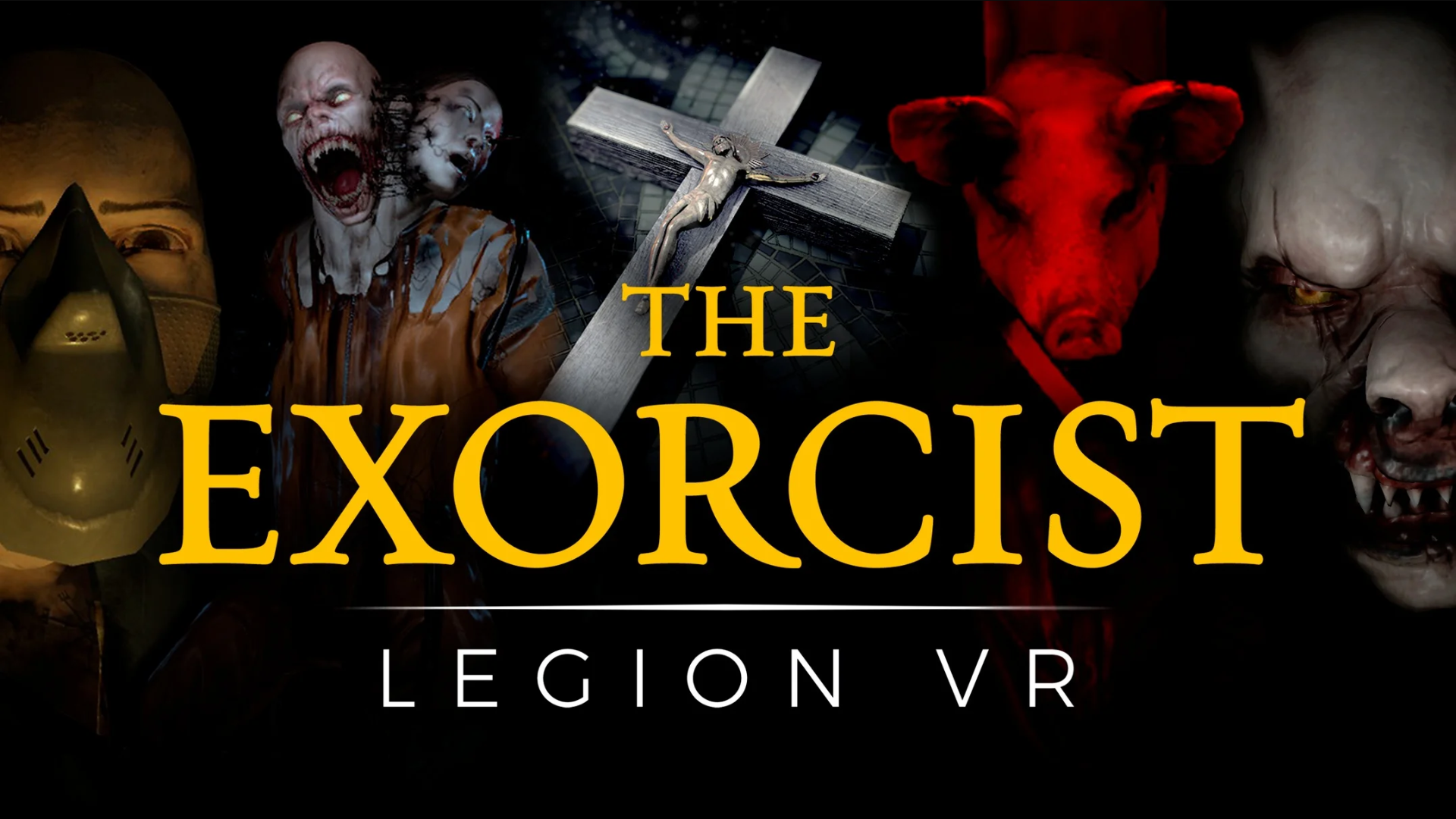
The Exorcist: Legion VR has been forced to rename to Exorcism of the Legion (Last Rites).
Fun Train announced that the license holders for The Exorcist IP chose not to renew the license for the well-regarded horror title. As a result, the game will continue to be available under its new name, Exorcism of the Legion (Last Rites), a name Fun Train fully owns.
This change will take effect when players update the game on their platform of choice. The Steam, Quest, and PlayStation VR2 store listings already show the new name, though the original PlayStation VR version is still listed for sale under the original name, both in a complete set and as individual chapters.
Fun Train's Tarzan VR was delisted from all VR storefronts at the end of January after Fun Train opted out of renewing the license. Additionally, The Twilight Zone VR has also been renamed 'Tales From the Zone' on the Quest and PS VR2 stores.
A sequel, The Exorcist: Legion SIN (Safety In Numbers), with co-op gameplay was announced in late 2021. After an initial delay into 2023, Fun Train announced the game was shelved indefinitely due to the changing VR gaming landscape.
Exorcism of the Legion (Last Rites) is available on Meta Quest and Steam for $24.99, and on PS VR2 and PS VR1, the latter under its original name, for $29.99.
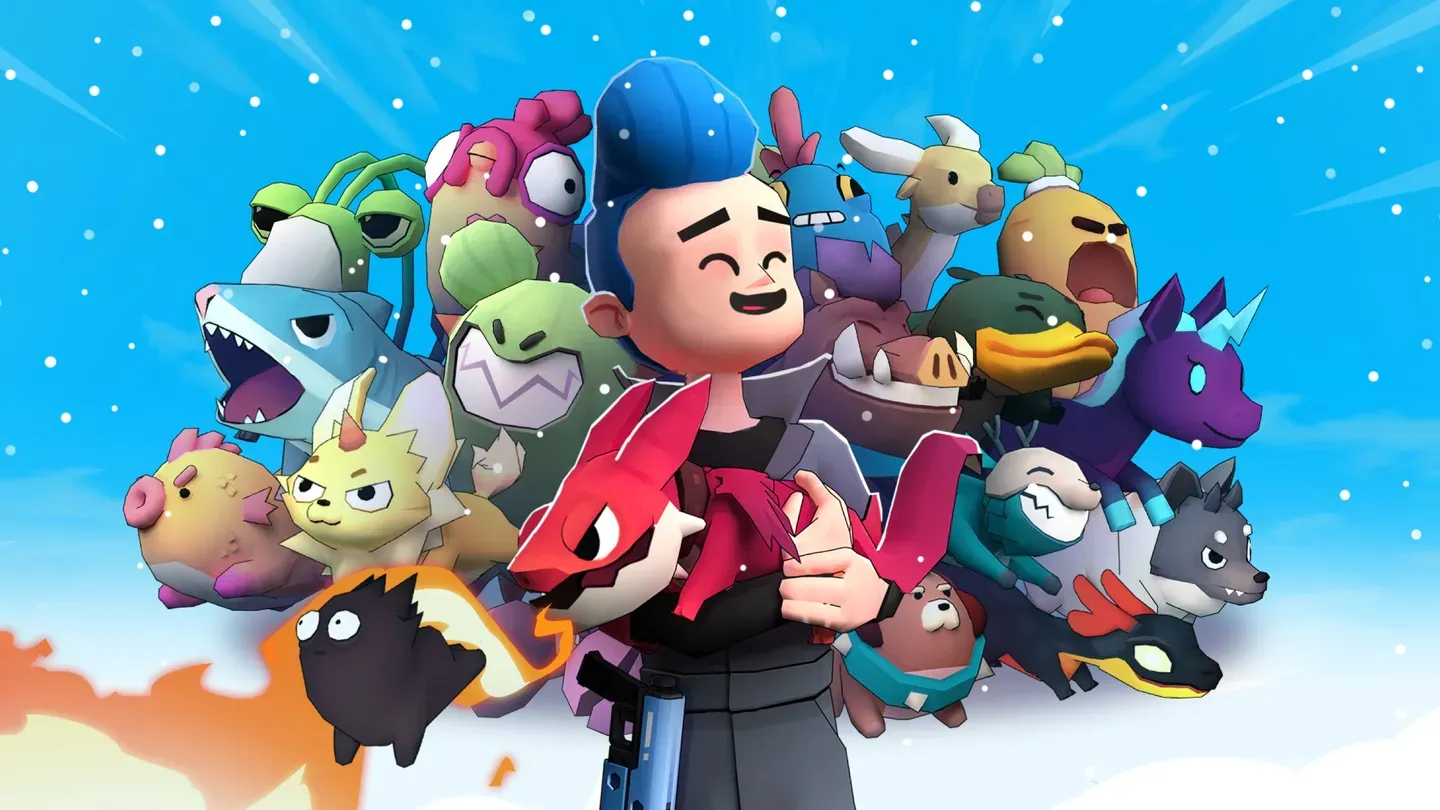
The bizarre weaponry and battle-ready pets of comic shooter Vortex 9 are coming to VR soon on Quest headsets.
Developed by iWorlds, the VR port of Vortex 9 will launch on Meta Quest on February 26. The shooter has previously been released as a free-to-play game on iOS and Google's Play Store, where it has cumulatively amassed more than 10 million players. The VR port will be Crossplay compatible, which could help the game's transition to VR.
0:00
/1:23
Vortex 9 hangs its hat on absurdity. Players customize a variety of stylish heroes and jump into colorful arenas wielding over-the-top weapons, such as battle lollipops and bubble miniguns. Players can also create and play with cute battle pets across several multiplayer modes, including Team Battle, Solo Deathmatch, and Capture Point.
The infamous cave in which a youth football team was trapped in 2018 is coming to VR spelunking game Cave Crave.
3R Games has announced that the next real-world cave to appear in their virtual reality spelunking game Cave Crave will be Thailand's Tham Luang. The cave gained international attention in 2018 when a youth football team became trapped in the cave by rising flood waters.
To ensure accuracy and appropriate context, the studio is collaborating with diver Vern Unsworth, who directly participated in the rescue, and 3D cave-scanning expert Roo Walters. The new cave will appear in Cave Crave's Tourist Mode, a non-gamified virtual recreation of real-world locations.
0:00
/1:08
This addition to the game's "real cave" experiences follows an earlier update that added Utah's Nutty Putty Cave, another real-world cave that closed in 2009 after the death of John Edward Jones. 3R Games is careful to note that their real cave recreations aim to offer a way to explore dangerous or permanently closed sites that's both respectful and authentic, and not gamified experiences.
In Cave Crave, you'll explore tight tunnels and caves, spelunk your way through the darkness, mark walls with chalk and use various other caving tools to plumb the depths and escape to the safety of the open air.
Previous updates have added an Arcade Mode, which turns the game into a competitive race against time, where you aim for the quickest run on the online leaderboards.
The music-driven arena combat title is scheduled for release on PS VR2 on March 5.
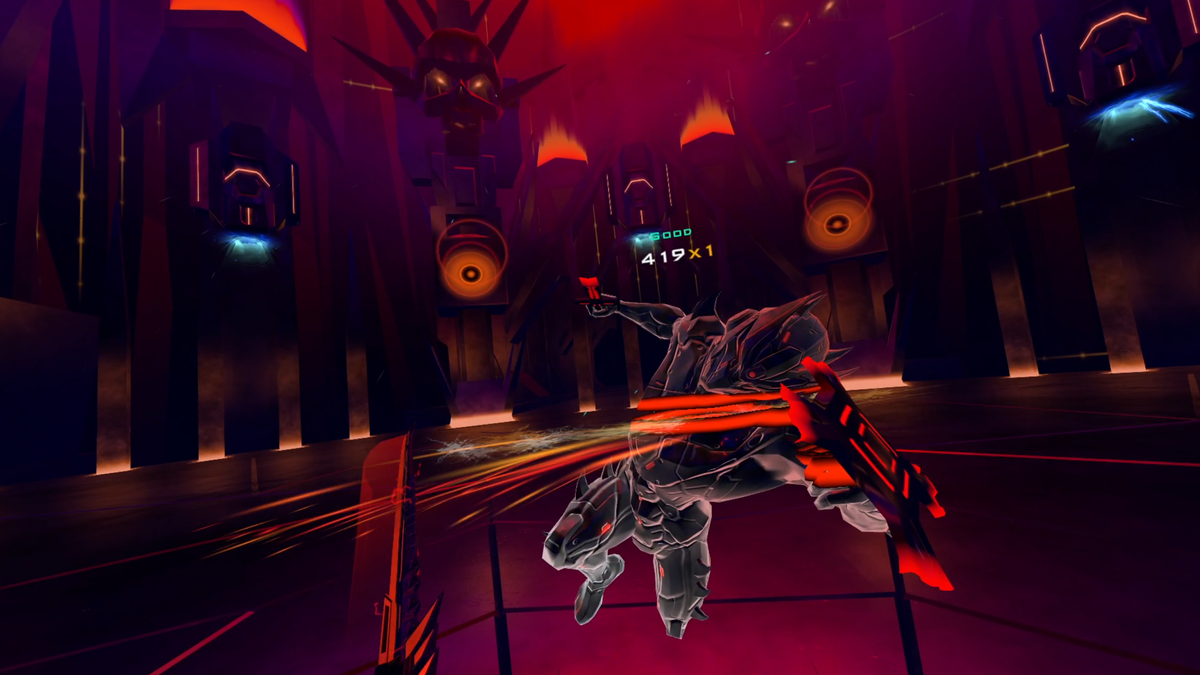
Rager drops players into a stylized arena for intense, timing-based combat in tune to a dubstep-glitchy-rock soundtrack. We first tried the game as a demo on Steam and said "With a full pace of strikes, blocks, and ducks, RAGER makes me feel like I'm engaging with an immersive fitness routine that's straight out of a movie."
Rager first debuted on Steam and Quest in Early Access in October 2025. A November 2025 update added a new 'freestyle mode' with four new levels. At the time of this article, it remains in Early Access on both platforms with no date for a full release.
0:00
/0:48
The PS VR2 version will launch with a full campaign comprised of twelve levels and three boss fights along with the aforementioned freestyle mode. The game runs at a native ninety frames per second, features headset haptics, and utilizes eye-tracked dynamic foveated rendering for better visuals and performance.
Meta is accelerating its plans for a Meta Ray-Ban Display successor, hoping to launch later this year, The Information reports.
The current Meta Ray-Ban Display, exclusively available in the US for just under five months now, is a monocular device. It has a small display in the right lens, while your left eye sees nothing. In our review, we described how this "just feels wrong", inducing a constant minor feeling of eyestrain when the display is active for more than a few seconds.
The reason that Meta Ray-Ban Display is monocular is that, as Meta's CTO pointed out in the weeks before the device's launch, the components for a binocular device would cost more than twice as much, since it also requires implementing disparity correction. It would also drive up the bulk and weight, harming social acceptability even further than it already is.
But the cost of in-lens waveguides and miniature light engines should decrease with scale, and Meta executives have described the demand for Meta Ray-Ban Display as significantly higher than expected, leading to the delay of the plan to launch the product internationally.
During development, Meta Ray-Ban Display was internally codenamed Hypernova. Last year, Bloomberg's Mark Gurman reported that Meta plans to release a successor, codenamed Hypernova 2, in 2027. Hypernova 2 would include a display in both eyes, he wrote at the time.
This timeline was corroborated by supply-chain analyst Ming-Chi Kuo, who also said Meta would replace the first-generation product with a successor in 2027.
Now, though, The Information's Jyoti Mann reports that Hypernova 2 will launch this year, not in 2027. While the report doesn't go into much detail, Mann describes Meta executives as being "concerned that launching too many devices in quick succession could confuse customers".
Given that Meta plans to launch its ultralight Horizon OS headset in early 2027, and that multiple sources point towards the company aiming to launch its first true AR glasses in the second half of 2027, shipping binocular HUD glasses this year may make for a less confusing release sequence.
Mann's report says Meta has also revived plans to launch a smartwatch, hoping to release that later this year too.
With the binocular HUD glasses, Meta could be hoping to get ahead of Apple's upcoming smart glasses, widely believed to be launching in early 2027. With Apple's first glasses lacking a display at all, Mark Zuckerberg could be hoping to present Meta as the technology leader in the smart glasses space.
Keep in mind that Meta's hardware roadmap is constantly shifting, and the company frequently spins up and cancels headsets and glasses before they ship.
It's possible that Meta no longer plans for Hypernova 2 to be binocular, or that the sources previously suggesting that it would be binocular were mistaken.
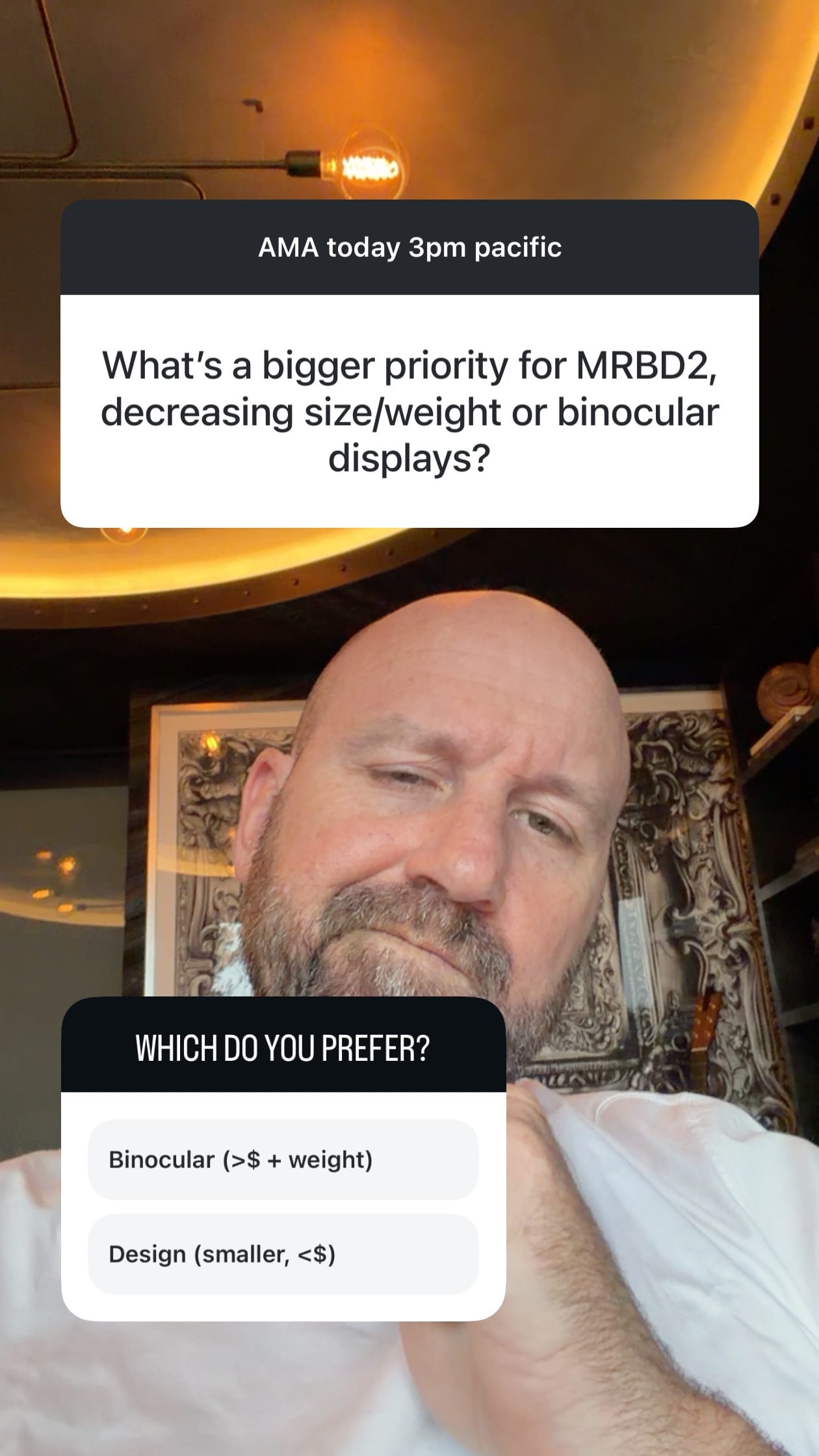
Poll posted by Meta CTO Andrew Bosworth on Instagram in response to a question.
Last month, Meta CTO Andrew Bosworth was asked on Instagram whether decreasing size and weight or adding another display is the company's priority for the next-generation device.
Bosworth didn't give an answer, but instead posted a poll asking the community for their preference. In the poll, he labeled the options as "Binocular (>$ + weight)" and "Design (smaller, <$)". The wording choices there may hint at Meta's thinking, and thus it's just as possible that later this year we see a sleeker, lighter Meta Ray-Ban Display Gen 2 without the anticipated left-lens display.
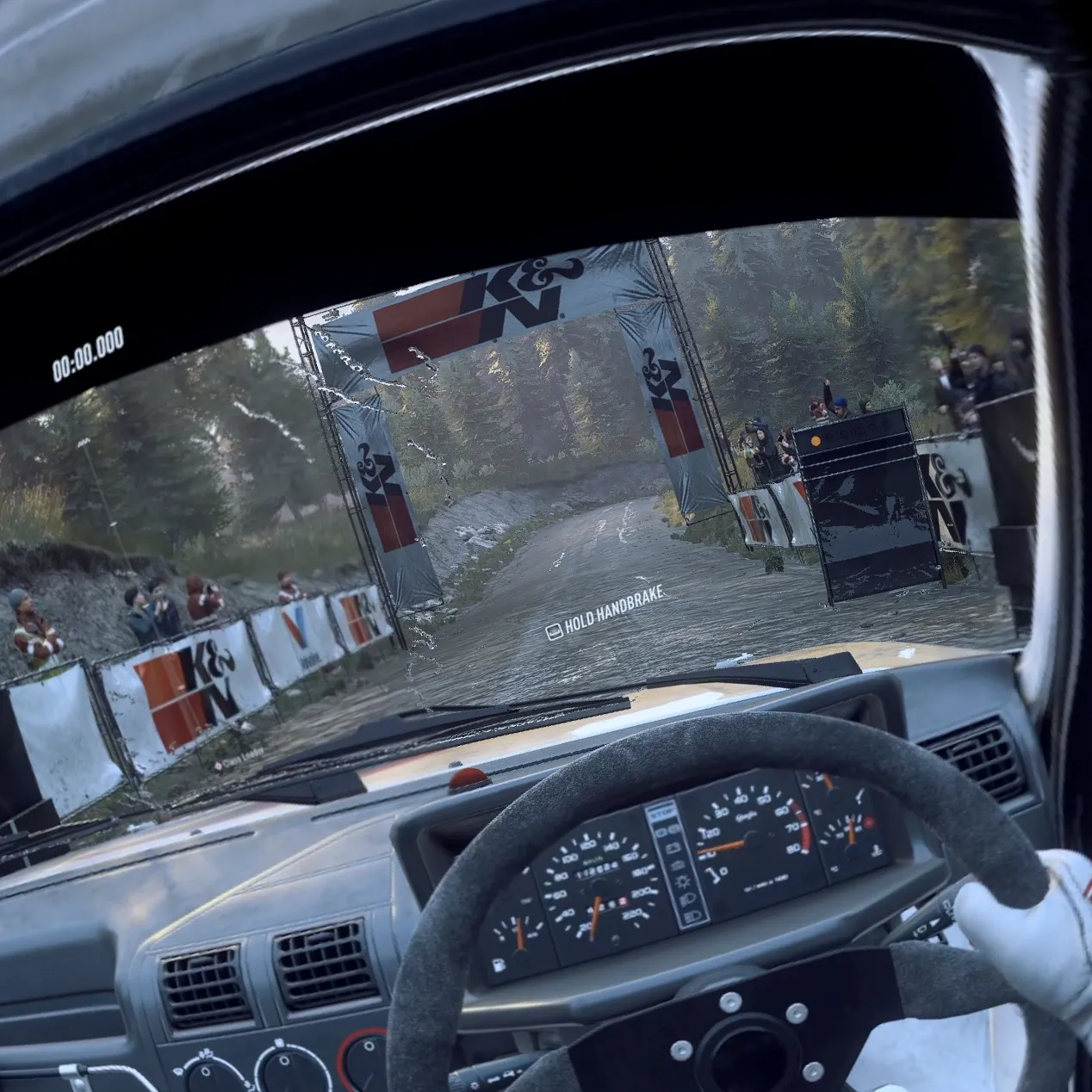
Apple Vision Pro is officially getting PC VR foveated streaming, and Samsung Galaxy XR now has the feature via Guy Godin's Virtual Desktop.
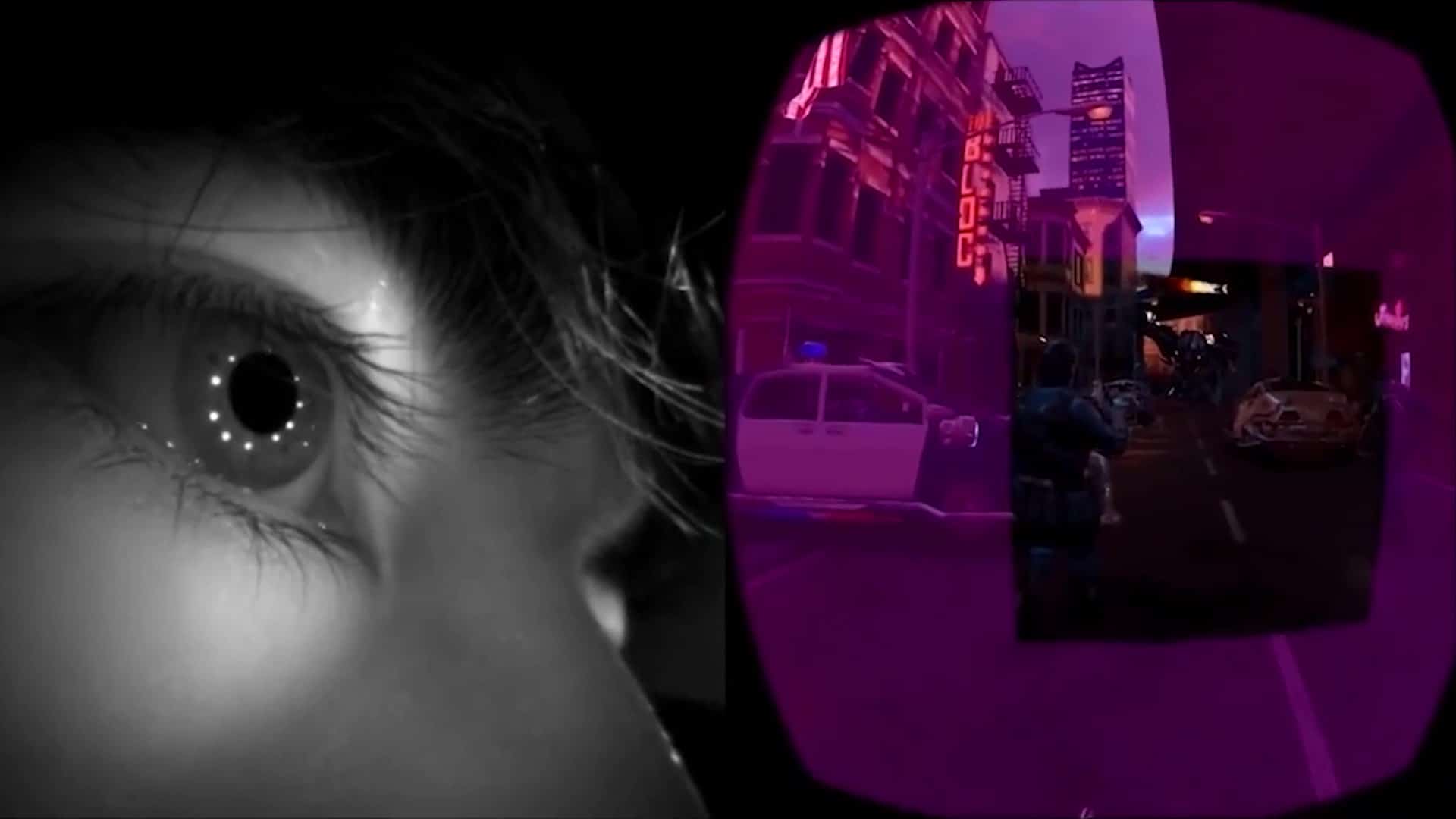
Before you continue reading, note that foveated streaming is not the same as foveated rendering, though the two techniques can be used alongside each other. As the names suggest, while foveated rendering involves the host device actually rendering the area of each frame you're currently looking at with higher resolution, foveated streaming refers to sending that area to the headset with higher image quality than the rest of the frame.
It's a term you may have heard in the context of Valve's Steam Frame, where it's a fundamental always-on feature of its PC VR streaming offering, delivered via the USB PC wireless adapter by default.
0:00
/0:05
Valve's depiction of foveated streaming.
Given that the video decoders in headsets have a limited maximum resolution and bitrate, foveated streaming helps prioritize resolution and compression quality where you're currently looking.
Apple Vision Pro: visionOS 26.4
visionOS 26.4 will bring foveated streaming to Apple Vision Pro, enabling higher-quality wireless VR remote rendering from a local or cloud PC.
Unlike the macOS Spatial Rendering introduced in the main visionOS 26 release last year, which is a relatively high-level system that only supports a local Mac as a host, Apple's developer documentation describes the new Foveated Streaming as a low-level host-agnostic framework.
The documentation highlights Nvidia's CloudXR SDK as an example host, while noting that it should also work with local PCs. Apple even has a Windows OpenXR sample available on GitHub, which to our knowledge is the first and only time the company has even mentioned the industry-standard XR API, never mind actually using it.
The lead developer of the visionOS port of the PC VR streaming app ALVR, Max Thomas, tells UploadVR that he's currently looking into adding support for foveated streaming, but that it will likely be "a lot of work".
Because of how the feature works, Apple's foveated streaming might even enable foveated rendering for tools like ALVR.
Normally, visionOS does not provide developers with any information about where the user is looking – Apple says this is in order to preserve privacy. Instead, developers only receive events, such as which element the user was looking at as they performed the pinch gesture. But crucial to foveated streaming working, the API tells the developer the "rough" region of the frame the user is looking at.
This should allow the host to render at higher resolution in this region too, not just stream it in higher resolution. As always, this will require the specific VR game to support foveated rendering, or to support tools that inject foveated rendering.
0:00
/0:24
Clip from Apple's visionOS foveated streaming sample app.
Interestingly, Apple's documentation also states that visionOS supports displaying both rendered-on-device and remote content simultaneously. The company gives the example of rendering the interior of a car or aircraft on the headset while streaming the highly detailed external world on a powerful cloud PC, which would be preferable from a perceived latency and stability perspective to rendering everything in the cloud.
We'll keep an eye on the visionOS developer community in the coming months, especially the enterprise space, for any interesting uses of Apple's foveated streaming framework in practice.
Samsung Galaxy XR: Virtual Desktop
Meanwhile, Samsung Galaxy XR is getting foveated streaming via Guy Godin's Virtual Desktop, a $25 third-party app available on Google Play.
Virtual Desktop's latest update also brings foveated streaming to Meta Quest Pro and Play For Dream MR, though this is less notable as those headsets could already achieve foveated streaming through Valve's Steam Link.
Virtual Desktop without foveated streaming (left) and with it (right).
The feature should also work on any future eye-tracked headset where Virtual Desktop is available, Guy Godin tells UploadVR.
Here's the full changelog for Virtual Desktop 1.34.16:
• Added Foveated streaming with eye tracked headsets (Quest Pro, PFD & Galaxy XR) • This uses eye tracking to improve the quality of the image where you are looking.
• Improved color gradients and color accuracy with all codecs by using the full RGB color range instead of limited range (for desktop and PCVR)
• Added 96 fps and 100 fps support on Quest 2, 3/3S (only available on Quest v85 PTC)
• Added Gamepad vibration support (also for controllers when emulating gamepad)
• Added adaptive quantization support with AMD GPUs using H.264/H.264+
• Improved initial connection reliability (for real this time)
• Added 21:9 resolutions for virtual monitor on macOS
• Improved thumbstick scroll on macOS and now it respects the natural scrolling option
• Fixed distorted image with some laptop monitor resolutions • Fixed rare black flash issue when playing some PCVR games • Fixed hand joints offsets and interference with other drivers in SteamVR • Fixed compatibility with Roblox anti-cheat • Fixed more issues with AndroidXR invalid controller poses • Fixed button support for some recent UE5 games • Fixed reprojection stutters with some Unity (OVRPlugin) games
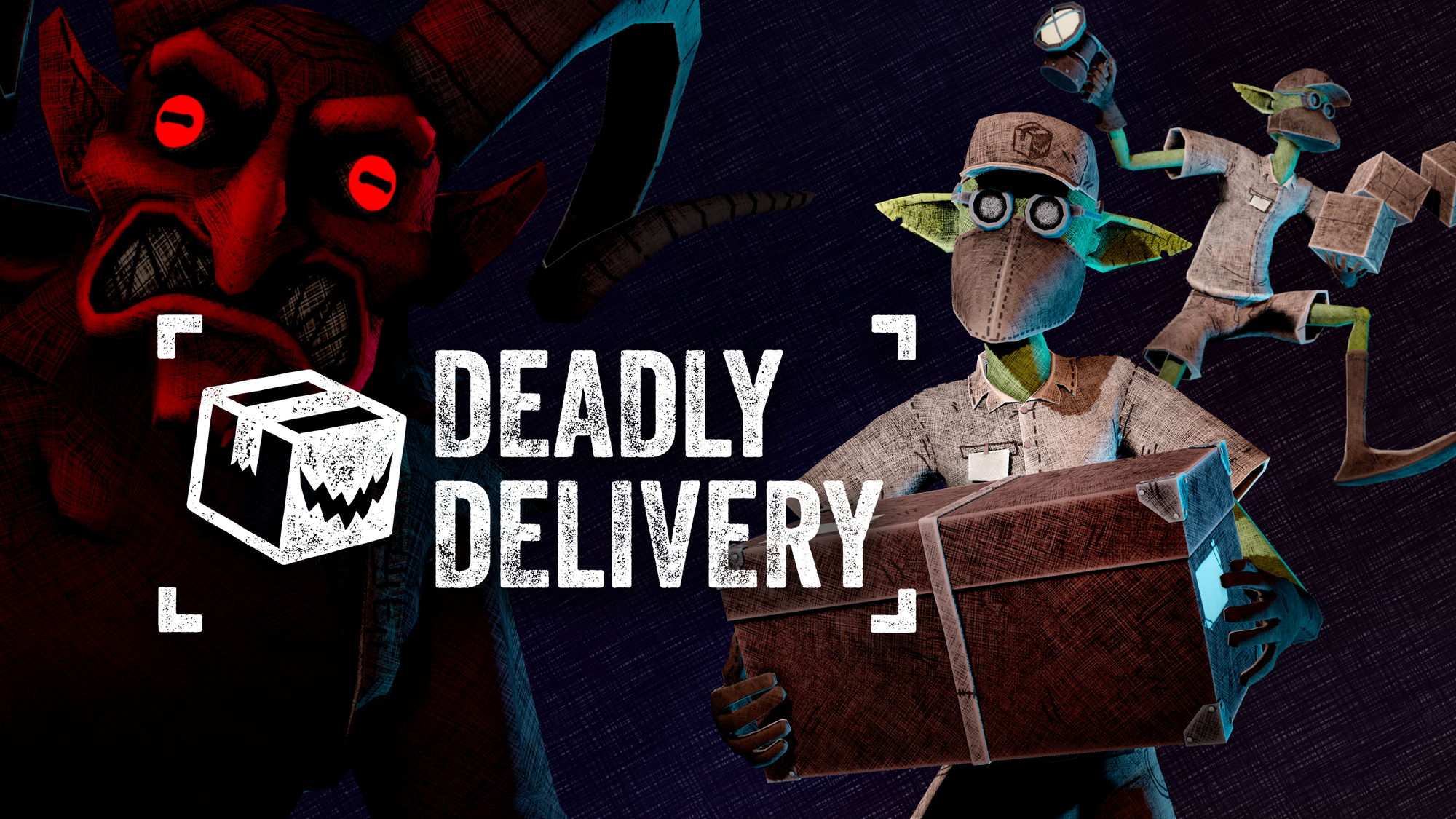
Co-op parcel delivery horror game Deadly Delivery adds a new 'Mystery Room', door microphone, and other new mechanics.
We previously reviewed Flat Head Studio's Deadly Delivery, finding it to be a "clever, effective, and genuinely funny VR co-op that nails the feel of physical play in a spooky, comic world." Flat Head has already updated the game with new content several times since its December launch, adding a new Ice Caves location and several quality of life features.
The Mystery Room adds a new room to the Bloodmoon and Ice Cave levels with more doors for players to explore. Some doors now have a microphone where players have to declare themselves before proceeding with the drop-off. A new item called the Door Reuser is available to purchase from the in-game shop as well, allowing players to deliver an extra package to a door.
0:00
/1:00
The update also includes general bug fixes, an ammo increase for the Roulette Gun, and wider passages in certain areas to allow multiple players to move around easier.
Deadly Delivery is available on Meta Quest and Steam for $9.99.
Apple's smart glasses will have two cameras, one for capture and the other for computer vision, and launch in early 2027, Bloomberg's Mark Gurman reports.
Gurman, who has a strong track record of reporting on Apple products in advance of an official reveal, has been tracking the company's plans to launch a Ray-Ban Meta competitor for well over a year now.
His previous reports described the company's first glasses as lacking a display, having cameras, microphones and speakers, and being powered by a new Apple-designed chipset, based on the highly efficient S-series chips used in Apple Watch. The product would be used for phone calls, music playback, live translations, turn-by-turn directions, and multimodal AI, which Apple calls Visual Intelligence.
His new report explains how Apple plans to distinguish its hardware from Meta's: "build quality and camera technology".
According to Gurman, the device will use "high-end materials" including acrylic elements and have two cameras, one for high-quality image and video capture, and the other for computer vision.
UploadVR's take on that is that a dedicated computer vision sensor could draw significantly less power than a sensor designed for imaging, and thus be sampled continually for advanced use cases like spatially-aware pedestrian navigation. "Turn left just past that red Honda", instead of "In 200 meters, turn left". It might also enable hand gestures without the need for a wristband – though you would need to raise your arm.
Apple is targeting December for mass production of the glasses, Gurman writes, for a launch in early 2027.
Unlike Meta and Google, which are working with established fashionable glasses brands, Apple will be designing its own frames, Gurman claims, with a variety of colors and sizes set to be offered.
His report also claims Apple is working on AirPods with cameras, and a wearable pendant, as part of a suite of AI-focused hardware.
The competition won't be standing still, though. Last year The Information reported that Meta and EssilorLuxottica plan to launch next-generation Ray-Ban Meta glasses with a facial recognition feature and the ability to run continuous AI sessions for "hours".
Meanwhile, Google is set to launch its Gemini-powered smart glasses platform this year, partnering with eyewear companies Gentle Monster and Warby Parker, as well as Samsung, to bring it to market.
The industry is set to see a fierce three-way battle between Meta, Apple, and Google to own the software platform on the glasses the companies hope you'll wear all day. Is there room for three players, or will it narrow to a two-horse race over time?
The setting and imagery of Ghost in the Shell is iconic by this point.
A futuristic, dystopian society where AI and cybernetic technology have transformed society into a militarized, oppressive surveillance state where the border between humanity and machine is blurred. The title, even, refers to the idea that a soul (‘the ghost’) could be uploaded and transferred into a mechanical shell, or flesh could be fused to transform the human. It’s an idea that has been used to comment on humanity’s relationship with technology, and, to mark thirty years since the first anime adaptation of the 1989 manga, a new art exhibition celebrating the franchise in its entirety has hit Tokyo.
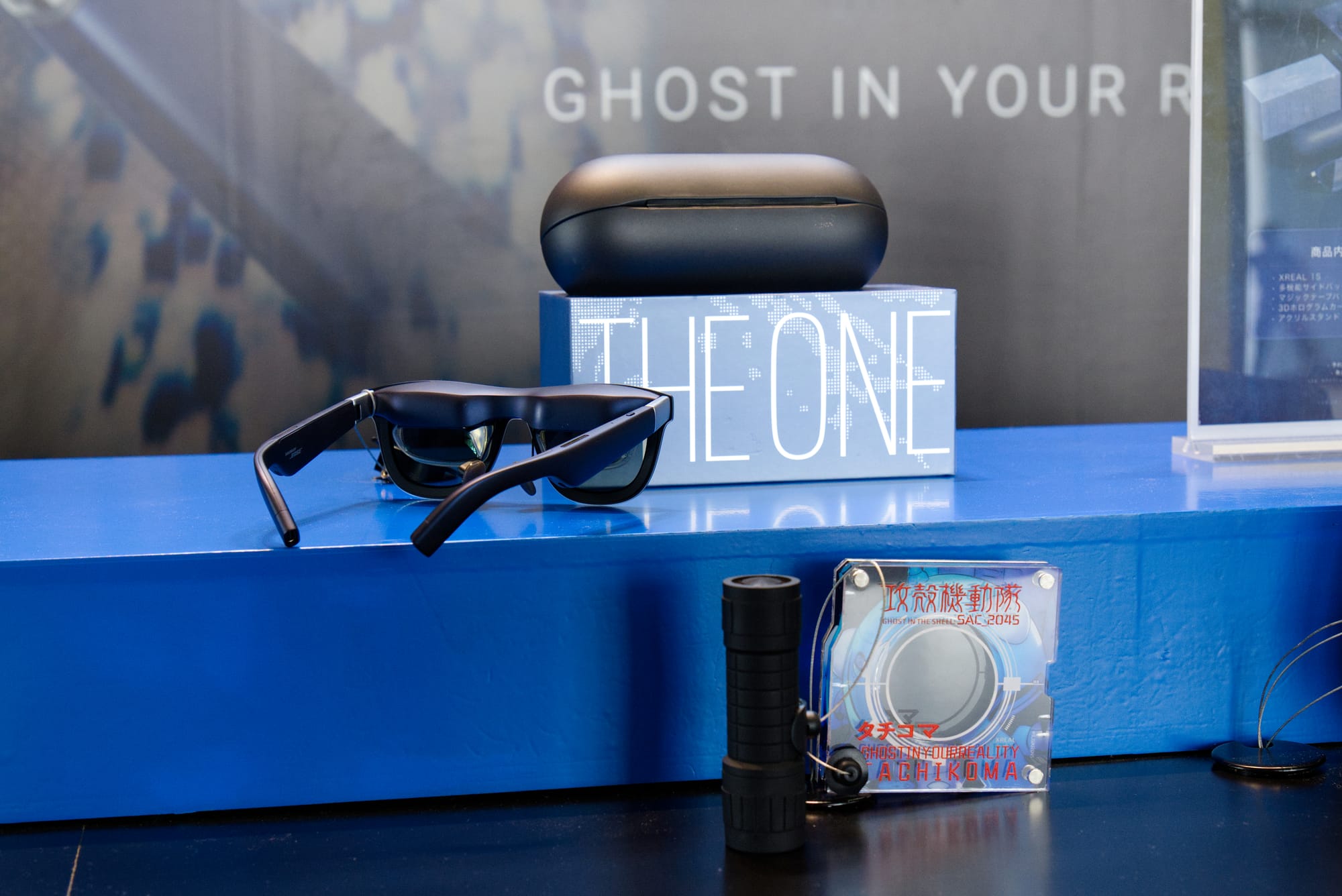
But this isn’t any normal exhibition. It makes sense that a franchise speculating about the future of technology would implement the cutting-edge aspects of this technology into even a showcase of the human artistry that went into its creation, but this Ghost in the Shell Exhibition has implemented AR technology using Xreal Air 2 Ultra to enhance the experience of exploring and understanding the artwork on display.
The series in every iteration follows members of Public Security Section 9, professionals separate to the police that work at solving and preventing crime, typically with a cybercrime and counter-terrorist purpose. The crimes they encounter, and the personal stories that reverberate into the broader world, touch on corruption, surveillance, technological overreach and abuse and more. The Puppet Master, the antagonist of the original manga and first film, can hack and overtake cybernetic bodies, whereas the Laughing Man circumvents surveillance through hacked video feeds.
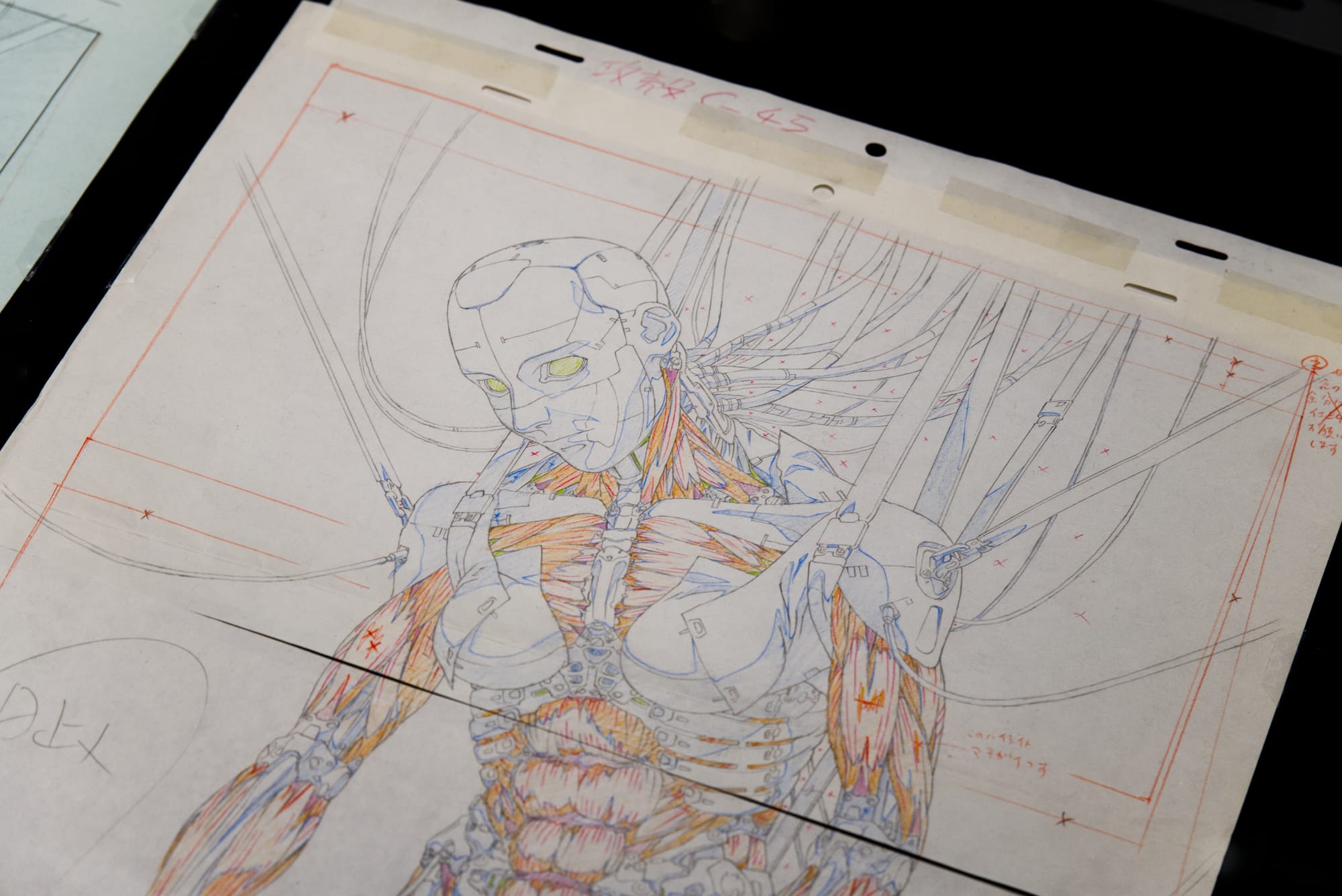
Conceptually, this is the first deep dive into the history of the entire franchise in a single exhibition, showcasing materials used in the production of not just early works but every series and film from the 1995 original all the way until the more recent Netflix-produced CG works, Arise, and an all-new preview for the all-new series from Science Saru premiering later this year. As such, original cels, storyboards, sketches and production materials from every series were on display, alongside newly produced artworks from a range of creatives that explore questions on humanity, AI, technology and the human body posed by the franchise. An analog look at a technological world, as original paper sketches are framed on walls and in glass panels.
In an opening room, you also have tall PCs with a digital interface to witness lines of dialogue, sketches, hear music, and more from across the franchise. In the main gallery featuring art from every series also sits a PC with digitized assets from every series to flick through at your leisure, a hard drive with a treasure trove of materials from the dense work of the series. Then you have the Xreal Air 2 Ultra AR device.
Photo by Alicia Haddick.
Their implementation at this exhibition is certainly unusual, one of the first examples in the world of AR glasses being used at an art exhibition in such a manner. While you could simplify their use as a more thematically fitting audio guide like the listening devices available to rent at museums around the world, their use here was a bit more involved and interesting than such a simplistic summation. For a cost of 1500 yen ($10) on top of your ticket, you will be given a pair of Xreal Air 2 Ultra glasses and a smartphone in a case to hold around your neck. After plugging the glasses into the phone, selecting your language between Japanese and English, and being instructed on how to use the device for the first time, you enter the exhibition.
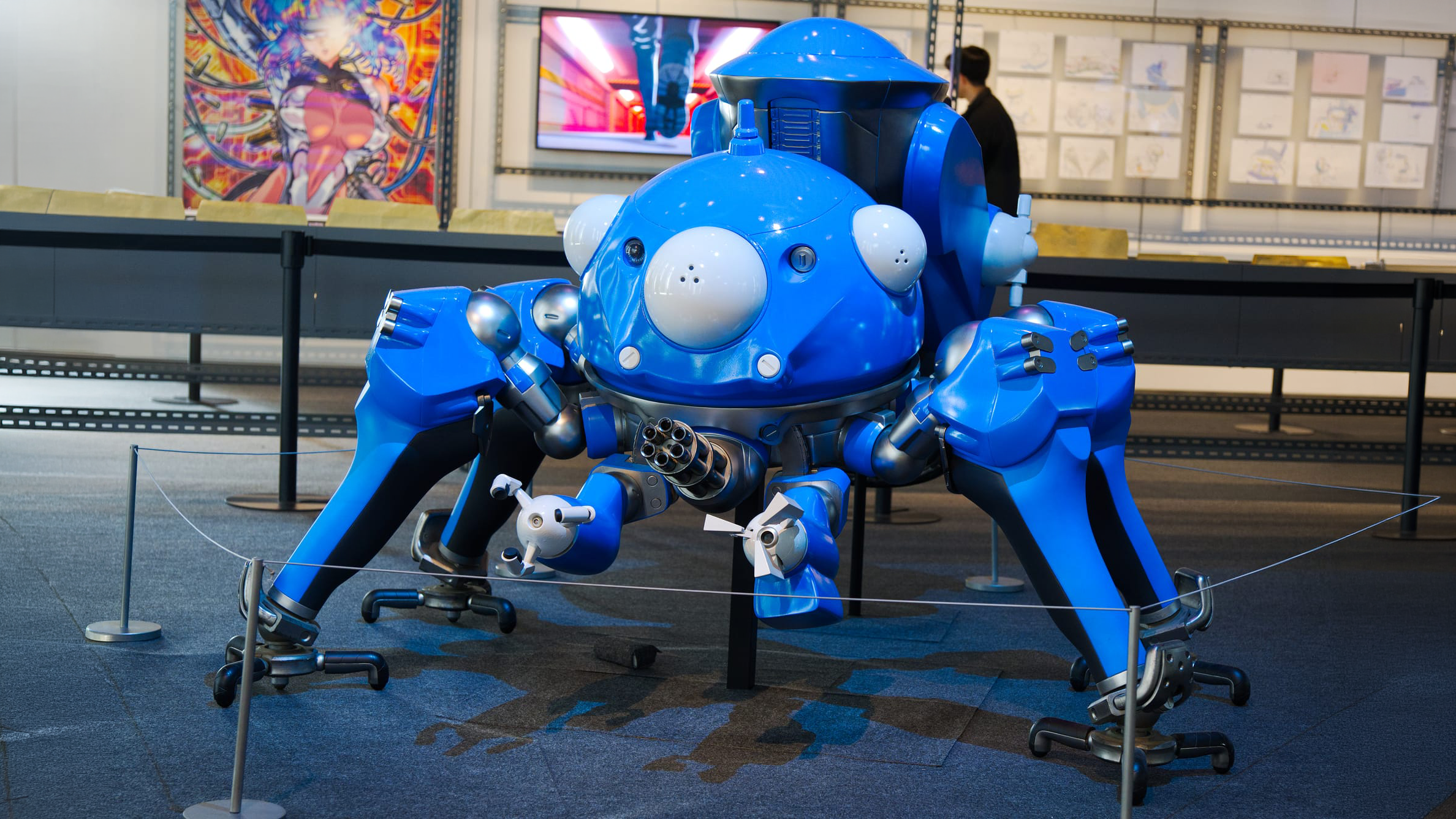
Dotted around the floor of every room of the exhibition are special marks featuring Tachikoma, the cute blue robot from the series. Scanning these marks will trigger an AR scene superimposed over that room or area of the exhibition. The first marker, serving as an introduction to this enhanced walkthrough of the space, places Tachikoma inside the open-plan first room of the showcase in order to explain the franchise and the exhibition, featuring the machine voiced by its original voice actor, Sakiko Tamagawa.
Photo by Alicia Haddick.
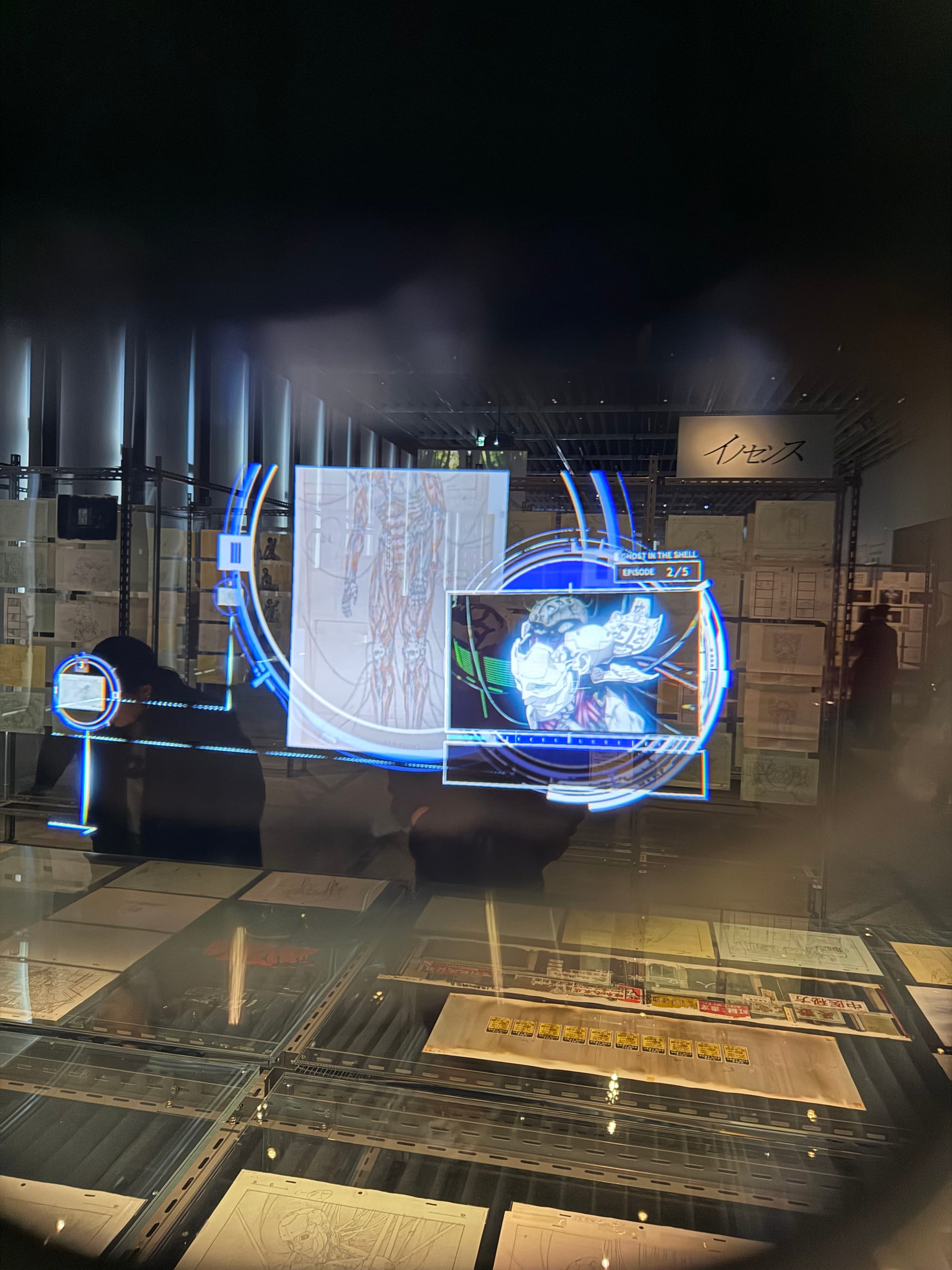
These AR markings are primarily found in the next room, the main gallery space and centerpiece of the exhibition featuring original production sketches, cels and more each broken up by series or film. At the beginning of each entry in the franchise's space within the showcase sits a large Tachikoma mark that you scan with the Xreal glasses, letting them know where you are in the space and triggering the enhancements related to that entry. Each begins with an introduction to that work by Tachikoma enhanced by video clips and audio from that movie or series, before light paths appear on the floor guiding you to specific sketches and cels on display on the show floor.
Scanning these will not only work as a story-driven run-through of the story of that particular production, but provide production background and context to the work you’re seeing.
While functionally similar to an audio guide, the format using this technology allows this guide to go further in expanding upon what visitors can understand about each piece on display. Highlighting specific works and providing overlaid video places these sketches within the context of the finished work for those less familiar with the animation production process, which can be eye-opening for anyone unaware of everything that goes into taking a work from page to screen.
Photo by Alicia Haddick.
Of course, it doesn’t do this for every sketch, but it’s easily possible to wander the floor and look at these assets at your own pace, then scan these enhanced works at any moment. Newly produced artworks are placed alongside these original production materials that each lean into the themes of the series, leaving you with fresh perspectives to ponder as you bask in the world of Ghost in the Shell. One that particularly stood out to me was a human-sized doll in a box with a mirror for a face, reflecting the viewer as they stared at the piece. When humanity can be moved into a new shell to the point the flesh is unimportant, what is a body? What is human?
Considering the warnings the franchise has made about the convergence of technology and humanity in the wake of the potentially ruinous consequences of AI or technological overabundance, all while still recognizing the potential of these advancements, these artworks and even the use of Xreal glasses felt fitting. Innocence, the second film by Mamoru Oshii, specifically dives into the AI question at some depth, which coincidentally is where this doll artwork was positioned in the event space.
Not all of these art pieces and technology-infused additions to the showcase felt fitting - moving from the warnings of Innocence regarding AI to the uncritical embrace of the technology via distorted generative AI artwork was disappointing to witness in an exhibition celebrating human creativity. But most of these artworks and technological experiments enhanced the experience overall.
Photo by Alicia Haddick.
After viewing every series and film in order, the Xreal experience ends with an exclusive preview of Science Saru’s new series, alongside a brief original 30-second animation featuring Motoko evoking the imagery of the original film. Beyond the glasses implementation, the merchandise area featured collaborations with numerous artists and companies that also merged traditional methods with technological innovation. STYLY, an AR company, handled the AR implementation for the glasses, while TechnoByobu produced a fascinating traditional Japanese folding screen that, when scanned with your phone’s camera, would render an animation of Motoko.
An embrace of technology to enhance the artistic display of 30 years of adaptations for this seminal manga series felt befitting of this unique exhibition, but the technological potential of this work goes far beyond Ghost in the Shell. The use of Xreal glasses here wasn’t perfect, but any issues spoke more to the current limits of the technology than their implementation here. The field of view is still relatively limited with notable edges, and they’re difficult to use when also wearing glasses. They could occasionally desync, especially if you removed them from your face for any reason, and if this occurs the resync process is far from simple due to how locked-down these devices are for security reasons during this exhibition.
Photo by Alicia Haddick.
Still, I could imagine this technology finding great use in other showcases in future, even beyond ones where it’s thematically apt to use them like seen here. Classic museums have already embraced technology to provide context to artworks in the past: the Louvre used 3DS devices for a decade, and phone apps are commonplace. AR glasses give a visual enhancement not possible with a phone, however, making it an enhancing use-case for the technology which genuinely benefits the experience.
Regardless of if you do choose to rent the glasses, however, the Ghost in the Shell exhibition is more than worth your time if you care for the series. If you live in or visit Tokyo, the rare opportunity to see original sketches and cels from the franchise history is a real treat. The exhibition runs at Tokyo Node until April 5th.
The Battlefield-like 32-player VR FPS Forefront will see a "major update" and price increase later this month.
Triangle Factory, the maker of the popular 32-player Battlefield-inspired VR FPS Forefront, has announced that the price of their game will increase at the end of February, alongside what the team calls "a major update."
The updated price has not been revealed, but Forefront is currently available on Meta Quest, Steam, and Pico, at a cost of $22.99.
Since launching in Early Access, Forefront has been well-supported by its makers, receiving several updates to add new maps and weapons, address balancing issues, provide graphics updates, and more.
I previously covered Forefront and found it to be an exciting and tense take on the Battlefield formula. The game's combat is immersive, its VR gunplay is tactile and satisfying, and its dynamic environments are well-designed. While there were certainly a few small problems in that Early Access build, mostly due to weapon balance issues, on the whole, Forefront jumped ahead of every other multiplayer shooter I've played in VR. Its large-scale battlefields are hard to beat.
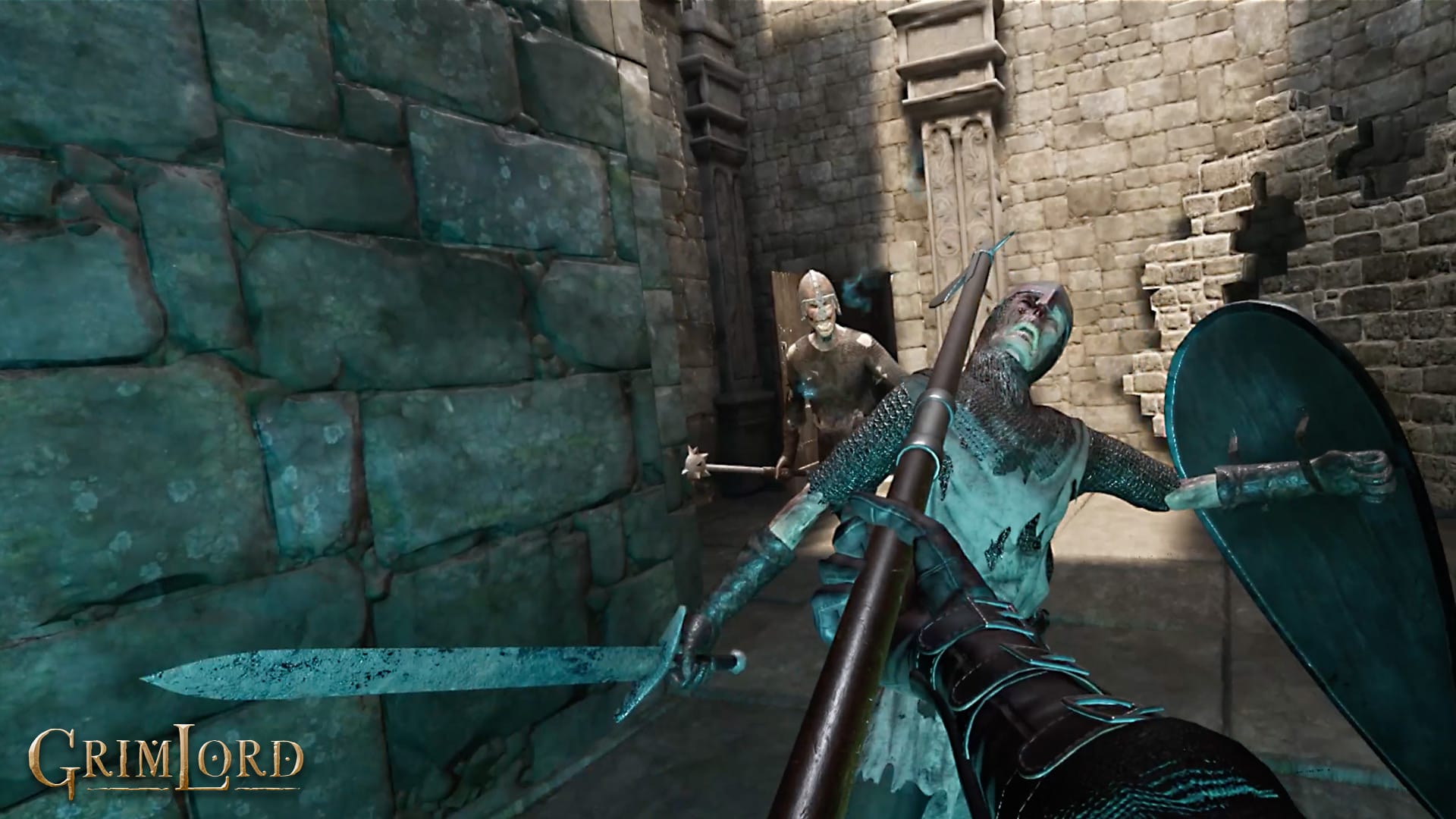
The PlayStation VR2 port of VR soulslike action RPG Grimlord is "nearing completion", according to the development team.
Metalcat Interactive's community manager confirmed the action RPG's pending release on Discord, but did not specify a date.
The team behind Grimlord confirmed several months ago that they were working on a PSVR2 port in its Discord. In response to a question about a release date, Metalcat community manager 'KUPOkinz' stated "yup that is set to release very soon actually, its in final stages... I would say less than a month."
Another developer followed up, saying "Yes, despite the many difficulties, it is nearing completion. We had to upgrade the engine to version 5.6 because versions 5.3 and 5.5 had some bugs. Very few teams are making VR games with UE5. Sony and Epic could offer very limited assistance."
Neither specified a release date, but less than a month from now puts the estimated date in early to mid March.
0:00
/1:05
Grimlord full release trailer
The dark fantasy soulslike action RPG originally started in Early Access on Steam in June of 2023. A Quest port followed on App Lab in January 2024 with the final 1.0 release for both platforms dropping in December 2024. It promises a ten-hour single-player campaign and also added an arena mode in its Sands of Glory update in May 2025. A multiplayer mode is also in development.
Grimlord is available now on Meta Quest and Steam for $29.99.
Watching a movie or chilling out with a meditative VR experience can meaningfully expand the use case and the amount of time someone might be willing to spend in a headset.
Unfortunately there are many factors that push against this trend. Most notably the soft cloth head straps that ship with the Quest 3 and 3S (and the Quest 2 previously) are not comfortable for many people, especially for longer sessions.
The dream of a personal theater to view movies and other entertainment is not new, born out of the Oculus revolution. But early VR was developed mainly for gaming, with head straps prioritizing stability on the head for movement rather than comfort lying down.
The lying down use case is now being served by many more consumer choices than ever before. I've been testing these options to bring them to light for others like me, who are seeking a comfortable solution.
Apexinno A3 Ultra-Light Head Strap
Photo: Craig Storm
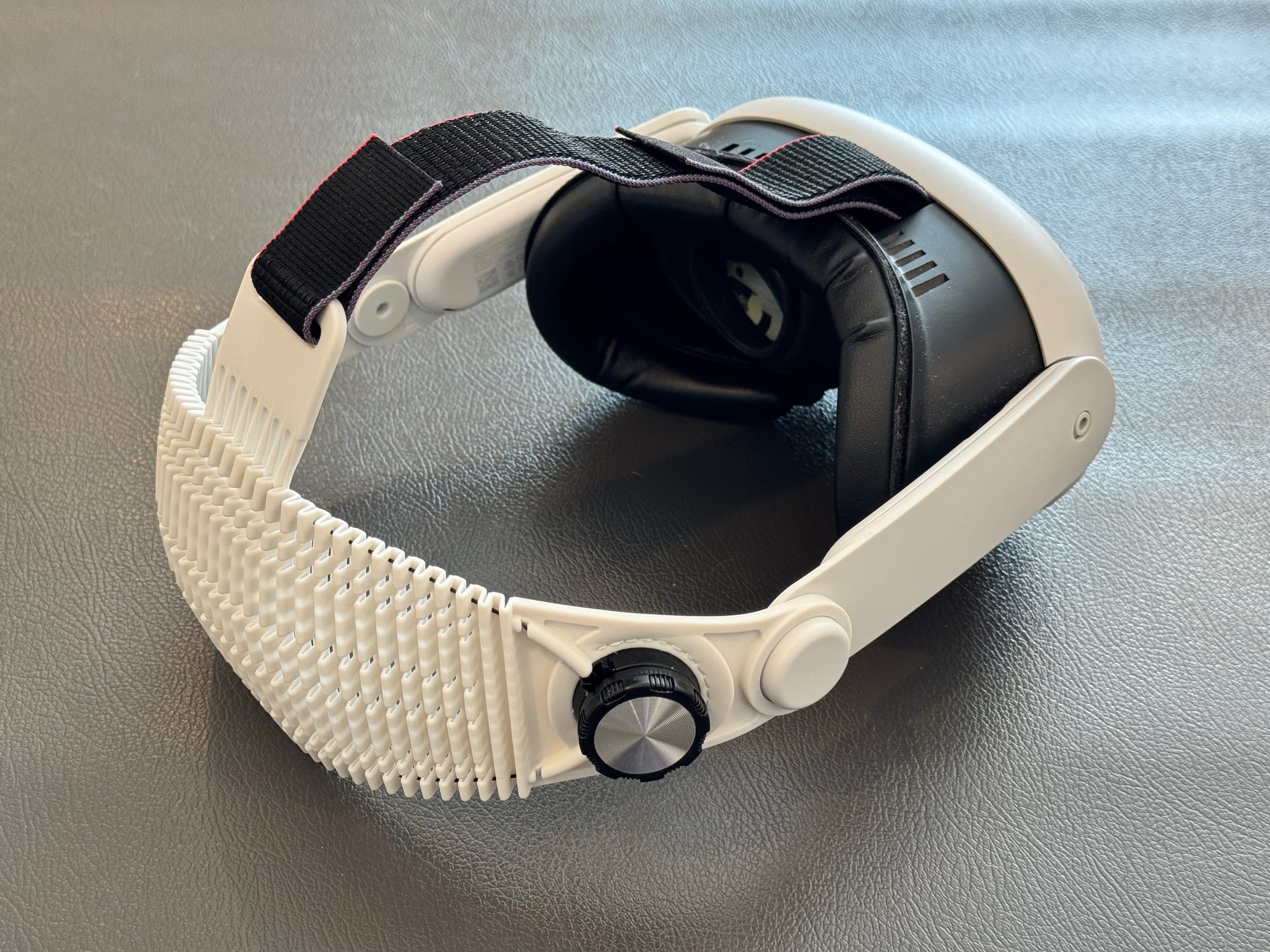
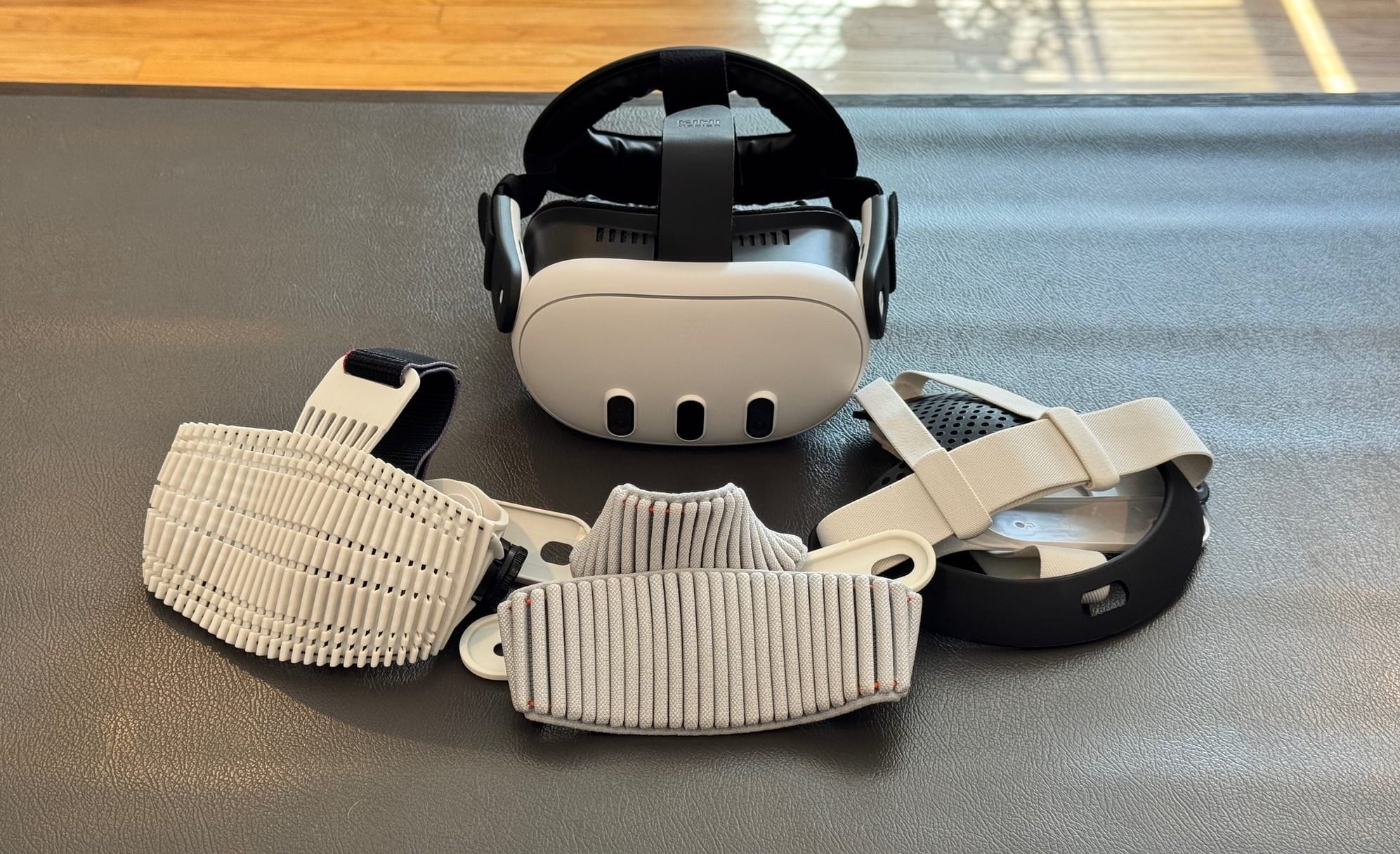
Apexinno has introduced a new lightweight head strap that uses a silicone accordion rear strap, reminiscent of the Apple knit straps for Vision Pro. The top strap is a fabric and Velcro piece that sits front-to-back to provide lift on the headset to reduce pressure on the face and cheekbones.
The A3 successfully replicates much of the satisfying gathering, cupping sensation that the Apple knit straps provide on the back of the head. It makes for a comfortable and lightweight solution that essentially disappears once you're lying down. There is a scroll wheel on the right hand side that tightens the rear strap. To loosen you pull outward on the knob and the rear strap relaxes.
For someone looking for a solution similar to the Apple Vision Pro Knit strap but for far less money, and without having to go with 3rd party adapters, the Apexinno A3 is a compelling choice. You can find the A3 available for $29.99 on the Apexinno website or Amazon.com
Editor’s Note: Apexinno provided a review unit of the A3 head strap for this article.
Kiwi Design K4 Flex Comfort Elite Head Strap
Photo: Craig Storm
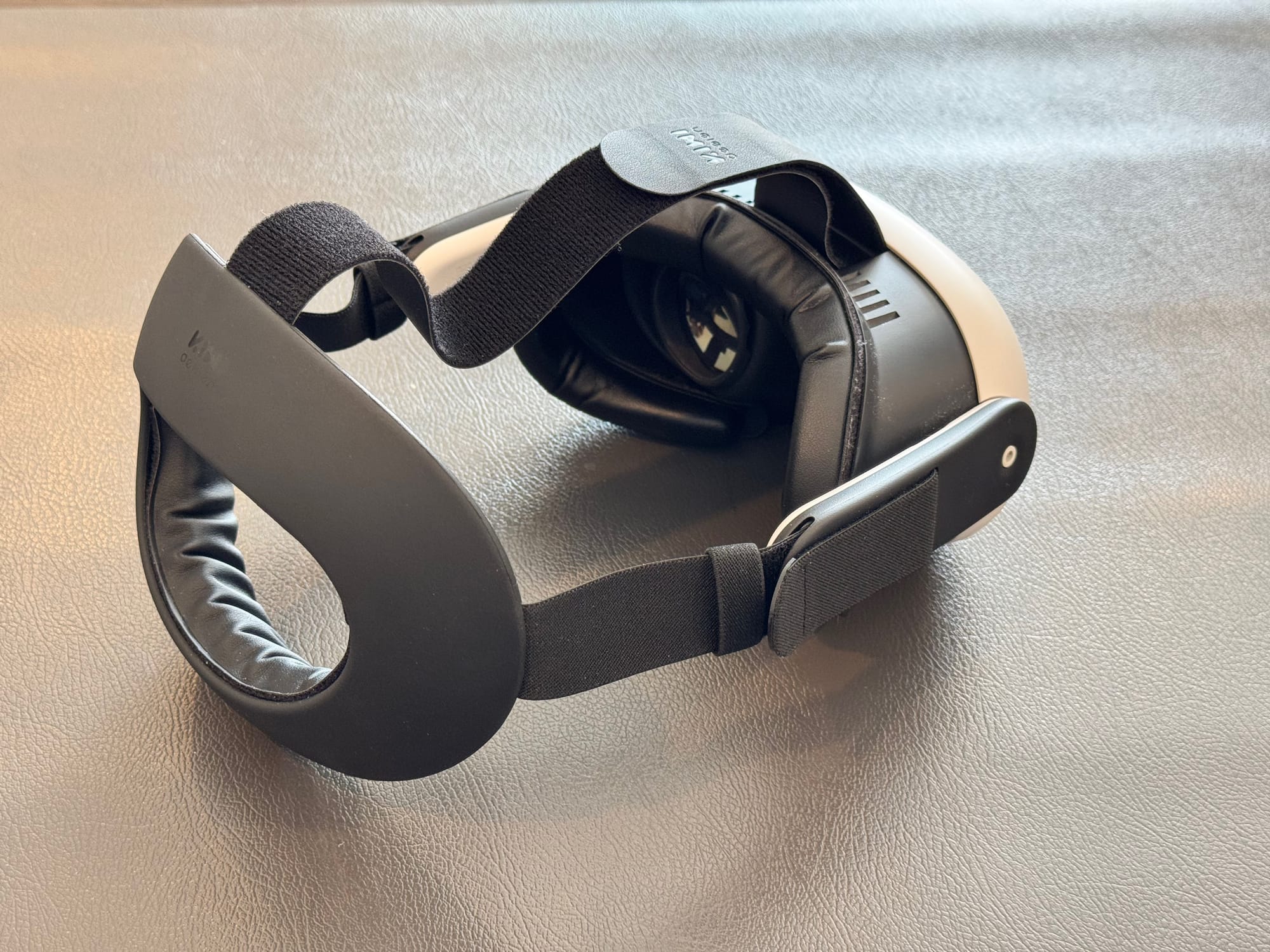
Kiwi Design’s K4 Flex takes a different approach. It combines a rigid yet flexible rear pad and elastic side straps to create a secure yet very comfortable experience for the user. The rear is well cushioned with a synthetic leather pad and a front-to-rear top strap is also present to provide lift for the headset off the face. Also noticeable is the high level of fit and finish and attention to detail in the design and construction of the K4 Flex. It feels and behaves like a high-quality product.
In practice this is one of the most comfortable head straps I've used on my Quest. During lying down sessions the rear pad is more apparent than the Apexinno, and some people might find it not as suited to full horizontal VR. However, it is well padded and flexible enough that it was never uncomfortable for me, just noticeable.
My impression of the K4 Flex is that it neatly falls between a true lying down solution and a capable elite-style head strap, with some valuable qualities of both types. And in the end might be the most compelling for all-around use.
The K4 Flex is available on the Kiwi Design website for $34.99 or Amazon.com.
Meta Quest 3 Stock Head Strap With 3rd Party Head Pad
Photo: Craig Storm
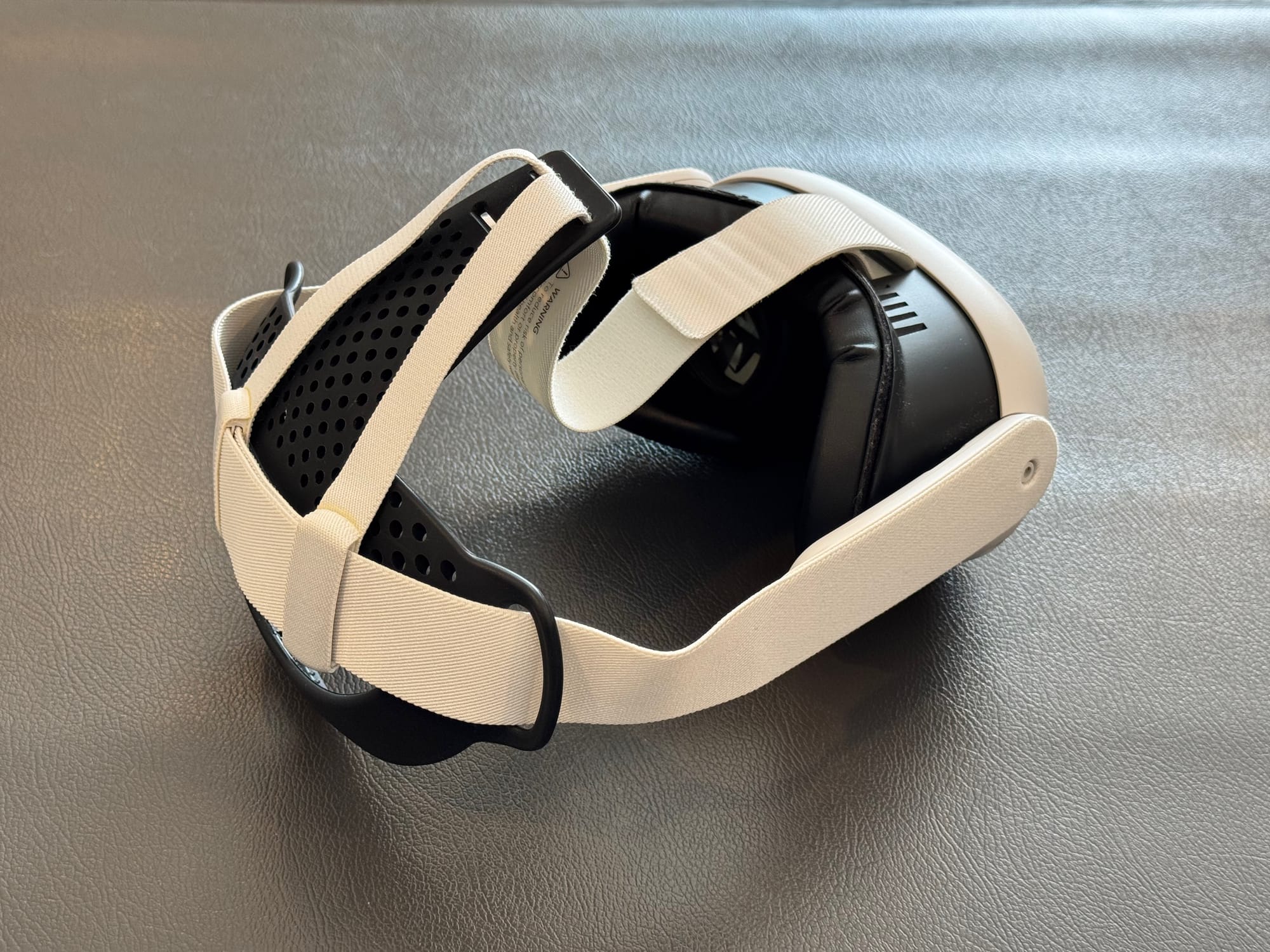
A low cost solution I found that greatly improved the comfort of the stock Meta Quest head strap is the addition of a rear head pad. This spreads the pressure of the strap more widely and evenly across the back of the head and reduces the “hot spots” where I would get sore using the stock strap alone.
These are commonly available on Amazon and other online marketplaces. Apexinno features one on their website. I purchased mine from AliExpress for less than $10.
Apple Vision Pro Dual Knit Band With 3rd Party Adapters
Photo: Craig Storm
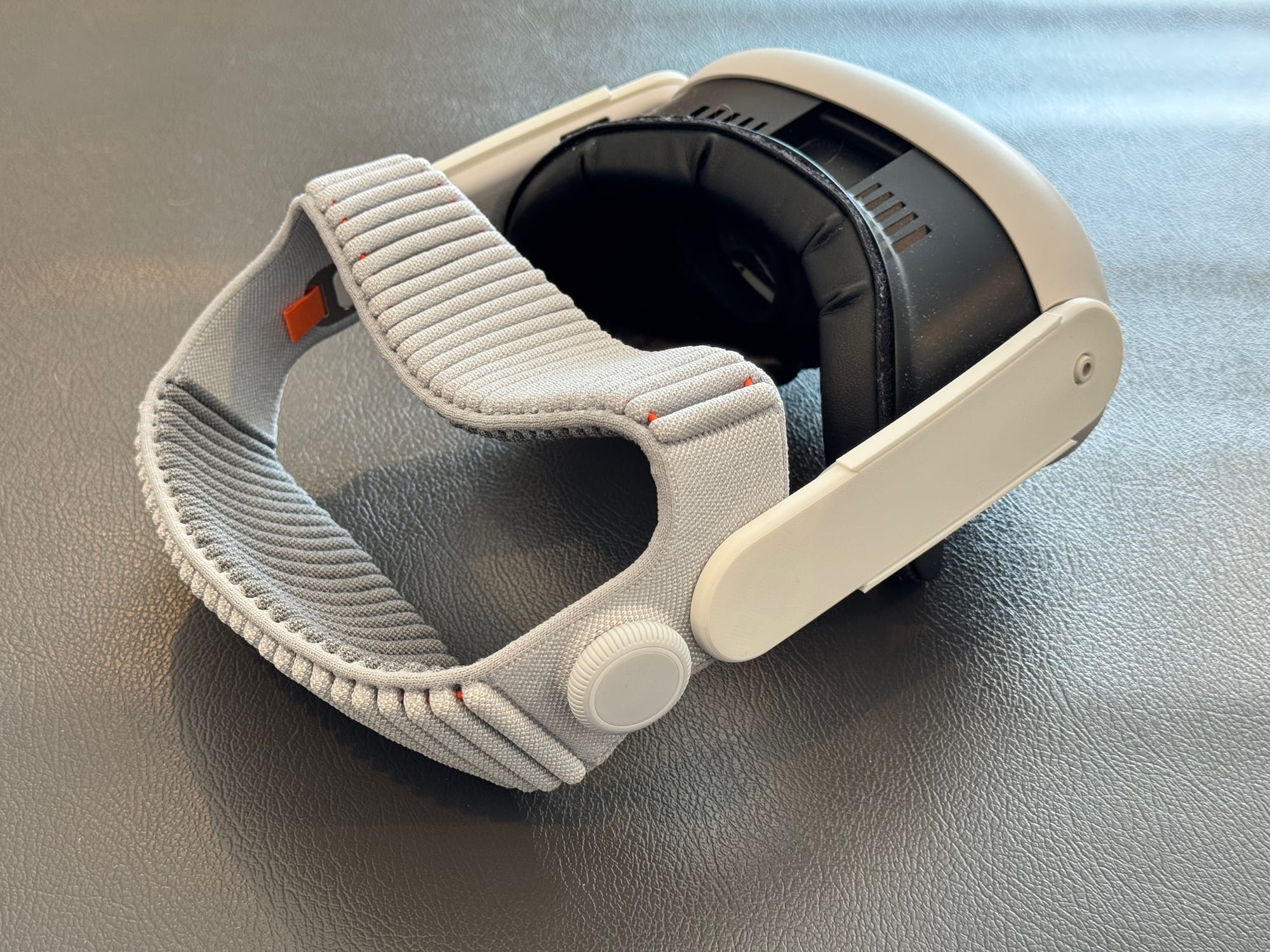
I previously wrote about my experience adapting an Apple Dual Knit band to my Meta Quest 3, using 3rd party adapters from an Etsy vendor. While this is easily the most expensive solution here, it also has some unique advantages.
The Dual Knit strap is exceptionally well made and designed, no surprise given its Apple design and lofty price tag. The woven material is soft and luxurious to the touch. The adjustment knob serves a dual function, and does so with a feeling of quality and precision. The tungsten weights built into the rear strap and the cross-head design instead of a front-to-back design means that weight is managed differently. Given the Quest 3’s lighter weight than the Vision Pro, this makes for a very balanced and comfortable solution that offers terrific adjustability.
The comfort of Apple's design demonstrates that the Vision Pro was designed with the reclined or lying down use case in mind. Quest owners can now experience Apple's design choices for themselves.
Thoughts On Comfort & Convenience
One added benefit of these soft straps is the convenience afforded when traveling with your Quest. I was able to simply roll the entire thing up, headset and strap, into a sweatshirt and stick it in my bag – no special travel case required. As someone who travels for work frequently, it's not a small thing to have that option. Convenience is king when making decisions about what to bring along.
What all of these options really highlight is an acknowledgment of the broader spectrum of how many people actually use VR. For years, head strap design decisions were built around the assumption that users would be standing, moving, and playing. But a lot of us also want to lean back, watch a movie, or spend some quiet time in a headset. Comfort for those moments looks different than it does for active gaming, and the industry is finally starting to recognize that.
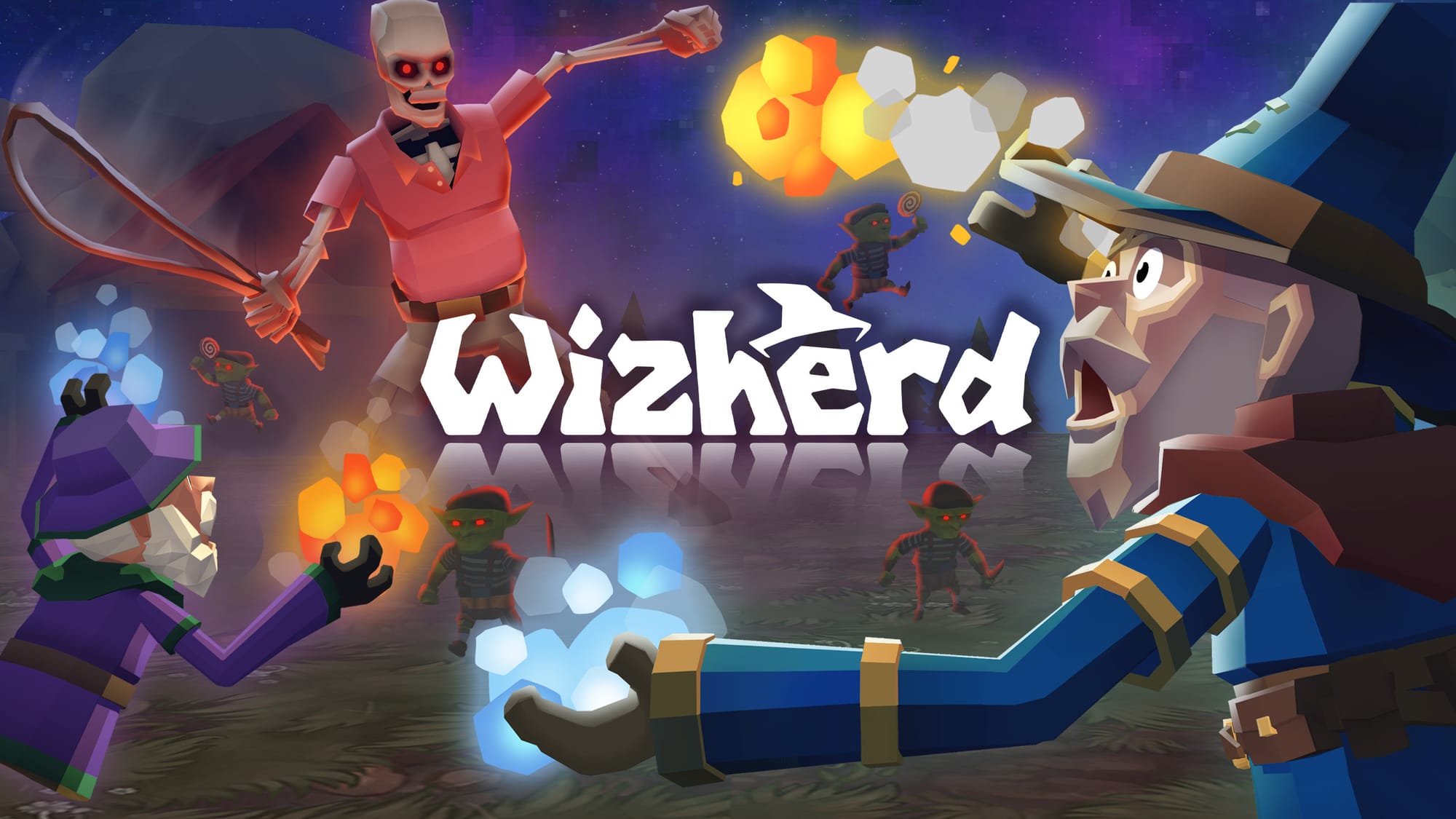
Earlier this month, No More Rainbowsand DigiGodsdeveloper Squido Studio announced that it was partnering up with gaming streamer jmancurly's video game publishing company CurlyBlue to create VR experiences - the first being a colorful dungeon crawler named Wizherd.
The lore of Wizherd goes that in ancient times, the world was protected by a magical group called "the herd." Life was once peaceful, but now zombies and other evil forces threaten the world. As a result, players now take on the role of wizards as they embark on missions to hold off the forces of darkness.
The Facts
What is it?: A magic-based, dungeon-crawling adventure title that lets players conjure spells and team up with other would-be wizards. Platforms: Meta Quest Release Date: February 12, 2026 Developer: Squido Studio Publisher: CurlyBlue LTD. Price: Free To Play
As a fan of magic and fantasy games, I was curious to see Wizherd in action, especially after seeing the game's blocky art style that calls back to the old Final Fantasy games from the original PlayStation era. Unfortunately, new players are greeted to a steep and confusing learning curve that could sour the experience for most.
When you first boot up Wizherd, you are instantly thrust into a magical hub with little in the way of an introduction to the world you and your fellow would-be sorcerers must explore. There are tutorial missions posted to a bulletin board, but they amount to little more than grinding the player's experience level by venturing off into the wilderness to battle undead monsters. The bulletin board also features daily and weekly quests that any player can perform. Once you complete a mission, you can claim your reward by opening a treasure chest beside the board.
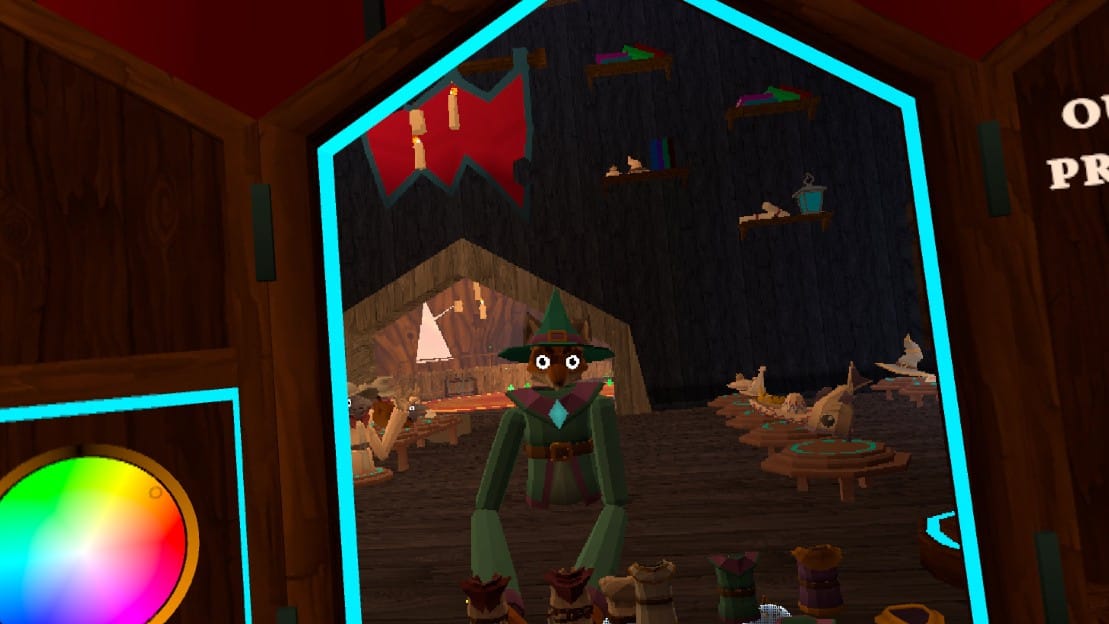
Players can customize their Wizherd character.
Players can move their character in one of two ways in Wizherd, by either moving the right joystick or physically swinging their arms at the ground to propel forward. The former doesn't always work, and the latter takes some getting used to. Once the player gets a handle on moving around, the world outside the hub consists of sunny hillsides, castle-like structures, and underground caverns flooded with lava.
Wizherd's magic system is simple enough: the player chooses between three different elemental spells at the start of the game and equips their selection to their hands. By holding down the trigger and releasing it in the middle of a tossing motion, the player can throw a ball of fire or ice at an enemy, though this action can be somewhat clunky and frustrating in the middle of a frantic battle. Melee-based spells like fire swords, on the other hand, are quite fun to swing around once you have them unlocked.
Spells can be upgraded at certain parts of the hub by spending coins and crystals. You can also customize your wizard avatar's look by purchasing cosmetic items like robes, hats, and even animal faces you can equip at a vanity. There is even a color slider you can use to adjust your character's skin tone.
Wizherd is free-to-play, though there are two different types of in-game currency. Coins are earned by defeating enemies, while crystals can be obtained by completing tasks or spending real-world money. The rewards for completing quests can be quite small at first, so you might have to either grind for a while or bust out your wallet.
0:00
/0:26
Combat and exploration can be hit or miss.
The overall presentation can be hit or miss. As mentioned before, there is a sort of retro charm to Wizherd's blocky graphics, but the music and sound isn't anything you haven't heard before in Minecraft. Most of the time you'll be hearing the chatter of other players who are just as confused as you.
So far, Wizherd has some potential, but getting started can be tedious if you don't want to spend due to the grind needed to get a decent loadout. There is some potential here, but only time will tell if the game has enough staying power to keep players coming back.
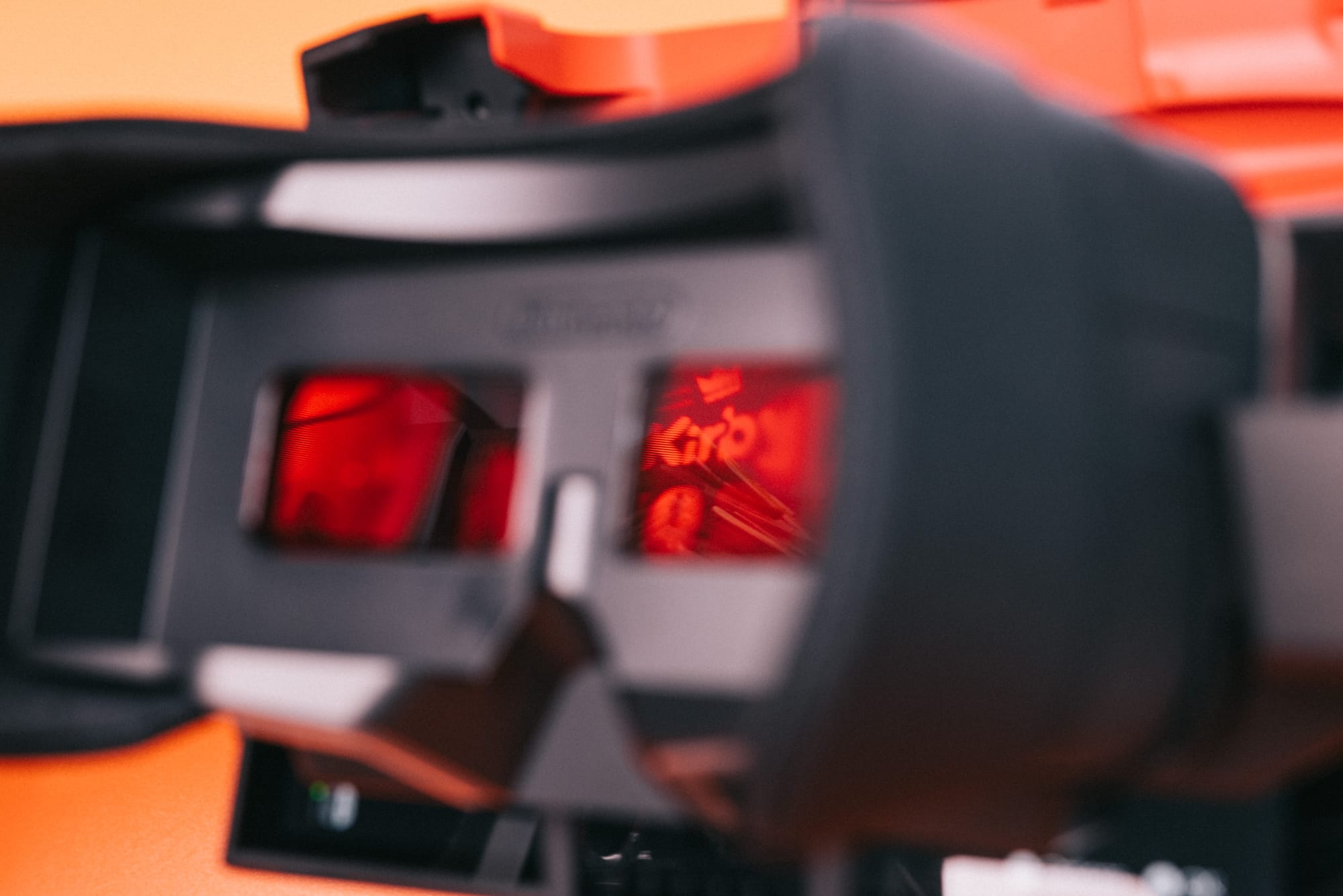
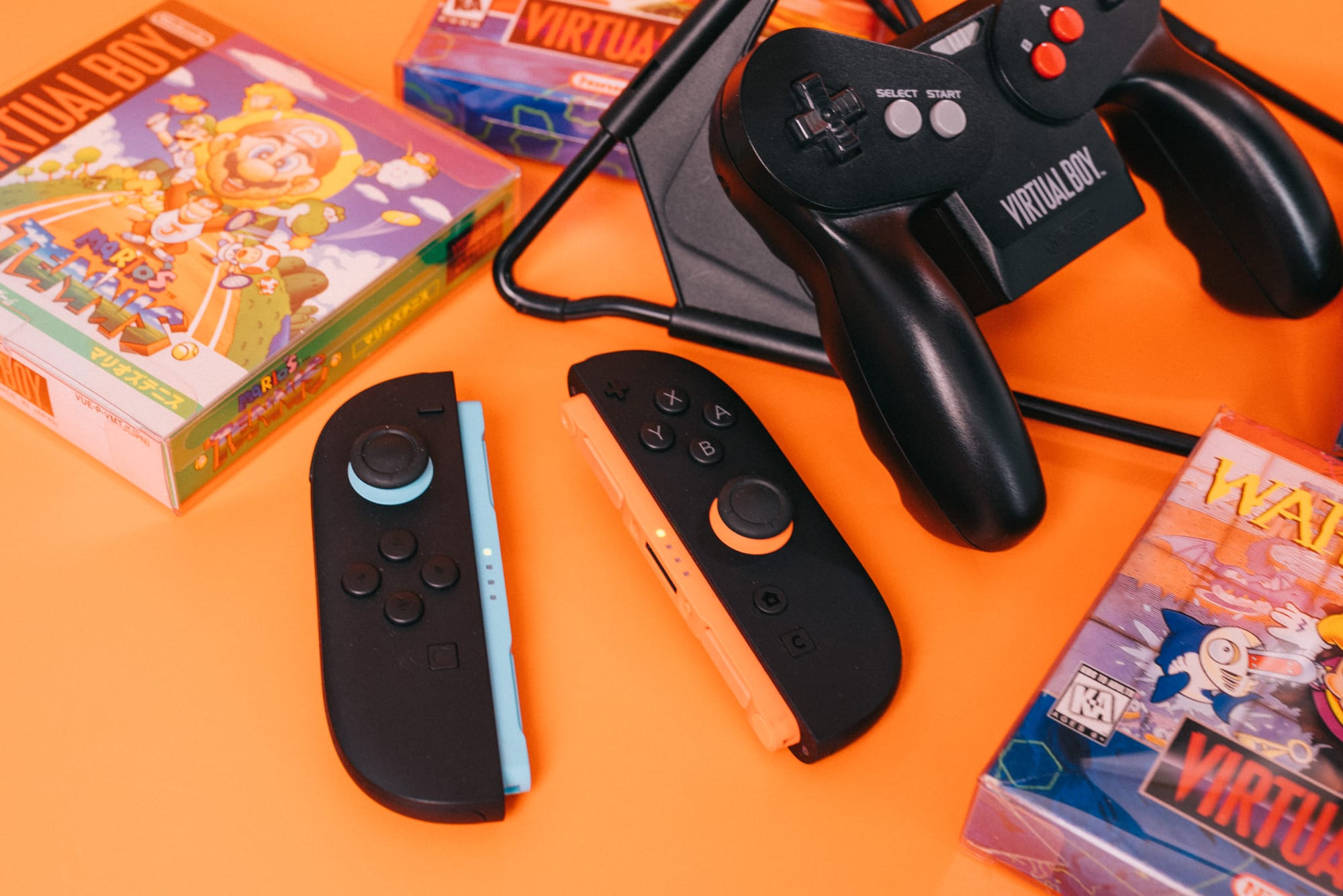
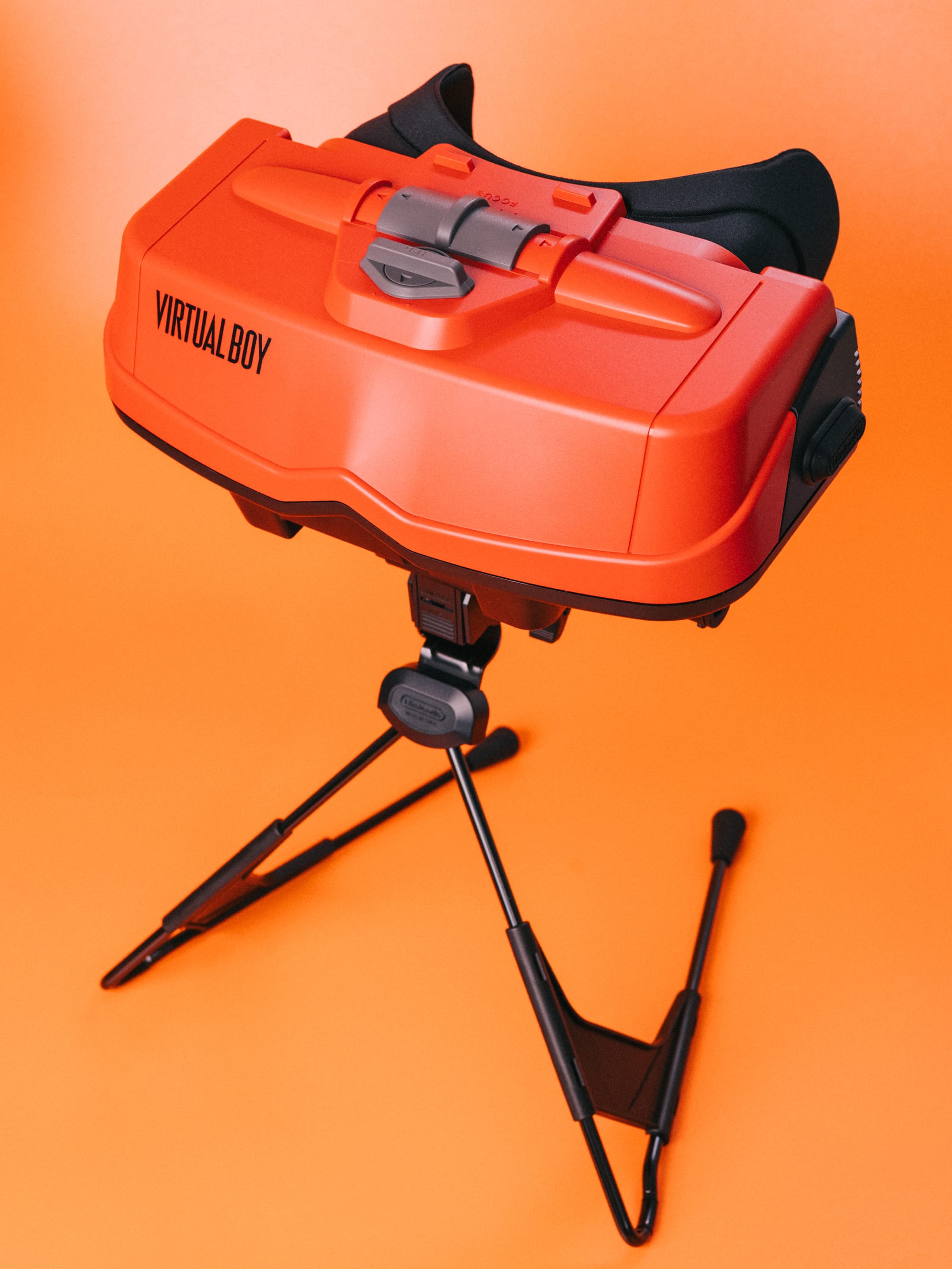
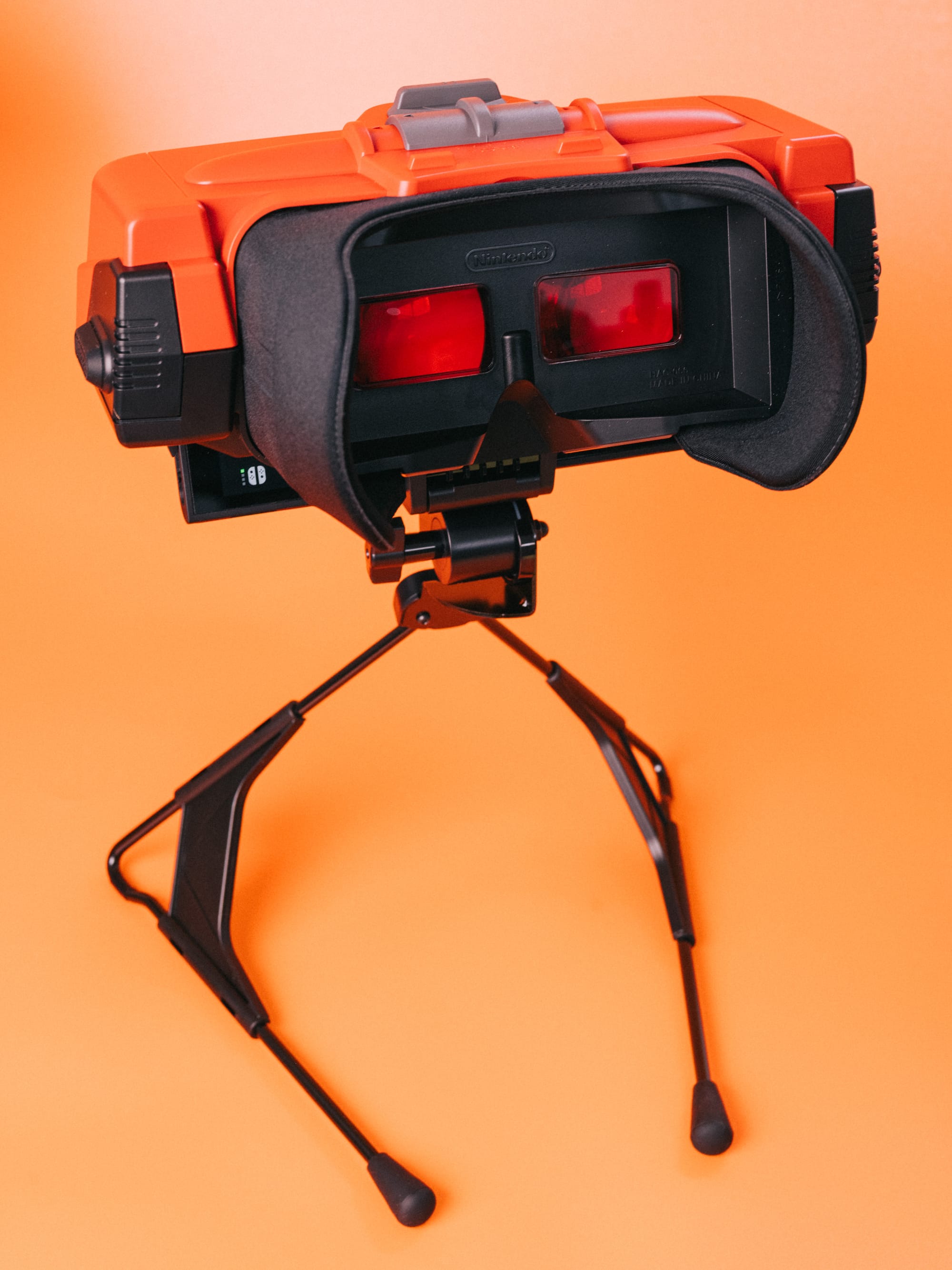
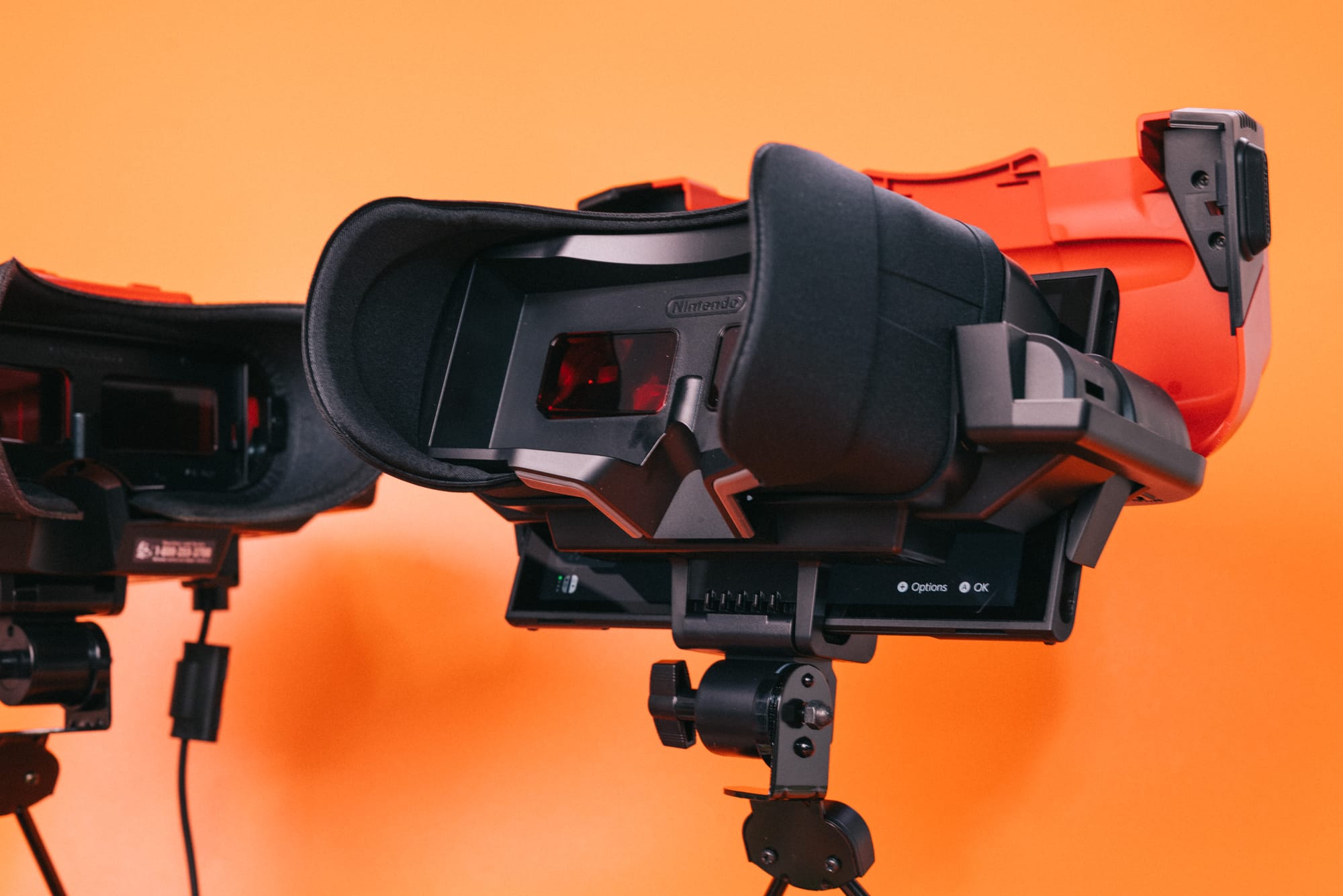
Nintendo's strangest Switch 2 accessory has arrived: a remarkably faithful recreation of the Virtual Boy.
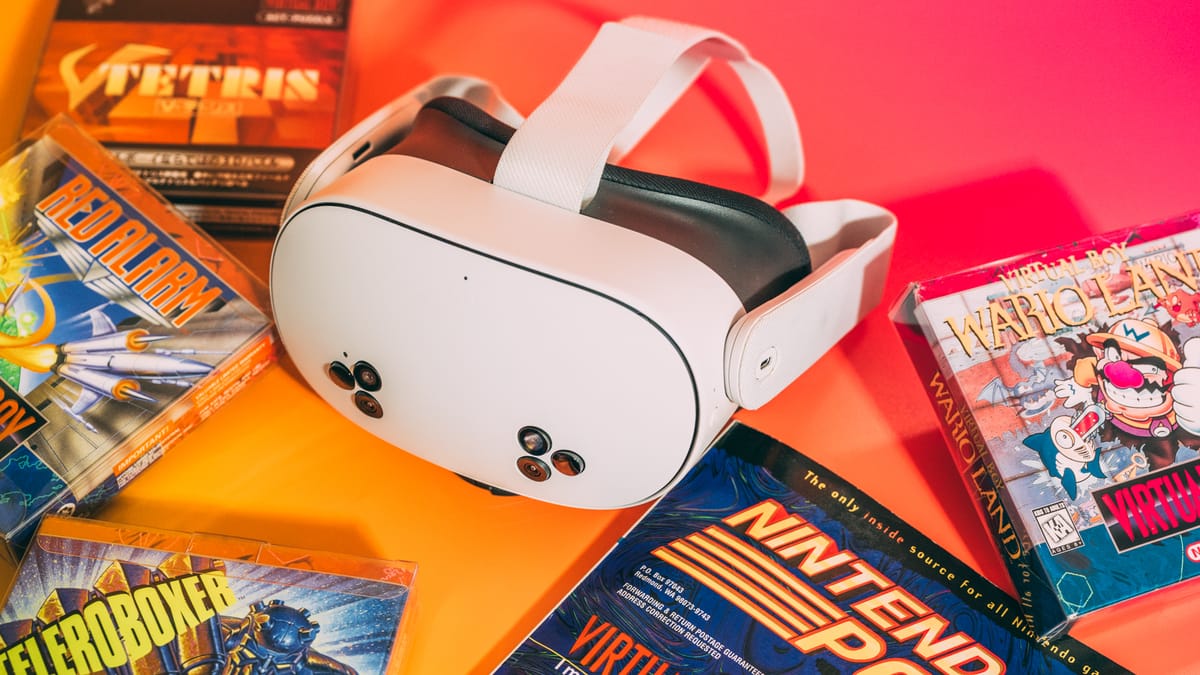
Toward the end of last year, Nintendo dropped the surprise announcement that Virtual Boy games would soon be playable on Switch and Switch 2 via the company's subscription-based membership service, Nintendo Online + Expansion Pack. For the first time in 30 years, Nintendo fans would be able to play Virtual Boy games like Red Alarm, Wario Land, and Mario's Tennis on a current-gen Nintendo console.
Perhaps even more surprising was the announcement that the catalog of Virtual Boy games would be accompanied by two new accessories: an inexpensive cardboard "headset" priced at $24.99, and a full-on replica Virtual Boy for $99.99. In both cases, the Switch and Switch 2 slot into these accessories (like a dock) in order to play the old games.
Editor's Note: What Exactly Was The Virtual Boy?
We're aware that not everyone knows what the Virtual Boy was, so here's a quick rundown.
Released in 1995, Nintendo's Virtual Boy was the first standalone home stereoscopic 3D gaming system, providing a 384×224 red-only image to each eye via its two lenses. While often described as a "VR headset", Virtual Boy lacked any kind of head tracking, not even rotational, and had a tiny field of view of around 20 degrees. That's not to say it wasn't an interesting 3D device - it just wasn't really VR.
Virtual Boy was a market failure, selling very few units, and was discontinued after just one year. But it had a lasting cultural impact in the gaming world, and is looked back on fondly by many in the VR industry.
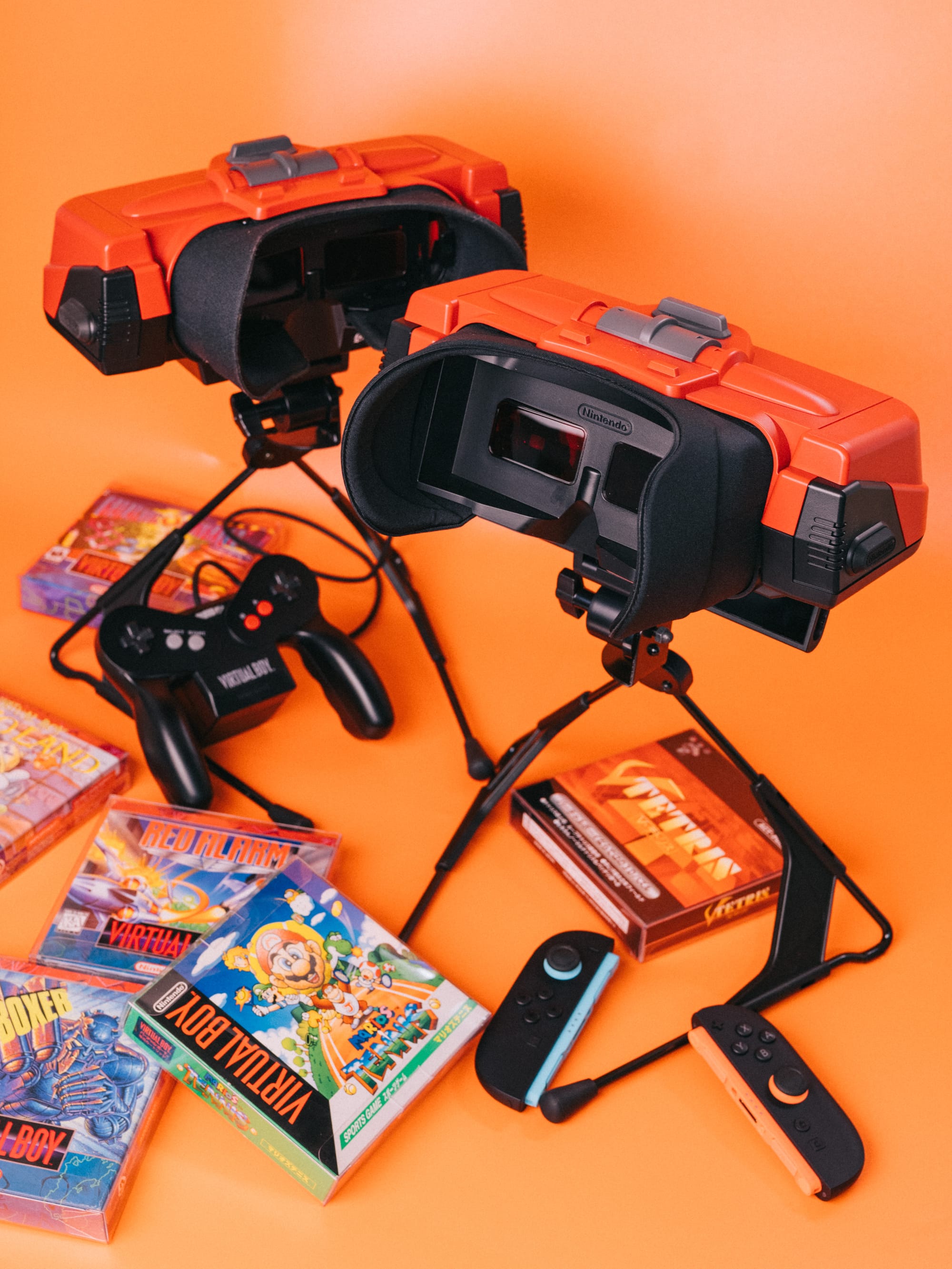
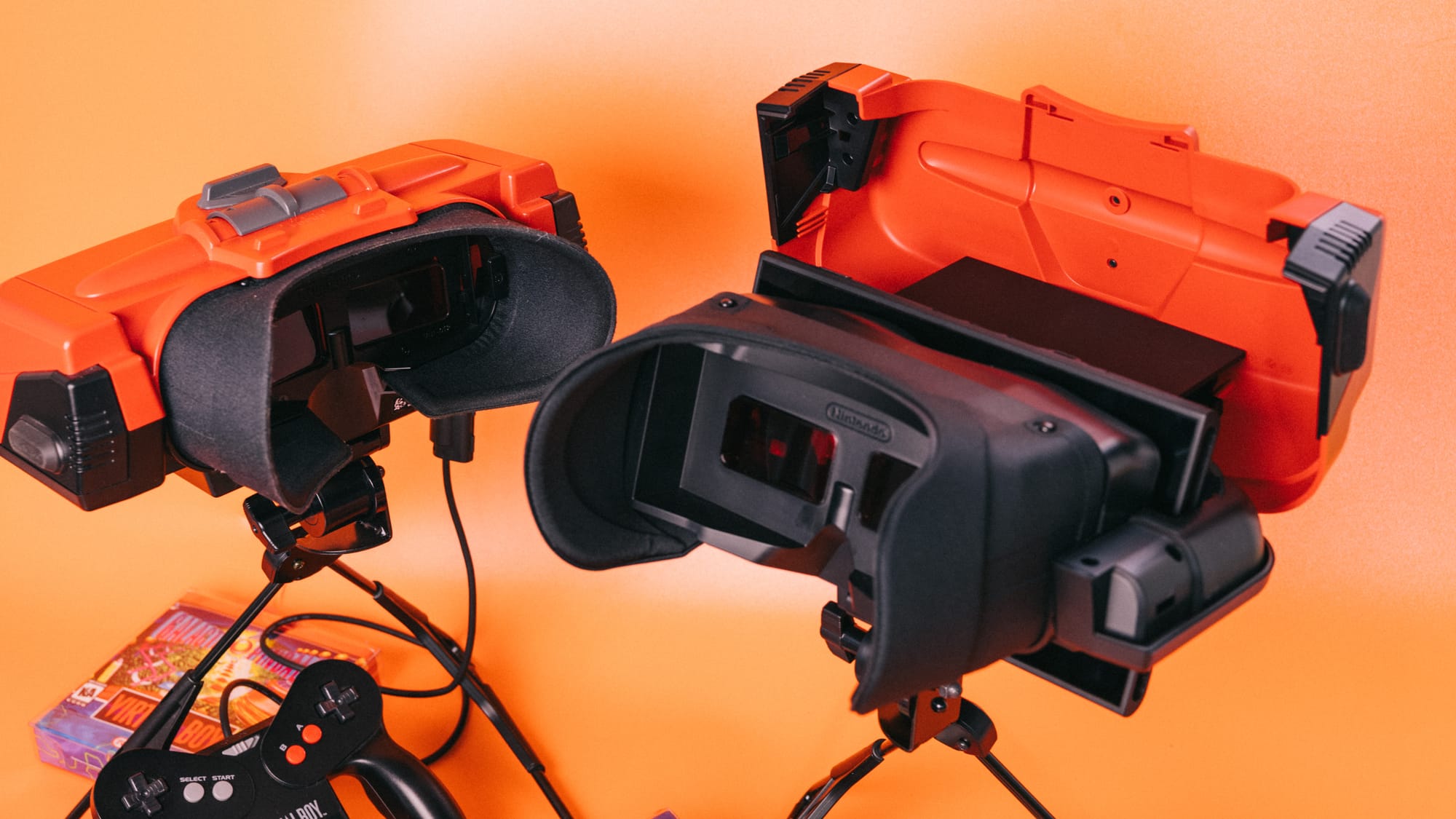
Virtual Boy for Switch (foreground) is a remarkably faithful remake of the original system (background).
A couple of items of note: To start, due to the way that Virtual Boy games are displayed, you will need to buy one of Nintendo's official accessory "headsets" to play the Virtual Boy's catalog on Switch and Switch 2.
Second, I'm using the term "headset" loosely. Virtual Boy was never, in fact, a headset, as Nintendo opted to sell it on a stand, rather than in a configuration that allowed mounting the unit to your head. This was the right call, since the original Virtual Boy was ridiculously heavy, and though the new replica "headset" is lighter, it's indeed a replica. The new model is not a headset, either.
Hardware First
What most surprised me when the headset arrived was just how faithful its design is to the original system. Owning my launch edition Virtual Boy from 1995 gave me a great opportunity to put the two pieces of hardware side by side, to compare the units and take some photos.
It's so identical that my ten-year-old daughter (who I taught to solder on my original Virtual Boy when its ribbon cables detached) saw the new unit and asked, "You bought another Virtual Boy?"
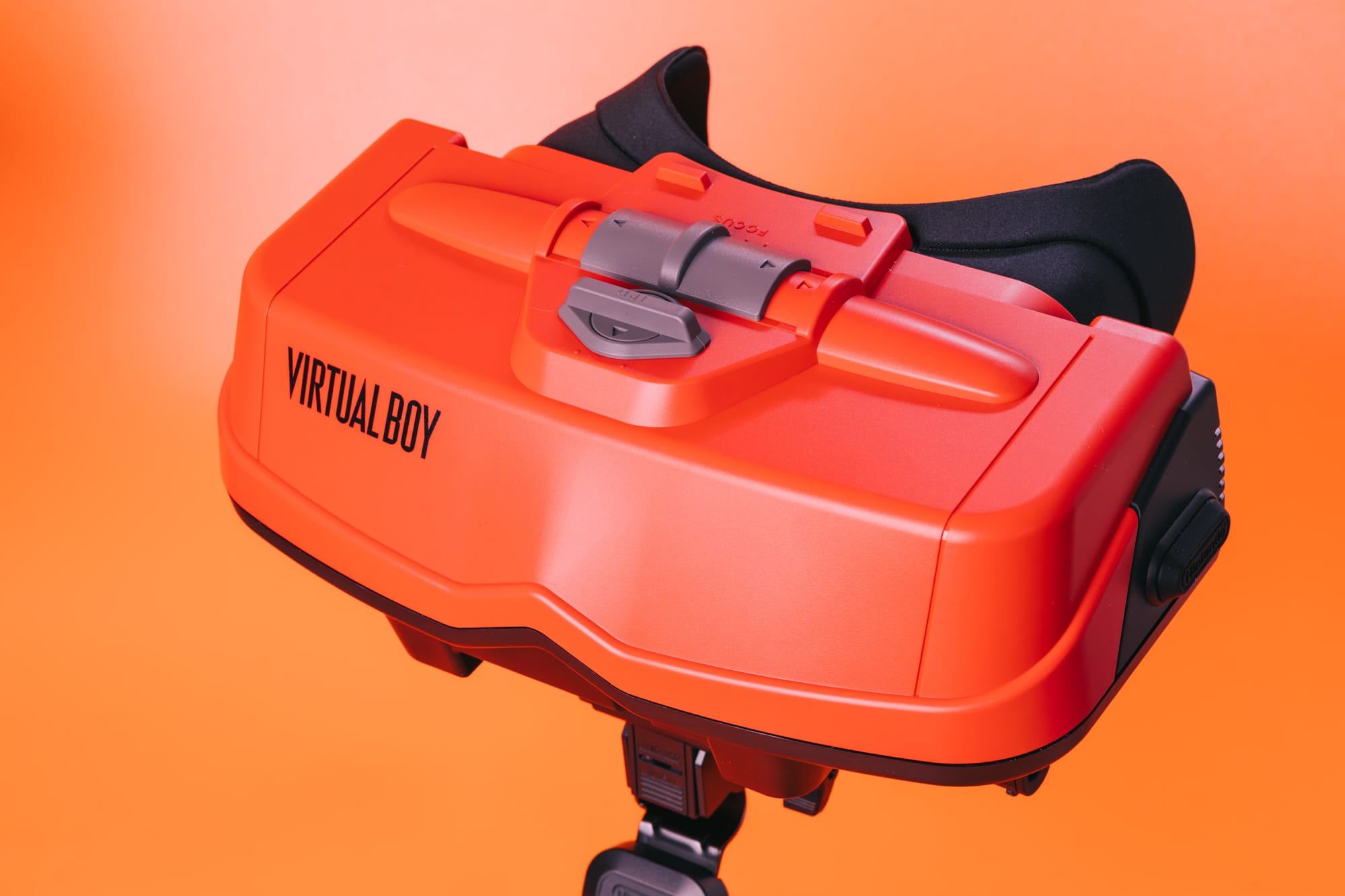
It's true that the new Virtual Boy is slightly larger than the original, but then again, we need to slot a Switch or Switch 2 inside it. That naturally requires some extra space. That said, the small details are incredibly accurate. The rubber bumpers on the side of the unit, the rubber nubs at the end of the stand's legs, the focus and IPD controls, the (fake) volume control and headphone jack and EXT. port, they're all here and replicated perfectly. Even the stand's adjustment mechanism utilizes a virtually identical acorn nut as the original.
The next thing you'll notice is that it's remarkably well made. The stand feels good, deploys tightly, and holds the unit well. The adjustment point on the stand also cinches tightly. The plastic feels dense and solid, the spring-loaded docking cradles work beautifully and hold the Switch in place nicely, and the satin foam of the eye-shroud feels more comfortable than the original.
In short, Nintendo did a great job making an almost perfect replica of their least successful gaming system.
It should also be noted that the new Virtual Boy arrives configured to work with Switch 2. To use the original Switch, we are required to install an adapter plate, which involves unscrewing four screws, swapping the plate, and reattaching the screws. The adapter plate comes packaged with the unit.
Do You Need One?
Do you need to spend $99.99 on a replica Virtual Boy headset? Probably not. Despite it being well made and effective at its one and only job, unless you're a big fan of weird tech and oddball experimental products, you'll almost certainly regret buying this thing.
Additional strikes against it would come down to the fact that these games are only accessible on Switch or Switch 2 via Nintendo's subscription service. You won't really own these games on Switch unless Nintendo releases some sort of purchasable collection. As of now, you're buying a headset to play games that you're essentially renting.
And if you've never played Virtual Boy and simply want to try out some old, weird games, there are cheaper and easier ways to experience Virtual Boy's compact library.
But if you're like me and love the Virtual Boy, well, you've probably already spent the money.
If you'd like your own Virtual Boy for Switch and Switch 2, you'll have to be a member of Nintendo Online, and then grab one via the company's website. We'll have an overview of all the Virtual Boy games playable on Switch and Switch 2 soon.
Now available in its 1.0 version, The Pirate: Republic of Nassau is greater than the sum of its parts, offering a myriad of options to fulfill the pirate fantasy.
In July 2025, I wrote an impressions piece of The Pirate: Republic of Nassau for UploadVR. While I was initially impressed with what was on offer, the potential for more content, including melee combat and multiplayer, led me to believe it had a promising future. Having just debuted its 1.0 version, I returned to this pirate fantasy in hopes of seeing if my prediction was correct. I can confidently say it was better than the sum of its parts.
The Facts
What is it?: An open-world 18th-century pirate VR game. Platforms: Quest (Reviewed on Quest 3) Release Date: Out Now Developer/Publisher: Home Net Games Price: $19.99
To not repeat myself, I will briefly touch upon what I expounded on in my initial thoughts and focus on what is brand new. The Pirate: Republic of Nassau is light on narrative, instead opting to give players a slew of activities to fund your newly founded pirate republic on Nassau during the Golden Age of Piracy. Equipped with nothing more than a sloop and a skeleton crew, the sole objective is to grow your empire by recruiting historical pirates such as Blackbeard and Anne Bonny by defeating them in naval battle first.
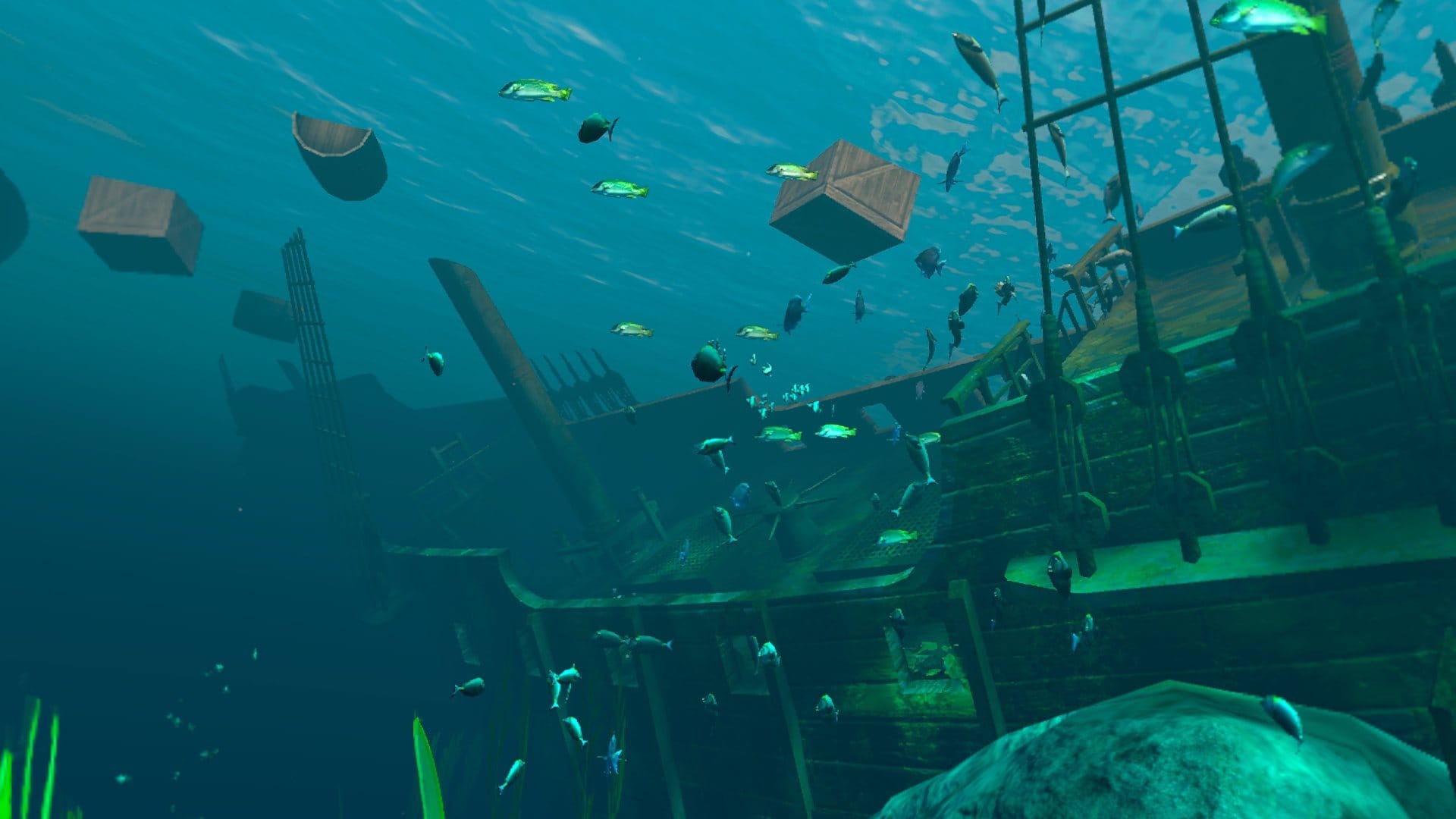
Diving for treasure offers gorgeous underwater vistas.
Your initial vessel being rather unfit against these legends, the only sensible choice is to improve your ship with hard-earned gold. Nassau itself will generate money as you build the town, but in the modest beginning, doing lowly work is the way to go. Looting crates from fallen ships, treasure diving, and clashing at sea against rival ships, among the novel options, are the only path forward. With your work cut out for you, it is effortless for time to slip by once you get a hold of the game's mechanics.
Not many changes in this 1.0 version positively impact the moment-to-moment gameplay, but improvements do exist. In the Early Access version, you could only fast travel from one port to another from the map in your cabin. This removed any wonder because the only way to discover new ports was by paying either the Merchant's Guild or the tavern to hear rumors from far-off places. Now, there is an option to visually move your small ship through the map and discover uncharted territories in the process. New ports in the Caribbean mean new vendors, merchants, and quests, and finding out about them in no particular order instills a sense of free will when playing.
The clearest improvement over the initial release is the crisper visuals, especially inside the cabin. Whereas it formerly looked blurry and unfocused, now the cabin looks pristine in comparison. As the place where players strategize and choose where to embark upon next, it’s a logical rework. Other areas, such as the ship’s deck, nearby islands when sailing, and the new explorable areas on foot, still show muddy textures.
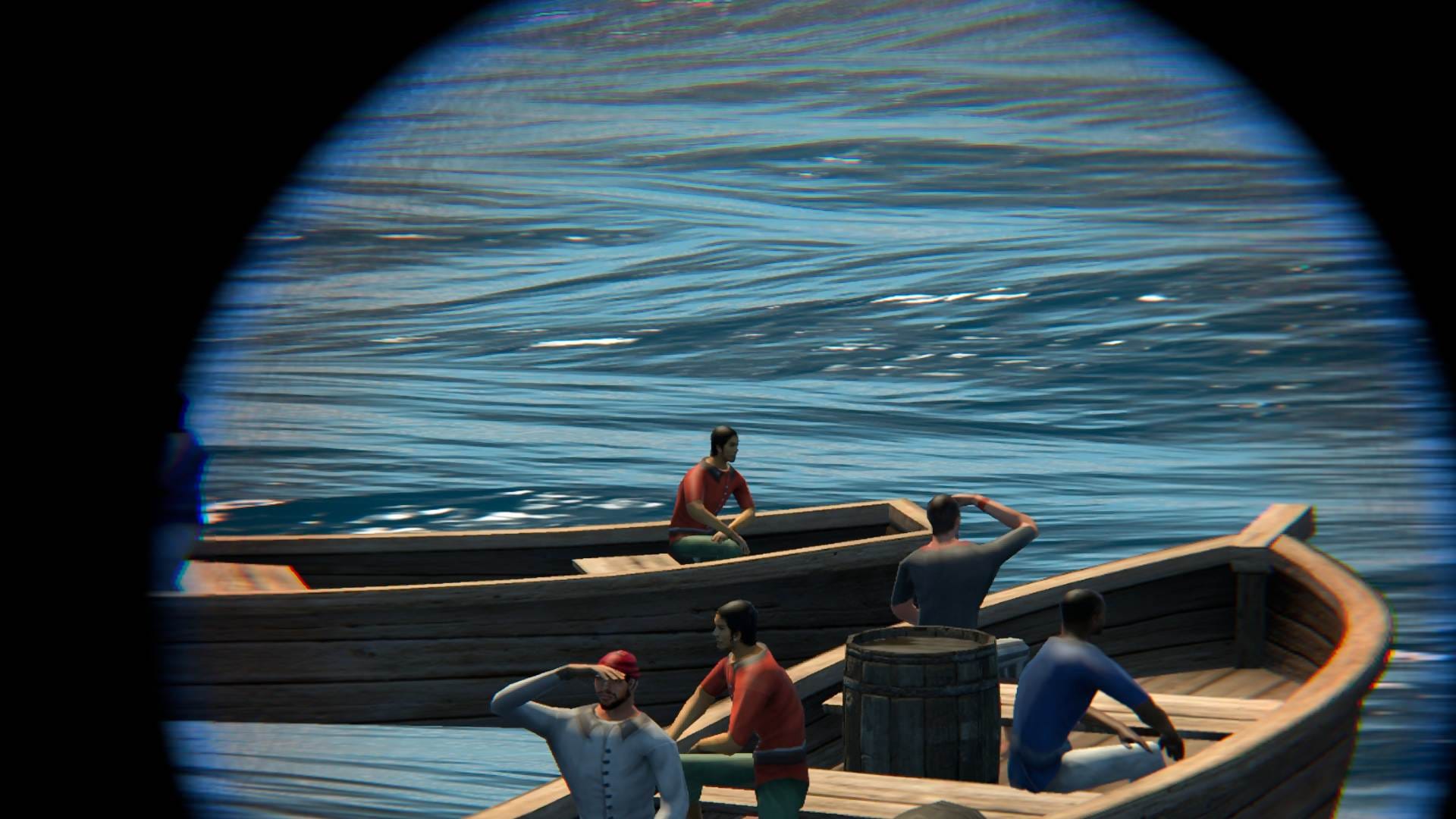
Looking at castaways with the spyglass from afar aids in the immersion.
A handy spyglass lying on your right-hand side when aboard the ship goes further into feeling like a captain. Having to close one eye when looking at an enemy ship at a distance evokes the Jack Sparrow films. Amidst all the quality-of-life changes, the highlight is the time boost, bar none. The ability to sail faster is a game changer. When the wind was against the sails before this helpful mechanic, the vessel would grind to a halt. Now, turning on fast forward with the click of a button speeds things up when needing to sail to a lighthouse catch crates of sugar, or engage in naval battle, significantly improving the experience.
A game like The Pirate: Republic of Nassau should be judged by its full package, not each element individually. That is why sea shanties seem like an inconspicuous addition that would fade into the background if the tunes were not as catchy as they are. Developer Home Net Games is no stranger to pirate-themed games, with The Pirate: Caribbean Hunt dating back ten years. This experience is evidenced in the musical choices. Wildly fun rhymes of tall tales sung by gravelly voices sound right at home when ringing a bell on your ship's deck or when visiting taverns.
One of my most eagerly anticipated features, cave exploration, added damp, pitch-black areas hidden deep within some islands. Accessible through hearing rumors in taverns, this is a refreshing change-up to standing in your ship all the time, as no ports can be explored on foot. I would appreciate seeing that in a future update, as the developer pledged to continue supporting this pirate simulator. But I digress.
0:00
/0:24
Engaging in naval combat while the crew sings their heart out fits the scene perfectly.
The caverns themselves—apparently full of treasure—leave much to be desired, only truly displaying corridor after corridor of skeleton bones, rats, and sparse gold pouches. Random small spiders hanging from stalactites creep up in surprising ways, so that at least excites in an otherwise uneventful incursion. For those with arachnophobia, these can also be entirely removed in the settings. Making the cave double the size in hopes of finding more loot is also an option.
Feeling isolated is a strong emotion recreated in these tunnels. Always holding a torch to guide you in the dark severely increases the eerie atmosphere. Bats, the hollow echoes, and water dropping do their best to convince the mind that you are in fact spelunking. Because the only true danger faced exploring these desolate caves is falling to your death, it ends up being a rather introspective activity.
A second land-based foray is exploring jungles to exact revenge on another pirate captain who stole from you. Set in the middle of the day, the suspiciously hallway-shaped islands focus more on melee combat as there is not much in the way of exploration. The ability to crouch and try to be stealthy in the process of approaching enemy camps is an option, with twigs littered around that can reveal your location to enemies and ruin the surprise.
Once you get rid of said foes, it does not feel particularly rewarding to explore every nook and cranny, because there is not much to see. Occasional gold pouches will be left by corpses or near campsites, but other types of items like cannonballs, planks, or oil are nowhere to be seen. This makes the exploration limiting, resulting in a very straightforward experience that is only salvageable by the combat, which in and of itself is a mixed bag.
0:00
/0:23
This combat demonstration speaks for itself.
The combat feels undercooked, with collisions being a notable hit or miss. Armed to the teeth with a sword, a hatchet, bombs that explode on contact with campfires, and three daggers on your chest, no foe stands a chance. That said, while fighting the pirate captain, who naturally donned the flashier clothes, his attacks did not register from my perspective when gesturing my sword swings, so a baffling “You lost. Try Again?” message was deflating. A video game that tries to do too much might end up not doing everything well, and that seems to be the case here.
Ultimately, as a diversion taking away from the commerce and naval combat, it serves as a nice complement, but not the main course. On my second try with the boss, I threw a hatchet at his head before he could get close, and he collapsed right then and there. I earned a good bit of gold coins from a chest nearby in that incursion that would have taken me longer otherwise. At least that was satisfying.
Comfort
The Pirate: Republic of Nassau is a bit unsatisfactory when it comes to comfort. Other than the expected smooth or snap turning, there’s the ability to turn off or on hand commands to signal your crew to raise the sails and to use hand motion to rotate when swimming. New options like Auto-Aim and Auto-Fire are welcome for naval combat, but since Early Access there is no option to teleport instead of artificial stick-based locomotion. This is most noticeable with the new on-foot explorable levels.
Another lacking feature related to those walkable areas is that there is no option to toggle instead of holding down the button to grab items. When holding a torch while spelunking or carrying both swords when fighting, this can become cumbersome the longer the time played.
The final new mode is multiplayer. PvE, PvP, and Port Attack are the possible sessions prospective players can choose. Deciding how many players—or bots—can enter, the tier of both your and your enemy's ship, and if Auto-Aim should be allowed or not are some variables to fiddle with. Playing the entire campaign with friends sounded like a more enticing idea, but it certainly would be a lot more complex than the currently available skirmishes at sea.
Sailing to unknown lands on the map is a welcome addition.
There is no one defining aspect of The Pirate: Republic of Nassau that stands out above the rest. It is every element working in tandem that makes it a worthwhile golden age of piracy fantasy. A veritable time sink, the pleasant hands-on activities to expand your criminal empire, from wreck diving to engaging in spontaneous naval combat, hark back to the best moments of Assassin's Creed: Black Flag. The newly added tasks, such as exploring gloomy caves and fighting buccaneers, while not spectacular, add a sense of variety to easily spend several hours in. The result is a worthwhile endeavor that those intrigued by the pirate's life should set sail for.
UploadVR uses a 5-Star rating system for our game reviews – you can read a breakdown of each star rating in our review guidelines.
Looking to stretch your mind in VR? Here are some of our favorite puzzle games available on Quest today.
There’s something unique about puzzle games in VR. When you can reach out and touch the world around you, the genre transforms into something magical. Games like Lumines Arise and Tetris Effect: Connected wrap you in a warm sensory blanket while narrative puzzlers like Red Matter and Ghost Town immerse you in their story in ways wholly unique to VR.
Meta Quest users have no shortage of puzzle games. From meditative and musical experiences to emotionally powerful narrative puzzlers that challenge your mind and stir your emotions, here are some of the best the genre has to offer.
0:00
/2:00
Tetris Effect: Connected
With Tetris Effect, Tetsuya Mizuguchi and his colleagues at Enhance tapped into something remarkable. The 2018 release took the classic puzzle game from the 1980s and transformed it into a musical trance masterpiece. In 2020, the updated Tetris Effect: Connected added co-op and competitive multiplayer, and it remains one of the best puzzle games to this day.
Tetris Effect: Connected wraps you in reactive visuals and music that evolve with your moves. Every rotation, every slammed block, every cleared row adds a new dimension to the soundtrack so that playing Tetris Effect: Connected becomes less about traditional gaming and more about entering a flow state. It’s the ultimate VR vibe game, and beautifully demonstrates VR’s power to elevate traditional gameplay into something greater.
If you love mechanical puzzles, secret compartments, and mysterious artifacts, Fireproof Games’ The Room VR: A Dark Matter is an essential game for your Quest collection. Not only is it one of the most immersive puzzle games on Quest, it’s also one of the most visually impressive.
In this narrative puzzle game built exclusively for VR and set in 1908 London, you’re tasked with investigating the mysterious disappearance of a renowned Egyptologist after a police investigation yields no result. The 5-6 hour-long adventure will have you exploring cryptic locations with fantastic gadgets as you work your way through an opaque mystery.
In addition to its standalone release, Fireproof Games has also bundled The Room VR: A Dark Matter into a two-pack alongside the team’s extraordinary Ghost Town (mentioned later in this list).
Part slapstick comedy, part absurd escape room, part mid-century spy parody, the I Expect You To Die series drops you into increasingly ridiculous and deadly scenarios, and tasks you with saving yourself (and the world) from the nefarious super-villain Dr. Zor. You’ll explode, get swarmed by bees, zapped by lasers, and try to survive, all from the comfort of your Quest headset. Clever design rewards experimentation, and the tongue-in-cheek humor makes failure feel fun.
There are three mainline I Expect You To Die games on Quest, which can be purchased separately, or bundled together as part of the Phoenix Rising Trilogy.
As Leonardo Da Vinci’s most promising apprentice, you are summoned to Florence only to find that Leonardo has mysteriously disappeared. Thus begins The House of Da Vinci, a challenging puzzle mystery that our reviewer described as “one of the best VR puzzle games I've ever played, delivering an experience that's been lovingly created with reverence to its historical inspiration.”
Gameplay takes the shape of escape room-style challenges in which we manipulate complex machines, peer into the past, and solve puzzles based on Da Vinci’s real-life inventions. Gorgeous visuals and advanced riddles make this a perfect game for puzzle fans and art history buffs alike.
The latest phenomenal mystery from Fireproof Games, Ghost Town is a narrative puzzle game set in the 1980s that puts players in the shoes of Edith, an Irish witch turned exorcist and ghost hunter. “What follows,” says Henry Stockdale in our review last year, “is a thoroughly gripping narrative that sees us searching for Edith's missing brother. Fireproof's not afraid to have some fun with this story[...]”
One of Ghost Town’s great strengths is that it strikes a great balance. It tells a story, but does so with both humor and suspense, and its puzzles, while challenging, never feel overly difficult. The end result is, as our review put it, “one of the best VR games so far this year.”
Humanity is a third-person puzzle-action game in which your goal is to guide a massive mob of humanity to the end point of each level. You lead the pack as a cute Shiba Inu, leading the seemingly mindless humans as they jump, turn, push, float, shoot, and climb their way toward salvation across 90 story-mode stages.
Another game from Tetsuya Mizuguchi’s Enhance, Humanity is a flatscreen critical darling that has really stuck the landing on Quest. It was voted VR Game of the Year at the 2023 EDGE Awards, ranked Best Puzzle Game of 2023 by Game Informer magazine, and was nominated for Best VR / AR Game at The Game Awards in 2023.
As with most of Mizuguchi and Enhance’s games, there’s more than meets the eye here. And while the game’s online servers and user-generated level support are ending in March, 2026, there’s enough meat on the base game’s bones to warrant a thorough chewing.
These narrative-heavy adventures blend environmental puzzles with atmospheric world-building and deliver some of the most impressive visuals yet seen on Quest headsets.
The first game drops you into a retro-futuristic Cold War space race where you play as Agent Epsilon, sent to a deserted Volgravian base on Rhea, Saturn’s mysterious moon to investigate a secret project with the potential to change humanity’s destiny forever. And once you’re done with that, fire up Red Matter 2 for yet another stunning story.
Few games define the puzzle genre like Myst. For most gamers of a certain age, it was the first puzzle game we’d ever played (and the first we’d ever owned on CD-ROM). In VR, its enigmatic puzzles and lonesome island feel more tangible than ever.
Built from the ground up by Cyan Worlds, the indie studio that created the beloved classic way back in 1993, Myst for Quest is a definitive reimagining of one of the greatest puzzle games ever made. It brings new art, new sound, new interactions, and optional puzzle randomization.
When you’ve finished unraveling the mysterious island of Myst, you may be tempted to jump into its sequel, Riven. While Riven is a must-play for fans of the original flatscreen version, or for those who simply can’t get enough of the Myst universe, in truth, Riven on Quest is not a very strong adaptation. It’s good, just not as great as Myst.
Called “One of the most unique and creative VR games ever” by Polygon, and “the best puzzle game since Portal” by Beardo Benjo, The Last Clockwinder is a creative and clever game that our own review described as “a true delight and gem of a puzzle game that’s well worth your time.”
The main mechanic of the game centers on mapping your real-life physical actions to several robotic “clones” which will repeat your actions indefinitely. This allows you to create a sort of production line that moves fruit from one place to another, feeding the health of a mystical tree. It’s a gameplay hook that defies explanation, but it’s one that’s totally engaging and superbly executed. Add to this a mysterious story that’s “an absolute delight to unravel” and we have all the makings of a VR classic.
In A Fisherman’s Tale, you play as a reclusive fisherman puppet who awakens locked inside a lighthouse. In the center of the room sits a model of the very same lighthouse, with a tiny version of yourself inside, and a larger one outside, mimicking your every move. The perspective-bending puzzles begin from there.
When we reviewed the game some years ago, we gave it 5 out of 5 stars and said it "might be the first [Quest game] to achieve a perfect storm of gameplay, immersion and narrative in a single experience. [A Fisherman's Tale] fuses experience and interactivity to really show what this medium is capable of."
The game's sequel, Another Fisherman’s Tale, doubles down on the original's creativity with whole new gameplay mechanics. It’s imaginative, slightly absurd, and filled with tactile puzzle design.
Another special experience that could only exist in VR, Puzzling Places lets you build gorgeous photorealistic dioramas of beautiful places from all over the world, either in full VR or in the familiar comfort of your own space in mixed reality. There are no timers, no pressure; just pure, mindful building at a peaceful puzzling pace, alone or with others in online multiplayer and local MR co-op modes.
The base game includes 25 puzzles, and a massive collection of DLC puzzles continues to grow. The most recent, a gorgeous Van Gogh-inspired impressionist diorama, joins previous themed puzzles such as cities of the world, a haunted house, underwater seascapes, and dozens more.
Clean shapes and floating blocks, Cubism strips puzzle design down to its essentials. You rotate and place geometric shapes into transparent containers, building increasingly complex forms in full VR or MR modes. Hand tracking makes the game play seamlessly and intuitively, and the balance of relaxation and challenge is perfectly struck.
While the concept of Cubism is great, what really sets it above is the game's minimalist aesthetic. As in old Japan Studio games like Echochrome, or Keita Takahashi's Katamari Damacy, there's a simplicity of concept that we also find in Cubism. As we shift pastel-colored shapes into place, the resonant strings of a rich piano strum a beautiful backing soundtrack. The overall vibe is elegant, calming, and clever.
Gadgeteer lets you build elaborate chain-reaction machines in both VR and MR using ramps, marbles, dominoes, and motors, creating chain reactions that may even end up tearing apart the fabric of space-time.
There are over 60 physics puzzles, plus sandbox environments that let you build whatever wild machines you like. Hundreds of community-made puzzles round out the experience. For older gamers who might remember launching the MS-DOS build of The Incredible Machine on some ancient PC, watching your Gadgeteer contraption unfold in 3D space feels like a dream come true.
Shadow Point is a story-driven puzzle game in which you'll explore a vibrant kingdom and solve mind-bending puzzles as you uncover the mystery of missing schoolgirl, Lorna McCabe who vanished from Shadow Point Observatory twelve years ago. As your adventure unfolds, you will manipulate gravity, play with shadows, work with your own reflection, walk on walls, peer through a magical lens to reveal an alternate reality and much more.
Narrated by Sir Patrick Stewart, Shadow Point combines over 80 puzzles with a reflective story about memory and mentorship. Its paper doll-esque art style is gorgeous and evocative and its light-and-shadow mechanics are clever. We recommended the game in our review some years ago, though we felt Stewart to be underutilized. More than anything else, however, the game's emotional framing elevates it to a must-play.
Whether you want a musical flow state (Tetris Effect, Lumines Arise), a story-rich adventure (Red Matter, Shadow Point), or relaxing brain training (Cubism, Puzzling Places), Quest offers some of the most inventive puzzle design in gaming today.
 Connexion
 UploadVRAlicia Haddick