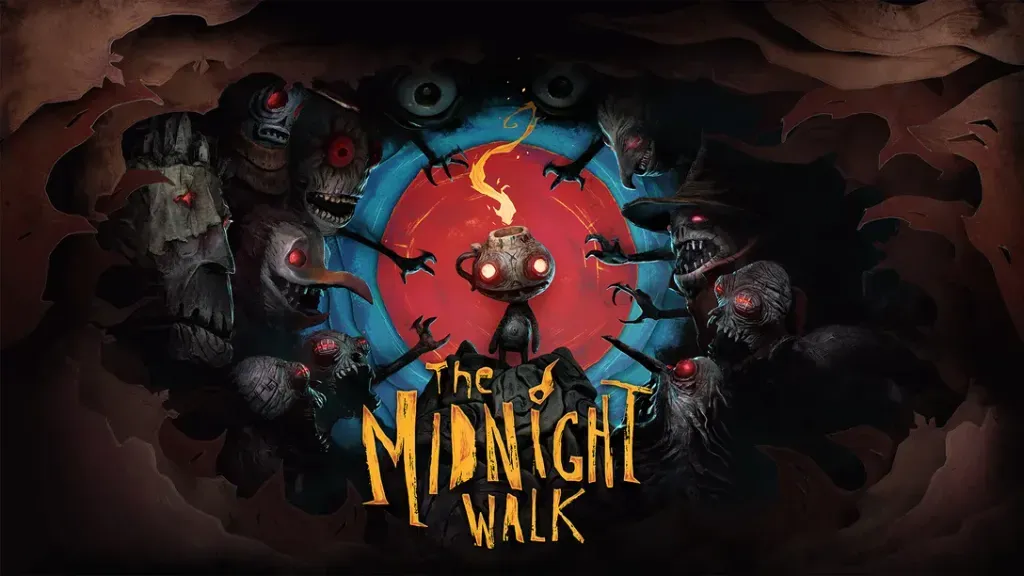
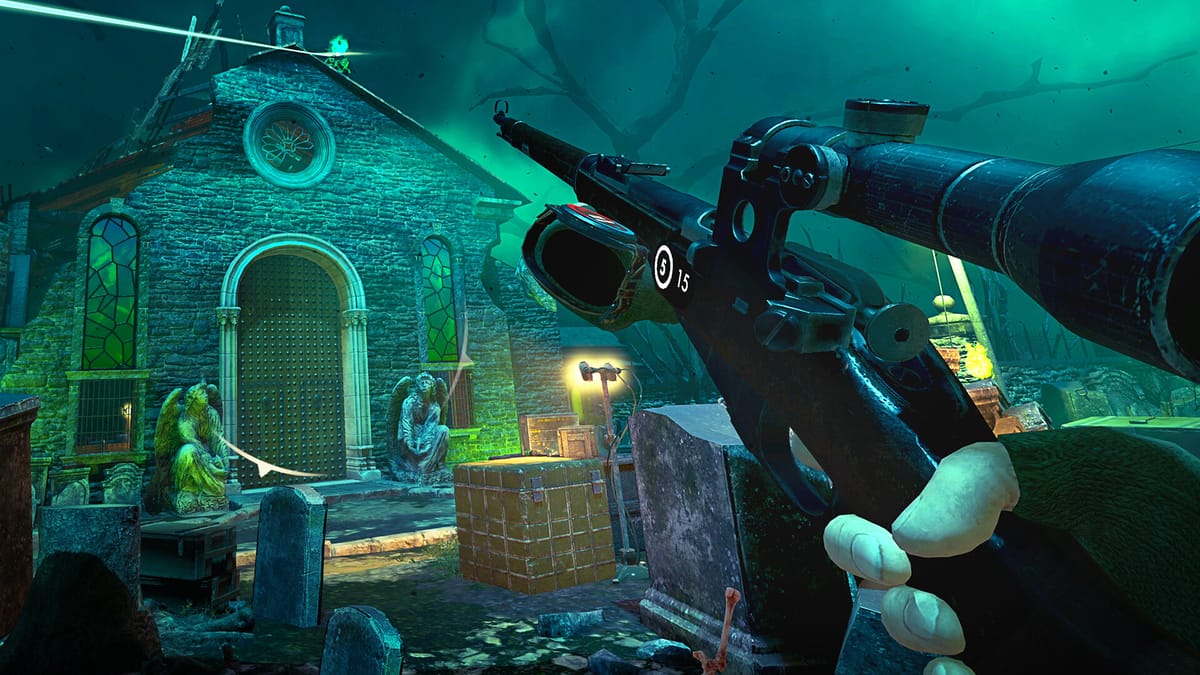
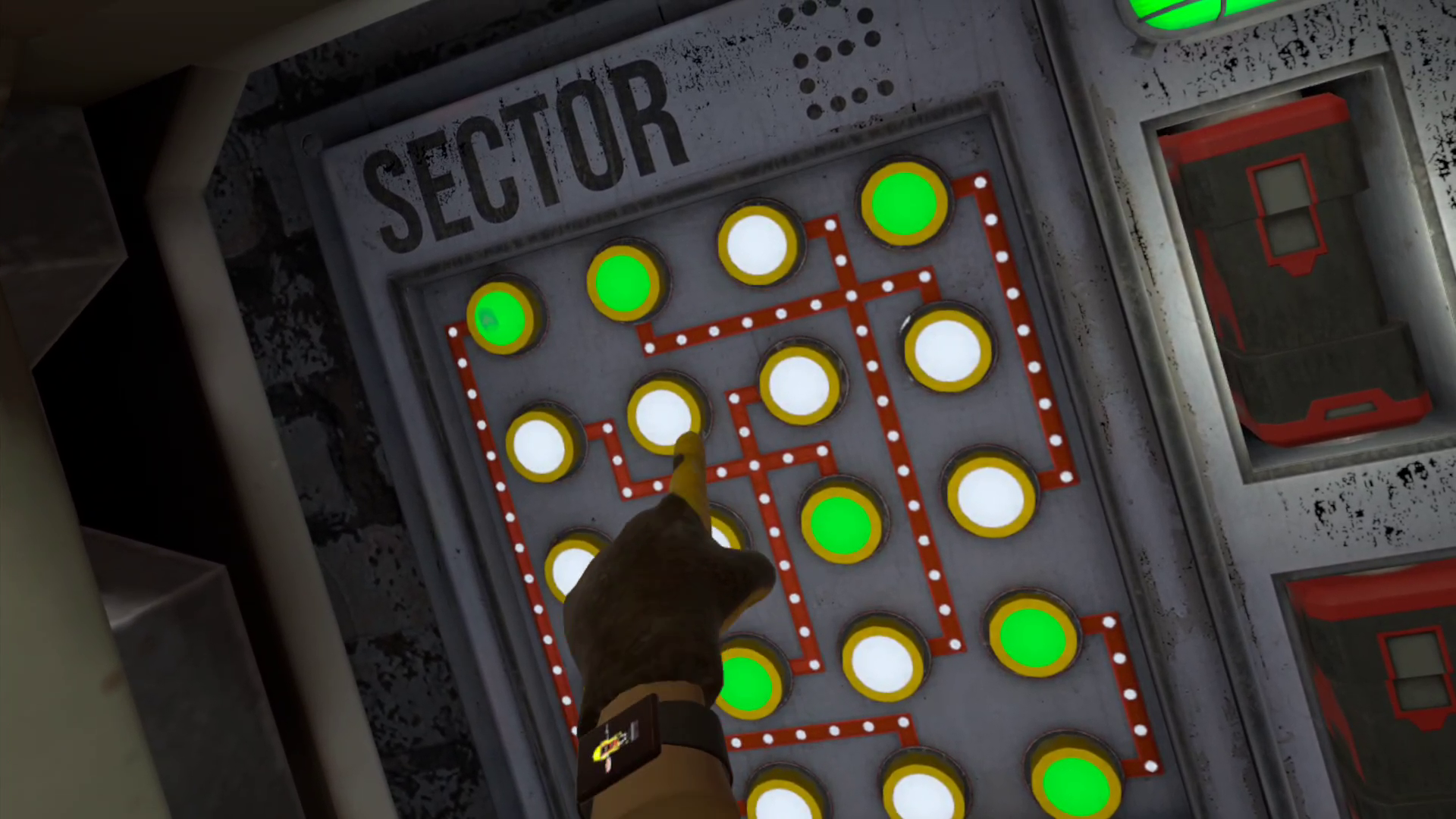
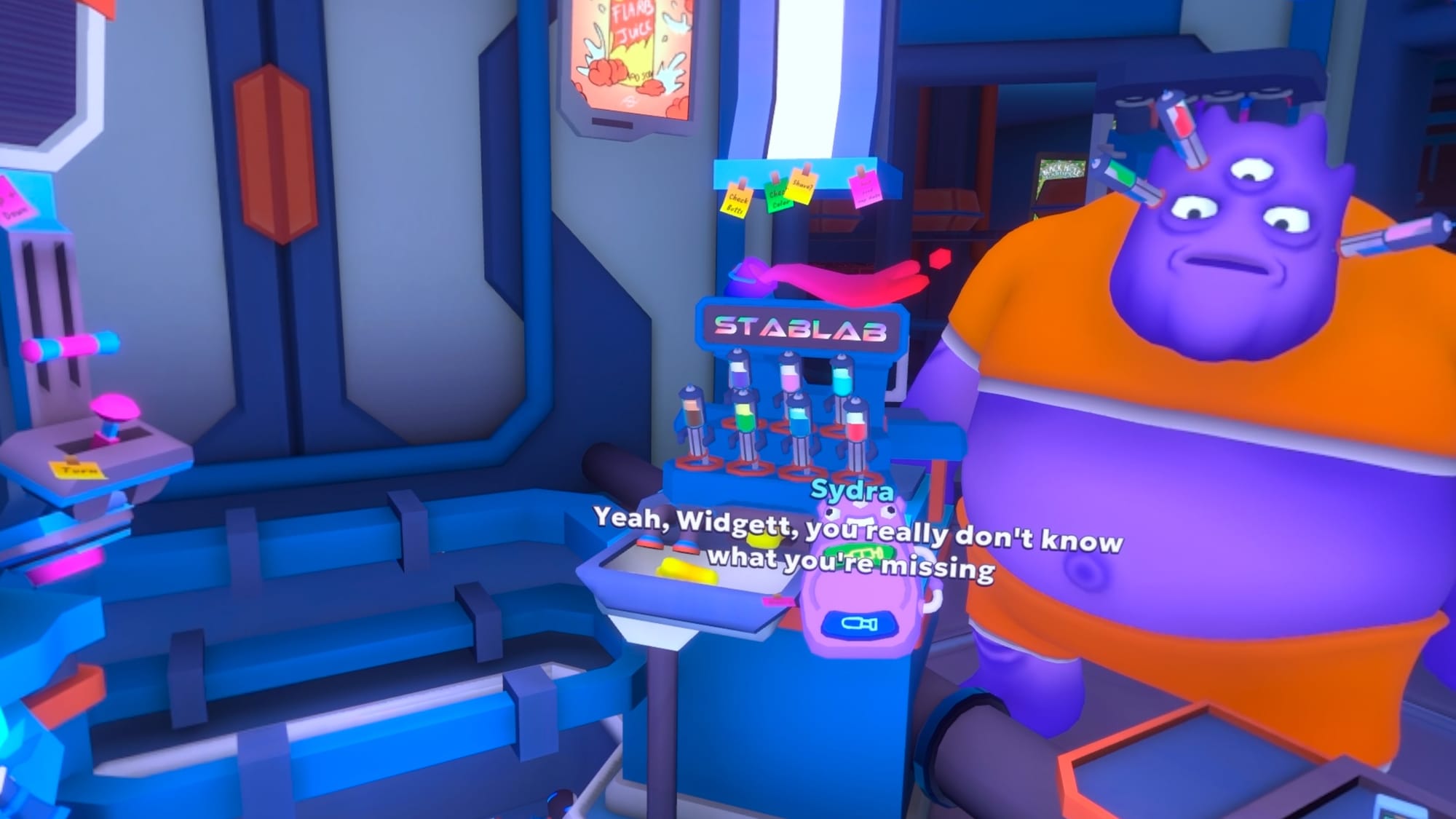
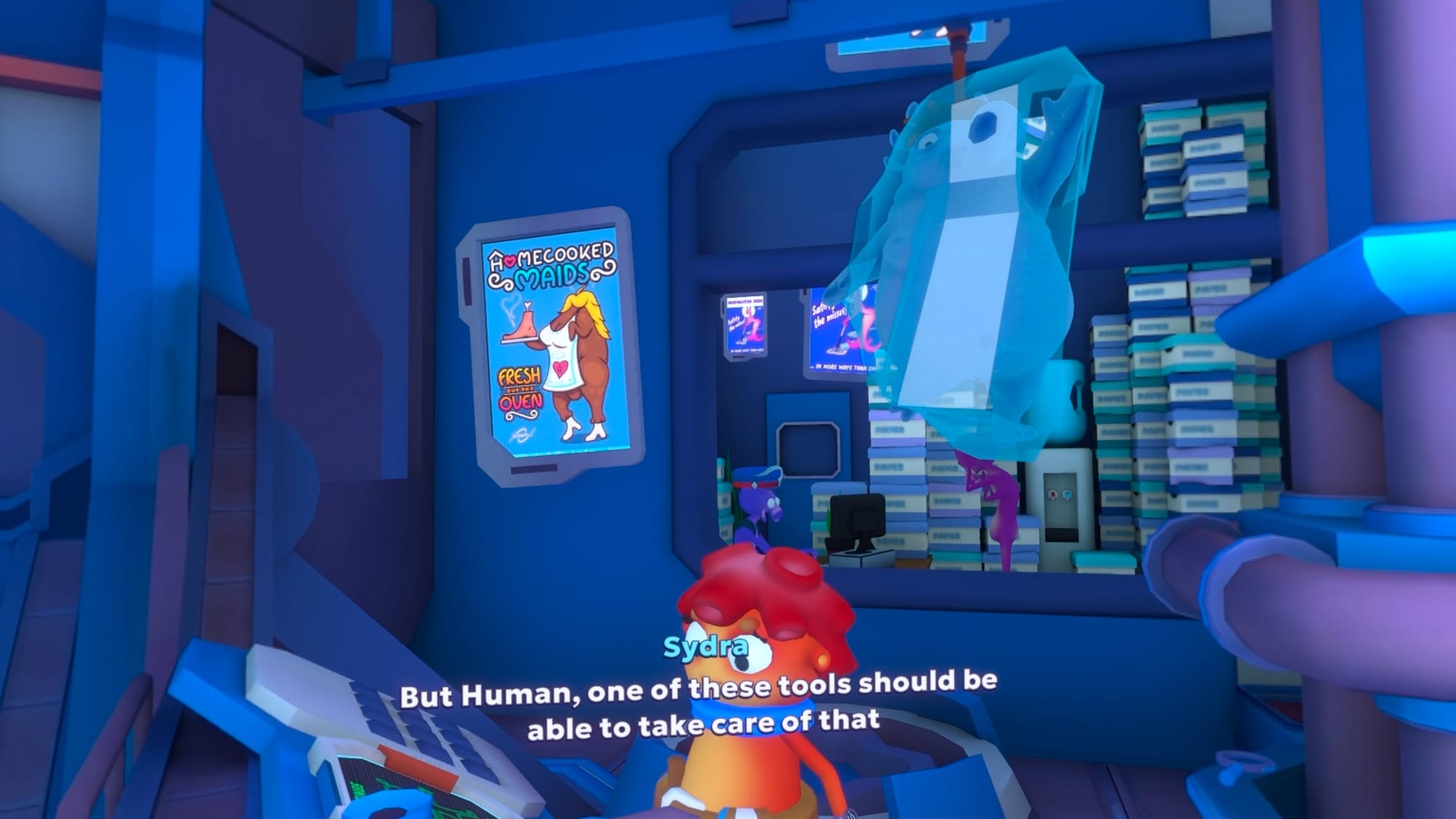
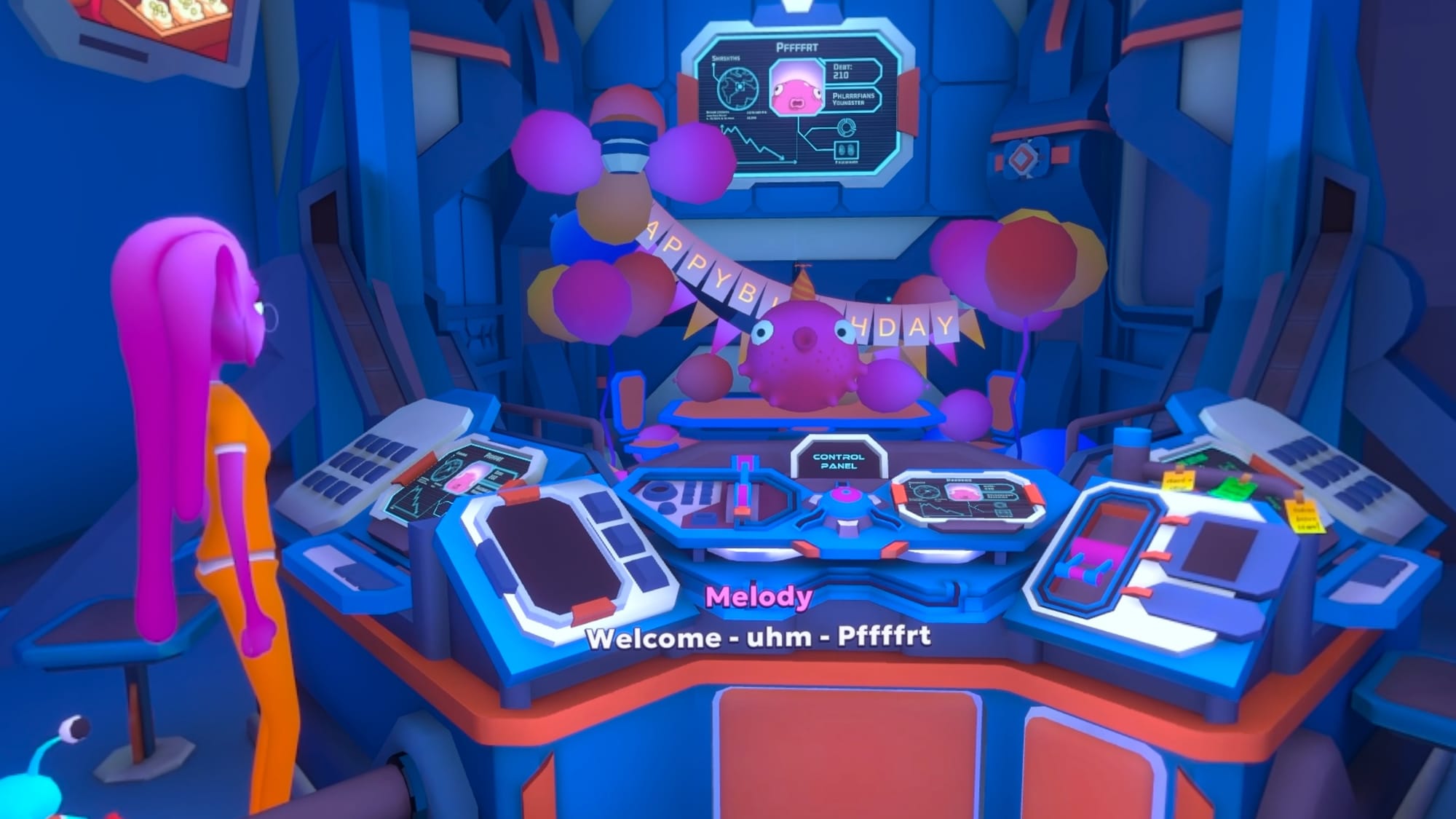
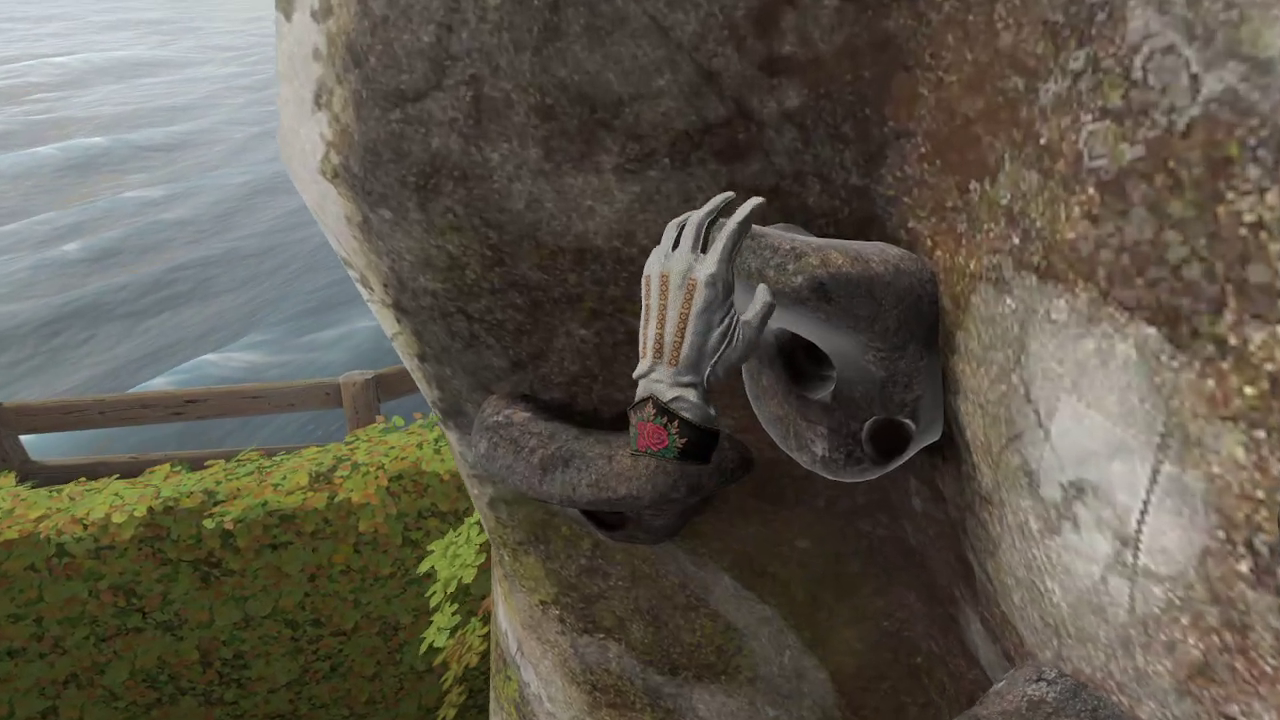
The Midnight Walk, a grim and beautiful dark fantasy adventure using clay-sculpted models, gets a new lower price on PC VR and PlayStation VR2.
The game now costs $29.99, a substantial discount from its original price of $39.99. The price drop carries across both Steam and PlayStation Store.
Developed by MoonHood, the studio formed by former Zoink (Lost in Random, Fe) developers Klaus Lyngeled and Olov Redmalm, The Midnight Walk is a gorgeous and unique game with a handcrafted clay stop-motion animated art style.
0:00
/1:46
In The Midnight Walk, you'll play as The Burnt One, befriend a lost lantern creature named Potboy, and use his flame to light your way through a grim and beautiful hand-crafted world.
We reviewed The Midnight Walk in VR when it released last year, and found it to be "a memorable adventure that's enchanting and bleak in equal measure, one that feels like wandering into a twisted fairytale. It's a gripping tale with beautifully crafted claymation visuals, [...] a great example of hybrid design between flatscreen games and VR."
The free update adds a new faction, new weapons, armor, and lore, plus a new map to explore in the game's sandbox and Crystal Hunt modes.
Blade and Sorcery: Nomad developer WarpFrog has announced that its Sentara update is available now. The free update is the second of four planned content drops known as the Byeth Updates. It adds a new Sentara-themed map to explore in Blade and Sorcery's sandbox and Crystal Hunt game modes, as well as several new weapons, armor, and new lore.
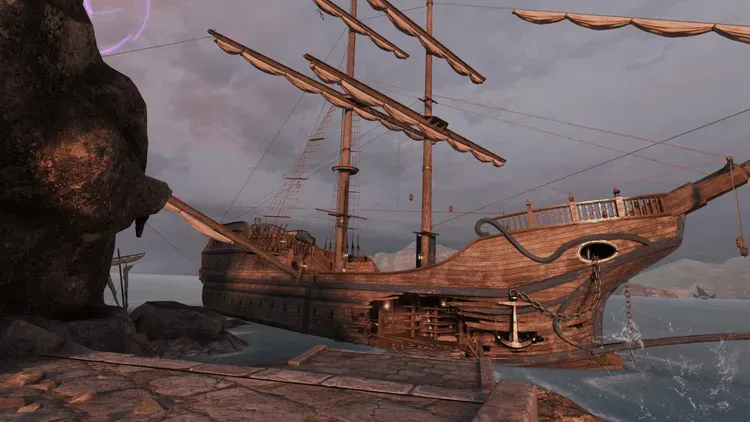
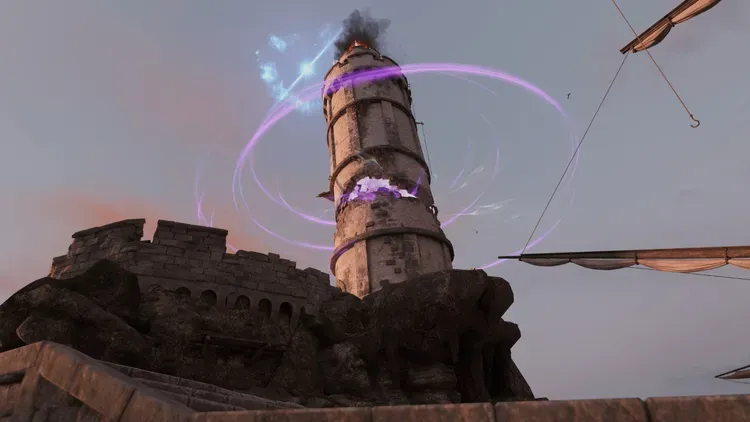
The Sentara map is a maritime-themed land, evoking Mediterranean sea nations from the Age of Sail. There are lighthouses and pirate ships, and weapons inspired by maritime history. There's also a new physics system to simulate buoyancy in water, meaning objects will float differently depending on their weight (including bodies).
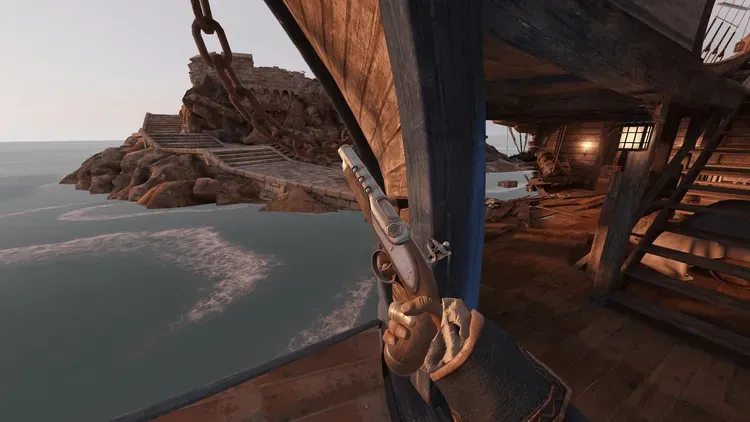
New weapons and armor similarly evoke the real-world gear of the time. There are classic cutlasses, stiletto daggers, a harpoon, a dueling sword, and most notably, firearms (though these run on crystals, rather than gunpowder).
In addition to the Sentara map, another new map has been added for sandbox and Crystal Hunt modes. This map is themed around Rakta, the East Asian-inspired faction that had previously been added in the first Byeth Update.
WarpFrog promises that there's a whole lot more to discover in the Sentara Update (almost an understatement, when looking at the update's full notes).
Blade and Sorcery: Nomad is the Meta Quest and Pico release of the built-for-VR melee combat game, which originally launched as simply Blade and Sorcery on PC VR via Steam. The Sentara update has landed on that platform as well.
Blade and Sorcery: Nomad is now available on Meta Quest and Pico headsets. Blade and Sorcery is also available on Steam.
Update Notice
This story was updated to include a link to the Steam version of Blade and Sorcery, which also received the Sentara update.
Zombie Army VR will lose co-op multiplayer next month, with the developer blaming a change with Unity's hosting services.
Zombie Army VR has had a bit of a rough go, to be kind. The VR entry to Rebellion's popular series was first announced for a 2024 release before being delayed to May 2025, followed by another delay to June 2025. In the course of that, Rebellion quietly switched developers from XR Games to Xtended Realities.
Now, less than a year post release, the beleaguered FPS, is losing its cooperative game mode. Rebellion announced on a support post on its website that Zombie Army VR's co-op play servers would be shut down at the end of March "as a result of Unity's phased exit from the Multiplay Game Server Hosting Service."
Unity sent out communication to all developers using its multiplayer servers in December 2025, saying anyone on the service had until March 31, 2026 to transition to a new service. Unity also stated it was licensing its Multiplay Game Server Hosting Service to Rocket Science Group to ensure continuity for any live games.
Rebellion said it is investigating methods to save game progress for any co-op campaigns in progress, but at the time of this article, that solution has not been announced.
The follow up to Thief Simulator VR: Greenview Street promises to build on the best parts of its predecessor with procedural generation and chaotic multiplayer.
3R Games, also known for Cave Crave and Besiege VR, announced a new Thief Simulator title on a recent post on X.com, saying Heist Crew is being "built on the best mechanics of Thief Simulator VR: Greenview Street." From the description of the Meta Quest listing, crews will have a limited time to break into homes on procedurally generated maps, scoring points both as teammates and individuals.
Due to the individual scoring system, 3R says betrayal will be a part of Heist Crew's gameloop, with teammates turning on each other to raise their own individual scores.
Thief Simulator was originally ported to PC VR by Playway, in partnership with Gameboom. 3R Games took over developmental duties for Greenview Street on Meta Quest with Playway listed as a publisher.
Thief Simulator: Heist Crew can be wishlisted now on Meta Quest. At the time of this article, there is no information on ports for other platforms, release date, or price. Greenview Street is available on PS VR2 for $24.99 and Meta Quest for $19.99.
iWorlds' Vortex 9 was originally released as a free-to-play mobile game for iOS and Google's Play Store, where it won gamers over with its mix of cel-shaded visuals, bite-sized shooting skirmishes and cute animals that can assist players in combat.
Last year, it was announced that Vortex 9 would be coming to virtual reality by way of Meta Quest headsets, complete with crossplay compatibility that would allow VR players to connect with fans of the original mobile version. Vortex 9 makes the transition to VR quite well, providing an even more intuitive control alternative to the old version's touchscreen controls.
The Facts
What is it?: A VR version of the popular online mobile shooter that combines colorful graphics, brief matches, and cute pets. Platforms: Meta Quest Release Date: February 26, 2026 Developer: Ayteylz EOOD Publisher: iTales VR Price: Free To Play
Vortex 9 VR's controls are pretty simple: you use the left thumbstick to move around and aim your weapon by pointing at an enemy with the right hand controller. Firing is done with the right trigger, and switching and reloading weapons are done through button presses. By flicking the right thumbstick, you can jump, while holding down causes you to crouch.
Matches consist of team-based Deathmatches, where players are randomly grouped to see who can take out the opposition, Capture the Point, another team-oriented mode in which players battle to control certain points on the map, and Mayhem, a free-for-all skirmish between individual players.
Collect and raise Pets to help take out the competition.
Weapons are varied and include machine guns, revolver pistols, knives and other melee weapons, and grenades. Players can also use canned drinks to replenish their health, which is represented by a green meter in the upper-right corner of the screen.
One of the things that helps set Vortex 9 apart is the Pets that players can summon by hatching a certain number of parts. These parts come in eggs that players either buy or unlock as rewards. To hatch an egg, you can choose to wait an hour for it to hatch on its own or pay a small gold coin fee to hatch it immediately.
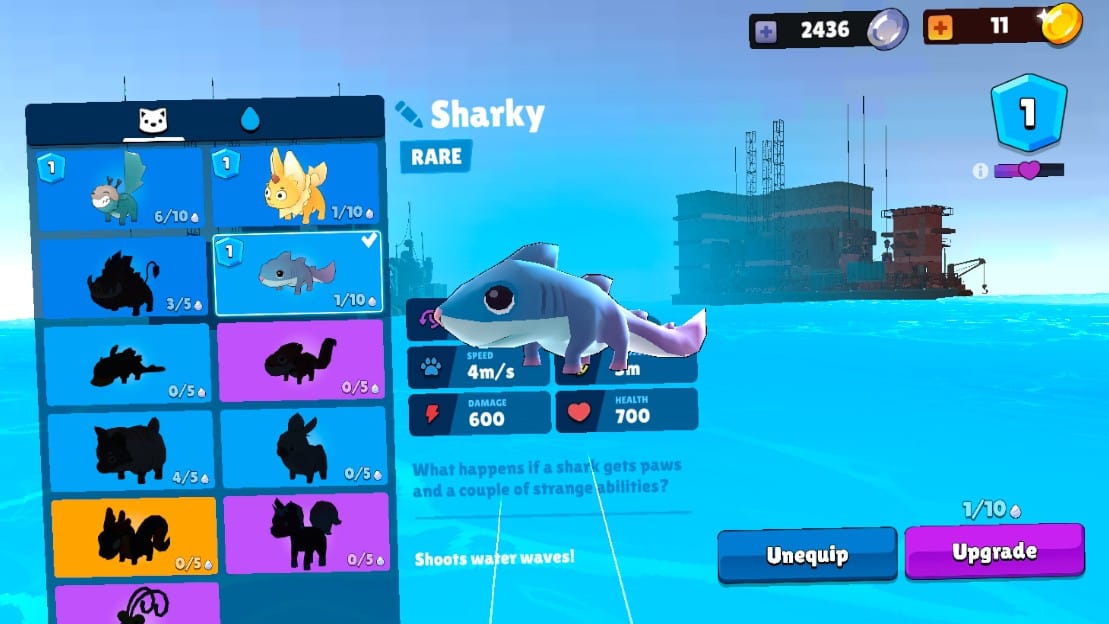
Once summoned, your Pet will follow you into battle and attack opponents automatically. The Pet also has its own health gauge, and once it is depleted, it will need to respawn after a brief waiting period. Certain Pets have special abilities; for example, Sharky can spit water bubbles to strike at opponents from a distance.
0:00
/0:24
Vortex 9's matches are quick and breezy.
After booting up Vortex 9 for the first time, you choose between one of two customizable avatars, with more available to unlock by spending coins. There are a few basic customization options to start with, and you can buy more as you earn more currency and build up your experience level.
Players can earn gold and silver coins by either paying with real-world money or completing different tasks during matches. There are two types of tasks: set Main missions and Daily missions that alternate each day. These tasks can range from winning a certain number of matches to using a certain weapon a set number of times.
The game’s art style is simple and colorful, with a cell-shaded appearance that brings to mind titles like The Legend of Zelda: Wind Waker. Level designs include a construction site, a sewer, and a large child’s bedroom that wouldn't be out of place in Toy Story.
Having tried Vortex 9 out on both mobile and VR, I find myself preferring the latter thanks to its more immersive setting and intuitive motion controls. Vortex 9 might not be the most groundbreaking virtual shooter around, but it's good for some quick, bite-sized action with plenty of charm to go around.
The new, built-for-VR racer Raceclub has just released on Meta Quest headsets in early access.
Mixer Lab has announced that their made-for-VR racing game Raceclub has launched in Early Access today. The title is available now at an early-bird price via the Meta Horizon Store.
Built by "a seasoned team of racing enthusiasts," Raceclub's developers promise an authentic and exciting racing experience. The team says players may choose between two styles of racing: a 12-cylinder car inspired by real-world Formula 1 design, and a nimble electric-influenced model reminiscent of Formula E, where mastering regenerative braking and managing power modes is critical to winning.
0:00
/1:13
Multiple race modes keep the gameplay varied, and planned updates intend to add multiplayer sometime after Early Access launch.
Raceclub is available starting today in Early Access via the Meta Horizon Store for $12.99. A limited-time early-bird offer brings the price down to $9.99.
Fixer Undercover is a terrific escape room adventure limited only by your tolerance for jank.
Are you a fan of the I Expect You To Die trilogy, but always wish you could get up and walk around the room to figure out what to do? That's Fixer Undercover in a nutshell, an escape room spy thriller using handyman tools (a wrench, hammer, pliers, electric drill, and grinder) along with whatever happens to be in the room to get to the next room. Fixer Undercover adds full artificial locomotion to IEYTD's established formula and the ability to move around and get more hands-on with the environment is both a strength and a weakness.
The Facts
What is it?: A spy-themed escape room adventure Platforms: Meta Quest 3, 3S, and Pro (played on a Quest 3) Release Date: February 26, 2026 Developer: Creativity AR Publisher: Creativity AR Price: $ 14.99
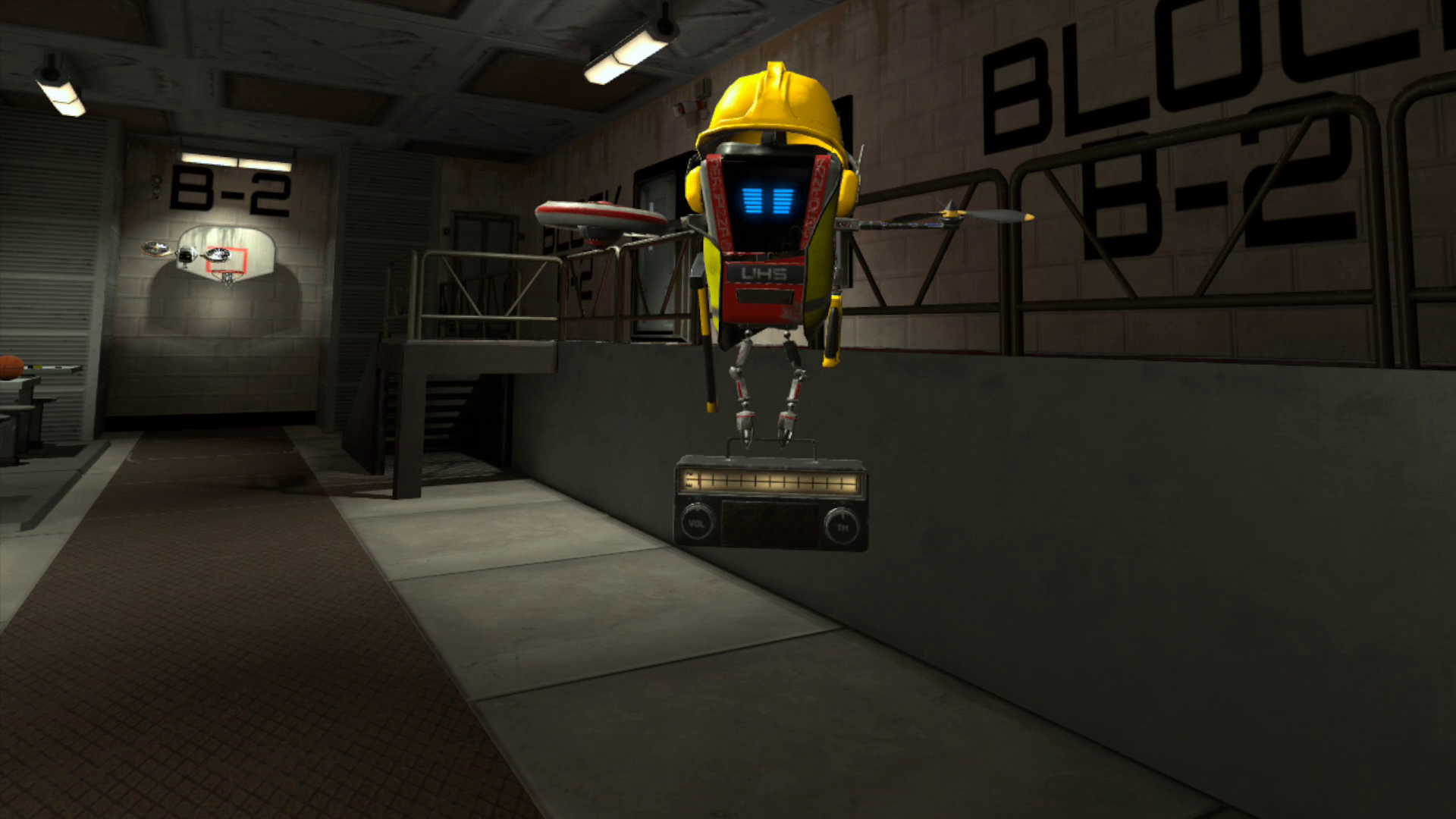
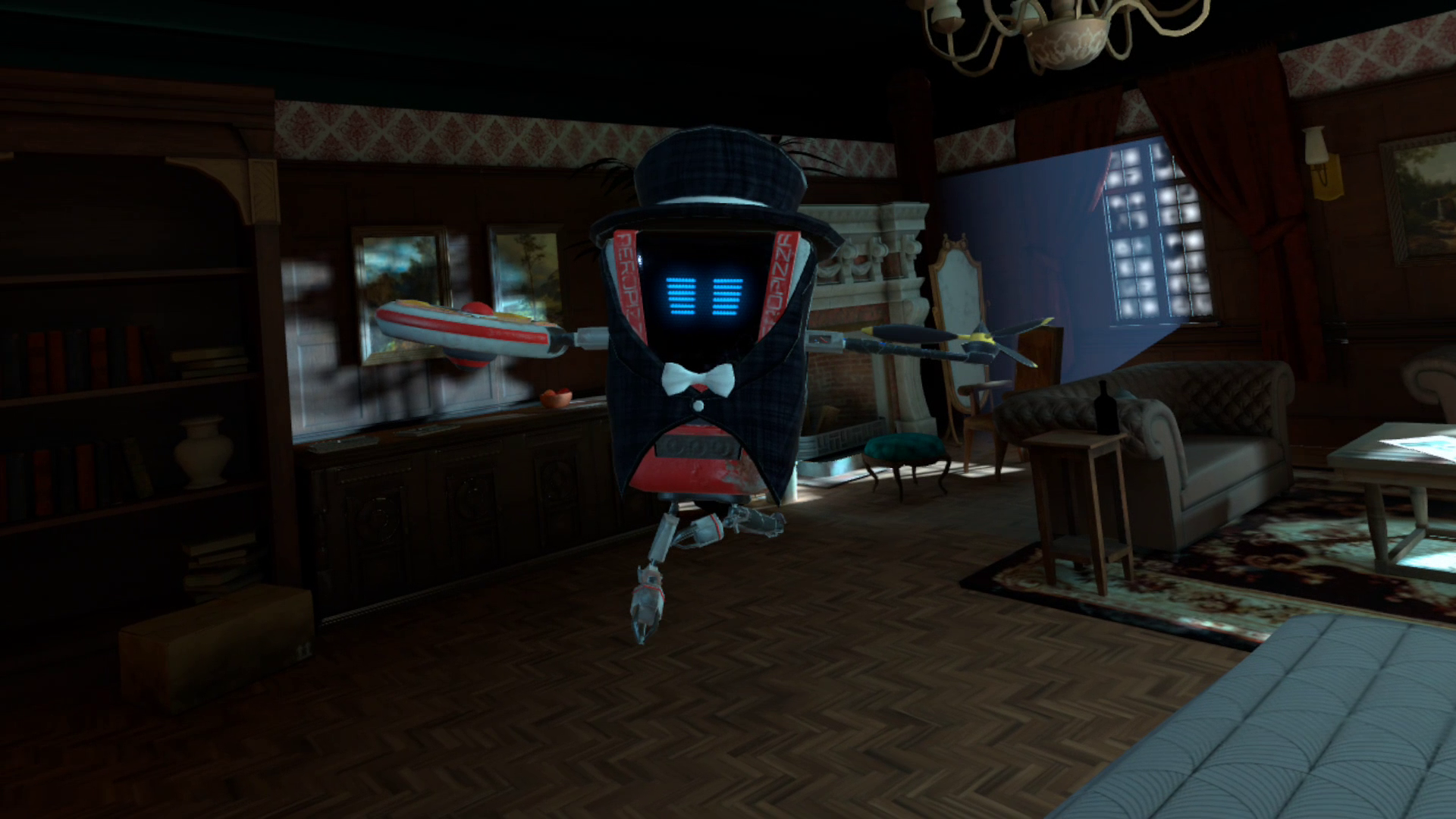
Fixer Undercover stars a character codenamed, wait for it, The Fixer, a secret agent for an unnamed organization sent to a prison under the guise of a handyman. We're not alone though as a cute drone named Winston accompanies us for the duration of the game. Winston serves multiple functions: an extra set of holsters for tools, the source of the game's soundtrack via a radio it carries (with multiple stations to choose from), and the game's built-in hint system via a projector for a UI.
Winston, Fixer Undercover's drone assistant. Images captured by UploadVR
Fixer Undercover's story is told in media res, meaning most of the narrative has already happened and intermissions between chapters see Fixer and Winston recounting the mission and reading news articles written about it. It's an interesting choice because it removes virtually any sense of peril. For players who don't like to feel a time crunch or danger in their games, like a wall of lasers bearing down on them while trying to decipher a code on a keypad, this could be a good thing.
It's a narrative choice I've never really cared for, but it doesn't drag the game down at all. Fixer Undercover's tone is mostly light anyway, with Winston's stellar voice acting doing most of the tone setting. The story is perfunctory at best and I had already guessed the villain's true plan hours before it was revealed, but Fixer Undercover's gameplay is where it shines. Walking around a room looking for clues, places to use your tools (most of the time clearly marked yellow), or other random objects to get to hard-to-reach places is a genuine joy. The dopamine hit when finally exiting a room (even if a hint was used) was always there during my six hour playthrough.
0:00
/0:41
Solving a puzzle in Fixer Undercover captured by UploadVR
The aforementioned weakness stems from something most VR players are used to: jank. Have you ever opened a drawer in VR and reached inside only to get a hand stuck and watch it violently vibrate and contort into inhuman angles before it snaps back to normal? There's a lot of that here. If two items are near each other, it's a coin toss on which one gets grabbed. More than once, I got a chair or a barrel or box stuck to my hand and had to move it completely across the room to avoid triggering it again.
If this is something you're used to from other games, it won't hinder your experience. This is the unintended side effect of allowing a VR player to be more hands-on with everything. It thankfully never prevents solving a puzzle, but getting a pair of jumper cables stuck on a chair one too many times can become a nuisance.
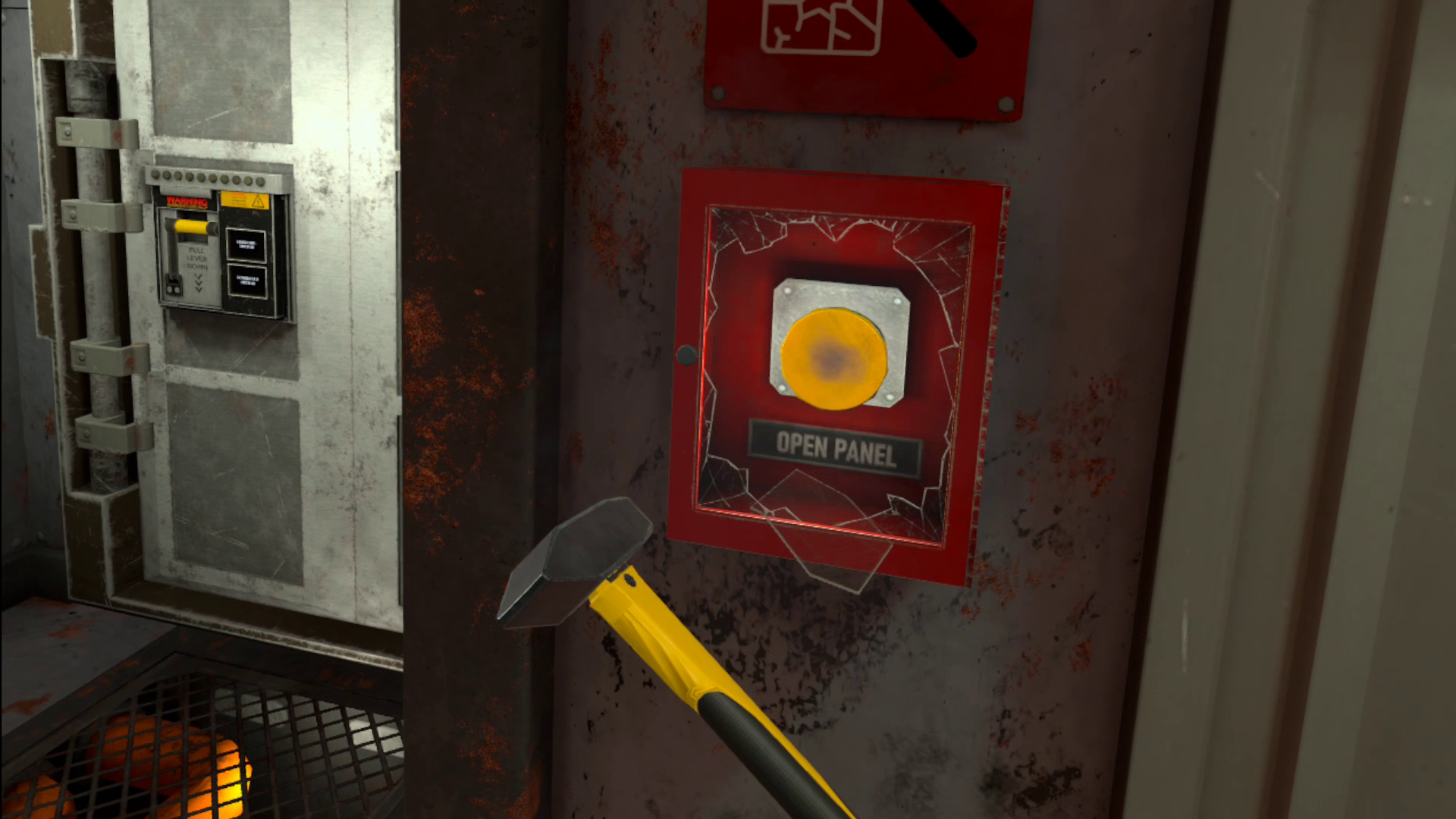
Using the hammer in Fixer Undercover. Image captured by UploadVR
Graphically, Fixer Undercover is your average standalone VR game. Everything has that plastic looking sheen most Quest players will be accustomed to. I'm interested to see if the visuals get an uplift when the planned PC VR and PlayStation VR2 ports are released down the line. Ironically, that actually helps when solving puzzles. Items that cannot be touched are very easy to distinguish, which saves time that could be wasted trying to open or mess with anything non-interactable. Most of what can be touched, aside from all the food laying around, serves some sort of purpose.
Fixer Undercover, jank aside, is also a clean experience. No major bugs or performance issues to speak of and the game only hitched very briefly during scene loads. The only glitch I experienced was when I replayed the first room to record it. I moved a little too fast since I already knew what to do and one of Winston's lines ("you know you can open that flap, right?") got stuck on a loop for the rest of the room, repeating roughly every 30 seconds. There were times when lines of dialogue trampled one another, but that happens to me personally quite often because I move around a lot during chatty scenes and sometimes trigger a proximity based line.
Comfort
Fixer Undercover uses stick-based movement with options for smooth or teleport locomotion and smooth or snap turning. It also has motion vignettes that can be turned off for experienced players.
There are multiple sections of climbing that may be tough for some users. The game also can be comfortably played seated and the hip holster even adds a wrap around method for easier grabbing when in the seated mode.
Fixer Undercover Review - Final Verdict
VR has always had a penchant for great puzzle games and Fixer Undercover is no exception. The heavy emphasis on VR interactions and encouragement to think outside the box on solutions makes for a highly entertaining spy caper. The game is only held back by a healthy dose of grab jank, average graphics, and a fairly predictable story. None of those should be dealbreakers though. Fixer Undercover is a worthy addition to any puzzle lover's library.
UploadVR uses a 5-Star rating system for our game reviews – you can read a breakdown of each star rating in our review guidelines.
A free Hitman World of Assassination Elusive Target mission starring Milla Jovovich from the Resident Evil films is available to play until March 24.
Hitman World of Assassination's Elusive Target missions, a series of limited-time events, date back to the 2016 Hitman game. Players get a limited time (sometimes as brief as 48 hours) to complete the mission. Past missions have starred known performers like actors Sean Bean and Jean-Claude Van Damme, rapper Eminem, and MMA fighter Conor McGregor.
The latest mission, titled The Harbinger, centers on Ether Corporation CEO Lilith Devereux, played by actress Milla Jovovich, best known from her starring role as Alice in the Resident Evil films. It revisits the Patient Zero storyline as part of the Patient Zero Requiem season, which also includes a paid cosmetic pack.
0:00
/1:11
The new content is available to play now until March 24 as a free download. The Patient Zero Requiem season is also playable as part of the free demo for Hitman. Note that this new content is not available on Meta Quest's Hitman 3 VR: Reloaded.
Hitman World of Assassination is available in VR on Steam for $69.99 and PlayStation VR2 as a $9.99 add-on to the $69.99 PS5 game. IOI also announced the game is available on Mac via Steam and the App Store.
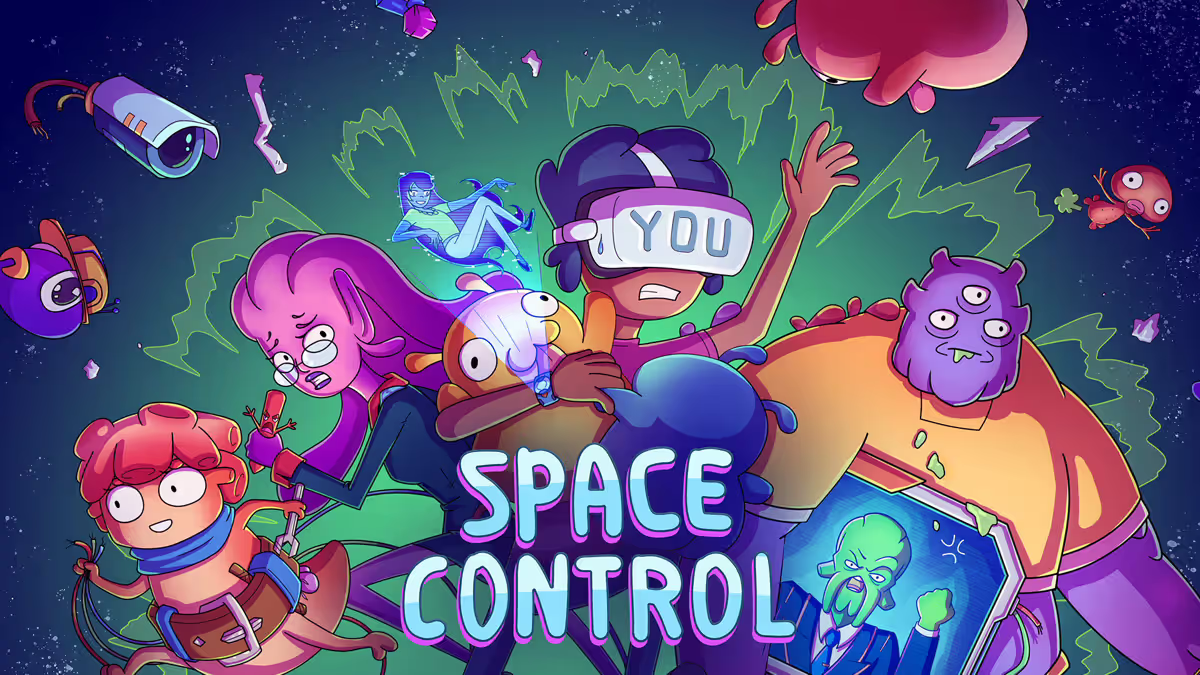
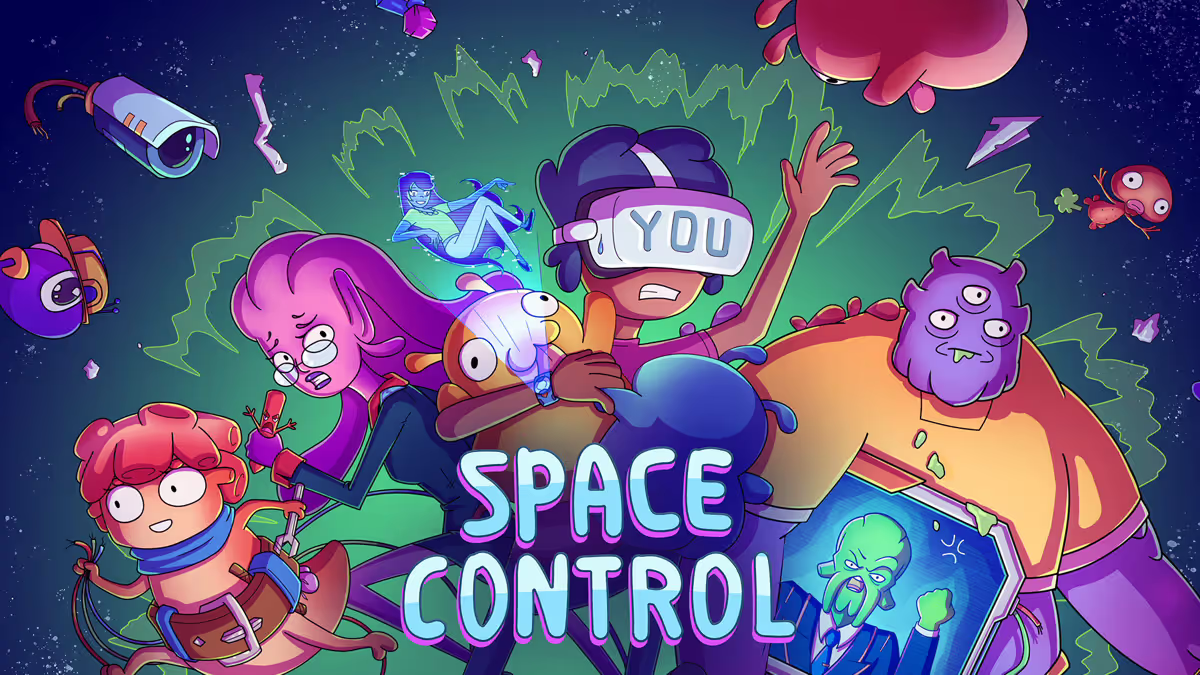
Drawing inspiration from animated comedies like Rick & Morty and Futurama, Space Control is an absurd adult-oriented job simulator that will make some players laugh, and others cringe.
As part of Steam’s Next Fest, MoonMonster Studios has released a brief playable demo of their upcoming comedic job simulator, Space Control. The thirty-minute demo offers an early glimpse at a game that I found to be equal parts charming workplace parody and infantile shock comedy.
The Facts
What is it?: A comedic, cartoon-inspired space job simulator. Platforms: Quest and PC VR (Previewed on Quest 3S via Steam Link) Release Date: Q2 2026 Developer: MoonMonster Studio Publisher: MoonMonster Studio Price: $TBD (demo available for free)
The demo opens with a short setup exposited by a corporate onboarding video delivered with impressive voice acting. You play as a human from Earth who’s been abducted by Glorpo Incorporated, an intergalactic megacorporation, to work off a debt that "you" owe the company. The only problem is that you don’t owe the company anything. They’ve abducted you accidentally, in place of the actual debtor. But since Glorpo “doesn’t do returns,” you’re pressed to work anyway.
0:00
/0:57
Space Control intro captured by UploadVR
Unfortunately, in this early build, the gameplay is not totally polished. There’s a feature in the game called “Force Grab” which allows you to pull distant objects toward you. This feature is in fact critical in the first two minutes of the game, since you’re trapped and must grab a heat gun to thaw your way out of cryo-sleep. I spent about ten minutes in my first playthrough simply trying to get this feature to work. I eventually managed to make it happen, but not in the way the developers intend.
For reference, I played this demo on a Quest 3S using Steam Link (the demo is only available on Steam for now, though the game will release on Quest alongside its PC VR release). I suspect the final game will not include these control issues.
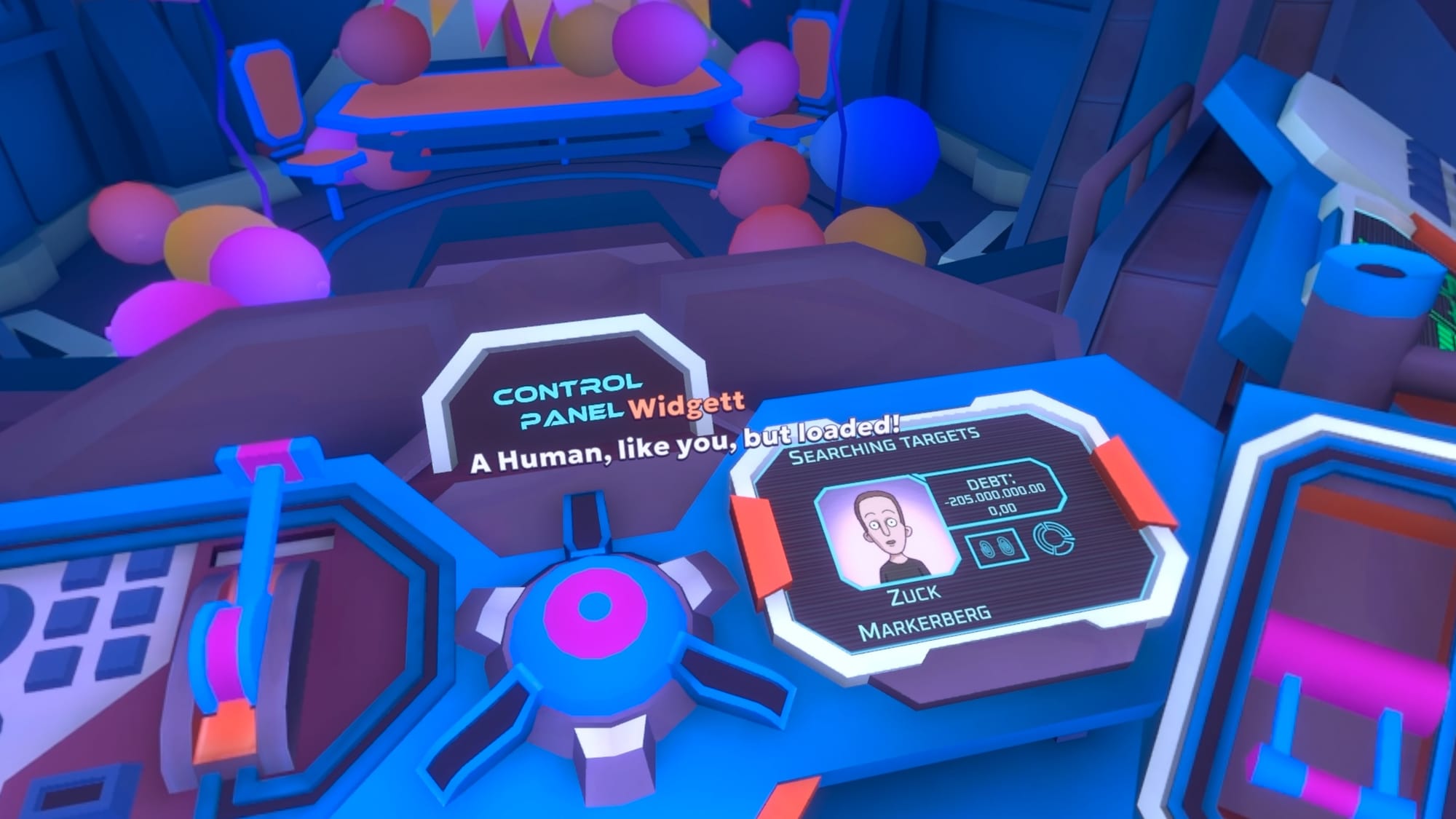
After escaping your cryo-pod, you spend the next several minutes in your living quarters. Wandering around and picking up objects in these first moments is fun and silly. There are sentient dry-erase markers with distinct personalities (one screams in pain when using it to draw, while another seems to enjoy being used a little too much). There’s a Polaroid-style camera that incongruously ejects the same picture every time you use it (a photo of the space station’s supervisor stamped with the text “Back To Work”). There’s space goo to toss around, a rubber alien chicken to squeeze, fidget spinners, books with stupid titles, and so much more. The environment is simply brimming with distraction, a fun thing in VR.
Next, you’re introduced to a colorful cast of silly coworkers, each with exaggerated personalities. The tone in these first five minutes is instantly reminiscent of vintage Futurama (which I love). Your new friends are an offbeat, ragtag group of misfits dumped into the same metaphorical sinking ship. The characters’ designs are expressive and fun, their dialogue is snappy and delivered perfectly by their voice actors, and the space station environment brims with small gags and visual jokes.
0:00
/3:01
Space Control VR gameplay captured by UploadVR
At this point in the demo, I’m feeling great. Despite the technical speedbumps, we’re moving along and having fun, and I can see myself really bonding with my hapless crewmates. If the gameplay continues to build on the silliness and mechanical interest of the starting area, I think Space Control could be something special.
By the end of my time with the demo, I’m not so sure.
The early charm of the characters and presentation are quickly outbalanced by the game’s insistence on infantile humor. While I’m by no means a prude, and while I enjoy the stupidity of the cartoons from which this game takes inspiration, Space Control is far more interested in shock humor than actual wittiness.
For example, there’s a whole game mechanic that involves shoving various butt-plugs into abductees’ butts. While a fifteen-year-old version of myself might have found this and many more of the game’s intended punchlines funny (maybe), my adult self spent more time cringing and wishing the writers had done something (anything) else.
I accept that not all types of humor are made for me. What I find annoying might make someone else howl, and I love that. If you find posters of hairy privates and butt plugs to be funny, you’re gonna love this game. For me, most of the humor is a miss.
Which is a real shame, because the gameplay is great. The job simulator portion of the demo has us manning a handful of command stations, each more ridiculous than the last.
We must abduct new debtors and process them into the workforce. This involves stripping their clothes, taking care of any of their health needs, ensuring they look the part of the respectable worker, and sending them on their way.
The mechanics of this process are well-crafted, with all our tools and devices (yes, even the butt plugs) reacting well in VR. The tools that we use are silly, fun to use, and inventive, and the fully voice-acted abductees are highly varied and do their best to say stupid, fun, or funny things. Our coworkers are there as well, helping us in their own way, and throughout the process we’re learning more about them and the overarching story of Space Control.
Comfort
Space Control offers sitting, standing, and roomscale modes. The game has a vignette effect for turning. It also uses hand tracking and controllers.
0:00
/4:55
Space Control's job simulator gameplay captured by UploadVR
It all comes together pretty well, in the end. But the biggest challenge for Space Control’s developers will likely center on the game’s tonal target.
The humor often feels too infantile, yet the language and themes clearly aim for an adult audience. Characters casually swear, and the script isn’t shy about using the most explicit language. As a parent, I wouldn’t feel comfortable letting my 11-year-old play it, but I could imagine Space Control being perfect for her if only they had cut the language and eliminated the overtly sexual jokes.
That said, I’m 42-years-old. I can imagine teens (whose parents aren’t such helicopters as me) gasping between laughs at the game’s absurd props and crude punchlines. Comedy is subjective, and jokes that make me cringe might be exactly what another player hopes for in a VR comedy game.
The demo ends abruptly enough that it feels more like a teaser than a vertical slice. As the screen fades out, I get the feeling that the real comedic escalation and narrative momentum lie beyond the cutoff point.
Based on this brief preview, Space Control shows genuine promise. Its interactive design is strong and its environments are lovingly crafted and richly detailed. Its cast has potential to become genuinely endearing over time. The biggest question mark, for me, is tonal balance. If the rest of the game leans closer to the clever absurdity of its premise and less into blunt, smack-you-in-the-face shock humor, the game will appeal to a massive audience (me included). If not, there’s still a lot to love, especially for fans of dumb comedy.
MoonMonster Studios plans to bring Space Control to Meta Quest and PC VR this April. You can wishlist the game at those storefronts, and sample the demo now as part of Steam Next Fest.
Graphics depicting Meta's upcoming ultralight headset with a tethered compute puck, codenamed Phoenix, have been found in Quest firmware.
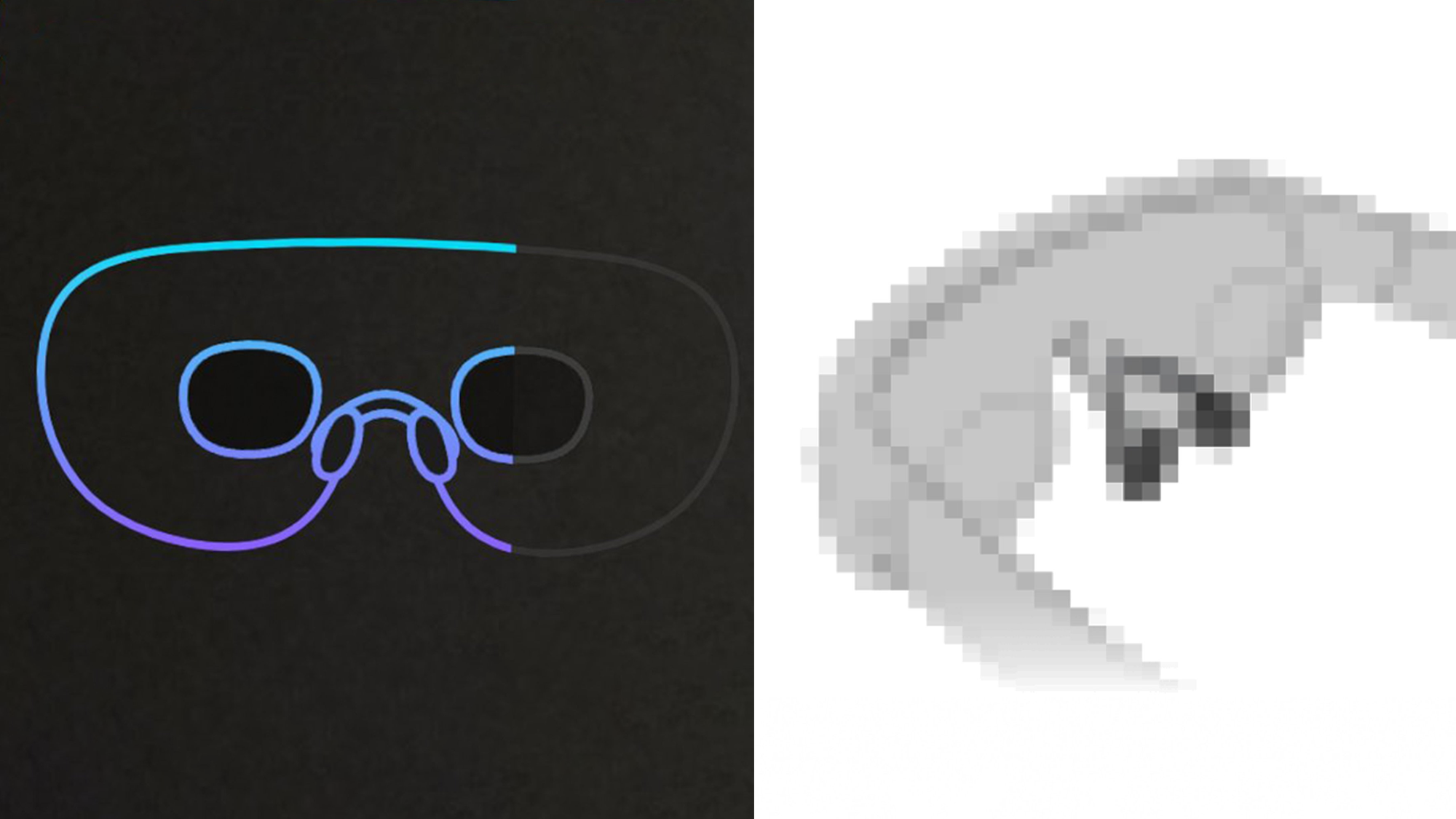
Firmware dataminers Luna and Samulia discovered a "hilariously" low resolution depiction of the headset from the rear side (see above), as well as a silhouette of the frontbox from behind. The pair were also able to activate and run the eye tracking calibration setup on a Quest Pro.
While the resolution is indeed comically low, it still clearly depicts a compact headset with glasses-style nose pads instead of a classic VR-style face pad. Discovered strings also reference adjusting the nose pads for comfort. What we don't see is the back of the device, so it's not yet clear whether it has glasses-like arms or a cradle for the back of your head.
Before this, the only real indication we had as to what Phoenix might look like came from The Information's 2024 report that first revealed the existence of the device, then called Puffin, where it was described as "a bulky pair of glasses" that weighs less than 110 grams with a tethered compute puck running Horizon OS, the operating system of Quest headsets.
That 2024 report also described the headset as having eye tracking, in order to copy the gaze-and-pinch input system of Apple Vision Pro.
Luna's past and current datamining corroborates this. Last year they found references to automatic IPD adjustment and iris unlock, features both driven by eye tracking.
Separately, XR influencer Brad Lynch claimed that one of the candidates for the headset uses 0.9-inch micro-OLED displays, slightly smaller than those used in Bigscreen Beyond headsets. Without knowing the pixel density, this doesn't tell us the resolution. But it does let us know that this candidate could offer OLED's signature infinite contrast, true black, and punchy colors. UploadVR has previously reported that Meta has explored multiple display system approaches at differing price points.
Leaked internal Meta memos from December revealed that the company is targeting the first half of 2027 for a launch of Phoenix.
Phoenix will be strongly focused on virtual screens for productivity and entertainment, and other seated mixed reality and VR use cases. Names that Meta has internally floated for the product have included "Quest Air", but it's far from certain what it will decide.
Keep in mind that Meta's hardware roadmap is constantly shifting, and the company frequently spins up and cancels devices before they ship. When a specific product gets close to shipping, we'll bring you any reliable rumors of its imminent arrival. Until then, be ready for anything planned to get canceled or delayed.
The Amusement shows a lot of potential as a narrative puzzler, but its implementation of roomscale movement may push players away early in the demo.
Roomscale VR games are becoming a rarity these days as the realities of limited play spaces and VR 'epic fail' videos may have softened developer interest in these types of experiences. That hasn't stopped recent efforts like Hotel Infinity, Laser Dance, and Eye of the Temple from offering up terrific gameplay. When done right, a roomscale game is some of the most immersive time spent in VR.
The Facts
What is it?: A roomscale narrative puzzle adventure Platforms: Steam (played on Quest 3 via Virtual Desktop) Release Date: February 23, 2026 (part of Steam Next Fest) Developer: Curvature Games Publisher: ARTE France Price: free (demo only)
Enter The Amusement, a narrative adventure with environmental puzzles and the promise of a poignant family story. The Amusement utilizes roomscale movement with an optional teleportation system. It starts out well enough in a confined room with items to pick up, observe, and add to inventory. Then it quickly proceeds to the bulk of the demo, a zig-zag of a garden maze with thin paths that were painful to navigate with the movement system as currently designed.
I played The Amusement demo twice. First, in a limited play space with teleportation, a cumbersome exercise limited by a snap-only turning system without an option to change the size of the turn angle. This was not ideal by any stretch and made the garden maze section quite annoying to play through. I don't recommend it.
Then, I rearranged my room to get a completely open space and the maze still feels too constricted. Unlike the aforementioned Laser Dance & Eye of the Temple where you are constantly ducking, dodging, and otherwise navigating obstacles, in The Amusement I just walked a few steps, turned, walked a few more, wash, rinse, repeat until you reach a tube with a wheel to rotate into another part of the maze. If you accidentally walk into an object, the screen simply blacks out, telling you to reposition.
It is immersive. It's just not interesting and fails to capitalize on being roomscale in the same way the aforementioned games do. I hope that in the full release, there will be more open areas with environmental pieces to interact with that really take advantage of the 1:1 movement. The maze is roughly half of the demo's runtime, so in this short sample size, it sticks out more than it likely will in the full release.
Comfort
The Amusement uses roomscale 1:1 movement with an option for teleportation instead. At the time of this article, snap turn is the only stick turn method with no option to adjust the turn angle. The game has a vignette effect for turning and climbing that can be turned off in settings.
This game involves climbing, which may be problematic for new VR users.
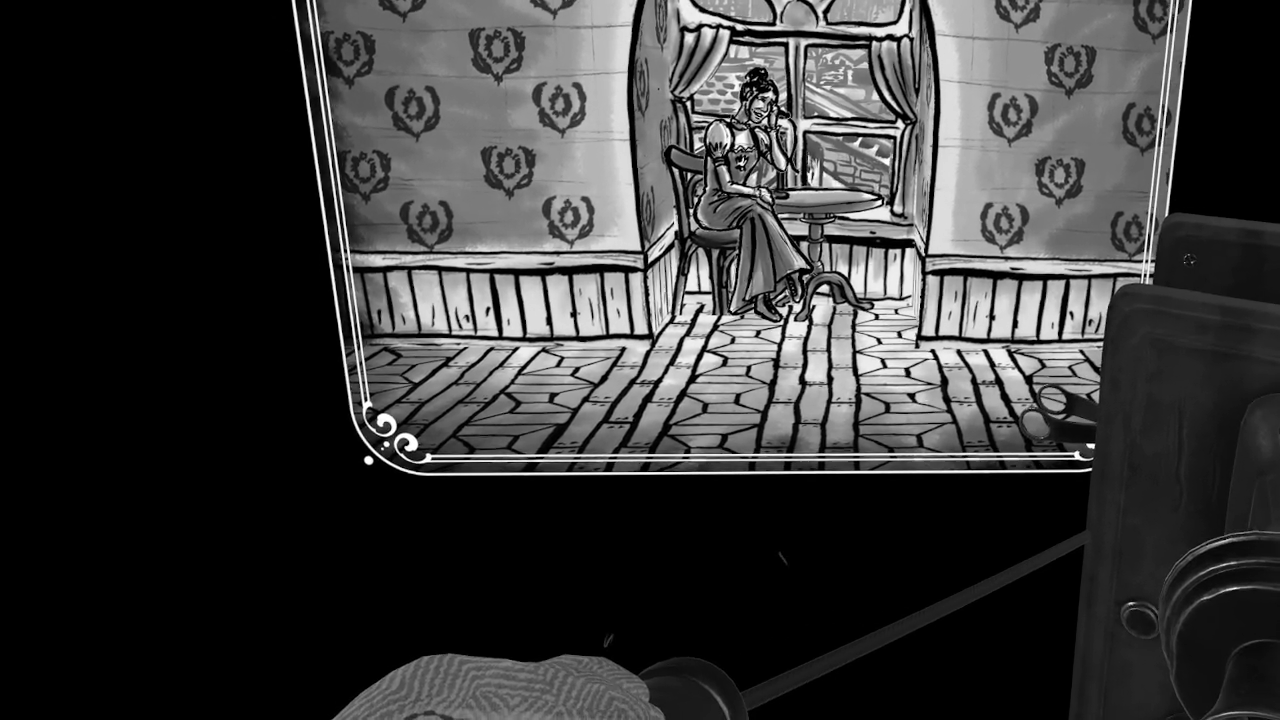
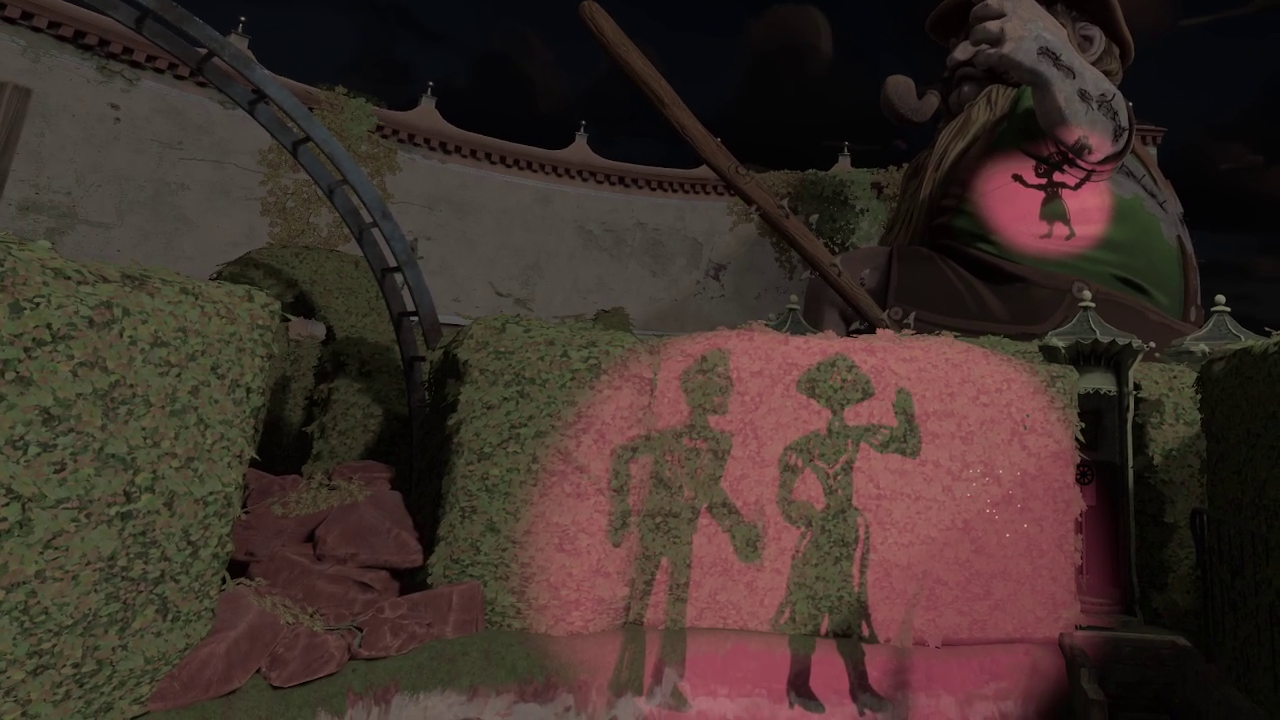
It's a real shame too because the simple process of walking through the world is the only real flaw in an otherwise strong demo. The lead character, Samantha, has been sent by her mother to investigate her late father's amusement park. The story is delivered through a combination of cardboard cutout animations, shadows cast against the walls of the world, and voiceovers all befitting the cinematics of the 1920s, the setting for the game. This very effectively evokes the sense that Samantha is reliving her complex childhood memories as the story moves along.
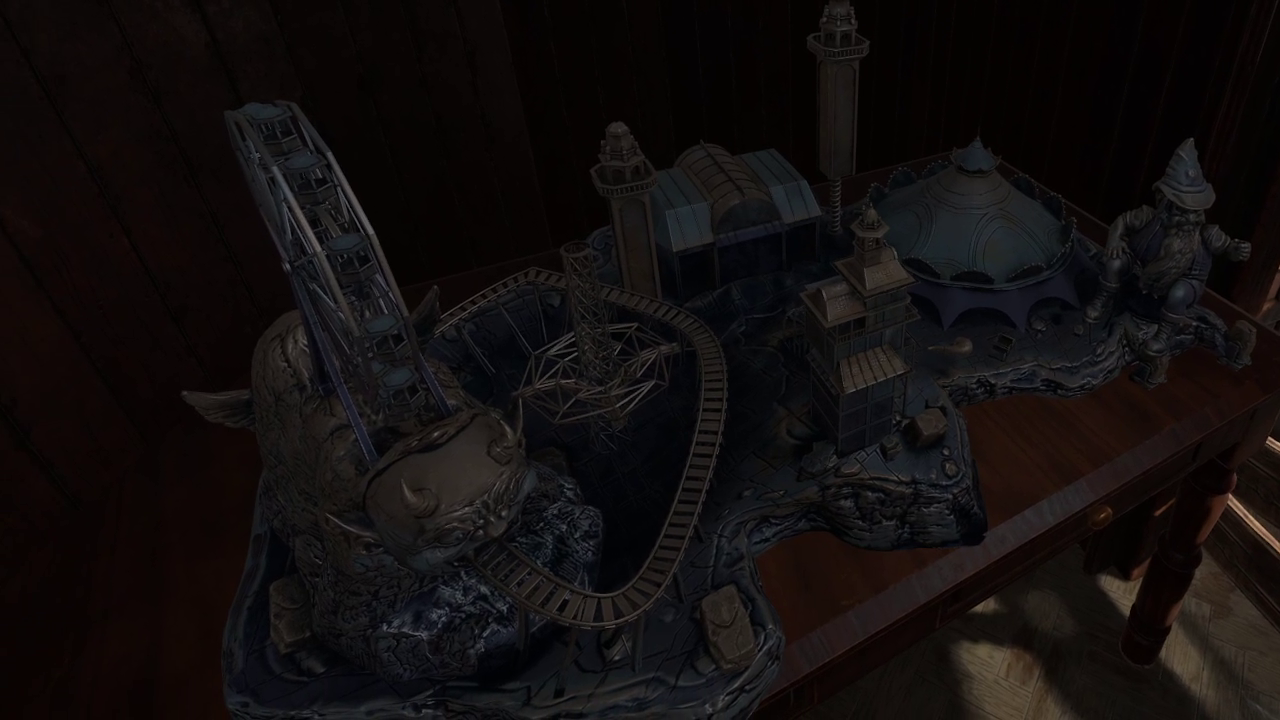
The Amusement screenshots captured by UploadVR
The puzzles themselves make great use of VR. Navigating the garden maze to find an item that could be used as a makeshift ladder rung and using a yo-yo of all things to move between rooms is very creative and rewards thinking outside the box.
PC Specs
This demo was played on Steam using a Meta Quest 3 and Virtual Desktop on the Ultra preset. The game itself was played on the default graphics settings.
My PC has an RTX 5070 Ti with 16GB of VRAM, a Ryzen 5 5600X processor, and 64GB of DDR4 RAM.
The more I played, the more I was reminded of both Eye of the Temple and The 7th Guest VR. The Amusement combines the physical movement (climbing and navigating) of the former with the environmental, sometimes tabletop-based puzzle solving of the latter.
Despite the roomscale movement not really adding anything to the experience, The Amusement demo is still well worth playing. If you enjoy story-based puzzle games and have been waiting for a new one after last year's stellar Ghost Town, this is one to watch.
0:00
/0:54
The Amusement story scene captured by UploadVR
The Amusement can be wishlisted now on Steam and Meta Quest and is slated for a Spring 2026 release.
Retrocade on Apple Vision Pro is the nostalgic virtual 1980s arcade experience VR gamers have been waiting for, and arguably the best visionOS title yet, but multiplayer is sorely missing.
One of the first ideas anyone with any interest in retro gaming has when they first try VR is a faithful recreation of a 1980s video game arcade. Earlier this month, Resolution Games released the best version of this idea we've seen yet, exclusively on Apple Vision Pro's $7/month aptly-named Apple Arcade game subscription service.
The Facts
What is it?: A virtual 1980s arcade with 10 iconic games Platforms: Apple Vision Pro Developer: Resolution Games Price: Available via the $7/month Apple Arcade subscription
Retrocade was developed by Resolution Games, the veteran XR game studio behind dozens of top titles across all major headsets. Chances are, if you're a VR gamer, you've seen their logo pop up before a game you love. Apple contracted Resolution to build Game Room for Vision Pro's launch and the Gears & Goo tower defense game that released last year, both also on Apple Arcade. Resolution also ported its flagship cross-platform title Demeo to visionOS.
Retrocade is also available as a flatscreen game on iPhone and iPad, and if you're a mobile gamer I'm sure you'd have fun with it. But where it really shines is in its native visionOS version, with realistic true-scale cabinets placed in either your physical space or a nostalgic depiction of a typical 1989 American arcade.
0:00
/1:31
UploadVR-captured footage in VR mode. Would you believe me if I told you I intentionally sucked at Pac-Man to keep the footage short enough for all our social platforms?
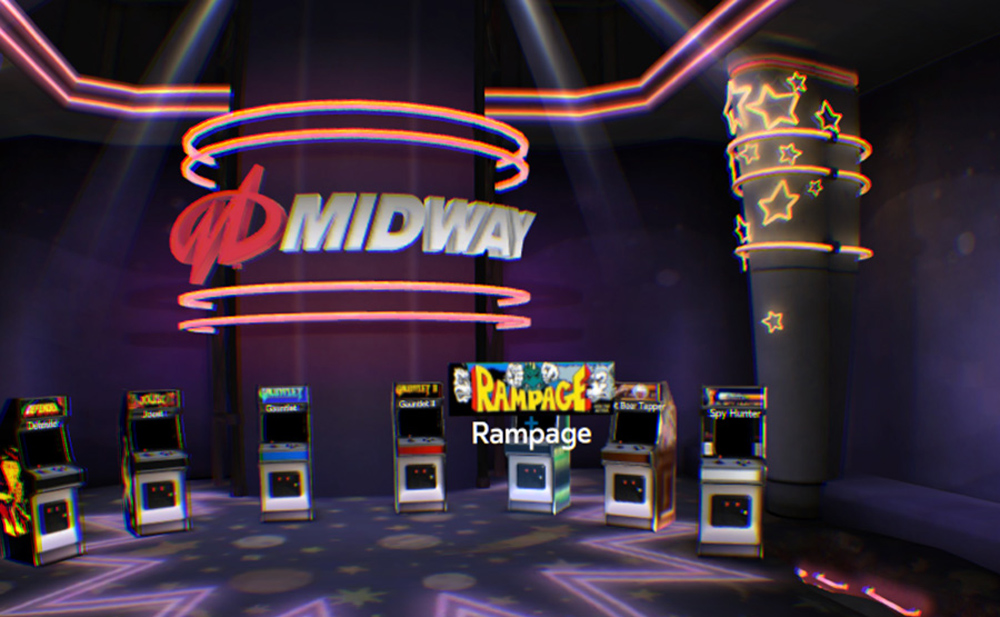
In this virtual arcade you'll find the following 10 licensed games cabinets:
Breakout (1976 - Atari)
Space Invaders (1978 - Taito)
Asteroids (1979 - Atari)
Pac-Man (1980 - Namco)
Centipede (1981 - Atari)
Frogger (1981 - Konami)
Track & Field (1983 - Konami)
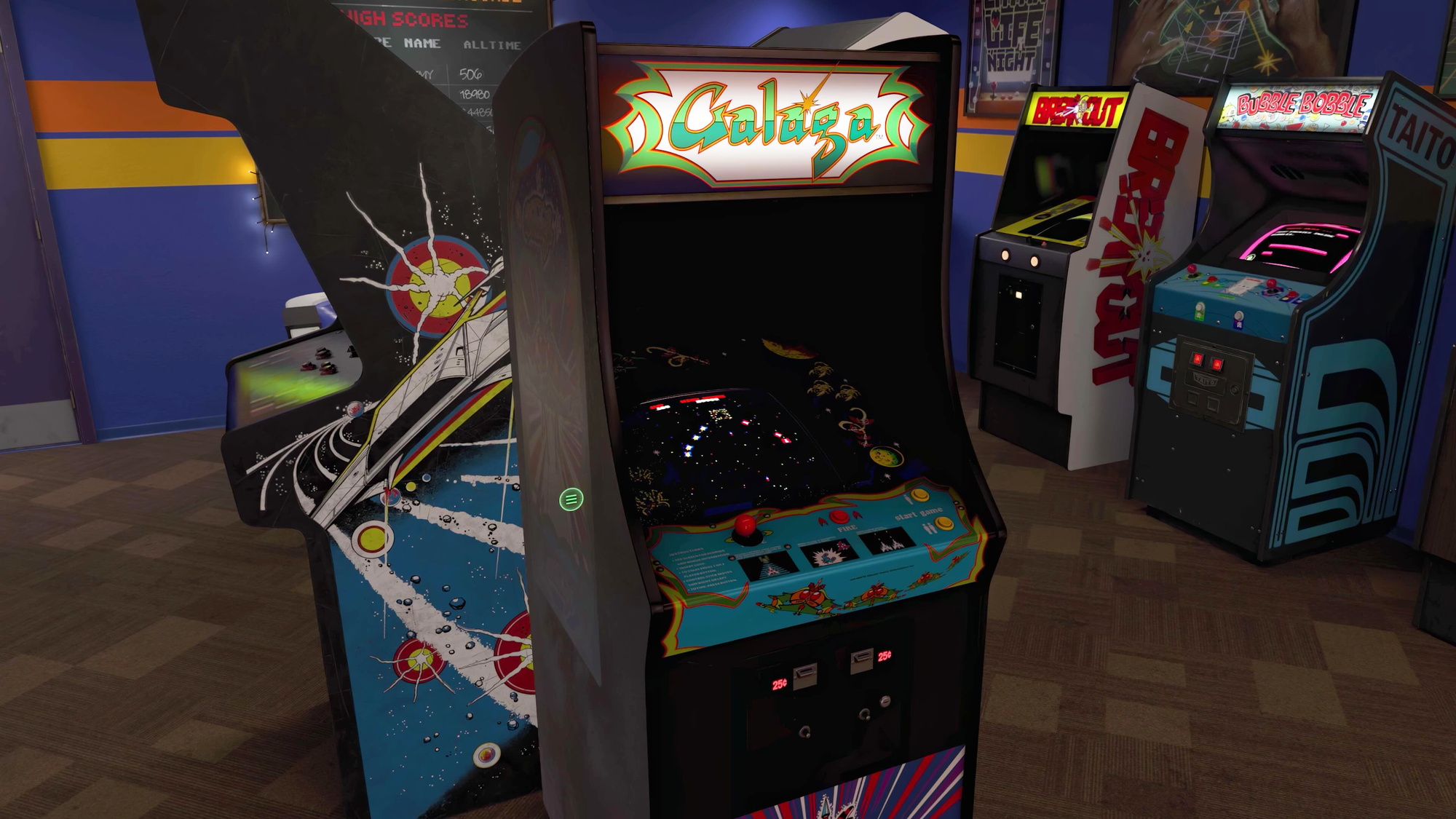
Galaga (1981 - Namco)
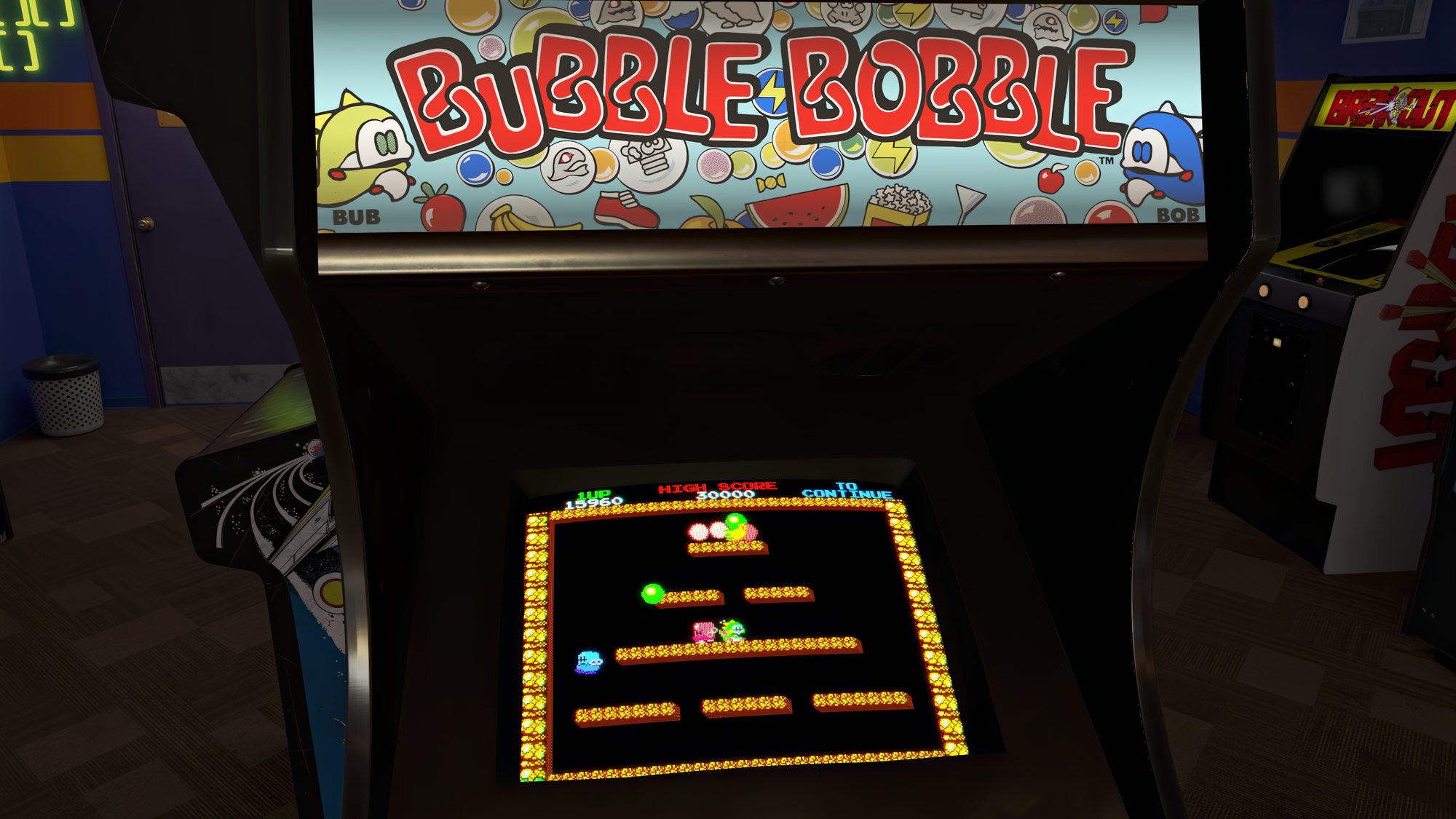
Bubble Bobble (1986 - Taito)
Haunted Castle (1988 - Konami)
While the virtual cabinets are impressively realistic, and the control elements like joysticks and buttons are animated, I should note that you don't actually directly interact with them using your hands. Instead, the game requires a Bluetooth gamepad, such as a PlayStation DualShock controller, the controls of which map to those of the cabinets.
Pressing the Select button on your controller inserts a virtual coin into the cabinet, and Start remotely presses its 1 Player mode button. From here, the action buttons (eg, AB/XY) map to the cabinet's action buttons and you can use either of the sticks, or the D-Pad, to move the joystick.
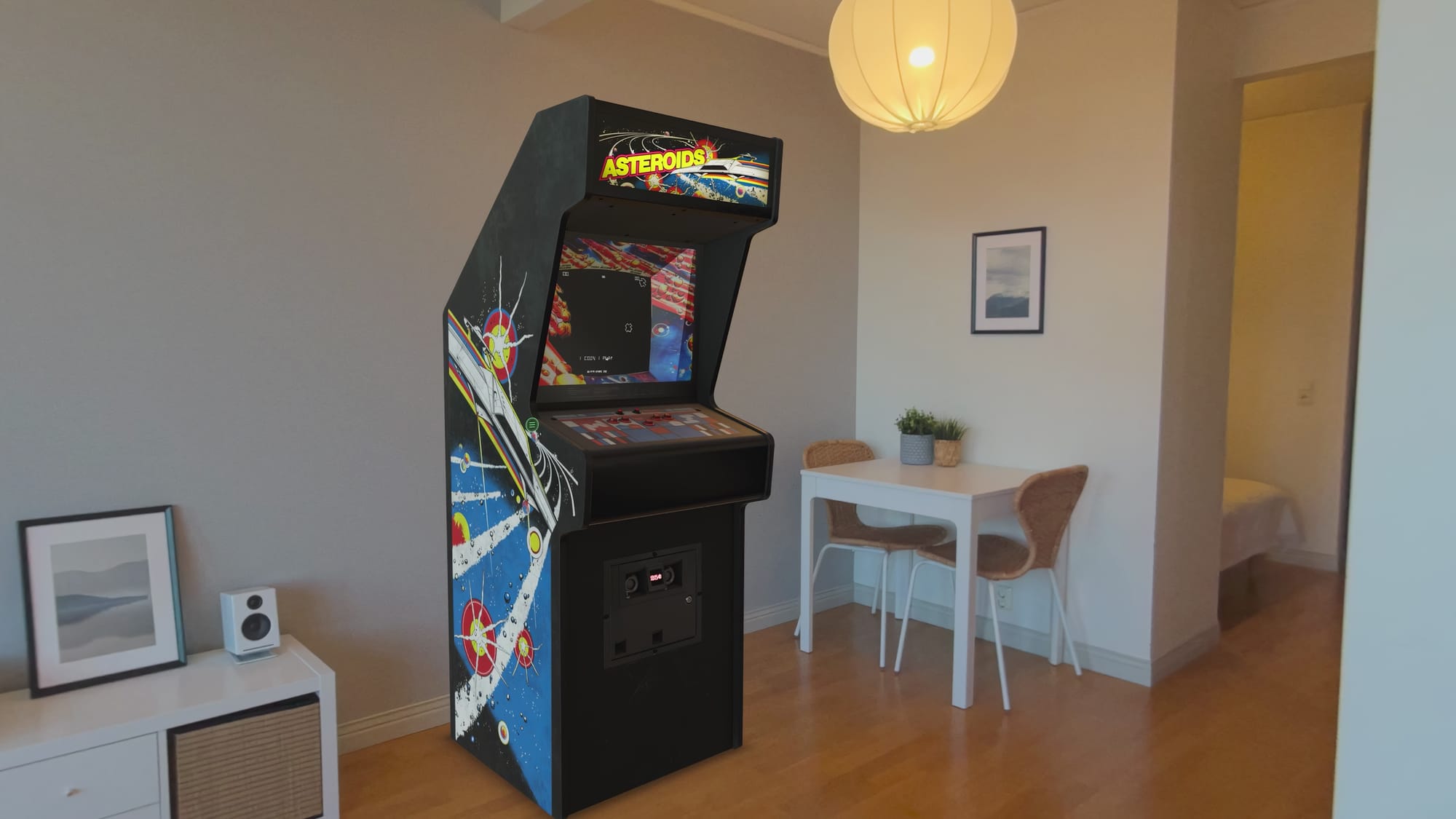
Asteroids in the mixed reality mode (at Resolution Games).
The virtual coins inserted into the cabinets are unlimited, by the way. There are no microtransactions in Retrocade, though that might be an interesting monetization option for people unwilling to pay the subscription fee for Apple Arcade.
When playing any of the games, you can switch between being inside the virtual arcade, with all the other cabinets visible around you, or to have only the cabinet you're playing in your physical space. Retrocade can be a VR or mixed reality game, whichever you prefer.
There have been other official attempts in the past to bring a retro arcade to VR, such as the discontinued Oculus Arcade for the Samsung Gear VR phone-holder headset and Oculus Go. But both headsets were 3DoF, rotation tracking only, meaning you couldn't lean around and appreciate the cabinet as an object in space.
(There are also, we should note, unofficial offerings on SideQuest for standalone and Discord for PC VR, with questionable legality and highly manual setup processes.)
A decade later, Retrocade on Apple Vision Pro is the same idea but done right – mostly. The combination of the powerful M-series chipset, high-resolution micro-OLED displays, rock-solid positional tracking and hard work of Resolution Games delivers a feeling that the cabinet is truly there in front of you, and the virtual arcade environment induces a deep feeling of immersive nostalgia.
Bubble Bobble in VR mode.
The smallest details of each cabinet are faithfully recreated in real-time, and the on-by-default CRT filter, to my eyes at least, looks identical to what you'd get from a real display of the era. Retrocade would be a delight to look at if it were just a non-interactive passive environment. And yet what you get here is 10 fully-playable, true-to-original games too – some of the most iconic of all time.
All this is not to say that Retrocade is perfect.
I understand why Resolution chose to require a controller, as it's far more precise and reliable than hand tracking input would have been. Though I do wish hand tracking input was an experimental option, or at least supported for pressing buttons. There's something a little jarring about having such a realistic cabinet not respond to poking at the buttons.
Another issue is that the mixed reality mode operates as a Full Space, so it doesn't support visionOS Shared Space multitasking. You can't put on a movie or YouTube video in the background, if that's your thing, and nor could you have an instant messaging or security camera app open. If you absolutely need multitasking, you can play Retrocade in a 2D window, where it essentially acts like the iPad app. But this entirely removes the magic of having a virtual cabinet.
The more pressing problem with Retrocade, though, is that you might feel lonely. The magic of the real arcade was not just the cabinets, but the people there beside you. The real Bubble Bobble and Track & Field supported simultaneous multiplayer, while the other games supported alternating turns. What I really want here is SharePlay – to see friends as Personas standing beside me, able to interact with the cabinet too. The only social layer in Retrocade is that the game sends your stats to Apple Game Center, so you can asynchronously compete with friends, but this just isn't the same thing as feeling together.
0:00
/0:52
UploadVR-captured footage in mixed reality mode, showing how the cabinet truly feels as if in your physical environment.
Retrocade - The Final Verdict
If you accept it as a singleplayer experience, Retrocade is a beautifully polished rendition of the virtual 1980s arcade VR gamers have dreamed of. It's a shame that it's exclusive to a $3500 headset, but it seems Apple paid for the development of the game. Hopefully other VR platforms get something similar, perhaps from another arcade game company like Sega, in the near future.
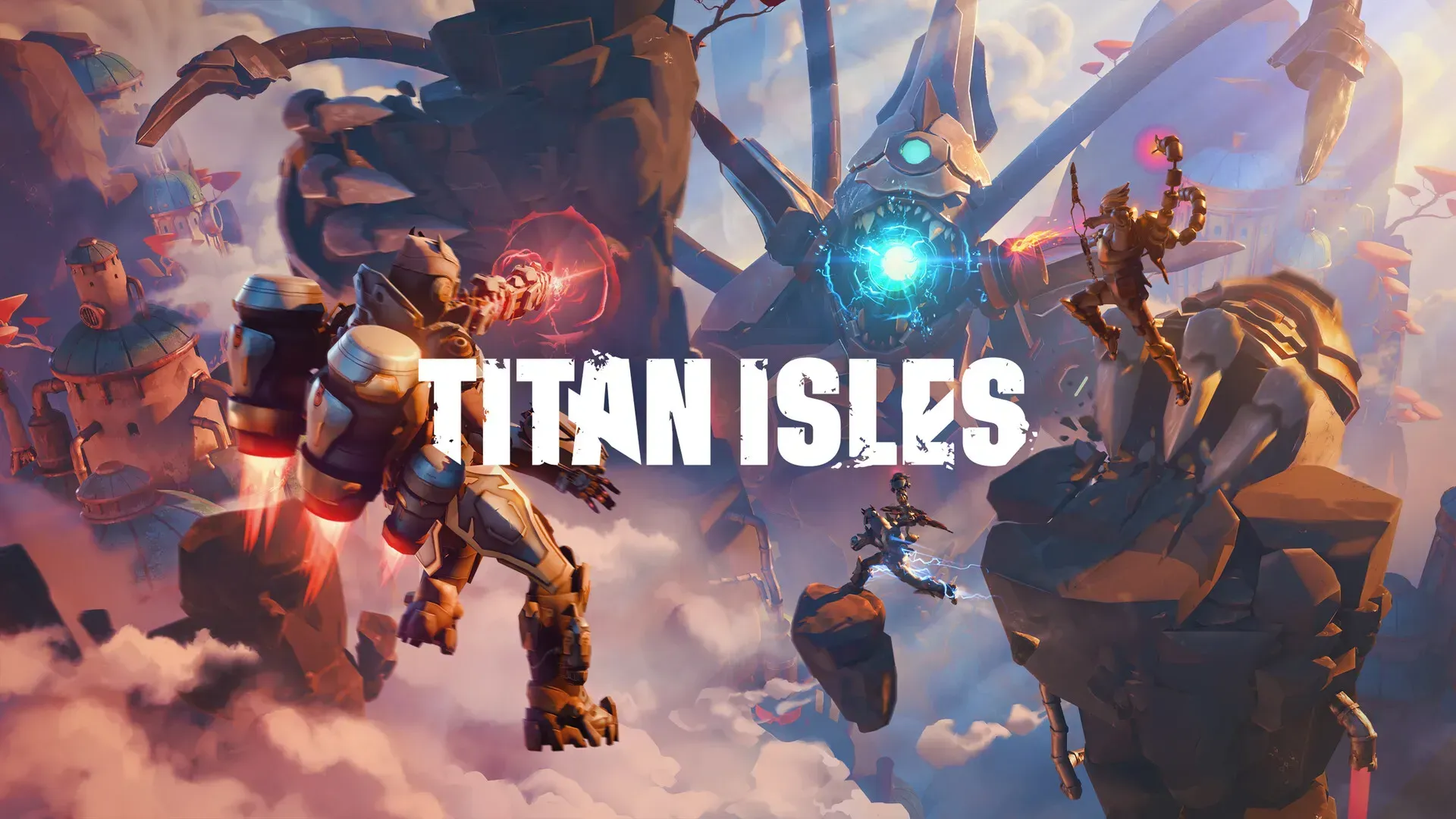
The PlayStation VR2 port of Titan Isles has blasted its way onto Sony's headset.
Today, Psytec Games has released their high-mobility action-adventure shooter Titan Isles on Sony's PlayStation VR2. The game lands just twelve days after Psytec announced its PS VR2 release date.
Designed to make the most of PS5's hardware, the PS VR2 port runs at a native 90fps on base PS5, boosted to 120fps on PS5 Pro. The devs also confirmed that both the base and Pro versions utilize native resolution and eye-tracked foveated rendering for maximum visual clarity. Psytec Games has also made the most of the PS5 controller's adaptive triggers, giving each weapon its own resistance, plus headset haptics and full bHaptics support.
0:00
/1:09
We previously reviewed Titan Isles when it debuted on Meta Quest, and found it to be "a compelling action adventure that's equally enjoyable in co-op and single-player." Our reviewer went on enthusiastically, writing that Titan Isles was "the most fun I've personally had with a VR co-op experience since Dungeons of Eternity."
Titan Isles is available starting today on the PS VR2 store at a cost of $24.99. The game is also available on Steam and Quest.
Sherlock Holmes: The Master Detective is the latest VR adaptation of the iconic detective, delivering uneven investigations in Early Access.
No stranger to video game adaptations, Arthur Conan Doyle’s legendary detective has seen his fair share of reimaginings, from a young amateur grappling with the supernatural in Sherlock Holmes: The Awakened to the immersive theater online co-op seen in Sherlock Holmes: The Case of the Hung Parliament. Each iteration hones in on a different aspect of the character that, done well, is interesting in its own right. Out now on Early Access, Sherlock Holmes: The Master Detective is an uneven portrayal of the character, even if there is an entertaining core gameplay at the heart of it.
The Facts
What is it?: A hidden object puzzle game featuring Sherlock Holmes. Platforms: Meta Quest 3 and 3S (Reviewed on Quest 3) Release Date: Out now Developer/Publisher: Messworks Price: $ 14.99
Starting in the famous 221B Baker Street apartment, a woman bursts through the door clamoring for help: a man has died in mysterious circumstances. Before leaving, you are allowed to rummage through the place. Sherlockians will find his previous exploits scattered around the furniture. Picking up files from his old cases like The Hound of the Baskervilles makes the seasoned investigator mutter a few words about how it ended in such a tragic way. An out-of-place Meta Quest 3 box earns the description of being “a lens into countless realities,” signaling that the story is developing in the current era.
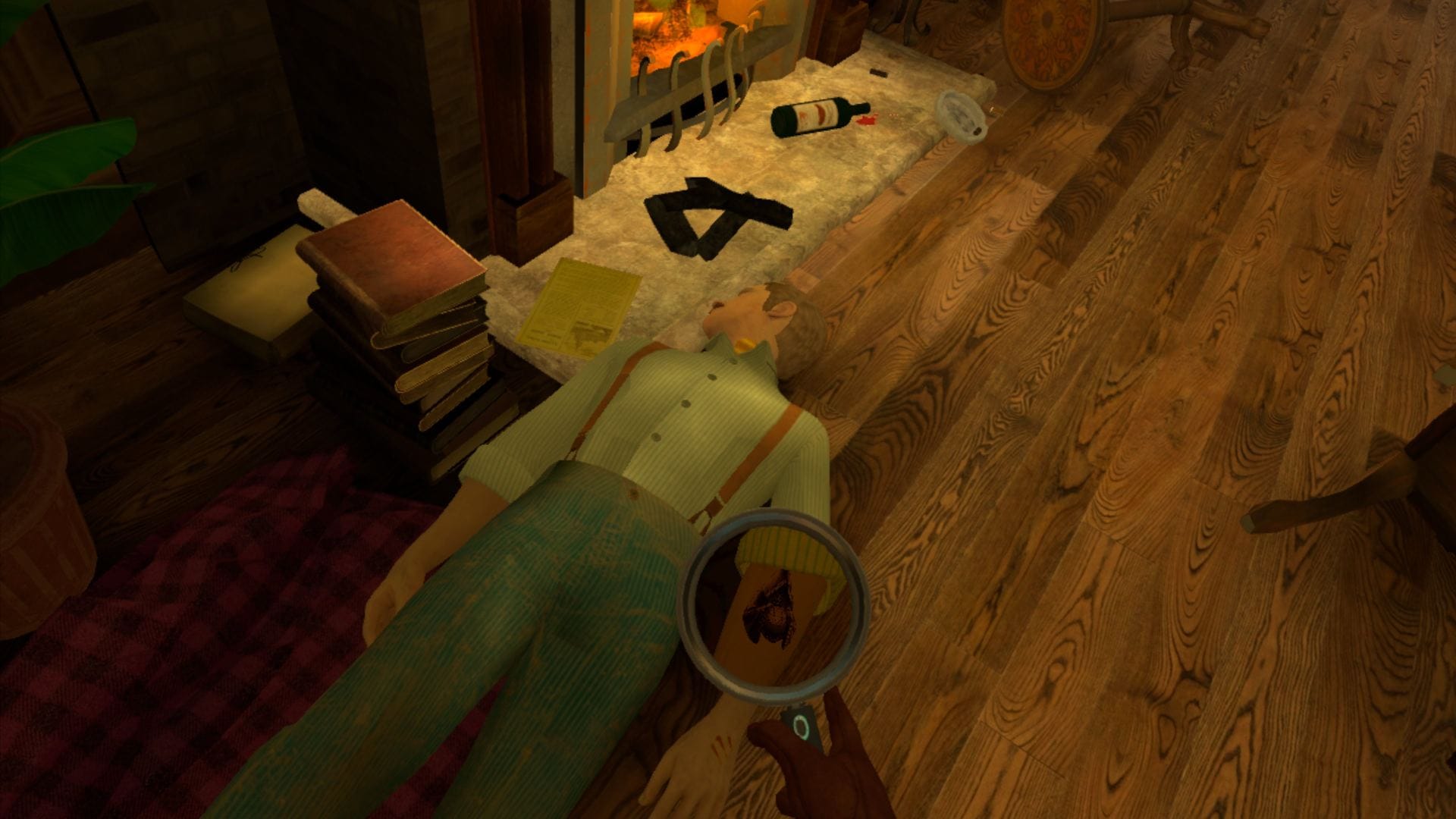
Using the magnifying glass to inspect potential clues on a body.
A modern-day Sherlock Holmes has been done before, most notably in the famous 2010 BBC series with Benedict Cumberbatch. This time around, he is brought up to speed with innovative tools to help with his sleuthing. This version of the character is armed with a magnifying glass, a chemical analyzer, and a fingerprint scanner. After finding and packing them in a slick toolbox, one last tutorial reveals itself as the focus. Much like classic point-and-click adventures, Sherlock Holmes: The Master Detective asks you to find hidden objects in a specific area.
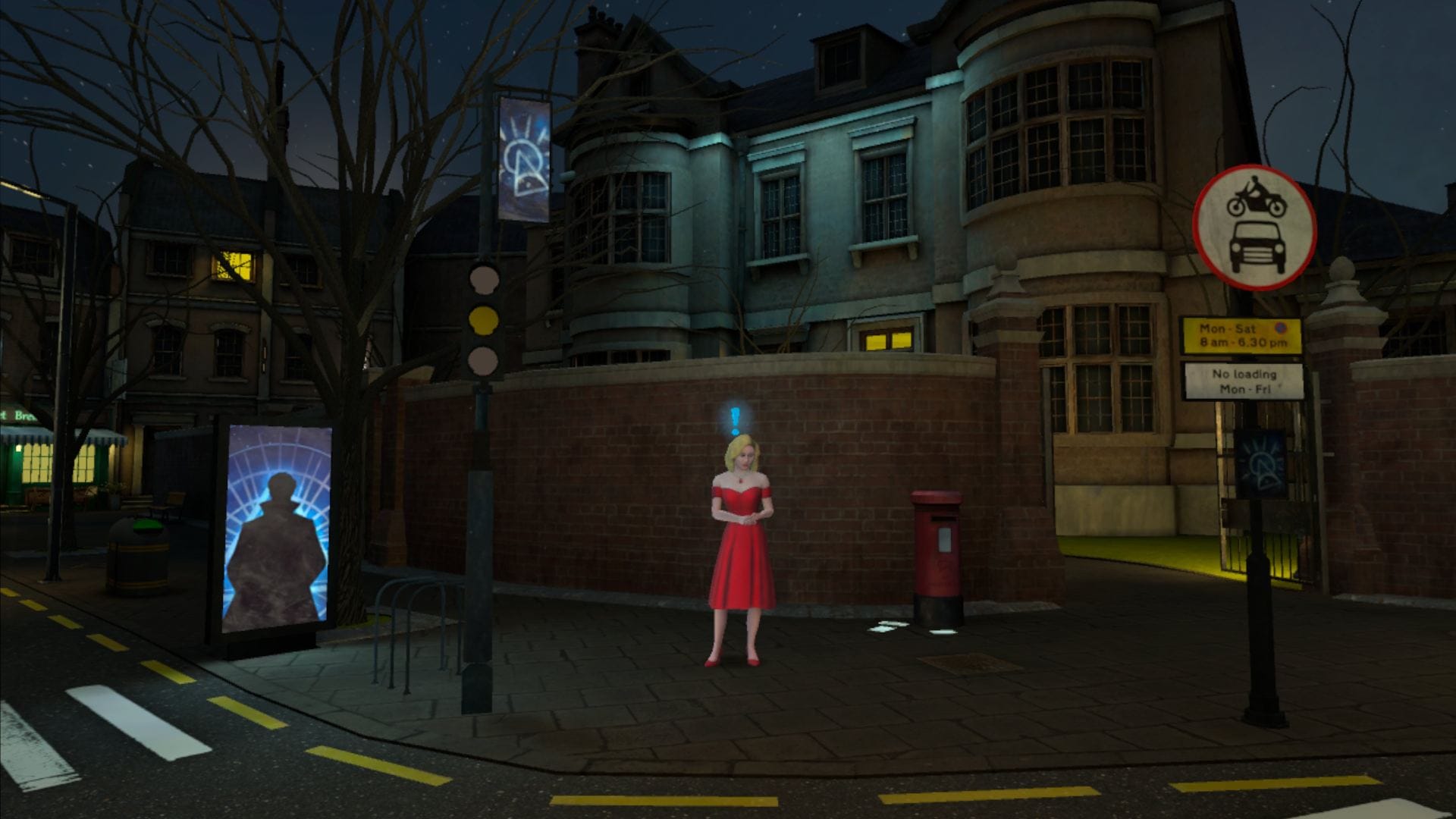
Leaving the apartment only to find the crime scene is just down the street, it is relatively surprising that you are allowed to explore the short but shady alleyways of London. Graphically, it is your usual Quest 3 slightly cartoony look, but the music and attention to detail are appreciated. Walking by a record store, for instance, lets you listen to the sound of a vinyl emanating from a record player. A souvenir shop showing Holmes’ own escapades shudders amusingly when grabbed. Lastly, a red telephone box ringing close to the mansion where the crime happened whispers to Sherlock that there is more than meets the eye in this case.
There are currently only two cases available to play. One in a lavish residence, the other in some shadowy docks, the way they unfold is rather straightforward: question the suspects, find the correct items in determined areas, and accuse the guilty party of the murder. As mentioned, finding objects is the main course, such as keys, torn documents, or pieces to grander puzzles in a sea of everyday items.
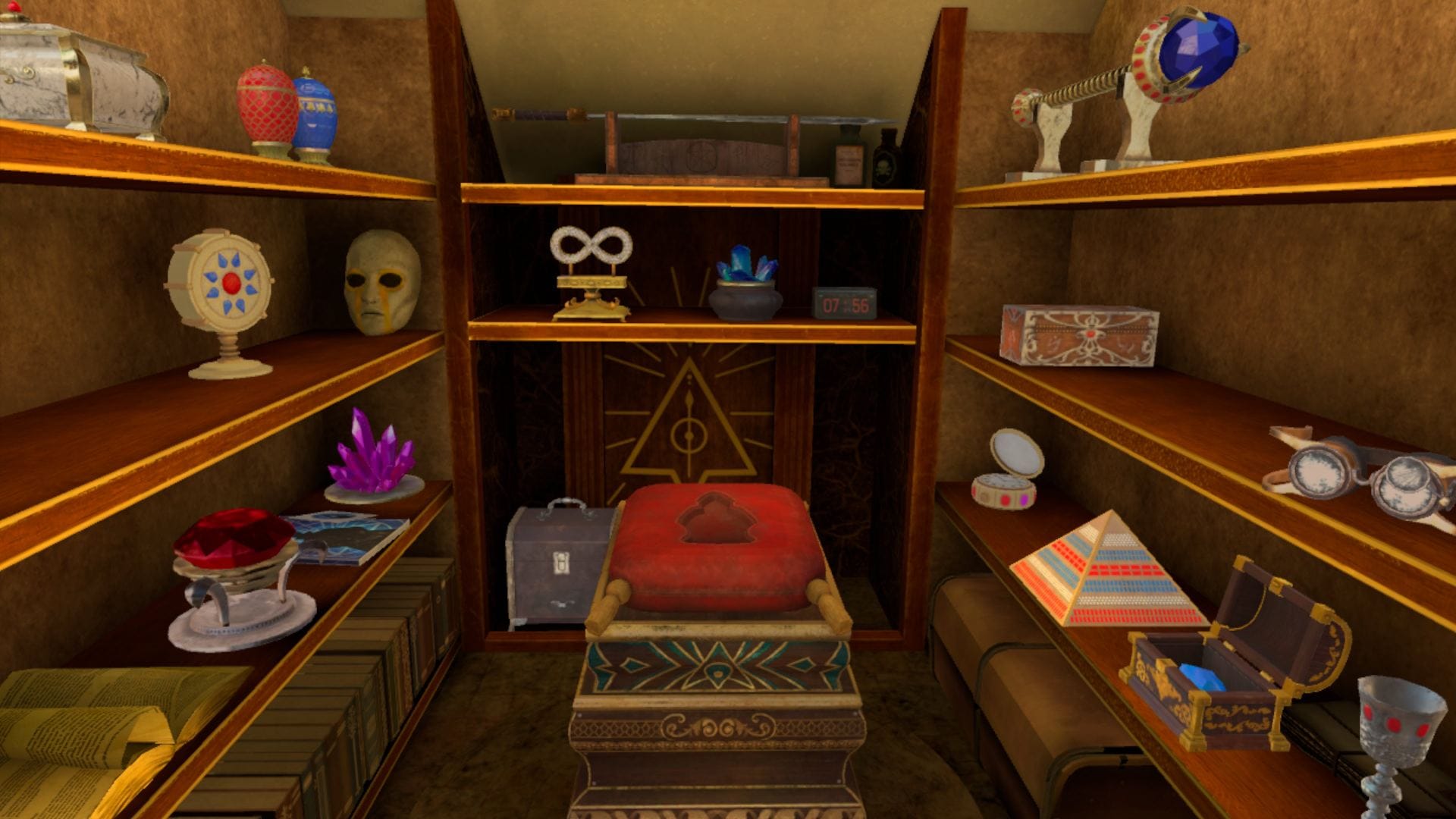
There are plenty of objects hidden in this vault.
Other than object finding, light puzzles like reconstructing torn photographs and moving pieces to fit a painting are a welcome change of pace. My personal favorite was using the modern tools at hand: carefully inspecting a corpse's markings and accessories worn with the magnifying glass or analyzing a cup with the fingerprint scanner felt more akin to detective work.
Of course, like any other respectable whodunit, there is an overarching plot of a secret society with paranormal overtones. Because there are only two episodes so far, it ends on a cliffhanger that still has no answer. At the time of writing, the developer has not given a concrete timeline of when new updates will drop, so I would recommend entering this mystery with caution. I would personally be devastated if they did not follow through with the enticing setup.
As an Early Access release, it is understandable when only certain options are offered or shortcuts are taken, but in this case they felt like they detracted from the experience. The only way to move is by teleporting and snap turning, with no smooth turning or walking to speak of. What stood out like a sore thumb, though, was the use of generative AI. The voice acting is wooden, and the sound quality is blown out. Sherlock’s accent itself, jumping from American to British as the chapters changed, was jarring to say the least. Using AI-generated images can be considered harmless, as the clue-finding is where it's at, but it is still there.
0:00
/0:33
A video of the hidden object gameplay in Sherlock Holmes: The Master Detective.
Sherlock Holmes: The Master Detective is a promising title with considerable drawbacks. The atmosphere is so well recreated that even in its modern setting, it feels attuned to the iconic tales from which it originated. Emphasizing object searching, it is a relaxing experience that fans of point-and-click mysteries will enjoy. While the lack of constant communication regarding future support from the developers is alarming, the current offering is a middling pastime.
Sherlock Holmes: The Master Detective is out now in Early Access for Meta Quest 3/3S.
Quest 3 mixed reality game Laser Dance adds two new challenge modes in its first major content update.
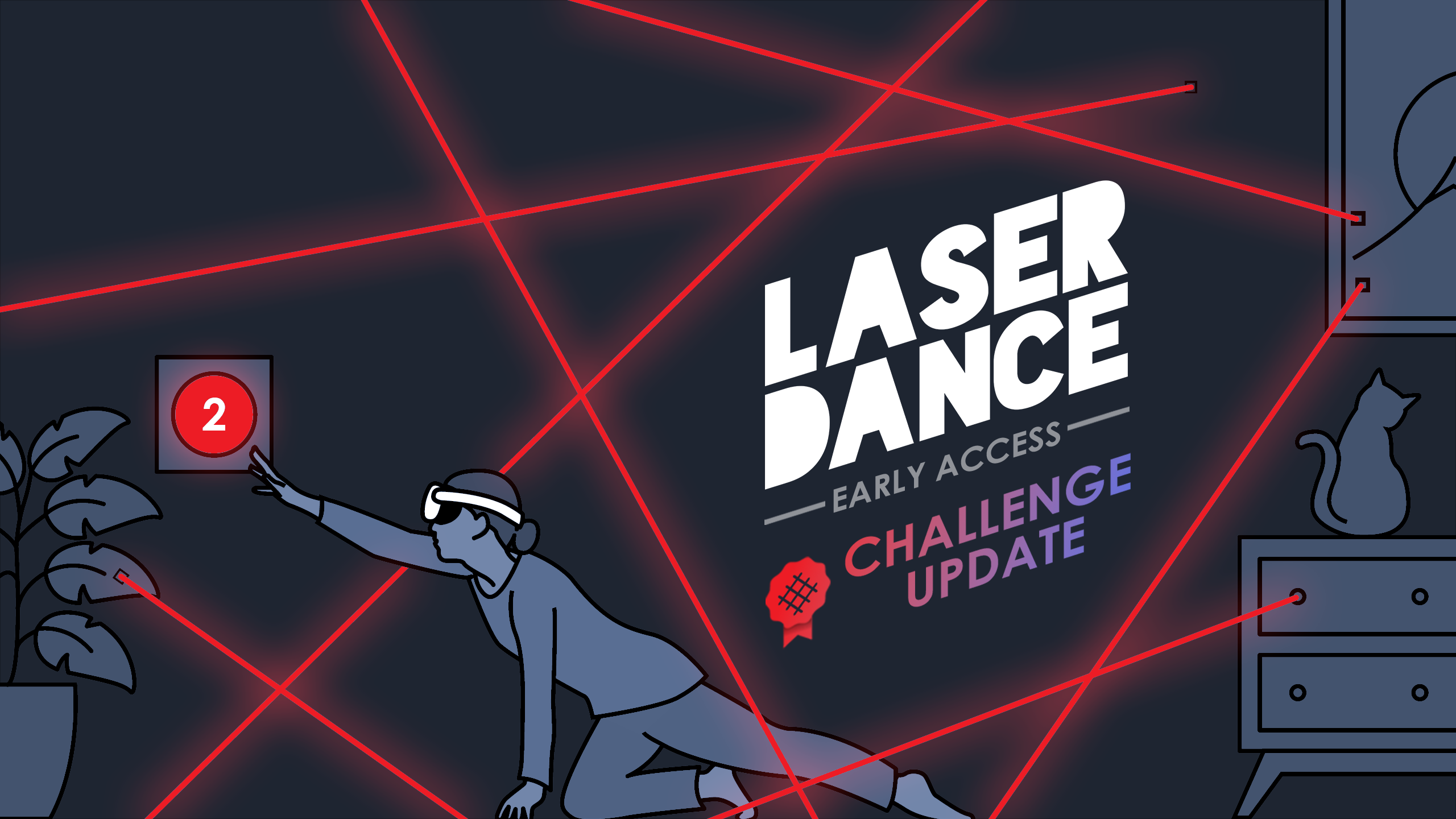
Thomas Van Bouwel, the creator of Laser Dance and the critically acclaimed puzzle game Cubism, has announced the "Challenge Update" for Laser Dance is now live. The update introduces two new challenge modes designed to intensify the game's Mixed Reality laser obstacle courses.
0:00
/0:11
The two optional unlockable game modifiers increase the game's difficulty and add replayability.
The first, called Grid Overlay, layers a dense mesh of lasers over existing levels, which demands heightened precision from players. The second, called Invisible Lasers, causes laser beams in the play area to fade as players approach, demanding more player spatial awareness. Audio cues and controller haptics become more critical in this mode.
0:00
/0:09
Laser Dance turns your living space into a challenging maze full of lasers, where the goal of the game is to navigate the maze and reach certain places throughout the room. We reviewed the game when it debuted late last year, calling it "one of the easiest games to play ever made. [...] it belongs in most libraries and should be a go-to party game."
Drawing from its comic book origins, Empire City offers a promising glimpse into one of 2026's most anticipated VR titles.
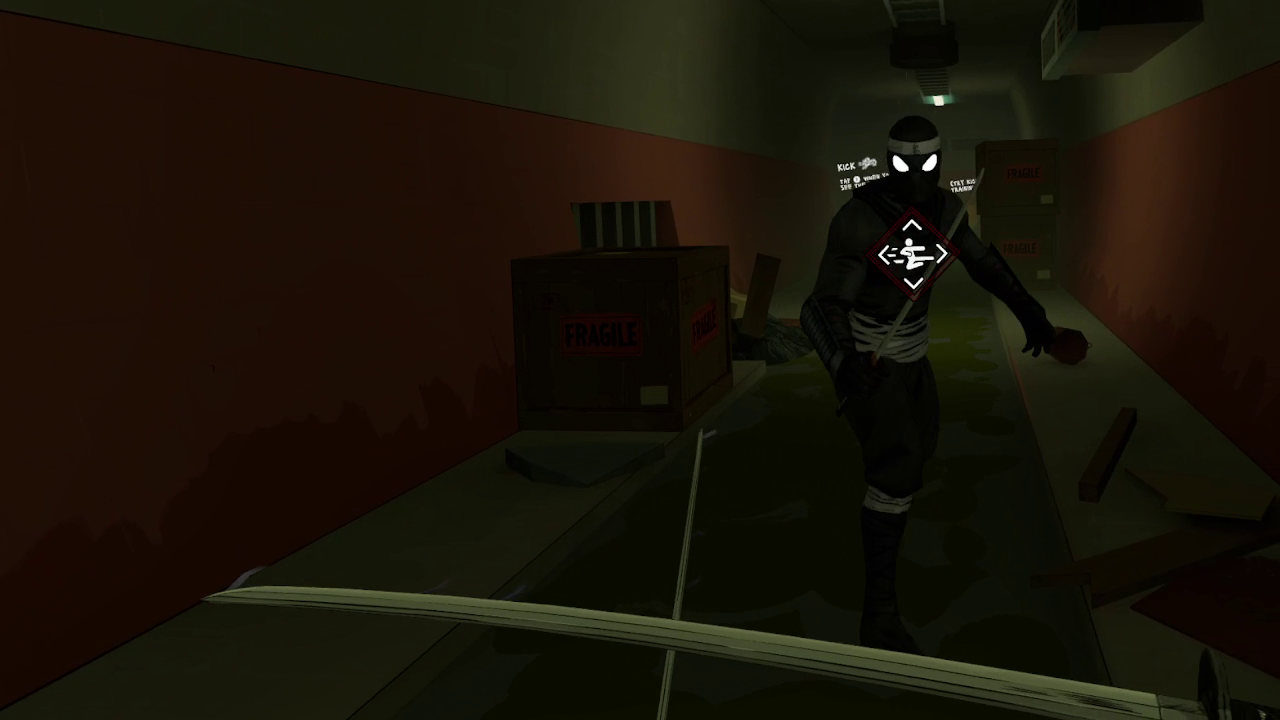
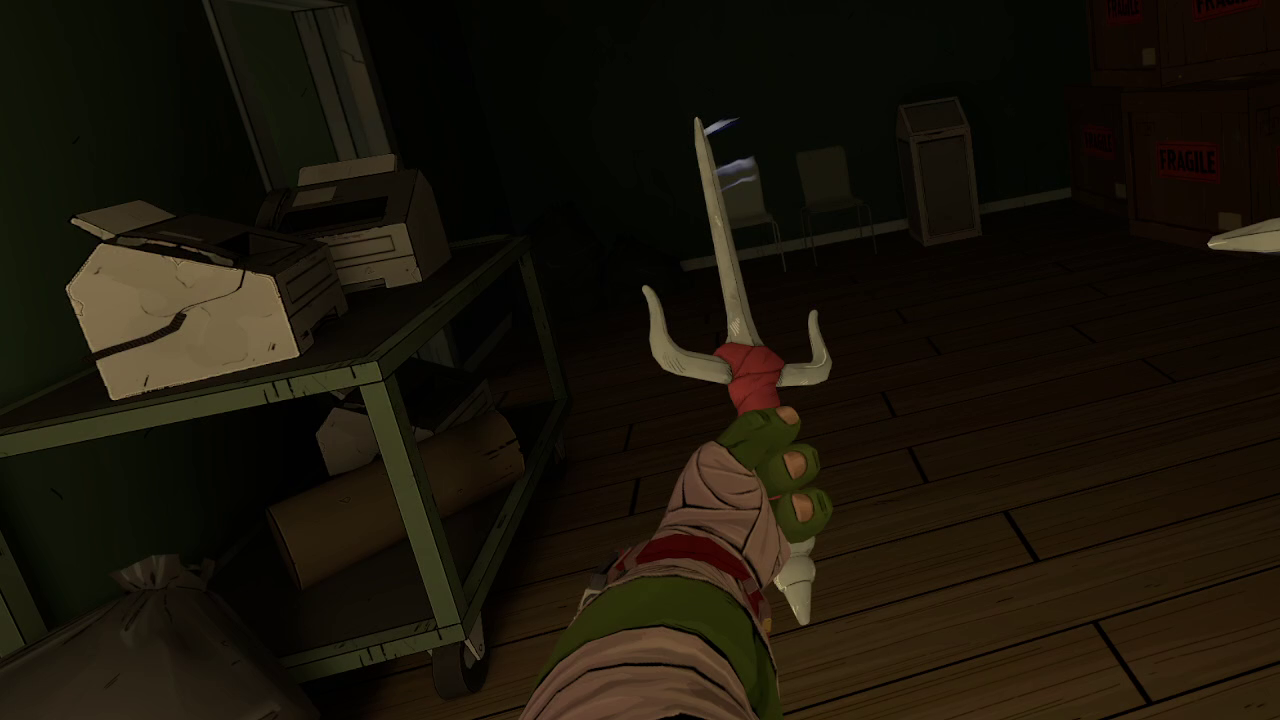
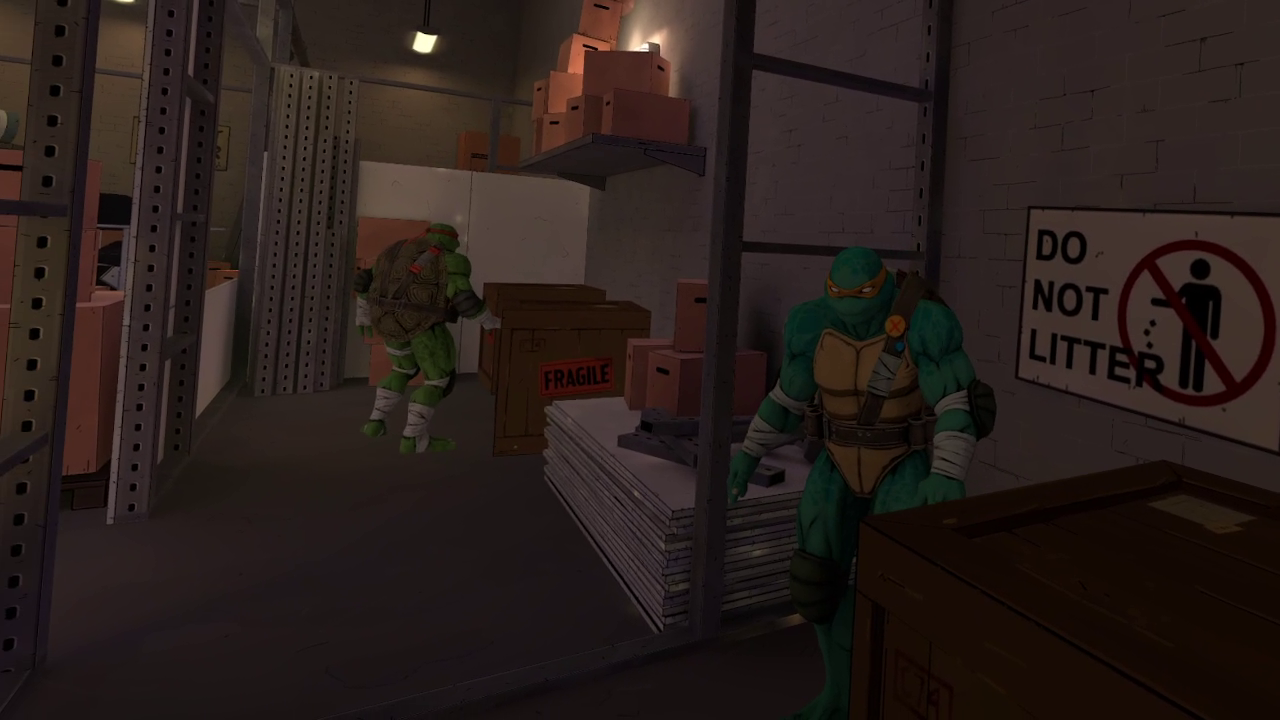
After an early look into the sewer lair of the eponymous turtles, Cortopia Studios, recently known for Gorn 2 and Escaping Wonderland, have released a limited-time PC VR demo as part of Steam Next Fest. The new demo is roughly 15-20 minutes long and functions as an extended tutorial that introduces the combat and parkour mechanics.
The Facts
What is it?: A hack and slash adventure Platforms: Steam (played on Quest 3 via Virtual Desktop) Release Date: February 24, 2026 (part of Steam Next Fest) Developer: Cortopia Studios Publisher: Beyond Frames Price: free (demo only)
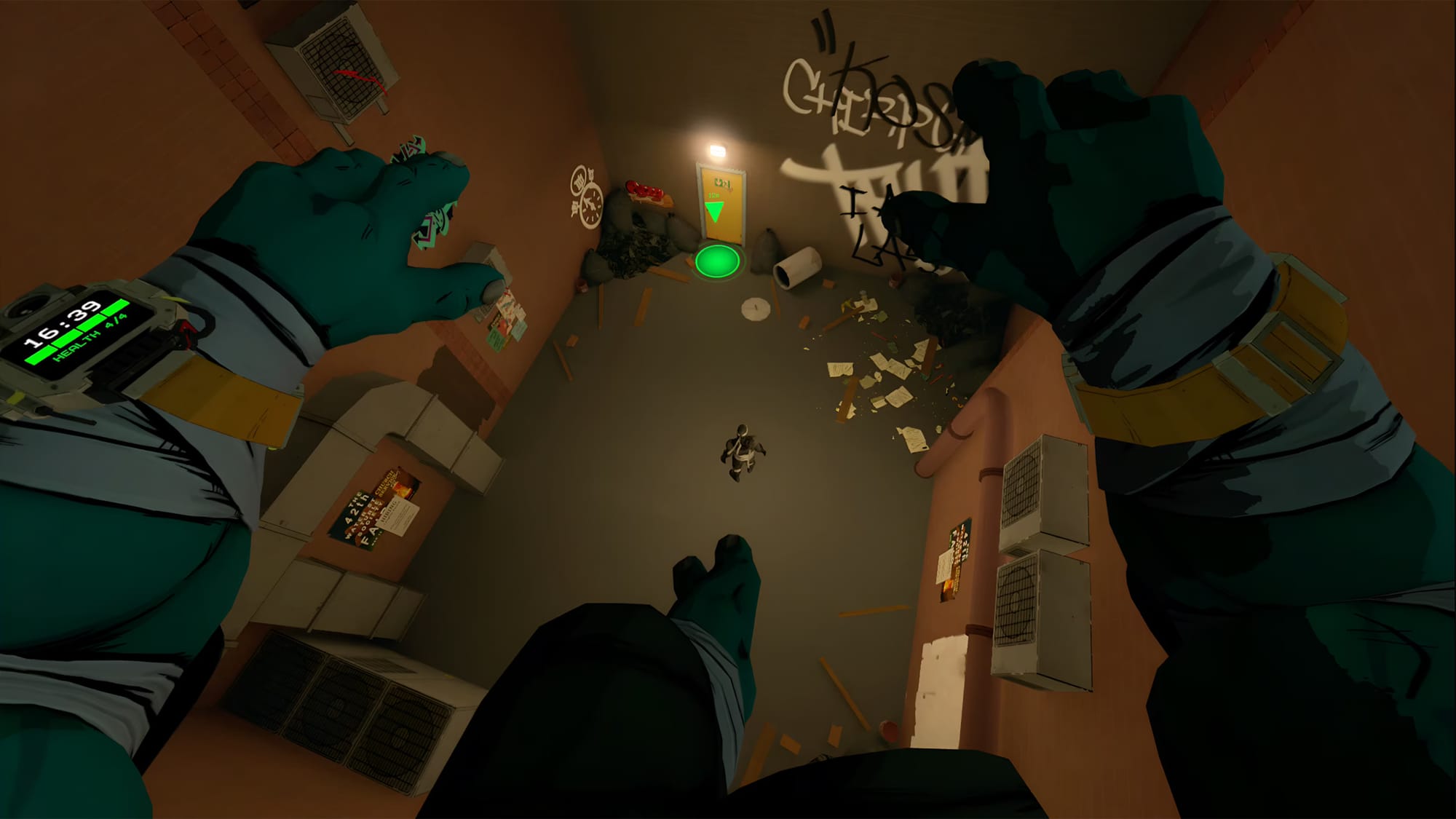
The demo goes through each turtle in turn, starting with Leonardo, then Michelangelo, Donatello, and ending with Raphael before a final section where you can choose your preferred character. The four brothers are infiltrating a building while encountering numerous Foot clan soldiers. Each turtle has their signature weapon and most of the enemies can be put down without too much difficulty. Each successive hit or parry of an enemy's attack builds up a focus meter that, when maxed, activates a signature trait. Depending on which turtle is selected, this can be anything from increased focus gain to more damage landed per attack.
Teenage Mutant Ninja Turtles: Empire City screenshots captured by UploadVR
It should be noted that the combat is not physics based, more akin to something like Deadpool VR than Blade and Sorcery. Weapons do not have any weight and can be swung with the lightest flick of the wrist. This is not a complaint and it absolutely fits with the IP, but those who prefer more 'realistic' combat may bump into what's on offer here.
The demo breaks down into each character introducing a part of the gameplay. Leonardo gives movement and combat basics, Donatello has to hack locked doors by solving a couple of simple puzzles, Michelangelo parkours across the rooftops, and Raphael is forced to work on his parrying technique by the turtles' sensei, Master Splinter. Each section plays out in just a few minutes, long enough to get familiar with how to play the game, then this section of the demo ends with a boss fight I won't spoil, except to say I promptly lost.
PC Specs
This demo was played on Steam using a Meta Quest 3 and Virtual Desktop on the Ultra preset. The game itself was played on the default graphics settings.
My PC has an RTX 5070 Ti with 16GB of VRAM, a Ryzen 5 5600X processor, and 64GB of DDR4 RAM.
Everything here just works. The combat and parkour is fluid and intuitive, the voice acting is spot on for each turtle, and though weapons have no weight, they still feel distinct from one another and coupled with the focus meter traits, offer a reason to try different turtles depending on playstyle. I could've stood on that roof twirling Michelangelo's nunchucks for hours.
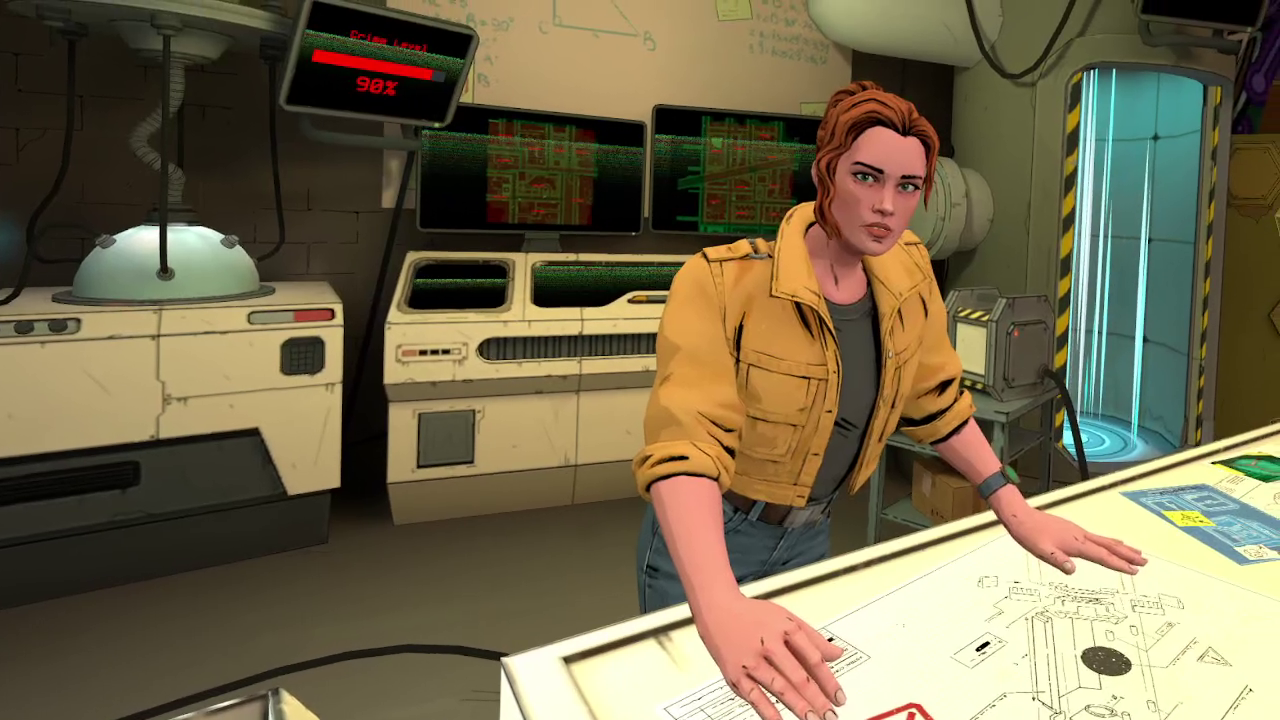
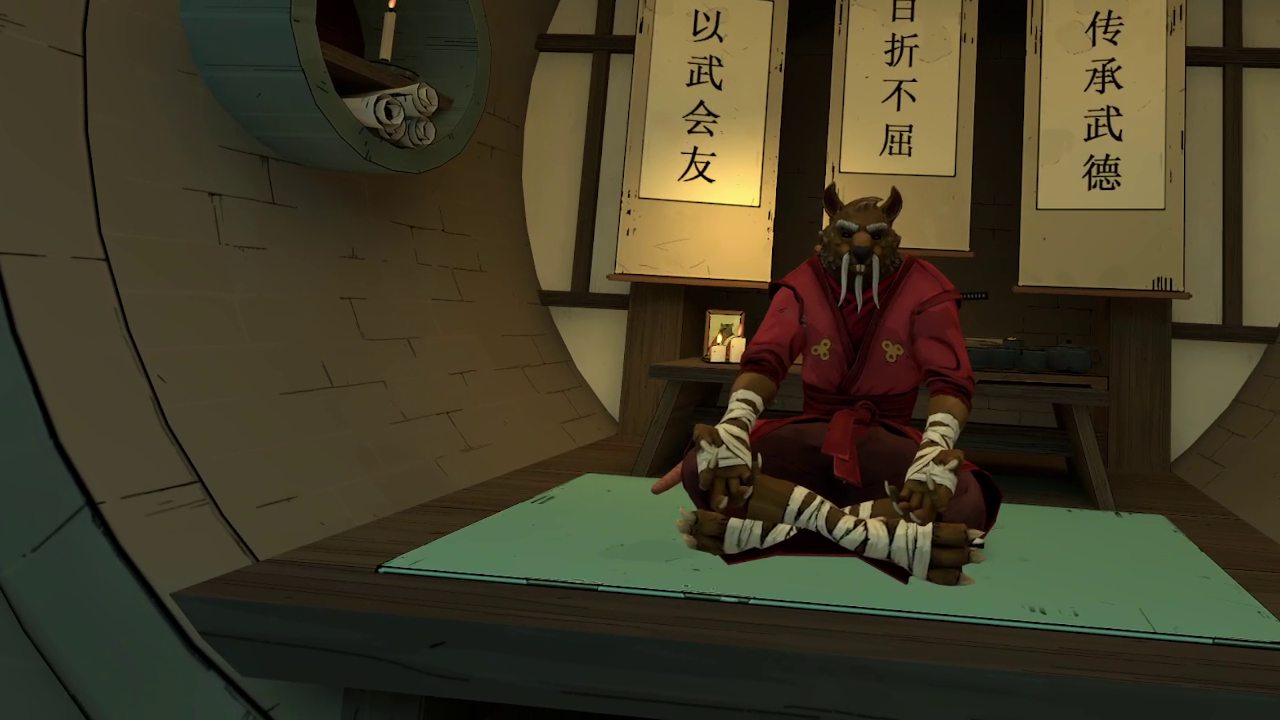
After this, the demo moves to the aforementioned sewer lair. From what I can tell, this is the same as the earlier hands-on demo from months back. Seeing it for the first time, there's a clear attention to detail, with each room instantly recognizable as to its inhabitant. This is also the first time Master Splinter and April O'Neil are shown.
Comfort
Empire City uses stick-based movement with options for snap and smooth turning. Both turn options have modifiers for angle and speed respectively.
Between the lack of a teleport movement option and the parkour elements, we do not recommend this game for new VR users who are not yet acclimated to artificial movement.
Aesthetically, Empire City utilizes a cel-shaded art style similar to Deadpool VR that fits the turtles' comic book origins. Everything is sharp and detailed with no visible performance issues to speak of.
Overall, this demo does exactly what a great demo is supposed to: make me want to play the full game. There's very little in the way of story to pick up on here other than the involvement of the Foot clan. It is simply an introduction to the world and masterfully serves its purpose.
0:00
/0:44
Teenage Mutant Ninja Turtles: Empire City can be wishlisted on Steam, Meta Quest, and Pico now and is listed as coming in Spring 2026. The demo is playable as part of Steam Next Fest until March 2 at 10am PST.
Inspired by animated series like Rick & Morty and Futurama, Space Control is an absurd and comic VR game with a Steam Next Fest demo available now.
MoonMonster Studios has just announced a playable demo of Space Control, a ridiculous and hilarious VR adventure inspired by animated comedies like Futurama and Rick & Morty.
In Space Control, you've been abducted by an intergalactic megacorporation, which has unceremoniously thrust upon you a massive debt. Over three unique episodes, you must take on a variety of unpleasant jobs set in the corporate space station.
0:00
/1:02
Work off your debt with your alien crew, abduct new recruits, take care of alien babies, and cook up some highly questionable snacks. The game's key features include physics-based VR gameplay, an episodic narrative, a cast of outrageous companions, and a delightfully dystopian universe in which to toil away.
MoonMonster Studios plans to bring Space Control to Meta Quest and Steam VR this April. You can wishlist the game at those storefronts, and sample the demo now as part of Steam Next Fest.
Stay tuned for our full impressions piece on Space Control in the coming days.
A demo of the immersive XR game will be playable this year at special public events.
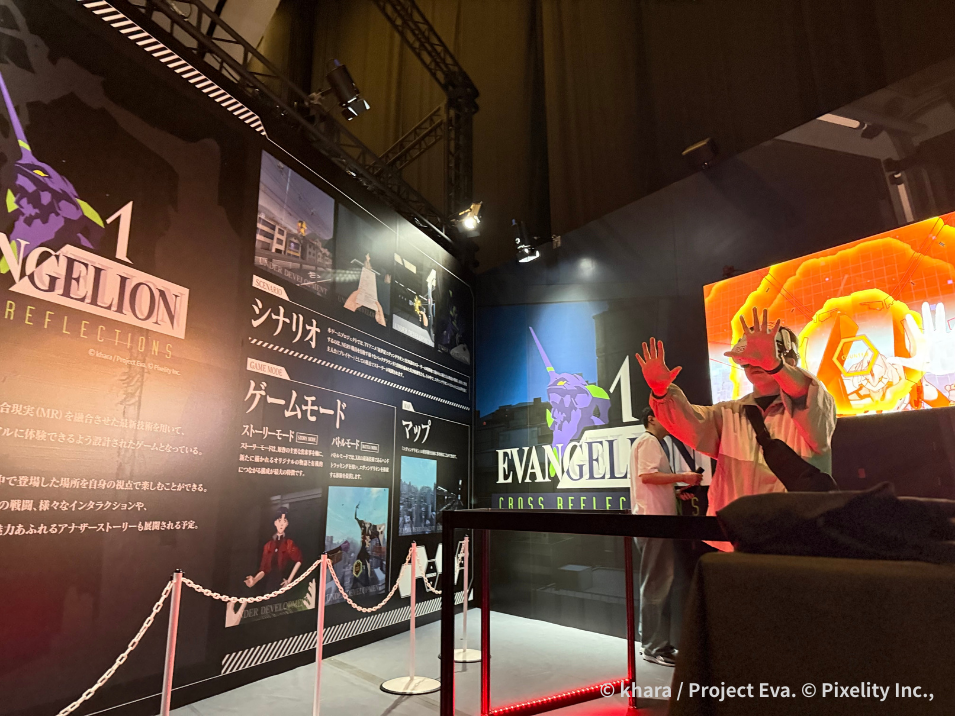
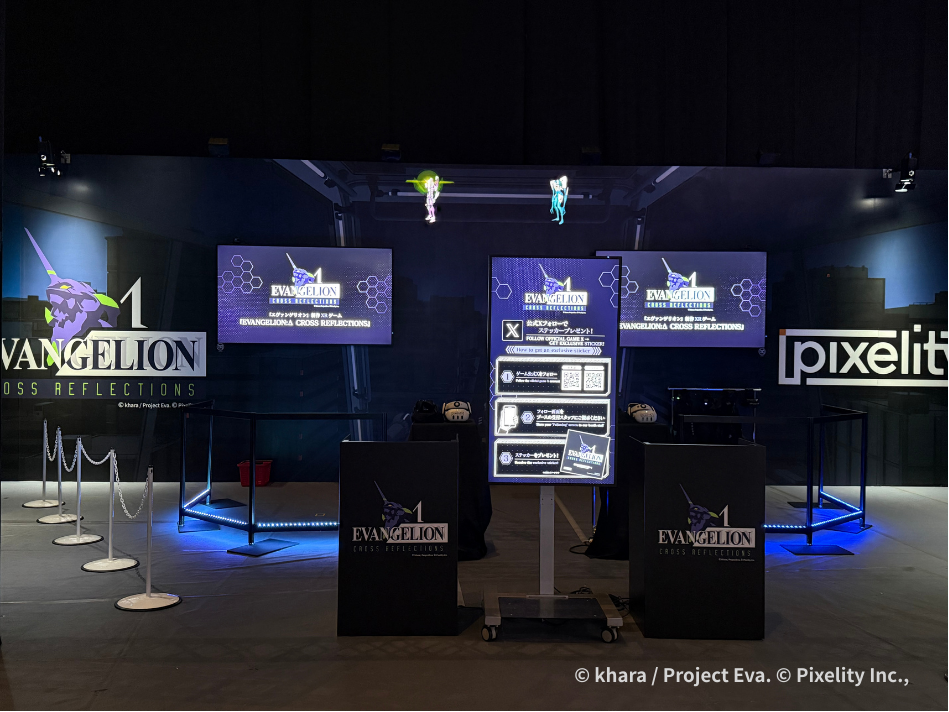
Pixelity Inc., developers of Evangelion: Δ Cross Reflections, announced that a demo of the game will be playable throughout the year at live events all around the world.
The game has thus far only been playable to an extremely small segment of the public. In December, it was playable at a limited event spanning three days in Tokyo, then at a one-day event in California. In order to try the game, applicants needed to apply through Evangelion: Δ Cross Reflections' X account and be selected to participate. More recently, the demo was playable for lucky lottery winners who attended the Evangelion 30th Anniversary Event, which just wrapped up.
Supporting both VR and mixed reality gameplay, Evangelion: Δ Cross Reflections is the first installment in a planned trilogy that aims to cover all 26 episodes of the TV series. The game will tell a new story from the perspective of an original protagonist who dreams of becoming a pilot, making connections between the anime's “key episodes” and the game's new characters.
“Players will enjoy the story set in the locations from the anime from their own perspective. Battles between Evangelions and Angels, various interactive elements, and engaging captivating storylines with original characters are also planned,” Pixelity noted in a press release.
Originally created by the filmmaker Hideaki Anno, and first airing in 1995, Neon Genesis Evangelion is a critically-acclaimed post-apocalyptic anime mech series focusing on the fight between NERV, a paramilitary group, and the Angels, otherworldly antagonists seemingly bent on humanity's destruction.
The anime series has been massively influential within and outside of its native Japan, expanding to manga, merchandise, anime retellings, video games and more. While the franchise has dabbled in VR before with Bandai Namco's 2017 release, Evangelion VR: The Throne of Souls, that arcade VR experience was only playable on-site at VR Zone locations in Japan. Evangelion: Δ Cross Reflections is the first Evangelion VR/XR game designed for home use via consumer headsets.
News broke this week that a new Evangelion animated series is in production. The new series is being written by Yoko Taro, the unconventional video game creator most-known for Nier and Nier: Automata, in collaboration with Hideaki Anno's Studio Khara.
An Evangelion: Δ Cross Reflections public demo is scheduled to launch in the first half of 2026. Specific platforms and release dates remain unconfirmed, and while no dates or details have yet been revealed regarding the aforementioned live events, Pixelity encourages anyone interested in trying the game to watch their official X account for announcements.
Update Notice
After publishing this story, UploadVR was contacted by the PR agency handling Evangelion: Δ Cross Reflections with a statement regarding the possibility of live events and public demos.
"It seems there could be a translation issue - the events through the year may not be "live events". As it sits [...] the opportunities for hands-on could be live or other activations."
Please note that this list was provided two weeks ago by Valve and is subject to change. Developers can (and previously have) drop out of Next Fest if their demo is not ready or release a demo on short notice.
In response to fan feedback, the new 'Survival Mode' allows players to play the game without the restrictions of the main campaign.
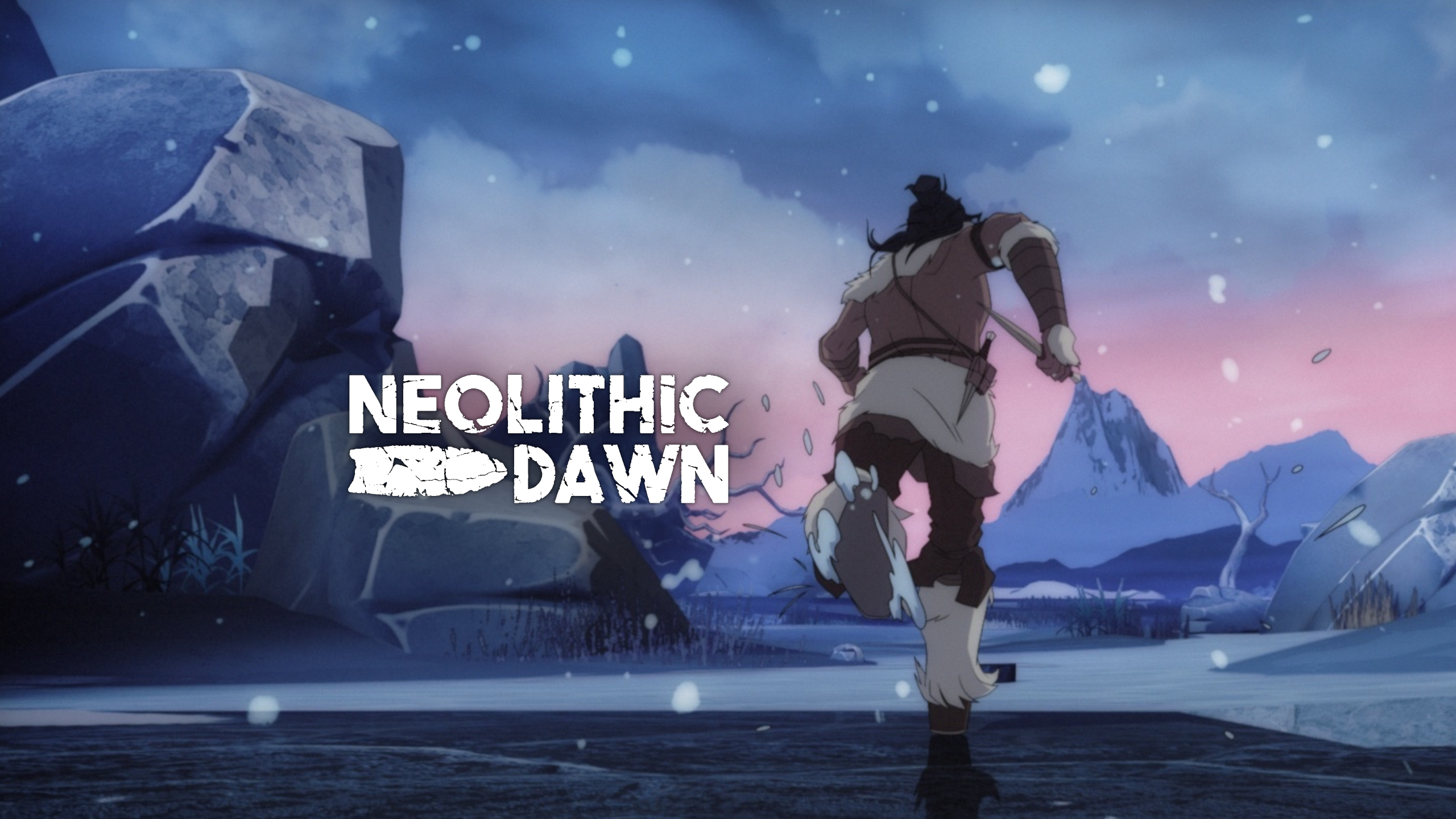
Neolithic Dawn, a survival game set in the neolithic era, started out in Early Access on Quest in June 2025 followed by PC VR in September. Both versions went to full release in December 2025.
The latest update from developer Neolithic LLC adds a fan-requested quick play 'Survival Mode' option. This new mode has every map unlocked and is free of any objectives and story-based missions to complete, designed for players looking for a more open, sandbox survival experience.
The update also expands the Saugeen Bluffs area, adds support for bHaptics vests, and improves the main menu interface and inventory system.
0:00
/0:46
We went hands-on during the Early Access period and had a mostly positive experience despite the bugs and jank to be expected in Early Access titles. In our hands-on piece, we said "Exploring the world is wonderful. Environments are vast and varied. There are moments of pure wonder and true terror."
Iron Guard: Salvation, a VR sci-fi tower defense game, is launching on PlayStation VR2 in March.
Iron Guard: Salvation is a tower defense strategy game in which players must build and upgrade bases and weapons while managing resources and fending off waves of enemies in VR. A story-driven campaign mode offers a cinematic experience across 30 hand-crafted missions.
Iron Guard: Salvation is a direct sequel to Xlab Digital's Iron Guard, which first debuted in 2021 and was ported to PS VR2 last year.
0:00
/0:41
We previously reviewed Iron Guard: Salvation when it released on Quest, where our reviewer found it to be a strong tower defense game that might have benefitted from heavier implementation of RTS mechanics and inclusion of a multiplayer mode.
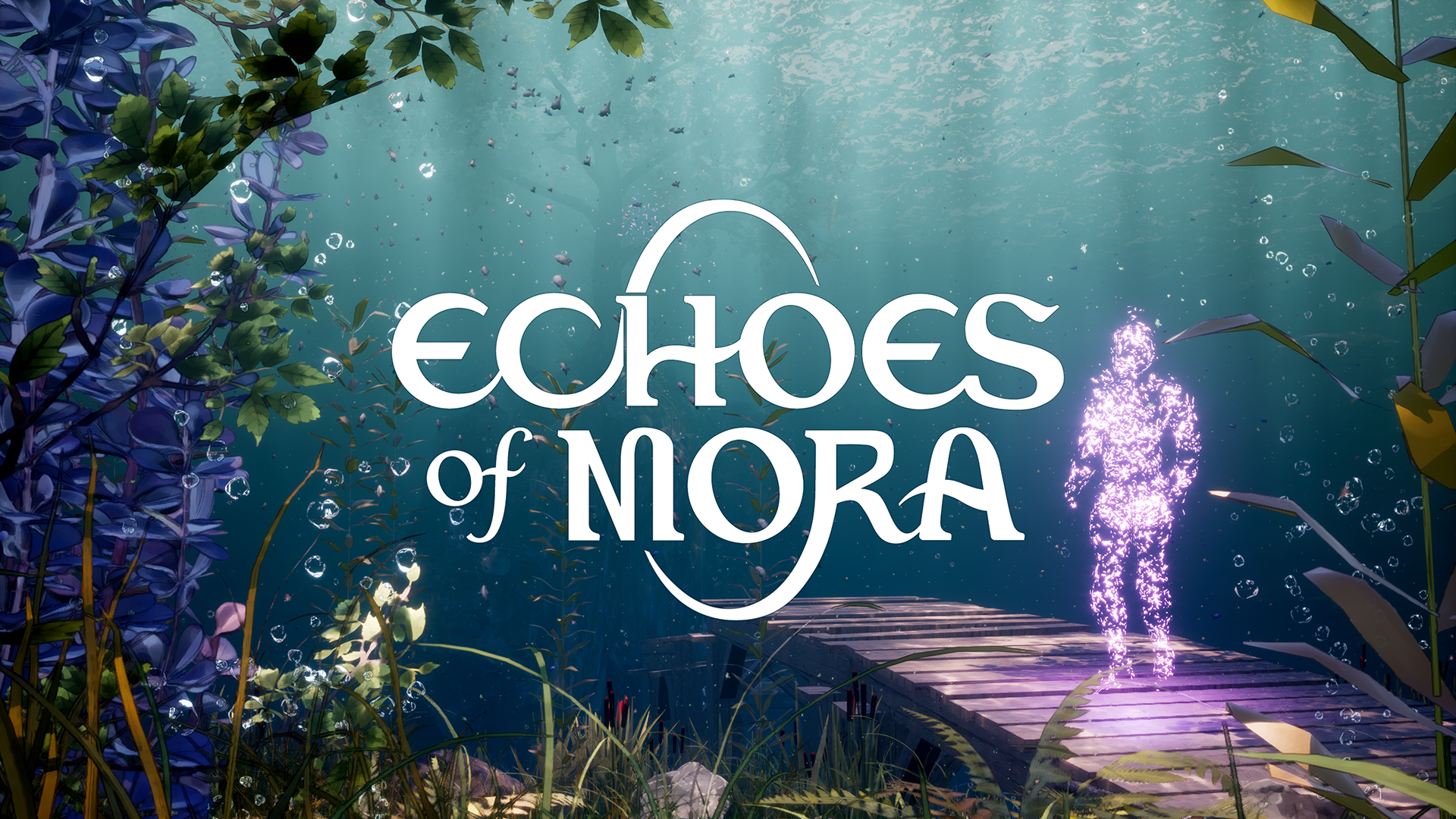
Underwater PC VR narrative puzzle game Echoes of Mora will launch in April on Steam.
Selkies Interactive announced at the recent Convergence Games Showcase that their debut title, Echoes of Mora, will launch April 29 on Steam. The announcement comes alongside a haunting story trailer and a 30-minute playable demo during Steam Next Fest, which begins today.
Echoes of Mora is described by its makers as an exploration-driven mystery with high emotional stakes, a fusion of Subnautica's atmospheric aquatic exploration and Everybody's Gone to the Rapture's melancholic storytelling. You follow and guide Mora. After her brother disappears near a cursed lake, Mora sets out to find him. As the lake's water rises, threatening the village, your help is crucial. You'll share clues you find in the underwater world, guide Mora in the past, and accompany her on a time-bending journey that could decide the fate of her family and village.
0:00
/1:00
When we previously covered Echoes of Mora, our writer felt that "While [Echoes of Mora] is by no means a seamless swimming simulator, its compelling narrative beats and dreamy world design provide more than enough intrigue to earn it a place on my wishlist."
You can wishlist Echoes of Mora on Steam today in advance of its full release in April.
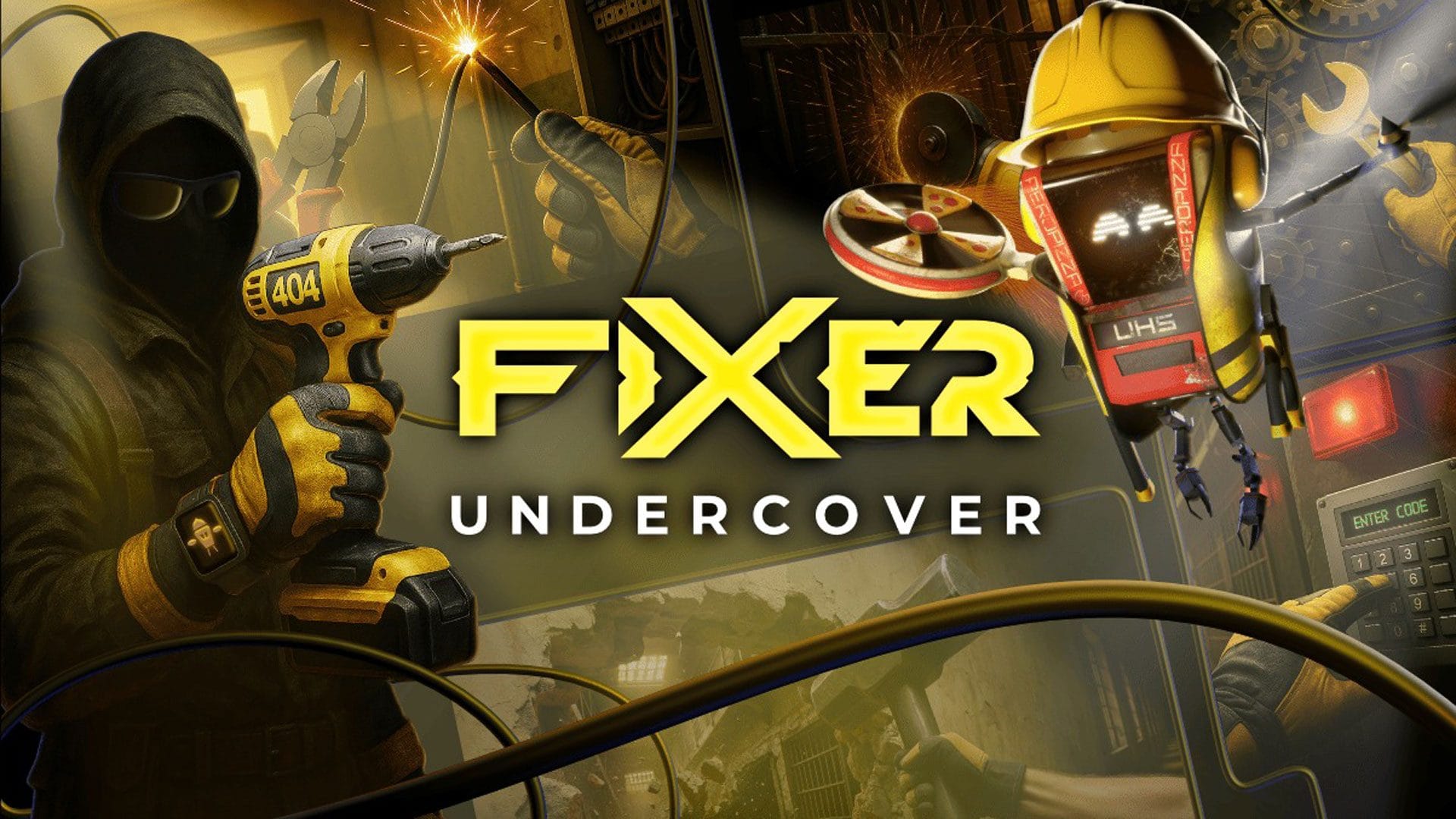
MacGyver-esque narrative VR puzzler Fixer Undercover hits Quest on February 26, with PlayStation VR2 and PC VR to come later.
Fixer Undercover was first revealed as a demo on the now defunct Meta Quest App Lab in 2024 and officially announced at the UploadVR Summer Showcase last year, promising a return to the VR escape room style puzzles popularized by games like the I Expect You To Die series and The Room VR: A Dark Matter.
As a special agent codenamed 'The Fixer', players will infiltrate a prison under the guise of a maintenance worker. Alongside a witty drone named Winston, a set of basic handyman tools like a hammer, grinder, pliers, and pipe wrench are used to solve a series of environmental puzzles.
Per a post on developer Creativity AR's Discord, it expects a full playthrough to take roughly six to eight hours.
0:00
/2:02
Fixer Undercover Gameplay Trailer
Fixer Undercover was originally planned as an Early Access release in late January, but Creativity changed course in a social media post, saying "To be completely honest: we looked at the project and realized it wasn't ready to open its doors yet... We want to release a complete game, not a broken one. We apologize for the delay."
Fixer Undercover releases this Thursday on Meta Quest 3, 3S, and Pro for $14.99. The game's official website states that versions for Steam and PlayStation VR2 are planned for "a later date." The game can be wishlisted on Steam now.
Apple Immersive documentary Top Dogs brings you up close with spectacular champion breeds, but traditional filmmaking choices keep the immersion from taking Best in Show.
Apple Immersive Video is particularly well suited for narrative documentary content. It can give visitors virtual access to real, visually stunning moments in behind-the-scenes experiences and destinations that most of us will not be able to physically visit in our lifetime. The forced perspective of the 180-degree format also offers a familiar entry point for acclaimed directors accustomed to crafting video content for traditional flat screens.
What Is Apple Immersive Video?
The Apple Immersive Video format is 180° stereoscopic 3D video with 4K×4K per-eye resolution, 90FPS, high dynamic range (HDR), and spatial audio. It's typically served with higher bitrate than many other immersive video platforms.
We highly praised Apple Immersive Video in our Vision Pro review. It's not possible to cast or record Apple Immersive Video though, so you'll have to take our word for it unless you have access to a Vision Pro.
Paired with Apple TV’s reputation for visually polished and compelling storytelling, I went into the two Top Dogs Apple Immersive episodes with high expectations. But narrative and compelling visuals were not enough to create quality immersion. My role in the world of Top Dogs remained undefined, and certain creative choices gave me reason to…paws. It did not fully consider how experiencing the benefits of immersion inside a headset should feel different from simply watching a story unfold on a screen.
0:00
/0:35
Spectacular dogs and clear storytelling.
The behind-the-scenes access that gets you up close to some incredible dogs makes this worth stepping into. I found myself face to face with breeds I have only ever seen on screens or in photos, and others I had never encountered before, each impeccably groomed and styled for the spotlight. The sheer range of dogs and their personalities is striking. They are the undeniable stars, and the stereoscopic depth brought me closer to these dogs than a traditional screen ever could.
The narrative also worked well. In just a combined thirty three minutes, I walked away with a clear understanding of how this renowned competition works. I learned what judges evaluate and gained insight into different aspects of the events. Participants are introduced cleanly. Stakes are easy to follow. Despite the short runtime, nothing feels rushed.
In many ways, I felt closer to this world than I would through a traditional screen. But getting close is not the same as feeling fully present within it.
Proximity is not the same as presence
Across both episodes, I kept returning to one question: who am I supposed to be here? Given Apple TV’s storytelling pedigree and the immersive potential of Apple Vision Pro, I expected Top Dogs to place me unmistakably inside its world rather than remind me at times that I was still watching from constantly shifting camera positions that were often stationary and sometimes moving speedily. My sense of embodiment wavered as scale and perspective changed without explanation or logic. Quick cuts shifted me from floating down an aisle of Dalmatians at eye level with their handlers, to sitting close-up at eye level with dogs, to looking up at handlers.
As a visitor to the documentary, I also did not feel like my presence was intended to be acknowledged. Those being interviewed spoke to an off-camera interviewer and avoided glancing into the lens, a choice typical of traditional flat-screen content. The only characters that seemed to recognize my presence on occasion were some of the dogs who took momentary interest in the camera. Locking eyes with Australian Shepherd Viking, 2024 Best in Show winner, was memorable. I impulsively shifted back when another dog jumped to the camera for a kiss. More moments like this would have helped with the sense of presence.
Traditional film language can limit immersion.
Directed and narrated by BAFTA and Peabody winner John Dower in his first immersive documentary, Top Dogs reflects a filmmaker clearly comfortable with traditional documentary language. But immersive storytelling demands intention around experience, not just storytelling.
The flyball competition segment showed what worked. The camera remained steady and well positioned as if I was watching from the sidelines. It gave me enough time to take in the space and choose where to look. The more time I had to notice details within the scene, the more immersed I felt. As the dogs sprinted back and forth, I turned my head naturally to follow them. The action defined my movement in the world. In contrast to many other moments in Top Dogs, this moment allowed me to feel confident in my spectator perspective, and present.
Framing and editing choices, however, often reflected traditional documentary grammar in ways that weakened immersion. Action and even faces were occasionally partially cropped within the 180 degree frame. Extreme close ups that might feel intimate on a flat screen felt odd and uncomfortable in headset. Photos appeared floating in black backgrounds rather than integrated into the environment. On screen text reinforced the sense of watching a framed production rather than being there. The quick cuts also shifted me between locations and perspectives without spatial grounding or transition of any sort. I would have liked to see more movement from the dogs and less movement from the camera.
When traditional documentary grammar dominates, the headset begins to feel optional. At several points, I found myself toggling from full Immersive Video to the windowed view to avoid some creative choices that felt jarring when fully immersed. I also found myself wondering why this was not simultaneously released as Apple TV content for more people to see it outside headset, given how closely its film language already aligns with traditional screens.
 Connexion