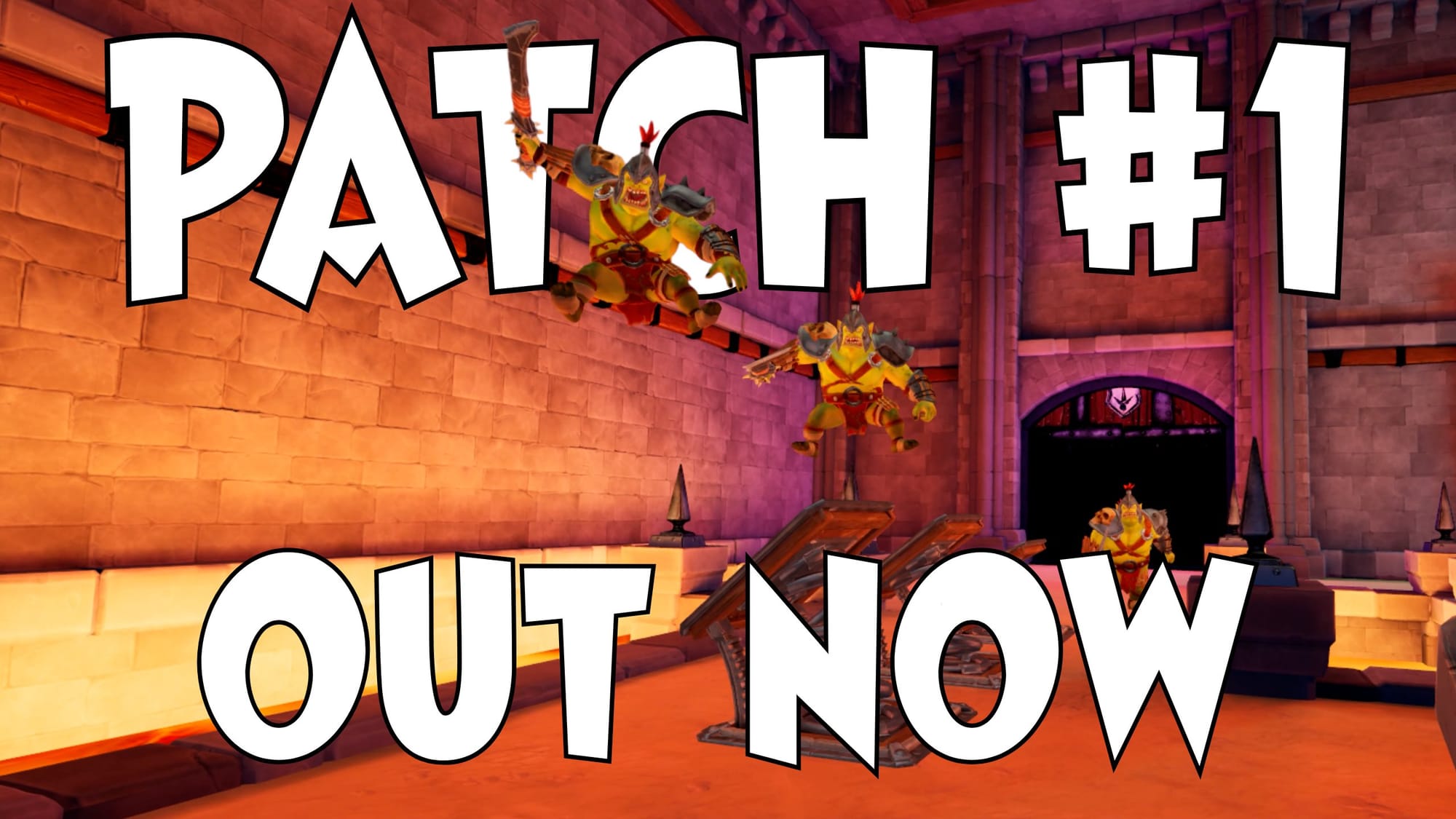
The tower defense action slasher gets patched with combat, user-experience, balancing and performance improvements.
Teravision Games has announced a patch for their VR hybrid tower defense/melee combat game Orcs Must Die! By the Blade, which addresses numerous issues in the just-launched title. Among these are improvements to combat, weapons, and traps balancing, overall performance enhancements, and (most notably) the addition of an optional smooth turning control scheme.
Further adjustments have been made to the game's audio and narrative, multiplayer and connectivity improvements, and UI tweaks. The extensive patch notes can be seen in their entirety here.
0:00
/1:26
Developed by Teravision Games, makers of the tower-defense shooter Captain Toonhead vs. The Punks from Outer Space, Orcs Must Die! By The Blade is the first VR release in the Orcs Must Die series. By the Blade builds on the long-running franchise's core gameplay loop for VR. Beyond setting up traps and auto-battling as you try to survive waves of orcs, as in traditional tower-defense, the VR version of Orcs Must Die! will have you physically wielding weapons to defend your base in first person.
A new global licensing deal will bring toys based on the world's most popular multiplayer VR game to stores soon.
Bonkers Toys has announced a licensing agreement with Another Axiom, the makers of Gorilla Tag. Under the new agreement, Bonkers Toys will release Gorilla Tag-themed plushies, figures, collectibles and other toys to major retailers across the United States in 2027.
Gorilla Tag launched in 2021, and has since become a viral VR sensation amongst younger players. In 2025, the game topped over 1 million daily users and over 3.7 million monthly users on its way to a total of over 15 million unique players. The made-for-VR experience allows players to customize and embody virtual "Monke" avatars and to play games with friends and strangers in a social VR environment.
0:00
/1:19
Gorilla Tag's wacky physics-based gameplay prioritizes social interaction and maximum silliness, and it's undeniably a good game that provides an inherently fun experience. But parents should be aware of what their kids are doing in VR. Despite being ostensibly made for kids, there is no shortage of terrible behavior happening in Gorilla Tag and in similar social games aimed at kids.
The terrific escape-room puzzler Fixer Undercover is now even better, and playable on Quest 2.
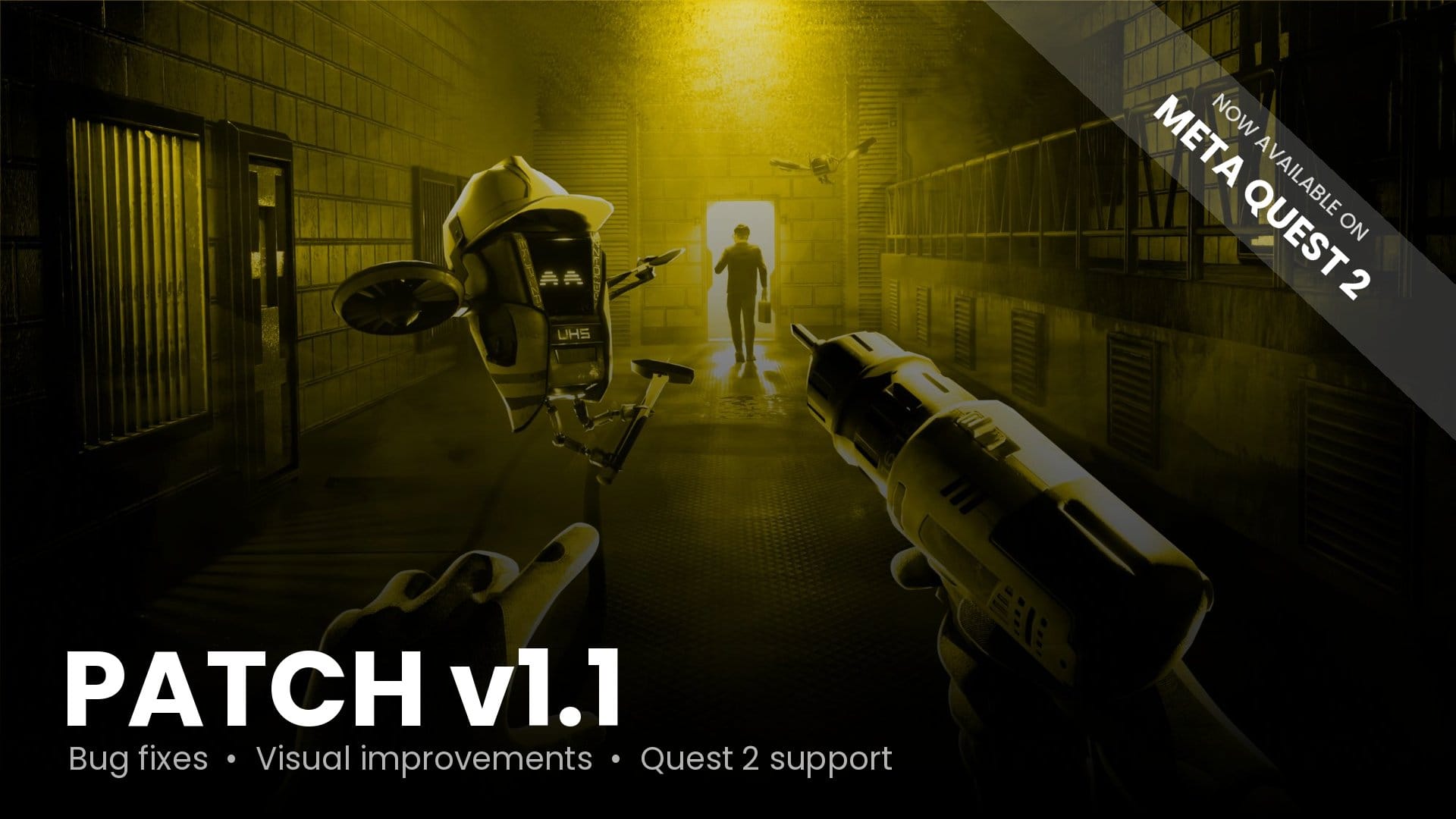
Creativity AR has announced a major update for their VR escape-room game, Fixer Undercover, which notably brings the game to Meta Quest 2. Previously Fixer Undercover had only been available on Quest 3, Quest 3S, and Quest Pro.
The patch also incorporates several bug fixes, visual enhancements, caching fixes to limit how much storage is required by the game, and performance increases across the board.
In addition to these significant updates, Creativity AR has gone through the game chapter by chapter, fixing bugs and generally improving things. The full details on these adjustments can be seen in a recent social media post.
0:00
/1:24
We reviewed Fixer Undercover just last month, noting that, "VR has always had a penchant for great puzzle games and Fixer Undercover is no exception. The heavy emphasis on VR interactions and encouragement to think outside the box on solutions makes for a highly entertaining spy caper."
Fixer Undercover is available now on Quest 2, 3, 3S, and Pro for $14.99. PC VR and PlayStation VR2 releases are planned for "a later date," and the game can be wishlisted on Steam now.
The multiplayer VR motocross racing game MotoX is now free-to-play on Quest
Enver Studio has announced that its popular multiplayer VR motocross racing game MotoX is now free-to-play on Quest. Since launching in 2023, MotoX has built a strong reputation and collected over 23,000 reviews and a 4.9-star rating on Meta's platform.
The decision to move to a free-to-play model comes alongside a wider industry trend: multiplayer-focused VR titles that prioritize social interaction are increasingly outperforming traditional paid releases.
0:00
/0:54
Free-to-play games often incorporate in-game purchases, and MotoX is no different. Additional tracks, content packs, and cosmetic items are offered as optional purchases.
According to Enver Studio, players who previously paid to play MotoX will receive "in-game recognition," plus an "OG" rider tag, a limited-edition golden bike, and 6,000 in-game coins (which holds an equivalent value to the game's original purchase price).
Wreckin’ Raccoon is the latest entry in the VR genre of chaotic sims that put you in the feral paws of a mammal.
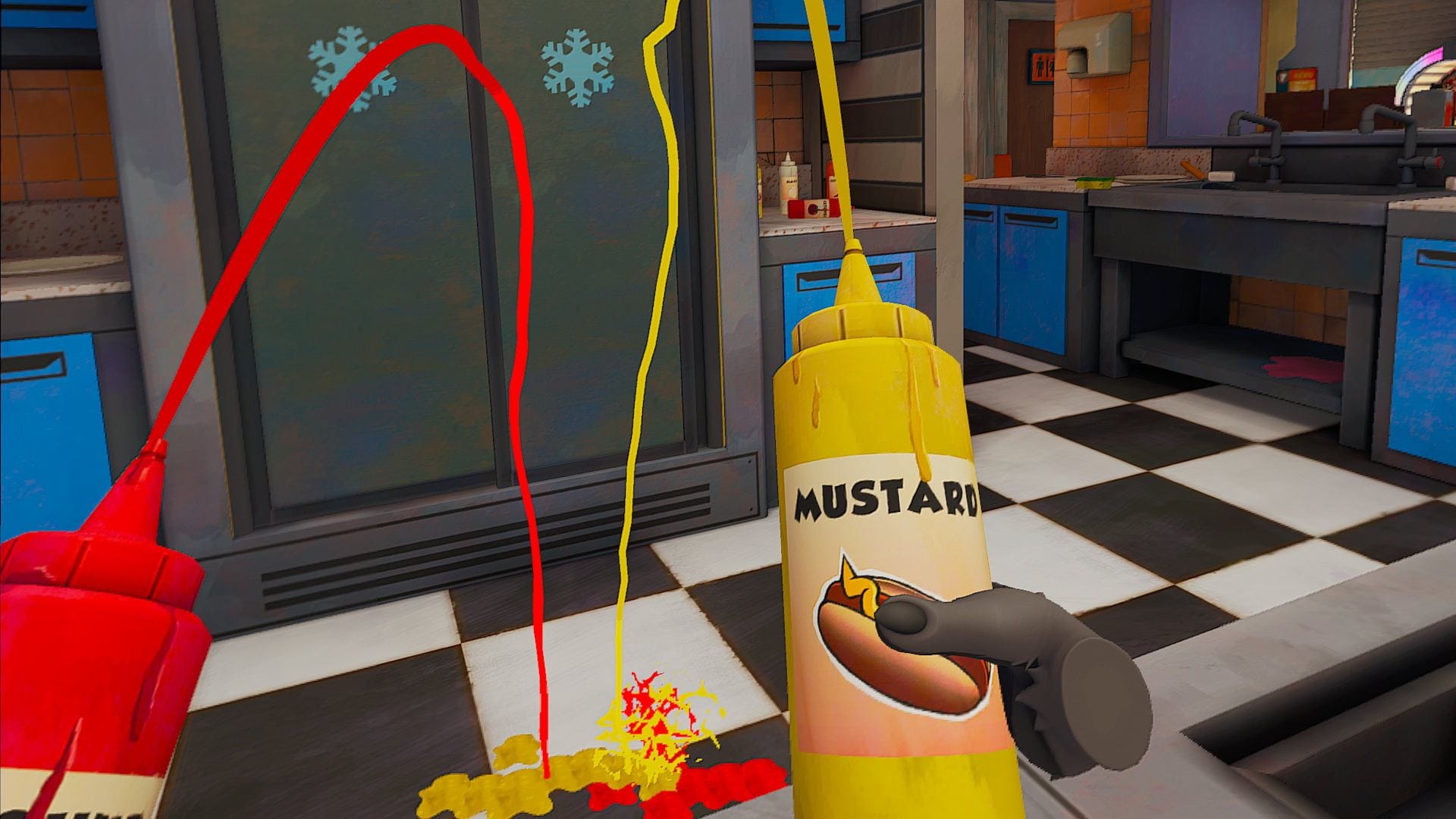
It is fitting that nDreams studio Compass chose a raccoon as the animal to respond to the enduring popularity of Gorilla Tag. Chaotic trash lovers, these distant bear relatives are well known to anyone who scrolls through social media. Videos of these mischievous mammals breaking into houses, leaving a mess, or simply getting caught in the act are a dime a dozen. Not too far from the truth, Wreckin' Raccoon has players swinging their arms around in hopes of finding their next meal, even if it means annoying the humans in their vicinity to no end. While the current offering can be made short work of, it surprises with a few more activities than meet the eye.
The Facts
What is it?: A sim where you wreak havoc in a diner as a raccoon. Platforms: Meta Quest Release Date: Out now Developer: Compass Publisher: nDreams Price: $ 11.99
Out of Early Access earlier this year, the premise of Wreckin’ Raccoon shoots straight: eat every snack in sight in a pitstop diner. Billed as “Be The Chaos,” embodying the titular raccoon means an uncompromising type of gameplay that is committed to childish fun. Only able to move with a primal arm-swinging locomotion, you can also climb and jump by holding the grip button and doing a vigorous forward gesture. On your left shoulder you can grab a smartphone with your options and tasks, and on the right one store all sorts of wacky tools.
The pest operator and cook are out for revenge against the raccoon.
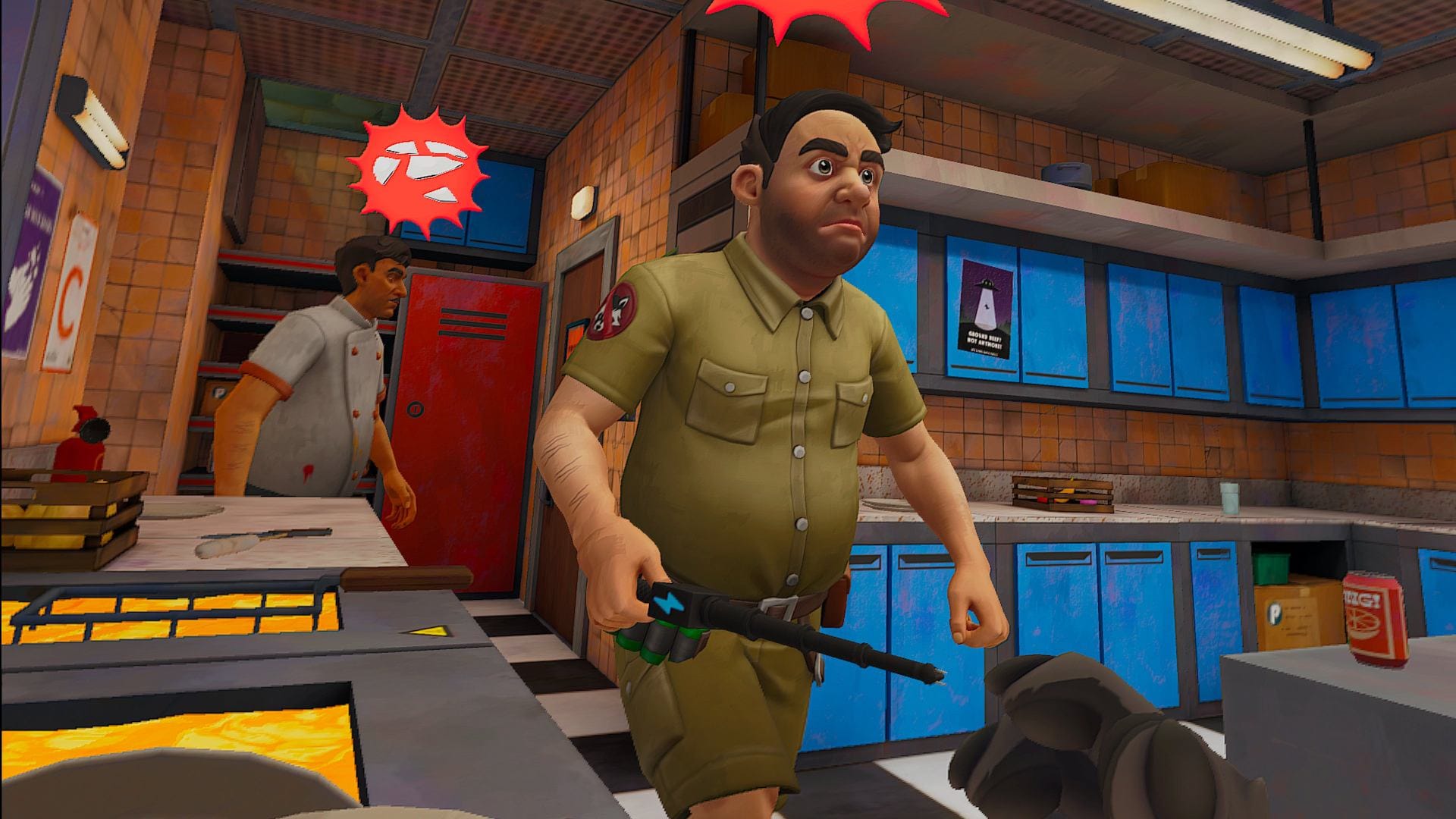
There is one level at the time of writing, and that is the aforementioned restaurant. The only thing standing in your way is an unfortunate cook, who, if you annoy too much, will call pest control. Your real enemy, if he catches you, it is game over. If your primary goal is to cause unfettered destruction, this unwanted exterminator can be turned off from the game's options. In the background, an oblivious beach blonde can be interacted with as well.
To clarify, said interactions consist of finding increasingly over-the-top ways to knock out or irritate the NPCs. As cartoony graphics go, Wreckin’ Raccoon looks pretty. It, too, allows for unhinged situations such as using a chainsaw, a flamethrower, and kitchen utensils to use against your would-be captors. Thankfully, no blood depiction to speak of exists in-game.
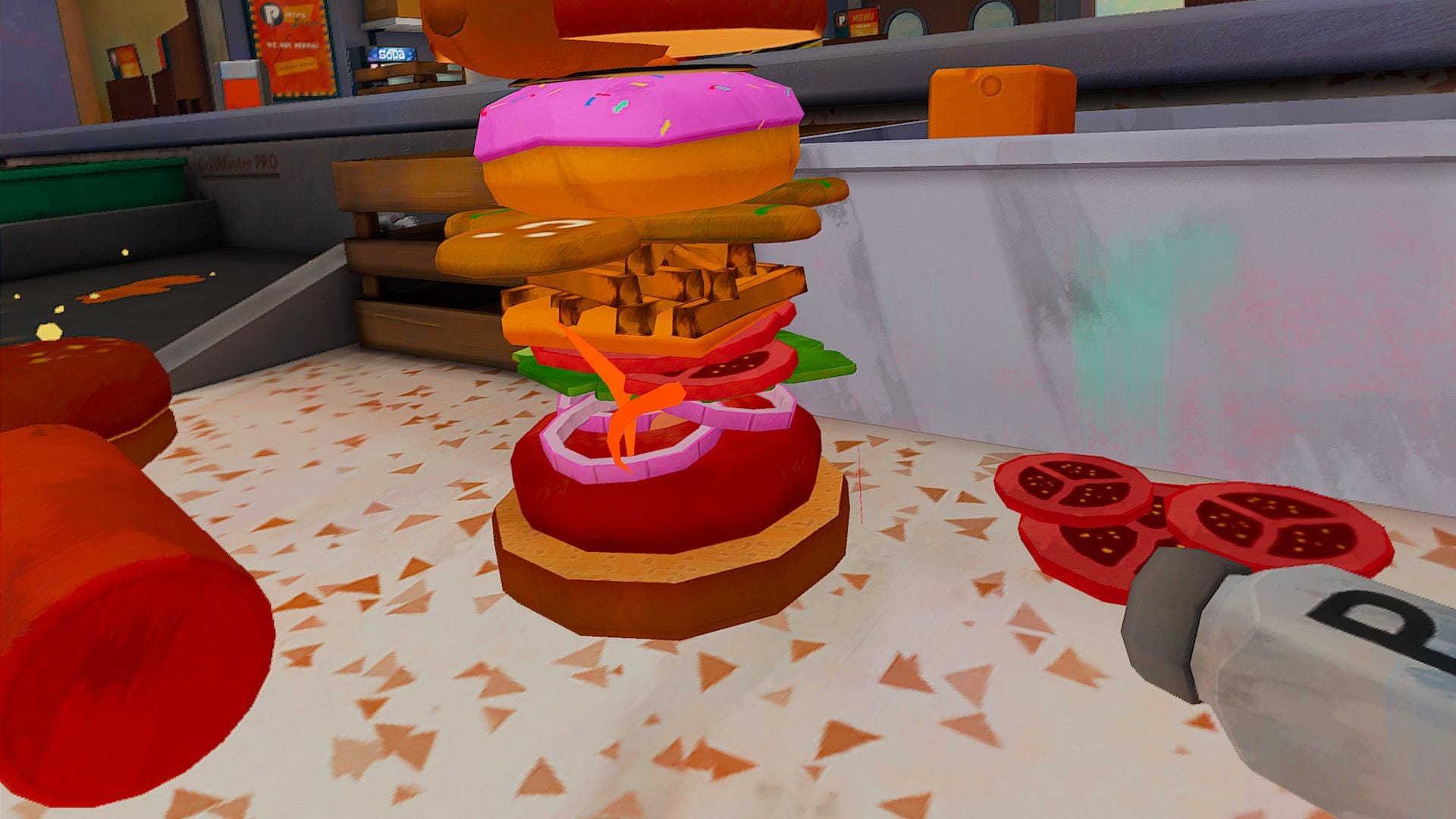
Although it seems basic at first, new mechanics other than antagonizing the public in tow are revealed the more you play. For example, you can actually cook in the kitchen. Deep-frying french fries and onion rings and turning on the stove to roast eggs, meat patties, and sausages to stack the ultimate burger can be done. Shaking soda cans to screw with electronics like the cash register is another way to cause a nightmare for the staff. These activities turn out to have a bigger purpose.
0:00
/0:23
A gameplay video showcasing Wreckin' Raccoon's unhinged chaos.
The ultimate goal is to complete tasks like tasering the pest control operator with his own weapon or placing bananas so the unlucky employee falls to customize the color of your paws and tail. Moreover, hidden gold-plated food around the eatery can be found to unlock a golden skin. Codes from triangle, square, and circle shapes can be inputted into a jukebox to change the tune of your wreck. So, a concerted effort to do things beyond toying with the employees and customers entices players to explore other possibilities than causing a mess.
Let's not beat around the bush: this is a game intended for kids. With the press of the A button, your raccoon can release flatulence, and loud burps can be heard every time it eats something. The toilet humor is abundant. This nasty critter’s movement feels imprecise, but considering the mindless chaos it wants you to cause, it seems by design. It helps that the NPCs would sometimes stumble into each other while pursuing me and glitch out in place. What is on offer is fun, but it runs out quickly, and several more levels and multiplayer could at least entertain for a longer period.
Comfort
Wreckin’ Raccoon offers the bare minimum in comfort: a snap and smooth turn. There is no option to teleport, with the Gorilla Tag-inspired locomotion the only choice to move across the level. Even though no seated or standing modes can be toggled, adjusting the height with a click of the joystick fixes that issue.
You can also create food abominations outside the destruction.
You have to meet games in the middle. Wreckin’ Raccoon is clearly a response to the ongoing trends going on in virtual reality. Or at least, in the Meta Quest’s ecosystem. Looking at it from that lens, there is certainly fun to be had. Explore a roadside diner while completing silly tasks and finding shiny objects; cause endless chaos with caricature depictions of people, Saturday morning cartoon-style; be the rowdy trash panda you have always wanted to be; just do not think about it too much.
Customization is the name of the game in Tinker Pilot, where everything in the cockpit is literally up for grabs - even if there’s not a whole lot beyond it.
Tinker Pilot is a curious thing. It starts with the name, of course, which, just so we’re clear, refers to the fact that you can move and tweak everything around you in your virtual cockpit so that you have your controls just so. Ideally that means having them represented in game just how they exist in physical space, whether they are on a desk, duct taped to the arms of your dining room chair, or you happen to own a fully tricked out motion rig that marks you out as a valid target for online jealousy. ‘Tinker’ absolutely does not refer to you being an itinerant mender of housewares, which is the definition of the word that first comes to my 16th Century-attuned mind.
The Facts
What is it?: Early access space sim that supports a broad range of control options and offers extensive cockpit customization Platforms: PCVR (Played on Quest 3) Release Date: Out now Developer: Lluís Garcia Lamora Price: $24.99
The piloting part of the name needs less of an explanation. Unfortunately, while the gameplay is smooth, the controls tight and the sense of being a bad-ass space jock is initially palpable, there isn’t much of a game to actually talk about. There are a handful of scenarios that between them offer some semblance of progression, but it feels like it was put together to showcase the extent of the customization you can perform, and thus the degree of control you have over your nimble ship. As such, the missions prioritise speed and maneuverability above all things, and drama and narrative barely at all.
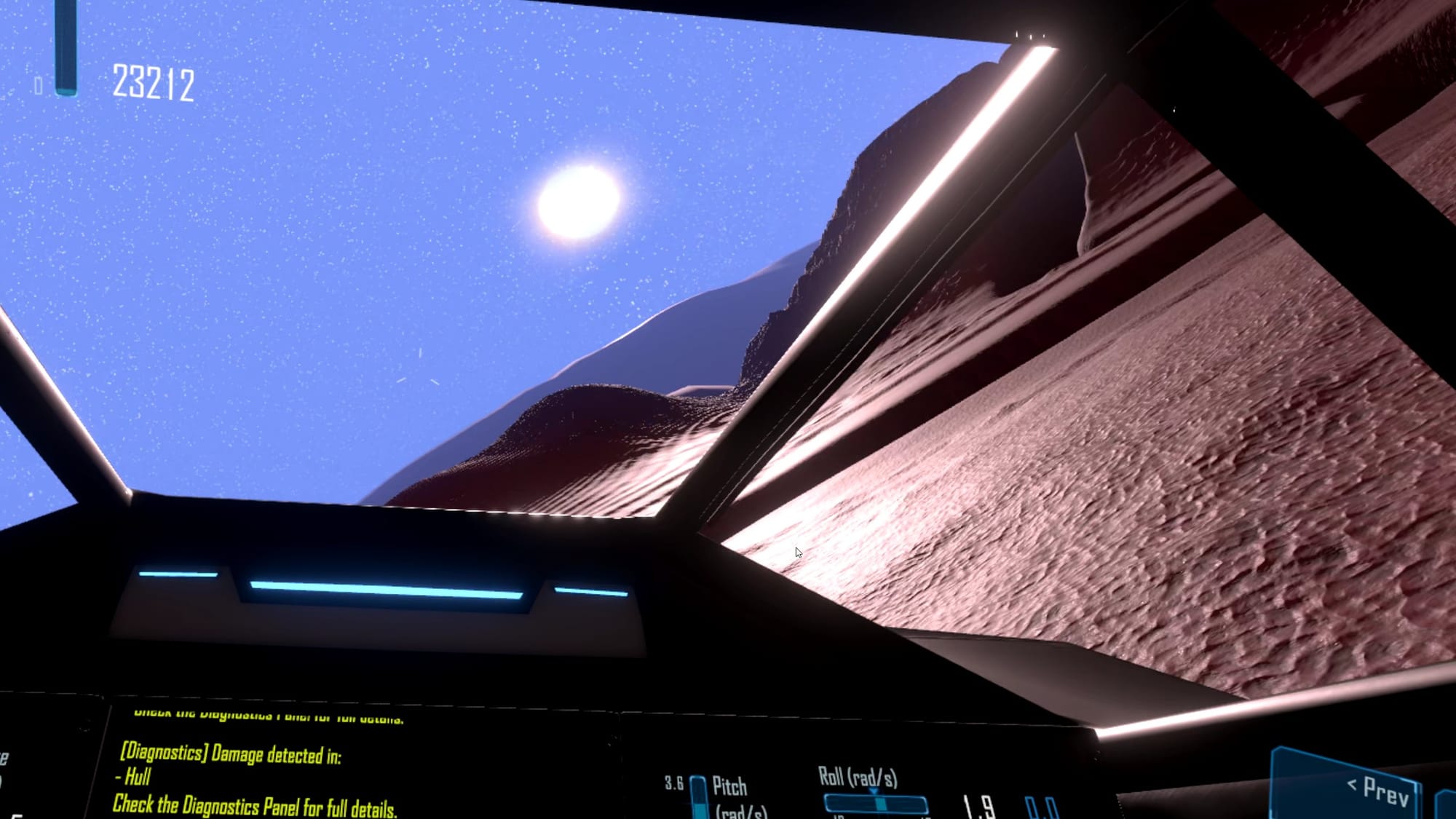
After a tutorial, during which you’ll take out a couple of crates in an asteroid field, you’ll jump to the surface of a desert world to blow up some drones, then the final scenario, which is a classic time trial through some hoops. Truth be told there’s less than an hour of content here and it’s not a particularly thrilling way to pass the time either. There is an online leaderboard, so if “getting gud” appeals, you might be able to squeeze more enjoyment from it than I was able to.
If you own a joystick, chances are it's been recreated for your viewing pleasure.
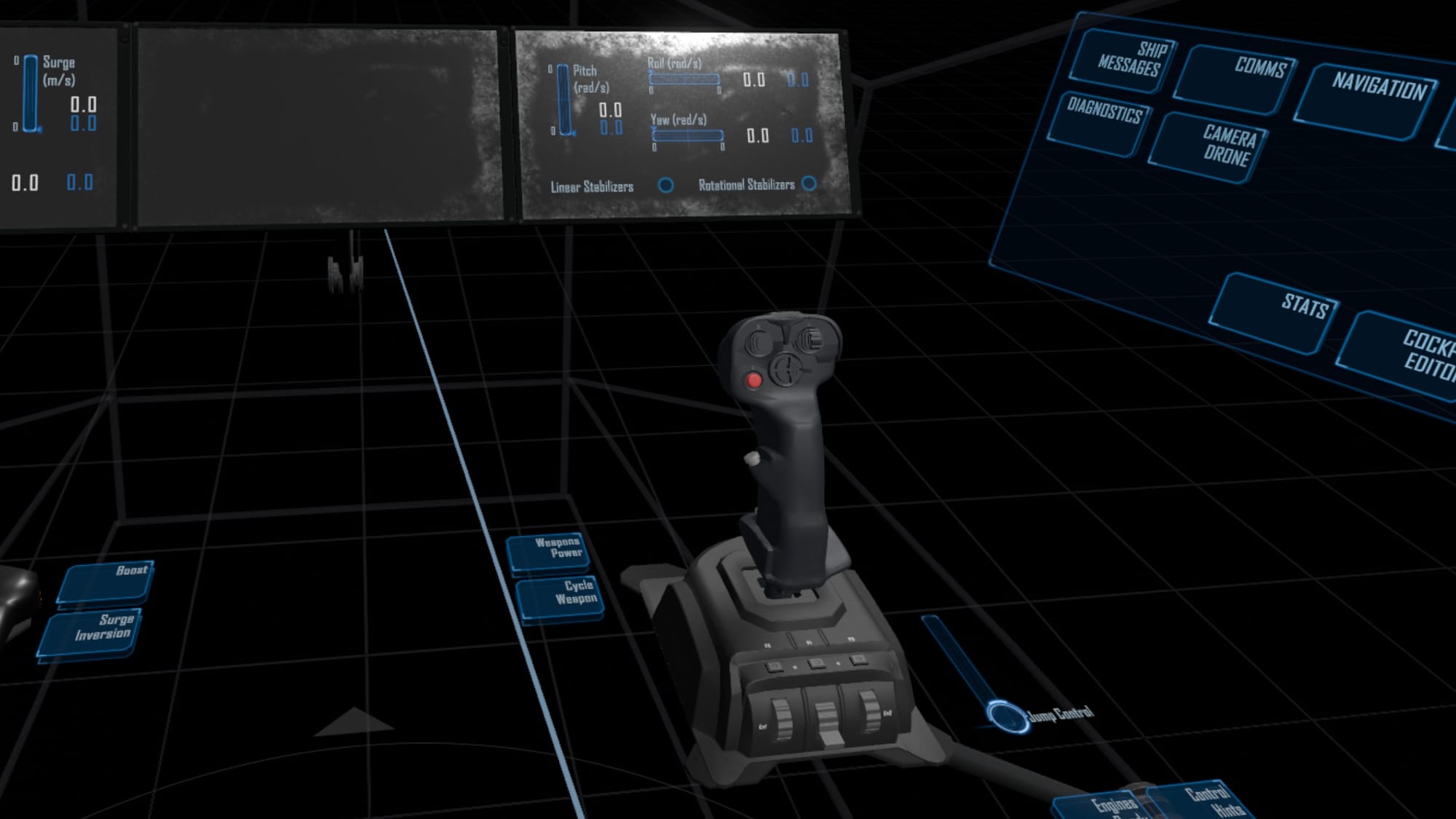
The only area where Tinker Pilot feels substantial enough to justify its early access price is back where we began, making the cockpit your very own. You can move button panels around, choose from a wide range of controllers to replace the virtual sticks - essentially allowing you to copy your current physical set-up so that it exists in-game, or create one anew that is perfectly attuned to the way you like to play or any accessibility needs you might have. As is often the case when such levels of fine tuning is offered, it can be a fiddly and time-consuming process, but on the intersection between space combat and interior design, Tinker Pilot is unrivalled. A recent patch even allows telemetry data to be exported, although I’m not sure how useful such a feature is for most VR users.
Comfort
For a game where up can become down very quickly and you're constantly having to get your bearings, Tinker Pilot is surprisingly easy on the digestive system. No doubt this is entirely down to the pleasing frame rate and latency rather than the default comfort options, because, well, there are no comfort options as yet.
It’s worth noting that if you lack the high-end controls requisite to space combatry - namely a joystick - the virtual controls here work really well. Normally I find them terrible. In fact, until playing Tinker Pilot I was of the opinion that they could only be terrible, but this game nails its default controls very well. Partly for two reasons, I think. One is that sticks aren’t given a physical representation, they are displayed as holographic, which means your brain isn’t being tricked and thus you subconsciously don’t expect or indeed miss the lack of any haptic feedback when wiggling them about. The other aspect is that the degree of travel needed to affect any movement in 3D space is very small. Small twitches of the wrist are all that’s required, which means you don’t get nearly as tired as you might in other games pretending they are doing things they’re not.
0:00
/0:44
Launching into the asteroids. Literally.
Sadly, despite nailing the control side of things, Tinker Pilot is almost entirely lacking in entertainment. It’s all well and good to be able to move button panels about and have your shiny new VKB Gladiator rendered before you, but there are fans of the genre - myself among them - who are happy to operate within whatever cockpit the designer has created. Just as I don’t need to move the climate controls in my car, or have the steering column set six inches lower, I’m usually fine with how things are. I’ll either get used to them or play something else, which has been my experience with every first-person spaceship game I’ve played. Sure, some cockpits are more conveniently arranged than others, which is especially true in VR, but it’s never bothered me that only one game to my knowledge, 1986’s Academy, has given me the option to move things around. (If you can think of any others, put them in the comments below.)
It’s a cliche to say it, but Tinker Pilot feels like a tech demo looking for someone to turn it into a game. What missions exist are designed first and foremost around promoting the degree of control and maneuverability the game systems allow. There’s no attempt at world-building, there’s no storyline, no meaningful sense of progression, it’s essentially a showcase; the kind of vertical slice that a developer would take to publishers or patreon to show the kind of thing that could be done with either a team, a budget, or both. There’s a framework to greatness here, no doubt, but I would urge interested parties to seek more evidence of there being a greater emphasis on in-game piloting and less perhaps on future tinkering before parting with their disposable income.
Northern Ireland's Valley Links joins the ever-growing roster of real-life courses recreated to play in VR in Golf+.
Golf+ features over forty paid DLC courses, including dozens of real golf courses from all over the world. Valley Links is part of the Royal Portrush Golf Club alongside sister course Dunluce. The course is described in the developer's blog post as "defined by rolling fairways, rumpled terrain, and ever-changing coastal winds." Dunluce was previously added to Golf+ in March 2025.
0:00
/0:30
Golf+ Valley Links DLC Trailer
The Golf+ multiplayer user interface was also updated with new quality of life features to help players find a game to their liking faster. Public lobbies now have filters for settings and play style, hosts can set minimum and maximum handicap requirements when setting up public games, and the create-and-join UI has been streamlined for better usability.
The Valley Links course can be purchased as an add-on for $11.99. Alternatively, all courses can be accessed as part of the Golf+ Pass for a $9.99 monthly fee.
Golf+ is out now on Quest for $29.99. At the time of this article, the base game is also available as part of the Horizon+ subscription service's games catalog. A PC VR port is in development.
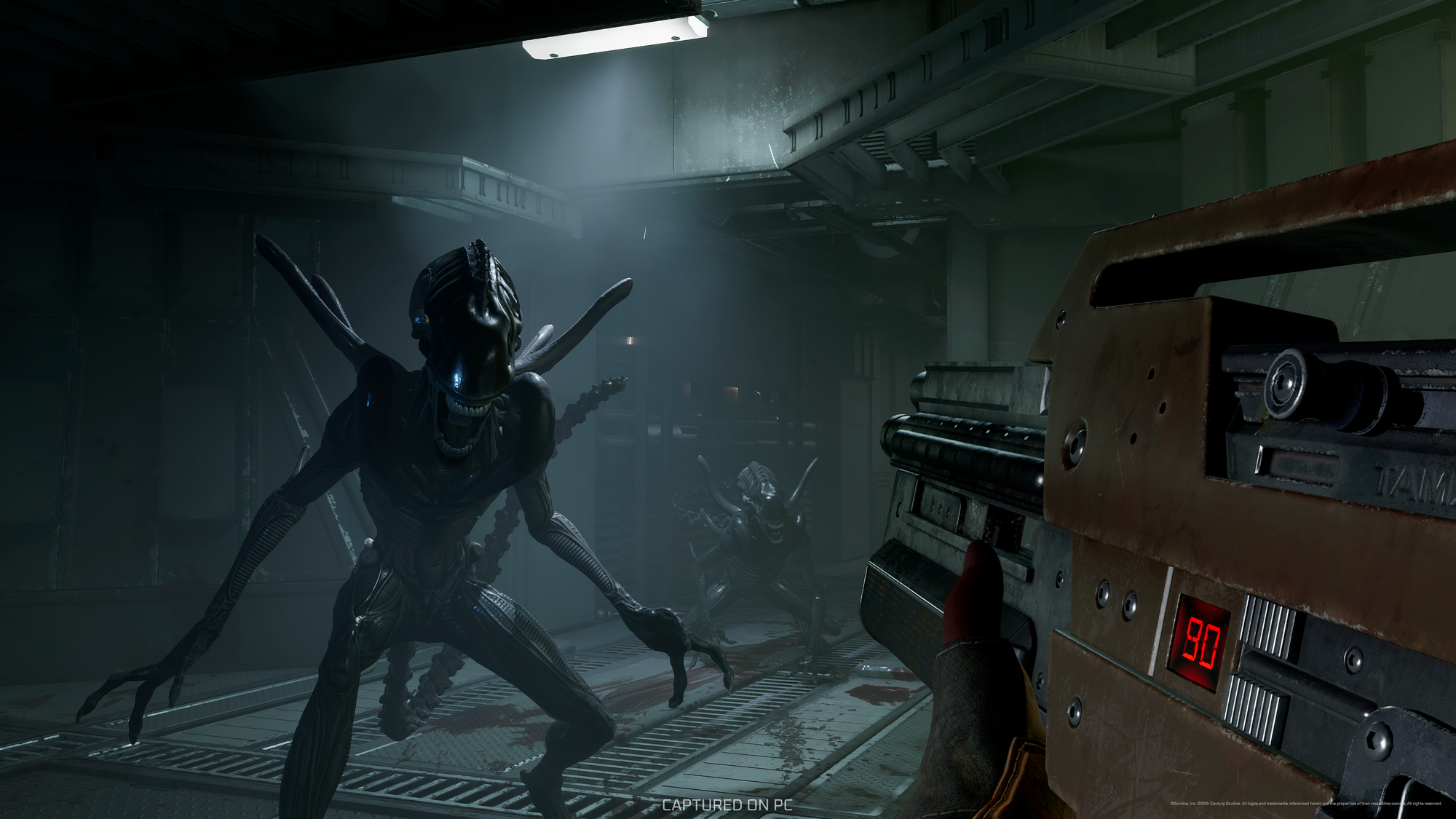
The xenomorph-filled story-based shooter Alien: Rogue Incursion rode an aggressive discount during Sony's recent sale to the number one spot in downloads for February 2026.
Every month, Sony publishes a blog detailing the top ten downloads of the month on all of its platforms, with separate lists for US/Canada and the EU. On PS VR2, there are some games that appear every month: Beat Saber, Job Simulator, and Pavlov are mainstays on this list, with others like Horizon Call of the Mountain, Metro Awakening, and Creed: Rise To Glory drifting in and out of the top ten month to month.
Alien: Rogue Incursion, from developer Survios (Creed, Puzzle Bobble, The Walking Dead: Onslaught), has also been a steady presence in the top 10 since its release in December 2024. It ranked fourth in the US/Canada and fifth in the EU in January 2026, and fifth on both lists for December 2025.
From January to February, Zero Caliber VR, Horizon Call of the Mountain, Vampire: The Masquerade Justice, and Creed made their way into the top 10, replacing Arizona Sunshine: Remake, Metro Awakening, Swordsman VR, and The Walking Dead: Saints and Sinners.
In February, as part of a PlayStation sale, Rogue Incursion (the deluxe edition) was discounted seventy-five percent off to $12.49, one of the biggest VR game discounts by percent in the sale.
This isn't the first time a steep discount has rocketed a game up the charts. Max Mustard briefly became the best selling game on the Meta Quest after announcing a ninety percent discount, kicking off a series of games from other developers on the platform also doing ninety percent off offers. Developer Toast Interactive said in a Reddit post that the discount was a marketing move to increase visibility on the store.
Alien: Rogue Incursion is available on PS VR2, Steam, and Quest. A flatscreen port, subtitled the 'Evolved Edition' is also available on Steam, Xbox, PlayStation 5, and the Epic Games store.
I Expect You To Die developer Schell Games is ending its involvement with Among Us 3D later this month.
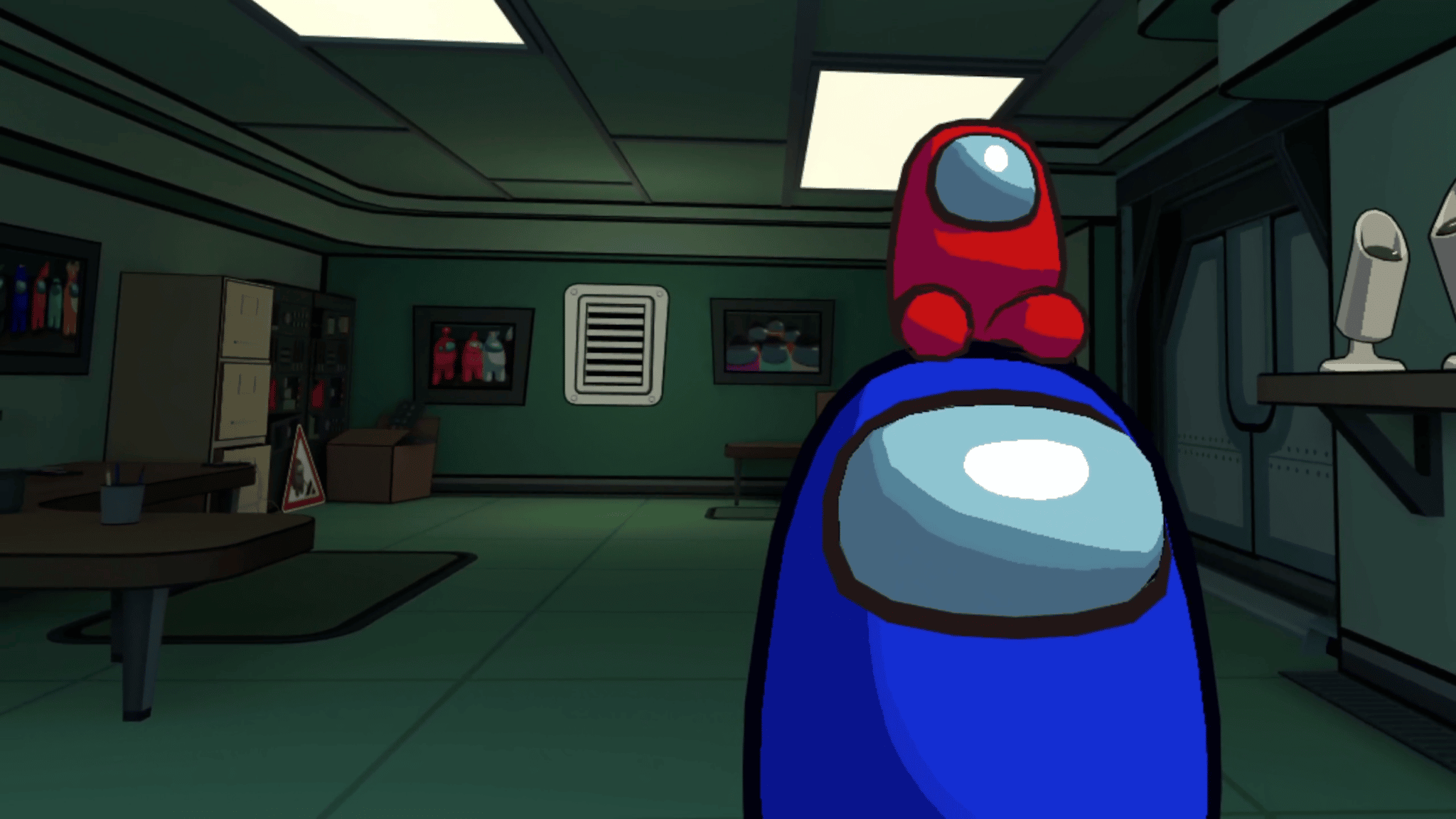
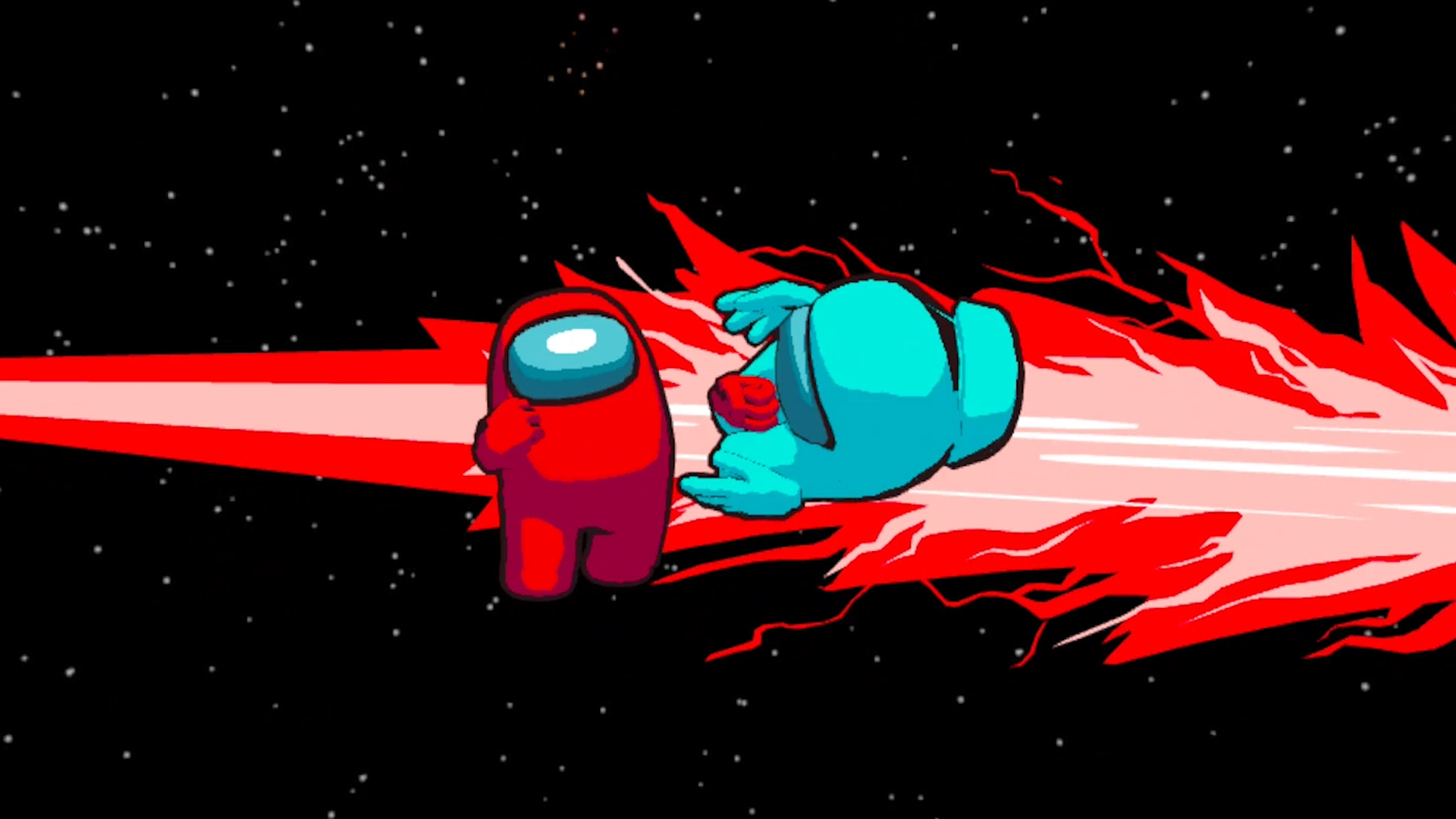
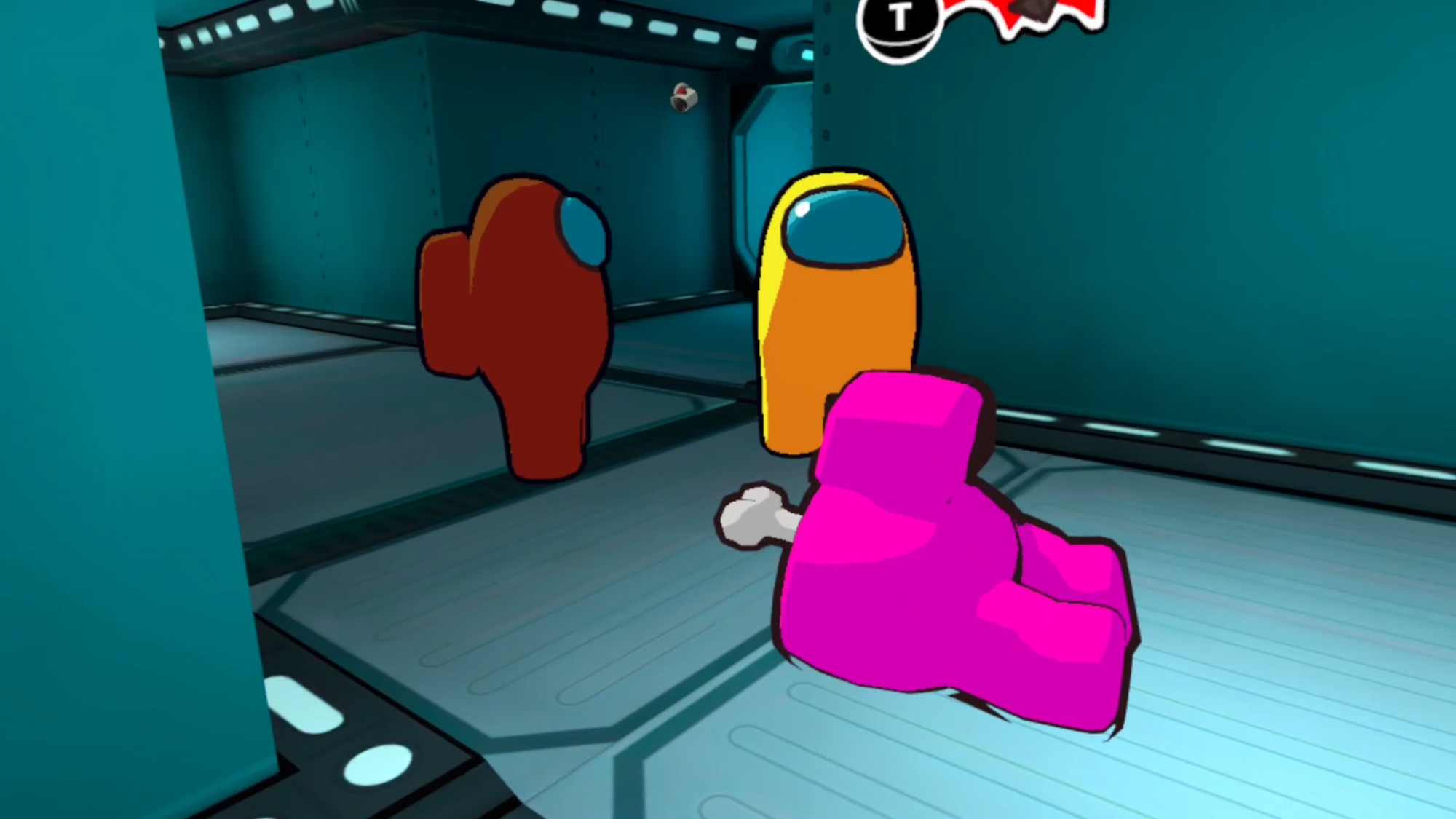
Schell Games has announced it is "handing off" active development of Among Us 3D (formerly Among Us VR) back to original Among Us developer, Innersloth, on March 24. Per its developer post on Steam, this was always planned to happen.
Among Us VR first released in November 2022 as a completely separate title from the original hit game of murder and deception. Since release, the game has seen multiple limited-time events with new gameplay modes, crewmate roles, and a new map, Polus Point.
0:00
/1:35
Among Us VR Original Trailer
In February 2025, the developers announced that the game would be converted into a hybrid title, renamed Among Us 3D: VR, with full crossplay support between flatscreen and VR. This change was made official in April 2025, with the VR store listing changing names and a new, separate Steam listing for the flatscreen port.
As a final send-off, March 24 will see a "definitive edition" release of the game, with previous limited-time-event features and cosmetics returning to the game permanently.
The comedic sandbox simulator Shop & Stuff comes to PlayStation VR2 in late March.
HyperVR Games has announced its third entry to the PS VR2 catalog, Shop & Stuff, is scheduled for release on March 27. This follows previous ports of Shave & Stuff in May 2024 and Pets & Stuff in December 2024.
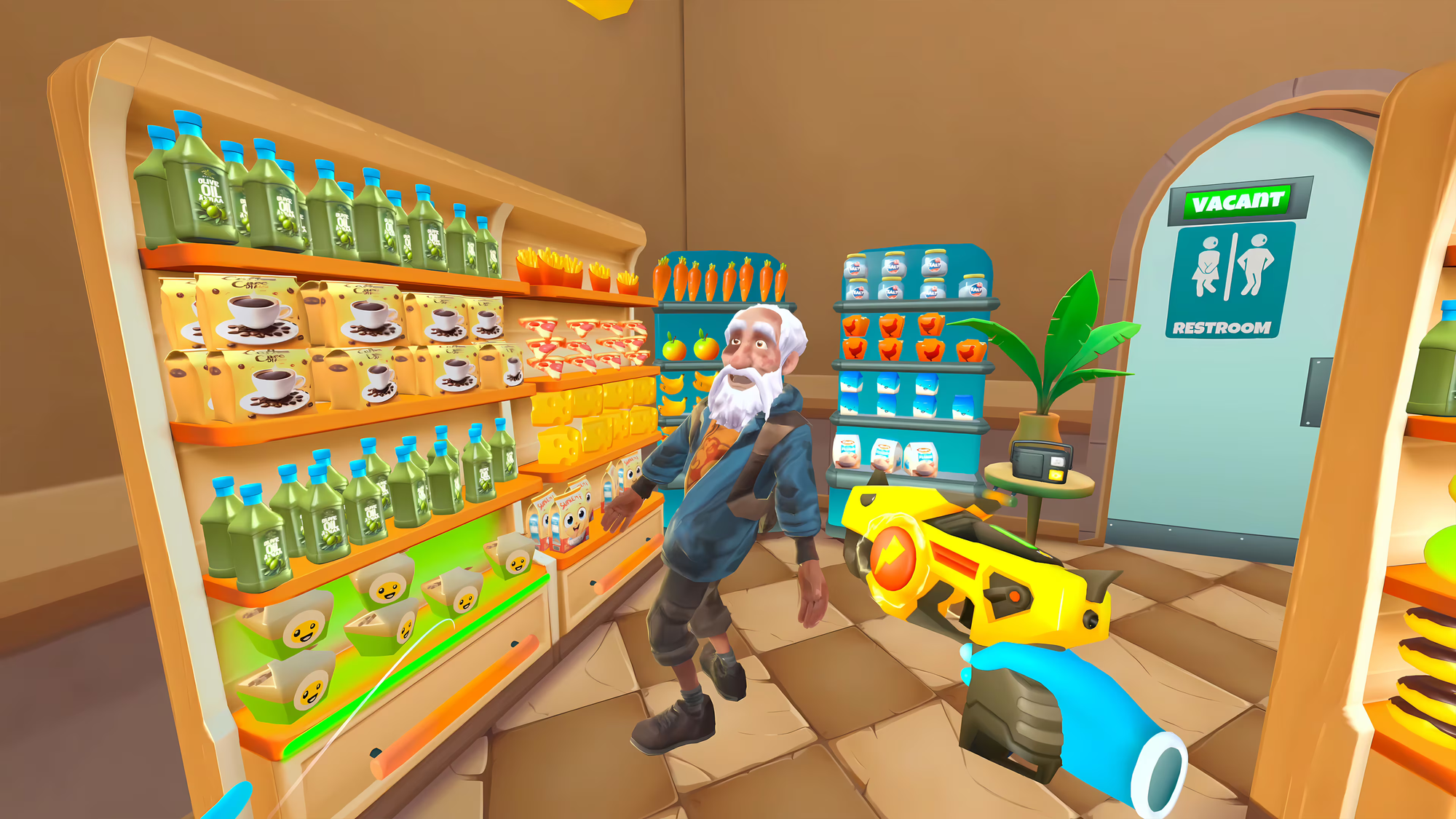
Shop & Stuff continues the '& Stuff' franchise's brand of comical life simulators, challenging players to manage and grow their own supermarket. In addition to maintaining product stock levels and equipment, unruly shoplifters can be physically ejected from the store or run off with a flamethrower. Profits can be reinvested into the business to add new items like self checkout lanes and coffee machines.
Shop & Stuff Boss Update Trailer
The PS VR2 port will include the recent Boss update that dropped on Quest, adding a cantankerous manager who offers helpful tips to maximize profits and tasks to complete throughout the store.
At the time of this article, there is no news on a PC VR release. Shave & Stuff and Pets & Stuff were previously released on Steam in November 2024 and May 2025 respectively.
Shop & Stuff is available now on Quest in Early Access for $13.99. It can be wishlisted on PS VR2 now ahead of its release.
The Apple Immersive series Elevated reaches the Alps in its new Switzerland episode, with its narrative, visual, and audio choices giving these vantage points meaning.
Perspective in the Apple Immersive Video series Elevatedis not just about altitude. It is rooted in how narrative, visual and audio choices work together to give those vantage points meaning.
What Is Apple Immersive Video?
The Apple Immersive Video format is 180° stereoscopic 3D video with 4K×4K per-eye resolution, 90FPS, high dynamic range (HDR), and spatial audio. It's typically served with higher bitrate than many other immersive video platforms.
We highly praised Apple Immersive Video in our Vision Pro review. It's not possible to cast or record Apple Immersive Video though, so you'll have to take our word for it unless you have access to a Vision Pro.
Switzerland is the newest episode of Elevatedavailable, following sweeping journeys over islands of Hawai’i (Episode 1) and Maine (Episode 2).
Across all three episodes of the series so far, a consistent creative approach gives each immersive episode the feeling of an authentic, elevated experience that grounds sweeping landscapes in context and perspective.
Storytelling That Creates A Sense of Journey
Majestic landscapes are never presented as simply beautiful and often unreachable views. Each episode carries visitors over dramatic terrain with local narrators framing these destinations as living, ever-changing environments. From landscapes shaped by powerful forces of nature in Hawai‘i to the breathtaking beauty of autumn in Maine, the episodes reinforce that our earth is alive and constantly evolving. This storytelling makes each journey over the real, visually stunning ultra-high-resolution moments captured in 180-degree stereoscopic video feel that much more precious.
Image for the Maine episode (02) of the Elevated series.
Consistent Scale and Changing Perspectives
Another important creative choice of Elevated is not just the heights it reaches, but the scale it preserves. Visitors’ sense of scale in relation to these environments remains consistent and true to life, creating the sense of presence as oneself within each destination. From a small number of moments where you begin seemingly standing on the ground in Maine and Switzerland, to rising above snowcapped mountains, rugged coastlines, or dense forest - the visitor's proportion to the landscapes holds. This has not always been the case with Apple Immersive content.
Also, while these moments on the ground are limited in the series so far, beginning at ground level before lifting into the grandeur of elevated views makes a meaningful difference. The moment in Switzerland when I'm standing at the base of mountains is now a visceral memory for me, just as much as flying over The Alps. Seeing the detail of fall leaves up close at the beginning of Maine deepened my appreciation for the vast canopy revealed moments later from above. Establishing proportion on the ground reinforces the scale that follows. The contrast is what gives the ascent weight. Elevation feels more powerful when I understand the texture, distance, and human scale of what exists below.
Image for the Hawai'i episode (01) of the Elevated series.
Camera Movement and Transitions That Feel Natural
Movement in immersive experiences is critical to get right when it's not the visitor controlling it. The speed and steadiness of the camera movement in this series offers a consistent almost ethereal quality to the pace of the flights giving visitors time to look around and absorb detail before the perspective shifts. Transitions between views also feel fluid, and not rushed or abrupt. Instead, the change in scene often feels as if perfectly timed to when visitors may have simply chosen to turn their head to look out another window into new scenery. Like previous episodes, Switzerland maintains that discipline, guiding visitors through an expansive journey across the country’s hard-to-reach terrain.
Action Entering From Outside the Frame Challenges Immersion
In the opening scene of Switzerland, the episode begins at ground level, allowing me to register the scale of the surrounding mountains and the quiet beauty of the ice skating path in front of me before ascent. For the first time in the series, it also experiments with introducing people into the opening scene before ascent. Two skaters enter from my right on the ice path and glide ahead in the direction I had already taken in. Instinctively, I turn to see where they came from and meet the edge of the frame of the 180-degree immersive video. In earlier episodes, I was engaged with the details of the evolving landscapes in my field of view and never felt compelled to look beyond them. Here, the entry point pulled my attention outside the designed field of view. Had the skaters entered and locked eyes with me, or stopped to playfully pick up some snow, for example, the moment could have anchored focus forward instead of prompting curiosity toward uncaptured space.
Frictionless Control Expands Moments
Epic content like this benefits from how naturally Apple Vision Pro features can be controlled. The visuals of Switzerland are so expansive and pausing to take them in with a simple gaze and pinch feels instinctive, not disruptive to the sense of immersion. My time in Switzerland felt longer than eight minutes because of that. I paused when up-close with an old castle overlooking a village. I easily found the beginning of the scene to fly right next to the Matterhorn mountain multiple times.
More of This Please
Switzerland reinforces what Elevated consistently demonstrates. Beautifully detailed visuals, compelling narrative, thoughtful pacing and preserved scale work together to create a true sense of journey. In a medium where spectacle is easy, creating the illusion of immersion is harder, especially with a limited field of view. Elevated proves that the most compelling immersive travel experiences are not only defined by where you go, but by how thoughtfully you are taken there with the best technologies available to the storytellers.
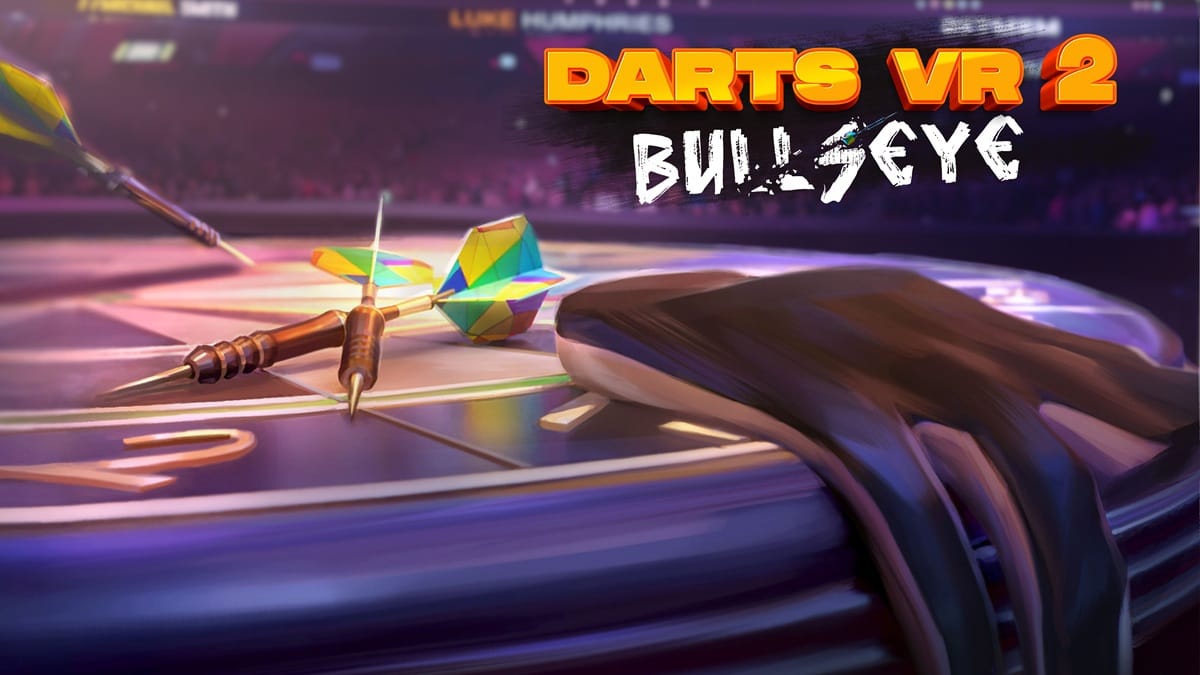
Darts VR2: Bullseye, an arcade-flavored darts game, is coming soon to all major VR platforms.
Gamitronics and Evolution Publishing have announced that Darts VR2: Bullseye is coming soon to Meta Quest, PlayStation VR2, and PC VR via Steam. The sequel to Darts VR combines classic darts games with "high-octane" modes and arcade-style gameplay, perhaps best exemplified by the game's "Zombies" mode, described by the developers as a mode that "will test your aim under pressure as hordes of the undead come for a bite!"
A teaser trailer shows a highly stylized arcade look, with a green zombie's hand shattering the earth, rising up to grip a flaming dartboard. It's pretty intense.
0:00
/0:13
The arcade flavor of Darts VR2: Bullseye is joined by more realistic game modes, such as 501, Around the World, and more. Online leaderboards, achievements, in-game pundit analysis, and customizable cosmetics round out the feature set.
A release date has not yet been announced, but you can wishlist Darts VR2: Bullseye now on the Meta Horizon Store, Steam, and PlayStation.
Launching in Early Access today on Quest, Peak Rhythm seeks to refresh the rhythm genre with pulse-pounding music set against a unique climbing mechanic.
To say I like Rhythm games is a cosmic understatement.
I've poured thousands of hours into the genre. I helped localize the English release of the Dreamcast cult classic Cool Cool Toon, and spent nine months hounding Masaya Matsuura, creator of PaRappa the Rapper, for an interview. When I had the opportunity to speak with Shawn Layden, former President of Sony Interactive Entertainment America, all we talked about was Vib Ribbon.
There's no other way to say it. I am obsessed with rhythm games.
So when I say that Peak Rhythm is a very good musical rhythm game, you've simply got to trust me.
The Facts
What is it?: Musical rhythm game in VR, where you climb to the beat. Platforms: Meta Quest (reviewed on Quest 3S) Release Date: March 5, 2026 Developer: Zeitlos Interactive Publisher: Impact Inked Price:$12.99
0:00
/0:53
It's the Climb
As is typical of many rhythm games, the gameplay hook behind Peak Rhythm is somewhat hard to describe. Despite the developers' somewhat obtuse explanation that Peak Rhythm is "a VR rhythm-climbing game where music drives momentum," I wasn't really sure what to expect. Once I'd spent a few minutes in the game, however, it all began to make sense.
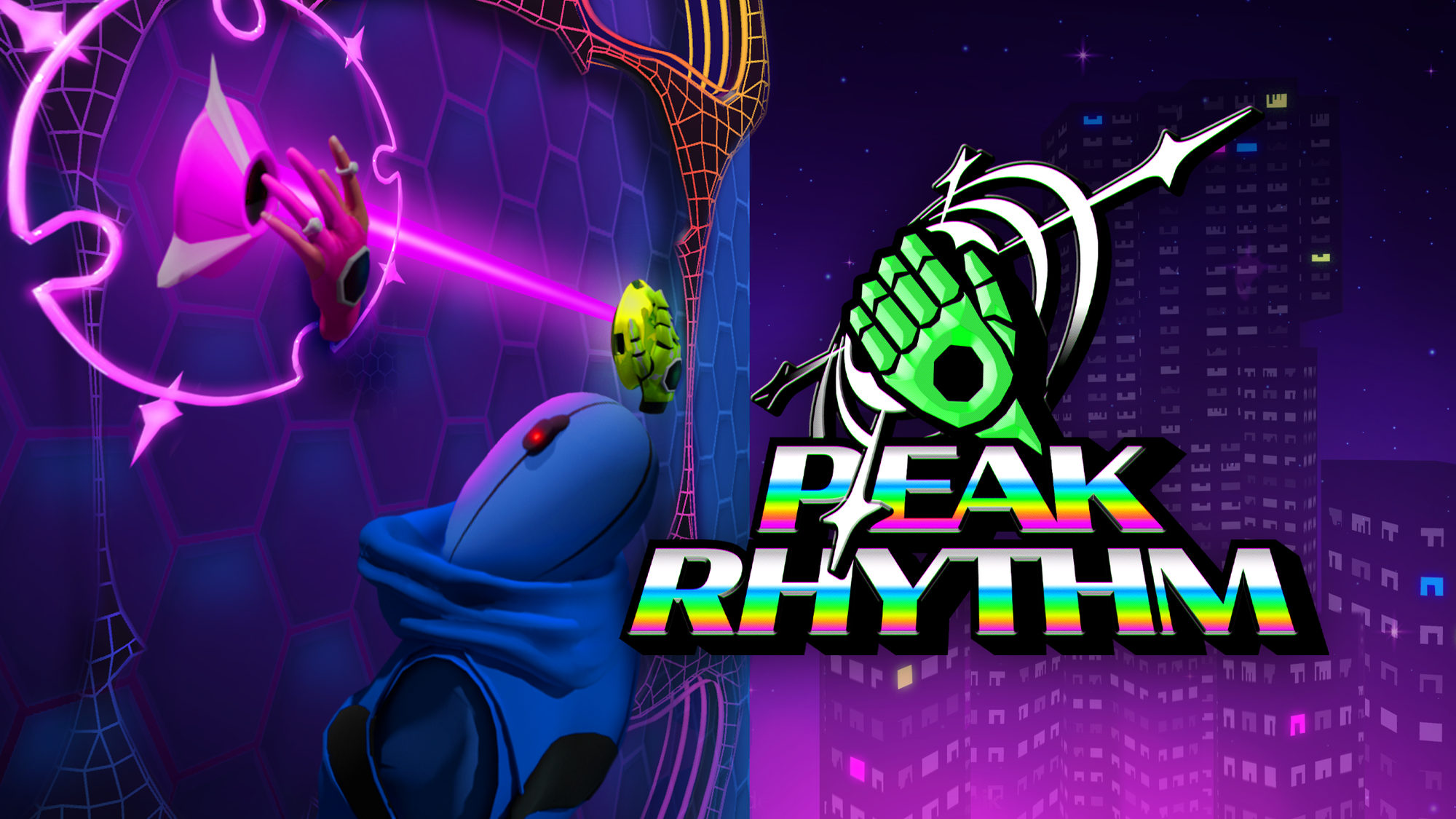
The simplest way to describe Peak Rhythm is to say it's a game in which you climb in time with the music. You begin each stage standing face to face with a bare climbing wall, upon which handholds appear at various times and in various places. These handholds are color-coded, and surrounded by a ring which closes in time with elements of the game's music. The goal of Peak Rhythm is to grab the various handholds with the appropriate hand at exactly the right time (when the ring finishes closing).
Pink handholds are meant to be grabbed with your pink (left) hand, while green handholds are meant to be grabbed with your green (right) hand. Handholds may appear above, below, or to your sides, and on more advanced stages, reaching them may require complicated crossovers, leaps, or drops. Blue handholds can be grabbed with either hand, and it's important to be mindful of what handhold is coming next, after the blue one, so that you have the appropriate hand available when needed.
Grabbing a handhold with the wrong hand or with criminally poor timing will cause you to fall off the climbing wall onto a platform that follows closely beneath (think of it as a rope that doesn't allow you to fall too far). When this happens, you have to scramble your way back up the wall and grab the next available handhold. The music never stops, so getting back into the groove as quickly as possible is important.
Special handholds also exist to spice things up. There's a twist mechanic, in which certain handholds require rotation in time with the music. It's an interesting wrinkle that feels much better in practice than I expected.
The goal of each stage is to grab the handholds at the right time with the correct hand, to scramble yourself along the wall in time with the music. The better you do, the higher you climb in both the game world and on the game's leaderboards.
0:00
/3:45
More Than a Feeling
With music and rhythm games, especially in VR, it's all about feeling. How does the game make you feel? Does the action match with the rhythm? Do you feel like you're experiencing the music in a meaningful way, and does the gameplay support this?
When I saw Peak Rhythm's first gameplay trailer, I had doubts. I couldn't imagine how effectively what I was seeing would translate to a gameplay experience. To be honest, I thought it looked tiresome. By the end of my first climb, I realized I had been wrong.
Peak Rhythm's gameplay is tight and refined, distilled down to an essential core that feels perfect. The act of lifting and placing your hands to the beat of a song is intuitive and instantly rewarding. The songs are well-designed to complement the gameplay, which is intelligently balanced and consistently interesting. There's an intangible element here which exists in all of the best rhythm games, which allows you to ebb into and out of a sort of flow state, where the music and gameplay becomes so well-linked that playing the game feels the same as listening to a great album.
The built-in soundtrack features original tracks spanning several genres, including drum & bass, dubstep, and house, with tracks from FEISTLING, Killin' Void, Ion Diary, and funiel, and while I admittedly hadn't heard of these artists prior to my time with Peak Rhythm, their tunes are consistently great and the entire set list suits the game perfectly.
On top of all that, Peak Rhythm will get you moving. We're not talking about Beat Saber levels of activity, but you will burn a few calories, and that's at least a happy side-effect of playing a fun game.
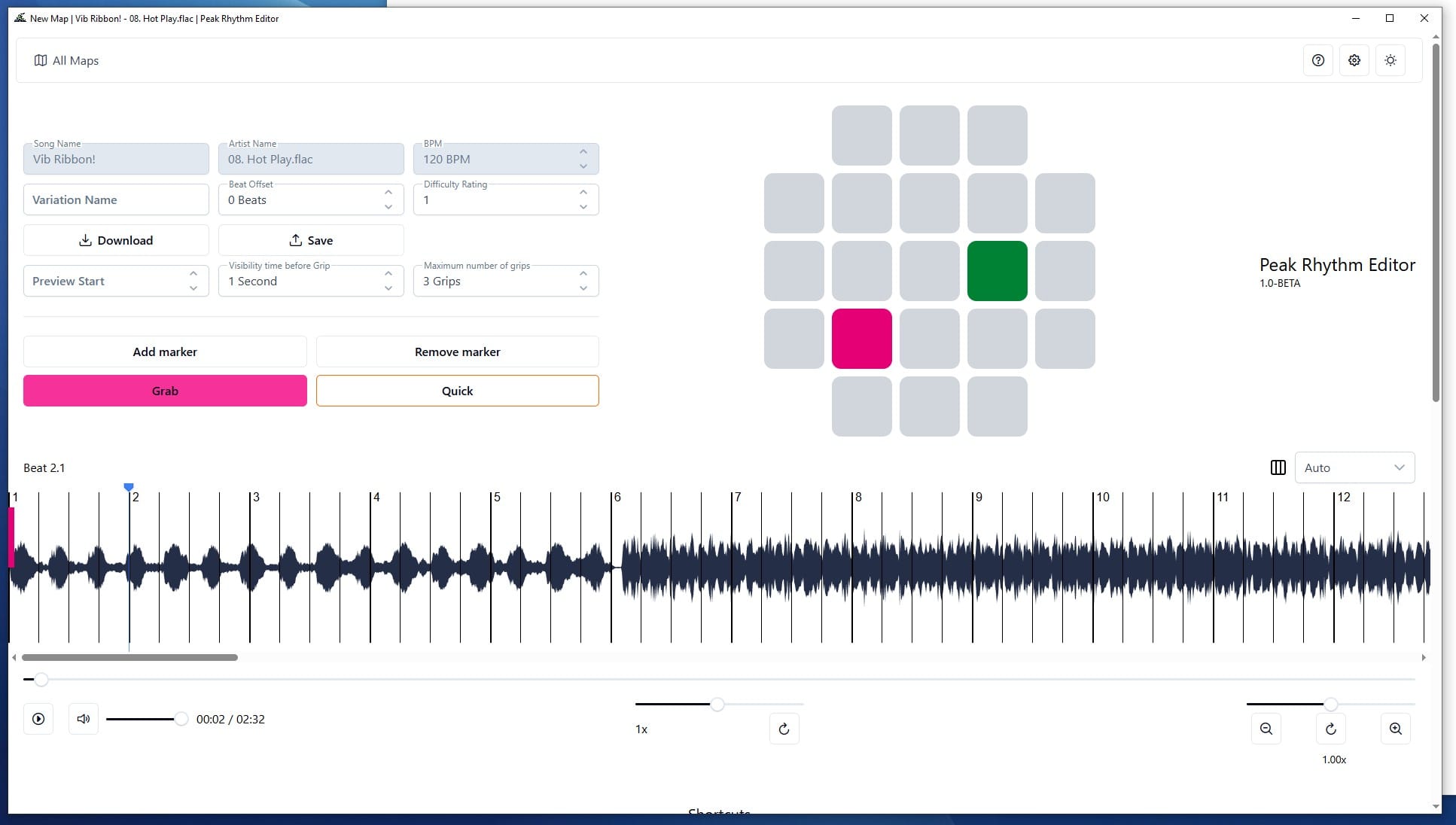
In addition to the game's native tracks, Zeitlos Interactive has also developed a beatmap editor with which users can create their own custom stages using their own music files.
This feature immediately puts me in mind of Sony's Vib Ribbon, which I previously mentioned, a PlayStation game released in 1999 that invented and patented a method for creating custom levels based on the audio files from any CD that the player might insert into the system. While that now-ancient PlayStation game could automatically generate levels from any music file on its own, Peak Rhythm's custom song system relies on human users to do the work of creating a beatmap and custom stage.
Still, user-generated content hypothetically gives the game near-infinite replayability, plus a sort of custom soundtrack perfectly suited to each player's unique taste.
The developers have let me know that "the custom song feature works through a standalone desktop app." And while this hasn't been published during my pre-release play period, I'm told it should be available at launch, and that a "work-in-progress version is currently circulating within Impact Labs (QA and playtesting)."
Screenshot of Peak Rhythm's custom level maker desktop app.
Comfort
Peak Rhythm is playable in sitting, standing, and room scale configuration. In addition, there are numerous options for audio levels, comfort, and accessibility, including input adjustments, and selectable offset for player height.
Trouble
All that said, no game is perfect and Peak Rhythm is no exception. The visuals are uninspired. While this graphical simplicity makes the rhythm gameplay more legible, I can't help but be disappointed by the general lack of visual interest present in the immediate environment, in the backgrounds, in the central starting hub and menus... essentially, everywhere.
We're supposed to be climbing a skyscraper at night. This should be the coolest looking thing I've ever seen. But as it exists today, it's bland.
0:00
/2:56
And while the soundtrack is great, as mentioned, it's still quite limited. This can be forgiven, perhaps, on account of the game's Early Access status and its allowance for custom songs. But I'm reaching. There simply needs to be more music in this musical rhythm game.
Lastly, there's no multiplayer. While a multiplayer mode is planned for an upcoming update "shortly after launch," I can't review features that don't yet exist, nor do I know what shape the game's multiplayer will take. For now, the omission is a notable strike.
It's the End of the Review As We Know It (And I Feel Fine)
On balance, Peak Rhythm is a very good game, and with further development beyond its Early Access period, it could easily become a great one. The team's planned roadmap is ambitious. We'll just have to see how closely and quickly they stick to it.
After spending a few days scrambling up its skyscrapers, leaping, reaching, and scampering along with its eclectic (though limited) soundtrack thumping in my ears, Peak Rhythm feels like a favorite album, a game that I'll return to again and again.
Peak Rhythm is out now in Early Access on Quest for $12.99.
UploadVR uses a 5-Star rating system for our game reviews – you can read a breakdown of each star rating in our review guidelines.
The built-for-Quest puzzle game allows players to piece together full-scale fossils of iconic dinosaurs.
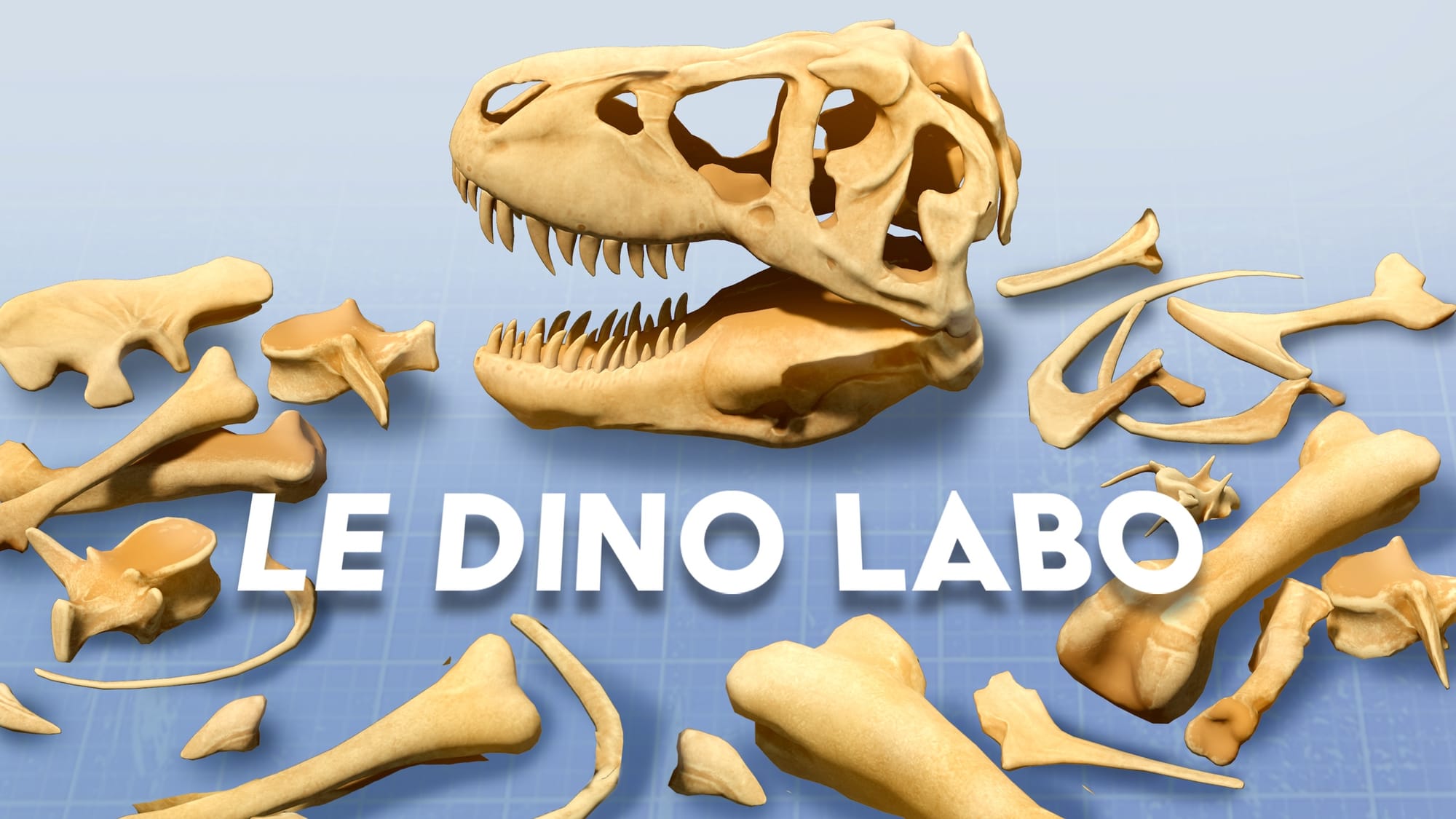
Le Dino Labo is a mixed reality puzzle builder in which players reconstruct fossils of dinosaur skeletons bone by bone. The game uses full hand tracking interaction, allowing fragments of iconic dinosaurs to be examined, rotated, and assembled into complete creatures all within the player's real-world environment. When a dinosaur is completed, it springs to true life size, driving home the sheer enormity of these ancient creatures.
0:00
/0:39
The base game is available now and includes five dinosaurs: Tyrannosaurus Rex, Spinosaurus, Parasaurolophus, Styracosaurus, and the airborne Pteranodon.
In addition to today's release, the game's developers have announced an upcoming DLC, "Jurassic Giants," which includes three species from the Jurassic era, and a roadmap for future updates that includes new themed packs, deeper skeletal manipulation, enhanced environmental integration, and more.
nDreams Near Light and nDreams Compass will be shut down as part of the restructuring.
Veteran developer nDreams has announced another mass restructuring that will result in two of its three studios shutting down and a staff reduction of up to seventy-eight employees at all levels, 'including senior leadership.' This is the troubled studio's third round of layoffs, following similar restructurings in 2024 and 2025. nDreams Compass and nDreams Near Light will be closed with nDreams Elevation remaining as the core business focus moving forward.
nDreams Compass was formed when two previous studios, nDreams Studio Orbital and nDreams Studio, were both shut down. Forty members from those two teams combined to form Compass, with the remaining staff being laid off. Compass's focus was the emerging market of younger VR users, powered by the success of free to play titles like Gorilla Tag. Compass's debut title, Wreckin' Raccoon, a chaotic sandbox experience in the vein of games like I Am Cat, released on Meta Quest in September 2025.
nDreams Near Light's most recent title was Frenzies, a free to play arena shooter that released in Early Access on Quest in October 2024. A planned PlayStation VR2 port was canceled in 2025. It also released Top Hat, a world in Meta's Horizon Worlds in March 2025.
nDreams Elevation, the remaining studio, was first formed in 2022 to focus on high fidelity, AAA-level VR games. Its most recent title was Reach, a cinematic action adventure game plagued by unfortunate PC VR compatibility issues and reports of players getting soft locked and unable to complete the game. The official statement says Elevation currently has around one hundred twenty staff working on various projects.
nDreams is owned by parent company Aonic, who purchased the company for $110 million in 2023.
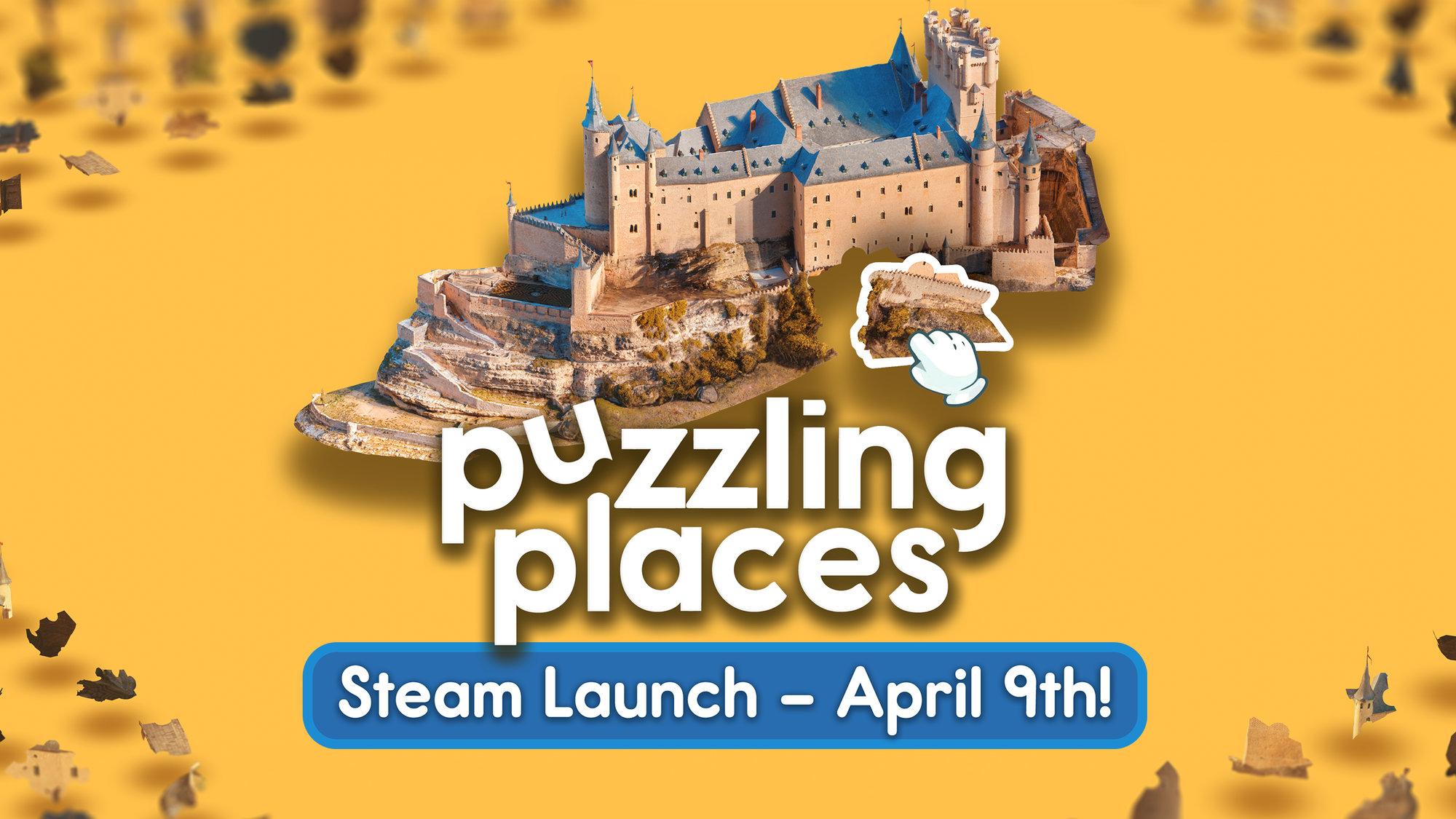
Puzzling Places, a delightful 3D jigsaw puzzle game, will launch on Steam in April.
Realities.io has announced that their VR jigsaw game, known for turning real-world locations into hand-crafted 3D puzzles, is coming to PC VR for the very first time on April 9 via Steam.
Puzzling Places has previously been available on Quest, PlayStation VR2, Pico and Apple Vision Pro, where it has been very popular and cumulatively amassed over 3,000 user reviews. The Steam release brings the game's intricate miniature puzzle scenes to a new audience, along with two game modes (Classic Mode or the guided Journey Mode), and adjustable difficulty levels.
0:00
/0:53
The Steam release has naturally been optimized for VR, but will also be playable as a flat screen experience on desktop and Steam Deck. Cross-device play will allow users to jump from VR to flat screen devices at their leisure.
When Puzzling Places debuted on Meta Quest, our reviewer called it "a resounding success," and "[...] one of the best and most unique puzzle games on the platform."
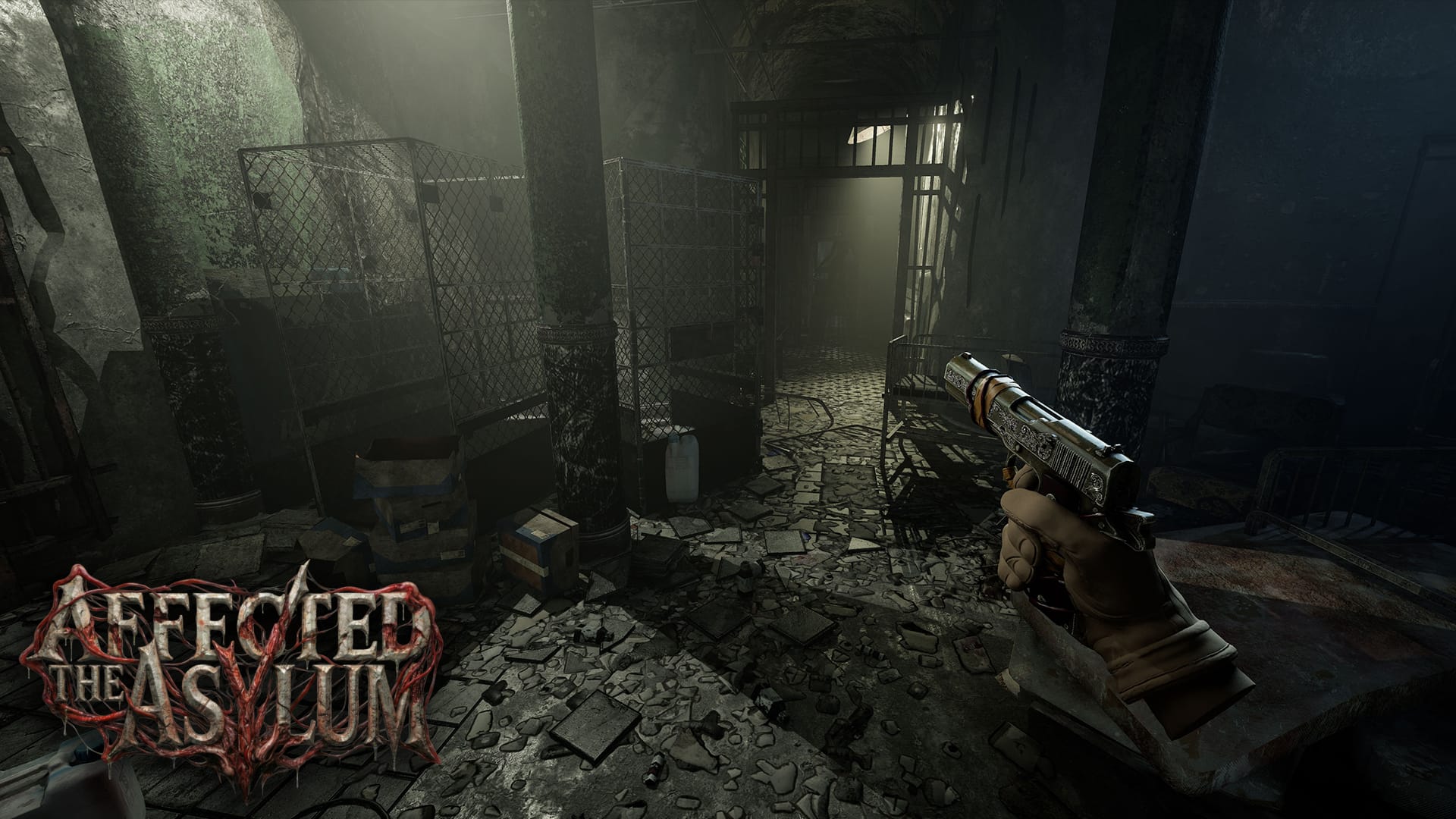
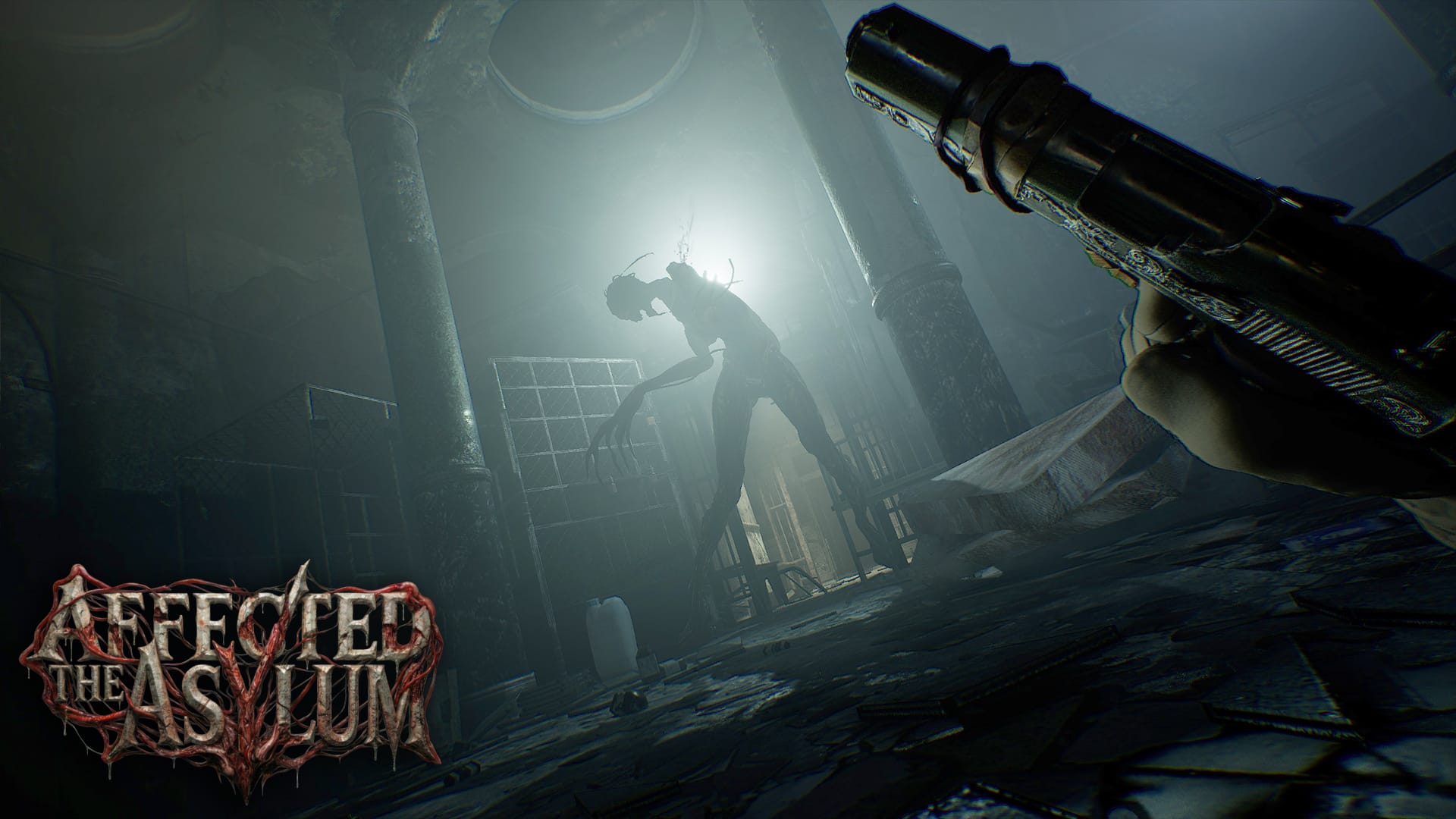
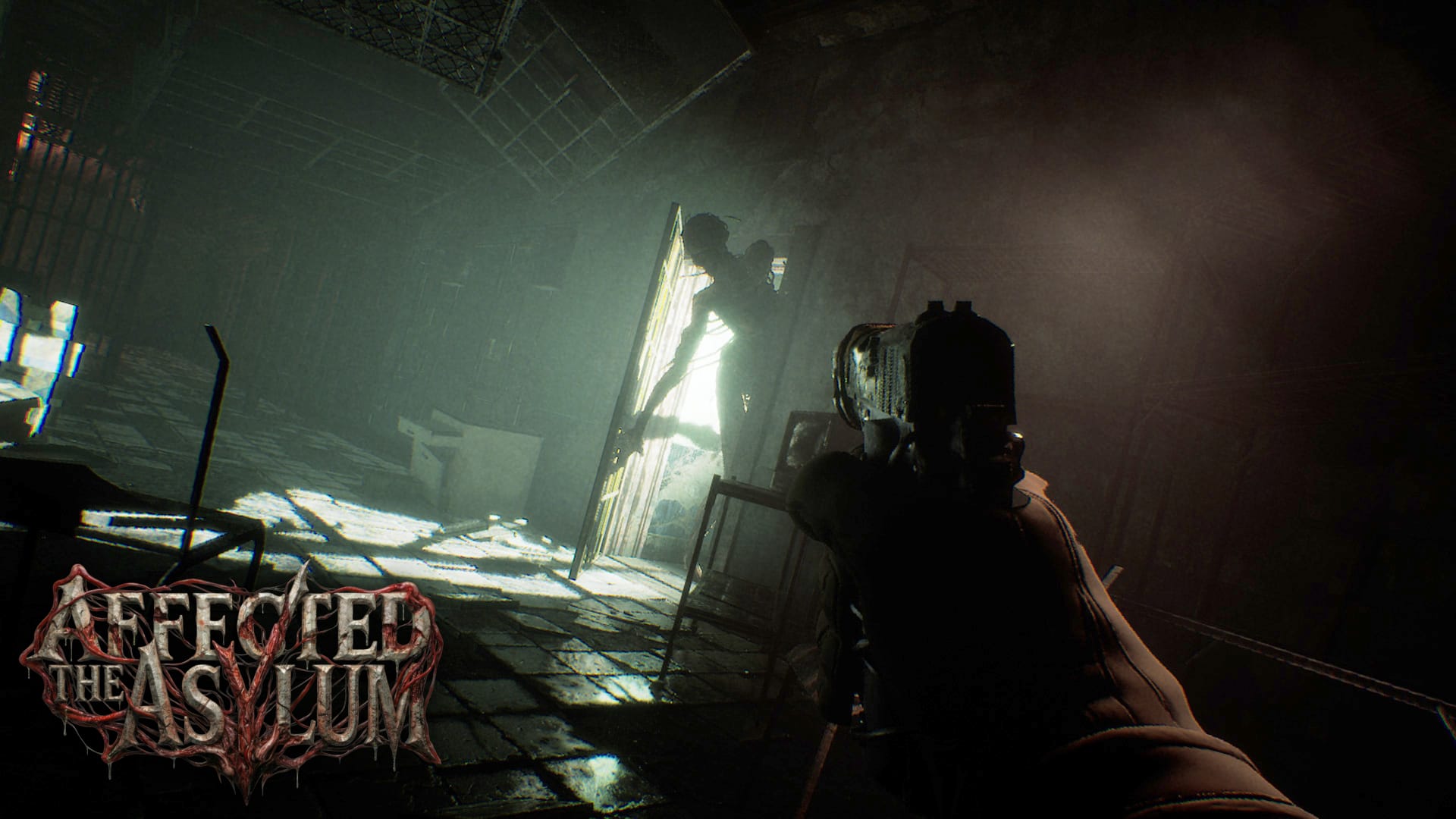
A new trailer and press release gives more details for the follow up to Affected: The Manor.
We first reported back in 2022 that Affected: The Asylum was expected to release on all VR platforms in 2023. Then, in late 2023, the developer announced the game was delayed into 2024. Since then, there has been radio silence – until now.
Developer Dead Boss Games and publisher Evolution Publishing have released a new short teaser trailer and details about the anticipated horror sequel.
0:00
/0:29
The official press release expands on what players can expect in the story.
A sanatorium with a long, dark history, many years ago, the line between medicine and madness was intentionally erased. Controlled by a secretive cult, they used the institution not to treat patients, but to experiment upon them.
Through a series of harrowing procedures, patients were subjected to "The Preparation", a systematic process of indoctrination and physical alteration. Through this process, the cult sought to merge biology with belief, creating a collective hive mind using a parasitic entity known as the "Holy Gift".
Step into the dilapidated remnants of Blackthorne Asylum to discover the cult’s crowning achievement and greatest failure: SUBJECT 357. An employee who was forcibly selected for the "Apex Experiment" after falling foul of the leader, the process broke them. However, what remained was something more than human. They now roam the asylum as an ever-present predator, a warped manifestation of the cult’s ambitions.
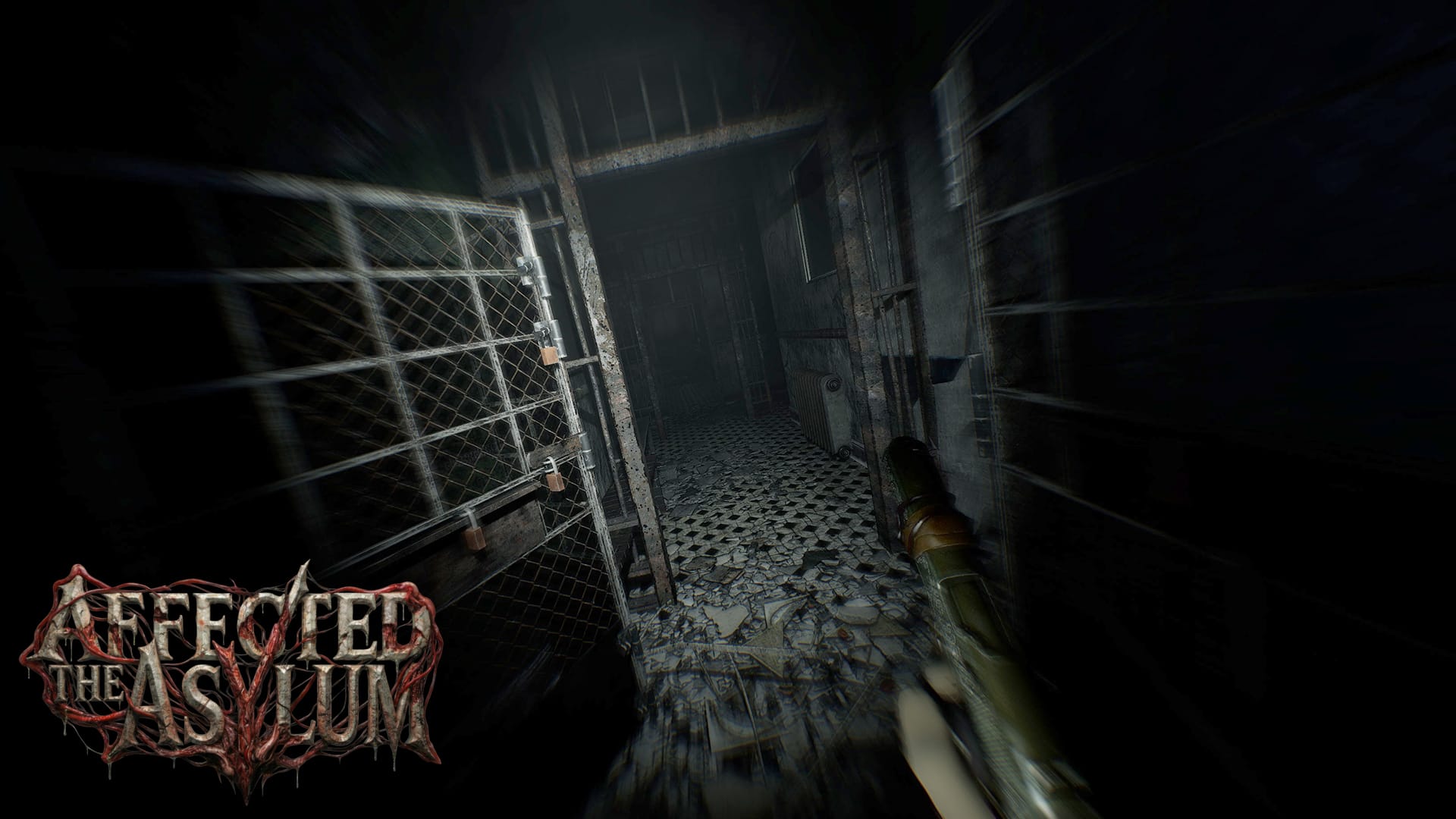
Affected The Asylum screenshots provided by Evolution Publishing
Another takeaway from the new press release is a pivot away from multiplayer. The Asylum was originally announced to have a competitive four player multiplayer mode titled 'The Assessment.' There is no mention of that in the new release and the game is now described as a 'single player psychological survival horror.'
Lastly, Dead Boss Games confirmed to me that it has taken over active development of the game 'with support from Evolution Publishing.' Affected: The Manor was developed and produced by Fallen Planet Studios.
Affected: The Asylum is coming soon to Meta Quest and PC VR in summer 2026.
RUMBLE, a competitive PvP earth-bending game that originally launched in early access on Steam back in 2022, is now on Quest. Read on for our first impressions.
Over the years, RUMBLE has cultivated an active and dedicated community as the developers have continued to evolve their game. Buckethead Entertainment have now brought the full version of RUMBLE to Quest, introducing its notoriously high skill-floor combat to standalone VR.
RUMBLE is a purely online competitive experience with no solo mode to speak of, outside of a training arena designed to help players learn the fundamentals. And trust me - you are absolutely going to need it.
Let’s Get Ready To Rumble
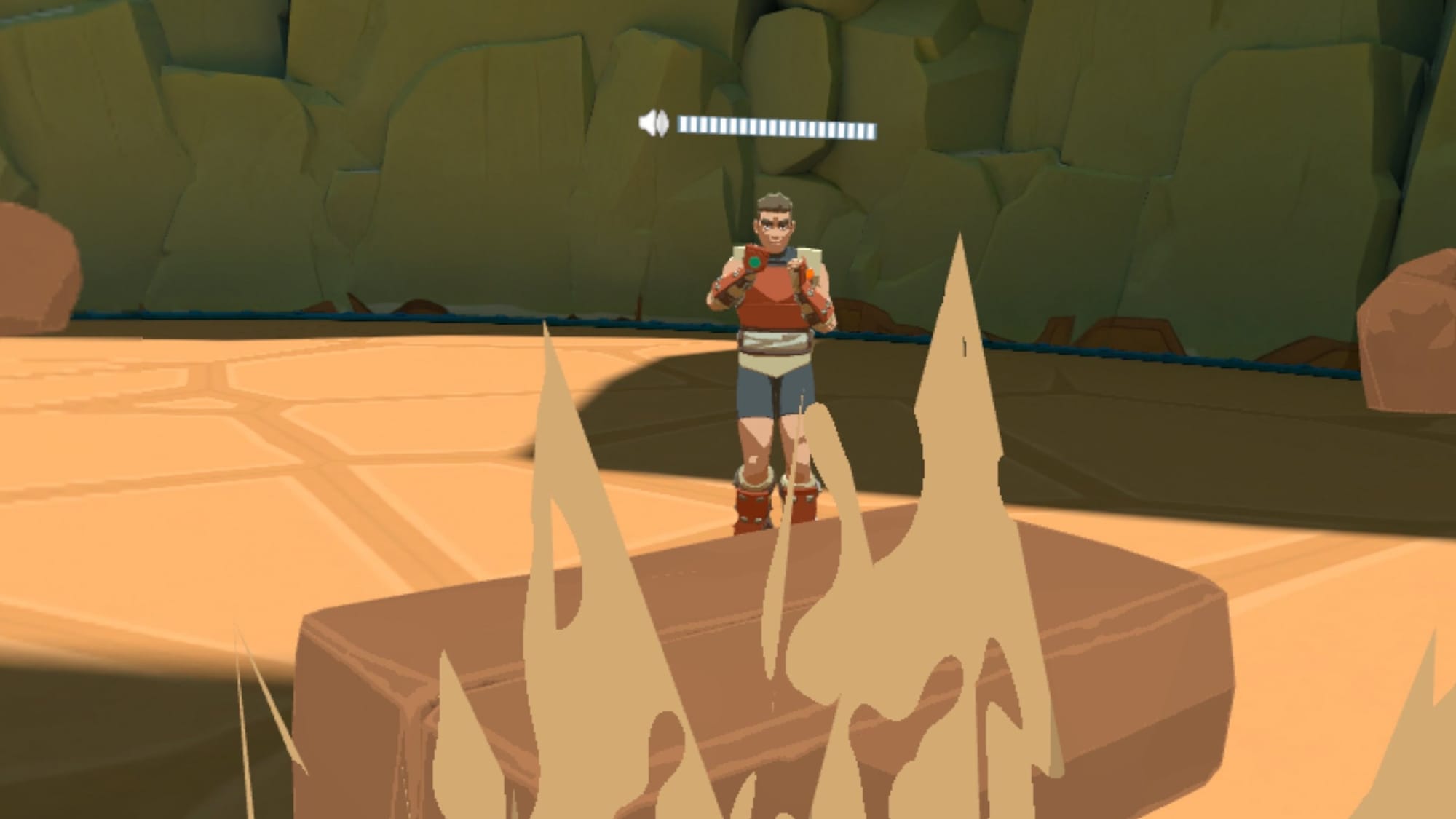
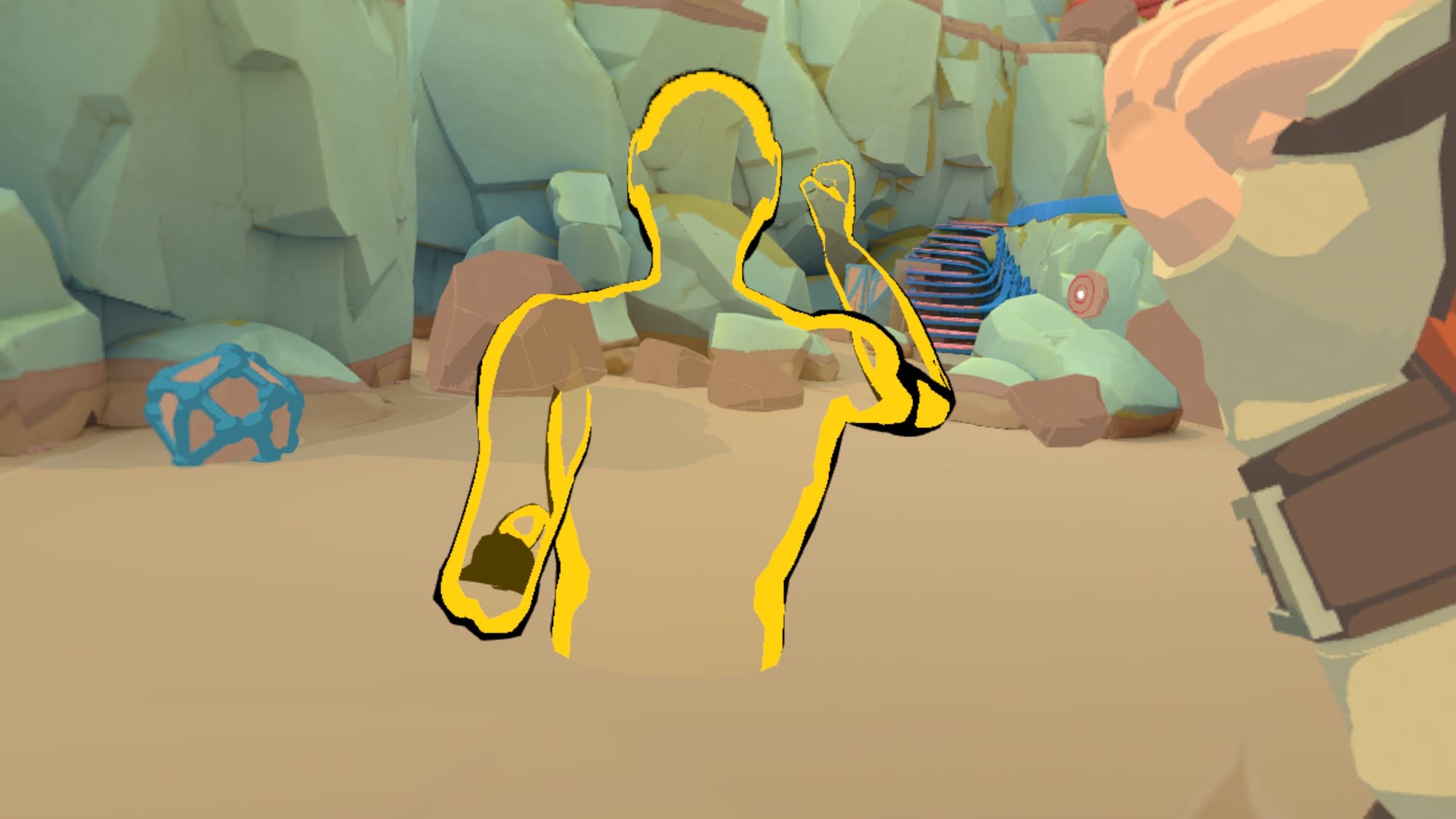
At its core, RUMBLE is built entirely around gesture-based combat. Players manipulate earth-bending abilities through physical poses and movements, summoning rocks and launching attacks against opponents in one-on-one arena battles. The entire experience lives or dies on your ability to correctly perform these gestures, many of which resemble martial arts stances that can be chained together into increasingly complex combinations.
Gesture-based magic systems are among my favourite mechanics in VR, and I’ve played just about every title that experiments with them. That context is important, because when I say RUMBLE is incredibly difficult to learn, it isn’t coming from a place of inexperience. Difficulty here is intentional. The game demands precision, patience and repetition before it begins to reveal what makes it compelling.
Between A Rock And A Hard place
My early encounters with RUMBLE were not especially positive. In fact, during the first hour I genuinely wondered if something was broken. Even when matching the on-screen ghost poses as closely as possible, abilities frequently failed to trigger. Movement also feels unusually slow and even activating the sprint gesture proved frustratingly inconsistent.
At that point, I would have been more than ready to walk away entirely. However, covering the game meant quitting that early wasn’t an option - and thankfully so. After watching several helpful tutorial videos and spending time with members of the community willing to demonstrate proper form, things eventually began to click.
Once gestures shifted from conscious effort to muscle memory, the experience transformed. Summoning rocks and launching attacks stopped feeling like a technical struggle and instead became a fluid expression of learned skill. This is the point where RUMBLE finally comes alive, and if you have the patience to get there, it’s definitely worth the time.
Those Who Throw Stones
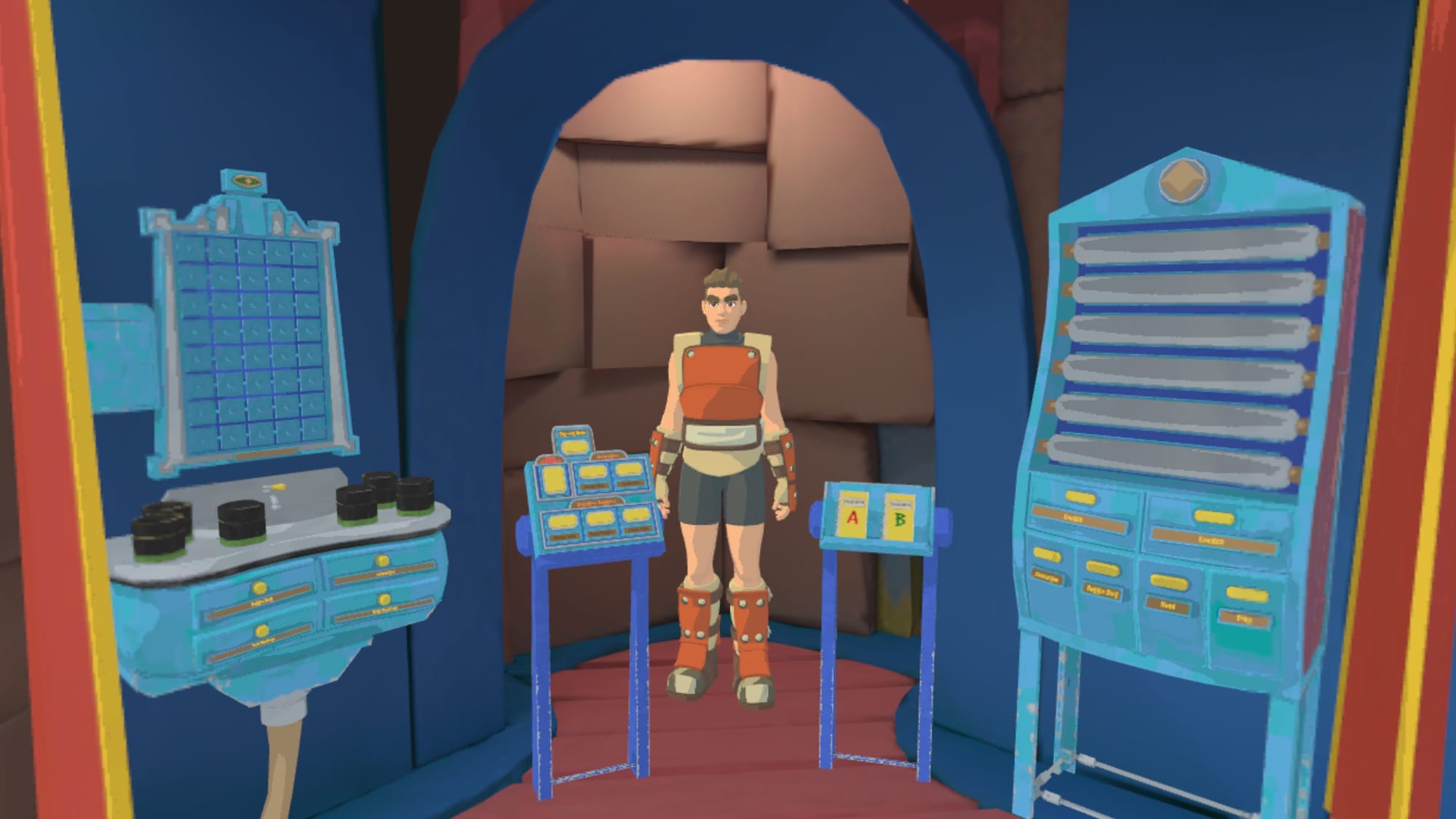
RUMBLE possesses an undeniably deep combat system. Moves can be chained into devastating combos and matches between equally skilled players quickly become tense, tactical duels. The game introduces mechanics gradually through a belt-based progression system which sees new moves unlocked over time.
Initially this restriction felt frustrating, but in hindsight it proves to be an effective way to prevent new players becoming overwhelmed. As experience is earned and new techniques unlock, players steadily expand their combat vocabulary and begin experimenting with more advanced strategies.
0:00
/0:41
Working through some moves in the training arena
The core experience revolves around one-on-one arena battles, though social spaces such as the Park provide more relaxed environments to practice and interact. Through several play sessions at both peak and off-peak hours, matchmaking was consistently active. I was regularly paired with fellow beginners, alongside more experienced players who - encouragingly - often took time to help refine my technique.
There were occasional frustrations common to competitive online games, including players relying on spamming attacks or veterans who showed absolutely no mercy, but these moments were far from the norm.
That said, some of the game’s design choices remain divisive. The painfully unforgiving gesture detection often feels less like genuinely earning a skill and more like unnecessary gatekeeping that is likely to hurt the game's broader appeal. Combined with the slow default movement speed - particularly in the hub area - and the learning process can feel harsher than necessary and the ‘fun’ can take too long to present itself.
Mastering RUMBLE clearly requires dedication, but a slightly more lenient gesture controls would make that journey far more enjoyable without sacrificing any of the game’s depth.
Rock On!
After several hours with RUMBLE on Quest, one thing becomes abundantly clear: this is not a game interested in instant gratification. It is neither easy to learn nor casually approachable. In fact, it is hard to learn and even harder to master.
For players seeking a deep, progression-driven competitive experience - one that rewards patience, practice and genuine skill development - RUMBLE may well become an obsession. Its combat system offers depth once understood, supported by an active community and meaningful mastery curve.
However, those looking for fast-paced, immediately accessible earth-bending action may find the experience overly demanding. If your goal is simply to throw rocks around and have some fun, more arcade-style alternatives like Elements Divided may be more your speed.
The outrageously cute and cozy puzzle game Interlocked: Puzzle Islands is coming to Meta Quest in March.
Developers Puzzle Dev and publisher Armor Games have announced that their extremely popular mobile puzzle game Interlocked: Puzzle Islands is coming to Meta Quest on March 24 with improved immersion and expanded gameplay.
Interlocked is a relaxing puzzle game in which players solve "burr puzzles," ingenious 3D puzzles made of interconnected blocks of wood, where the goal is to slide, spin, turn, and twist pieces to separate the variously complicated assemblies of blocks. Interlocked contains more than 30 puzzles, all set against a cozy backdrop and augmented by a chill atmospheric soundtrack.
0:00
/1:11
You'll experience Interlocked's puzzling journey alongside a baby bird companion, who grows and experiences a "mini story arc" as you progress through the game's many puzzle islands.
Interlocked will be available on Quest on March 24, where you can now wishlist the game. It will also be coming to PC VR via Steam, though a release date for that platform has not yet been revealed.
This not-quite-a-sequel to last year's Alliance Peacefighter requires and rewards patience.
Alliance Peacefighter, an X-Wing and Wing Commander inspired story-driven space sim, just arrived in mid 2025, so it was surprising to see another game in the universe pop up so soon. Developer Urban Logic Games clarified that Battle for the Frontier is more of a side story, a "standalone adventure" set in the same universe.
The Facts
What is it?: A story-driven space simulation. Platforms: PC VR Release Date: February 12, 2026 (demo) Developer/Publisher: Urban Logic Games Price: free (demo)
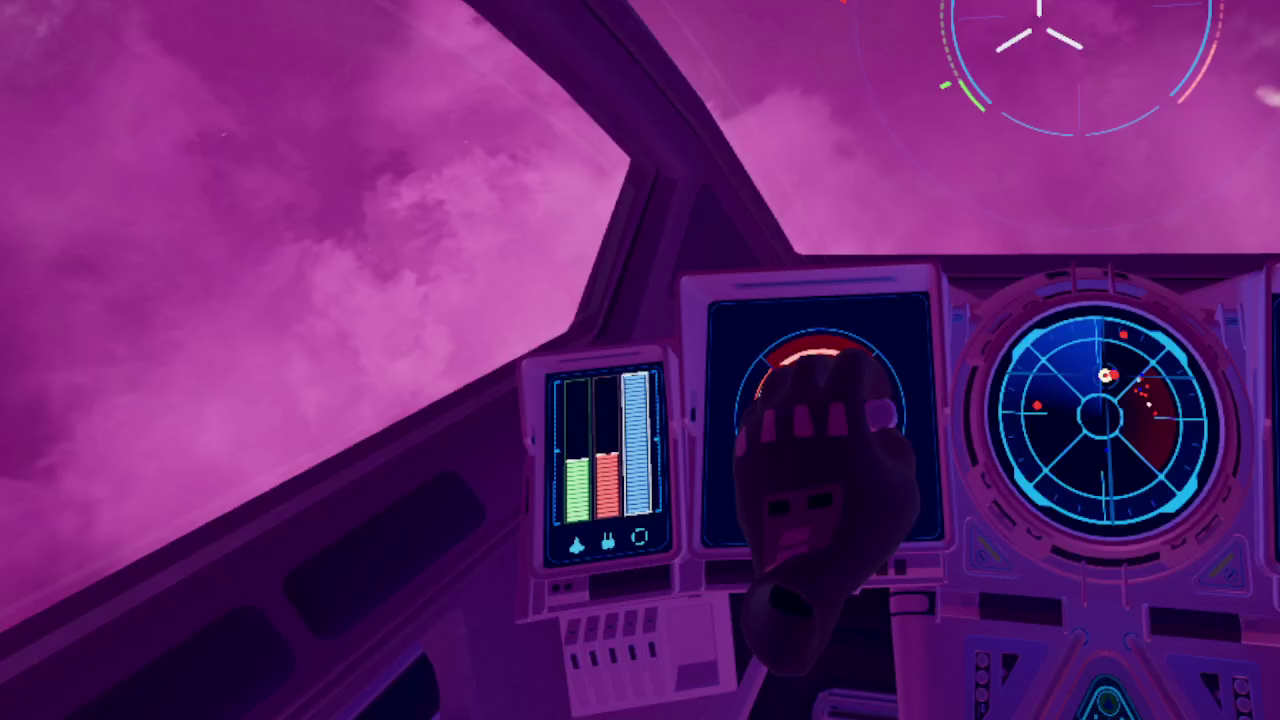
The Alliance universe games are hybrid titles, playable on flatscreen and in VR. I played this demo both ways and while the VR version requires a steeper learning curve, it is absolutely the more rewarding way to play. Battle for the Frontier supports full motion controls, so having spent hundreds of hours dogfighting in games like No Man's Sky and the Warplanes series, I mostly felt right at home. Using the flight stick, throttle, and two sensors on the dash to adjust power between speed, shields, and weapons all felt very natural.
Alliance Tales: Battle For the Frontier Screenshots captured by UploadVR
Battle for the Frontier's controls are very sensitive out of the gate and the slightest twitch on your flight stick will send you spiraling. It took quite some time to fine tune the settings and train myself to make more subtle movements. This requires a lot of patience and trial and error. Thankfully, if killed in battle, the game has the option to respawn in the same place and continue the battle. There are also multiple difficulty settings, options to adjust how well your friendly AIs perform in combat, and even an invincible mode for anyone who wants to experience the story without dying at all.
PC Specs Used
My PC uses a Ryzen 7 9850X3D processor, 32GB of DDR5 RAM, and an RTX 5070 Ti GPU.
The gameplay was conducted using a Meta Quest 3 via the Virtual Desktop on the High preset with the in-game graphics turned to the highest setting.
You can find the minimum and recommended specs on the Steam page to learn more.
Visually, this is not a feast for the eyes. It looks okay, but nothing mind-blowing. Up close, the ships (and nothing in the game, really) do not have a great amount of detail, but something has gone terribly wrong if you're spending a great deal of time right up on a ship to begin with. There are no stop and stare in awe moments here, disappointing for a space sim, but everything looks clean in the headset with no notable performance issues to speak of.
Comfort
Alliance Tales: Battle for the Frontier is a space combat simulation and is not recommended for newer VR users due to the intense movement associated with flight. There are several options to make the game less intense, including motion vignettes and camera shake toggles.
Without spoiling the story, the demo is very straightforward. There's the introductory conversation to explain the mission, then dogfight, conversation, repeat twice more, and done. It all ends on a cliffhanger that I think would have landed better had I played the original game, but the point of a good demo is to either garner a wishlist or an outright purchase. In that respect, mission accomplished. I wishlisted both Alliance games after finishing this demo. It's not perfect, but it's good enough to have earned that.
0:00
/0:54
Combat in Alliance Tales: Battle for the Frontier captured by UploadVR
Alliance Battle for the Frontier can be wishlisted now on Steam and the demo is available for free. The original Alliance Peacefighter is out now on Steam for $23.99 and also has a free demo available.
Update 3/3/26: This article originally erroneously listed Star Wars Squadrons as being another game with VR motion controls and has been edited to fix that mistake.
Wondering what VR games to look forward to in March 2026? Read on.
March is chock full of existing games finding homes on new platforms, games we first got a look at during the first Steam Next Fest in 2026, and the VR return of one of the most popular sci-fi franchises ever.
These dates were sourced from a combination of developer posts, store listings, and press releases and are subject to change. We will update this article if and when any dates are changed.
Iron Guard Salvation - March 5 (PS VR2)
Iron Guard Salvation is the sci-fi RTS tower defense sequel to 2021's Iron Guard. Salvation continues the story from the first game of humanity's struggle against a sentient planet and its relentless waves of terraforming robots. Iron Guard Salvation is already available on Quest and PC and this month PlayStation VR2 players can join the battle.
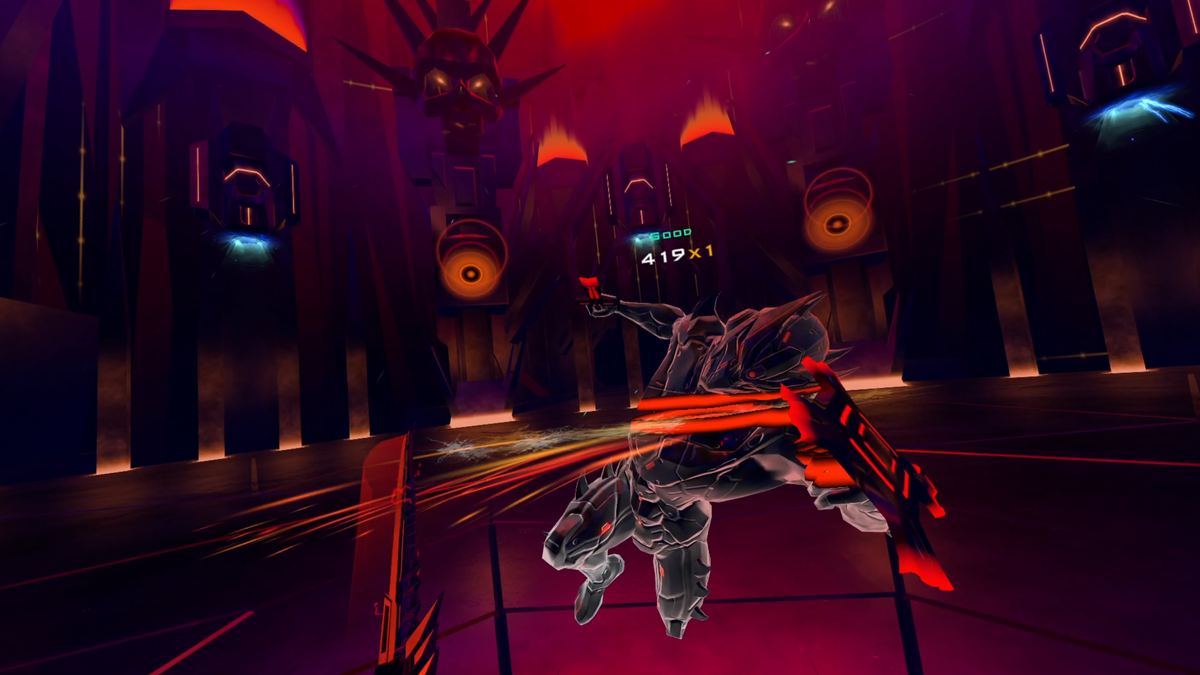
Rhythm games have always been a popular genre for VR, so much so that the concept has extended into other genres with shooters like Metal Hellsinger VR and the classic Pistol Whip and combat titles like Rager (see below). Peak Rhythm, releasing on Meta Quest in Early Access, combines rhythm based movement with climbing. Players power a giant platform up vertical structures by grabbing handholds in time to music.
Speaking of rhythm gameplay crossing into other genres, rhythm-combat game Rager slices its way onto PS VR2 after previous stops on Meta Quest and PC VR. This port will come with all of the additional content added to the other two platforms post release and will run at a native ninety frames per second with head haptics and eye tracked dynamic foveated rendering.
Continuing with rhythm games, DrumBeats VR follows Rager on the move to PS VR2. Similar to Smash Drums, players take control of a full virtual drum set, rocking out to an eclectic soundtrack. DrumBeats is also available on Quest and PC VR.
After a lengthy Early Access period packed with added content, features, and quality of life updates, survival thriller Bootstrap Island moves to a full 1.0 release. The 1.0 update will include the conclusion of the survivor's campaign, the introduction of a bartering system with a tribe native to the island, and a new boss encounter. Bootstrap Island has also been announced for PS VR2, but no release date is available at this time.
Parkour Labs, an '80s and '90s vaporwave-inspired parkour game, jumps from Steam to PS VR2 and Quest in mid March. This one is a hybrid title, with VR support on PS5 being listed as optional, no indication of VR support for its initial PC release, and it will also launch on Nintendo Switch and XBox Series.
Perikoto is a short horror experience spent trekking through a snow covered landscape to discover the mysteries of a lighthouse, all with a hidden creature lurking in the nearby woods.
Skyleap is a non-stop parkour action game from Xocus, most recently known for ExoCars. It is available now for PS VR2 and expands to PC VR and Quest this month.
Orbital Overdrive was recently featured in the first 2026 Steam Next Fest. This roguelite twin stick arena shooter has players rotating around a planet defeating waves of enemies to get weapon upgrades and carve out a space on the leaderboards.
Maid of Sker VR was originally scheduled for release in November 2025 until developer Wales Interactive announced a delay to March. This survival horror based on Welsh folklore is a VR port of the 2020 flatscreen equivalent.
Wacky slice-of-life simulators have exploded in popularity in the last few years. Playway and Driment Studio hope to continue that trend putting players in the role of a prison guard navigating the day to day rigors of a life spent in the company of incarcerated criminals. This was originally announced as coming to all VR platforms back in 2023.
Another from the recent Steam Next Fest, GunX focuses on gun assembly with head to head PVP, shooting ranges, and of course, zombies. GunX originally released for Meta Quest headsets in May 2025.
Bloxer, from Incuvo (Green Hell VR, Tracked: Shoot To Survive), is a nine player party game that adds a physical twist to the standard match-4 formula. Players have to physically punch (jab, hook, uppercut) the bot in front of them to move their blocks and set up their combos.
VMX utilizes gesture-based movements to pull off tricks on motocross bikes, scooters, and mountain bikes in a multiplayer skatepark. Players will also be able to customize their vehicle and purchase clothing for their avatars from an in-game shop. It will start in Early Access on PC VR on March 26, with the Quest port to come later.
Beyond Sandbox is a multiplayer sandbox experience built in Unreal Engine 5 with a heavy emphasis on community modding. Aside from the sandbox mode, it also has a competitive shooter and zombie horde modes available.
March closes out by boldly going where no VR Star Trek title has gone before: into the realm of horror. Another game that was originally scheduled for 2025, Played With Fire's Trekkian survival horror title comes to PC VR and Quest at the end of the month.
If there's a game we've missed that you'd like us to add or the information is incorrect/outdated, please email tips@uploadvr.com or use our Contact Us page to get in touch.
* denotes a game that either is currently available in early access on that platform, or a game that will have been released in early access by that time.
** denotes an early access launch.
UPDATE: March 4
This article has been updated to add Bloxer and Beyond Sandbox
The Amusement, a VR narrative adventure game, is launching on Quest and PC VR in April.
ARTE France and German VR studio Curvature Games have confirmed that their VR narrative adventure, The Amusement, will be launched on April 16.
The game puts players in the shoes of Samantha Burkhart, a young woman who returns to her late father's derelict amusement park to solve puzzles, resurrect the park's broken rides, and work through the riddle of her family's troubled past.
0:00
/0:49
We recently previewed a demo of The Amusement, which released as part of Steam Next Fest, and found it to be a captivating experience with just one simple flaw: its omission of smooth locomotion detracts from an otherwise wonderful puzzle game.
Still, our writer concluded, "If you enjoy story-based puzzle games and have been waiting for a new one after last year's stellar Ghost Town, this is one to watch."
The Amusement is coming to Meta Quest and Steam on April 16.
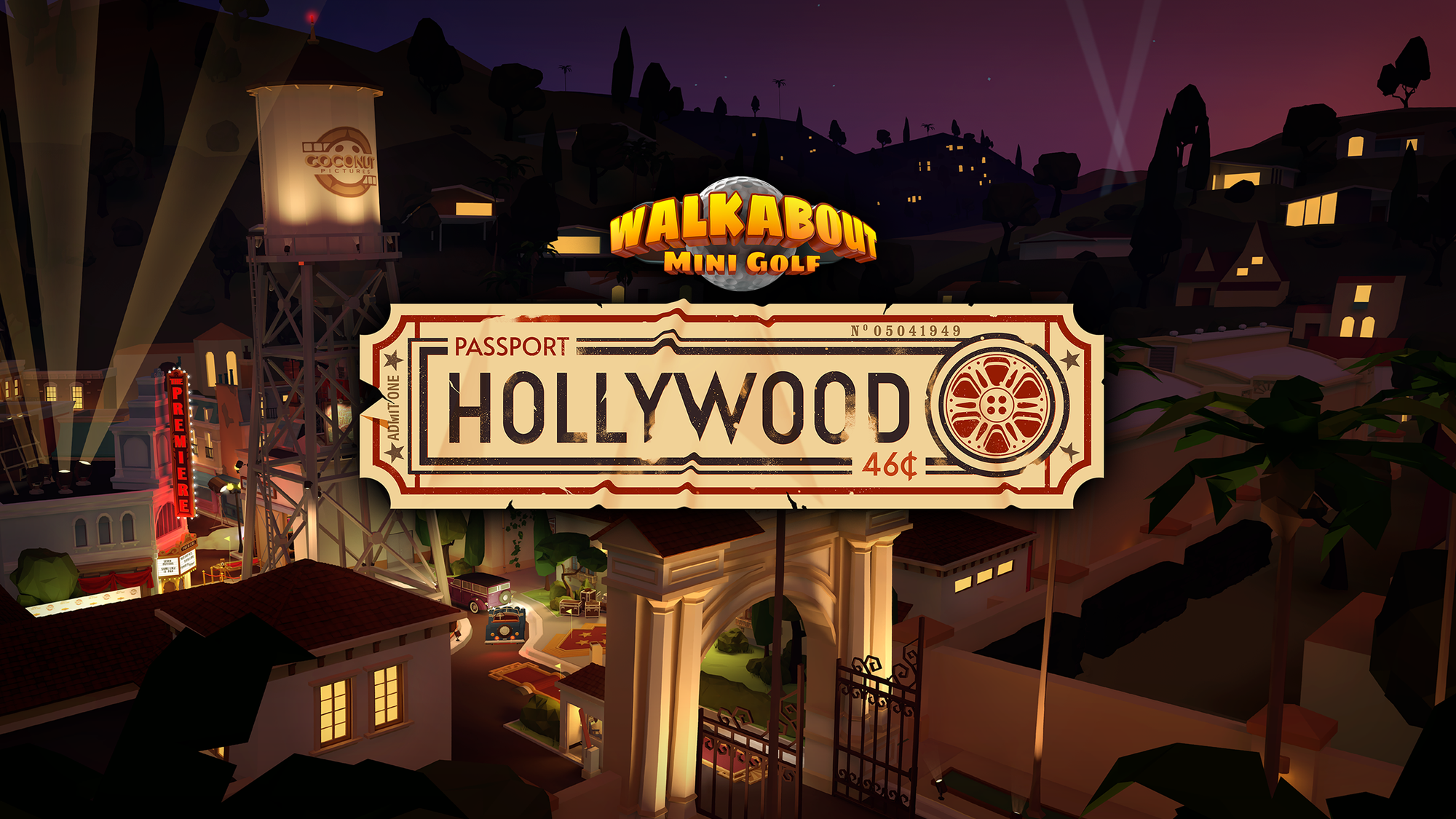
The third course in Walkabout Mini Golf's Passport series takes a trip back to the golden age of filmmaking.
The thirty-ninth course for Walkabout Mini Golf has been confirmed to be Passport: Hollywood. This is the third Passport entry, following trips to Venice and Tokyo. This new DLC is scheduled for March 12 for $4.99.
Prior to VR development, the team at Mighty Coconut spent ten years working in animation and VFX for Hollywood features and series. Many of its current team members have film backgrounds, so Passport Hollywood doubles as a love letter to the company's cinematic roots.
March 12 is also three days before the annual Academy Awards, so the timing for this course lines up with an increased attention on the filmmaking industry.
Passport Hollywood is the first DLC for Walkabout under its new pricing structure, which was announced as part of a restructuring within Mighty Coconut following a twenty-five percent staff layoff. There will also be a reduction in DLC courses in 2026, going from seven to six and development of the iOS version will sunset sometime in the near future.
We will have full coverage of the Passport Hollywood course when it releases next week.
Arizona Sunshine Remake and The Pirate: Republic of Nassau are the Horizon+ monthly games on Quest for March.
March 2026 brings several new games to the Horizon+ Monthly Games Catalog, including the zombie slaughter-fest Arizona Sunshine Remake, and the swashbuckling adventure The Pirate: Republic of Nassau.
Beat Saber, GOLF+, Spatial Ops, and The 7th Guest VR also make their way to the catalog. Previously redeemed games will remain in your library while subscribed to the service.
Here's what you need to know about this March's offerings.
Arizona Sunshine Remake
0:00
/1:37
Arizona Sunshine Remake is the definitive updated refresh of 2016's Arizona Sunshine, an award-winning VR shooter that debuted even before standalone VR. Arizona Sunshine Remake brings updated high-res textures, co-op multiplayer, delightfully gruesome gore, and includes all of the original game's DLC and updates in one package. Our review said it best. "It’s hard not to recommend grabbing Arizona Sunshine Remake."
The Pirate: Republic of Nassau
0:00
/0:46
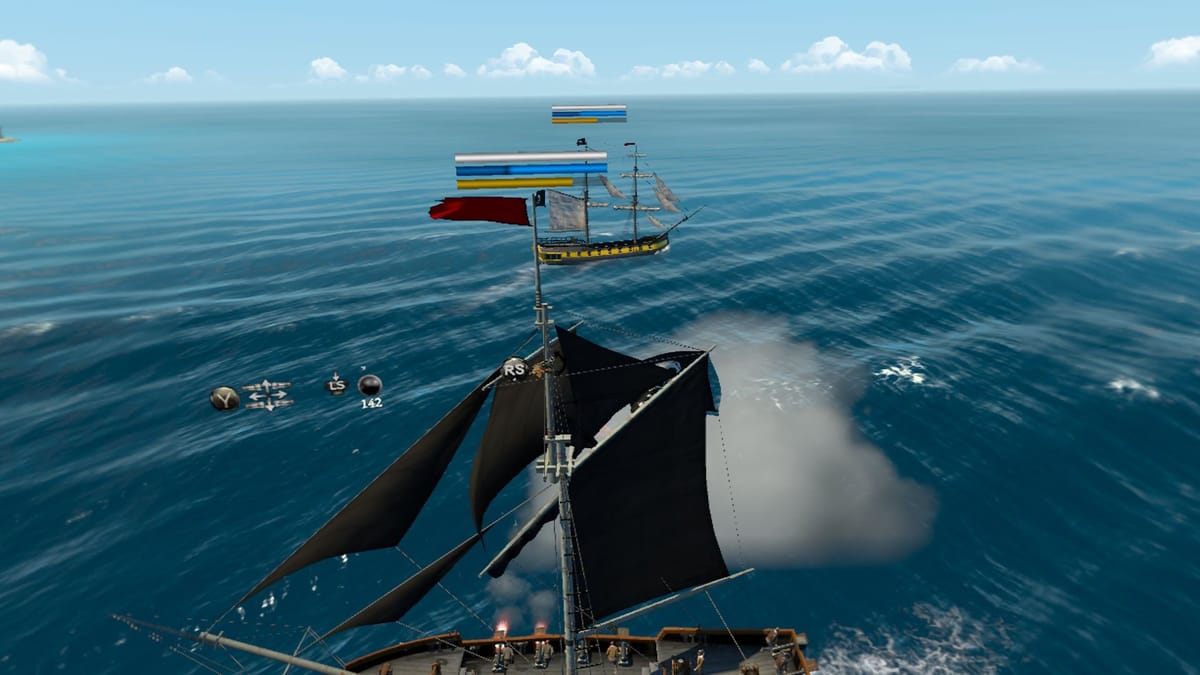
In The Pirate: Republic of Nassau, you'll command pirate ships and experience the early 18th century life as a true sea captain. Beginning in Nassau, the heart of pirate culture, you'll engage in naval battles, recruit legendary pirates, explore and expand Nassau, and build your privateering fleet. Our review called it "a worthwhile golden age of piracy fantasy."
Horizon+ continues offering a Games Catalog of Quest titles that any subscriber can access. Meta can add new games to and remove games from the catalog at any time. Here is the current Horizon+ Games Catalog in the US:
Angry Birds VR: Isle of Pigs
Asgard’s Wrath 2
Assassin’s Creed Nexus VR
Beat Saber
Blacktop Hoops
Cubism
Deisim
Demeo
Demeo Battles
Dungeons of Eternity
Final Fury
Fruit Ninja 2
Ghosts of Tabor
GOLF+
Green Hell VR
Grimlord
Human Fall Flat VR
I Expect You To Die 3
iB Cricket
In Death: Unchained
Into Black
Into the Radius
Job Simulator
Kingspray Graffiti
Les Mills Bodycombat: Fitness Workouts
Maestro
Medieval Dynasty New Settlement
Moss
Onward
Pets & Stuff
Pistol Whip
Premium Bowling
Project Demigod
Puzzling Places
Racket Club
Real VR Fishing
Red Matter
Red Matter 2
Spatial Ops
Starship Home
Synth Riders
The 7th Guest VR
The Climb 2
The Light Brigade
The Thrill of the Fight
Thief Simulator VR: Greenview Street
Titans Clinic
Townsmen VR
Walkabout Mini Golf
War of the Worlds
Zero Caliber: Reloaded
Horizon+ Indie Catalog Games
Meta continues to add new games to the separate Indie Games Catalog, and you can see the entire list here.
Alvo
Apex Construct
Arcade Paradise VR
Battlenauts
Bocce Time!
Cactus Cowboy - Desert Warfare
Chess Club
Coffee Quest VR
Crumbling
Cybrix
Darksword: Battle Eternity
DIG VR
Disc Frenzy
Discovery 2
Elysium Trials
Espire 1: VR Operative
Final Overs - VR Cricket
Galaxy Kart
Ghost Signal: A Stellaris Game
Gravity League: Galactic Football
Hide The Corpse
I Am Hamster - Simulator
Innkeeper VR
Ironlights
IRON GUARD
Killer Frequency
LAX VR
Laser Thief
Make It Stable - Kids & Family Fun!
Motion Soccer PRO
Mythic Realms
Noun Town Language Learning
Operation Serpens
Retropolis 2: Never Say Goodbye
Rogue Ascent VR
Rogue Piñatas: VRmageddon
RUNNER
Shooty Fruity
Slot Car VR
Space Elevator
Squingle
Stupid Cars
Sushi Ben
Tactica
Taiko Frenzy
The Curious Tale of the Stolen Pets
The Pirate Queen with Lucy Liu
The Secret of Retropolis
The Wizards
Tiny Archers
Towers and Powers
ULTIMATE SWING GOLF by Clap Hanz
Underworld Overseer
Vibe Punch
We Are One
Windlands 2
Meta Horizon+ is a subscription service that gives players access to a monthly selection of games for $7.99 USD per month, or $59.99 USD a year. New users can give Meta Horizon+ a try for a month.
 Connexion