Learn how newly discovered Purgatorius fossils in Colorado’s Denver Basin are filling gaps in the Paleocene fossil record and clarifying early primate evolution after the dinosaur extinction.
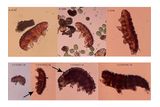
Learn how water bears (tardigrades) reacted to simulated Martian regolith, what the results reveal about toxic compounds in Martian soil, and why washing the soil could help future space missions grow food.
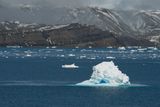
Learn how 30 years of satellite radar data mapped Antarctica’s grounding lines and revealed more than 10 Los Angeles–sized areas of grounded ice loss in vulnerable regions.
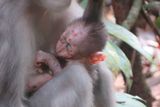
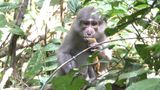
Learn more about an Mpox outbreak among a group of wild monkeys that consumed a fire-footed rope squirrel, and how the rodent is a natural reservoir for the virus.
Learn how dogs, cats, and toddlers were tested for spontaneous helping behavior — and why evolution may explain why most dogs tried to help while cats rarely did.
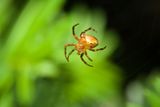
Learn how brown recluse spiders in Florida are localized, reluctant to bite, and far less likely to cause severe necrotic wounds than commonly believed.
Forever chemicals are widespread and difficult to remove. A new sunlight-powered method could help detect and break down these pollutants that threaten human health and the environment.
 Connexion