If you have ever watched a basketball match, you will know that along with the sound of the ball being bounced, there is also the constant squeaking of shoes as the players move across the court.
Such noise is a common occurrence in everyday life from the scraping of chalk on a blackboard to when brakes are applied on a bicycle.
Physicists in France, Isreal, the UK and the US have now recreated the phenomenon in a lab and discovered that the squeaking is due to a previously unseen mechanism.
Previous studies looking at the effect suggested that “pulses” are created when two materials “stick and slip”, but such studies focused on slow movements, which do not create squeaks.
The team instead found that the noise was not caused by random stick-slip events, but rather deformations of the rubber sole pulsing in bursts, or rippling,across the surface.
In this case, small parts of the sole change shape and lose and regain contact with the surface, with the “ripple” travelling at near supersonic speeds.
The pitch of the squeak even matches the rate of the “bursts”, which is determined by the stiffness and thickness of the shoe sole.
The authors also found that if a soft surface is smooth, the pulses are irregular and produce no sharp sounds, whereas ridged surfaces – like the grip patterns on sports shoes – produce consistent pulse frequencies, resulting in a high-pitched squeak.
In another twist, lab experiments showed that in some instances, the slip pulses are triggered by triboelectric discharges – miniature lightning bolts caused by the friction of the rubber.
Indeed, the physics of these pulses share similar features with fracture fronts in plate tectonics, and so a better understanding the dynamicsthat occur between two surfaces may offer insights into friction across a range of systems.
“These results bridge two fields that are traditionally disconnected: the tribology of soft materials and the dynamics of earthquakes,” notes Shmuel Rubinstein from Hebrew University. “Soft friction is usually considered slow, yet we show that the squeak of a sneaker can propagate as fast as, or even faster than, the rupture of a geological fault, and that their physics is strikingly similar.”
An international team of researchers has shown that superconductivity can be modified by coupling a superconductor to a dark electromagnetic cavity. The research opens the door to the control of a material’s properties by modifying its electromagnetic environment.
Electronic structure defines many material properties – and this means that some properties can be changed by applying electromagnetic fields. The destruction of superconductivity by a magnetic field and the use of electric fields to control currents in semiconductors are two familiar examples.
There is growing interest in how electronic properties could be controlled by placing a material in a dark electromagnetic cavity that resonates with an electronic transition in that material. In this scenario, an external field is not applied to the material. Rather, interactions occur via quantum vacuum fluctuations within the cavity.
Holy Grail
“The Holy Grail of cavity materials research is to alter the properties of complex materials by engineering the electromagnetic environment,” explains the team – which includes Itai Keren, Tatiana Webb and Dmitri Basov at Columbia University in the US.
They created an optical cavity from a small slab of hexagonal boron nitride. This was interfaced with a slab of κ-ET, which is an organic low-temperature superconductor. The cavity was designed to resonate with an infrared transition in κ-ET involving the vibrational stretching of carbon–carbon bonds.
Hexagonal boron nitride was chosen because it is a hyperbolic van der Waals material. Van der Waals materials are stacks of atomically-thin layers. Atoms are strongly bound within each layer, but the layers are only weakly bound to each other by the van der Waals force. The gaps between layers can act as waveguides, confining light that bounces back and forth within the slab. As a result the slab behaves like an optical cavity with an isofrequency surface is a hyperboloid in momentum space. Such a cavity supports a large number of modes and vacuum fluctuations, which enhances interactions with the superconductor.
Superfluid suppression
The researchers found that the presence of the cavity caused a strong suppression of superfluid density in κ-ET (a superconductor can be thought of as a superfluid of charged particles). The team mapped the superfluid density using magnetic force microscopy. This involved placing a tiny magnetic tip near to the surface of the superconductor. The magnetic field of the tip cannot penetrate into the superconductor (the Meissner effect) and this results in a force on the tip that is related to the superfluid density. They found that the density dropped by as much as 50% near the cavity interface.
The team also investigated the optical properties of the cavity using scattering-type scanning near-field optical microscope (s-SNOM). This involves firing tightly-focused laser light at an atomic force microscope (AFM) tip that is tapping on the surface of the cavity. The scattered light is processed to reveal the near-field component of light from just the region of the cavity below the tip .
The tapping tip creates phonon polaritons in the cavity, which are particle-like excitations that couple lattice vibrations to light. Analysing the near-field light across the cavity confirmed that the carbon stretching mode of κ-ET is coupled to the cavity. Calculations done by the team suggest that cavity coupling reduces the amplitude of the stretching mode vibrations.
Physicists know that superconductivity can arise as a result of interactions between electrons and phonons (lattice vibrations), So, it is possible that the reduction in superfluid density is related to the suppression of stretching-mode vibrations. However, κ-ET is an unconventional superconductor, which means that physicists do not understand the mechanism that causes superconductivity in the material. Further experiments could therefore shed light on the mysteries of unconventional superconductors.
“We are confident that our experiments will prompt further theoretical pursuits,” the team tells Physics World. The researchers also believe that practical applications could be possible. “Our work shows a new path towards the manipulation of superconducting properties.”
On 26 April 2026, it will be 40 years since the explosion at Unit 4 of the Chernobyl Nuclear Power Plant – the worst nuclear accident the world has known. In the early hours of 26 April 1986, a badly designed reactor, operated under intense pressure during a safety test, ran out of control. A powerful explosion and prolonged fire followed, releasing radioactive material across Ukraine, Belarus, Russia, with smaller quantities spewing across Europe.
In this episode of Physics World Stories, host Andrew Glester speaks with Jim Smith, an environmental physicist at the University of Portsmouth. Smith began his academic life studying astrophysics, but always had an interest in environmental issues. His PhD in applied mathematics at Liverpool focused on modelling how radioactive material from Chernobyl was transported through the atmosphere and deposited as far away as the Lake District in north-western England.
Smith recounts his visits to the abandoned Chernobyl plant and the 1000-square-mile exclusion zone, now home to roaming wolves and other thriving wildlife. He wants a rational debate about the relative risks, arguing that the accident’s social and economic consequences have significantly outweighed the long-term impacts of radiation itself.
The discussion ranges from the politics of nuclear energy and the hierarchical culture of the Soviet system, to lessons later applied during the Fukushima accident. Smith makes the case for nuclear power as a vital complement to renewables.
He also shares the story behind the Chernobyl Spirit Company – a social enterprise he has launched with Ukrainian colleagues, producing safe, high-quality spirits to support Ukrainian communities. Listen to find out whether Andrew Glester dared to try one.
Later this year, CERN’s Large Hadron Collider (LHC) and its huge experiments will shutdown for the High Luminosity upgrade. When complete in 2030, the particle-collision rate in the LHC will be increased by a factor of 10 and the experiments will be upgraded so that they can better capture and analyse the results of these collisions. This will allow physicists to study particle interactions at unprecedented precision and could even reveal new physics beyond the Standard Model.
Earlier this year, however, the UK government announced that it will no longer fund the upgrade of the LHCb experiment on the LHC, which is run by a collaboration of more than 1700 physicists worldwide. The UK had promised to contribute about £50 million to the upgrade – which is a significant chunk of the overall cost.
In this episode of the Physics World Weekly podcast I am in conversation with the particle physicist Tim Gershon, who is based at the UK’s University of Warwick. Gershon is spokesperson-elect for the LHCb collaboration and is playing a leading role in the upgrade.
Gershon explains that UK participation and leadership has been crucial for the success of LHCb and cautions that the future of the experiment and the future of UK particle physics have been imperilled by the funding cut.
We also chat about recent discoveries made by LHCb and look forward to what new physics the experiment could find after the upgrade.
Quantum computers could solve problems that are out of reach for today’s classical machines. However, the quantum states they rely on are prone to decohering – that is, losing their quantum information due to local noise. One possible way around this is to use quantum bits (qubits) constructed from quasiparticle states known as Majorana zero modes (MZMs) that are protected from this noise. But there’s a catch. To perform computations, you need to be able to measure, or read out, the states of your qubits. How do you do that in a system that is inherently protected from its environment?
Scientists at QuTech in the Netherlands, together with researchers from the Madrid Institute of Materials Science (ICMM) in Spain, say they may have found an answer. By measuring a property known as quantum capacitance, they report that they have read out the parity of their MZM system, backing up an earlier readout demonstration from a team at Microsoft Quantum Hardware on a different Majorana platform.
Measuring parity
The QuTech/ICMM researchers generated their MZMs across two quantum dots – semiconductor structures that can confine electrons – connected by a superconducting nanowire. Electrons can transfer, or tunnel, between the quantum dots through this wire. Majorana-based qubits store their quantum information across these separated MZMs, with both elements in the pair required to encode a single “parity” bit. A pair of parity bits (combining four MZMs in total) forms a qubit.
A parity bit has two possible states. When the two quantum dots are in a superposition of both having one electron and both having none, the system is said to have even parity (a “0”). When the system is instead in superposition of only one of the quantum dots having an electron, the parity is said to be odd (a “1”). Importantly, these even and odd parity states have the same average value of electric charge, meaning that a charge sensor cannot tell them apart.
The key to measuring parity lies in the electrons’ behaviour. In the even-parity state, an even number of electrons can pair up and enter the superconductor together as a Cooper pair. In the odd-parity state, however, the lone electron lacks a partner and cannot flow through the wire in the same way. By measuring the charge flowing into the superconductor, the team was therefore able to determine the parity state. The researchers also determined that the lifetimes of these states were in the millisecond range, which they say is promising for quantum computations.
Competing platforms
According to Nick van Loo, a quantum engineer at QuTech and the first author of a Nature paper on the work, similar chains of quantum dots (known as Kitaev chains) are a promising platform for realizing Majorana modes because each element in the chain can be controlled and tuned. This control, he adds, makes results easier to reproduce, helping to overcome some of the interpretation challenges that have affected Majorana results over the past decade.
Van Loo also stresses that his team uses a different architecture from the Microsoft Quantum Hardware team to create its Majorana modes – one that he says allows for better tuneability as well as easier and more scalable readout. He adds that this architecture also allows an independent charge sensor to be used to confirm the MZM’s charge neutrality.
In response, Chetan Nayak, a technical fellow at Microsoft Quantum Hardware, says it is important that the QuTech/ICMM team independently measured a millisecond time scale for parity fluctuations. However, he notes that the team did not extend this parity lifetime and adds that the so-called “poor man’s Majoranas” used in this research do not constitute a scalable platform for topological qubits, as they lack topological protection.
Seeking full protection
Van Loo acknowledges that the team’s two-site Kitaev chain is not topologically protected. However, he says the degree of protection is expected to improve exponentially as more sites are added. In the near term, he and his colleagues hope to operate their qubit by inducing rotations through coupling pairs of Majorana modes. Once these hurdles are overcome, he tells Physics World that “one major milestone will still remain: demonstrating braiding of Majorana modes to establish their non-Abelian exchange statistics”.
Jay Deep Sau, a physicist at the University of Maryland, US, who was not involved in either the QuTech/ICMM or the Microsoft Quantum Hardware research, describes this as the first measurement of fermion parity in the smallest quantum dot chain platform for creating MZMs. Compared to the Microsoft result, Sau agrees that the quantum dot chain is more controlled. However, he is sceptical that this control will apply to larger chains, casting doubt on whether this is truly a scalable way of realizing MZMs. The significance of these results, he adds, will only be apparent if the quantum dot chain approach can demonstrate a coherent qubit before its semiconductor nanowire counterpart.
Researchers in China have distributed device-independent quantum cryptographic keys over city-scale distances for the first time – a significant improvement compared to the previous record of a few hundred metres. Led by Jian-Wei Pan of the University of Science and Technology of China (USTC) of the Chinese Academy of Sciences (CAS), the researchers say the achievement brings the world a step closer to a completely quantum-secure Internet.
Many of us use Internet encryption almost daily, for example when transferring sensitive information such as bank details. Today’s encryption techniques use keys based on mathematical algorithms, and classical supercomputers cannot crack them in any practical amount of time. Powerful quantum computers could change this, however, which has driven researchers to explore potential alternatives.
One such alternative, known as quantum key distribution (QKD), encrypts information by exploiting the quantum properties of photons. The appeal of this approach is that when quantum-entangled photons transmit a key between two parties, any attempted hack by a third party will be easy to detect because their intervention will disturb the entanglement.
While the basic form of QKD enables information to be transmitted securely, it does have some weak points. One of them is that a malicious third party could steal the key by hacking the devices the sender and/or receiver is using.
A more advanced version of QKD is device-independent QKD (DI-QKD). As its name suggests, this version does not depend on the state of a device. Instead, it derives its security key directly from fundamental quantum phenomena – namely, the violation of conditions known as Bell’s inequalities. Establishing this violation ensures that a third party has not interfered with the process employed to generate the secure key.
The main drawback of DI-QKD is that it is extremely technically demanding, requiring high-quality entanglement and an efficient means of detecting it. “Until now, this has only been possible over short distances – 700 m at best – and in laboratory-based proof-of-principle experiments,” says Pan.
High-fidelity entanglement over 11 km of fibre
In the latest work, Pan and colleagues constructed two quantum nodes consisting of single trapped atoms. Each node was equipped with four high-numerical-aperture lenses to efficiently collect single photons emitted by the atoms. These photons have a wavelength of 780 nm, which is not optimal for transmission through optical fibres. The team therefore used a process known as quantum frequency conversion to shift the emitted photons to a longer wavelength of 1315 nm, which is less prone to optical loss in fibres.
By interfering and detecting a single photon, the team was able to generate what’s known as heralded entanglement between the two quantum nodes – something Pan describes as “an essential resource” for DI-QKD. While significant progress has been made in extending the entangling distance for qubits of this type, Pan notes that these advances have been hampered by low fidelities and low entangling rates.
To address this, Pan and his colleagues employed a single-photon-based entangling scheme that boosts remote entangling probability by more than two orders of magnitude. They also placed their atoms in highly excited Rydberg states to generate single photons with high purity and low noise. “It is these innovations that allow us to achieve high-fidelity and high-rate entanglement over a long distance,” Pan explains.
Using this setup, the researchers explored the feasibility of performing DI-QKD between two entangled atoms linked by optical fibres up to 100 km in length. In this study, which is detailed in Science, they demonstrated practical DI-QKD under finite-key security over 11 km of fibre.
Metropolitan-scale quantum key distribution
Based on the technologies they developed, Pan thinks it could now be possible to implement DI-QKD over metropolitan scales with existing optical fibres. Such a system could provide encrypted communication with the highest level of physical security, but Pan notes that it could also have other applications. For example, high-fidelity entanglement could also serve as a fundamental building block for constructing quantum repeaters and scaling up quantum networks.
Carlos Sabín, a physicist at the Autonomous University of Madrid (UAM), Spain, who was not involved in the study, says that while the work is an important step, there is still a long way to go before we are able to perform completely secure and error-free quantum key distribution on an inter-city scale. “This is because quantum entanglement is an inherently fragile property,” Sabín explains. “As light travels through the fibre, small losses accumulate and the entanglement generated is of poorer quality, which translates into higher error rates in the cryptographic keys generated. Indeed, the results of the experiment show that errors in the key range from 3% when the distance is 11 km to more than 7% for 100 km.”
Pan and colleagues now plan to add more atoms to each node and to use techniques like tweezer arrays to further enhance both the entangling rate and the secure key rate over longer distances. “We are aiming for 1000 km, over which we hope to incorporate quantum repeaters,” Pan tells Physics World. “By using processes like ‘entanglement swapping’ to connect a series of such two-node entanglement, we anticipate that we will be able maintain a similar entangling rate for much longer distances.”
Todd McNutt is a radiation oncology physicist at Johns Hopkins University in the US and the co-founder of Oncospace, where he led the development of an artificial intelligence (AI)-powered tool that simultaneously accelerates radiation planning and elevates plan quality and consistency. The software, now rebranded as Plan AI and available from US manufacturer Sun Nuclear, draws upon data from thousands of previous radiotherapy treatments to predict the lowest possible dose to healthy tissues for each new patient. Treatment planners then use this information to define goals that streamline and automate the creation of a best achievable plan.
Physics World’s Tami Freeman spoke with McNutt about the evolution of Oncospace and the benefits that Plan AI brings to radiotherapy patients and cancer treatment centres.
Can you describe how the Oncospace project began?
Back in 2007, several groups were discussing how we could better use clinical data for discovery and knowledge generation. I had several meetings with folks at Johns Hopkins, including Alex Szalay who helped develop the Sloan Digital Sky Survey. He built a large database of galaxies and stars and it became a huge research platform for both amateur and professional astronomers.
From that discussion, and other initiatives, we looked at moving towards structured data collection for patients in the clinical environment. By marrying these data with radiation treatment plans we could study how dose distributions across the anatomy affect patient outcomes. And we took that opportunity to build a database for radiotherapy.
What inspired the transition from academic research to founding the company Oncospace Inc in 2019?
After populating the database with data from many patients, we could examine which anatomic features impact our ability to generate a plan that minimizes radiation dose to normal tissues while treating target volumes as best as possible. We came up with a feature set that characterized the relationships between normal anatomy and targets, as well as target complexity.
This early work allowed us to predict expected doses from these shape-relationship features, and it worked well. At that point, we knew we could tap into this database and generate a prediction that could help create treatment plans for new patients. We thought of this as personalized medicine: for the first time, we could see the level of treatment plan quality that we could achieve for a specific patient.
I thought that this was useful commercially and that we should get it out to other clinics. Praveen Sinha, who I’d known from my previous work at Philips and now leads Sun Nuclear’s software business line, asked if I wanted to create a startup. The timing was right for both of us and I had a team here ready to go, so we went ahead and did it. With his knowledge of startups and my knowledge of what we wanted to achieve, we had perfect timing and a perfect group to work with.
Plan AI enables both predictive planning and peer review, how do these functions work?
The idea behind predictive planning is that, for a given patient, I can predict the expected dose that I should be able to achieve for them.
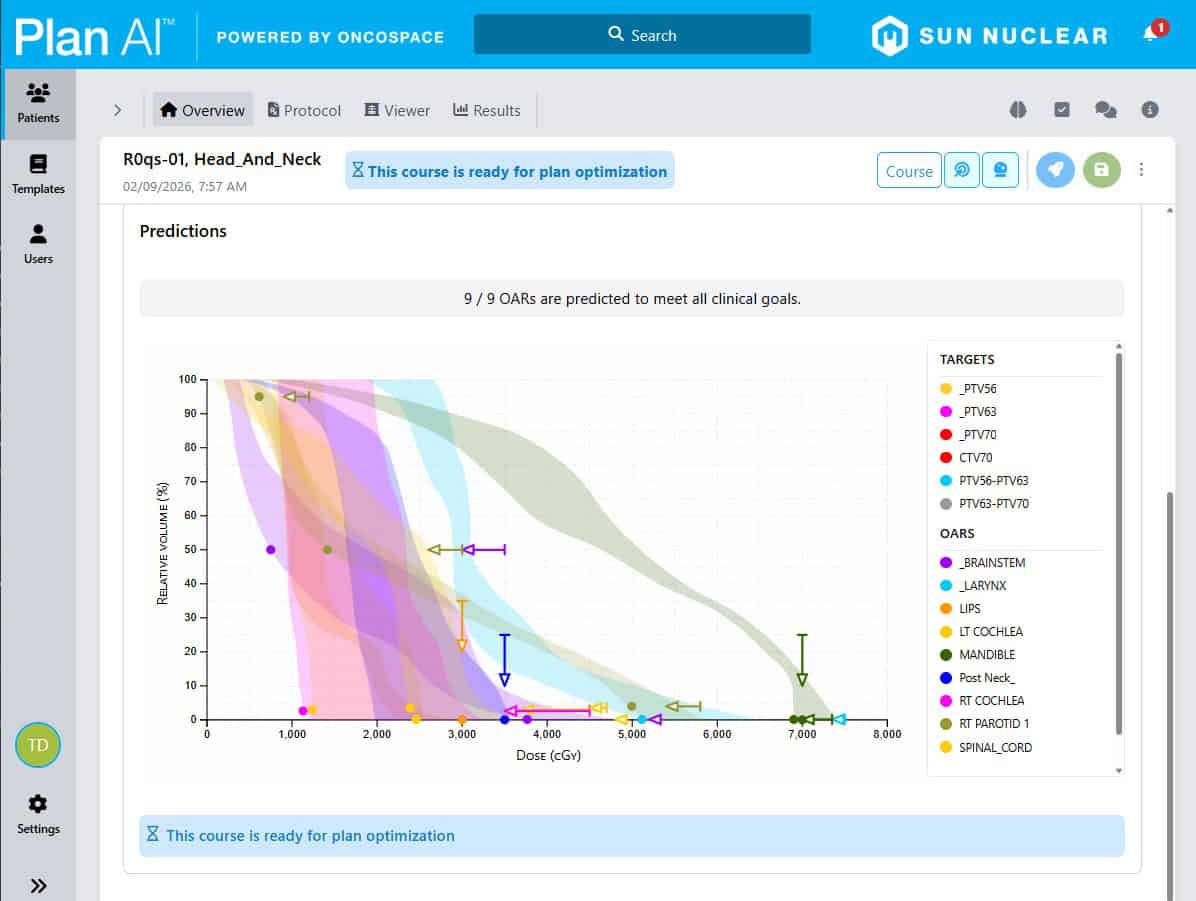
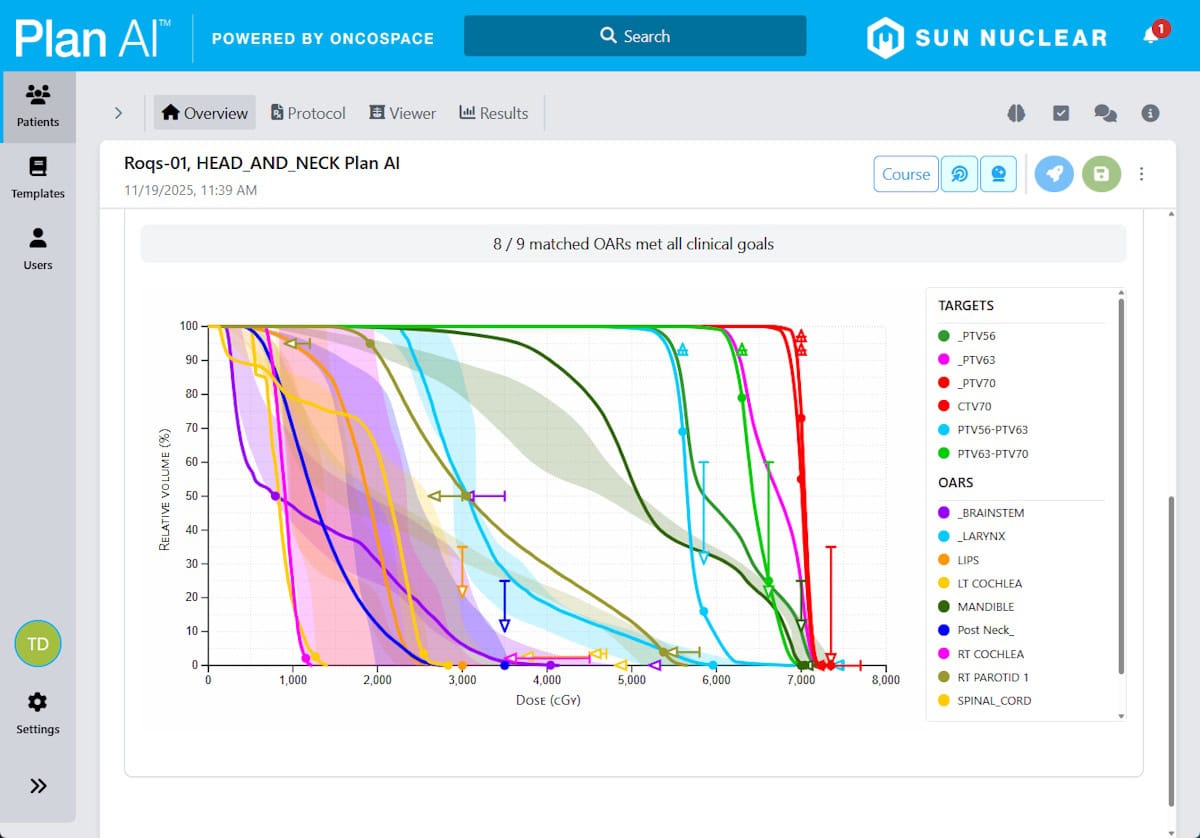
Plan AI software Comparing dose–volume histogram prediction bands with clinical goals (arrows) provides users with valuable feedback on what can be achieved before the planning process begins. The screen shows the prediction sent to the treatment planning system.Clinical plan The screen shows a review of the results that the treatment planning system achieved, with dose–volume histograms shown by the solid lines.
Treatment planning involves specifying dosimetric objectives to the planning system and asking it to optimize radiation delivery to meet these. But nobody really knows what the right objectives even are – it is just a trial-and-error process. Plan AI’s prediction provides a rational set of objectives for plan optimization, allowing the planning system’s algorithm to move towards a good solution and making treatment planning an easier problem to solve.
Peer review involves a peer physician looking at every treatment plan to evaluate it for quality and safety. But again, people don’t really know the level of quality you can generate, it depends on the patient’s anatomy. Providing a predicted dose with clinical dose goals enables a rapid review to see whether it is a high-quality plan or not.
In the past we looked at simple things like whether a contour is missing slices or contains discontinuities and Plan AI checks for this, but you can do far more with AI. For example, you could look at all the contoured rectums in the system and predict if your contour goes too far into the sigmoid colon, then it may be mis-contoured. We have research software that can flag such potential anomalies so they don’t get overlooked.
The Plan AI models are developed using Oncospace’s database of previous treatments; can you describe this data lake?
When we first started, we developed a large SQL database containing all the shape-relationship features and dosimetry features. The SQL language is ideal for being able to query and sift through the data, but when the company was formed, we recognized that there was some age to that technology.
So for the Plan AI data lake, we extracted all the different shape-relationship and shape-complexity features and put them into a Parquet database in the cloud. This made the data lake much more amenable to applying machine learning algorithms to it. The SQL data lake at Johns Hopkins is maintained separately and primarily used to investigate toxicity predictions and spatial dose patterns. But for Plan AI, the models are fixed and streamlined for the specific task of dose prediction.
What does the model training process entail?
One of the first tasks was to curate the data, using the AAPM’s standardized structure-naming model. Our data scientist Julie Shade wrote some tools for automatic name mapping and target identification; that helped us process much larger amounts of data for the model.
Once we had all the shape-relationship and shape-complexity features and all the doses, we trained the models by anatomical region. We have FDA-approved models for the male and female pelvis, thorax, abdomen and head-and-neck. For each of these, we predict the doses for every organ-at-risk. Then we used a five-fold validation model to make sure that the predictions were good on an internal data set.
We also performed external validation at institutions including Johns Hopkins and Montefiore hospitals. We created predicted plans from recent treatment plans that had been evaluated by physicians. For almost all cases, both plan quality and plan efficiency were improved with Plan AI.
One aspect of this training is that whenever we drive optimization via predictive planning we want to push towards the best achievable dose. Regular machine learning predicts an expected, or average, dose across all patients. But you never want to drive a treatment plan towards the average dose, because then every plan you generate will be happy being average. Our model predicts both the average and the best achievable dose, and drives plan optimization towards the best achievable.
When implementing new technology in the clinic, it’s important to fit into the existing treatment workflow. How clinic-ready are these AI tools?
Radiation therapy is protocol-driven: we know what technique we’re going to use to treat and what our clinical dose goals are for different structures. What we don’t know is the patient-specific part of that. So for each anatomical region, we built models out of a wide range of treatment protocols, with many different types of patients, to ensure that the same prediction model works for any protocol. This means a user can use any protocol for treatment and the predictions will work, they don’t have to retrain anything. It’s ready to go out of the box, there’s a library of protocols to start with, and you can change protocols as you need for your own clinic.
The other part of being clinic-ready is aligning with the way that planning is currently performed, which is using dose–volume histograms. Treatment plans are optimized by manipulating these dose objectives, and that’s exactly what we predict. So users aren’t changing the whole paradigm of how planners operate. They still use their treatment planning system (TPS) – we just put the objectives in there. Basically, a TPS script sends the patient’s CT and contours to the cloud, where Plan AI makes the predictions. The TPS then pulls back in the objectives built from the models, based on this specific patient’s anatomy. The TPS runs the optimization and, as a last step, can send the plan back to Plan AI to check that it fits within the best achievable predictions.
Did you encounter any challenges bringing AI into a clinical setting?
Interestingly, the challenges aren’t technical, they are more human related. One of the more systemic challenges is data security when using medical data for training. A nice thing about our system is that the features we generate from treatment plans are just mathematical shape-relationship features and don’t involve a lot of identifiable information.
AI has been used in radiation therapy for image contouring and auto-segmentation, and early efforts were not so good. So, there’s always a good, healthy scepticism. But once you show people that it works and works well, this can be overcome. I have seen some people worried about job security and AI taking over. We are medical professionals designing a treatment plan to care for a patient and there’s a lot of pride and art in that – if you automate that, it takes away some of this pride and art.
I tell people that if we automate the easier things, then they can spend their quality time on the more difficult and challenging cases, because that’s where their talent might be needed more.
Do you have any advice for clinics looking to adopt AI-driven planning?
Introduce it as an assistant, not as a solution. You want people that already know what they’re doing to be able to use their knowledge more efficiently. We want to make their jobs easier and show them that it also improves quality.
With dosimetrists, for example, they create a plan and work hard getting the dose down – and then the physician looks at it and suggests that they can do better. Predictive planning gives them confidence that they are right and takes the uncertainty out of the physician review process. And once you’ve gained that level of confidence, you can start using it for adaptive planning or other technologies.
Where do you see predictive modelling and AI in oncology in five years from now?
Right now, there’s been a lot of data collected, but we want that data to advance and learn. Having multiple centres adding to this pool of knowledge and being able to continually update those models from new, broader data sets could be of huge value.
In terms of patient outcomes, we’ve done a lot of the work looking at how the spatial pattern of dose impacts toxicity and outcomes. This is part of the research being performed at Johns Hopkins and still in discovery mode. But down the road, some of these predictions of normal tissue outcomes could be fed into the planning process to help reduce toxicity at the patient level.
Finally, what’s been the most rewarding part of this journey for you?
During my prior experience building treatment planning systems, the biggest problem was always that nobody knew what the objective was. Nobody knew how to tell the system: “this is the dose I expect to receive, now optimize to get it for me”, because you didn’t know what you could do. For any given patient, you could ask for too much or too little. Now, for the first time, I argue that we actually know what our objective is in our treatment planning.
This levels the playing field between different environments, different countries, or even different dosimetrists with different levels of experience. The Plan AI tool brings all this to a consistent state and enables high quality, efficient planning everywhere. We can provide this predictive planning tool to clinics around the world. Now we just have to get everybody using it.
In his opening remarks to the 4th International Symposium on the History of Particle Physics, Chris Llewellyn Smith – who was a director-general of CERN in the 1990s – suggested participants should speak about “what’s not written in the journals”, including “mistakes, dead-ends and problems with getting funding”. Doing so, he said, would “provide insight into the way science really progresses”.
The symposium was not your usual science conference. Held last November at CERN, it took place inside the lab’s 400-seat main auditorium, which has been the venue for many historic announcements, including the discovery of the Higgs boson. Its brown-beige walls are covered with lively designs by the Finnish artist Ilona Rista, suggesting to me the aftermath of a collision of high-energy bar codes.
The 1980s and 1990s saw the construction and operation of various important accelerators and detectors.
The focus of the meeting was the development of particle physics in the 1980s and 1990s – a period that saw the construction and operation of various important accelerators and detectors. At CERN, these included the UA1 and UA2 experiments at the Super Proton Synchrotron, where the W and Z bosons were discovered. Later, there was the Large Electron-Positron Collider (LEP), which came online in 1989, and the Large Hadron Collider (LHC), approved five years later.
Delegates also heard about the opening of various accelerators in the US during those two decades, including two at the Stanford Linear Accelerator Center – the Positron-Electron Project in 1980 and the Stanford Linear Collider in 1989. Most famous of all was the start-up of the Tevatron at Fermilab in 1983. Over at Dubna in the former Soviet Union, meanwhile, scientists built the Nuclotron, a superconducting synchrotron, which opened in 1992.
Conference speakers covered unfinished machines of the era as well. The US cancelled two proton–proton facilities – ISABELLE in 1983 and the Superconducting Super Collider (SSC) a decade later. The Soviet Union, meanwhile, abandoned the multi-TeV proton–proton collider UNK a few years later, though news has recently emerged that Russia might revive the project.
Several speakers recounted the discovery of the W and Z particles at CERN in 1983 and the discovery of the top quark at Fermilab in 1995. Others addressed the strange fact that fewer neutrinos from the Sun had been detected than theory suggested. The “solar-neutrino problem”, as it was known, was finally resolved by Takaaki Kajita’s discovery of neutrino oscillation in 1998, for which he shared the 2015 Nobel Prize for Physics with Art McDonald.
The conference also addressed unsuccessful searches for proton decay, axions, magnetic monopoles, the Higgs boson, supersymmetry particles and other targets. Other speakers described projects with highly positive outcomes, such as the advent of particle cosmology, or what some have jokingly dubbed “the heavenly lab”. The development of string theory, grand unified theories and perturbative quantum chromodynamics was tackled too.
In an exchange in the question-and-answer session after one talk, the Greek physicist Kostas Gavroglu referred to many of such quests as “failures”. That remark prompted the Australian-born US theoretical physicist Helen Quinn to say she preferred the term “falling forward”; such failures, she said, were instances of “I tried this, and it didn’t work so I tried that”.
In relating his work on detecting gravitational waves, the US Nobel-prize-winning physicist Barry Barish said he felt his charge was not to celebrate the importance of his discoveries nor the ingenuity of the route he took. Instead, Barish explained, his job was to answer the much more informal question: “What made me do what?”.
His point was illustrated by the US theorist Alan Guth, who described the very human and serendipitous path he took to working on cosmic inflation – the super-fast expansion of the universe just after the Big Bang. When he started, Guth said, “all the ingredients were already invented”. But the startling idea of inflation hinged on accidental meetings, chance conversations, unexpected visits, a restricted word count for Physical Review Letters, competitions, insecurities and “spectacular realizations” coalescing.
Wider world
Another theme that arose in the conference was that science does not unfold inside its own bubble but can have extensive and immediate impacts on the world around it. Two speakers, for instance, recounted the invention of the World Wide Web at CERN in the late 1980s. It’s fair to say that no other discovery by a single individual – Tim Berners-Lee – has so radically and quickly transformed the world.
The growing role of international politics in promoting and protecting projects was mentioned too, with various speakers explaining how high-level political negotiations enabled physicists to work at institutions and experiments in other nations. The Polish physicist Agnieszka Zalewska, for example, described her country’s path to membership in CERN, while Russian-born US physicist Vladimir Shiltsev spoke about the “diaspora” of Russian particle physicists after the fall of the Soviet Union in 1991.
As a result of the Superconducting Super Colllider’s controversial closure, the centre of gravity of high-energy physics shifted to Europe.
Sometimes politics created destructive interference. The US physicist, historian and author Michael Riordan described how the US’s determination to “go it alone” to outcompete Europe in high-energy physics was a major factor in bringing about the opposite: the termination of the SSC in 1993. As a result of that project’s controversial closure, the centre of gravity of high-energy physics shifted to Europe.
Indeed, contemporary politics occasionally hit the conference itself in incongruous and ironic ways. Two US physicists, for example, were denied permission to attend because budgets had been cut and travel restrictions increased. In the end, one took personal time off and paid his own way, leaving his affiliation off the programme.
Before the conference, some people complained that conference organizers hadn’t paid enough attention to physicists who’d worked in the Soviet Union but were from occupied republics. Several speakers addressed this shortcoming by mentioning people like Gersh Budker (1918–1977). A Ukrainian-born physicist who worked and died in the Soviet Union, Budker was nominated for a Nobel Prize (1957) and even has had a street named after him at CERN. Unmentioned, though, was that Budker was Jewish and that his father was killed by Ukrainian nationalists in a pogrom.
On the final day of the conference, which just happened to be World Science Day for Peace and Development, CERN mounted a public screening of the 2025 documentary film The Peace Particle. Directed by Alex Kiehl, much of it was about CERN’s internationalism, with a poster for the film describing the lab as “Mankind’s biggest experiment…science for peace in a divided world”.
But in the Q&A afterwards some audience members criticized CERN for allegedly whitewashing Russia for its invasion of the Ukraine and Israel for genocide. Those onstage defended CERN on the grounds of its desire to promote internationalism.
The critical point
The keynote speaker of the conference was John Krige, a science historian from Georgia Tech who has worked on a three-volume history of CERN. Those who launched the lab, Krige reminded the audience, had radical “scientific, political and cultural aspirations” for the institution. Their dream was that CERN wouldn’t just revive European science and promote regional collaborative effects after the Second World War, but also potentially improve the global world order too.
Krige went on to quote one CERN founder, who’d said that international science facilities such as CERN would be “one of the best ways of saving Western civilization”. Recent events, however, have shown just how fragile those ambitions are. Alluding to CERN’s Future Circular Collider and other possible projects, Llewellyn Smith ended his closing remarks with a warning.
“The perennial hope that the next big high-energy project will be genuinely global,” he said, “seems to be receding over the horizon due to the polarization of world politics”.
Attempts to understand quantum phase transitions in open systems usually rely on real‑time Lindbladian evolution, which tracks how a quantum state changes as it relaxes toward a steady state. This approach is powerful for studying decoherence, dissipation and long‑time behaviour, but it often fails to reveal the deeper structure of the system including the phase transitions, critical points and hidden quantum order that define its underlying physics.
In this work, the researchers introduce a new framework called imaginary‑time Lindbladian evolution, which allows them to define and classify quantum phases in open systems using the spectrum of an imaginary‑Liouville superoperator. This approach works not only for pure ground states but also for finite‑temperature Gibbs states of stabilizer Hamiltonians, showing its relevance for realistic, mixed‑state conditions.
A key diagnostic in their method is the imaginary‑Liouville gap, the spectral gap between the lowest and next‑lowest decay modes. When this gap closes, the system undergoes a phase transition, a change that is accompanied by diverging correlation lengths and nonanalytic shifts in physical observables. The closing of this gap also coincides with the divergence of the Markov length, a recently proposed indicator of criticality in open quantum systems.
To demonstrate the power of their framework, the researchers map out phase diagrams for systems with
symmetry, capturing both spontaneous symmetry breaking and average symmetry‑protected topological phases. Their method reveals universal critical behaviour that real‑time Lindbladian steady states fail to detect, highlighting why imaginary‑time evolution fills a missing piece in the theory of open‑system phases.
Importantly, the authors emphasise that real‑time Lindbladians remain essential for modelling dissipation in practical settings. Their new framework complements this conventional approach, offering a systematic way to study phase transitions in open systems. They also outline how phase diagrams can be constructed using both bottom‑up (state‑based) and top‑down (Hamiltonian‑based) strategies, illustrating the method with a dissipative transverse‑field Ising model.
Overall, this work provides a unified and versatile way to understand quantum phases in open systems, revealing critical behaviour and topological structure that were previously inaccessible. It opens new directions for studying mixed‑state quantum matter and advances the theoretical foundations needed for future quantum technologies.
In the macroscopic world, we see irreversible processes everywhere, heat flowing from hot to cold, gases mixing, systems decaying. Yet at the microscopic level, quantum mechanics is perfectly reversible, with its equations running equally well forwards and backwards in time. How then, does irreversibility emerge from fundamentally reversible dynamics?
A common explanation is coarse-graining, which simplifies a complex system by ignoring microscopic details and focusing only on large-scale behaviour. To make the micro–macro divide precise, however, one must first define what “macroscopic” means. Here it is given a quantitative inferential meaning: a state is macroscopic if it is perfectly inferable from the perspective of a specified measurement and prior. Central to this framework is a coarse-graining map built from the measurement and its optimal Bayesian recovery via the Petz map; macroscopic states are precisely its fixed points, turning macroscopicity into a sharp condition of perfect inferability. This construction is grounded in Bayesian retrodiction, which infers what a system likely was before it was measured, together with an observational deficit that quantifies how much information is lost in forming a macroscopic description.
States that are macroscopically inferable can be characterised in several equivalent ways, all tied to to a new measure of disorder called macroscopic entropy, which captures how irreversible, or “uninferable”, a macroscopic process appears from the observer’s perspective. This perspective is formalised through inferential reference frames, built from the combination of a prior and a measurement, which determine what an observer can and cannot recover about the underlying quantum state.
The researchers also develop a resource theory of microscopicity, treating macroscopic states as free and identifying the operations that cannot generate microscopic detail. This unifies and extends existing resource theories of coherence, athermality, and asymmetry. They further introduce observational discord, a new way to understand quantum correlations when observational power is limited, and provide conditions for when this discord vanishes.
Altogether, this work reframes macroscopic irreversibility as an information-theoretic phenomenon, grounded not in a fundamental dynamical asymmetry but in an inferential asymmetry arising from the observer’s limited perspective. It offers a unified way to understand coarse-graining, entropy, and the emergence of classical behaviour from quantum mechanics. It deepens our understanding of time’s direction and has implications for quantum computing, thermodynamics, and the study of quantum correlations in realistic, constrained settings.
Researchers at Los Alamos National Laboratory in New Mexico, US have used visible light to both image and manipulate the domains of a chiral antiferromagnet (AFM). By “painting” complex patterns onto samples of cobalt niobium sulfite (Co1/3NbS2), they demonstrated that it is possible to control AFM domain formation and dynamics, boosting prospects for data storage devices based on antiferromagnetic materials rather than the ferromagnetic ones commonly used today.
In antiferromagnetic materials, the spins of neighbouring atoms in the material’s lattice are opposed to each other (they are antiparallel). For this reason, they do not exhibit a net magnetization in the absence of a magnetic field. This characteristic makes them largely immune to disturbances from external magnetic fields, but it also makes them all but invisible to simple electrical and optical probes, and extremely difficult to manipulate.
A special structure
In the new work, a Los Alamos team led by Scott Crooker focused on Co1/3NbS2 because of its topological nature. In this material, layers of cobalt atoms are positioned, or intercalated, between monolayers of niobium disulfide, creating 2D triangular lattices with ABAB stacking. The spins of these cobalt atoms point either toward or away from the centers of the tetrahedra formed by the atoms. The result is a noncoplanar spin ordering that produces a chiral, or “handed,” spin texture.
This chirality affects the motion of electrons in the material because when an electron passes through a chiral pattern of spins, it picks up a geometrical phase known as a Berry phase. This makes it move as if it were “seeing” a region with a real magnetic field, giving the material a nonzero Hall conductivity which, in turn, affects how it absorbs circularly polarized light.
Characterizing a topological antiferromagnet
To characterize this behaviour, the researchers used an optical technique called magnetic circular dichroism (MCD) that measures the difference in absorption between left and right circularly polarized light and depends explicitly on the Hall conductivity.
Similar to the MCD that is measured in well-known ferromagnets such as iron or nickel, the amplitude and sign of the MCD measured in Co1/3NbS2 varied as a function of the wavelength of the light. This dependence occurs because light prompts optical transitions between filled and empty energy bands. “In more complex materials like this, there is a whole spaghetti of bands, and one needs to consider all of them,” Crooker explains. “Precisely which mix of transitions are being excited depends of course on the photon energy, and this mix changes with energy. Sometimes the net response is positive, sometimes negative; it just depends on the details of the band structure.”
To understand the mix of transitions taking place, as well as the topological character of those transitions, scientists use the concept of Berry curvature, which is the momentum-space version of the magnetic field-like effect described earlier. If the accumulated Berry phase is positive (negative), then the electron is moving in a right-handed (left-handed) spin texture chirality, which is captured by the Berry curvature of the band structure in momentum space.
Imaging and painting chiral AFM domains
To image directly the domains with positive and negative chirality, the researchers cooled the sample below its ordering temperature, shined light of a particular wavelength onto it, and measured its MCD using a scanning MCD microscope. The sign of the measured MCD value revealed the chirality of the AFM domains.
To “write” a different chirality into these AFM domains, the researchers again cooled the sample below its ordering temperature, this time in the presence of a small positive magnetic field B, which fixed the sample in a positive chiral AFM state. They then reversed the polarity of B and illuminated a spot of the sample to heat it above the ordering temperature. Once the spot cooled down, the negative-polarity B-field changed the AFM state in the illuminated region into a negative chirality. When the “painting” was finished, the researchers imaged the patterns with the MCD microscope.
In the past, a similar thermo-magnetic scheme gave rise to ferromagnetic-based data storage disks. This work, which is published in Physical Review Letters, marks the first time that light has been used to manipulate AFM chiral domains – a fundamental requirement for developing AFM-based information storage technology and spintronics. In the future, Crooker says the group plans to extend this technique to characterize other complex antiferromagnets with nontrivial magnetic configurations, use light to “write” interesting spatial patterns of chiral domains (patterns of Berry phase), and see how this influences electrical transport.
Grey, ugly, dull. Concrete is not the most exciting material in the world. That is, until you start to think about its impact on our lives. Concrete is the second most consumed material on the planet after water. Humanity uses about 30 billion tonnes of the stuff every year, the equivalent of building an entire new New York City every month. Put another way, there is so much concrete in the world and so much being made that by the 2040s it will outweigh all living matter.
As the son of a builder, I have made a few concrete mixes over the years myself, usually following my father’s tried and trusted recipe. Take one part cement (fine mineral powder), two parts sand, and four parts aggregate (crushed stone), then mix and add enough water until it all goes gloopy.
The ubiquity and low cost of these simple ingredients are just two of the reasons for concrete’s global reach. In liquid form, it can be moulded into almost any shape, and once set, it is as hard and durable as stone. What’s more, it doesn’t burn, rot or get eaten by animals.
These factors make concrete the ideal material for everything from vast imposing dams to sleek kitchen floors. However, its gargantuan presence across society comes at an equally epic environmental cost. If concrete were a country, it would rank third behind only the US and China as a greenhouse gas emitter.
Though raw material processing and transport of concrete are part of the problem, concrete’s biggest environmental impact comes from the heat and chemical processes involved in producing cement. Ordinary cement clinker (the raw form of cement before it is ground to a powder) is the product of heating limestone up to 1450 °C until it breaks apart into lime and carbon dioxide (CO2). This heating requires lots of energy and the chemical process releases huge amounts of the greenhouse gas CO2 – meaning that cement makes up around 90% of the carbon footprint of an average concrete mix.
Tricky ingredient Concrete’s biggest environmental impact comes from the heat and chemical processes involved in making cement. It’s very energy-intensive and produces vast quantities of carbon dioxide. (Courtesy: Shutterstock/Bilanol)
In the UK and some other parts of the world, this climate impact is well recognized, with the industry having made significant efforts to decarbonize over the last few decades. “Since 1990, the UK concrete industry has decreased its direct and indirect environmental impacts by over 53% through various technology levers,” says Elaine Toogood – an architect and senior director at the Mineral Products Association’s Concrete Centre, the UK’s technical hub for all things concrete.
This reduction has been achieved through actions such as fuel switching, decarbonizing electricity and transport networks, and carbon capture technology. “For example, over 50% of all the heat that’s needed to make cement is now supplied by waste-derived fuels,” Toogood adds.
Yet the sheer scale of the global concrete industry means that much more needs to be done to fully mitigate concrete’s carbon impact. Can physics, and more specifically AI, lend a hand?
Low-carbon replacements
Replacing cement – concrete’s least green ingredient – with low-carbon alternatives seems like a good place to start. Two well-proven options have been available for decades.
Fly ash – the by-product of burning coal at power plants – can replace about 30% of cement in concrete mixes. It has been used in the construction of many prominent structures including the Channel Tunnel, which opened in 1994. Blast furnace slag – the by-product of iron and steel production – is another capable replacement, and can make up to 70% of cement content. Slag was used in 2009 to substitute half of the regular cement in the precast concrete units that now make up the sea defences on Blackpool beach.
Yet although these waste materials are currently extensively used as cement or concrete additions in the UK and elsewhere, they rely on very polluting sources (coal-fired power plants and blast furnaces) that are gradually being phased out globally to meet climate targets. As a result, fly ash and blast furnace slag are not long-term solutions. New low-carbon materials are needed, which is where physics can play a decisive role.
Based in Debre Tabor University in Ethiopia, Gashaw Abebaw Adanu is an expert in innovative construction materials. In 2021 he and colleagues investigated the potential of partially replacing (0%, 5%, 10%, 15% and 20%) standard cement with ash from burning lowland Ethiopian bamboo leaf, a common local construction waste material (Adv. Civ. Eng 10.1155/2021/6468444). The findings were encouraging. Though the concrete took longer to set with increased bamboo leaf ash content, the material’s strength, water absorption and sulphate attack (concrete breakdown caused by sulphate ions reacting with the hardened cement paste) improved for 5–10% bamboo leaf ash mixes. The results suggest that up to 10% of cement could be swapped for this local low-carbon alternative.
Steel, copper – or hair?
More recently, Adanu has turned his focus to concrete fibre reinforcement. Adding small amounts of steel, copper or polyethene fibres is known to increase concrete’s ductility and crack resistance by up to 200% and 90%, respectively. The tiny fibres act like micro-stitches throughout the entire mix, transforming concrete from a brittle material into a tough, energy-absorbing composite.
Fibre reinforcement also leads to major cost savings and a reduced carbon footprint, primarily by removing the need for traditional steel rebar and mesh, where 50 kg of steel fibres can often do the work of 100 kg+ of traditional rebar. Eliminating this expensive material also reduces labour and maintenance costs.
In his latest research, Adanu has explored an unexpected alternative fibre reinforcement material that would decrease costs further as it would otherwise go to landfill: human hair (Eng. Res. Express7 015115). Adanu took waste hair from barbershops in Debre Tabor (with permission, of course), and added small amounts of it in different quantities to standard concrete mixes. “It’s not biodegradable, it’s not compostable, but as a fibre reinforcement material, we found that using 1–2% human hair improves the concrete’s tensile strength, compressive strength, cracking resistance and reduces shrinkage,” says Adanu. “It makes concrete more clean and sustainable, and because it improves the quality of the concrete, it reduces cost at the same time.”
Research like Adanu’s, involving experimentation with local materials, has been the driving force for innovation in construction for millennia. From the ancient Neolithic practice of boosting mudbricks’ strength by adding local straw, to the Romans using volcanic dust as high-quality cement for concrete constructions like the Pantheon in Rome – a structure that still stands to this day, with its 43.3-m diameter non-reinforced concrete dome remaining the largest in the world. But testing one material at a time is no longer the only way.
Shapely material Concrete is ubiquitous in modern buildings, from generic office blocks (top left) to some of the world’s most creative architecture, such as (top right) the Auditorio de Tenerife in Santa Cruz (designed by Santiago Calatrava) and (bottom left) the Metropolitan Cathedral Nossa Senhora Aparecida in Brasilia (designed by Oscar Niemeyer). But it can be found in much older buildings as well. The largest unreinforced concrete dome in the world (bottom right) is on the Pantheon in Rome, built in 126 CE. This structure uses volcanic dust as its cement. (Courtesy: Shutterstock/Snide12; Shutterstock/Framalicious; Shutterstock/Marcelo Moryan; Shutterstock/Sean Pavone)
Taking a more modern, wide-ranging approach, a team of researchers led by Soroush Mahjoubi and Elsa Olivetti of Massachusetts Institute of Technology (MIT), recently mined the cement and concrete literature, and a database of over one million rock samples, looking for cement ingredient substitutes (Communications Materials6 99). The study not only confirmed the potential of the well-known alternatives fly ash and metallurgic slags, but also various biomass ashes like the bamboo leaf ash Adanu investigated, as well as rice husk, sugarcane bagasse, wood, tree bark and palm oil fuel ashes.
The meta-review in addition identified various other waste materials with high potential. These include construction and demolition wastes (ceramics, bricks, concrete), waste glass, municipal solid waste incineration ashes, and mine tailings (iron ore, copper, zinc), as well as 25 igneous rock types that could significantly reduce cement’s carbon impact.
AI to the rescue
Although a number of these alternative concrete materials have been known for some time, they have struggled to make an impact, with very few being used to partially replace regular cement in ready-mix concretes. Getting construction companies or concrete contractors to give them a try is no simple task.
“Concrete contractors are used to using certain mixes for certain jobs at certain times of the year, so they can plan a site and project based on how those materials are going to behave,” says Toogood. “Newer mixes act slightly differently when fresh,” she adds, which makes life tricky for those running a construction site, where concrete that behaves in a predictable manner is critical so that things run smoothly and efficiently.
Two physicists – Raphael Scheps and Gideon Farrell – aim to build this trust in low-carbon alternatives through their UK construction technology company Converge. Starting out using sensors to measure the real-time performance of different mixes of concrete in situ, they have built one of the world’s largest datasets on the performance of concrete.
Watch and learn UK construction technology company Converge uses sensors to measure the real-time performance of different mixes of concrete in situ, then adds the data to its AI program to model untested concrete mixes. (Left) Signal Long Range is Converge’s LoRaWAN-enabled, fully embedded concrete-monitoring sensor for large-scale construction. (Right) Installation of Converge’s Helix system at HS2 Old Oak Common – a long-range, reusable concrete-monitoring solution. (Courtesy: Converge)
They can now apply an AI model underpinned by physics principles. The program simulates the physical and chemical interactions of different components to predict the performance of a vast number of concrete mixes in a wide range of situations to a high level of accuracy. And this is key, as it builds trust to experiment with lower-carbon mixes. “With projects in the UK and Australia, we’ve helped people tweak the mix that they’re using and achieve quite major carbon savings,” says Scheps. “Anywhere from 10% all the way up to 44%.”
Currently used to recommend existing cost-saving concrete recipes, Scheps sees Converge’s AI model becoming more sophisticated over time. “As it starts to uncover the real fundamental physics-based rules for what drives concrete chemistry, our model will make projections for entirely new materials,” he enthuses.
Also exploring the power of AI to optimize concrete production is US company Concrete.ai. Like Converge, Concrete.ai was born from the idea of applying physics principles to optimize traditional materials and industries; specifically, how AI can be used to reduce the carbon footprint of concrete. And also like Converge, the company’s technology rests on one of the world’s largest concrete databases, consisting of vast amounts of different recipes and materials, alongside their associated performances.
Trained on this dataset, Concrete.ai’s generative AI model creates millions of possible mix designs to identify the optimal concrete recipe for any particular application. “The main difference between a solution like Concrete.ai’s and general models like ChatGPT or Gemini is that our goal is really to create recipes that don’t exist yet,” explains chief technology officer and co-founder Mathieu Bauchy. “Popular large language models regurgitate what they have been trained on and tend to hallucinate, whereas our model discovers new recipes that have never been produced before without breaking the laws of physics or chemistry, and in a reliable way.”
Bauchy sees Concrete.ai’s role as a bridge between concrete producers keen to cut their costs and carbon footprint, and innovators like Adanu or the MIT group exploring new low-carbon concrete materials who are unable to demonstrate the performance of these materials in real-world scenarios and at scale.
Circular benefits
It is perhaps apt that the industry most in need of AI insights from the likes of Converge, Concrete.ai and their growing number of competitors is the AI industry itself. New data centres being used to train, deploy and deliver AI applications and services are the cause of a huge spike in the greenhouse gas emissions of tech giants such as Google, Meta, Microsoft and Amazon. And one of the biggest contributors to those emissions is the concrete from which these hyperscale facilities are built.
Feedback loop The Google Hyperscale Data Center for AI and Sustainable Energy opened in Winschoten, Netherlands, in November 2025. The massive growth in AI is leading to many more of these huge structures, and though the electricity they run on is increasingly from renewable sources, the concrete from which they are built is decidedly less green. But AI is also potentially the best resource we have to reduce the carbon cost of concrete. (Courtesy: Shutterstock/Make more Aerials)
This is the reason Meta recently partnered with concrete maker Amrize to develop AI-optimized concrete. For Meta’s new 66,500 m2 data centre in Rosemount, Minnesota, the partners applied Meta’s AI models and Amrize’s materials-engineering expertise to deliver concrete that met key criteria including high strength and low carbon content, as well as practical performance characteristics like decent cure speed and surface quality. The partners estimate that the custom mix will reduce the total carbon footprint of this concrete by 35%.
“There is an interesting synergy between concrete and AI,” says Bauchy. “AI can help design greener concrete, and on the other hand, concrete can be used to build more sustainable data centres to power AI.” With other tech giants exploring AI’s potential in reducing the carbon footprint of the concrete they use too, it may well be that the very places in which AI is developed become the testbeds for AI-derived sustainable green concrete solutions.
Personalized health – the use of individualized measurements to address each patient’s specific needs – is a research field that’s evolving at pace. Bringing this level of personalization into the clinic is an interdisciplinary challenge, requiring the development of sensors that generate clinically meaningful data outside the hospital, new imaging modalities and analysis techniques, and computational tools that address the uncertainties of dealing with just one individual.
Much of the most impactful work in this field sits in the spaces between established disciplines. And for researchers looking to publish their findings or read about the latest breakthroughs, this work is often scattered across discipline-specific journals. A new open access journal from IOP Publishing – Medical Sensors & Imaging (MSI) – aims to remedy this shortfall, providing a dedicated home for authors working across sensing, imaging, modelling and data-driven healthcare.
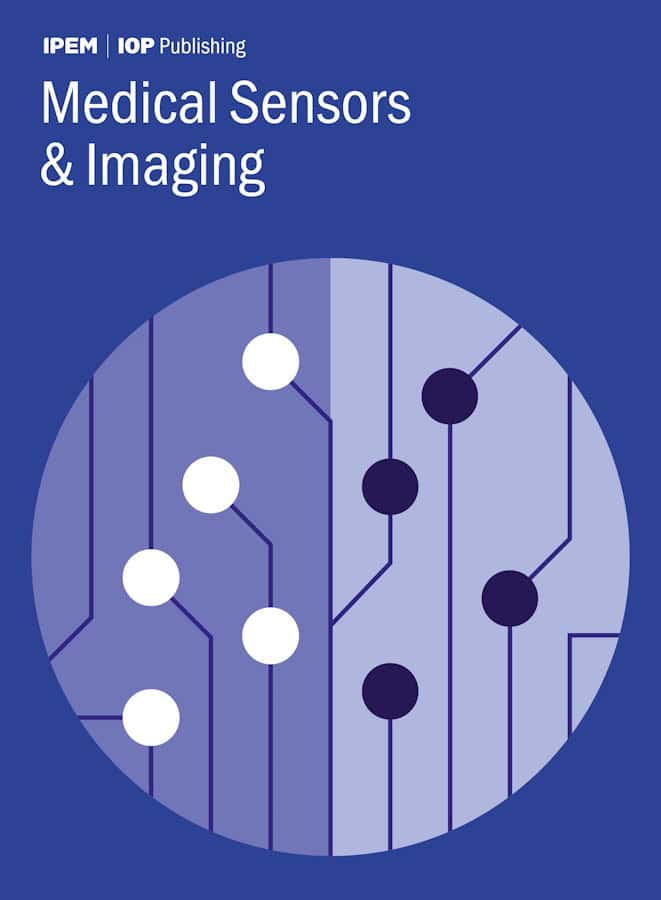
New launchMedical Sensors & Imaging is fully open for submissions. (Courtesy: IOP Publishing)
“We want a journal where physicists, engineers, computer scientists, biomedical researchers and clinicians can publish and read work that advances personalized health, without confinement into traditional silos,” explains founding editor-in-chief Marco Palombo from Cardiff University. “MSI also aims to play an important role in strengthening interdisciplinary exchange.”
“The community needs a specialized forum that doesn’t just report on new materials or a clinical trial, but validates innovations that can specifically solve complex biomedical challenges,” adds deputy editor Xiliang Luo from Qingdao University of Science and Technology. “I think this journal is a perfect fit for that gap.”
Connecting communities
Published by IOP Publishing on behalf of the Institute of Physics and Engineering in Medicine (IPEM), MSI aims to dismantle the barriers between engineering innovation and clinical application by creating a community of experts that work together to translate innovative technology into clinical settings.
MSI sits within IPEM’s journal portfolio that includes Physics in Medicine & Biology, Physiological Measurement and Medical Engineering & Physics. Its aims and scope were designed to complement, rather than overlap with, these existing journals and provide a dedicated venue for translational work and practical applied research that may otherwise struggle to fit a traditional scope.
Marco Palombo: “We have been discussing green AI and green healthcare for at least 10 years. I think MSI can be one of the first journals to push this area forward.”
Being part of this established family of journals brings with it strong editorial standards, an established readership base and a commitment to scientific integrity. The journal also offers rapid, high-quality peer review, with feedback that’s constructive, rigorous and fair. MSI is fully open access, which maximizes the visibility, reach and impact of its published papers.
“For a new journal in a dynamic field, ensuring content is discoverable and barrier-free is essential for building an audience quickly and establishing credibility,” says Palombo. “We also wanted MSI to support global participation. Many excellent groups operate with limited budgets but make major scientific contributions. Open access reduces inequities in who can read and build on published work.”
“For the authors, we can provide a specialized platform for scientists whose work transcends traditional boundaries, offering visibility to a broad audience that’s eager for translational solutions,” says Luo. “And for the readers, I think we will be the go-to resource for academic researchers, industry R&D leaders, and healthcare innovators seeking the latest breakthroughs in personalized health monitoring and advanced diagnostics.”
Hot topics
Palombo contributed to the strategic development of the journal at an early stage, drawing upon his experience in healthcare and medical imaging research and engaging with the research community to identify the scientific niche that MSI could fill. Working with IOP Publishing, he helped shape the journal’s aims and scope and assembled a diverse, internationally recognized editorial board with knowledge aligned with the journal’s mission – including Lui, who brings specialist expertise in wearable technologies and biosensors.
Xiliang Luo: “We hope to establish a forum where advanced sensing technology and imaging techniques can enable the next generation of personalized and predictive health.”
The journal will publish high-quality research on novel biomedical sensing and imaging techniques, along with the algorithms, validation frameworks and translational studies that demonstrate their application in real-world medicine. MSI also provides a platform to showcase research on hot topics such as wearable and implantable sensors for continuous physiological monitoring, for example, or microneedle-based sensing technologies and breath analysis.
The development of flexible and biocompatible materials will be key for the growth of bio-integrated devices and biodegradable or transient electronics, as will anti-fouling strategies that enable use of sensors in complex biological environments. On the imaging side, the journal scope encompasses mainstay medical imaging techniques such as MRI, CT, ultrasound, PET and SPECT, as well as emerging multimodal and hybrid approaches, with a focus on technical innovation and translational relevance.
“Given my own background, I’m particularly keen to see strong submissions in the area of MRI, including advanced quantitative biomarkers and approaches that probe tissue microstructure,” notes Palombo. “I also see huge potential in connecting imaging to computational modelling – particularly digital twins – and in building imaging pipelines that enable personalized diagnosis and prognosis.”
“Other exciting areas include combining sensing and imaging technologies into one system, and closed-loop ‘sense then act’ systems, which sense something and can then release medicine to treat the disease,” says Luo.
The rise of AI
Artificial intelligence (AI) is becoming increasingly central to both sensing and imaging, and will likely play a major role in the evolution of personalized health, enabling a shift towards multimodal fusion of sensor streams, imaging and clinical data. AI could also facilitate the introduction of integrated sensor systems that collect data and interpret signals in real time, and digital twins that link patient-specific data with computational models to simulate disease progression or treatment response.
Palombo emphasizes the importance of trustworthy AI: methods that don’t just provide an output, but are explainable, robust and explicitly handle uncertainty. This is a direction seen in the general field of AI, but is especially important within healthcare. He also cites the increasing momentum around green healthcare and green AI, with personalized health technologies designed to reduce waste and minimize energy consumption, and clinical models developed with far greater computational efficiency.
“It would be fantastic to have an AI model running directly on the sensor, for example, and this ties in with the environmental impact of AI,” he explains. “If we keep AI small and manageable, then it pollutes less, is more affordable for everybody and can be deployed on small, lightweight devices.”
A community focal point
Looking ahead, Palombo hopes that MSI will becomes a leading platform for interdisciplinary innovation in personalized health, and the routine home for publishing major advances in sensing, imaging, modelling and trustworthy AI. “Over time, I’d like the journal to build depth in core areas, while also actively shaping emerging directions such as digital twins, uncertainty-aware and explainable AI, multimodal integration and technologies that are genuinely deployable in clinical workflows.”
“Currently, the fields of sensor engineering and clinical medicine often run on parallel tracks. My hope is that this journal will force these tracks to converge over time,” adds Luo. “I see the journal fostering a new language where chemists, physicists, engineers and doctors can understand each other by publishing papers in MSI.”
Medical Sensors & Imaging is fully open for submissions, with the first issue expected to publish in Q2/Q3 of this year. During the launch phase, IOPP is covering the article processing charge (APC) for all accepted papers, enabling early contributors to publish at no cost while helping the journal establish a strong foundation of high-quality inaugural content. Beyond this period, many authors will benefit from support through IOPP’s transformative agreements, while others may be eligible for APC waivers and discounts.
Here at Physics World we are always on the look out for physicists with extraordinary talents outside of science. In 2023, for example we were in awe of Harvard University’s Jenny Hoffman who ran across the US in 47 days, 12 hours and 35 minutes – shattering the previous record by one week.
Now, coverage of the Winter Olympics in Italy has revealed that the Chinese freestyle skier Eileen Gu had studied physics at Stanford University. The most decorated female Olympic freestyle skier in history, US-born Gu bagged two gold medals and a silver at the 2022 Beijing games and added three silvers at Milano Cortina.
Gu has subsequently switched majors to international relations at Stanford, but we can still celebrate her as an honorary physicist.
Physics-rich event
Indeed, freestyle skiing is quite possibly the most physics-rich of all Olympic events. Athletes must consider friction, gravity and the conservation of momentum and angular momentum to perfect their skiing.
Now, I’m not suggesting that studying free-body diagrams of freestyle manoeuvres is essential for Olympic success, but I live in hope that an understanding of classical mechanics can improve one’s skiing. (I’m not sure why I believe this, because a PhD and decades of writing about physics certainly hasn’t improved my skiing!).
As well as being lauded for her prowess on the snow, Gu has found herself at the centre of an international furore regarding her choice of competing for China rather than for the US. So, international relations combined with physics seems like a very good course of study!
Article has been updated to include Gu’s third silver medal at Milano Cortina.
A new way of extracting energy from ocean waves has been proposed by a researcher in Japan. The system couples a gyroscope to an electrical generator and could be fine tuned to extract energy from a wide range of wave conditions. A prototype of the design is currently being built for testing in a wave tank. If successful, the system could be used to generate electricity onboard ships.
Ocean waves contain huge amounts of energy and humans have tried to harness this energy for centuries. But, despite the development of myriad technologies and a number of trials, the widespread commercial conversion of wave energy remains an elusive goal. One important problem is that most generation schemes only work within a narrow range of wave conditions – and the ocean can be a very messy place.
Now, Takahito Iida at the University of Osaka has proposed a new energy-harvesting technology that uses gyroscopic flywheel system that can be tuned to absorb energy efficiently over a broad range of wave frequencies.
“Wave energy devices often struggle because ocean conditions are constantly changing,” says Iida. “However, a gyroscopic system can be controlled in a way that maintains high energy absorption, even as wave frequencies vary.”
Wobbling top
At the heart of the technology is gyroscopic precession, whereby a torque on a rotating object causes the object’s axis of rotation to trace out a circle. This is familiar to anyone who has played with a spinning top, which will wobble (precess) when perturbed.
Iida’s device is called a gyroscopic wave energy converter and comprises a spinning flywheel mounted on a floating platform (see figure). On calm seas, the gyroscope’s axis of rotation points in a fixed direction thanks to the conservation of angular momentum. However, waves will cause the platform to pitch from side-to-side, exerting torques on the gyroscope and causing it to precess. It is this precession that drives a generator to deliver electrical power.
To design the system, Iida used linear wave theory to model the coupled interactions between waves, the platform, the gyroscope and the generator. This allowed him to devise a scheme for tuning the gyroscope frequency and generator parameters so that an energy conversion efficiency of 50% is achieved for a variety of wave conditions.
The effect of the generator was modelled as a spring-damper. This is a system that responds to a torque by storing and then returning some energy to the gyroscope (the spring), and removing some energy by converting it to electricity (the damper). Iida discovered that a maximum conversion of 50% occurs when the spring coefficient of the generator is adjusted such that the gyroscope’s resonant frequency matches the resonant frequency of the floating platform.
Fundamental constraint
Iida explains that 50% is the maximum efficiency that can be achieved. “This efficiency limit is a fundamental constraint in wave energy theory. What is exciting is that we now know that it can be reached across broadband frequencies, not just at a single resonant condition.”
Iida tells Physics World that a small prototype (approximately 50 cm3 in size) is being built and will be tested in a 100 m-long tank.
The next step will be the development of a system with a generating capacity of about 5 kW. Iida says that the ultimate goal is a 300 kW generator.
Iida also explains that the gyroscopic wave energy converter is designed to operate untethered to the seabed. As a result he says the system would be ideal for use as an auxiliary power system for a ship. “The target output of 300 kW is based on the assumed auxiliary power demand of a typical commercial vessel,” says Iida.
A team headed up at TU Wien in Austria has set the Guinness World Record for creating the world’s smallest QR code. Working with industry partner Cerabyte, the researchers produced a stable and repeatedly readable QR code with an area of just 1.977 µm2. When read out – using an electron microscope, as its structure is too fine to be seen with a standard optical microscope – the QR code links to a scientific webpage at TU Wien.
But this wasn’t just a ploy to get into the record books, the QR code was created as part of the team’s research into ceramic data storage materials. Unlike conventional magnetic or electronic data storage media, which degrade within decades, ceramic-based storage is designed to withstand extreme temperatures, radiation, chemical corrosion and mechanical damage.
As such, information stored in ceramic materials could endure for centuries, or even millennia. And in contrast to today’s data centres, ceramics preserve stored information without any energy input and without requiring cooling.
Invisible code The world’s smallest QR code can only be read out using an electron microscope. (Courtesy: TU Wien)
To create these ultralong-life data storage systems, the researchers use focused ion beams to mill the QR code into a thin film of chromium nitride, a durable ceramic often used to coat high-performance cutting tools. As each individual pixel is just 49 nm in size, roughly 10 times smaller than the wavelength of visible light, the code cannot be imaged using visible light. But when examined with an electron microscope, the QR code could indeed be read out reliably.
After the writing process, the entire stack of ceramic films is subjected to extreme conditions, such as high temperatures, corrosive environments and mechanical stress, to evaluate the material’s long-term durability and readout stability.
Pushing storage to its limits
Creating a “tiny QR code” was not the team’s initial goal, but emerged as a natural outcome of pushing this storage technology to its limits, says Paul Mayrhofer from TU Wien’s Institute of Materials Science and Technology.
“During a discussion with one of my PhD students, Erwin Peck, we realised that the writing procedure we had developed already produced features smaller than what had previously been reported for QR codes,” he explains. “This sparked the idea: if we can reliably write structures at that scale, why not intentionally create the smallest QR code possible?”
To claim its place in the record books, the QR code was successfully milled and read out in the presence of witnesses and its size independently verified using calibrated scanning electron microscopy at the University of Vienna. It is now officially recognized by Guinness as the world’s smallest QR code, and is roughly one third the size of the previous record holder.
Mayrhofer points out that the storage capacity of the ceramic data storage technology far surpasses that of a single QR code. “Based on current estimates, a cartridge of 100 x 100 x 20 mm with ceramic storage medium could potentially store on the order of 290 terabytes of raw data,” he says.
As well as offering this impressive raw capacity, for practical applications it’s also crucial that the ceramic storage offers high writing speed, which determines how efficiently large datasets can be stored, and low energy consumption during writing, which will influence the potential for scalability and sustainability. The researchers are currently working to optimize both of these parameters.
“Humanity has preserved information for millennia when carved in stone, yet much of today’s digital information risks being lost within decades,” project leader Alexander Kirnbauer tells Physics World. “Our long-term goal is to create an ultrastable, sustainable data storage technology capable of preserving information for extremely long times – potentially thousands to millions of years. In essence, we want to develop a form of storage that ensures the knowledge of our digital age does not disappear over time.”
Developing practical technologies for quantum information systems requires the cooperation of academic researchers, national laboratories and industry. That is the mission of the Quantum Systems Accelerator (QSA), which is based at the Lawrence Berkeley National Laboratory in the US.
The QSA’s director Bert de Jong is my guest in this episode of the Physics World Weekly podcast. His academic research focuses on computational chemistry and he explains how this led him to realise that quantum phenomena can be used to develop technologies for solving scientific problems.
In our conversation, de Jong explains why the QSA is developing a range of qubit platforms − including neutral atoms, trapped ions, and superconducting qubits – rather than focusing on a single architecture. He champions the co-development of quantum hardware and software to ensure that quantum computing is effective at solving a wide range of problems from particle physics to chemistry.
We also chat about the QSA’s strong links to industry and de Jong reveals his wish list of scientific problems that he would solve if he had access today to a powerful quantum computer.
A newly identified metallic material that conducts heat nearly three times better than copper could redefine thermal management in electronics. The material, which is known as theta-phase tantalum nitride (θ-TaN), has a thermal conductivity comparable to low-grade diamond, and its discoverers at the University of California Los Angeles (UCLA), US say it breaks a record on heat transport in metals that had held for more than 100 years.
Semiconductors and insulators mainly carry heat via vibrations, or phonons, in their crystalline lattices. A notable example is boron arsenide, a semiconductor that the UCLA researchers previously identified as also having a high thermal conductivity. Conventional metals, in contrast, mainly transport heat via the flow of electrons, which are strongly scattered by lattice vibrations.
Heat transport in θ-TaN combines aspects of both mechanisms. Although the material retains a metal-like electronic structure, study leader Yongjie Hu explains that its heat transport is phonon-dominated. Hu and his UCLA colleagues attribute this behaviour to the material’s unusual crystal structure, which features tantalum atoms interspersed with nitrogen atoms in a hexagonal pattern. Such an arrangement suppresses both electron–phonon and phonon–phonon scattering, they say.
Century-old upper limit for metallic heat transport
Materials with high thermal conductivity are vital in electronic devices because they remove excess heat that would otherwise impair the devices’ performance. Among metals, copper has long been the material of choice for thermal management thanks to its relative abundance and its thermal conductivity of around 400 Wm−1 K−1, which is higher than any other pure metal apart from silver.
Recent theoretical studies, however, had suggested that some metallic-like materials could break this record. θ-TaN, a metastable transition metal nitride, was among the most promising contenders, but it proved hard to study because high-quality samples were previously unavailable.
Highest thermal conductivity reported for a metallic material to date
Hu and colleagues overcame this problem using a flux-assisted metathesis reaction. This technique removed the need for the high pressures and temperatures required to make pure samples of the material using conventional techniques.
The team’s high-resolution structural measurements revealed that the as-synthesized θ-TaN crystals had smooth, clean surfaces and ranged in size from 10 to 100 μm. The researchers also used a variety of techniques, including electron diffraction, Raman spectroscopy, single-crystal X-ray diffraction, high-resolution transmission electron microscopy and electron energy loss spectroscopy to confirm that the samples contained single crystals.
The researchers then turned their attention to measuring the thermal conductivity of the θ-TaN crystals. They did this using an ultrafast optical pump-probe technique based on time-domain thermoreflectance, a standard approach that had already been used to measure the thermal conductivity of high-thermal-conductivity materials such as diamond, boron phosphide, boron nitride and metals.
Hu and colleagues made their measurements at temperatures between 150 and 600 K. At room temperature, the thermal conductivity of the θ-TaN crystals was 1100 Wm−1 K−1. “This represents the highest value reported for any metallic materials to date,” Hu says.
The researchers also found that the thermal conductivity remained uniformly high across an entire crystal. H says this reflects the samples’ high crystallinity, and it also confirms that the measured ultrahigh thermal conductivity originates from intrinsic lattice behaviour, in agreement with first-principles predictions.
Another interesting finding is that while θ-TaN has a metallic electronic structure, its thermal conductivity decreased with increasing temperature. This behaviour contrasts with the weak temperature dependence typically observed in conventional metals, in which heat transport is dominated by electrons and is limited by electron-phonon interactions.
Applications in technologies limited by heat
As well as cooling microelectronics, the researchers say the discovery could have applications in other technologies that are increasingly limited by heat. These include AI data centres, aerospace systems and emerging quantum platforms.
The UCLA team, which reports its work in Science, now plans to explore scalable ways of integrating θ-TaN into device-relevant platforms, including thin films and interfaces for microelectronics. They also aim to identify other candidate materials with lattice and electronic dynamics that could allow for similarly efficient heat transport.
Synthetic materials such as plastics are designed to be durable and water resistant. But the processing required to achieve these properties results in a lack of biodegradability, leading to an accumulation of plastic pollution that affects both the environment and human health. Researchers at the Institute for Bioengineering of Catalonia (IBEC) are developing a possible replacement for plastics: a novel biomaterial based on chitin, the second most abundant natural polymer on Earth.
“Every year, nature produces on the order of 1011 tonnes of chitin, roughly equivalent to more than three centuries of today’s global plastic production,” says study leader Javier G Fernández. “Chitin and [its derivative] chitosan are the ultimate natural engineering polymers. In nature, variations of this material produce stiff insect wings enabling flight, elastic joints enabling extraordinary jumping in grasshoppers, and armour-like protective exoskeletons in lobsters or clams.”
But while biomaterials provide a more environmentally friendly alternative to conventional plastics, most biological materials weaken when exposed to water. In this latest work, Fernández and first author Akshayakumar Kompa took inspiration from nature and developed a new biomaterial that increases its strength when in contact with water, while maintaining its natural biodegradability.
Metal matters
In the exoskeletons of insects and crustaceans, chitin it is secreted in a gel-like form into water and then transitions into a hard structure. Following a chance observation that removing zinc from a sandworm’s fangs caused them to soften in water, Kompa and Fernández investigated whether adding a different transition metal, nickel, to chitosan could have the opposite effect.
By mixing nickel chloride solution (at concentrations from 0.6 to 1.4 M) with dispersions of chitosan extracted from discarded shrimp shells, the researchers entrapped varying amounts of nickel within the chitosan structure. Fourier-transform infrared spectra of resulting chitosan films revealed the presence of nickel ions, which form weak hydrogen bonds with water molecules and increase the biomaterial’s capacity to bond with water.
“In our films, water molecules form reversible bridges between polymer chains through weak interactions that can rapidly break and reform under load,” Fernández explains. “That fast reconfiguration is what gives the material high strength and toughness under wet conditions: essentially a built-in, stress-activated ‘self-rearrangement’ mechanism. Nickel ions act as stabilizing anchors for these water-mediated bridges, enabling more and longer-range connections and making inter-chain connectivity more robust”.
The nickel-doped chitosan samples had tensile strengths of between 30 and 40 MPa, similar to that of standard plastics. Adding low concentrations of nickel did not significantly impact the mechanical properties of the films. Concentrations of 1 M or more, however, preserved the material’s strength while increasing its toughness (the ability to stretch before breaking) – a key goal in the field of structural materials and a feature unique to biological composites.
Increased strength Testing a nickel-doped chitosan film using a 20 kg dumbbell. (Courtesy: Institute for Bioengineering of Catalonia)
Upon immersion in water, the nickel-doped films exhibited greater tensile strength, increasing from 36.12±2.21 MPa when dry to 53.01±1.68 MPa, moving into the range of higher-performance engineering plastics. In particular, samples created from an optimal 0.8 M nickel concentration almost doubled in strength when wet (and were used for the remainder of the team’s experiments).
Scaling production
The manufacturing process involves an initial immersion in water, followed by drying for 24 h and then re-wetting. During the first immersion, any nickel ions that are not incorporated into the material’s functional bridging network are released into the water, ensuring that nickel is present only where it is structurally useful.
The researchers developed a zero-waste production cycle in which this water is used as a primary component for fabricating the next object. “The expelled nickel is recovered and used to make the next batch of material, so the process operates at essentially 100% nickel utilization across batches,” says Fernández.
Zero waste production The team created structures including a 3 m2 nickel-doped chitosan film and a cup that can retain water as effectively as common plastics. (Courtesy: Institute for Bioengineering of Catalonia)
They used this process to produce various nickel-doped chitosan objects, including watertight containers and a 1 m2 film that could support a 20 kg weight after 24 h of water immersion. They also created a 244 x 122 cm film with similar mechanical behaviour to the smaller samples, demonstrating the potential for rapid scaling to ecologically relevant scales. A standard half-life test revealed that after approximately four months buried in garden soil, half of the material had biodegraded.
The researchers suggest that the biomaterial’s first real-world use may be in sectors such as agriculture and fishing that require strong, water-compatible and ultimately biodegradable materials, likely for packaging, coatings and other water-exposed applications. Both nickel and chitosan are already employed within biomedicine, making medicine another possible target, although any new medical product will require additional regulatory and performance validation.
The team is currently setting up a 1000 m2 lab facility in Barcelona, scheduled to open in 2028, for academia–industry collaborations in sustainable bioengineering research. Fernández suggests that we are moving towards a “biomaterial age”, defined by the ability to “control, integrate, and broadly use biomaterials and biological principles within engineering applications”.
“Over the last 20 years, working on bioinspired manufacturing, we have been able to produce the largest bioprinted objects in the world, demonstrated pathways for resource-secure and sustainable production in urban environments, and even explored how these approaches can support interplanetary colonization,” he tells Physics World. “Now we are achieving material properties that were considered out of reach by designing the material to work with its environment, rather than isolating itself from it.”
Electronics made from certain atomically thin materials can survive harsh radiation environments up to 100 times longer than traditional silicon-based devices. This finding, which comes from researchers at Fudan University in Shanghai, China, could bring significant benefits for satellites and other spacecraft, which are prone to damage from intense cosmic radiation.
Cosmic radiation consists of a mixture of heavy ions and cosmic rays, which are high-energy protons, electrons and atomic nuclei. The Earth’s magnetic field protects us from 99.9% of this ionizing radiation, and our atmosphere significantly attenuates the rest. Space-based electronics, however, have no such protection, and this radiation can damage or even destroy them.
Adding radiation shielding to spacecraft mitigates these harmful effects, but the extra weight and power consumption increases the spacecraft’s costs. “This conflicts with the requirements of future spacecraft, which call for lightweight and cost-effective architectures,” says team leader Peng Zhou, a physicist in Fudan’s College of Integrated Circuits and Micro-Nano Electronics. “Implementing radiation tolerant electronic circuits is therefore an important challenge and if we can find materials that are intrinsically robust to this radiation, we could incorporate these directly into the design of onboard electronic circuits.”
Promising transition-metal dichalcogenides
Previous research had suggested that 2D materials might fit the bill, with transistors based on transition-metal dichalcogenides appearing particularly promising. Within this family of materials, 2D molybdenum disulphide (MoS2) proved especially robust to irradiation-induced defects, and Zhou points out that its electrical, mechanical and thermal properties are also highly attractive for space applications.
The studies that revealed these advantages were, however, largely limited to simulations and ground-based experiments. This meant they were unable to fully replicate the complex and dynamic radiation fields such circuits would encounter under real space conditions.
Better than NMOS transistors
In their work, Zhou and colleagues set out to fill this gap. After growing monolayer 2D MoS2 using chemical vapour deposition, they used this material to fabricate field-effect transistors. They then exposed these transistors to 10 Mrad of gamma-ray irradiation and looked for changes to their structure using several techniques, including cross-sectional transmission electron microscopy (TEM) imaging and corresponding energy-dispersive spectroscopy (EDS) mapping.
These measurements indicated that the 2D MoS2 in the transistors was about 0.7 nm thick (typical for a monolayer structure) and showed no obvious signs of defects or damage. Subsequent Raman characterization on five sites within the MoS2 film confirmed the devices’ structural integrity.
The researchers then turned their attention to the transistors’ electrical properties. They found that even after irradiation, the transistors’ on-off ratios remained ultra-high, at about 108. They note that this is considerably better than a similarly-sized Si N-channel metal–oxide–semiconductor (NMOS) transistors fabricated through a CMOS process, for which the on-off ratio decreased by a factor of more than 4000 after the same 10 Mrad irradiation.
The team also found that MoS2 system consumes only about 49.9 mW per channel, making its power requirement at least five times lower than the NMOS one. This is important owing to the strict energy limitations and stringent power budgets of spacecraft, Zhou says.
Surviving the space environment
In their final experiment, the researchers tested their MoS2 structures on a spacecraft orbiting at an altitude of 517 km, similar to the low-Earth orbit of many communication satellites. These tests showed that the bit-error rate in data transmitted from the structures remained below 10-8 even after nine months of operation, which Zhou says indicates significant radiation and long-term stability. Indeed, based on test data, electronic devices made from these 2D materials could operate for 271 years in geosynchronous orbit – 100 times longer than conventional silicon electronics.
“The discovery of intrinsic radiation tolerance in atomically thin 2D materials, and the successful on-orbit validation of the atomic-layer semiconductor-based spaceborne radio-frequency communication system have opened a uniquely promising pathway for space electronics leveraging 2D materials,” Zhou says. “And their exceptionally long operational lifetimes and ultra-low power consumption establishes the unique competitiveness of 2D electronic systems in frontier space missions, such as deep-space exploration, high-Earth-orbit satellites and even interplanetary communications.”
The researchers are now working to optimize these structures by employing advanced fabrication processes and circuit designs. Their goal is to improve certain key performance parameters of spaceborne radio-frequency chips employed in inter-satellite and satellite-to-ground communications. “We also plan to develop an atomic-layer semiconductor-based radiation-tolerant computing platform, providing core technological support for future orbital data centres, highly autonomous satellites and deep-space probes,” Zhou tells Physics World.
In this work, the researchers theoretically explore how quantum materials can transition continuously from one ordered state to another, for example, from a magnetic phase to a phase with crystalline or orientational order. Traditionally, such order‑to‑order transitions were thought to require fractionalisation, where particles effectively split into exotic components. Here, the team identifies a new route that avoids this complexity entirely.
Their mechanism relies on two renormalisation‑group fixed points in the system colliding and annihilating, which reshapes the flow of the system and removes the usual disordered phase. A separate critical fixed point, unaffected by this collision, then becomes the new quantum critical point linking the two ordered phases. This allows for a continuous, seamless transition without invoking fractionalised quasiparticles.
The authors show that this behaviour could occur in several real or realistic systems, including rare‑earth pyrochlore iridates, kagome quantum magnets, quantum impurity models and even certain versions of quantum chromodynamics. A striking prediction of the mechanism is a strong asymmetry in energy scales on the two sides of the transition, such as a much lower critical temperature and a smaller order parameter where the order emerges from fixed‑point annihilation.
This work reveals a previously unrecognised kind of quantum phase transition, expands the landscape beyond the usual Landau-Ginzburg-Wilson framework, which is the standard theory for phase transitions, and offers new ways to understand and test the behaviour of complex quantum systems.
Unlike crystals, whose atoms arrange themselves in tidy, repeating patterns, glass is a non‑equilibrium material. A glass is formed when a liquid is cooled so quickly that its atoms never settle into a regular pattern, instead forming a disordered, unstructured arrangement.
In this process, as temperature decreases, atoms move more and more slowly. Near a certain temperature –theglass transition temperature – the atoms move so slowly that the material effectively stops behaving like a liquid and becomes a glass.
This isn’t a sharp, well‑defined transition like water turning to ice. Instead, it’s a gradual slowdown: the structure appears solid long before the atoms would theoretically cease to rearrange.
This slowdown can be extrapolated and be used to predict the temperature at which the material’s internal rearrangement would take infinitely long. This hypothetical point is known as the ideal glass transition. It cannot be reached in practice, but it provides an important reference for understanding how glasses behave.
Despite years of research, it’s still not clear exactly how glass properties depend on how it was made – how fast it was cooled, how long it aged, or how it was mechanically disturbed. Each preparation route seems to give slightly different behaviour.
For decades, scientists have struggled to find a single measure that captures all these effects. How do you describe, in one number, how disordered a glass is?
Recent research has emerged that provides a compelling answer: a configurational distance metric. This is a way of measuring how far the internal structure of a piece of glass is from a well‑defined reference state.
When the researchers used this metric, they could neatly collapse data from many different experiments onto a single curve. In other words, they found a single physical parameter controlling the behaviour.
This worked across a wide range of conditions: glasses cooled at different rates, allowed to age for different times, or tested under different strengths and durations of mechanical probing.
As long as the experiments were conducted above the ideal glass transition temperature, the metric provided a unified description of how the material dissipates energy.
This insight is significant. It suggests that even though glass never fully reaches equilibrium, its behaviour is still governed by how close it is to this idealised transition point. In other words, the concept of the kinetic ideal glass transition isn’t just theoretical, it leaves a measurable imprint on real materials.
This research offers a powerful new way to understand and predict the mechanical behaviour of glasses in everyday technologies, from smartphone screens to industrial coatings.
Electrochemical CO2 reduction converts CO2 to higher-value products using an electrocatalyst and could pave the way for electrification of the chemical industry. A key challenge for CO2 reduction is its poor selectivity (faradaic efficiency) due to competition with the hydrogen evolution reaction in aqueous electrolytes. Rotating ring-disk electrode (RRDE) experiments have become a popular method to quantify faradaic efficiencies, especially for gold electrocatalysts. However, such measurements suffer from poor inter-laboratory reproducibility. This work identifies the causes of variability in RRDE selectivity measurements by comparing protocols with different electrochemical methods, reagent purities, and glassware cleaning procedures. Electroplating of electrolyte impurities onto the disk and ring surfaces were identified as major contributors to electrocatalyst deactivation. These results highlight the need for standardized and cross-laboratory validation of CO2RR selectivity measurements using RRDE. Researchers implementing this technique for CO2RR selectivity measurements need to be cognizant of electrode deactivation and its potential impacts on faradaic efficiencies and overall conclusions of their work.
Maria Kelly
Maria Kelly is a Jill Hruby Postdoctoral Fellow at Sandia National Laboratories. She earned her PhD in Professor Wilson Smith’s research group at the University of Colorado Boulder and the National Renewable Energy Laboratory. Her doctoral work focused on characterization of carbon dioxide conversion interfaces using analytical electrochemical and in situ scanning probe methods. Her research interests broadly encompass advancing experimental measurement techniques to investigate the near-electrode environment during electrochemical reactions.
Acoustic tweezers A purple bead is suspended in mid-air by sound waves emanating from the black circular speakers. (Courtesy: NYU’s Center for Soft Matter Research)
Pairs of nonidentical particles trapped in adjacent nodes of a standing wave can harvest energy from the wave and spontaneously begin to oscillate, researchers in the US have shown. What is more, these interactions appear to violate Newton’s third law. The researchers believe their system, which is a simple example of a classical time crystal, could offer an easy way to measure mass with high precision. It might also, they hope, provide insights into emergent periodic phenomena in nature.
Acoustic tweezers use sound waves to create a potential-energy well that can hold an object in place – they are the acoustic analogue of optical tweezers. In the case of a single trapped object, this can be treated as a dissipationless process, in which the particle neither gains nor loses energy from the trapping wave.
In the new work, David Grier of New York University, together with graduate student Mia Morrell and undergraduate Leela Elliott, created an ultrasound standing wave in a cavity and levitated two objects (beads) in adjacent nodes.
“Ordinarily, you’d say ‘OK, they’re just going to sit there quietly and do nothing’,” says Grier; “And if the particles are identical, that’s exactly what’s going to happen.”
Breaking the law
If the two particles differ in size, material or any other property that affects acoustic scattering, they can spontaneously begin to oscillate. Even more surprisingly, this motion appears unconstrained by the requirement that momentum be conserved – Newton’s third law.
“Who ordered that?”, muses Grier.
The periodic oscillation, which has a frequency parametrized only by the properties of the particles and independent of the trapping frequency, forms a very simple type of emergent active matter called a time crystal.
The trio analysed the behaviour of adjacent particles trapped in this manner using the laws of classical mechanics, and discovered an important subtlety had been missed. When identical particles are trapped in nearby nodes, they interact by scattering waves, but the interactions are equal and opposite and therefore cancel.
“The part that had never been worked out before in detail is what happens when you have two particles with different properties interacting with each other,” says Grier. “And if you put in the hard work, which Mia and Leela did, what you find is that to the first approximation there’s nothing out of the ordinary.” At the second order, however, the expansion contains a nonreciprocal term. “That opens up all sorts of opportunities for new physics, and one of the most striking and surprising outcomes is this time crystal.”
Stealing energy
This nonreciprocity arises because, if one particle is more strongly affected by the mutual scattering than the other, it can be pushed farther away from the node of the standing wave and pick up potential energy, which can then be transferred through scattering to the other particle. “The unbalanced forces give the levitated particles the opportunity to steal some energy from the wave that they ordinarily wouldn’t have had access to,” explains Grier. The wave also carries away the missing momentum, resolving the apparent violation of Newton’s third law.
If it were acting in isolation, this energy input would make the oscillations unstable and throw the particles out of the nodes. However, energy is removed by viscosity: “If everything is absolutely right, the rate at which the particles consume energy exactly balances the rate at which they lose energy to viscous drag, and if you get that perfect, delicious balance, then the particles can jiggle in place forever, taking the fuel from the wave and dumping it back into the system as heat.” This can be stable indefinitely.
The researchers have filed a patent application for the use of the system to measure particle masses with microgram-scale precision from the oscillation frequency. Beyond this, they hope the phenomenon will offer insights into emergent periodic phenomena across timescales in nature: “Your neurons fire at kilohertz, but the pacemaker in your heart hopefully goes about once per second,” explains Grier.
“When I read this I got somehow surprised,” says Glauber Silva of The Federal University of Alagoas in Brazil; “The whole thing of how to get energy from the surrounding fields and produce motion of the coupled particles is something that the theoretical framework of this field didn’t spot before.”
“I’ve done some work in the past, both in simulations and in optical systems that are analogous to this, where similar things happen, but not nearly as well controlled as in this particular experiment,” says Dustin Kleckner of University of California, Merced. He believes this will open up a variety of further questions: “What happens if you have more than two? What are the rules? How do we understand what’s going on and can we do more interesting things with it?” he says.
 Connexion