↩ Accueil

Vue lecture

Dual-tracer PET enables biologically individualized radiotherapy

Radiation therapy is usually delivered by prescribing the same radiation dose for each particular type of tumour. But this “one-size-fits-all” approach does not account for a tumour’s intrinsic radiosensitivity and heterogeneity and can lead to recurrence and treatment failure. Researchers in Sweden and Germany are now investigating whether biologically individualized radiotherapy plans, created using PET images of a patient’s tumour biology, can improve treatment outcomes.

The research team – headed up by Marta Lazzeroni from Stockholm University – studied 28 patients with advanced head-and-neck squamous cell carcinoma (HNSCC). All patients underwent two pre-treatment PET/CT scans, using 18F-fluoromisonidazole (FMISO) and 18F-FDG as tracers to respectively quantify radioresistance and tumour cellularity (the percentage of clonogenic cells) – both critical factors that influence treatment response.

“FMISO provides information on hypoxia-related radioresistance, but tumour control also strongly depends on the number of clonogenic cells, which is not captured by hypoxia imaging alone,” Lazzeroni explains. “To our knowledge, this is the first study to combine FMISO and FDG PET within a unified radiobiological framework to guide biologically individualized dose escalation.”

For each patient, the researchers used FMISO uptake to derive voxel-level maps of oxygen partial pressure (pO2) in the tumour and define a hypoxic target volume (HTV). The FDG scans were used to estimate spatial variations in clonogenic tumour cell density, which directly influence the dose required to realise a given tumour control probability (TCP).

Based on individual tumour profiles, the team used automated planning to create volumetric-modulated arc therapy plans comprising 35 fractions with an integrated boost. The plans delivered escalated dose to radioresistant subvolumes (the HTV), while maintaining clinically acceptable sparing of organs-at-risk. The PET datasets were used to calculate the prescribed dose required to achieve a TCP of 95%.

Meeting clinical feasibility

The automated planning pipeline achieved high-quality treatment plans for all patients without manual intervention. The average EQD2 (the dose delivered in 2 Gy fractions that’s biologically equivalent to the total dose) to the HTV was boosted to 81±3.2 Gy, and all 28 plans met the clinical constraints for protecting the brainstem, spinal cord and mandible. Parotid glands were spared in 75% of cases, with the remainder being glands that overlapped the target.

Lazzeroni and colleagues suggest that these results confirm the overall clinical feasibility of their personalized dose-escalation strategy and demonstrate how biology-guided prescriptions could be integrated into existing treatment planning workflows.

The researchers also performed a radiobiologic evaluation of the treatment plans to see whether the optimized dose distribution achieved the desired target control. For this, they calculated the TCP based on the planned dose distribution, the PET-derived radioresistance data and clonogenic cell density maps. For all patients, the plans achieved model-predicted TCP values exceeding 90%, a notable improvement on tumour control rates reported in the clinical literature for HNSCC, which are typically around 60%.

The proposed strategy is based on pre-treatment PET images, but biological changes during treatment – including temporal and spatial variations in tumour hypoxia – could impact its effectiveness. In future, the researchers suggest that longitudinal imaging, such as PET/CT scans at weeks 3 and 5, could be used to monitor evolving tumour biology and inform adaptive replanning. This is particularly relevant in HNSCC, where tumour shrinkage and reoxygenation are common, and where updated imaging is required to determine whether dose escalation or de-escalation is appropriate to maintain tumour control and optimize normal tissue sparing.

The researchers point out that as the biology-guided dose prescriptions were planned but not delivered, prospective trials will be required to assess whether the observed dosimetric and biologic gains translate to improved patient outcomes.

“This study was designed as a feasibility and modelling investigation, and the next step is prospective clinical validation,” Lazzeroni tells Physics World. “Based on the promising results of this approach, prospective clinical trials are currently in the planning phase within the group led by Anca-L Grosu in Germany. These trials will focus on integrating longitudinal PET imaging during treatment to enable biologically adaptive radiotherapy.”

The results are published in the Journal of Nuclear Medicine.

The post Dual-tracer PET enables biologically individualized radiotherapy appeared first on Physics World.
  •  

Implanted electrodes provide intuitive control of prosthetic hand

Loss of a limb can significantly impact a person’s independence and quality-of-life, with arm amputations particularly impeding routine daily activities. Prosthetic limbs can restore some of the lost function, but often rely on surface electrodes with low signal quality. A research team at the University of Michigan has now shown that implanted electrodes could provide more accurate and reliable control of hand and wrist prostheses.

Today, most upper-limb prostheses are controlled using surface electrodes placed on the skin to detect electrical activity from underlying muscles. The recorded electromyography (EMG) signals are then used to classify different finger and wrist movements. Under real-world conditions, however, these signals can be impaired by inconsistent electrode positioning, changes in limb volume, exposure to sweat and artefacts from user movements.

Implanted electrodes, tiny contacts that are surgically sutured into muscles, could do a better job. By targeting muscles deeper in the arm, they offer higher signal-to-noise ratios and less susceptibility to daily variations. And although amputation can eliminate many of the muscles that control hand functions, techniques such as regenerative peripheral nerve interface (RPNI) surgery – in which muscle tissue is grafted to nerves in the residual limb – enable electrodes to target missing muscles and record relevant signals for prosthetic control.

Senior author Cynthia Chestek points out that such RPNI grafts are also beneficial for the nerve itself. “They provide a target for nerve endings that prevent the formation of painful neuromas, and that may in turn help reduce phantom limb pain,” she explains “In future, it would also be possible to place electrodes and a wireless transmitter during that same surgery, such that no additional surgeries are required other than the original amputation.”

In their latest work, reported in the Journal of Neural Engineering, Chestek and colleagues investigated whether implanted electrodes could provide stable and high-quality signals for  controlling prosthetic hand and wrist function.

Performance comparisons

The study involved two individuals with forearm amputations and EMG electrodes implanted into RPNIs and muscles in their residual limb. The subjects performed various experiments, during which the team recorded EMG signals from the implanted electrodes plus dry-domed and gelled (used to improve contact with the skin) surface electrodes.

In one experiment, participants were tasked with controlling a virtual hand and wrist in real time by mimicking movements (various grips) on a screen. The researchers used the recorded EMG signals to train linear discriminant analysis classifiers to distinguish the cued grips, training separate classifiers for each electrode type.

They then evaluated the performance of these grip classifiers during a posture classification experiment, in which the subjects actively controlled hand or wrist movements of a virtual hand. Participants achieved faster, more accurate and more reliable control using the implanted electrodes than the surface electrodes.

With participants sitting and keeping their arm still, the implanted electrodes achieved average per-bin accuracies (the percentage of correctly classified time bins) of 82.1% and 91.2% for subjects 1 and 2, respectively. The surface electrodes performed worse, with accuracies of 77.1% and 81.3% for gelled electrodes, and 58.2% and 67.1% for dry-domed electrodes, for subjects 1 and 2, respectively.

The researchers repeated this experiment with the subjects standing and moving their arm to mimic daily activities. Adding movement reduced the classification accuracy in all cases, but affected the implanted electrodes to a far smaller degree. The control success rate (the ability to hold a grip for at least 1 s, within 3 s of seeing a movement cue) also diminished between still and moving conditions, but again, the implanted electrodes experienced smaller decreases.

Overall, the performance of online classifiers using implanted electrodes was only slightly affected by arm movements, while classifiers trained on surface electrodes became unstable. Investigating the reasons underlying this difference revealed that implanted electrodes exhibited higher EMG signal amplitudes, lower cross-correlation between channels, and smaller signal deviations between still and moving conditions.

The Coffee Task

To examine a real-world scenario, subject 1 completed the “Coffee Task”, which involves performing the various grips and movements required to: place a cup into a coffee machine; place a coffee pod into the machine; push the start button; move the filled cup onto a table; and open a sugar packet and pour it into the cup.

The subject performed the task using an iLimb Quantum myoelectric prosthetic hand controlled by either implanted or dry surface electrodes, with and without control of wrist rotation. The participant performed the task faster using implanted electrodes, successfully completing the task on all three attempts. For surface-based control, they reached the maximum time limit of 150 s in two out of three attempts.

Although gelled electrodes are the gold standard for surface EMG, they cannot be used whilst wearing a standard prosthetic socket. “With the Coffee Task, use of the physical prosthetic  hand is needed, so this was only performed with dry-domed surface electrodes and implanted electrodes,” explains first author Dylan Wallace.

The researchers also assessed whether simultaneous wrist and hand control can reduce compensatory body movements (measured using reflective markers on the subject’s torso), compared with hand control alone. Without wrist rotation, the subject had to lean their entire upper body to complete the pouring task. With wrist rotation enabled, this lean was greatly reduced.

This finding emphasizes how wrist control provides significant functional benefit for prosthesis users during daily activities. Chestek notes that in a previous study where participants wore a prosthesis without an active wrist, “almost everything we asked them to do required large body movements”.

“Fortunately, the implantable electrodes provide highly specific and high-amplitude signals, such that we were able to add that wrist movement without losing the ability to classify multiple different grasps,” she explains. “The next step would be to pursue continuous, rather than discrete, movement for all of the individual joints of the hand –  though that will not happen quickly.”

The post Implanted electrodes provide intuitive control of prosthetic hand appeared first on Physics World.
  •  

Multi-ion cancer therapy tackles the LET trilemma

Cancer treatments using heavy ions offer several key advantages over conventional proton therapy: a sharper Bragg peak and small lateral scattering for precision tumour targeting, as well as high linear energy transfer (LET). High-LET radiation induces complex DNA damage in cancer cells, enabling effective treatment of even hypoxic, radioresistant tumours. A team at the National Institutes for Quantum Science and Technology (QST) in Japan is now exploring the potential benefits of multi-ion therapy combining beams of carbon, oxygen and neon ions.

“Different ions exhibit distinct physical and biological characteristics,” explains QST researcher Takamitsu Masuda. “Combining them in a way that is tailored to the specific characteristics of a tumour and its environment allows us to enhance tumour control while reducing damage to surrounding healthy tissues.”

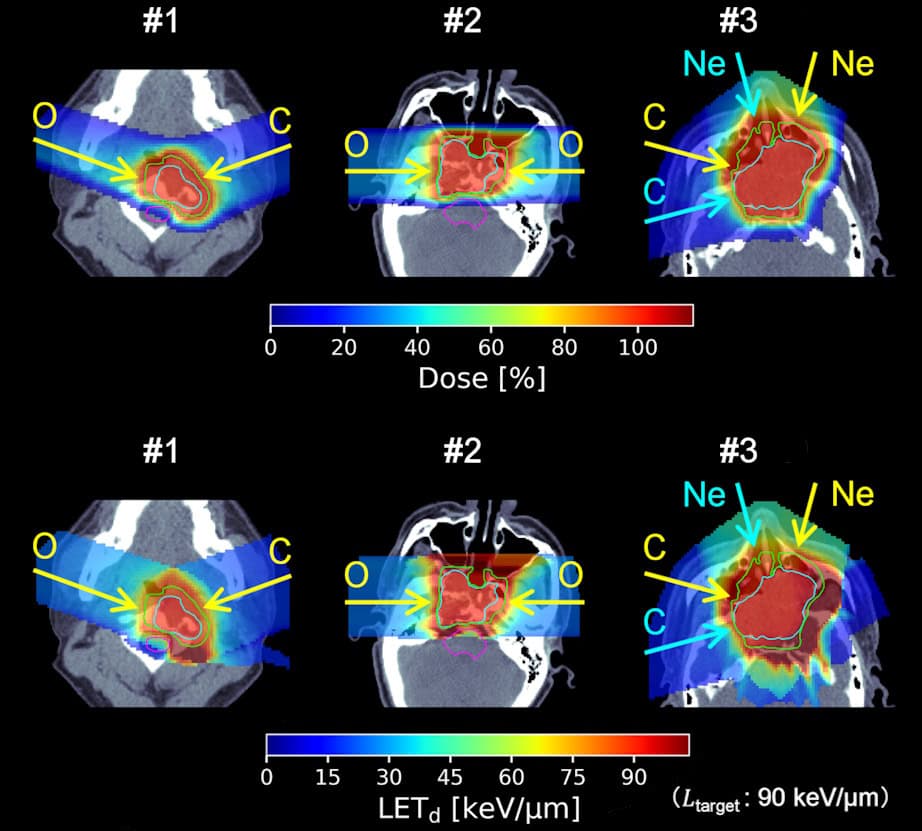
The researchers are using multi-ion therapy to increase the dose-averaged LET (LETd) within the tumour, performing a phase I trial at the QST Hospital to evaluate the safety and feasibility of this LETd escalation for head-and-neck cancers. But while high LETd prescriptions can improve treatment efficacy, increasing LETd can also deteriorate plan robustness. This so-called “LET trilemma” – a complex trade-off between target dose homogeneity, range robustness and high LETd – is a major challenge in particle therapy optimization.

In their latest study, reported in Physics in Medicine & Biology, Masuda and colleagues evaluated the impact of range and setup uncertainties on LETd-optimized multi-ion treatment plans, examining strategies that could potentially overcome this LET trilemma.

Robustness evaluation

The team retrospectively analysed the data of six patients who had previously been treated with carbon-ion therapy. Patients 1, 2 and 3 had small, medium and large central tumours, respectively, and adjacent dose-limiting organs-at-risk (OARs); and patients 4, 5 and 6 had small, medium and large peripheral tumours and no dose-limiting OARs.

Multi-ion therapy plans
Multi-ion therapy plans Reference dose and LETd distributions for patients 1, 2 and 3 for multi-ion therapy with a target LETd of 90 keV/µm. The GTV, clinical target volume (CTV) and OARs are shown in cyan, green and magenta, respectively. (Courtesy: Phys. Med. Biol.10.1088/1361-6560/ae387b)

For each case, the researchers first generated baseline carbon-ion therapy plans and then incorporated oxygen- or neon-ion beams and tuned the plans to achieve a target LETd of 90 keV/µm to the gross tumour volume (GTV).

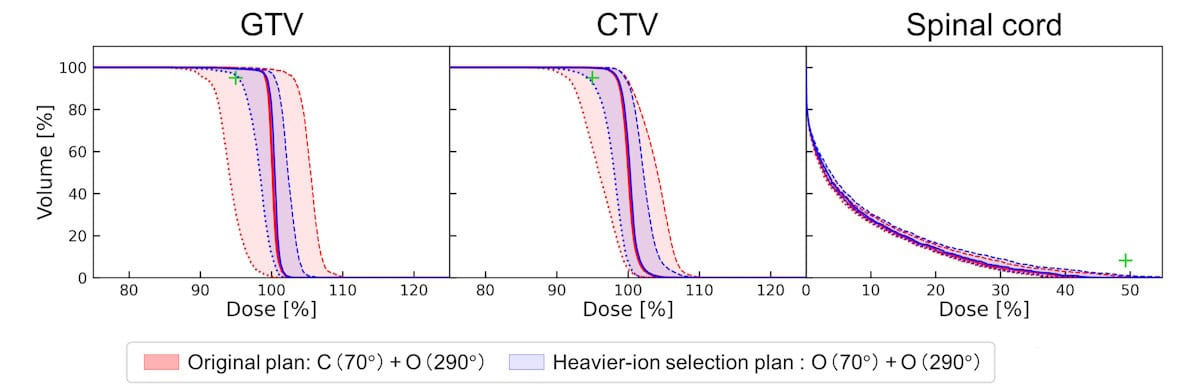
Particle therapy plans can be affected by both range uncertainties and setup variations. To assess the impact of these uncertainties, the researchers recalculated the multi-ion plans to incorporate range deviations of +2.5% (overshoot) and –2.5% (undershoot) and various setup uncertainties, evaluating their combined effects on dose and LETd distributions.

They found that range uncertainty was the main contributor to degraded plan quality. In general, range overshoot increased dose to the target, while undershoot decreased dose. Range uncertainties had the largest effect on small tumours and central tumours: patient #1 exhibited a deviation of around ±6% from the reference, while patient #3 showed a dose deviation of just ±1%. Robust target coverage was maintained in all large or peripheral tumours, but deteriorated in patient 1, leading to an uncertainty band of roughly 11%.

“Wide uncertainty bands indicate a higher risk that the intended dose may not be accurately delivered,” Masuda explains. “In particular, a pronounced lower band for the GTV suggests the potential for cold spots within the tumour, which could compromise local tumour control.”

The team also observed that range undershoot increased LETd and overshoot decreased it, although absolute differences in LETd within the entire target were small. Importantly, all OAR dose constraints were satisfied even in the largest error scenarios, with uncertainty bands comparable to those of conventional carbon-ion treatment plans.

Addressing the LET trilemma

To investigate strategies to improve plan robustness, the researchers created five new plans for patient 1, who had a small, central tumour that was particularly susceptible to uncertainties. They modified the original multi-ion plan (carbon- and oxygen-ion beams delivered at 70° and 290°) in five ways: expanding the target; altering the beam angles to orthogonal or opposing arrangements; increasing the number of irradiation fields to a four-field arrangement; and using oxygen ions for both beam ports (“heavier-ion selection”).

The heavier-ion selection plan proved the most effective in mitigating the effects of range uncertainty, substantially narrowing the dose uncertainty bands compared with the original plan. The team attribute this to the inherently higher LETd in heavier ions, making the 90 keV/µm target easier to achieve with oxygen-ion beams alone. The other plan modifications led to limited improvements.

Dose–volume histograms
Improving robustness Dose–volume histograms for patient 1, for the original multi-ion plan and the heavier-ion selection plan, showing the combined effects of range and setup uncertainties. Solid, dashed and dotted curves represent the reference plans, and upper and lower uncertainty scenarios, respectively. (Courtesy: Phys. Med. Biol.10.1088/1361-6560/ae387b)

These findings suggest that strategically employing heavier ions to enhance plan robustness could help control the balance among range robustness, uniform dose and high LETd – potentially offering a practical strategy to overcome the LET trilemma.

“Clinically, this strategy is particularly well-suited for small, deep-seated tumours and complex, variable sites such as the nasal cavity, where range uncertainties are amplified by depth, steep dose gradients and daily anatomical changes,” says Masuda. “In such cases, the use of heavier ions enables robust dose delivery with high LETd.”

The researchers are now exploring the integration of emerging technologies – such as robust optimization, arc therapy, dual-energy CT, in-beam PET and online adaptation – to minimize uncertainties. “This integration is highly desirable for applying multi-ion therapy to challenging cases such as pancreatic cancer, where uncertainties are inherently large, or hypofractionated treatments, where even a single error can have a significant impact,” Masuda tells Physics World.

The post Multi-ion cancer therapy tackles the LET trilemma appeared first on Physics World.
  •  

Polarization-sensitive photoacoustic microscopy reveals heart tissue health

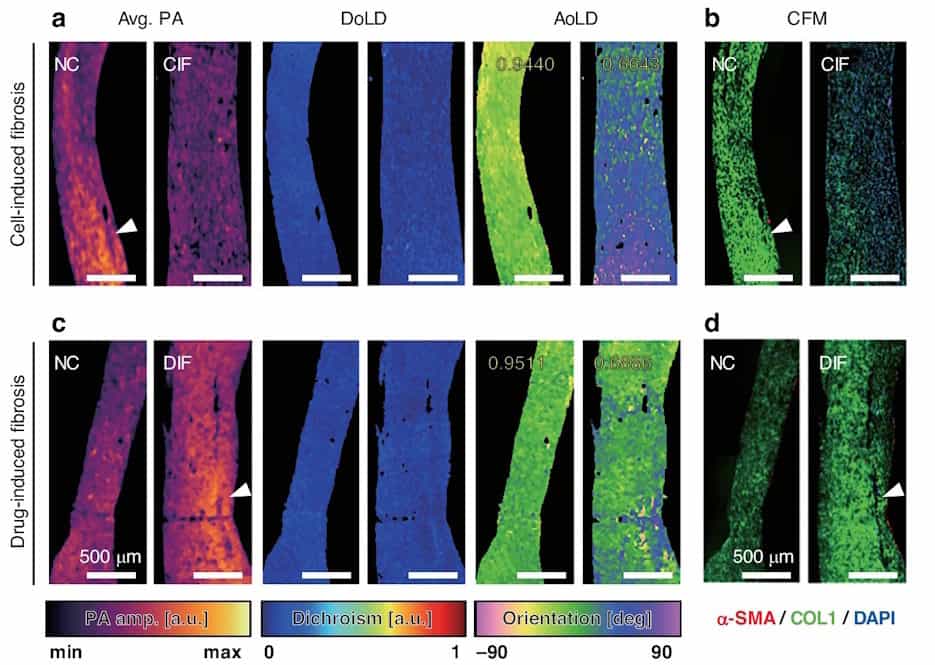
MIR-DS-PAM images of fibrotic and normal cardiac tissue
Imaging tissue fibrosis (a) Mid-infrared dichroism-sensitive photoacoustic microscopy (MIR-DS-PAM) images of cell-induced fibrosis (CIF) and normal control (NC) tissue; (c) MIR-DS-PAM images of drug-induced fibrosis (DIF) and NC tissue; (b) and (d) show the corresponding confocal fluorescence microscopy (CFM) images. Scale bars: 500 µm. (Courtesy: CC-BY 4.0/Light Sci. Appl. 10.1038/s41377-025-02117-0)

Many of the tissues in the human body rely upon highly organized microstructures to function effectively. If the collagen fibres in heart muscle become disordered, for instance, this can lead to or reflect disorders such as fibrosis and cancer. To image and analyse such structural changes, researchers at Pohang University of Science and Technology (POSTECH) in Korea have developed a new label-free microscopy technique and demonstrated its use in engineered heart tissue.

The ability to assess the alignment of microstructures such as protein fibres within tissue’s extracellular matrix provides a valuable tool for diagnosing disease, monitoring therapy response and evaluating tissue engineering models. Currently, however, this is achieved using histological imaging methods based on immunofluorescent staining, which can be labour-intensive and sensitive to the imaging conditions and antibodies used.

Instead, a team headed up by Chulhong Kim and Jinah Jang is investigating photoacoustic microscopy (PAM), a label-free imaging modality that relies on light absorption by endogenous tissue chromophores to reveal structural and functional information. In particular, PAM with mid-infrared (MIR) incident light provides bond-selective, high-contrast imaging of proteins, lipids and carbohydrates. The researchers also incorporated dichroism-sensitive (DS) functionality, resulting in a technique referred to as MIR-DS-PAM.

“Dichroism-sensitivity enables the quantitative assessment of fibre alignment by detecting the polarization-dependent absorption of anisotropic materials like collagen,” explains first author Eunwoo Park. “This adds a new contrast mechanism to conventional photoacoustic imaging, allowing simultaneous visualization of molecular content and microstructural organization without any labelling.”

Park and colleagues constructed a MIR-DS-PAM system using a pulsed quantum cascade laser as the light source. They tuned the laser to a centre wavelength of 6.0 µm to correspond with an absorption peak from the C=O stretching vibration in proteins. The laser beam was linearly polarized, modulated by a half-wave plate and used to illuminate the target tissue.

Tissue analysis

To validate the functionality of their MIR-DS-PAM technique, the researchers used it to image a formalin-fixed section of engineered heart tissue (EHT). They obtained images at four incident angles and used the acquired photoacoustic data to calculate the photoacoustic amplitude, which visualizes the protein content, as well as the degree of linear dichroism (DoLD) and the orientation angle of linear dichroism (AoLD), which reveal the extracellular matrix alignment.

“Cardiac tissue features highly aligned extracellular matrix with complex fibre orientation and layered architecture, which are critical to its mechanical and electrical function,” Park explains. “These properties make it an ideal model for demonstrating the ability of MIR-DS-PAM to detect physiologically relevant histostructural and fibrosis-related changes.”

The researchers also used MIR-DS-PAM to quantify the structural integrity of EHT during development, using specimens cultured for one to five days before fixing. Analysis of the label-free images revealed that as the tissue matured, the DoLD gradually increased, while the standard deviation of the AoLD decreased – indicating increased protein accumulation with more uniform fibre alignment over time. They note that these results agree with those from immunofluorescence-stained confocal fluorescence microscopy.

Next, they examined diseased EHT with two types of fibrosis: cell-induced fibrosis (CIF) and drug-induced fibrosis (DIF). In the CIF sample, the average photoacoustic amplitude and AoLD uniformity were both lower than found in normal EHT, indicating reduced protein density and disrupted fibre alignment. DIF exhibited a higher photoacoustic amplitude and lower AoLD uniformity than normal EHT, suggesting extensive extracellular matrix accumulation with disorganized orientation.

Both CIF and DIF showed a slight reduction in DoLD, again signifying a disorganized tissue structure, a common hallmark of fibrosis. The two fibrosis types, however, exhibited diverse biochemical profiles and different levels of mechanical dysfunction. The findings demonstrate the ability of MIR-DS-PAM to distinguish diseased from healthy tissue and identify different types of fibrosis. The researchers also imaged a tissue assembly containing both normal and fibrotic EHT to show that MIR-DS-PAM can capture features in a composite sample.

They conclude that MIR-DS-PAM enables label-free monitoring of both tissue development and fibrotic remodelling. As such, the technique shows potential for use within tissue engineering research, as well as providing a diagnostic tool for assessing tissue fibrosis or remodelling in biopsied samples. “Its ability to visualize both biochemical composition and structural alignment could aid in identifying pathological changes in cardiological, musculoskeletal or ocular tissues,” says Park.

“We are currently expanding the application of MIR-DS-PAM to disease contexts where extracellular matrix remodelling plays a central role,” he adds. “Our goal is to identify label-free histological biomarkers that capture both molecular and structural signatures of fibrosis and degeneration, enabling multiparametric analysis in pathological conditions.”


The post Polarization-sensitive photoacoustic microscopy reveals heart tissue health appeared first on Physics World.

  •  

RFID-tagged drug capsule lets doctors know when it has been swallowed

Taking medication as and when prescribed is crucial for it to have the desired effect. But nearly half of people with chronic conditions don’t adhere to their medication regimes, a serious problem that leads to preventable deaths, drug resistance and increased healthcare costs. So how can medical professionals ensure that patients are taking their medicine as prescribed?

A team at Massachusetts Institute of Technology (MIT) has come up with a solution: a drug capsule containing an RFID tag that uses radiofrequency (RF) signals to communicate that it has been swallowed, and then bioresorbs into the body.

“Medication non-adherence remains a major cause of preventable morbidity and cost, but existing ingestible tracking systems rely on non-degradable electronics,” explains project leader Giovanni Traverso. “Our motivation was to create a passive, battery-free adherence sensor that confirms ingestion while fully biodegrading, avoiding long-term safety and environmental concerns associated with persistent electronic devices.”

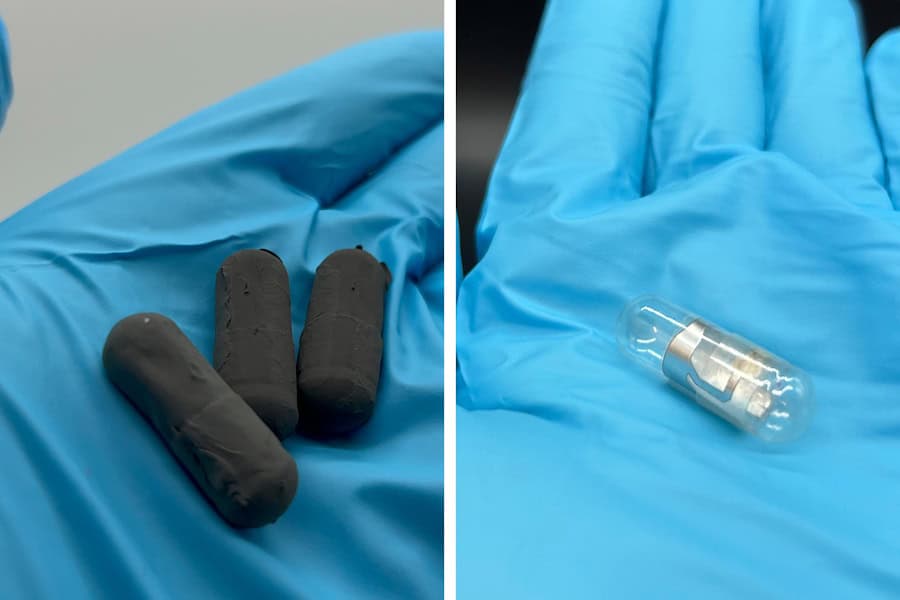
The device – named SAFARI (smart adherence via Faraday cage and resorbable ingestible) – incorporates an RFID tag with a zinc foil RF antenna and an RF chip, as well as the drug payload, inside an ingestible gelatin capsule. The capsule is coated with a mixture of cellulose and molybdenum particles, which blocks the transit of any RF signals.

SAFARI capsules with and without RF-blocking coating
SAFARI capsules Photos of the capsules with (left) and without (right) the RF-blocking coating. (Courtesy: Mehmet Say)

Once swallowed, however, this shielding layer breaks down in the stomach. The RFID tag (which can be preprogrammed with information such as dose metadata, manufacturing details and unique ID) can then be wirelessly queried by an external reader and return a signal from inside the body confirming that the medication has been ingested.

The capsule itself dissolves upon exposure to digestive fluids, releasing the desired medication; the  metal antenna components also dissolve completely in the stomach. The use of biodegradable materials is key as it eliminates the need for device retrieval and minimizes the risk of gastrointestinal (GI) blockage. The tiny (0.16 mm²) RFID chip remains intact and should safely leave the body through the GI tract.

Traverso suggests that the first clinical applications for the SAFARI capsule will likely be high-risk settings in which objective ingestion confirmation is particularly valuable. “[This includes] tuberculosis, HIV, transplant immunosuppression or cardiovascular therapies, where missed doses can have serious clinical consequences,” he tells Physics World.

In vivo demonstration

To assess the degradation of the SAFARI capsule and its components in vitro, Traverso and colleagues placed the capsule into simulated gastric fluid at physiological temperature (37 °C). The RF shielding coating dissolved in 10–20 min, while the capsule and the zinc layer in the RFID tag disintegrated into pieces after one day.

Next, the team endoscopically delivered the SAFARI capsules into the stomachs of sedated pigs, chosen as they have a similar sized GI tract to humans. Once in contact with gastric fluid in the stomach, the capsule coating swelled and then partially dissolved (as seen using endoscopic images), exposing the RFID tag. The researchers found that, in general, the tag and capsule parts disintegrated in the stomach at up to 24 h later.

A panel antenna positioned 10 cm from the animal captured the tag data. Even with the RFID tags immersed in gastric fluid, the external receiver could effectively record signals in the frequency range of 900–925 MHz, with RSSI (received signal strength indicator) values ranging from 65 to 78 dB – demonstrating that the tag could effectively transmit RF signals from inside the stomach.

The researchers conclude that this successful use of SAFARI in swine indicates the potential for translation to clinical research. They note that the device should be safe for human ingestion as its composite materials meet established dietary and biomedical exposure limits, with levels of zinc and molybdenum orders of magnitude below those associated with toxicity.

“We have demonstrated robust performance and safety in large-animal models, which is an important translational milestone,” explains first author Mehmet Girayhan Say. “Before human studies, further work is needed on chronic exposure with characterization of any material accumulation upon repeated dosing, as well as user-centred integration of external readers to support real-world clinical workflows.”

The post RFID-tagged drug capsule lets doctors know when it has been swallowed appeared first on Physics World.

  •  

Medical physics and biotechnology: highlights of 2025

This year saw Physics World report on a raft of innovative and exciting developments in the worlds of medical physics and biotech. These included novel cancer therapies using low-temperature plasma or laser ablation, intriguing new devices such as biodegradable bone screws and a pacemaker smaller than a grain of rice, and neural engineering breakthroughs including an ultrathin bioelectric implant that improves movement in rats with spinal cord injuries and a tiny brain sensor that enables thought control of external devices. Here are a few more research highlights that caught my eye.

Vision transformed

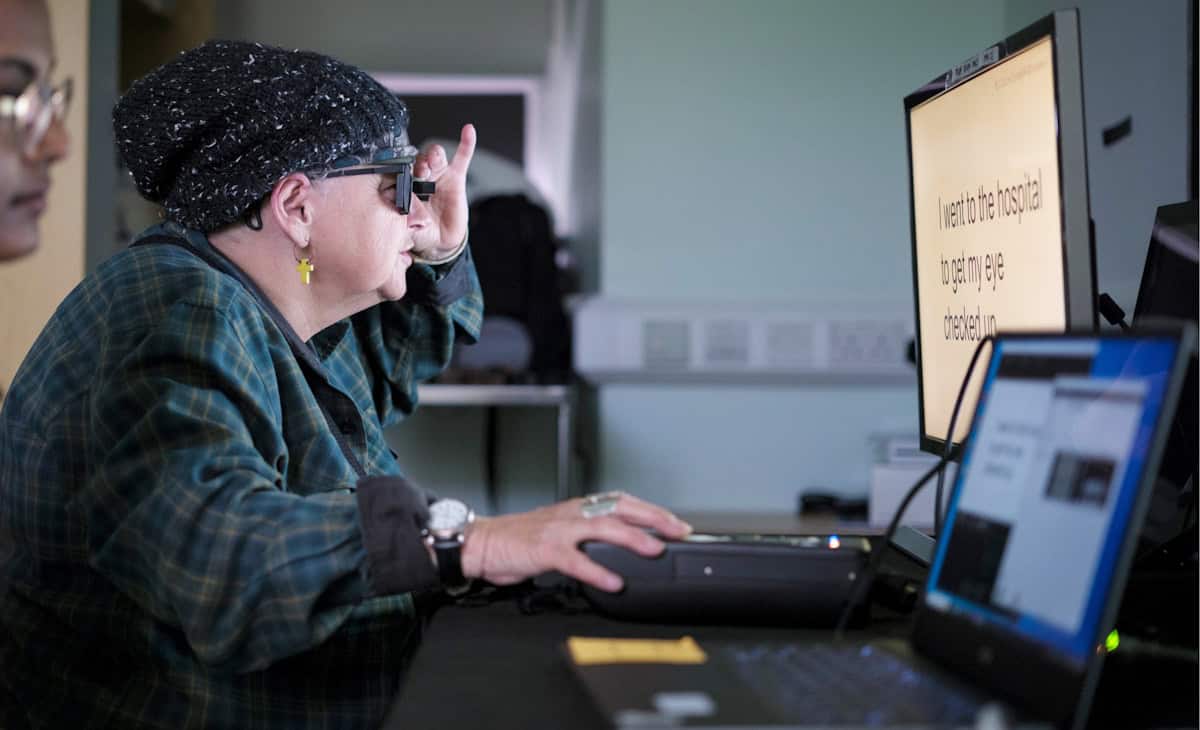
One remarkable device introduced in 2025 was an eye implant that restored vision to patients with incurable sight loss. In a clinical study headed up at the University of Bonn, participants with sight loss due to age-related macular degeneration had a tiny wireless implant inserted under their retina. Used in combination with specialized glasses, the system restored the ability to read in 27 of 32 participants followed up a year later.

Study participant training with the PRIMA device
Learning to read again Study participant Sheila Irvine, a patient at Moorfields Eye Hospital, training with the PRIMA device. (Courtesy: Moorfields Eye Hospital)

We also described a contact lens that enables wearers to see near-infrared light without night vision goggles, reported on an fascinating retinal stimulation technique that enabled volunteers to see colours never before seen by the human eye, and chatted with researchers in Hungary about how a tiny dissolvable eye insert they are developing could help astronauts suffering from eye conditions.

Radiation therapy advances

2025 saw several firsts in the field of radiation therapy. Researchers in Germany performed the first cancer treatment using a radioactive carbon ion beam, on a mouse with a bone tumour close to the spine. And a team at the Trento Proton Therapy Centre in Italy delivered the first clinical treatments using proton arc therapy – a development that made it onto our top 10 Breakthroughs of the Year.

Meanwhile, the ASTRO meeting saw Leo Cancer Care introduce its first upright photon therapy system, called Grace, which will deliver X-ray radiation to patients in an upright position. This new take on radiation delivery is also under investigation by a team at RaySearch Laboratories, who showed that combining static arcs and shoot-through beams could increase plan quality and reduce delivery times in upright proton therapy.

Among other new developments, there’s a low-cost, dual-robot radiotherapy system built by a team in Canada and targeted for use in low-resource settings, a study from Australia showing that combining microbeam radiation therapy with targeted radiosensitizers can optimize brain cancer treatment, and an investigation at Moffitt Cancer Center examining how skin luminance imaging improves Cherenkov-based radiotherapy dosimetry.

The impact of AI

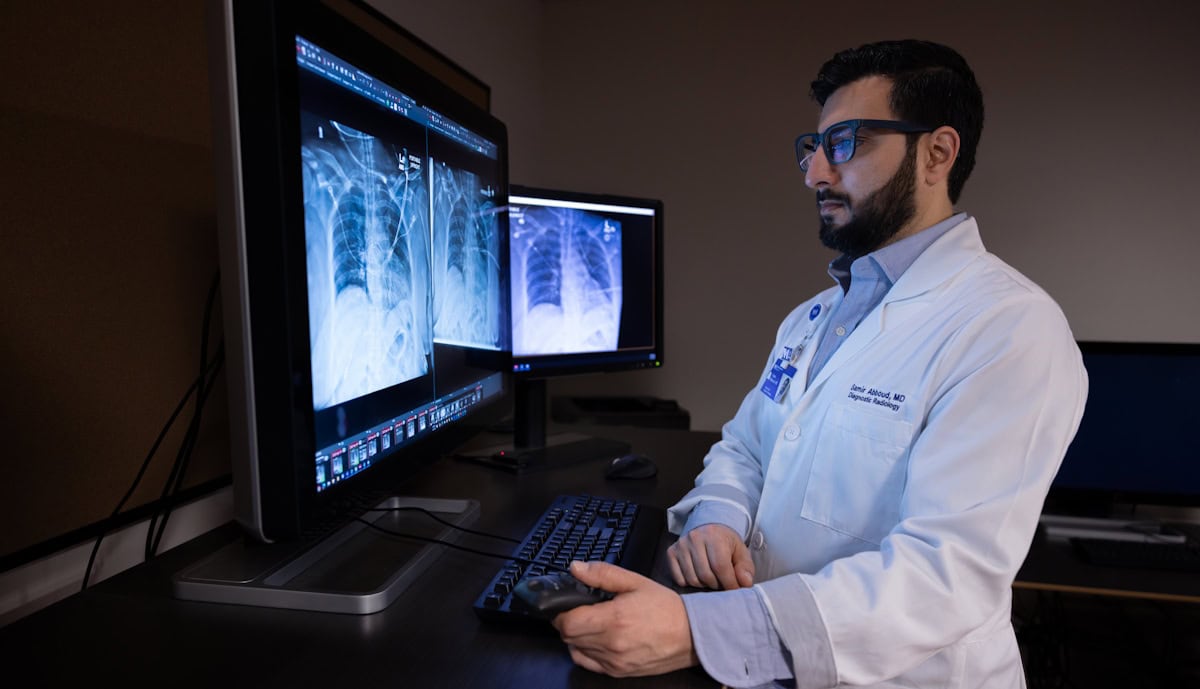
It’s particularly interesting to examine how the rapid evolution of artificial intelligence (AI) is impacting healthcare, especially considering its potential for use in data-intensive tasks. Earlier this year, a team at Northwestern Medicine integrated a generative AI tool into a live clinical workflow for the first time, using it to draft radiology reports on X-ray images. In routine use, the AI model increased documentation efficiency by an average of 15.5%, while maintaining diagnostic accuracy.

Samir Abboud from Northwestern Medicine
Samir Abboud: “For me and my colleagues, it’s not an exaggeration to say that [the AI tool] doubled our efficiency.” (Courtesy: José M Osorio/Northwestern Medicine)

Other promising applications include identifying hidden heart disease from electrocardiogram traces, contouring targets for brachytherapy treatment planning and detecting abnormalities in blood smear samples.

When introducing AI into the clinic, however, it’s essential that any AI-driven software is accurate, safe and trustworthy. To help assess these factors, a multinational research team identified potential pitfalls in the evaluation of algorithmic bias in AI radiology models, suggesting best practices to mitigate such bias.

A quantum focus

Finally, with 2025 being the International Year of Quantum Science and Technology, Physics World examined how quantum physics looks set to play a key role in medicine and healthcare. Many quantum-based companies and institutions are already working in the healthcare sector, with quantum sensors, in particular, close to being commercialized. As detailed in this feature on quantum sensing, such technologies are being applied for applications ranging from lab and point-of-care diagnostics to consumer wearables for medical monitoring, body scanning and microscopy.

Alongside, scientists at Jagiellonian University are applying quantum entanglement to cancer diagnostics and developing the world’s first whole-body quantum PET scanner, while researchers at the University of Warwick have created an ultrasensitive magnetometer based on nitrogen-vacancy centres in diamond that could detect small cancer metastases via keyhole surgery. There’s even a team designing a protein qubit that can be produced directly inside living cells and used as a magnetic field sensor (which also featured in this year’s top 10 breakthroughs).

And in September, we ran a Physics World Live event examining how quantum optics, quantum sensors and quantum entanglement can enable advanced disease diagnostics and transform medical imaging. The recording is available to watch here.

The post Medical physics and biotechnology: highlights of 2025 appeared first on Physics World.

  •  

Hybrid deep-learning model eases brachytherapy planning

CT scan slices and target contours
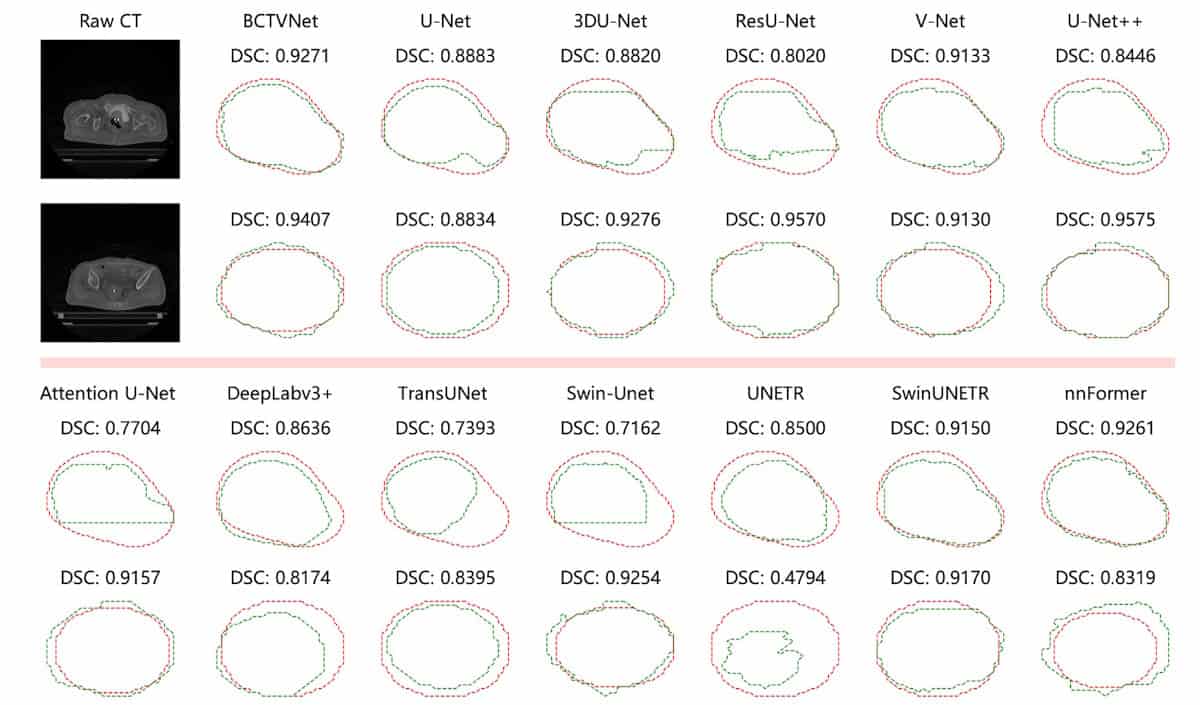
CTV segmentation test Target contouring in two example slices of a patient’s CT scan, using BCTVNet and 12 comparison models. Red and green contours represent the ground truth and the model predictions, respectively. Each image is annotated with the corresponding Dice similarity coefficient. (Courtesy: CC BY 4.0/Mach. Learn.: Sci. Technol. 10.1088/2632-2153/ae2233

Brachytherapy – a cancer treatment that destroys tumours using small radioactive sources implanted inside the body – plays a critical role in treating cervical cancer, offering an important option for patients with inoperable locally advanced disease. Brachytherapy can deliver high radiation doses directly to the tumour while ensuring nearby healthy tissues receive minimal dose; but its effectiveness relies on accurate delineation of the treatment target. A research team in China is using a hybrid deep-learning model to help with this task.

Planning brachytherapy treatments requires accurate contouring of the clinical target volume (CTV) on a CT scan, a task that’s traditionally performed manually. The limited soft-tissue contrast of CT, however, can result in unclear target boundaries, while applicator or needle insertion (used to deliver the radioactive sources) can deform and displace nearby organs. This makes manual contouring a time-consuming and subjective task that requires a high level of operator expertise.

Automating this process could reduce reliance on operator experience, increase workflow efficiency and improve contouring consistency. With this aim, the research team – headed up by He Ma from Northeastern University and Lin Zhang from Shanghai University of International Business and Economics – developed a 3D hybrid neural network called BCTVNet.

Currently, most brachytherapy segmentation models are based on convolutional neural networks (CNNs). CNNs effectively capture local structural features and can model fine anatomical details but struggle with long-range dependencies, which can cause problems if the target extends across multiple CT slices. Another option is to use transformer-based models that can integrate spatial information across distant regions and slices; but these are less effective at capturing fine-grained local detail.

To combine the strengths of both, BCTVNet integrates CNN with transformer branches to provide strong local detail extraction along with global information integration. BCTVNet performs 3D segmentation directly on post-insertion CT images, enabling the CTV to be defined based on the actual treatment geometry.

Model comparisons

Zhang, Ma and colleagues assessed the performance of BCTVNet using a private CT dataset from 95 patients diagnosed with locally advanced cervical cancer and treated with CT-guided 3D brachytherapy (76 in the training set, 19 in the test set). The scans had an average of 96 slices per patient and a slice thickness of 3 mm.

CT scans used to plan cervical cancer brachytherapy often exhibit unclear target boundaries. To enhance the local soft-tissue contrast and improve boundary recognition, the researchers pre-processed the CT volumes with a 3D version of the CLAHE (contrast-limited adaptive histogram equalization) algorithm, which processes the entire CT scan as a volumetric input. They then normalized the intensity values to standardize the input for the segmentation models.

The researchers compared BCTVNet with 12 popular CNN- and transformer-based segmentation models, evaluating segmentation performance via a series of metrics, including Dice similarity coefficient (DSC), Jaccard index, Hausdorff distance 95th percentile (HD95) and average surface distance.

Contours generated by BCTVNet were closest to the ground truth, reaching a DSC of 83.24% and a HD95 (maximum distance from ground truth excluding the worst 5%) of 3.53 mm. BCTVNet consistently outperformed the other models across all evaluation metrics. It also demonstrated strong classification accuracy, with a precision of 82.10% and a recall of 85.84%, implying fewer false detections and successful capture of target regions.

To evaluate the model’s generalizability, the team conducted additional experiments on the public dataset SegTHOR, which contains 60 thoracic 3D CT scans (40 for training, 20 for testing) from patients with oesophageal cancer. Here again, BCTVNet achieved the best scores among all the segmentation models, with the highest average DSC of 87.09% and the lowest average HD95 of 7.39 mm.

“BCTVNet effectively overcomes key challenges in CTV segmentation and achieves superior performance compared to existing methods,” the team concludes. “The proposed approach provides an effective and reliable solution for automatic CTV delineation and can serve as a supportive tool in clinical workflows.”

The researchers report their findings in Machine Learning: Science and Technology.

The post Hybrid deep-learning model eases brachytherapy planning appeared first on Physics World.

  •  

Bridging borders in medical physics: guidance, challenges and opportunities

Book cover: Global Medical Physics: A Guide for International Collaboration
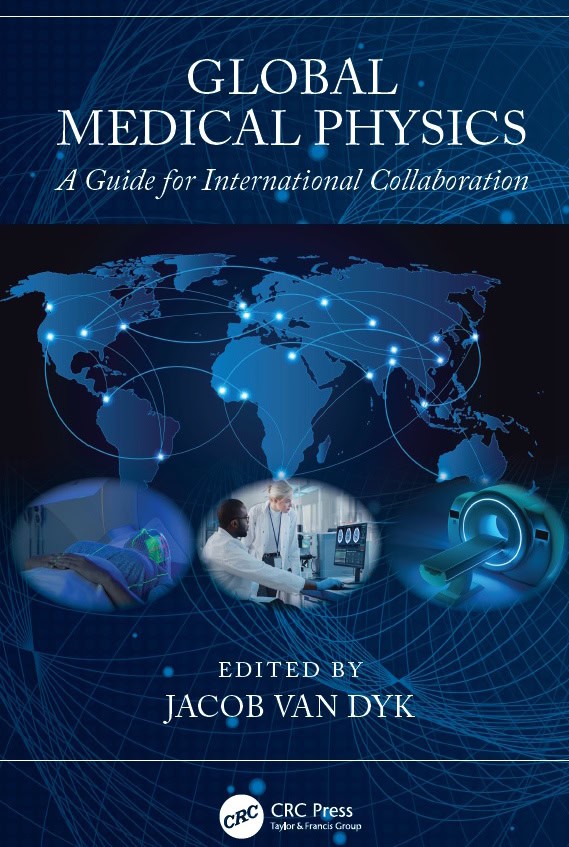
Educational aid Global Medical Physics: A Guide for International Collaboration explores the increasing role of medical physicists in international collaborations. The book comes in paperback, hardback and ebook format. An open-access ebook will be available in the near future. (Courtesy: CRC Press/Taylor & Francis)

As the world population ages and the incidence of cancer and cardiac disease grows alongside, there’s an ever-increasing need for reliable and effective diagnostics and treatments. Medical physics plays a central role in both of these areas – from the development of a suite of advanced diagnostic imaging modalities to the ongoing evolution of high-precision radiotherapy techniques.

But access to medical physics resources – whether equipment and infrastructure, education and training programmes, or the medical physicists themselves – is massively imbalanced around the world. In low- and middle-income countries (LMICs), fewer than 50% of patients have access to radiotherapy, with similar shortfalls in the availability of medical imaging equipment. Lower-income countries also have the least number of medical physicists per capita.

This disparity has led to an increasing interest in global health initiatives, with professional organizations looking to provide support to medical physicists in lower income regions. Alongside, medical physicists and other healthcare professionals seek to collaborate internationally in clinical, educational and research settings.

Successful multicultural collaborations, however, can be hindered by cultural, language and ethical barriers, as well as issues such as poor access to the internet and the latest technology advances. And medical physicists trained in high-income contexts may not always understand the circumstances and limitations of those working within lower income environments.

Aiming to overcome these obstacles, a new book entitled Global Medical Physics: A Guide for International Collaboration provides essential guidance for those looking to participate in such initiatives. The text addresses the various complexities of partnering with colleagues in different countries and working within diverse healthcare environments, encompassing clinical and educational medical physics circles, as well as research and academic environments.

“I have been involved in providing support to medical physicists in lower income contexts for a number of years, especially through the International Atomic Energy Agency (IAEA), but also through professional organizations like the American Association of Physicists in Medicine (AAPM),” explains the book’s editor Jacob Van Dyk, emeritus professor at Western University in Canada. “It is out of these experiences that I felt it might be appropriate and helpful to provide some educational materials that address these issues. The outcome was this book, with input from those with these collaborative experiences.”

Shared experience

The book brings together contributions from 34 authors across 21 countries, including both high- and low-resource settings. The authors – selected for their expertise and experience in global health and medical physics activities – provide guidelines for success, as well as noting potential barriers and concerns, on a wide range of themes targeted at multiple levels of expertise.

This guidance includes, for example: advice on how medical physicists can contribute to educational, clinical and research-based global collaborations and the associated challenges; recommendations on building global inter-institutional collaborations, covering administrative, clinical and technical challenges and ethical issues; and a case study on the Radiation Planning Assistant project, which aims to use automated contouring and treatment planning to assist radiation oncologists in LMICs.

In another chapter, the author describes the various career paths available to medical physicists, highlighting how they can help address the disparity in healthcare resources through their careers. There’s also a chapter focusing on CERN as an example of a successful collaboration engaging a worldwide community, including a discussion of CERN’s involvement in collaborative medical physics projects.

With the rapid emergence of artificial intelligence (AI) in healthcare, the book takes a look at the role of information and communication technologies and AI within global collaborations. Elsewhere, authors highlight the need for data sharing in medical physics, describing example data sharing applications and technologies.

Other chapters consider the benefits of cross-sector collaborations with industry, sustainability within global collaborations, the development of effective mentoring programmes – including a look at challenges faced by LMICs in providing effective medical physics education and training – and equity, diversity and inclusion and ethical considerations in the context of global medical physics.

The book rounds off by summarizing the key topics discussed in the earlier chapters. This information is divided into six categories: personal factors, collaboration details, project preparation, planning and execution, and post-project considerations.

“Hopefully, the book will provide an awareness of factors to consider when involved in global international collaborations, not only from a high-income perspective but also from a resource-constrained perspective,” says Van Dyk. “It was for this reason that when I invited authors to develop chapters on specific topics, they were encouraged to invite a co-author from another part of the world, so that it would broaden the depth of experience.”

The post Bridging borders in medical physics: guidance, challenges and opportunities appeared first on Physics World.

  •  
❌