↩ Accueil

Vue lecture

MacBook Neo Features Two Different USB-C Ports

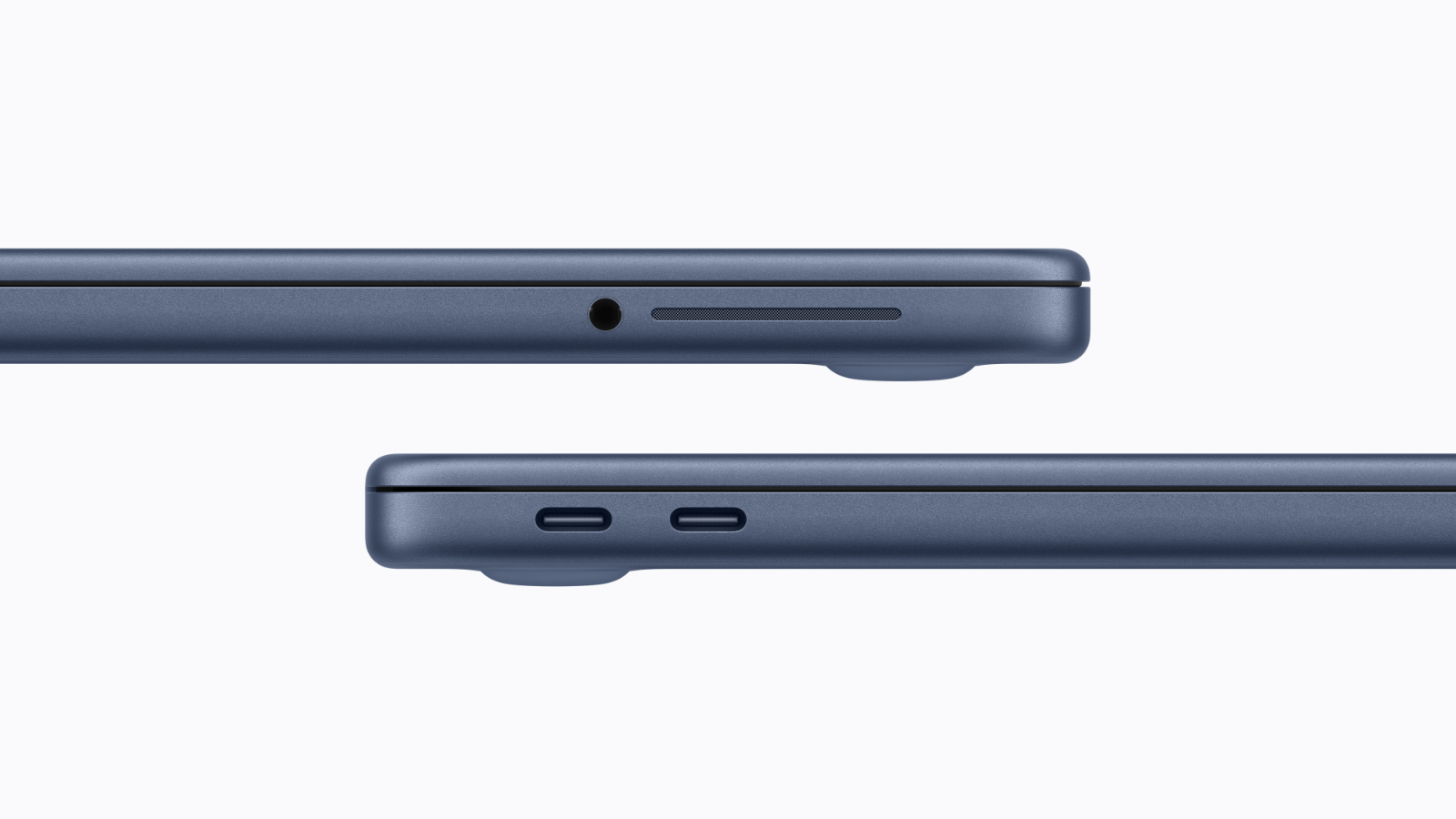
The MacBook Neo's two USB-C ports have two different specifications, with one being limited to USB 2 speeds.


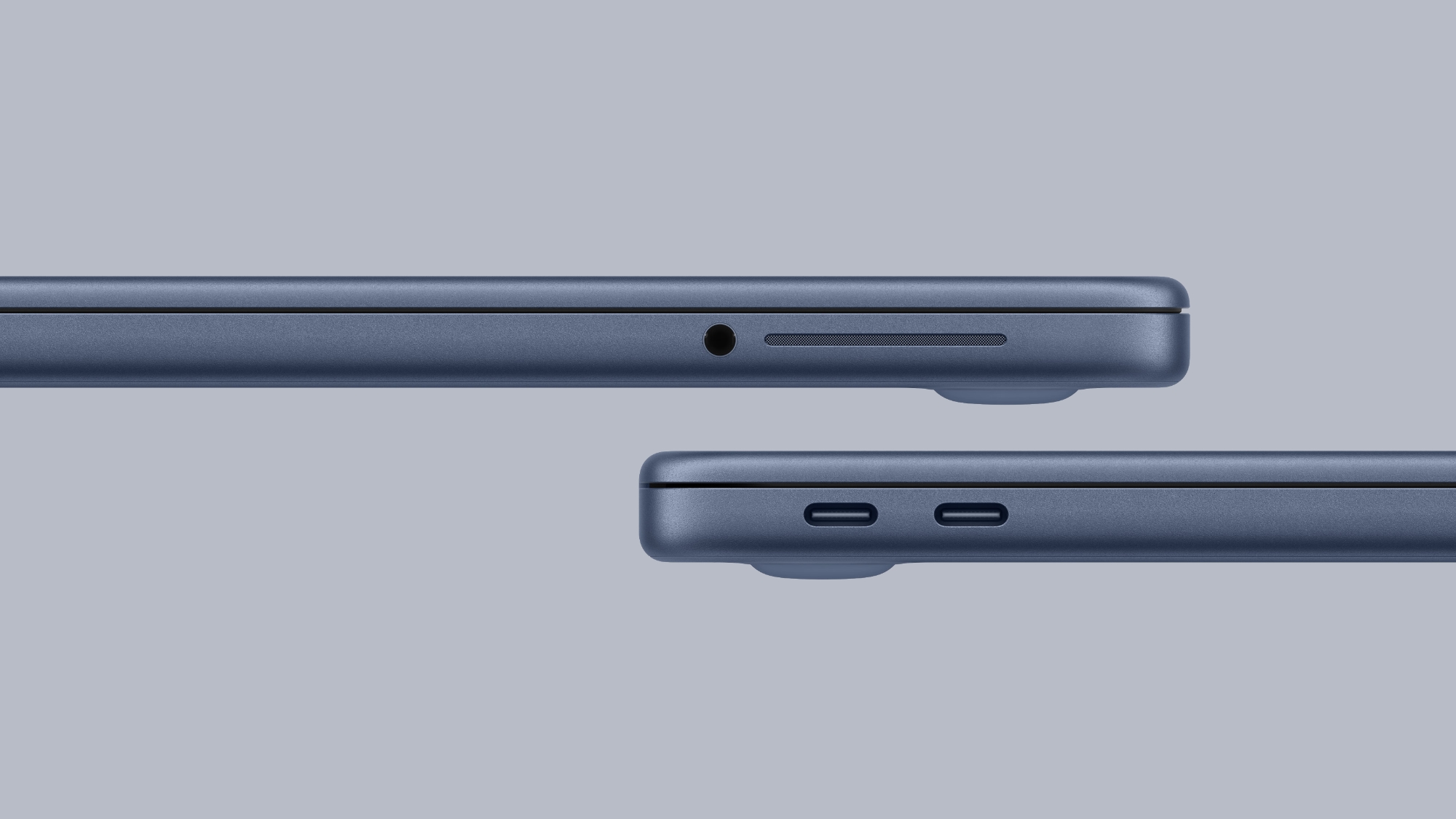
One port is a USB-C 3 port with support for data transfer speeds up to 10 Gb/s, while the other is a USB-C 2 port with support for data transfer speeds up to 480 Mb/s. Both support charging, but only the USB-C 3 port features DisplayPort, so users will need to make sure they are hooked up to the correct port when using an external display.

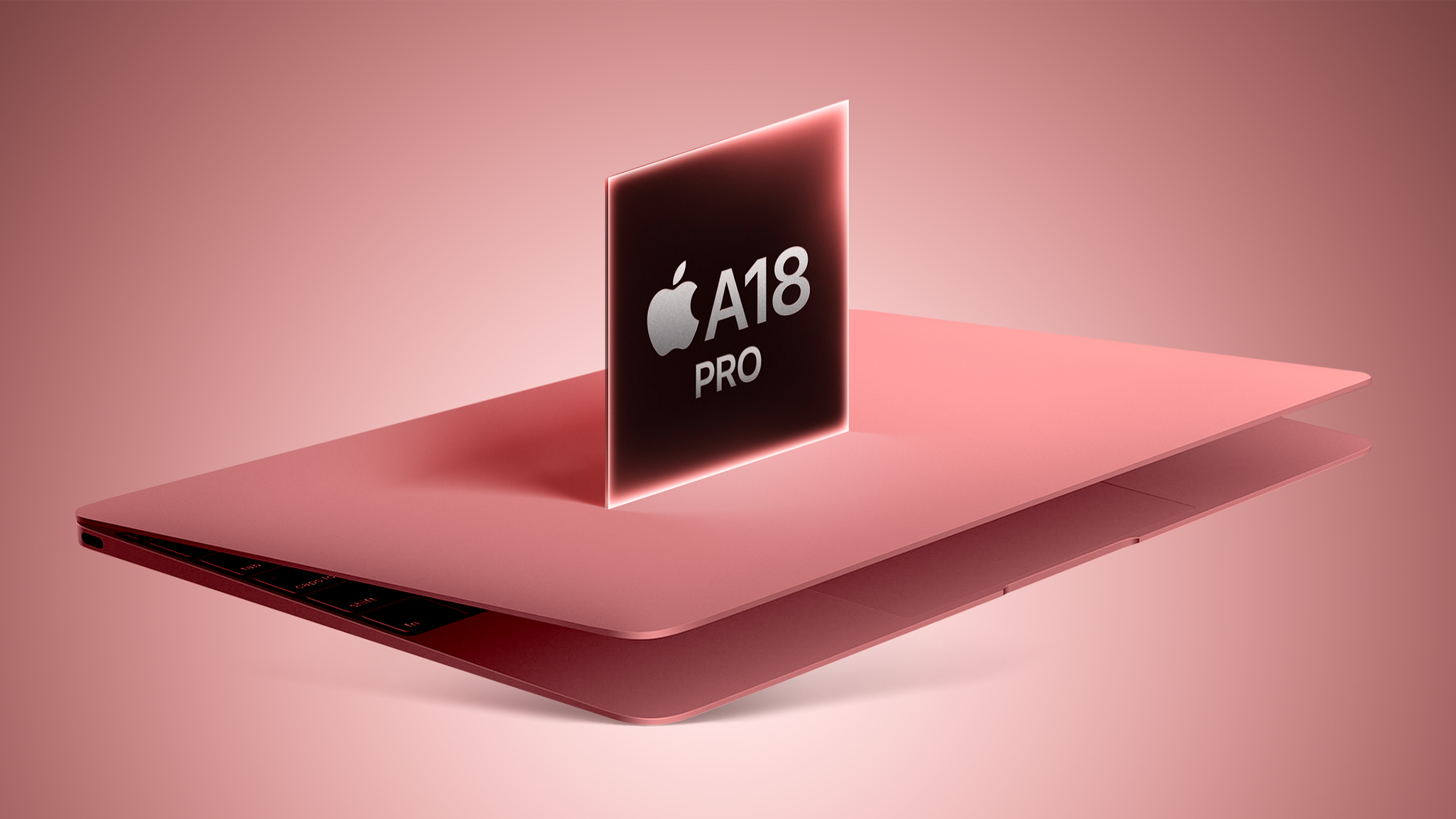
There is no way to tell them apart externally. The limitation is likely related to the USB controller of the A18 Pro chip. There is also a headphone jack on the device, but there is no MagSafe charging capability or any other ports.

MacBook Neo is available to pre-order starting today, with availability starting on Wednesday, March 11.
This article, "MacBook Neo Features Two Different USB-C Ports" first appeared on MacRumors.com

Discuss this article in our forums

  •  

Get an iPhone 17e at No Cost With First Pre-Order Discounts From Cellular Carriers

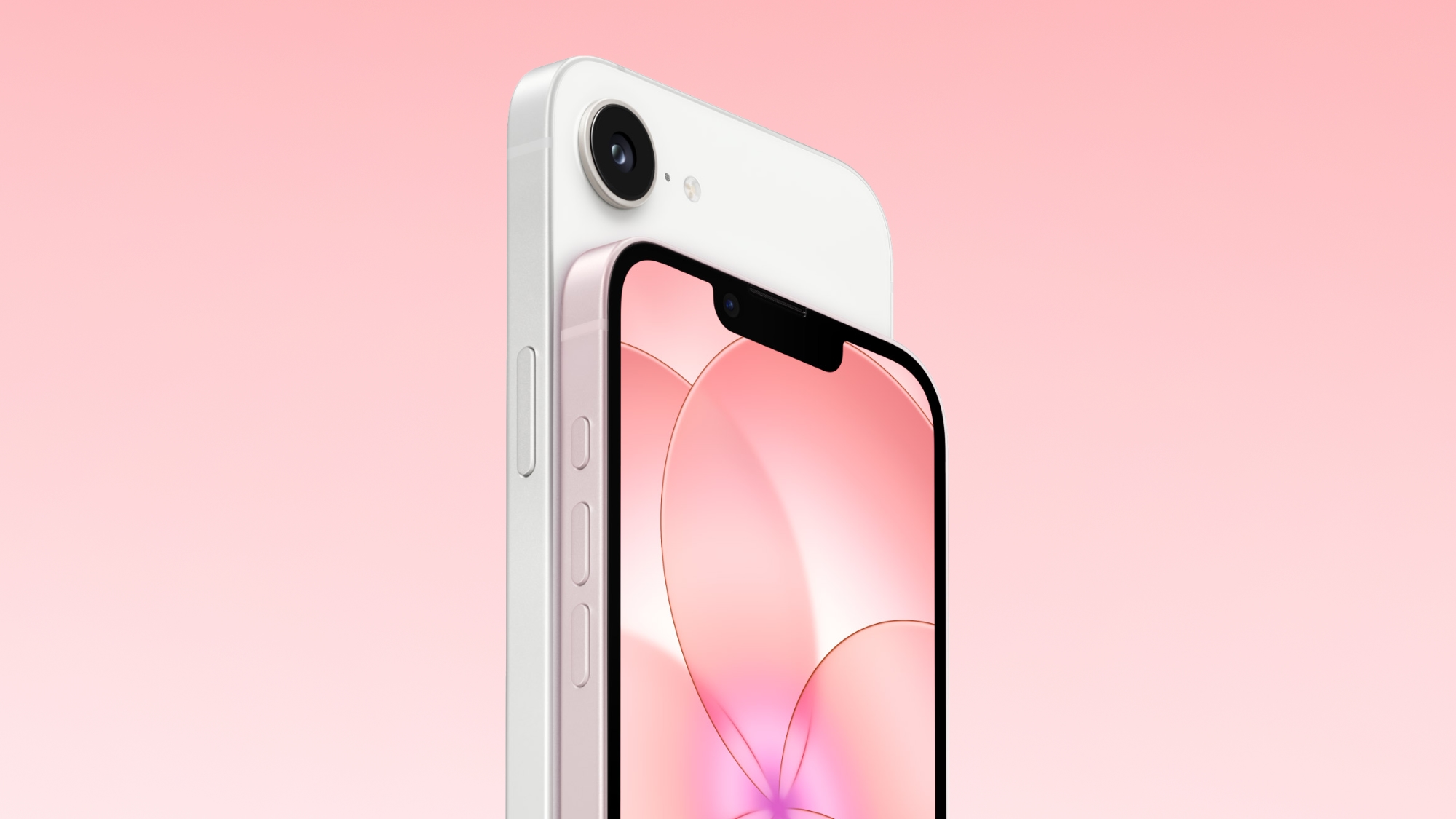
Apple's latest iPhone, the iPhone 17e, went up for pre-order this morning, and as always you can find numerous offers on the newest Apple smartphone from cellular carriers. This includes savings from AT&T, Verizon, and T-Mobile.

Note: MacRumors is an affiliate partner with some of these vendors. When you click a link and make a purchase, we may receive a small payment, which helps us keep the site running.

Shoppers should remember that all of the offers below are pre-order deals on the iPhone 17e, which is set to launch on March 11.

AT&T


At AT&T, you can get the iPhone 17e (256GB) for $5.99/month when you activate a new line or upgrade an existing line on one of AT&T's unlimited voice and data plan.


Specifically, you'll get up to $384.36 in bill credits on the 256GB iPhone 17e, or up to $404.36 in bill credits on the 512GB iPhone 17e. No trade-in is required for this deal.

Verizon


Verizon's deal has the iPhone 17e at no cost when you purchase the device on an Unlimited Welcome, Unlimited Plus, or Unlimited Ultimate plan. You'll also need to add a new line on one of these plans, and this is for the 256GB iPhone 17e.


Once you qualify, you'll see the promo credit applied to your account over 36 months.

T-Mobile


At T-Mobile, you can also get the iPhone 17e at no cost, but you'll need to trade in an eligible device on the Experience More plan. Otherwise, you can get the same offer when trading in an eligible device and add a line on most other plans.


If you're purchasing for a family, you can get four iPhone 17e models at no cost and four new voice lines for $25/line per month. You'll need to trade in four eligible devices on the Essentials plan in order to get this deal.

If you're switching to T-Mobile, you'll get the iPhone 17e at no cost and you won't need to trade in any device for this one.

Head to our full Deals Roundup to get caught up with all of the latest deals and discounts that we've been tracking over the past week.


Deals Newsletter


Interested in hearing more about the best deals you can find in 2026? Sign up for our Deals Newsletter and we'll keep you updated so you don't miss the biggest deals of the season!


Related Roundup: Apple Deals

This article, "Get an iPhone 17e at No Cost With First Pre-Order Discounts From Cellular Carriers" first appeared on MacRumors.com

Discuss this article in our forums

  •  

Hello, MacBook Neo: Apple Showcases All-New $599 MacBook in Video

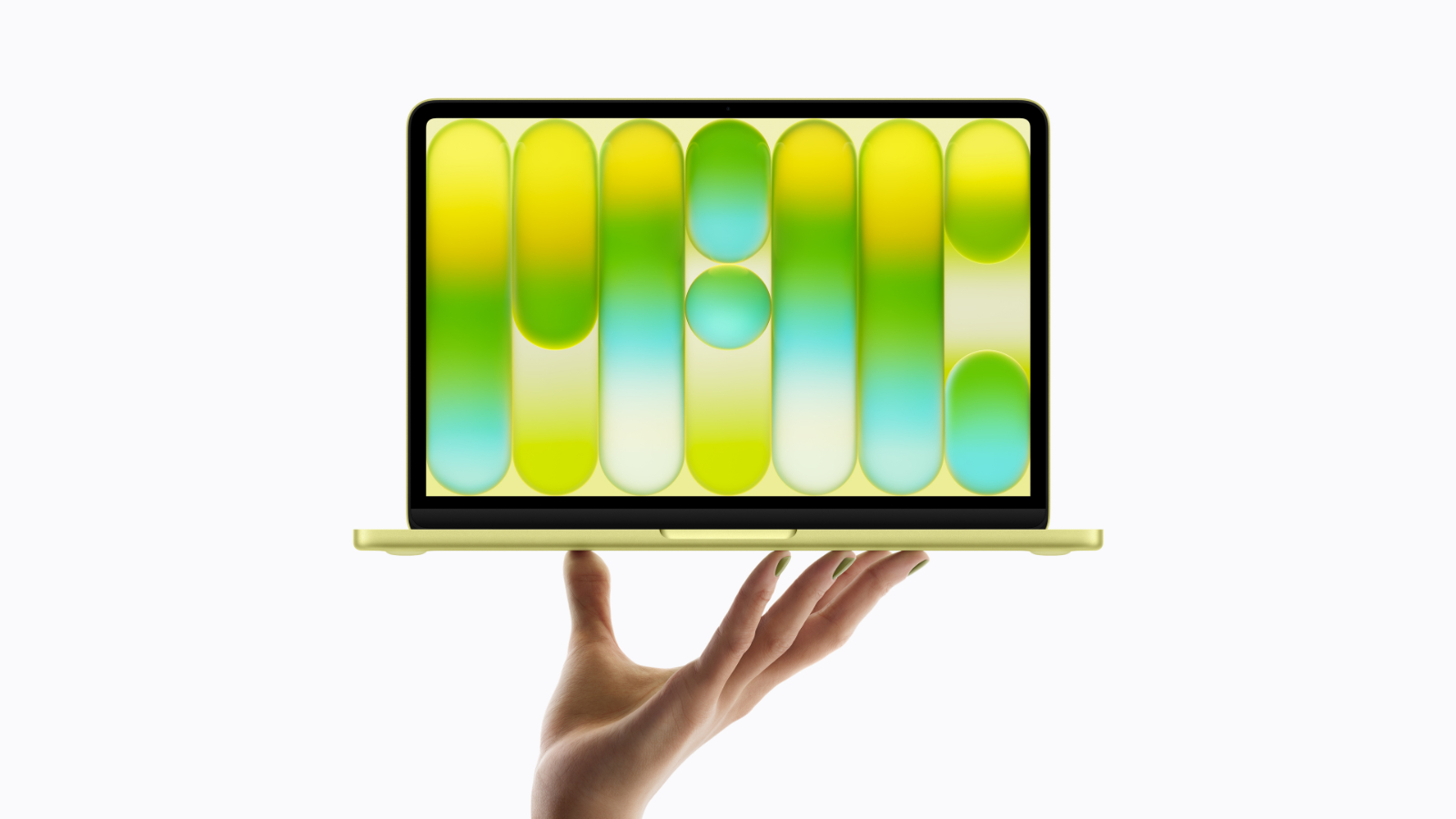
Apple today unveiled the colorful new MacBook Neo, which has a "breakthrough" starting price of just $599 in the United States. MacBook Neo features a 13-inch display, an A18 Pro chip with Apple Intelligence support, 256GB and 512GB storage options, dual speakers on the left and right sides of the laptop, and more.

Apple has shared a "Hello, MacBook Neo" video showing off the laptop:


To learn more about the MacBook Neo, read our coverage of Apple's announcement, and stay tuned for our own hands-on photos and much more.

MacBook Neo can be pre-ordered now on Apple.com, and it launches Wednesday, March 11.
This article, "Hello, MacBook Neo: Apple Showcases All-New $599 MacBook in Video" first appeared on MacRumors.com

Discuss this article in our forums

  •  

Want Touch ID on the MacBook Neo? It'll Cost You $100 Extra

Apple today debuted the MacBook Neo, a $599 notebook with an A18 Pro chip, 16-hour battery life, and selection of bright colors. The MacBook Neo has the same magic keyboard as other MacBooks, but getting Touch ID is an extra charge.


The base $599 MacBook Neo model has a standard keyboard without ‌Touch ID‌ and 256GB of storage, but if you pay $100 more, you can get 512GB of storage and a ‌Touch ID‌ button on the keyboard.

There is no option to get ‌Touch ID‌ with the 256GB storage tier. There are just two pricing tiers for storage, with no other upgrade options available for the MacBook Neo. There is a $100 EDU discount, so teachers and students can get the standard Neo for $499, and the upgraded version with ‌Touch ID‌ for $599.

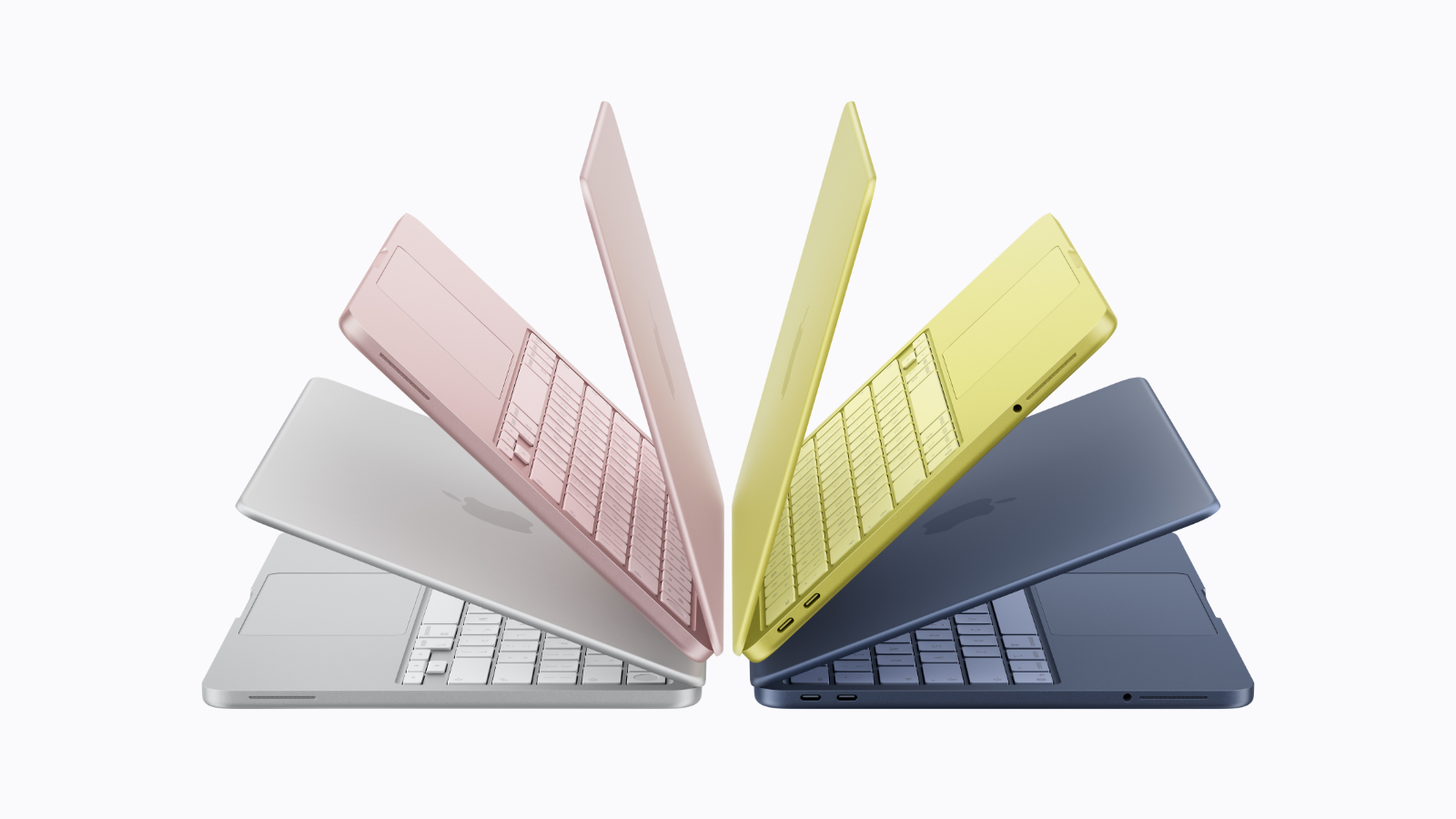
The MacBook Neo comes in four colors, including Silver, Citrus, Blush, and Indigo. It is available for pre-order today, with a launch to follow on March 11.
This article, "Want Touch ID on the MacBook Neo? It'll Cost You $100 Extra" first appeared on MacRumors.com

Discuss this article in our forums

  •  

Apple Opens Pre-Orders for MacBook Neo, iPhone 17e, M5 Pro/Max MacBook Pro, New Studio Displays and More

Apple is now accepting pre-orders for all of the new products that it announced this week. Everything can be ordered from the online Apple Store following the debut of the new low-cost MacBook earlier this morning, with deliveries starting on Wednesday, March 11.


Here's a list of what you can order now, with pricing details included.

  • MacBook Neo - The 13-inch MacBook Neo has an A18 Pro chip and it's priced starting at $599. It comes in Silver, Indigo, Blush, and Citrus.

  • iPhone 17e - Pricing starts at $599 for 256GB of storage. Features A19 chip, MagSafe, and C1X modem.

  • Studio Display - $1,599 for standard glass, or $1,899 for nano-texture glass. Includes Thunderbolt 5 and 5K Retina display with 60Hz refresh rate.

  • Studio Display XDR - Starts at $3,299 for standard glass, or $3,599 for nano-texture glass. Comes with mini-LED display technology, a 120Hz refresh rate, and Thunderbolt 5.

  • M5 Pro/M5 Max MacBook Pro - Pricing starts at $2,199 for the 14-inch model, or $2,699 for the 16-inch model. M5 Pro and M5 Max chips, plus faster SSDs.

  • M5 MacBook Air - Priced starting at $1,099. Includes faster M5 chip and 512GB base storage.

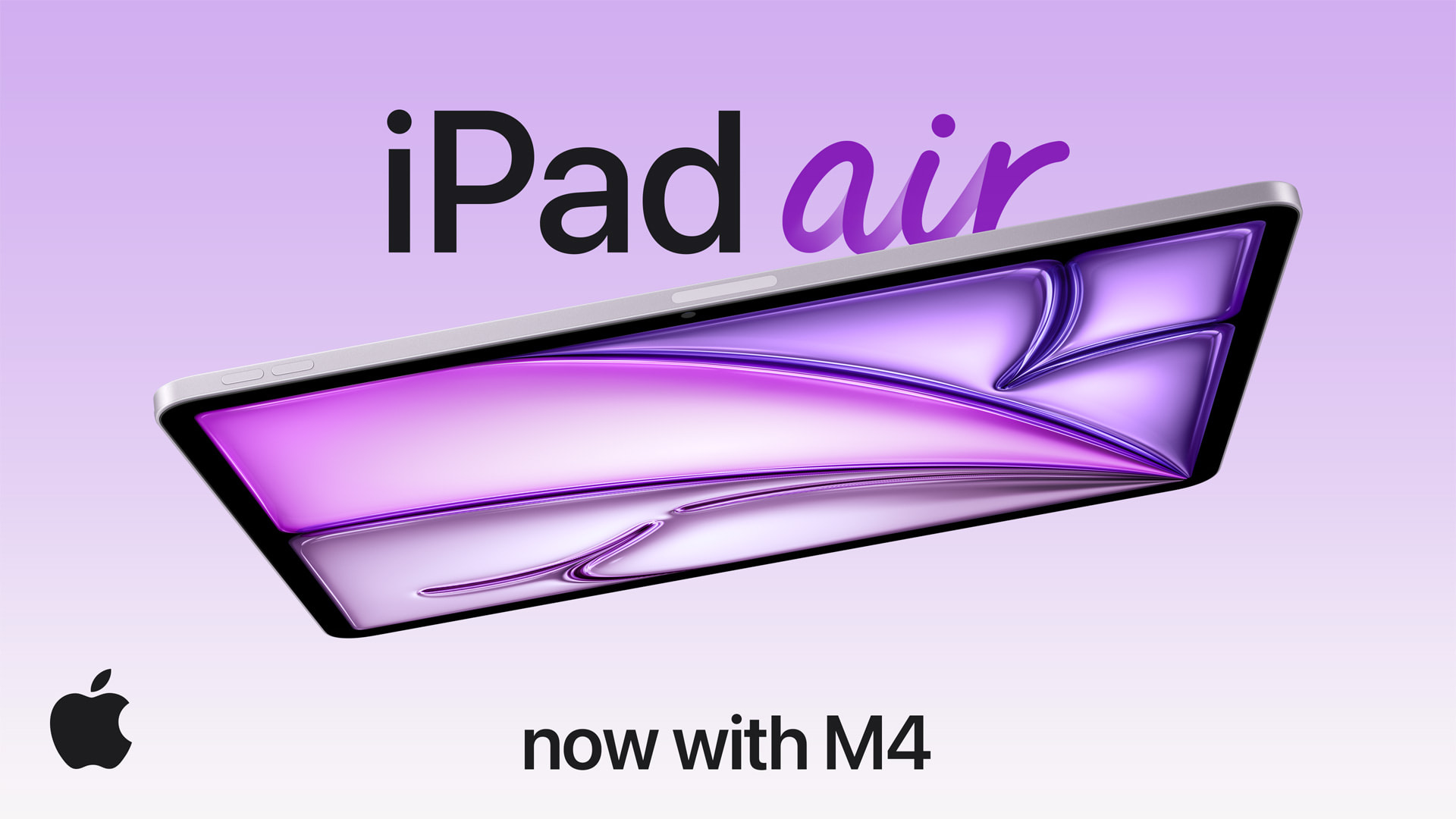
  • iPad Air - Priced starting at $599. Features M4 chip, 12GB RAM, and Wi-Fi 7.


All of the new devices will launch on Wednesday, March 11, which is also when they'll be available in Apple retail stores.
This article, "Apple Opens Pre-Orders for MacBook Neo, iPhone 17e, M5 Pro/Max MacBook Pro, New Studio Displays and More" first appeared on MacRumors.com

Discuss this article in our forums

  •  

Apple Announces $599 'MacBook Neo' With A18 Pro Chip

Apple today announced the "MacBook Neo," an all-new kind of low-cost Mac featuring the A18 Pro chip for $599.


The MacBook Neo is the first Mac to be powered by an iPhone chip; the A18 Pro debuted in 2024's iPhone 16 Pro models. Apple says it is up to 50% faster for everyday tasks than the bestselling PC with the latest shipping Intel Core Ultra 5, up to 3x faster for on-device AI workloads, and up to 2x faster for tasks like photo editing.

The MacBook Neo features a 13-inch Liquid Retina display with a 2408-by-1506 resolution, 500 nits of brightness, and an anti-reflective coating. The display does not have a notch, instead featuring uniform, iPad-style bezels.


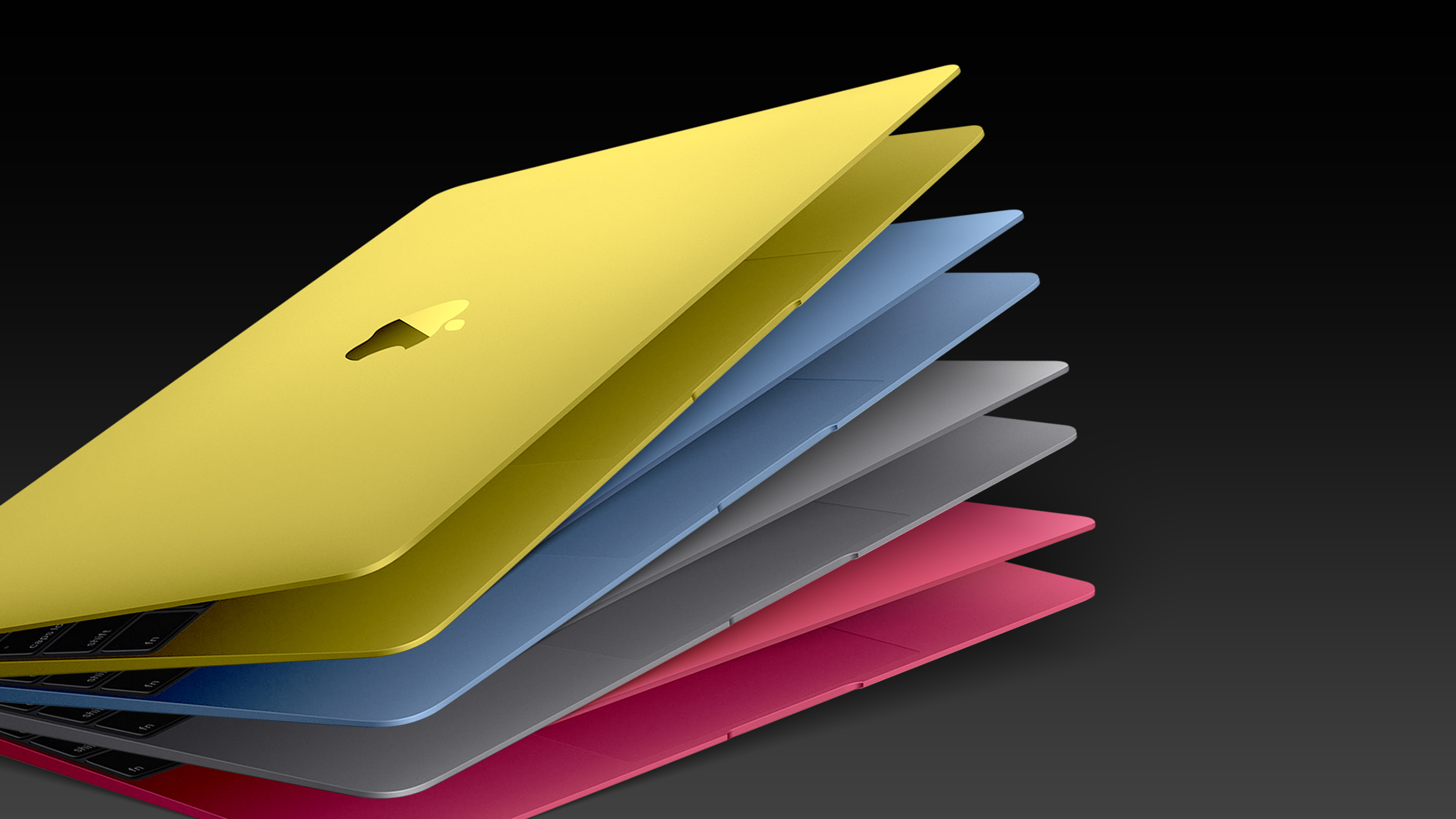
It is available in Silver, Indigo, Blush, and Citrus color options. The colored finishes extend to the Magic Keyboard in lighter shades and come with matching wallpapers. It weighs 2.7 pounds.

There are two USB-C ports. One is a USB-C 2 port with support for speeds up to 480 Mb/s and one is a USB-C 3 port with support for speeds up to 10 Gb/s. There is also a headphone jack.


The MacBook Neo also offers a 16-hour battery life, 8GB of unified memory, Wi-Fi 6E and Bluetooth 6 connectivity, a 1080p front-facing camera, dual mics with directional beamforming, and dual side-firing speakers with Spatial Audio.

Starting at $599, the MacBook Neo is now the entry-level MacBook and Apple's most affordable laptop ever. Education customers can purchase it for $499. It is available with 256GB of storage and the Magic Keyboard for $599 or 512GB of storage with the Magic Keyboard with Touch ID for $699.


Apple also pointed out that the MacBook Neo is Apple's lowest-carbon Mac. It features 60% recycled materials, more than any other Apple product. This includes 90% recycled aluminum and 100% recycled cobalt in the battery.

MacBook Neo is available to pre-order starting today, with availability beginning on Wednesday, March 11.
This article, "Apple Announces $599 'MacBook Neo' With A18 Pro Chip" first appeared on MacRumors.com

Discuss this article in our forums

  •  

Apple Store Down Ahead of Rumored 'MacBook Neo' Announcement

Apple's online store has gone down, just minutes before the company is expected to announce a lower-cost MacBook, which may be named MacBook Neo.


Apple already unveiled six products this week, including an iPhone 17e, a new iPad Air, new MacBook Air and MacBook Pro models, an updated Studio Display, and an all-new Studio Display XDR that replaces the Pro Display XDR.

To learn about these new products, read our coverage of Apple's announcements:MacRumors is attending an "Apple Experience" in New York today at 9 a.m. Eastern Time, so stay tuned for hands-on coverage. At this gathering, Apple is preparing to show attendees a video, which is likely to reveal the new MacBook.
This article, "Apple Store Down Ahead of Rumored 'MacBook Neo' Announcement" first appeared on MacRumors.com

Discuss this article in our forums

  •  

Here's When You Can Pre-Order the iPhone 17e, New Studio Displays and More in Every Time Zone

Apple is going to be accepting pre-orders for a slew of new devices starting tomorrow, with orders set to begin at 6:15 a.m. Pacific Time. To give users around the world an idea of when pre-orders will be accepted in their time zone, we've compiled a list of time zone conversions for several countries.


Our list isn't exhaustive, so if you're planning to order one of Apple's new devices, make sure to verify the exact time for your location.

Pre-orders will be available for the iPhone 17e, M4 iPad Air, M5 Max MacBook Pro, M5 Pro ‌MacBook Pro‌, M5 MacBook Air, Studio Display 2, and Studio Display XDR. Apple hasn't announced the low-cost MacBook yet, but presumably pre-orders for that device will also start tomorrow.


  • Australia West - 10:15 p.m. AWST

  • Australia East - 1:15 a.m. AEDT (Thursday)

  • Austria - 3:15 p.m. CET

  • Baltic countries - 4:15 p.m. EET

  • Belgium - 3:15 p.m. CET

  • Brazil East - 11:15 a.m. BRT

  • Canada West - 6:15 a.m. PST

  • Canada East - 9:15 a.m. EST

  • China - 10:15 p.m. CST

  • Denmark - 3:15 p.m. CET

  • Finland - 4:15 p.m. EET

  • France - 3:15 p.m. CET

  • Germany - 3:15 p.m. CET

  • Hong Kong - 10:15 p.m. HKT

  • India - 7:45 p.m. IST

  • Indonesia West - 9:15 p.m. WIB

  • Ireland - 2:15 p.m. GMT

  • Italy - 3:15 p.m. CET

  • Japan - 11:15 p.m. JST

  • Luxembourg - 3:15 p.m. CET


  • Netherlands - 3:15 p.m. CET

  • New Zealand - 3:15 a.m. NZDT (Thursday)

  • Norway - 3:15 p.m. CET

  • Poland - 3:15 p.m. CET

  • Portugal - 2:15 p.m. WET

  • Puerto Rico - 10:15 a.m. AST

  • Saudi Arabia - 5:15 p.m. AST

  • Singapore - 10:15 p.m. SGT

  • South Africa - 4:15 p.m. SAST

  • South Korea - 11:15 p.m. KST

  • Spain - 3:15 p.m. CET

  • Sweden - 3:15 p.m. CET

  • Switzerland - 3:15 p.m. CET

  • Taiwan - 10:15 p.m. CST

  • UAE - 6:15 p.m. GST

  • United Kingdom - 2:15 p.m. GMT

  • United States West - 6:15 a.m. PST

  • United States Mountain - 7:15 a.m. MST

  • United States Central - 8:15 a.m. CST

  • United States East - 9:15 a.m. EST


After the pre-order period, the new devices will launch on Wednesday, March 11.
This article, "Here's When You Can Pre-Order the iPhone 17e, New Studio Displays and More in Every Time Zone" first appeared on MacRumors.com

Discuss this article in our forums

  •  

First M4 iPad Air Benchmarks Surface

Ahead of the launch of new iPad Air models equipped with the M4 chip, preliminary Geekbench benchmark results have surfaced for the device, giving us an idea of how its performance compares to the prior-generation M3 ‌iPad Air‌.


A pair of benchmarks from the 13-inch M4 ‌iPad Air‌ with Wi-Fi + Cellular (iPad16,11) suggest the M4 ‌iPad Air‌ CPU is 17.3 percent faster in single-core performance and 7.9 percent faster in multi-core performance.

The benchmarks show single-core scores of 3438 and 3714 and multi-core scores of 12885 and 12296, translating to an average single-core score of 3576 and an average multi-core score of 12591. The prior-generation 13-inch M3 ‌iPad Air‌ has an average single-core score of 3048 and an average multi-core score of 11667 on Geekbench.

The M4 ‌iPad Air‌ is equipped with an 8-core CPU featuring three performance cores and five efficiency cores, along with a 9-core GPU. Apple previously used the M4 in the iPad Pro, but the version in the ‌iPad Pro‌ had up to a 10-core CPU and up to a 10-core GPU, so the M4 ‌iPad Air‌ does not match the M4 ‌iPad Pro‌ in CPU performance.

The 13-inch M4 iPad Pro has a single-core score of 3704 and a multi-core score of 13805, so it offers 3.6 percent faster single-core CPU performance and 9.6 percent faster multi-core CPU performance.

The new M4 ‌iPad Air‌ will be available to pre-order at 6:15 a.m. Pacific Time tomorrow, with a launch to follow on March 11.
Related Roundup: iPad Air
Buyer's Guide: iPad Air (Buy Now)
Related Forum: iPad

This article, "First M4 iPad Air Benchmarks Surface" first appeared on MacRumors.com

Discuss this article in our forums

  •  

Apple's Studio Display XDR Supports DICOM Medical Imaging for Diagnostic Radiology

The new Studio Display XDR is designed for all kinds of professional work, and it is uniquely suited for use in the medical field.


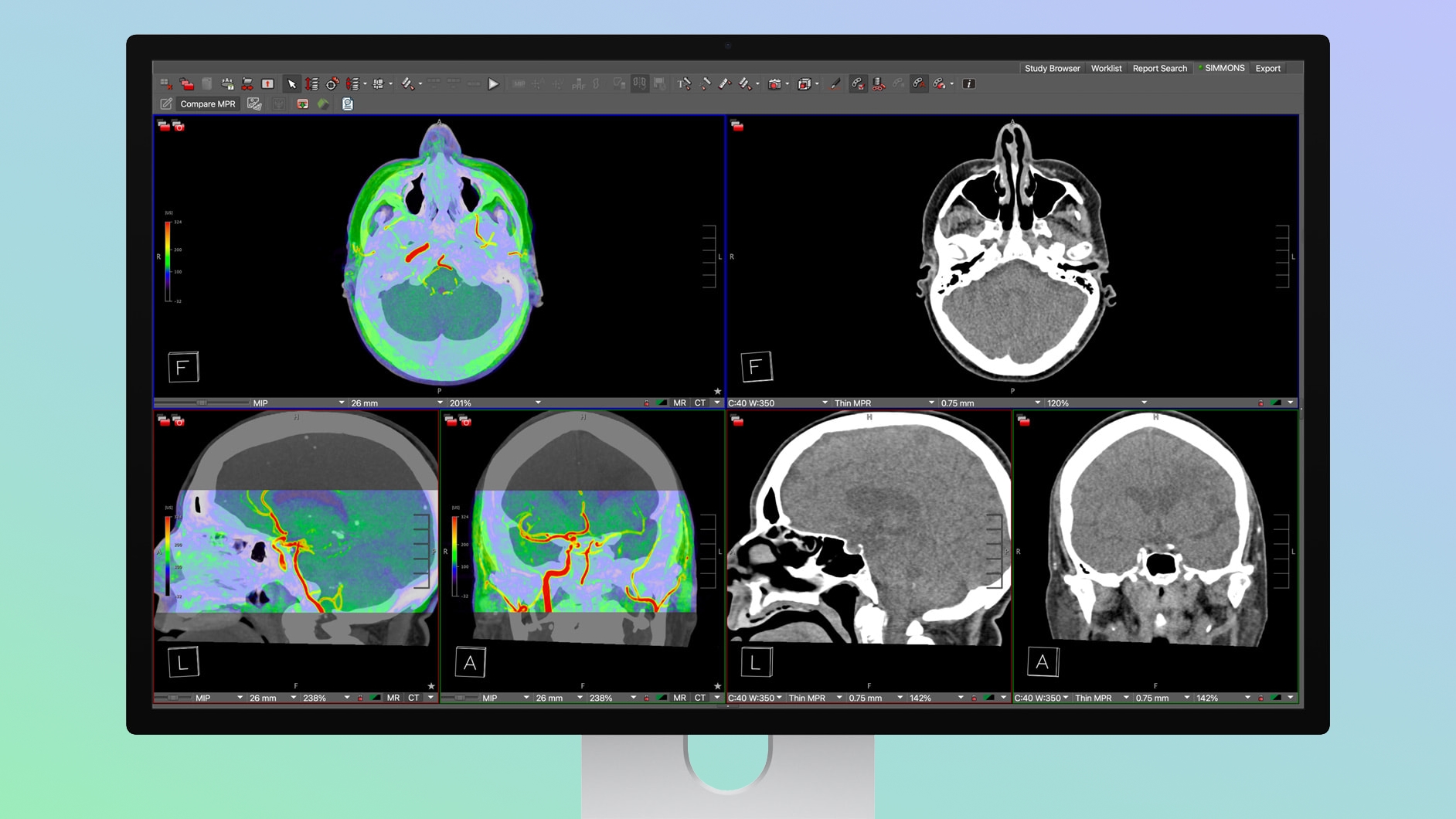
The Studio Display XDR supports DICOM medical imaging presets and a Medical Imaging Calibrator so it can be used for diagnostic radiology. Radiologists will be able to view images right on the Studio Display XDR without the need to use a single-purpose medical imaging display.

There is a display mode switching option for transitioning from a standard viewing mode to a radiology viewing mode. Pricing on the Studio Display XDR starts at $3,299, and it is more affordable than many specialized medical imaging monitors.

Apple says the Medical Imaging Calibrator that it created for the Studio Display XDR is pending FDA clearance and it should soon be available in the United States.

According to Apple, its aim with the new functionality is to continue to improve technology available to the healthcare community to boost patient care.

The Studio Display XDR also features a mini-LED backlight with 2,304 local dimming zones, 2000 nits of peak HDR brightness, a 1,000,000:1 contrast ratio, a 120Hz refresh rate, and advanced color accuracy.

Pre-orders for the Studio Display XDR will begin on Wednesday, March 4 at 9:15 a.m. Eastern Time, with a launch to follow on March 11.
Related Roundup: Apple Studio Display
Related Forum: Mac Accessories

This article, "Apple's Studio Display XDR Supports DICOM Medical Imaging for Diagnostic Radiology" first appeared on MacRumors.com

Discuss this article in our forums

  •  

ChatGPT Gets GPT-5.3 Instant Update With Less 'Cringe,' Fewer Hallucinations

OpenAI today updated its most popular ChatGPT model, debuting GPT-5.3 Instant. GPT-5.3 Instant is supposed to provide more accurate answers and better contextualized results when searching the web. The update also cuts down on unnecessary dead ends, caveats, and overly declarative phrasing, plus it has fewer hallucinations.


According to OpenAI, it tweaked the Instant model to address complaints about tone, relevance, and conversational flow, which are issues that don't show up in benchmarks. GPT-5.2 Instant had a "cringe" tone that could be overbearing or make unsubstantiated assumptions about user intent or emotions. The new model will have a more natural conversational style and will cut back on dramatic phrases like "Stop. Take a breath."

Users found that GPT-5.2 Instant would refuse questions it should have been able to answer, or respond in ways that felt overly cautious around sensitive topics. GPT-5.3 Instant cuts down on refusals and tones down overly defensive or moralizing preambles when answering a question. The model will no longer "over-caveat" after assuming bad intent from the user.

GPT-5.3 Instant also provides higher-quality answers based on information from the web. OpenAI says that it is able to better balance what it finds online with its own knowledge, so it is less likely to overindex on web results.

GPT-5.3 Instant is available to all ChatGPT users now. Updates to Thinking and Pro will come in the future.
This article, "ChatGPT Gets GPT-5.3 Instant Update With Less 'Cringe,' Fewer Hallucinations" first appeared on MacRumors.com

Discuss this article in our forums

  •  

New Apple Studio Display and Studio Display XDR Don't Work With Intel Macs

If you still have a Mac with an Intel chip inside, you're not going to want to pick up one of the new Studio Display or Studio Display XDR models.


According to Apple's list of compatible Macs, neither model will work with an Intel-based Mac. Apple says that the Studio Display is compatible with a long list of Macs dating back to 2020, but they all have M-series chips inside.

  • 16-inch MacBook Pro (2021 and later)

  • 14-inch ‌MacBook Pro‌ (2021 and later)

  • 13-inch ‌MacBook Pro‌ (M1, 2020 and later)

  • 15-inch MacBook Air (2023 and later)

  • 13-inch ‌MacBook Air‌ (‌M1‌, 2020 and later)

  • Mac Studio (2022 and later)

  • Mac mini (2020 and later)

  • Mac Pro (2023 and later)

  • 24-inch iMac (2021 and later)


Apple started phasing out Intel Macs in 2020 when it released the first devices with Apple silicon. Intel chips were phased out in the ‌MacBook Air‌ in 2020 and ‌MacBook Pro‌ line in 2021, and other Macs followed. The last Intel Mac was the ‌Mac Pro‌, and the Intel version was discontinued in 2023. Apple hasn't sold an Intel Mac for close to three years.

With Intel Macs long discontinued, Apple is phasing out support as well. macOS Tahoe will be the final software update for Intel-based Macs, and Intel Macs will not get macOS 27. While Intel Macs will not be updated past ‌macOS Tahoe‌, Apple plans to provide security updates for three additional years.

The new Studio Display and Studio Display XDR will be available for pre-order on March 4 at 9:15 a.m. Eastern Time.
Related Roundup: Apple Studio Display
Related Forum: Mac Accessories

This article, "New Apple Studio Display and Studio Display XDR Don't Work With Intel Macs" first appeared on MacRumors.com

Discuss this article in our forums

  •  

These Macs Can't Run the Studio Display XDR at 120Hz

The new Studio Display XDR features a mini-LED display with up to a 120Hz refresh rate, but you'll need a newer Mac to get support for the full 120Hz.


According to Apple, Macs that have an M1, M1 Pro, M1 Max, M1 Ultra, M2, or M3 will only support the Studio Display XDR at 60Hz. All other features remain available.

For the full 120Hz refresh rate, you'll need to have a Mac with one of the following chips:

  • ‌M2‌ Pro, ‌M2‌ Max, ‌M2‌ Ultra

  • M3 Pro, M3 Max, M3 Ultra

  • M4 Pro, M4 Max

  • M5, M5 Pro, M5 Max


All Macs that have an Apple silicon chip can be used with the Studio Display XDR with the upcoming macOS Tahoe 26.3.1 update.

As for the iPad, The M5 iPad Pro supports the Studio Display at 120Hz, but all other compatible ‌iPad‌ models are limited to 60Hz. Compatible iPads include the M4 ‌iPad Pro‌, the 3rd-6th generation 12.9-inch ‌iPad Pro‌, 1st-4th generation 11-inch ‌iPad Pro‌, the ‌M2‌, M3, and M4 iPad Air models, and the 5th-generation ‌iPad Air‌.

For older Macs and iPads that don't support 120Hz, there is little reason to select the more expensive Studio Display XDR over the standard Studio Display. The Studio Display starts at $1,599, while the XDR model starts at $3,299.

The Studio Display XDR will be available for pre-order tomorrow at 9:15 a.m. Eastern Time, with a launch to follow on March 11.
Related Roundup: Apple Studio Display
Related Forum: Mac Accessories

This article, "These Macs Can't Run the Studio Display XDR at 120Hz" first appeared on MacRumors.com

Discuss this article in our forums

  •  

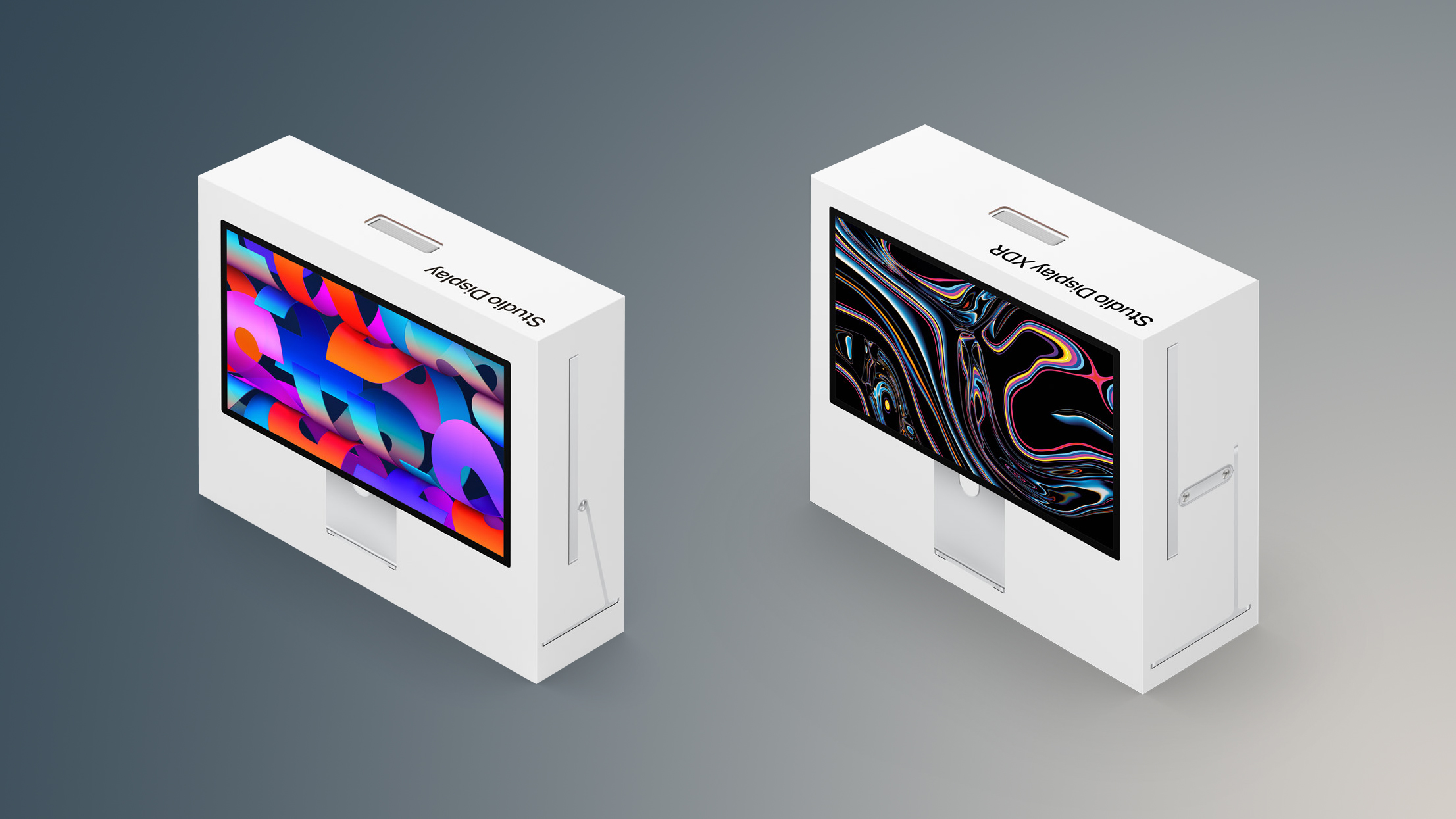
Apple's New Studio Display Boxes Designed to Fit in Your Recycling Bin

As part of its environmental efforts, Apple says its new Studio Display and Studio Display XDR boxes feature a collapsible design.


Apple says the boxes can be broken down into smaller pieces that fit in most recycling bins:
Studio Display has been engineered to reduce its environmental impact. The stand is made with 100 percent recycled aluminum. The standard glass display contains 80 percent recycled glass — an Apple first. And the 100 percent fiber-based box has been extensively redesigned for collapsibility, allowing it to be broken down into smaller pieces that will fit in most household recycling bins.
Apple also says both of the new Studio Display models contain 80% recycled glass, which is described as an "Apple first." This feat applies to models with standard glass, not the upgraded anti-reflective, nano-texture glass.

To learn more about the new Studio Displays, read our coverage of each model:The new Studio Displays are available to pre-order starting Wednesday at 6:15 a.m. Pacific Time.
Related Roundup: Apple Studio Display
Related Forum: Mac Accessories

This article, "Apple's New Studio Display Boxes Designed to Fit in Your Recycling Bin" first appeared on MacRumors.com

Discuss this article in our forums

  •  

Third macOS Tahoe 26.4 Beta Now Available for Developers

Apple today provided the third beta of an upcoming macOS Tahoe 26.4 update to developers for testing purposes, with the update coming a week after Apple seeded the second beta.


Developers can download the ‌macOS Tahoe‌ 26.4 update by opening up the System Settings app, selecting the General category, and then choosing Software Update. Beta Updates will need to be enabled, and a free developer account is required.

‌macOS Tahoe‌ 26.4 adds a new Charge Limit feature so Mac users can select a maximum charge level that ranges from 80 to 100 percent. Apple also brought back the Compact tab layout in Safari for those who missed the option in earlier versions of ‌macOS Tahoe‌.

Apple silicon Macs who are running apps that still rely on Rosetta will see warnings about the upcoming end of support for Rosetta. After ‌macOS Tahoe‌ 27, Apple will phase out Rosetta support, and all apps will need to be updated before that time.

‌macOS Tahoe‌ 26.4 will be released to the public in the spring after several weeks of beta testing.
This article, "Third macOS Tahoe 26.4 Beta Now Available for Developers" first appeared on MacRumors.com

Discuss this article in our forums

  •  

Leaked Apple Documents Detail MacBook Neo Features Ahead of Launch

Accidentally leaked Apple documents that reveal the "Neo" name of the upcoming low-cost MacBook also reference some of the features that will be included.


The MacBook Neo will feature two USB-C ports, and it will also include a MagSafe port for charging purposes. Apple's latest Macs use a magnetic ‌MagSafe‌ cable, and in the case of the Neo, it will likely be color matched to the chassis. Rumors suggest the Neo will come in fun colors like pink, blue, and yellow.

Along with two USB-C ports and ‌MagSafe‌, the MacBook Neo will include Wi-Fi 7, which is the latest Wi-Fi specification. It does not appear to have Apple's N1 networking chip, instead adopting a MediaTek chip for Wi-Fi and Bluetooth.

Other information like display size and chip couldn't be determined from the document, but rumors suggest the Neo will have a 12.9-inch display and an A-series chip like the A18 Pro or the A19 Pro.

We're expecting Apple to unveil the new low-cost MacBook on March 4 at 9:00 a.m. Eastern Time.
This article, "Leaked Apple Documents Detail MacBook Neo Features Ahead of Launch" first appeared on MacRumors.com

Discuss this article in our forums

  •  

You Can Now Subscribe to Apple TV Through the Roku Channel

Roku has teamed up with Apple to offer the Apple TV subscription service on the Roku Channel, giving Roku users easy access to Apple's streaming service. The Roku Channel is available across all Roku devices, and it provides access to free content as well as premium subscriptions.


With the partnership, Apple could see subscriber growth, while Roku will be able to offer subscribers access to popular content like Formula 1, Major League Soccer, and Major League Baseball. ‌Apple TV‌ via the Roku Channel is still priced at $12.99 per month or $99 per year, with a 7-day free trial.


Roku has partnered with a long list of premium services, including Starz, Paramount+, HBO Max, AMC+, Britbox, Crunchyroll, Shudder, and more, with a full list available on the Roku website. With Roku Channel, premium services are managed through a user's Roku account. There has been an ‌Apple TV‌ app available on Roku since 2019, but the Roku Channel recommends ‌Apple TV‌ content alongside other content, and makes it easier for customers to subscribe.

‌Apple TV‌ on the Roku Channel can be watched on a long list of devices, including smart TVs, streaming players from Amazon, Google, and Roku, the web, and on iOS and Android devices.

Apple has a similar feature for third-party services, Apple Channels. With Apple Channels, users can subscribe to premium content through the ‌Apple TV‌ app and manage that content through their Apple Accounts.
Tag: Roku

This article, "You Can Now Subscribe to Apple TV Through the Roku Channel" first appeared on MacRumors.com

Discuss this article in our forums

  •  

iPhone 16e vs. iPhone 17e Buyer's Guide: All Upgrades Compared

Apple's new low-cost iPhone comes a year after its predecessor, offering over a dozen small changes. Here's how the latest model compares.
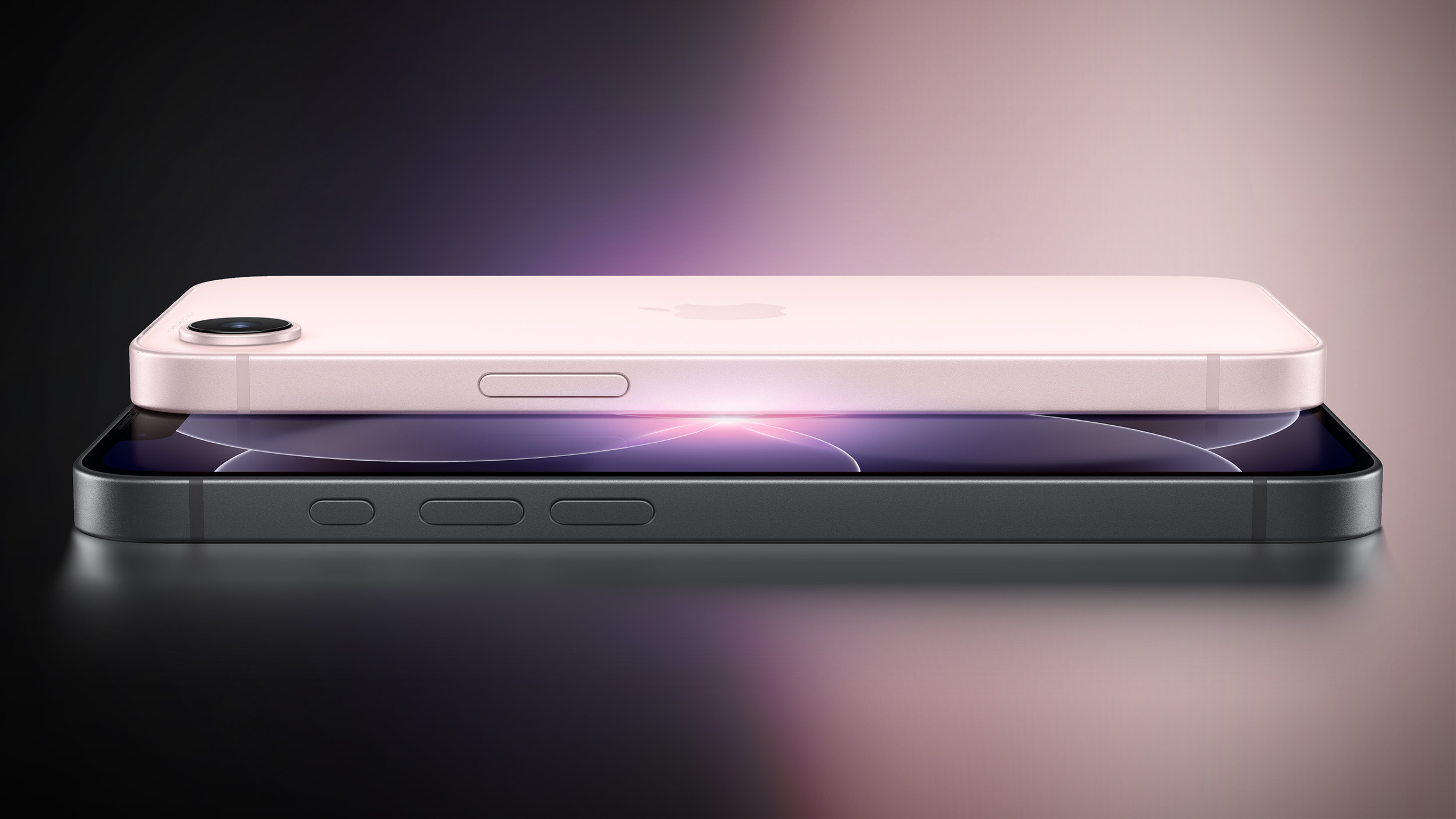

When Apple introduced the ‌iPhone‌ 16e last year, it replaced the aging ‌iPhone‌ SE and became the new low-cost ‌iPhone‌. The 16e adopted a contemporary full-screen design, Face ID, a 48-megapixel rear camera, USB-C, and the A18 chip, positioning it far closer to Apple's flagship models than previous budget models.

Apple yesterday announced the iPhone 17e, featuring the A19 chip, MagSafe connectivity, faster charging, and more. Here's everything that differs between the ‌iPhone‌ 16e and ‌iPhone 17e‌:


‌iPhone‌ 16e (2025) ‌iPhone 17e‌ (2026)
A18 chip (N3E) A19 chip (N3P)
4.04 GHz CPU clock speed 4.26 GHz CPU clock speed
60 GB/s memory bandwidth 68.2 GB/s memory bandwidth
4-core GPU 4-core GPU with Neural Accelerators
C1 modem C1X modem
eSIM only in United States (no SIM card slot) eSIM only in additional countries, including Canada, Japan, and Mexico
Portrait mode with Depth Control Next-generation portraits with Focus and Depth Control
Ceramic Shield front glass Ceramic Shield 2 front glass
Qi wireless charging up to 7.5W ‌MagSafe‌ wireless charging up to 15W with 20W adapter or higher
Compatible with ‌MagSafe‌ cases, wallets, wireless chargers, and more
5.88 ounces (167 grams) 5.96 ounces (169 grams)
128GB, 256GB, and 512GB storage options 256GB and 512GB storage options
Available in White and Black Available in White, Black, and Soft Pink


How Big Are the Upgrades?


The ‌iPhone 17e‌'s most consequential upgrade is ‌MagSafe‌. The ‌iPhone‌ 16e was limited to standard Qi wireless charging at up to 7.5W. The ‌iPhone 17e‌ doubles that to 15W and brings compatibility with magnetic accessories such as snap-on chargers, car mounts, wallets, and cases.

The ‌iPhone 17e‌ starts with 256GB, while the ‌iPhone‌ 16e began with 128GB. That is a 100% increase in base capacity at the same $599 starting price.

Durability also improves modestly. The ‌iPhone 17e‌ introduces Ceramic Shield 2, which Apple says offers three times better scratch resistance than the previous generation, along with reduced glare.

Performance improvements are measurable but more incremental. The benefits are more likely to surface in computational photography, gaming headroom, and future AI-driven iOS features. This is essentially a future-proofing upgrade over time rather than a dramatic speed bump.

Other changes are marginal. The modem moves from the C1 to the C1X, promising improved efficiency and cellular performance, but battery life remains rated at 26 hours.

Who Should Buy an iPhone 17e?


The ‌iPhone 17e‌ is a strong choice for anyone upgrading from an ‌iPhone‌ 14 or older. For those users, the combined jumps in performance, charging speed, storage, and camera capabilities are substantial. It is also the better option for first-time ‌iPhone‌ buyers, because it represents a more future-proof baseline with ‌MagSafe‌, more base storage, and newer silicon that will age better over a three- to five-year ownership cycle.

The more nuanced decision arises when a discounted ‌iPhone‌ 16e is available from a third-party retailer. In that case, the price difference becomes decisive. If the 16e can be purchased at a significant discount, it remains a capable and modern device, and will likely support virtually all of the same Apple Intelligence features going forward. For buyers who do not care about ‌MagSafe‌ and are comfortable with lower storage tiers, the 16e can still represent strong value.

However, if the price gap is only modest, the ‌iPhone 17e‌ is generally the better purchase. The doubling of wireless charging speed, the presence of ‌MagSafe‌ and Ceramic Shield 2, and the doubling of base storage are collectively worth it. Over time, those advantages are more likely to affect day-to-day satisfaction.

The ‌iPhone‌ 16e is the value option only when heavily discounted. The ‌iPhone 17e‌ is likely the better long-term buy, especially for anyone coming from an older device or entering the ‌iPhone‌ ecosystem for the first time.

‌iPhone 17e‌ pre-orders start on Wednesday, March 4, with availability starting a week later on Wednesday, March 11.
Related Roundup: iPhone 17e
Buyer's Guide: iPhone 16e (Don't Buy)
Related Forum: iPhone

This article, "iPhone 16e vs. iPhone 17e Buyer's Guide: All Upgrades Compared" first appeared on MacRumors.com

Discuss this article in our forums

  •  

Apple Removes 512GB Storage Option From M5 MacBook Pro, Drops SSD Upgrade Prices

With the debut of the M5 Pro and M5 Max MacBook Pro models, Apple tweaked the available configurations for the standard M5 ‌MacBook Pro‌.


The 14-inch M5 ‌MacBook Pro‌ used to start with 512GB of storage, but Apple has removed that option. All ‌MacBook Pro‌ models, including the entry-level M5 version, start with a 1TB SSD that can be upgraded to 4TB.

The starting price of the M5 ‌MacBook Pro‌ was $1,599, but now it starts at $1,699 because of the updated storage. While the starting price has gone up, the price for SSD upgrades has technically shifted down.

Upgrading to 1TB previously would have resulted in a machine that costs $1,799, but that same base configuration is now $1,699 and $100 more affordable.

Upgrading to 2TB from the base starting storage used to be $600, but now the 2TB upgrade is $400. The 4TB upgrade is $1,000, $200 less than the $1,200 that it used to cost.

In short, Apple has removed the 512GB storage option and dropped the price of SSD storage at the same time. The base machine is more expensive, but you're getting a higher capacity SSD for less.

Apple has de-emphasized stock configurations and options are no longer listed on the purchase page for Macs. There are still stock models that will be sold in stores, however, and those pre-configured machines have been updated.

Apple has removed the base model that had 512GB of storage and 16GB RAM, replacing it with the version that has 16GB RAM and a 1TB SSD. There's also a $1,899 stock model with 1TB SSD and 24GB memory, and a new higher-end model with the 1TB SSD and 32GB RAM for $2,099.

Standard M5 ‌MacBook Pro‌ models with the new storage tiers are available for purchase as of today, and will deliver to customers as soon as tomorrow. The M5 Pro and M5 Max models can be pre-ordered starting at 6:15 a.m. Pacific Time on March 4, with a launch to follow on March 11.
Related Roundup: MacBook Pro
Buyer's Guide: MacBook Pro (Buy Now)
Related Forum: MacBook Pro

This article, "Apple Removes 512GB Storage Option From M5 MacBook Pro, Drops SSD Upgrade Prices" first appeared on MacRumors.com

Discuss this article in our forums

  •  

Apple Discontinues Pro Display XDR and $999 Stand

Apple today discontinued its Pro Display XDR, following the introduction of a new 27-inch Studio Display XDR monitor.


Introduced in December 2019 alongside a redesigned Mac Pro, the 32-inch Pro Display XDR was Apple's return to the premium external monitor market. The launch came three years after the company exited the category with the discontinuation of the Thunderbolt Display in 2016.

The Pro Display XDR drew particular scrutiny for its $999 Pro Stand, which was sold separately from the $4,999 display. Apple defended the price by emphasizing its precise engineering, height, tilt, and rotation adjustments, and support for both landscape and portrait orientations, but it was a focal point of criticism at launch.

In its place, Apple now offers an all-new Studio Display XDR, featuring a 5K resolution with mini-LED backlighting and up to 2,000 nits peak HDR brightness, adaptive refresh up to 120Hz, and Thunderbolt 5 connectivity with up to 140W charging and multiple high-speed ports.

Compared with the Pro Display XDR, which was a larger 32-inch 6K monitor aimed at high-end HDR workflows, the new Studio Display XDR is smaller and cheaper, but it also features modern panel technology, higher refresh rates, and more connectivity.

Pre-orders for the new display begin March 4 and availability starts March 11, with pricing starting at $3,299 for standard glass and $3,599 with nano-texture glass.
This article, "Apple Discontinues Pro Display XDR and $999 Stand" first appeared on MacRumors.com

Discuss this article in our forums

  •  

Amazon Takes Up to $150 Off Apple's 14-Inch M5 MacBook Pro

Amazon today has dropped the price of the 2025 14-inch M5 MacBook Pro to $1,449.00, down from $1,599.00. With the announcement of new MacBook Pro models this week, Apple no longer sells this 512GB model of the 14-inch M5 MacBook Pro.

Note: MacRumors is an affiliate partner with some of these vendors. When you click a link and make a purchase, we may receive a small payment, which helps us keep the site running.


Apple instead has shifted the line to focus entirely on configurations with 1TB of storage, with varying RAM sizes. The 16GB RAM/1TB M5 MacBook Pro is available for $1,649.00 ($50 off) and the 24GB RAM/1TB M5 MacBook Pro has hit $1,846.00 on Amazon ($53 off).


Shoppers should note that we are calculating discounts based on the new prices of each notebook. With the launch of the new models, Apple has cut the prices of the M5 MacBook Pro by $100, which Amazon hasn't yet accounted for.

This version of the MacBook Pro launched in October and it comes with the newest M5 chip, which offers up to 15% faster CPU performance and up to 45% faster graphics when compared to the M4 chip. Apple just announced the upgraded M5 Pro and M5 Max versions of the MacBook Pro, but it could be a while before we see steep discounts on these models.

If you're on the hunt for more discounts, be sure to visit our Apple Deals roundup where we recap the best Apple-related bargains of the past week.


Deals Newsletter


Interested in hearing more about the best deals you can find in 2026? Sign up for our Deals Newsletter and we'll keep you updated so you don't miss the biggest deals of the season!


Related Roundup: Apple Deals

This article, "Amazon Takes Up to $150 Off Apple's 14-Inch M5 MacBook Pro" first appeared on MacRumors.com

Discuss this article in our forums

  •  

iOS 26.3.1 and macOS 26.3.1 Are Coming Soon

Apple today confirmed that iPadOS 26.3.1 and macOS 26.3.1 are on the way. The updates will likely be released at some point this week or next week.


iPadOS 26.3.1 and macOS 26.3.1 are mentioned on the tech specs page for the new Studio Display and Studio Display XDR, which launch on Wednesday, March 11.

On a related note, both the new Studio Display and the Studio Display XDR are compatible with Apple silicon Macs only, according to Apple. Even then, the Studio Display XDR is limited to 60Hz if you have a Mac with an M1, M1 Pro, M1 Max, M1 Ultra, M2, or M3 chip. The original Studio Display supported some Intel Macs.

The full text from Apple's website:
Studio Display is compatible with the following Mac models with Apple silicon and macOS Tahoe 26.3.1 or later:

16-inch MacBook Pro (2021 and later)
14-inch MacBook Pro (2021 and later)
13-inch MacBook Pro (M1, 2020 and later)
15-inch MacBook Air (2023 and later)
13-inch MacBook Air (M1, 2020 and later)
Mac Studio (2022 and later)
Mac mini (2020 and later)
Mac Pro (2023 and later)
24-inch iMac (2021 and later)

Studio Display is compatible with the following iPad models with iPadOS 26.3.1 or later:

iPad Pro (M4 and M5)
iPad Pro 12.9-inch (3rd–6th generation)
iPad Pro 11-inch (1st–4th generation)
iPad Air (M2, M3, and M4)
iPad Air (5th generation)
MacRumors also continues to see evidence of Apple preparing iOS 26.3.1, so there should be at least three minor software updates coming soon.

iOS 26.3.1, iPadOS 26.3.1, and macOS 26.3.1 may also include bug fixes and/or security patches.

visionOS 26.3.1 was released last week with an Apple TV app bug fix.
Related Roundups: iOS 26, iPadOS 26, macOS Tahoe
Related Forums: iOS 26, macOS Tahoe

This article, "iOS 26.3.1 and macOS 26.3.1 Are Coming Soon" first appeared on MacRumors.com

Discuss this article in our forums

  •  

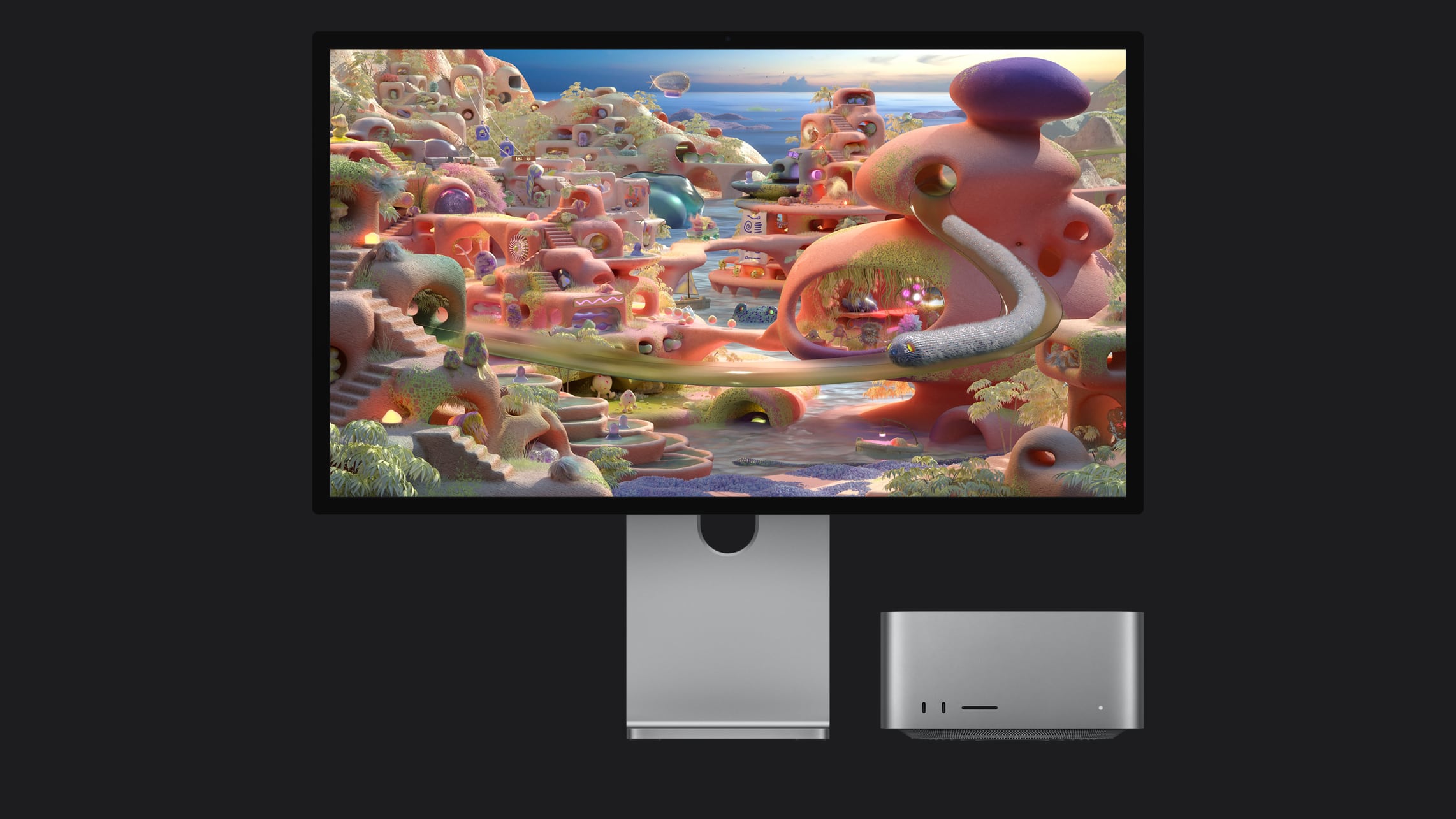
Apple Updates Studio Display With Thunderbolt 5 and More

Alongside the all-new, higher-end Studio Display XDR, Apple has updated the regular version of the Studio Display with some new features.


Here is what is new for the lower-end Studio Display, according to Apple:
  • Two Thunderbolt 5 ports (up to 120Gb/s), with one upstream port (provides 96W pass-through charging) and one downstream port for connecting accessories or daisy-chaining up to four additional Studio Displays

  • The built-in 12-megapixel Center Stage camera now supports Desk View

  • The six-speaker sound system's woofers deliver "30 percent deeper bass" compared to the previous Studio Display
Only the higher-end Studio Display XDR received a 120Hz refresh rate, mini-LED backlighting, increased brightness, and faster 140W pass-through charging.

The regular Studio Display still has a 60Hz refresh rate and up to 600 nits of brightness.

Both models have 27-inch displays with a 5K resolution.

Both new Studio Displays have the same overall design as the original model, but the 12-megapixel Center Stage camera now supports Desk View.

Overall, here are the Studio Display's other key specs:
  • 27-inch Retina display with 5K resolution (LCD without mini-LED backlighting)

  • 5120-by-2880 resolution at 218 pixels per inch

  • 60Hz refresh rate

  • Up to 600 nits brightness

  • P3 wide color gamut support with 1 billion colors

  • True Tone
The new Studio Displays can be pre-ordered starting Wednesday, March 4 at 6:15 a.m. Pacific Time, ahead of a Wednesday, March 11 launch. In the U.S., the Studio Display continues to start at $1,599, while the Studio Display XDR starts at $3,299. You can upgrade both models to anti-reflective, nano-texture glass for an additional $300. A height-adjustable stand and VESA mount adapter also remain available as upgrade options.

Apple includes a "Thunderbolt 5 (USB‑C) Pro Cable" in the box.

Apple has discontinued the Pro Display XDR and its Pro Stand.
Related Roundup: Apple Studio Display
Related Forum: Mac Accessories

This article, "Apple Updates Studio Display With Thunderbolt 5 and More" first appeared on MacRumors.com

Discuss this article in our forums

  •  

Apple Accidentally Leaks 'MacBook Neo'

Apple appears to have prematurely revealed the name of its rumored lower-cost MacBook model, which is expected to be announced this Wednesday.


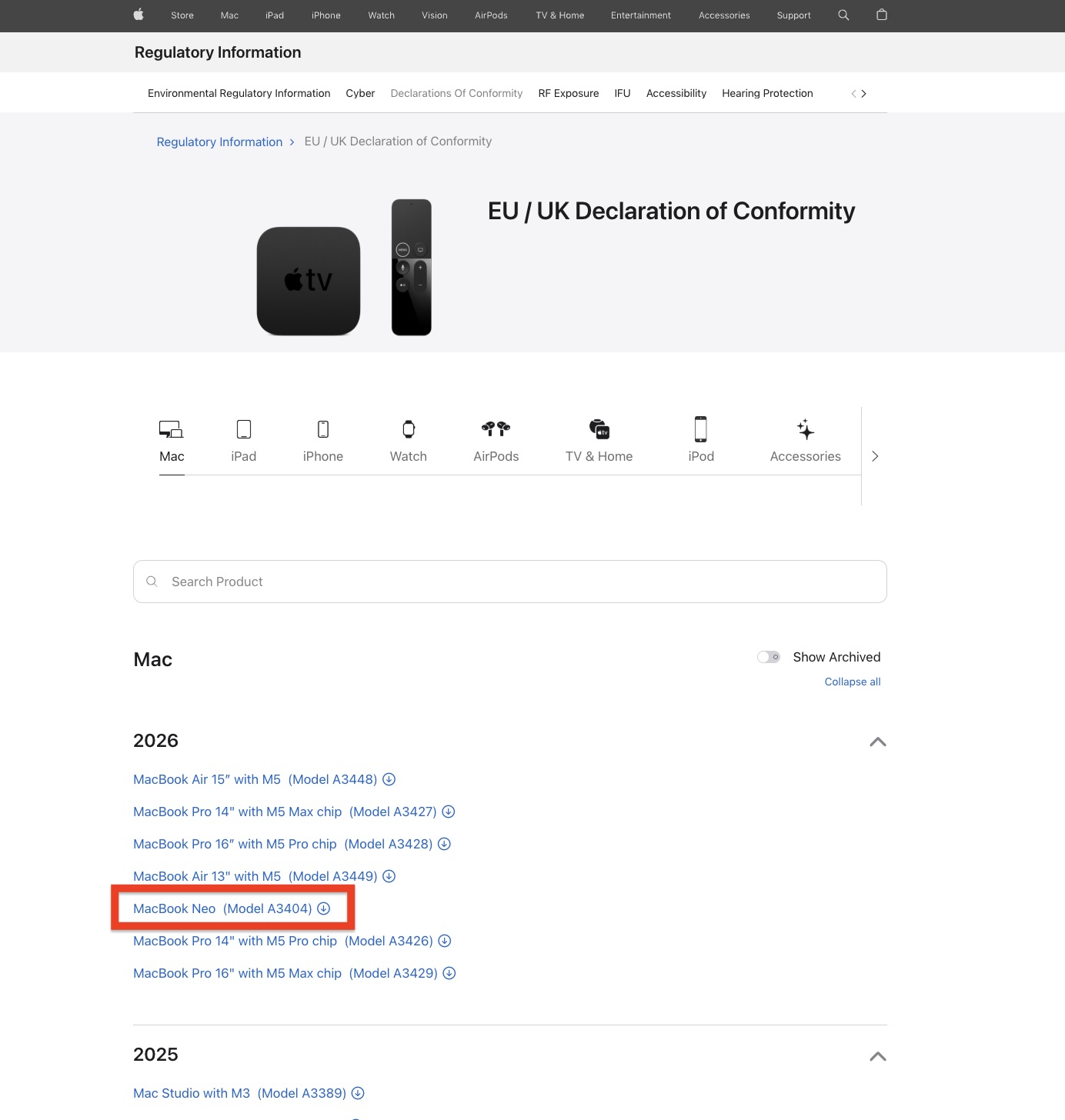
A regulatory document for a "MacBook Neo" (Model A3404) has appeared on Apple's website. Unfortunately, there are no further details or images available yet.

While the PDF file does not contain the "MacBook Neo" name, it briefly appeared in a link on Apple's regulatory website for EU compliance purposes.


The lower-cost MacBook is rumored to feature an iPhone chip like the A18 Pro or A19 Pro, rather than an M-series chip, as well as a 12.9-inch display. It has also been rumored that this MacBook will come in fun color options, like yellow, green, blue, and/or pink, and the "MacBook Neo" name certainly sounds fun.

"MacBook Neo" would slot in below the MacBook Air in the Mac lineup, but its starting price remains to be seen, with estimates ranging from $599 to $799.

The media will likely receive hands-on time with the "MacBook Neo" at the "Apple Experience" gatherings being held in New York, London, and Shanghai this Wednesday at 9 a.m. Eastern Time. There is no Apple Event live stream for this launch, so keep an eye out for a press release on the Apple Newsroom website.

Update: Just a few minutes after we published, Apple removed the "MacBook Neo" link.
This article, "Apple Accidentally Leaks 'MacBook Neo'" first appeared on MacRumors.com

Discuss this article in our forums

  •  
❌