↩ Accueil

Vue lecture

Top Stories: MacBook Neo, iPhone 17e, Studio Display XDR, and More

What a week for Apple news! Across Monday, Tuesday, and Wednesday of this week, Apple unveiled a total of seven new products, including low-cost iPhone and MacBook options, new displays, and refreshes for the MacBook Air, MacBook Pro, and iPad Air.
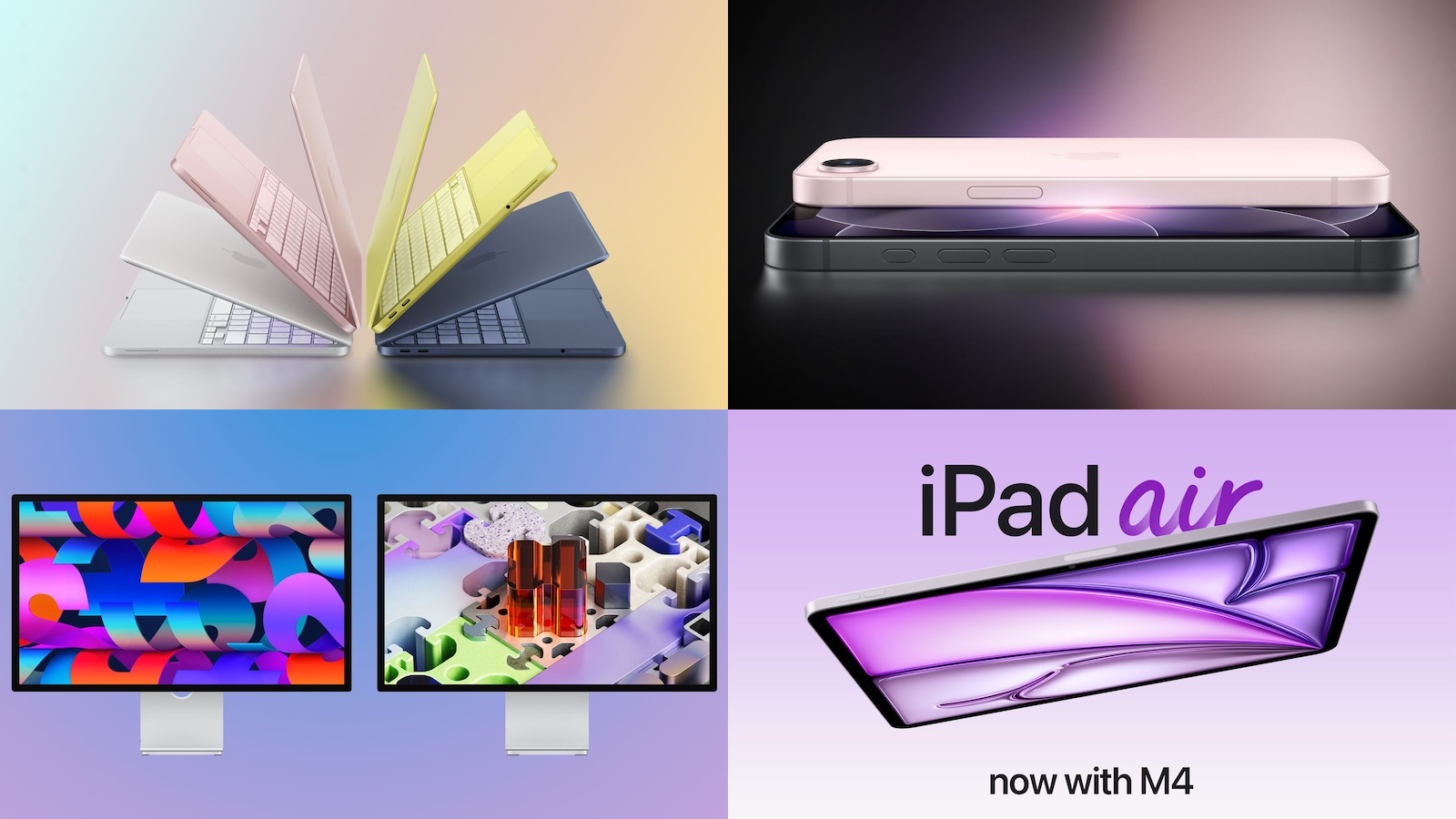

Check out our recap with links to all of our coverage from the three days, and read on below for details on each of the new products!

Top Stories


Apple Announces $599 'MacBook Neo' With A18 Pro Chip


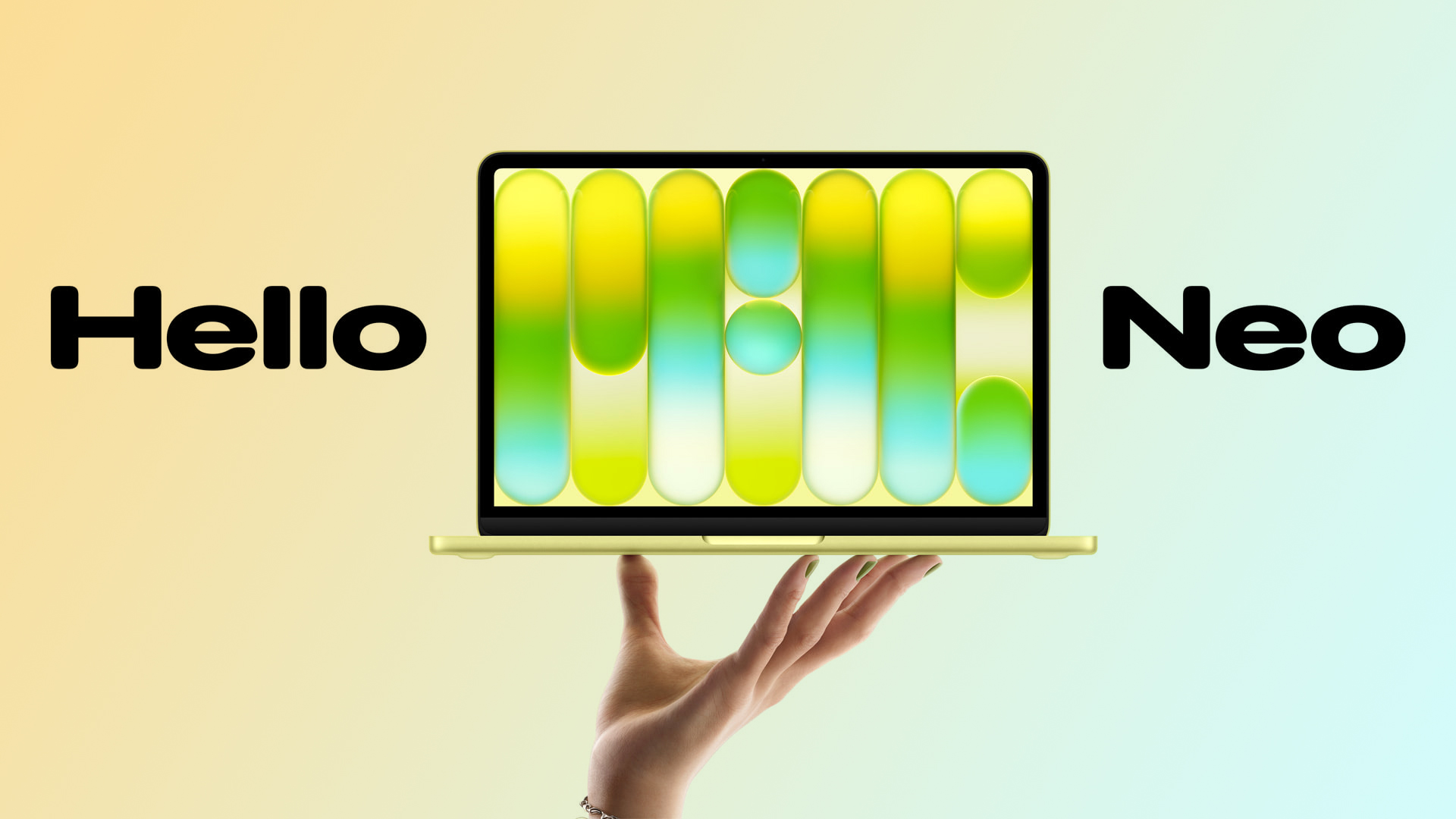
Apple's budget MacBook is finally here, with Apple itself leaking the computer's "MacBook Neo" name a day ahead of the official announcement.
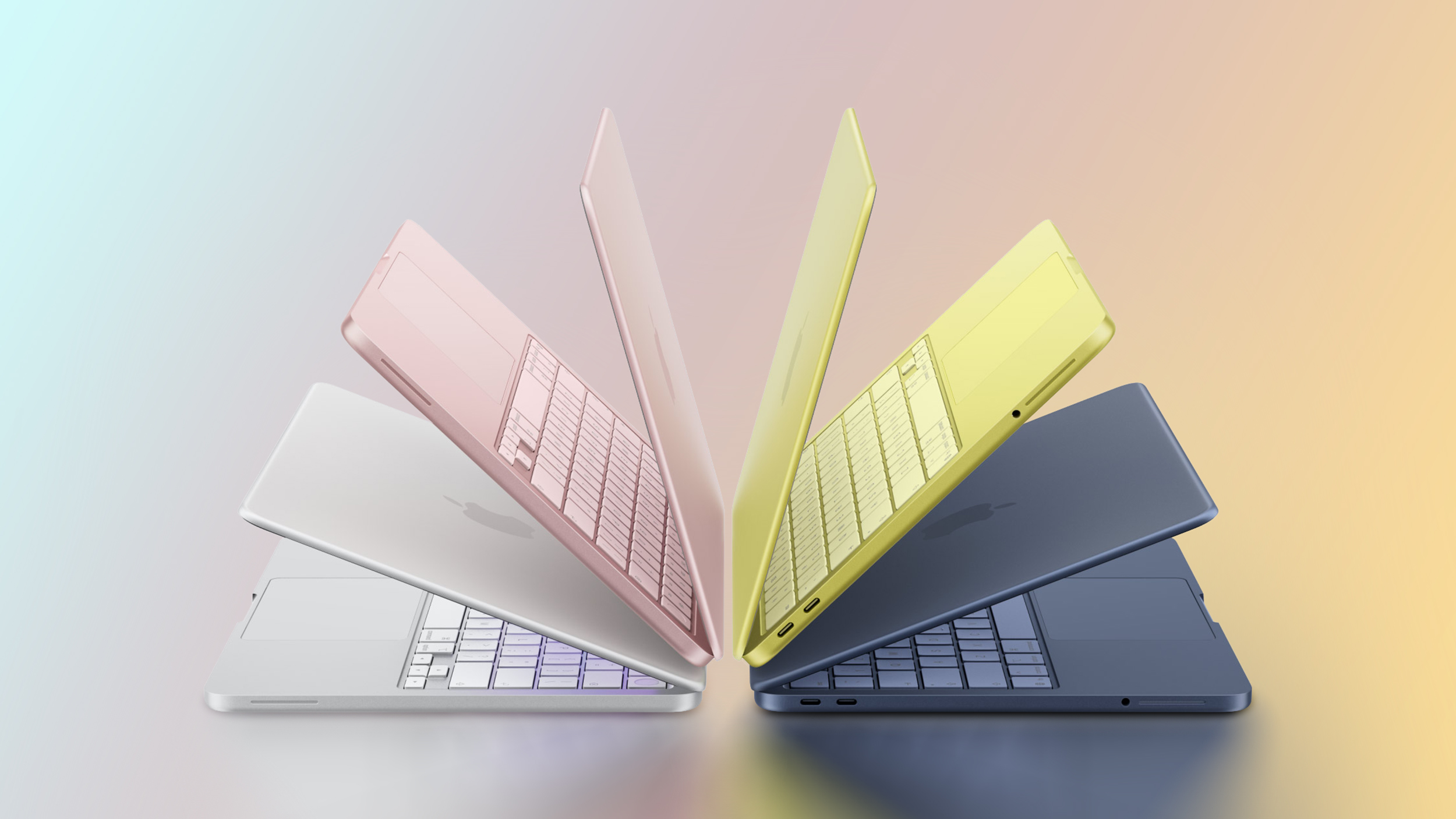

The ‌MacBook Neo‌ is the first consumer Mac to be powered by an iPhone chip: the A18 Pro that debuted in 2024's iPhone 16 Pro models. Apple says it is up to 50% faster for everyday tasks than the bestselling PC with the latest shipping Intel Core Ultra 5, up to 3× faster for on-device AI workloads, and up to 2× faster for tasks like photo editing.

The ‌MacBook Neo‌ comes in four fun colors and features a 13-inch Liquid Retina display with a 2408-by-1506 resolution, 500 nits of brightness, and an anti-reflective coating. The display does not have a notch, instead featuring uniform, iPad-style bezels.

The $599 price tag does result in some compromises compared to more expensive Mac laptops, but the MacBook Neo is likely to be a hit with students, those new to Mac, and others shopping on a budget who are just looking for basic capabilities.

Apple Announces iPhone 17e With A19 Chip, MagSafe, and More


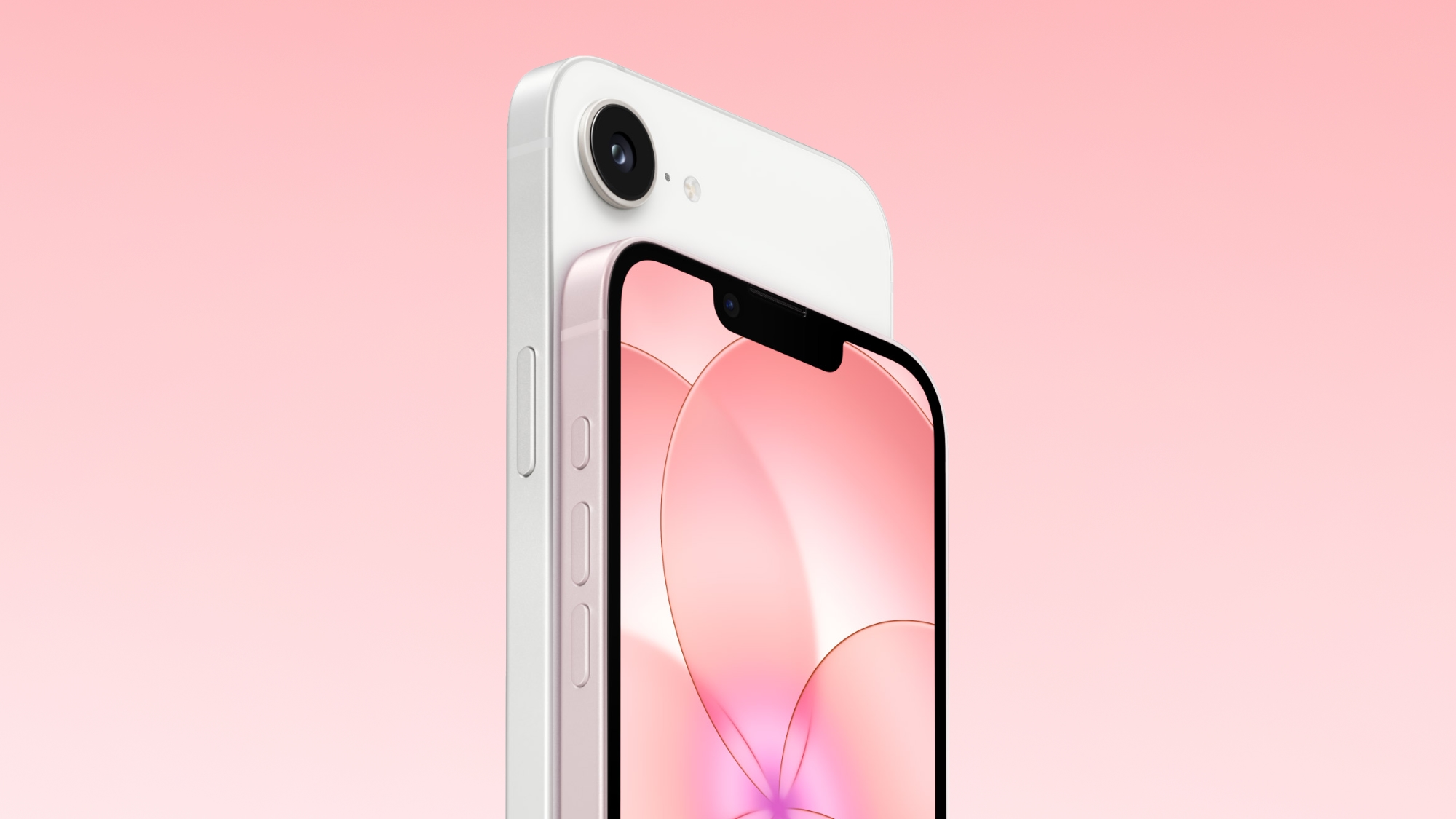
Apple this week announced the iPhone 17e, featuring the A19 chip, MagSafe connectivity, faster charging, and more.
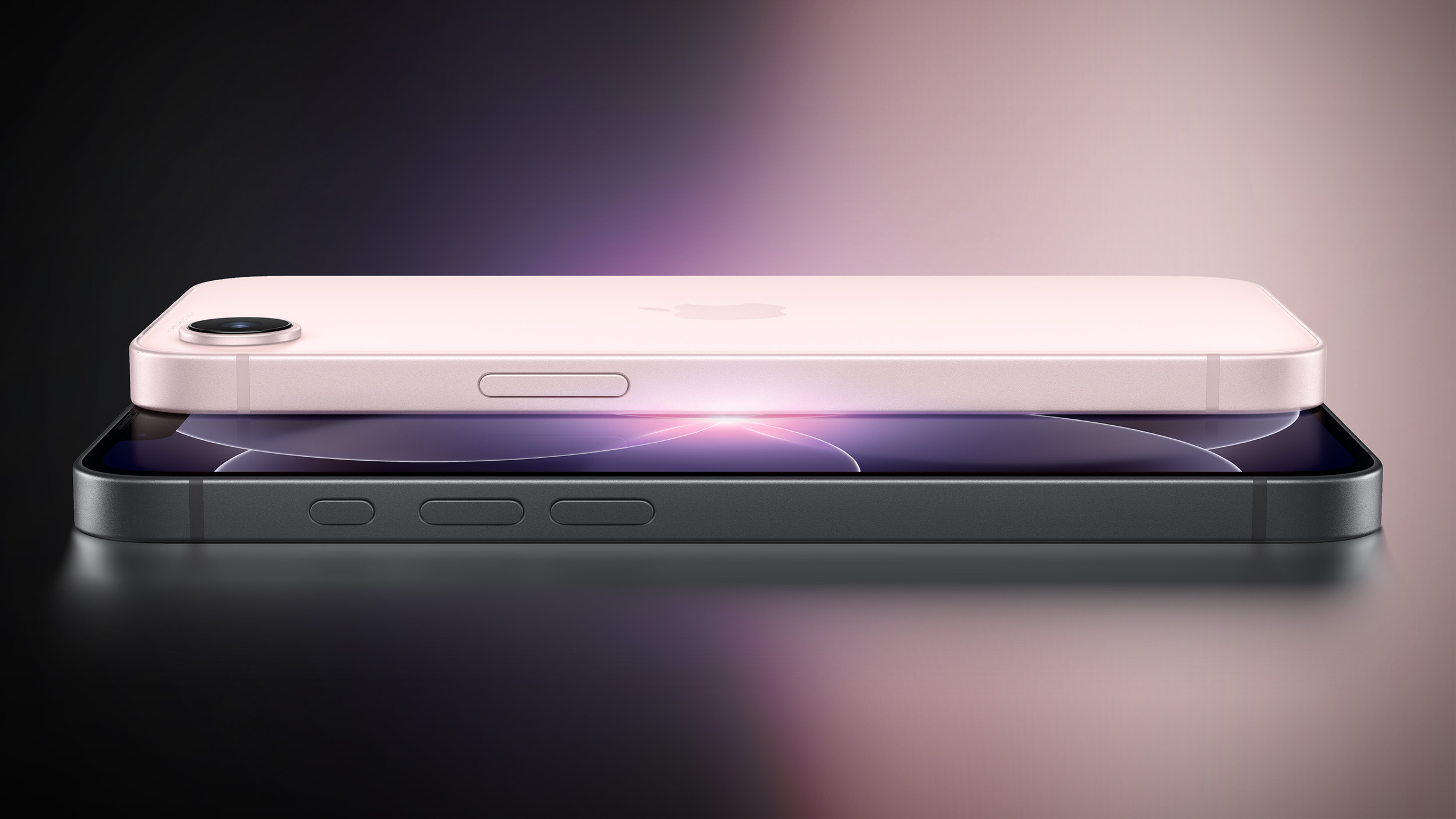

The ‌iPhone 17e‌ contains the A19 chip introduced in iPhone 17, featuring a 6-core CPU and a 4-core GPU that make it up to 2× faster than the iPhone 11 that many prospective buyers may be upgrading from. The new 16-core Neural Engine is optimized for large generative models, and the ‌iPhone 17e‌ contains Apple's latest-generation C1X modem from the iPhone Air, delivering up to 2× faster cellular performance than the ‌iPhone‌ 16e.

The iPhone 17e starts at $599 and comes in black, white, and a new soft pink color.

Apple Unveils MacBook Pro Featuring M5 Pro and M5 Max Chips With New Fusion Architecture


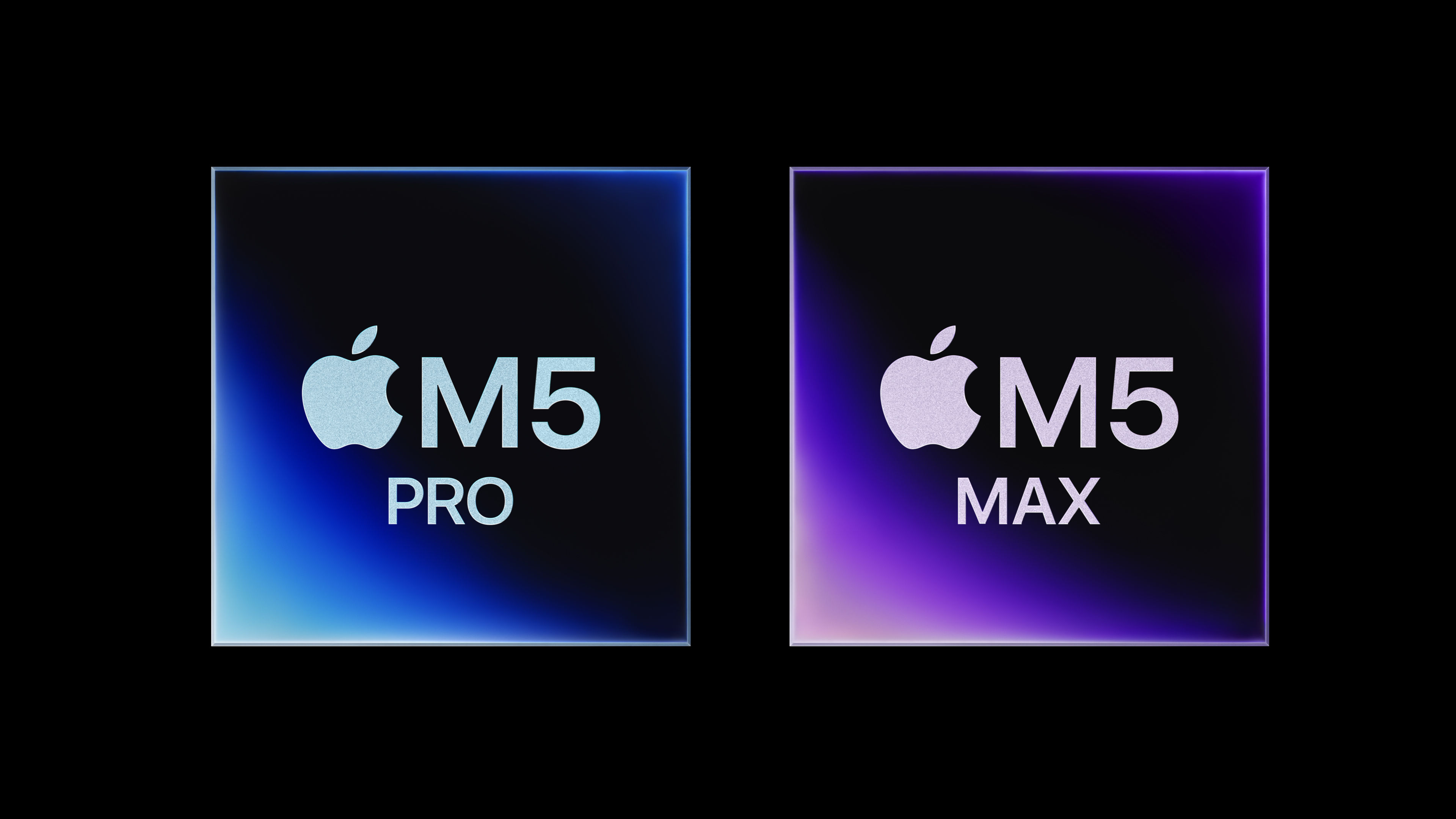
Turning back to the Mac side of things, this week saw Apple announce new 14-inch and 16-inch MacBook Pro models featuring M5 Pro and M5 Max chips, both built on a new Fusion Architecture that bonds two third-generation 3nm dies into a single chip using advanced packaging.
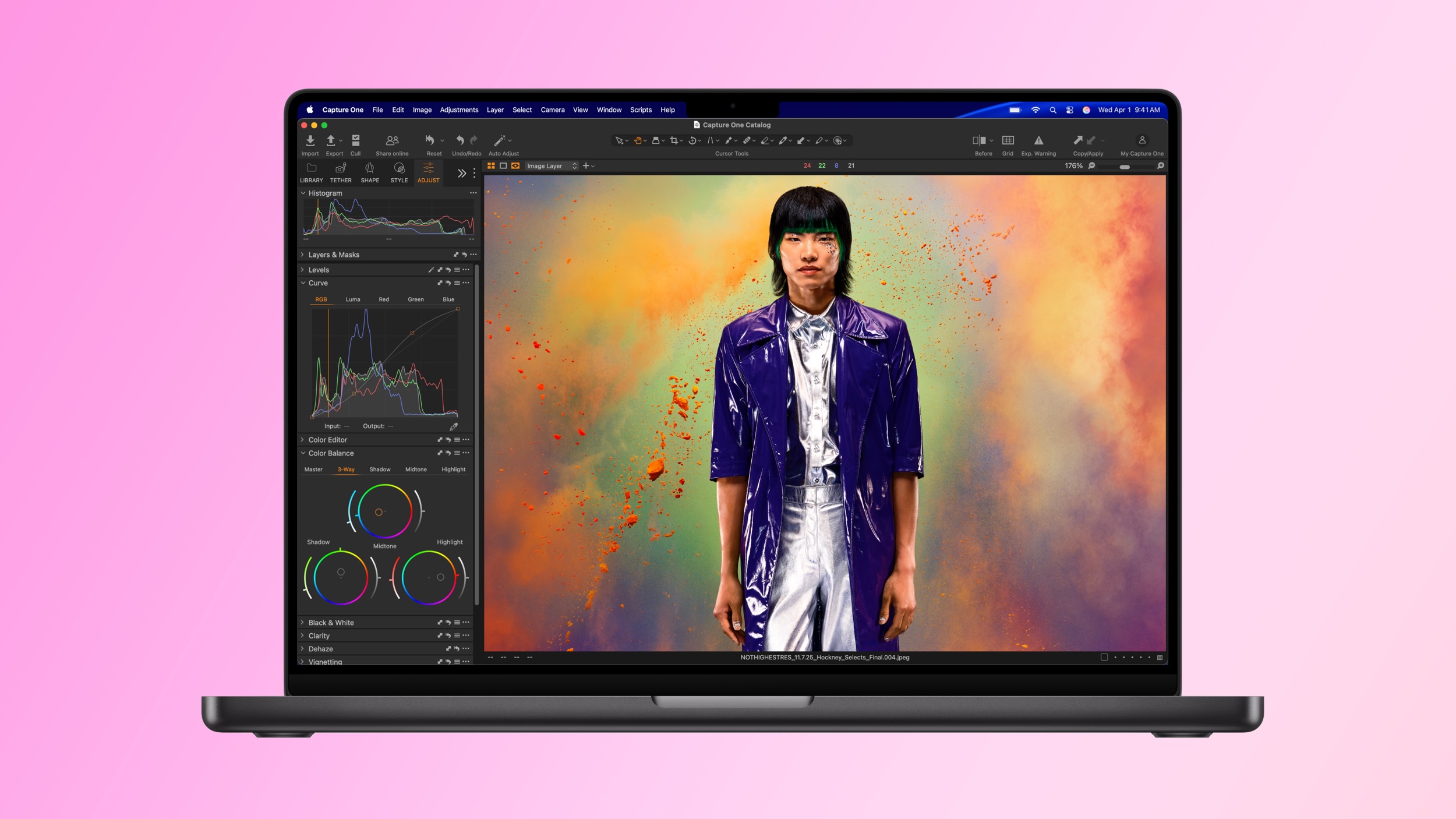

The Fusion Architecture is a first for Apple silicon, since previous chips used a single-die design. The two bonded dies house the CPU, GPU, Media Engine, Neural Engine, unified memory controller, and Thunderbolt 5 capabilities together.

The new MacBook Pro models also get memory and storage improvements, Apple's N1 networking chip for Wi-Fi 7 and Bluetooth 6 support, and more.

Apple Introduces All-New Studio Display XDR: 120Hz, Mini-LED, and More


Alongside the new Mac laptops, Apple introduced not just one but two new external displays: a minor revision of the Studio Display and a higher-end Studio Display XDR that replaces the Pro Display XDR.


Both new displays measure in at 27 inches and 5K resolution, but the Studio Display XDR features mini-LED backlighting with 120Hz refresh rate and Adaptive Sync, among other upgrades.

The Studio Display is priced starting at $1,599, while the Studio Display XDR starts at $3,299.

Apple Unveils iPad Air With M4 Chip, Increased RAM, Wi-Fi 7, and More


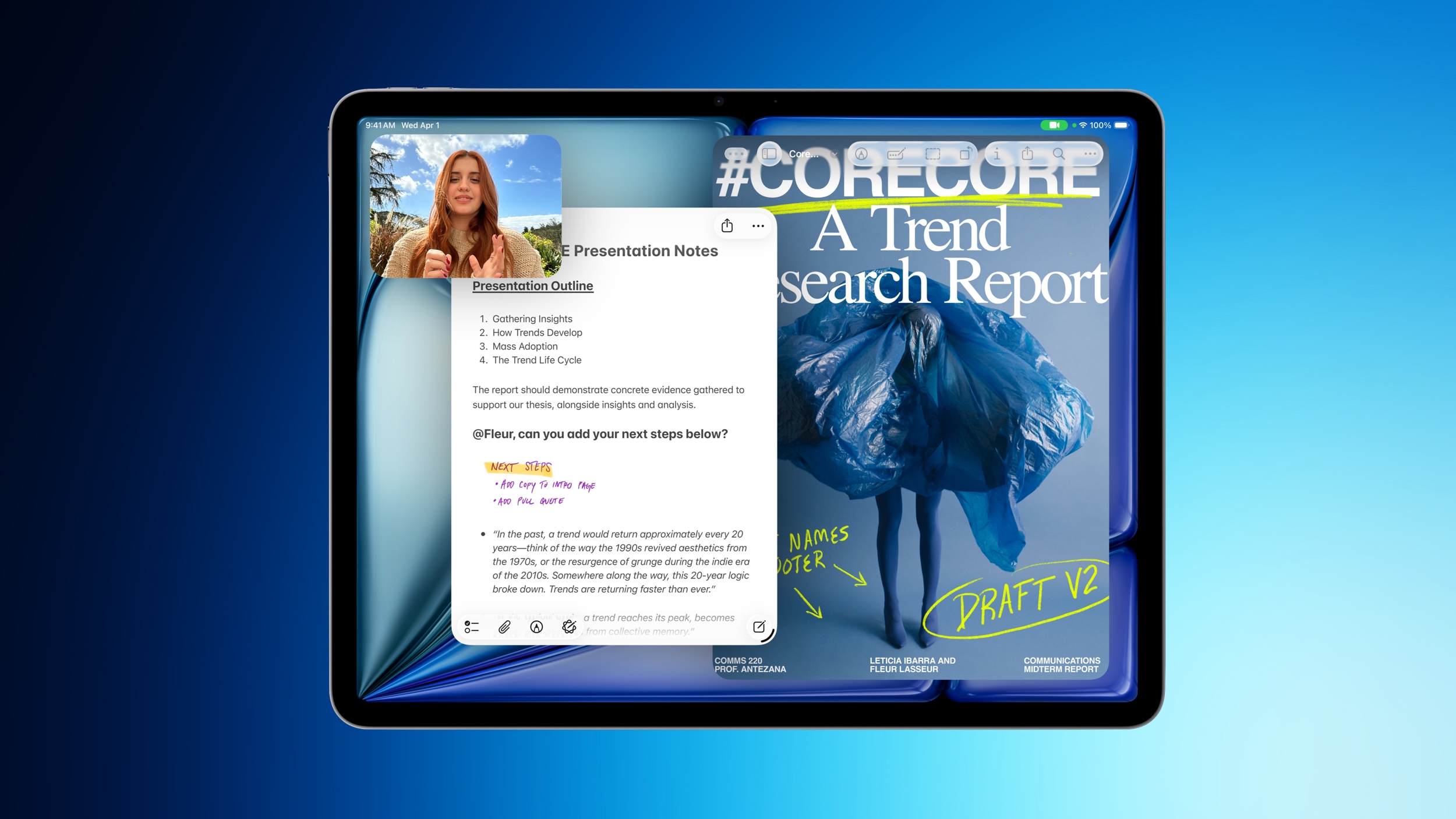
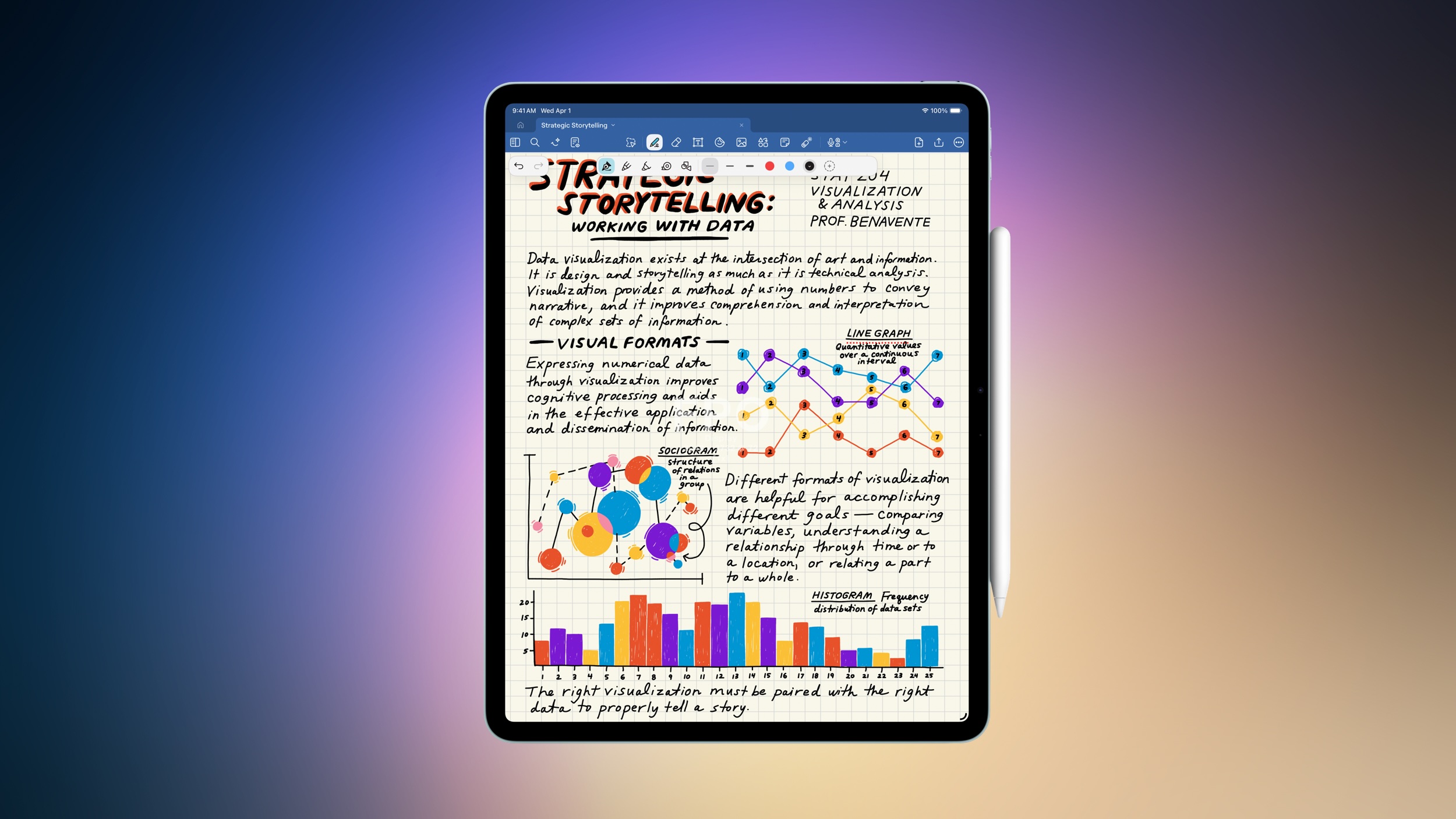
Apple's tablet lineup also got an update this week thanks to a new iPad Air, with key upgrades including Apple's M4 chip for faster performance, an increased 12GB of RAM, Apple's N1 wireless networking chip with Wi-Fi 7 support, and Apple's custom C1X modem in cellular models.
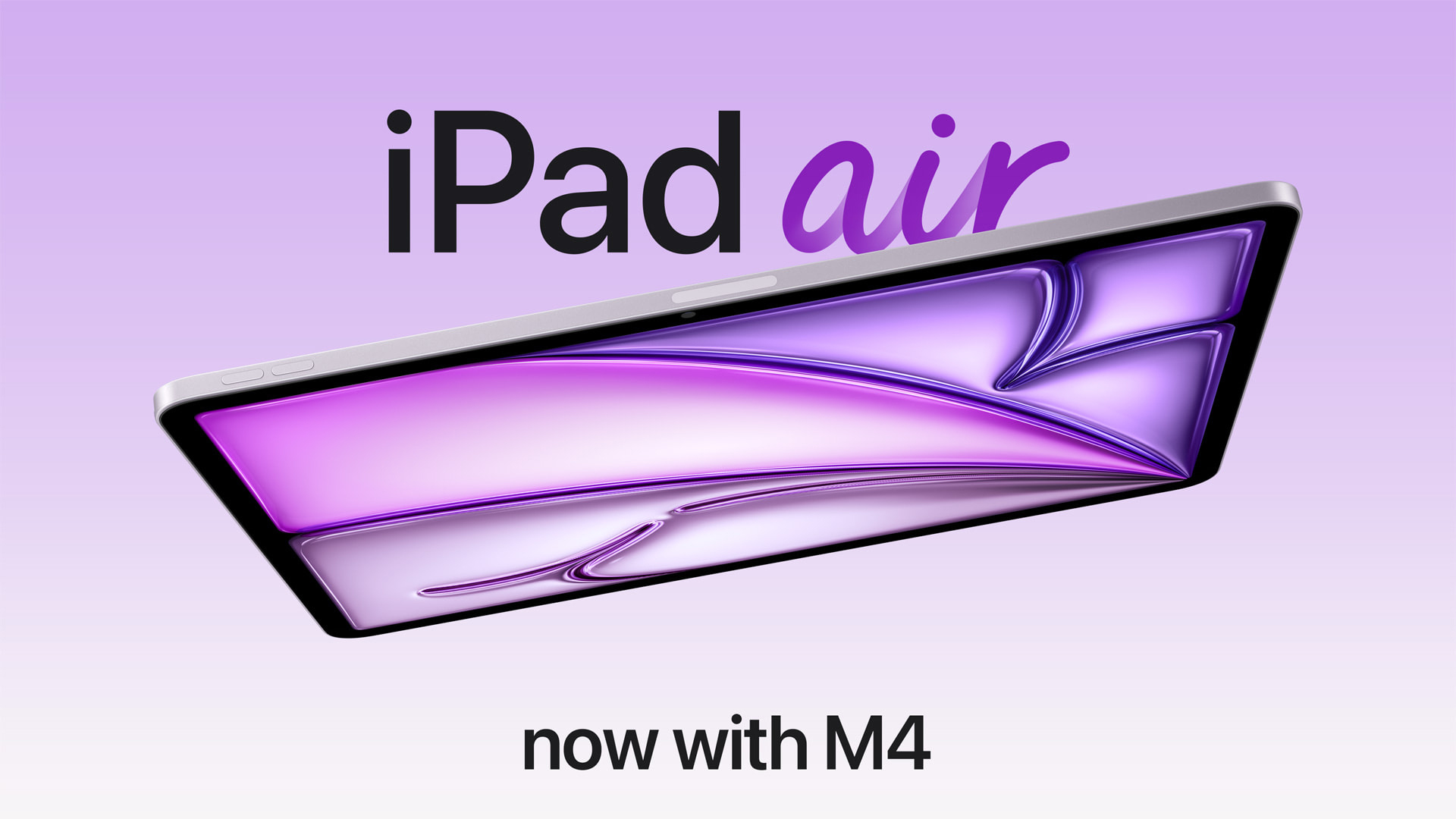

The new iPad Air has the same overall design as the previous-generation model, which was equipped with the M3 chip, 8GB of RAM, and Wi-Fi 6E support.

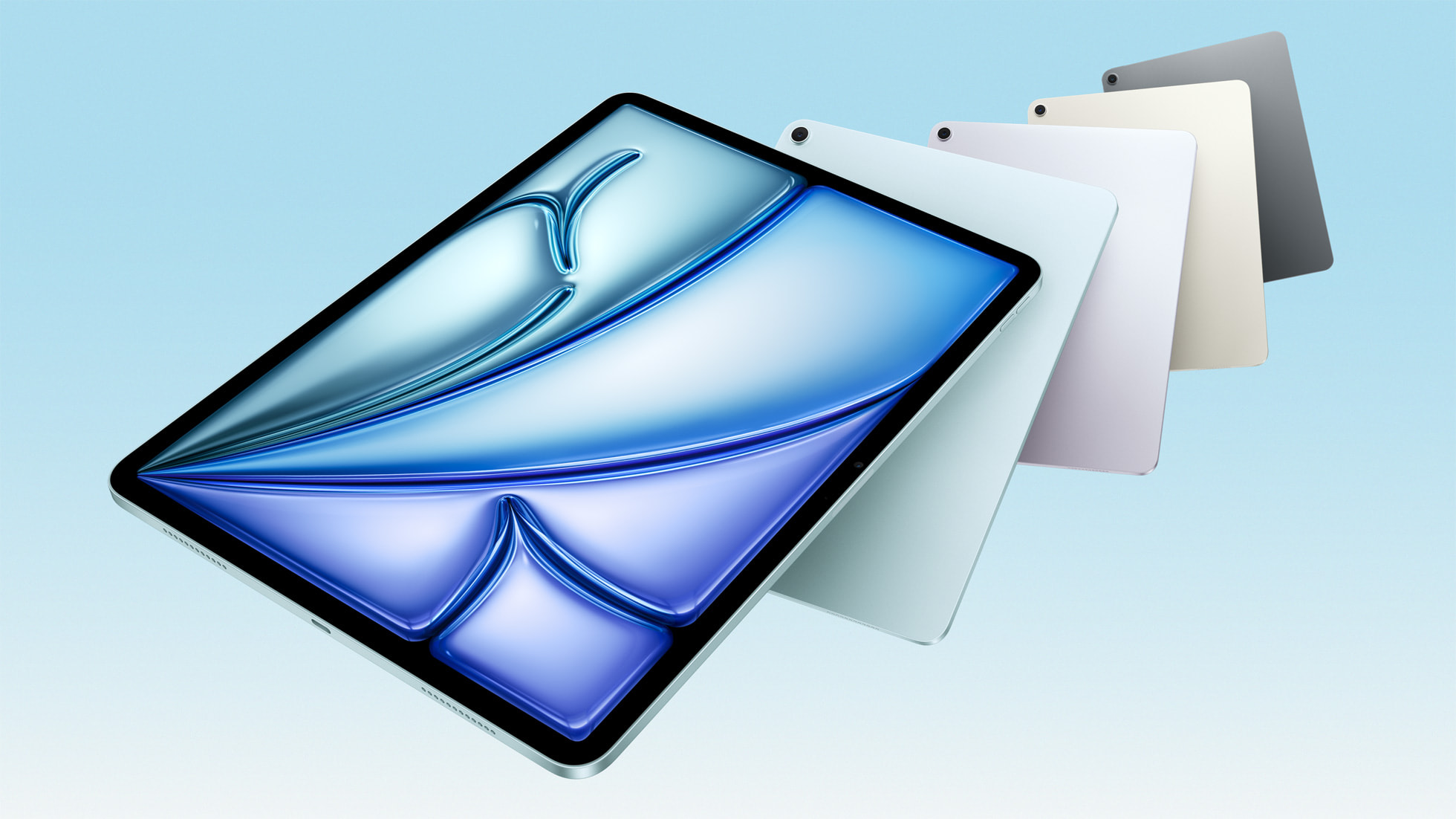
The new iPad Air is available in the same blue, purple, starlight, and space gray colors as the previous generation, and it still starts at $599 for the 11-inch model and $799 for the 13-inch model.

Apple Announces MacBook Air With M5 Chip and 512GB Base Storage


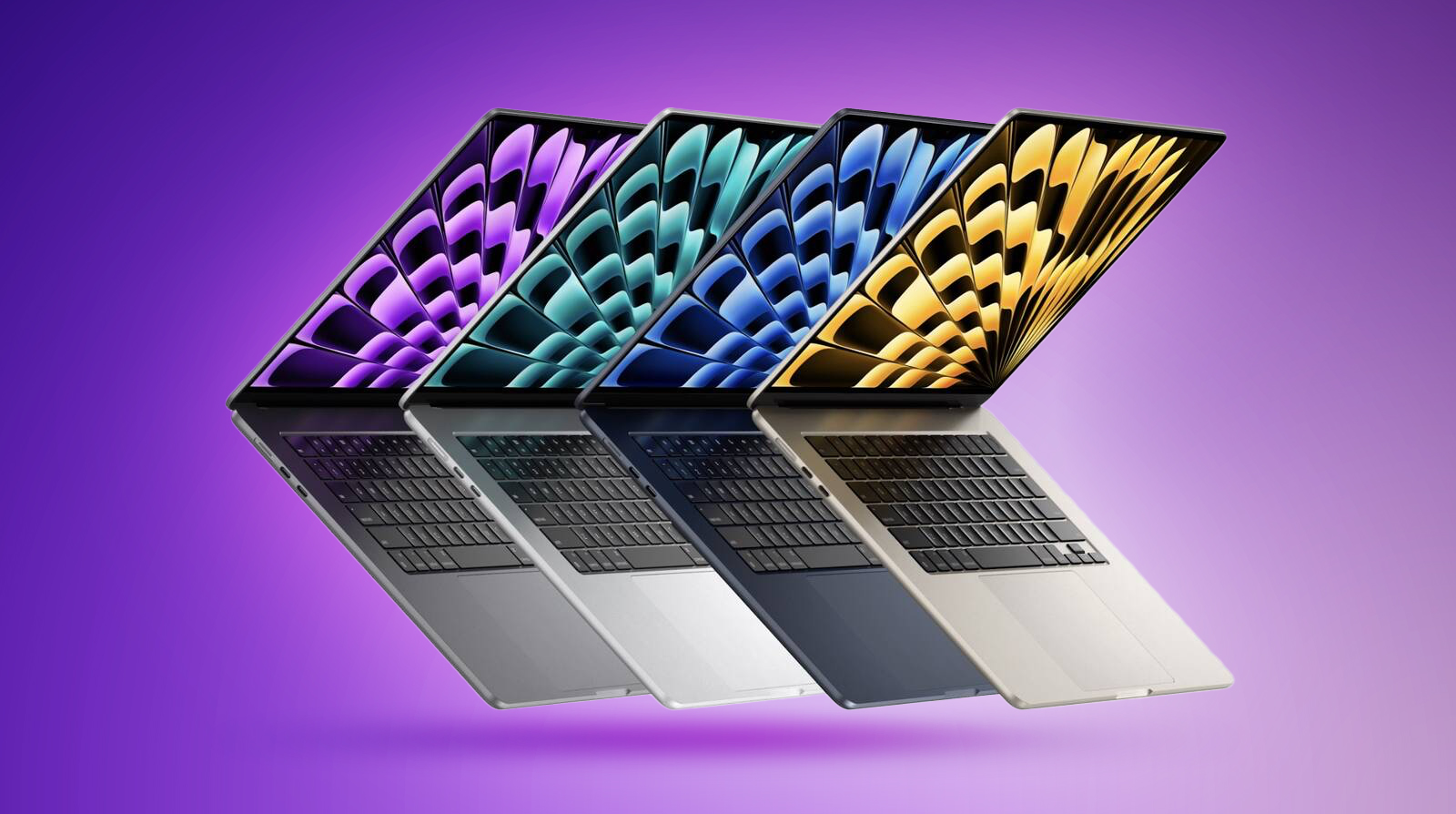
Last but not least is the MacBook Air, which was refreshed this week with the M5 chip and a higher base SSD capacity.


The M5 chip in the ‌MacBook Air‌ features a 10-core CPU, with what Apple calls the world's fastest CPU cores. It offers configurations with up to 10 GPU cores with Neural Accelerators in each core, delivering up to 4× faster performance for AI tasks than the ‌MacBook Air‌ with the M4 chip.

Starting prices for the MacBook Air‌ have increased by $100 to $1,099 for the 13-inch model and $1,299 for the 15-inch model, but that also gets you double the amount of base storage at 512GB as the previous generation. The SSD also has 2× faster read and write performance compared to the previous generation.

MacRumors Newsletter


Each week, we publish an email newsletter like this highlighting the top Apple stories, making it a great way to get a bite-sized recap of the week hitting all of the major topics we've covered and tying together related stories for a big-picture view.

So if you want to have top stories like the above recap delivered to your email inbox each week, subscribe to our newsletter!
This article, "Top Stories: MacBook Neo, iPhone 17e, Studio Display XDR, and More" first appeared on MacRumors.com

Discuss this article in our forums

  •  

iPhone 17e Benchmarks Reveal A19 Chip Performance With a Tiny Catch

The first benchmarks for the iPhone 17e surfaced in the Geekbench 6 database today, offering a closer look at the A19 chip's performance.


For multi-core CPU performance, the highest score the iPhone 17e achieved so far is 9,241. As expected, this is nearly identical to the standard iPhone 17 model with the A19 chip, which has an average multi-core score of 9,249.

There is one tiny catch, as the iPhone 17e has a 4-core GPU, whereas the iPhone 17 has a 5-core GPU. With one fewer GPU core, the iPhone 17e obviously has slightly lower graphics performance, with the device achieving Metal scores of around 31,000 to 31,500 in early Geekbench results, compared to around 37,000 for the iPhone 17.

In our view, most customers are unlikely to notice a significant difference in graphics performance between the iPhone 17e and iPhone 17.

The previous-generation iPhone 16e with an A18 chip also has a 4-core GPU.

The table below provides a comparison of multi-core CPU scores for some iPhones.


iPhone Model Multi-Core CPU Score
iPhone 17 Pro (A19 Pro)9,805
iPhone 17 (A19)9,249
iPhone 17e (A19)9,241
iPhone 16 Pro (A18 Pro)8,625
iPhone 16e (A18)7,977
iPhone 15 Pro (A17 Pro)7,199


iPhone 17e features the same overall design as the iPhone 16e, but it gains Apple's A19 chip, MagSafe for magnetic wireless charging and magnetic accessories, Apple's second-generation C1X modem for faster 5G, and a doubled 256GB of base storage. In the U.S., the iPhone 17e starts at $599, just like the iPhone 16e did.

iPhone 17e pre-orders began March 4, and the device launches March 11.
Related Roundup: iPhone 17e
Buyer's Guide: iPhone 17e (Buy Now)
Related Forum: iPhone

This article, "iPhone 17e Benchmarks Reveal A19 Chip Performance With a Tiny Catch" first appeared on MacRumors.com

Discuss this article in our forums
  •  

Apple on MacBook Neo Design: 'We're Certainly Not Making Any Compromises'

While the MacBook Neo starts at just $599, or an even lower $499 for college students, Apple has insisted that it did not make any design compromises.


"It's undeniably a MacBook, we're certainly not making any compromises on the design and that's really important," said Apple's vice president of industrial design Molly Anderson, in an interview with architecture and design publication Dezeen.

Anderson added that "it was important" for the MacBook Neo "to be quintessentially a MacBook."

Chiefly, the MacBook Neo is made from aluminum, not plastic.

"It wasn't just a redesign, it was starting from the beginning, and we're not using cheaper materials, it's incredible aluminium," she said.

Available in fun colors like Blush and Citrus, the MacBook Neo is meant to be distinguished from the MacBook Air and MacBook Pro, according to Anderson.

"It was important to make it feel part of the family, but with its own personality," she said.

Even though the MacBook Neo is designed with premium materials, Apple did have to make compromises in other areas. For example, the MacBook Neo has only 8GB of RAM, and a Touch ID button is limited to the $699 model. Plus, there is no MagSafe, one of the USB-C ports is limited to USB 2 speeds of just 480 MB/s, and the keys are not backlit.

Despite its limitations, the MacBook Neo will likely be a hit with students and customers who need a Mac mainly for everyday tasks, like web browsing and document editing. Pre-orders began on March 4, ahead of a March 11 launch.
Related Roundup: MacBook Neo

This article, "Apple on MacBook Neo Design: 'We're Certainly Not Making Any Compromises'" first appeared on MacRumors.com

Discuss this article in our forums

  •  

The MacRumors Show: Apple Announces MacBook Neo and More

On this week's episode of The MacRumors Show, we discuss Apple's concentrated week of announcements that saw the introduction of 10 new products.


The most significant announcement of the week was the MacBook Neo, an all-new entry-level Apple laptop that starts at $599. The ‌MacBook Neo‌ is designed to compete with lower-cost Windows laptops and Chromebooks, while expanding the Mac lineup with a substantially more affordable option.

Unlike every other Apple silicon Mac, the ‌MacBook Neo‌ is powered by the A18 Pro chip originally developed for the iPhone 16 Pro, making it the first Mac to use an iPhone-class processor instead of an M-series chip.

The machine features a rounded, colorful design available in Silver, Indigo, Blush, and Citrus finishes, with matching keyboards and wallpapers that give it a more playful appearance than Apple's existing notebooks. At 2.7 pounds, it weighs the same as a MacBook Air.

It offers a 13-inch Liquid Retina display with uniform, iPad-style bezels rather than a notch, a Magic Keyboard, a mechanical trackpad, two USB-C ports, 8GB of memory, a headphone jack, a 1080p camera, dual mics, dual speakers with Spatial Audio, and a battery life rated for up to 16 hours.

Apple also updated several existing devices with modest specification improvements. The iPhone 17e retains the same design and price as the iPhone 16e but adds the A19 chip, MagSafe support, Apple's second-generation C1X modem, and 256GB of base storage.

The 11- and 13-inch iPad Air gained the M4 chip, 12GB of RAM, Wi-Fi 7 support via Apple's N1 wireless chip, and the same C1X modem in cellular models. Meanwhile, the 13- and 15-inch ‌MacBook Air‌ were upgraded with the M5 chip and a higher base storage capacity of 512GB, though the removal of the 256GB option increased the starting price to $1,099.

At the high end of the Mac lineup, Apple refreshed the 14-inch and 16-inch MacBook Pro models with the new M5 Pro and M5 Max chips, introducing a "Fusion Architecture" that bonds two 3nm dies together into a single processor. These models also gained faster SSD speeds, higher base storage, and Wi-Fi 7 and Bluetooth 6 via the N1 chip. Battery life increased slightly across the lineup, while GPU cores now include dedicated Neural Accelerators intended to improve AI workloads.

Apple also expanded its display lineup with a new Studio Display XDR model, replacing the Pro Display XDR. The new model offers a 27-inch 5K mini-LED panel with up to a 120Hz refresh rate, HDR brightness up to 2,000 nits, and Thunderbolt 5 connectivity. The standard ‌Studio Display‌ was updated at the same time with two Thunderbolt 5 ports, improved speakers, and a camera that now supports Desk View, but retains its 60Hz panel and 600-nit brightness.

All of the newly announced devices became available to pre-order on Wednesday, March 4, with the entire lineup scheduled to launch and begin arriving to customers on Wednesday, March 11. The MacRumors Show has its own YouTube channel, so make sure you're subscribed to keep up with new episodes and clips.


You can also listen to ‌The MacRumors Show‌ on Apple Podcasts, Spotify, Overcast, or other podcast apps. You can also copy our RSS feed directly into your player.


If you haven't already listened to the previous episode of The MacRumors Show, catch up to hear our discussion about what we expected from Apple's announcements this week to see what we got right and wrong.

Subscribe to ‌The MacRumors Show‌ for new episodes every week, where we discuss some of the topical news breaking here on MacRumors, often joined by interesting guests such as Kayci Lacob, Kevin Nether, John Gruber, Mark Gurman, Jon Prosser, Luke Miani, Matthew Cassinelli, Brian Tong, Quinn Nelson, Jared Nelson, Eli Hodapp, Mike Bell, Sara Dietschy, iJustine, Jon Rettinger, Andru Edwards, Arnold Kim, Ben Sullins, Marcus Kane, Christopher Lawley, Frank McShan, David Lewis, Tyler Stalman, Sam Kohl, Federico Viticci, Thomas Frank, Jonathan Morrison, Ross Young, Ian Zelbo, and Rene Ritchie.

‌The MacRumors Show‌ is on X @MacRumorsShow, so be sure to give us a follow to keep up with the podcast. You can also email us at podcast@macrumors.com or head over to The MacRumors Show forum thread. Remember to rate and review the podcast, and let us know what subjects and guests you would like to see in the future.
Related Roundup: MacBook Neo

This article, "The MacRumors Show: Apple Announces MacBook Neo and More" first appeared on MacRumors.com

Discuss this article in our forums

  •  

Apple Discontinued These 15 Products This Week

Amid its introduction of 10 new devices this week, Apple discontinued over a dozen of its products dating back to 2019.


Apple this week announced the iPhone 17e, refreshed iPad Air models with the M4 chip, MacBook Air models with the M5 chip, MacBook Pro models with the M5 Pro and M5 Max chips, two new Studio Display models, and the all-new MacBook Neo. Simultaneously, these 15 products were removed from Apple's lineup to make way for the new additions:


  • iPhone 16e with A18 (2025)

  • 11-inch ‌iPad Air‌ with M3 (2025)

  • 13-inch ‌iPad Air‌ with M3 (2025)

  • 13-inch ‌MacBook Air‌ with M4 (2025)

  • 15-inch ‌MacBook Air‌ with M4 (2025)

  • 13-inch ‌MacBook Pro‌ with M5 and 512GB storage (2025)

  • 14-inch ‌MacBook Pro‌ with M4 Pro (2024)

  • 16-inch ‌MacBook Pro‌ with M4 Pro (2024)

  • 14-inch ‌MacBook Pro‌ with M4 Max (2024)

  • 16-inch ‌MacBook Pro‌ with M4 Max (2024)

  • Mac Studio with M3 Ultra and 512GB memory (2025)

  • ‌Studio Display‌ with A13 Bionic (2022)

  • Pro Display XDR (2019)

  • Pro Stand for Pro Display XDR (2019)

  • Pro Display XDR VESA Mount Adapter (2019)


Many of these devices are already seeing substantial discounts with third-party retailers. All of the newly announced devices became available to pre-order on Wednesday, March 4, with the entire lineup scheduled to launch and begin arriving to customers on Wednesday, March 11.
This article, "Apple Discontinued These 15 Products This Week" first appeared on MacRumors.com

Discuss this article in our forums

  •  

Best Apple Deals of the Week: First Discounts Hit All of Apple's New Products, Including MacBook Neo and More

It's Apple pre-order week, and we're already tracking solid discounts across every new product that was announced this week. This includes free Best Buy gift cards when ordering the new MacBook Neo, Air, and Pro, plus the first cash discounts on M4 iPad Air on Amazon.

Note: MacRumors is an affiliate partner with some of these vendors. When you click a link and make a purchase, we may receive a small payment, which helps us keep the site running.

Pre-Order Discounts


  • What's the deal? Save on pre-orders for iPhone 17e, MacBook Air, MacBook Pro, MacBook Neo, and iPad Air

  • Where can I get it? Amazon, Best Buy, and more

  • Where can I find the original deal? Right here


Pre-orders are live on all of Apple's newest products, including the MacBook Neo, M5 MacBook Air, M5 Pro and M5 Max MacBook Pro, iPhone 17e, and M4 iPad Air. You'll find free gift cards when pre-ordering select products at Best Buy, while Amazon has straight cash discounts on numerous M4 iPad Air tablets.

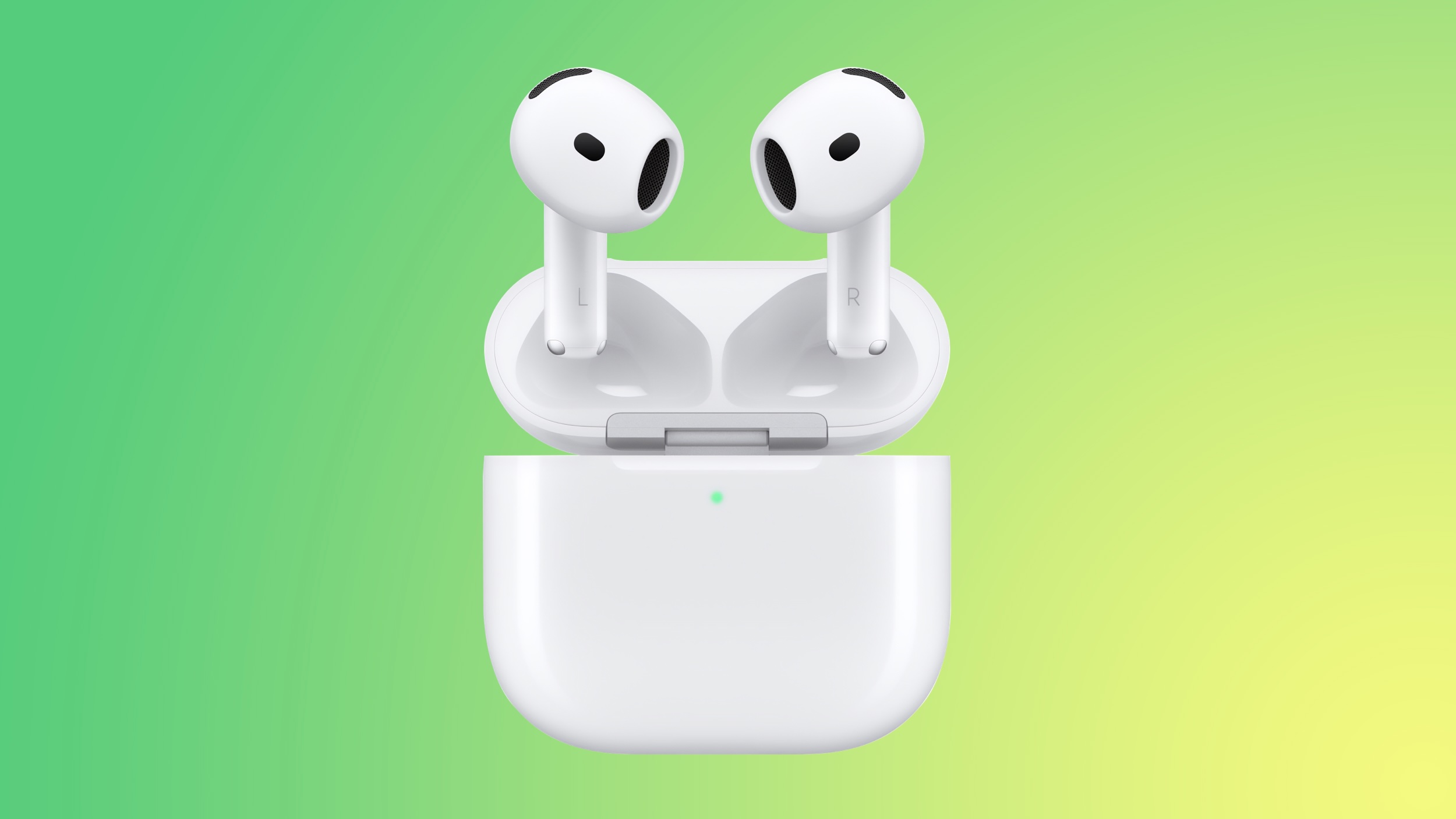
AirPods


  • What's the deal? Take $60 off AirPods 4 with ANC

  • Where can I get it? Amazon

  • Where can I find the original deal? Right here


Amazon this week is back with a notable discount on the AirPods 4 with Active Noise Cancellation, available for $119.00, down from $179.00.

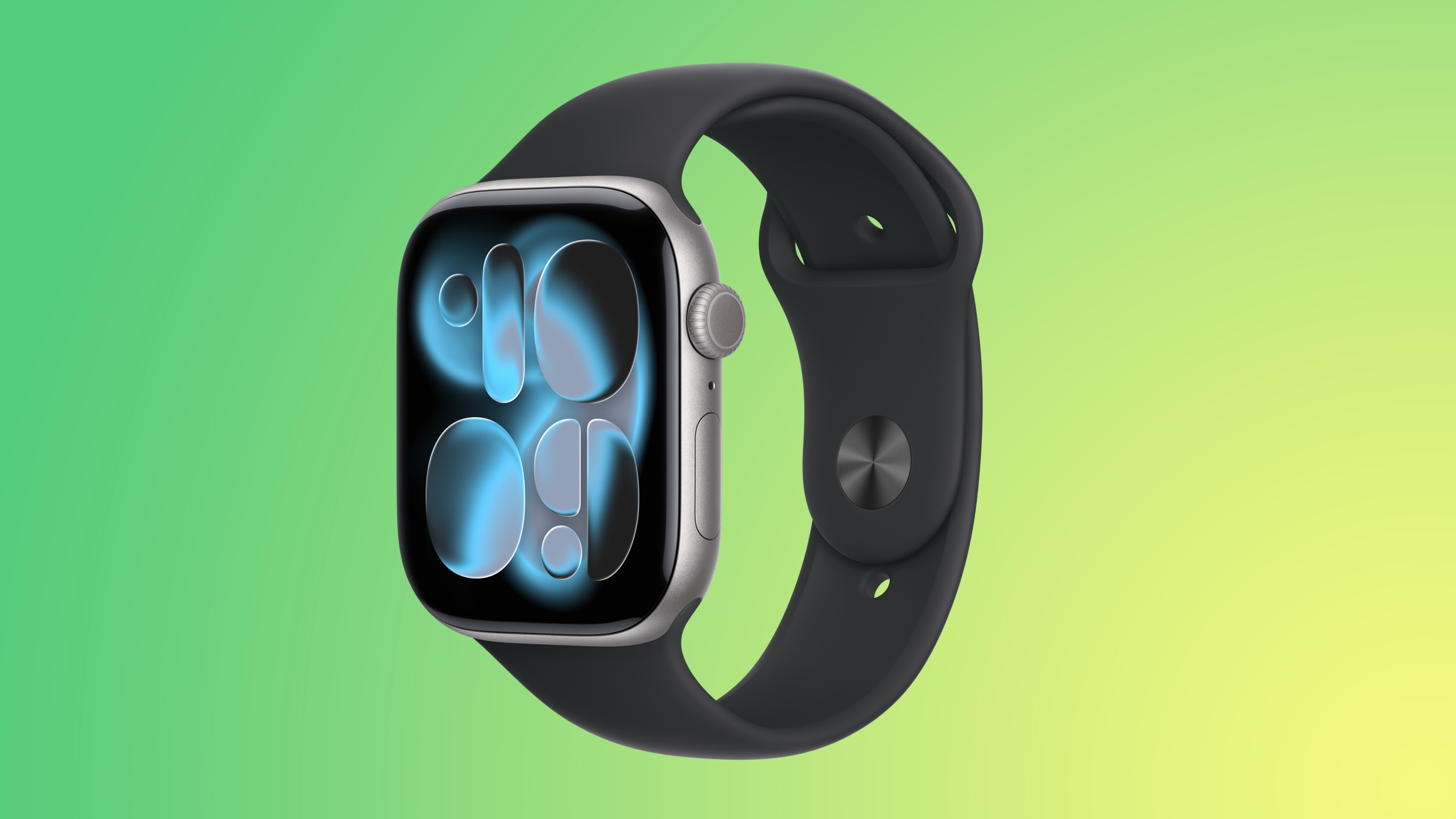
Apple Watch Series 11


  • What's the deal? Take $100 off Apple Watch Series 11

  • Where can I get it? Amazon

  • Where can I find the original deal? Right here


Amazon this week has all-time low prices on the Apple Watch Series 11, with $100 discounts across numerous models of the smartwatch. We first started tracking the return of these deals about a week ago, but this sale has now expanded with many more options on both 42mm and 46mm GPS models.

AirTag


  • What's the deal? Take $35 off AirTag gen 1

  • Where can I get it? Amazon

  • Where can I find the original deal? Right here


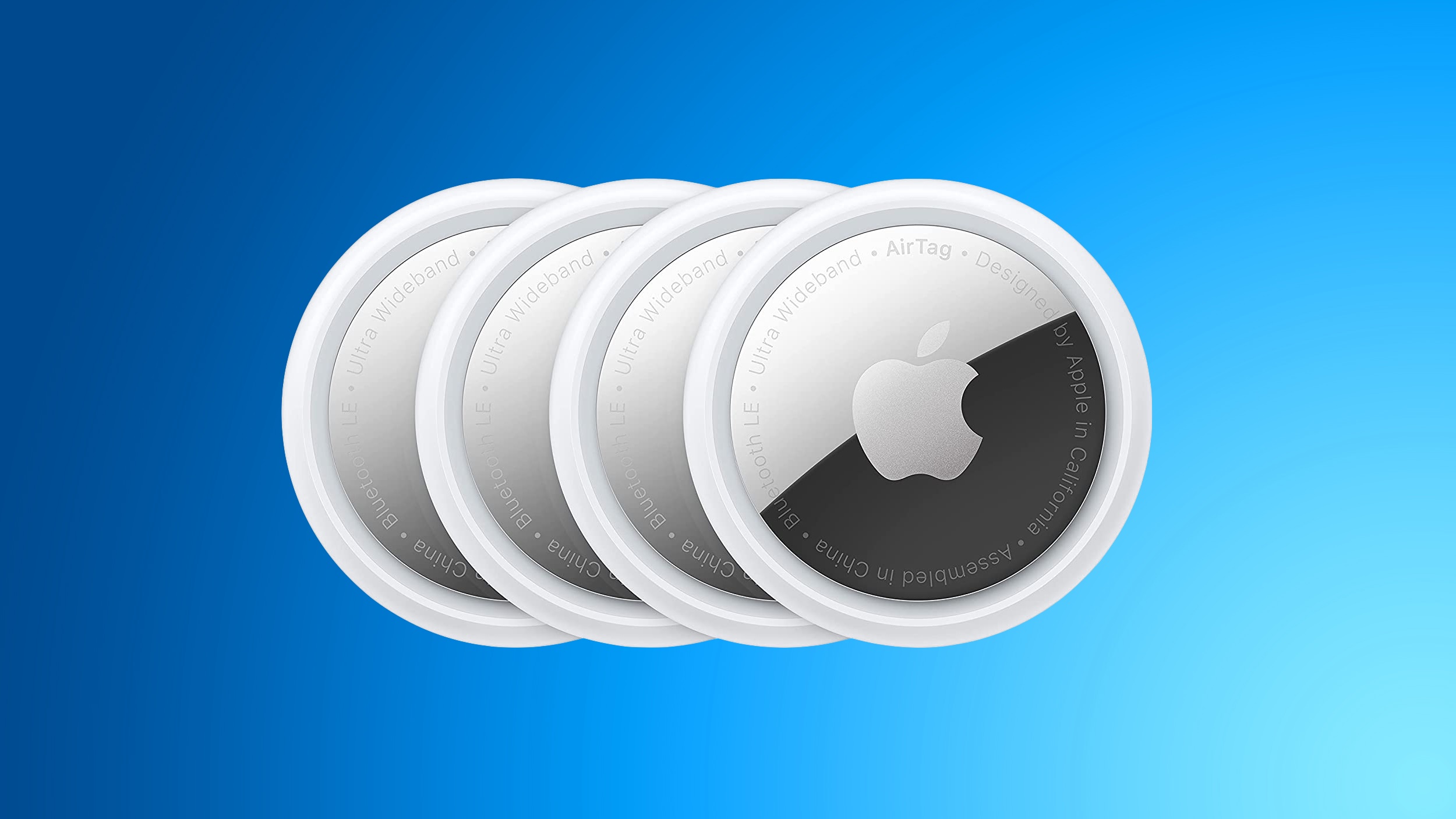
Apple's first-generation AirTag 4-Pack has dropped to $64.00 this week on Amazon, down from the original price of $99.00. Free shipping options have a delivery estimate around March 11, while Prime members should be able to get it delivered a few days sooner.


If you're on the hunt for more discounts, be sure to visit our Apple Deals roundup where we recap the best Apple-related bargains of the past week.


Deals Newsletter


Interested in hearing more about the best deals you can find in 2026? Sign up for our Deals Newsletter and we'll keep you updated so you don't miss the biggest deals of the season!


Related Roundup: Apple Deals

This article, "Best Apple Deals of the Week: First Discounts Hit All of Apple's New Products, Including MacBook Neo and More" first appeared on MacRumors.com

Discuss this article in our forums

  •  

Here's How Much Faster MacBook Air Gets With M5 Chip vs. M4 Chip

We now know how much faster the new MacBook Air with the M5 chip is compared to the previous model with an M4 chip, courtesy of a Geekbench 6 result shared by TechRadar's Lance Ulanoff. However, given the 14-inch MacBook Pro and the iPad Pro were already updated with the M5 chip last year, the result is not too surprising.


Ulanoff ran Geekbench on a MacBook Air with an M5 chip, which has a 10-core CPU. The laptop achieved a score of 17,073 for multi-core CPU performance, whereas the MacBook Air with an M4 chip has an average multi-core score of 14,731, so the new model is up to 15% faster than the previous generation. This is in line with what Apple advertised when it announced the M5 chip back in October, so it was entirely expected.

With the M5 chip, the Geekbench database shows that the MacBook Air is up to 16% faster than the MacBook Pro with the M3 Pro chip from a few years ago, but it is still slower than MacBook Pro models with the M4 Pro chip and newer.

The table below provides a comparison of Geekbench 6 scores for various Macs. Each chip has the highest number of CPU cores available for it.


Mac Model Multi-Core CPU Score
MacBook Pro (M5 Max)29,233
Mac Studio (M3 Ultra)27,726
MacBook Pro (M4 Max)25,702
MacBook Pro (M4 Pro)22,490
MacBook Pro (M3 Max)20,960
MacBook Air (M5)17,073
MacBook Pro (M3 Pro)15,260
MacBook Pro (M2 Max)14,740
MacBook Air (M4)14,731
MacBook Pro (M2 Pro)14,451
MacBook Pro (M1 Max)12,345
MacBook Pro (M1 Pro)12,345
MacBook Air (M3)12,020
MacBook Air (M2)9,709
MacBook Neo (A18 Pro)8,668
MacBook Air (M1)8,342


The new MacBook Air is available to pre-order now and launches on Wednesday, March 11.

For additional benchmarks, see our coverage of Geekbench results for the MacBook Pro with the M5 Max chip and the MacBook Neo with the A18 Pro chip.
Related Roundup: MacBook Air
Buyer's Guide: MacBook Air (Buy Now)
Related Forum: MacBook Air

This article, "Here's How Much Faster MacBook Air Gets With M5 Chip vs. M4 Chip" first appeared on MacRumors.com

Discuss this article in our forums

  •  

Get Up to $100 Off the New M4 iPad Air When Pre-Ordering on Amazon

Amazon today is joining in on the pre-order discounts for the M4 iPad Air, introducing up to $100 off these brand new models. These exceed the discounts we tracked at Best Buy earlier in the week, with discounts available on every model of the M4 iPad Air at Amazon without the need of a membership.

Note: MacRumors is an affiliate partner with Amazon. When you click a link and make a purchase, we may receive a small payment, which helps us keep the site running.
Specifically, Amazon has up to $80 off the 11-inch M4 iPad Air and up to $100 off the 13-inch M4 iPad Air. All of these discounts have been automatically applied and do not require a coupon code or a Prime membership. The M4 iPad Air will officially launch on March 11.


The new iPad Air features the M4 chip, C1X modem, and N1 networking chip, which brings support for Wi-Fi 7 and Bluetooth 6. In terms of design, the 2026 models are identical to the 2025 iPad Air tablets, with an edge-to-edge display, slim bezels, and aluminum chassis.

11-inch M4 iPad Air


13-inch M4 iPad Air


If you're on the hunt for more discounts, be sure to visit our Apple Deals roundup where we recap the best Apple-related bargains of the past week.


Deals Newsletter


Interested in hearing more about the best deals you can find in 2026? Sign up for our Deals Newsletter and we'll keep you updated so you don't miss the biggest deals of the season!


Related Roundup: Apple Deals

This article, "Get Up to $100 Off the New M4 iPad Air When Pre-Ordering on Amazon" first appeared on MacRumors.com

Discuss this article in our forums

  •  

MacBook Neo: Here's Which Models Are Selling Out

If you want a MacBook Neo delivered on launch day next week, you might want to act fast, as the laptop is beginning to sell out for March 11 delivery.


MacBook Neo pre-orders began March 4, and the initial delivery date was March 11. But now, Apple's online store in the U.S. shows that some MacBook Neo orders placed today are estimated to be delivered between March 16 and March 30.

Here are the estimated delivery dates for each configuration as of 9:30 a.m. Eastern Time:

  • 256GB/Blush: March 16 — March 23

  • 256GB/Citrus: March 11

  • 256GB/Indigo: March 11

  • 256GB/Silver: March 11

  • 512GB/Blush: March 23 — March 30

  • 512GB/Citrus: March 23 — March 30

  • 512GB/Indigo: March 16 — March 23

  • 512GB/Silver: March 11
Apple Store availability for in-store pickup varies.

Without knowing how much supply there is for each configuration, it is hard to draw any conclusions from the delivery dates listed above. If we assume that supply is equal across all configurations, then Blush and 512GB configurations appear to be the most popular options in the U.S. so far during the pre-order window.

With a starting price of $599 in the U.S., or just $499 for college students, the MacBook Neo is likely to be a hit with both students and average customers who need a Mac for everyday tasks such as web browsing and document editing.

Apple does not release Mac sales figures on a model-by-model basis, but the company's next quarterly earnings report might provide some broader insight.
Related Roundup: MacBook Neo

This article, "MacBook Neo: Here's Which Models Are Selling Out" first appeared on MacRumors.com

Discuss this article in our forums

  •  

Apple's 'HomePad' Now Rumored to Launch Even Later Than Expected

Apple's long-rumored smart home hub device will launch in the fall of 2026, according to the leaker and prototype collector known as "Kosutami."


In a new post on X, Kosutami said that the device, colloquially dubbed the "HomePad," is now set to arrive in the fall of 2026. The fall runs from September to December, and usually coincides with Apple's busiest release period of the year.

Apple has reportedly been working on the device for several years, with the aim for it to serve as a centralized location for controlling smart home products, listening to music and podcasts, making video calls, and getting glanceable information like the weather and calendar events.

The device is expected to have a 7-inch square display and a front-facing camera. There may be two versions, with one designed to be mounted on a wall and the other featuring a speaker base that apparently looks similar to a HomePod mini and can be placed on a desktop or countertop.

Built-in sensors will be able to determine when someone is near the home hub, and the displayed content will change based on who is present. It will be heavily reliant on Siri voice commands, and ‌Siri‌ could even have a new personified look on the hub, with one design described as a version of the Mac Finder icon.

Apple could price the home hub somewhere around $350. The device was originally rumored to launch in early 2025, but due to delays with Apple Intelligence, its apparent release date moved to early 2026, and now to the fall. The rumored release timing means the HomePad could arrive alongside products like the iPhone 18 Pro in September or redesigned MacBook Pro models in October.
This article, "Apple's 'HomePad' Now Rumored to Launch Even Later Than Expected" first appeared on MacRumors.com

Discuss this article in our forums

  •  

Apple Announces New Collaboration With Sydney Opera House

Apple and the Sydney Opera House today announced a yearlong collaboration to help inspire the next generation of creatives in Australia. The effort will expand access to initiatives that support art, design, and culture in the country.


Through this collaboration, Apple and the Opera House will focus on interactive programming and experiences for young people in Australia. Apple said it will be the founding partner of a new international children's festival being presented later this year. Apple will also support the Opera House's Centre for Creativity and explore new ways to enhance Opera House programming and experiences through technology.

From March 25 to March 27, the Opera House's eastern sails will be illuminated with artwork created in the Procreate app on the iPad by a group of 10 emerging Australian artists. Through free Today at Apple sessions, the public will have the opportunity to create and submit artwork for potential illumination as well.

"For 50 years, Apple has been at the forefront of empowering creativity, providing tools that allow people to imagine, design, and share their unique visions with the world," said Apple's marketing chief Greg Joswiak. "The yearlong collaboration with the Sydney Opera House and Illuminating Creativity is a celebration of this legacy, bringing together the incredible talent of Australian artists and the transformative power of iPad and Procreate."

More details are available on the Apple Newsroom website in Australia.
This article, "Apple Announces New Collaboration With Sydney Opera House" first appeared on MacRumors.com

Discuss this article in our forums

  •  

First MacBook Neo Benchmarks Are In: Here's How It Compares to the M1 MacBook Air

Benchmarks for the new MacBook Neo surfaced today, and unsurprisingly, CPU performance is almost identical to the iPhone 16 Pro. The ‌MacBook Neo‌ uses the same 6-core A18 Pro chip that was first introduced in the iPhone 16 Pro, but it has one fewer GPU core.


The ‌MacBook Neo‌ earned a single-core score of 3461 and a multi-core score of 8668, along with a Metal score of 31286.

Here's how the Neo's scores compare to ‌iPhone 16‌ Pro and other devices that make apt comparisons:

  • iPhone 16 Pro - 3445 single-core, 8624 multi-core, 32575 Metal

  • M1 MacBook Air - 2346 single-core, 8342 multi-core, 33148 Metal

  • M4 MacBook Air - 3696 single-core, 14730 multi-core, 54630 Metal

  • M3 iPad Air - 3048 single-core, 11678 multi-core, 44395 Metal

  • iPad 11 - 2587 single-core, 6036 multi-core, 19395 Metal


Since the ‌MacBook Neo‌ has one fewer GPU core than the ‌iPhone 16‌ Pro, it makes sense to see a slightly lower Metal score.

When comparing the ‌MacBook Neo‌'s performance to existing Macs, the A18 Pro's multi-core performance is on par with the M1 chip in the MacBook Air, but single-core performance is much higher than it was with the ‌M1‌. It's closer to the M3 or M4 chip.

High single-core performance is a good fit for the ‌MacBook Neo‌ audience, because single-core speeds are important for activities like web browsing, using document apps, and streaming video. The ‌MacBook Neo‌ isn't really built for video editing, music creation, 3D modeling, and similar tasks where multi-core performance makes more of a difference.

Apple does not compare ‌MacBook Neo‌ performance to other Macs, iPads, or iPhones. The company's low-cost MacBook focuses on competing with similar-priced Windows PCs and Chromebooks. In its marketing materials, Apple says the A18 Pro is up to 50 percent faster for "everyday tasks" than the bestselling PC with the latest shipping Intel Core Ultra 5. It's also up to 3x faster for on-device AI workloads and up to 2x faster for photo editing.

We're only seeing one benchmark result so far, so averages could be slightly different when more Neo machines are benchmarked, but the scores are right in line with what's expected.

The ‌MacBook Neo‌ is priced starting at $599, and it is available for preorder now. It is set to launch on March 11.
Related Roundup: MacBook Neo
Tag: M1

This article, "First MacBook Neo Benchmarks Are In: Here's How It Compares to the M1 MacBook Air" first appeared on MacRumors.com

Discuss this article in our forums

  •  

Apple's M5 Max Chip Achieves a New Record in First Benchmark Result

The first Geekbench 6 result for a 16-inch MacBook Pro with the M5 Max chip surfaced today, and Apple has achieved record-breaking performance.


In this unconfirmed result, the M5 Max with an 18-core CPU achieved a score of 29,233 for multi-core CPU performance, which tops the 27,726 score achieved by the Mac Studio's M3 Ultra chip with a 32-core CPU. M5 Max is now the fastest Apple silicon chip ever, and it even topped every other consumer PC processor in the Geekbench database.

In terms of multi-core CPU performance, the M5 Max is up to 5% faster than the M3 Ultra, and up to 14% to 15% faster than the M4 Max chip with a 16-core CPU.


Mac Model Multi-Core CPU Score
MacBook Pro (M5 Max)29,233
Mac Studio (M3 Ultra)27,726
MacBook Pro (M4 Max)25,702
MacBook Pro (M4 Pro)22,490
Mac Studio (M2 Ultra)21,410
MacBook Pro (M3 Max)20,960
Mac Studio (M1 Ultra)18,434
MacBook Air (M5)17,073
MacBook Pro (M3 Pro)15,260
MacBook Pro (M2 Max)14,740
MacBook Air (M4)14,731
MacBook Pro (M2 Pro)14,451
MacBook Pro (M1 Max)12,345
MacBook Pro (M1 Pro)12,345
MacBook Air (M3)12,020
MacBook Air (M2)9,709
MacBook Neo (A18 Pro)8,668
MacBook Air (M1)8,342


As for single-core CPU performance, the M5 Max with an 18-core CPU achieved a score of 4,268 in this single Geekbench result, which is line with the regular M5 chip in the base model 14-inch MacBook Pro released back in October. This is the highest single-core score of any consumer PC processor ever, topping the AMD Ryzen 9 series.

As for graphics, the M5 Max with a 40-core GPU achieved impressive Metal scores of 218,772 in one result and 232,718 in another. These scores are anywhere from 5% to 10% lower than the highest-end M3 Ultra's average Metal score of 245,053, and a little more than 20% higher than the highest-end M4 Max's average Metal score of 191,600.

All in all, the M5 Max offers up to 15% faster CPU performance and up to 20% faster GPU performance compared to the M4 Max, in line with Apple's advertised figures.

MacBook Pro models with M5 Pro and M5 Max are available to pre-order now, and they will begin arriving to customers and launch in stores on March 11.
Related Roundup: MacBook Pro
Buyer's Guide: MacBook Pro (Buy Now)
Related Forum: MacBook Pro

This article, "Apple's M5 Max Chip Achieves a New Record in First Benchmark Result" first appeared on MacRumors.com

Discuss this article in our forums

  •  

Apple Seeds Revised Third Betas of iOS 26.4 and iPadOS 26.4 to Developers, New Public Betas

Apple today seeded revised third betas of the upcoming iOS 26.4 and iPadOS 26.4 updates to developers for testing purposes, with the software coming three days after Apple provided the initial beta to developers. Apple has also released a new version of iOS 26.4 and iPadOS 26.4 for public beta testers.


Registered developers and public beta testers can download the betas from the Settings app on the iPhone or iPad by going to the General section and selecting Software Update.

iOS 26.4 and iPadOS 26.4 add multiple new features to the ‌iPhone‌ and the ‌iPad‌. A Playlist Playground feature in Apple Music lets you generate songs for any idea, mood, emotion, or activity using a text-based prompt. There's also a Concerts Near You feature for finding local shows, and a redesigned look for albums and playlists with full-page artwork.

Apple Podcasts is getting native video podcasting capabilities that will make it easier to create, distribute, and monetize video podcast content through the Podcasts app. Video episodes will integrate with existing Apple podcasts features, like personalized recommendations and editorial suggestions.

Apple is testing end-to-end encryption for RCS, which will eventually bring full encryption to text conversations between Android and ‌iPhone‌ users. Apple is testing ‌RCS‌ with iPhone-to-iPhone conversations and iPhone-to-Android conversations.

Stolen Device Protection is enabled by default, there's a new ambient music widget, new average bedtime metrics in the sleep app, and plenty more. All of the features in iOS 26.4 can be found in our iOS 26.4 beta features guide.

Update: Apple also released a new third beta of watchOS 26.4.
Related Roundups: iOS 26, iPadOS 26
Related Forum: iOS 26

This article, "Apple Seeds Revised Third Betas of iOS 26.4 and iPadOS 26.4 to Developers, New Public Betas" first appeared on MacRumors.com

Discuss this article in our forums

  •  

Missing From Apple's Announcements: iPad 12 With Apple Intelligence

In his newsletter over the weekend, Bloomberg's Mark Gurman said Apple was likely to announce at least some but possibly not all of the following products between March 2 and March 4: the iPhone 17e, MacBook Pros, MacBook Airs, updated entry-level iPad and iPad Air models, and a lower-cost MacBook with an iPhone chip.


As it turns out, Apple announced nearly all of those products, with the sole exception being an updated entry-level iPad. In fact, we got two more products on top, in the form of an updated Studio Display and a higher-end Studio Display XDR.

Apple is not expected to unveil any additional products this week, so the wait for an iPad 12 continues for now. The device is expected to have two key upgrades over the iPad 11, including a faster A18 chip and Apple Intelligence support. In fact, one rumor claimed that the iPad 12 might even be powered by Apple's latest A19 chip.

No other major changes have been rumored so far for the iPad 12, so we expect the device to have the same overall design as the current model.

Apple Intelligence is already available on all other current-generation iPad models, including the iPad mini, iPad Air, and iPad Pro.

Apple released the iPad 11 with an A16 chip in March 2025, with U.S. pricing starting at $349.
Related Roundup: iPad
Buyer's Guide: iPad (Don't Buy)
Related Forum: iPad

This article, "Missing From Apple's Announcements: iPad 12 With Apple Intelligence" first appeared on MacRumors.com

Discuss this article in our forums

  •  

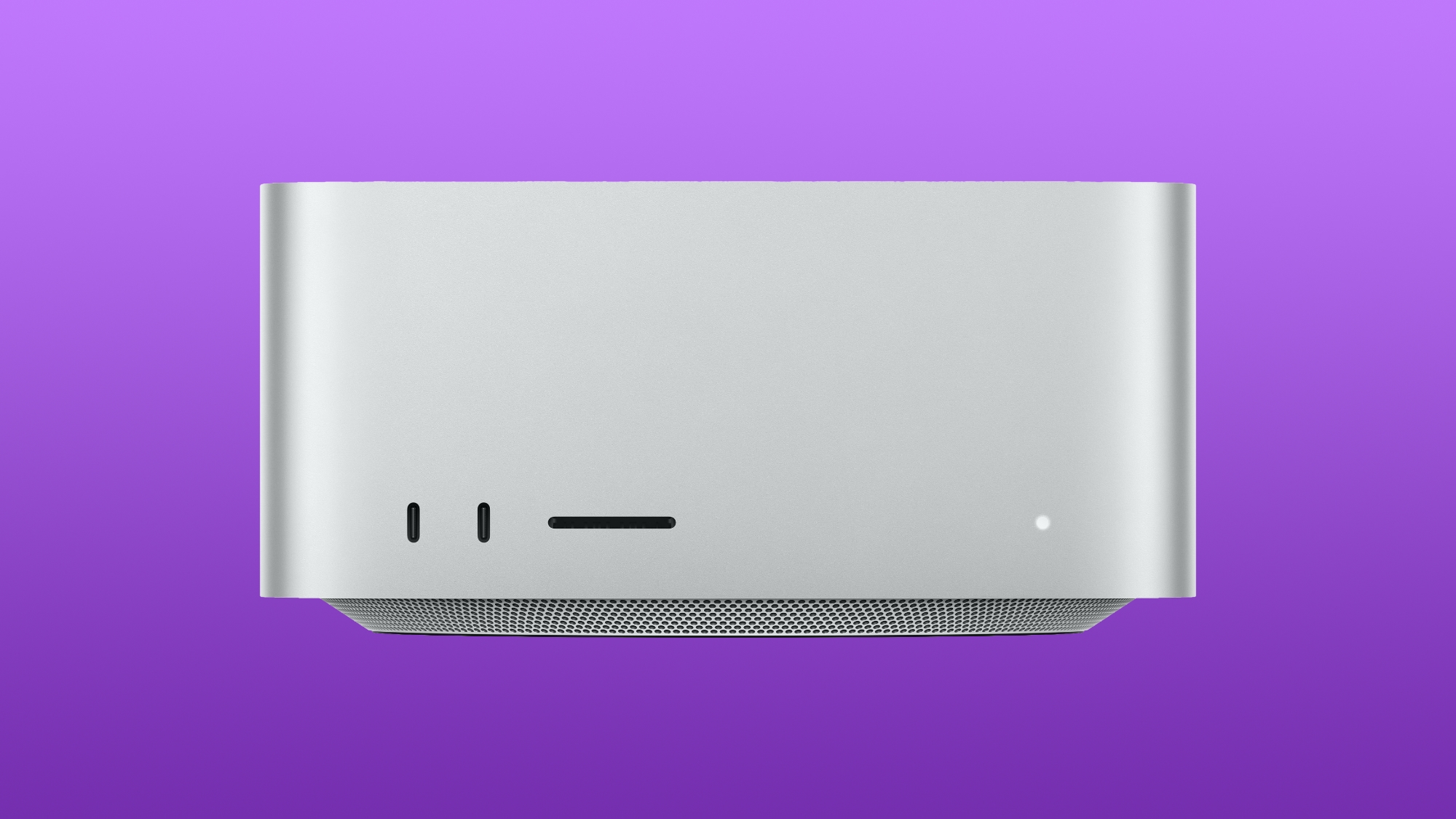
Mac Studio 512GB RAM Option Disappears Amid Global DRAM Shortage

Apple quietly updated Mac Studio configuration options this week, removing the 512GB memory upgrade. As of yesterday, there is no option to purchase a ‌Mac Studio‌ with 512GB RAM, with the machine now maxing out at 256GB.


The ‌Mac Studio‌ starts with 36GB RAM, but there were upgrades ranging from 48GB to 512GB, with the higher tier upgrades limited to the M3 Ultra chip. Now there are options ranging from 48GB to 256GB, with wait times into May for the 256GB upgrade.

Apple has also raised the price for the 256GB RAM upgrade option. It used to cost $1,600 to go from 96GB to 256GB on the high-end M3 Ultra machine, but now it costs $2,000. 512GB was $4,000 when it was available.

Apple has likely removed the option to purchase 512GB of memory because of global DRAM shortages that have dried up supply and caused prices to soar, and it's also probably why shipping times for a configuration with 256GB RAM range into May.

Demand for the ‌Mac Studio‌ has increased due to consumers seeking machines suitable for running local AI agents, which could also be a wait time factor.

Memory scarcity is already having an effect on DRAM pricing, and it could affect PC and smartphone sales in the months to come. Apple is able to absorb higher memory costs in the short term, and it is well-positioned to minimize the effect on consumers because it is better able to secure available DRAM supply than smaller companies.

We are expecting M5 Max and M5 Ultra versions of the ‌Mac Studio‌ in 2026, but it is not yet clear when Apple might release an update.

(Thanks, Ólafur!)
Related Roundup: Mac Studio
Buyer's Guide: Mac Studio (Caution)
Related Forum: Mac Studio

This article, "Mac Studio 512GB RAM Option Disappears Amid Global DRAM Shortage" first appeared on MacRumors.com

Discuss this article in our forums

  •  

Download Apple's New MacBook Neo Wallpapers

While the MacBook Neo does not launch until next week, Apple's colorful new wallpapers designed for the laptop are included in the macOS 26.3.1 update for it.


MacBook Neo is available in Blush, Citrus, Indigo, and Silver finishes, and there is a Mac wallpaper available for each, with download links below:Apple's Mac User Guide explains how to change a Mac's wallpaper.
Related Roundups: MacBook Neo, macOS Tahoe
Related Forum: macOS Tahoe

This article, "Download Apple's New MacBook Neo Wallpapers" first appeared on MacRumors.com

Discuss this article in our forums

  •  

AirTag 1 Gets Major Discount With 4-Pack at $64

Apple's first-generation AirTag 4-Pack has dropped to $64.00 this week on Amazon, down from the original price of $99.00. Free shipping options have a delivery estimate around March 10, while Prime members should be able to get it delivered a few days sooner.

Note: MacRumors is an affiliate partner with Amazon. When you click a link and make a purchase, we may receive a small payment, which helps us keep the site running.
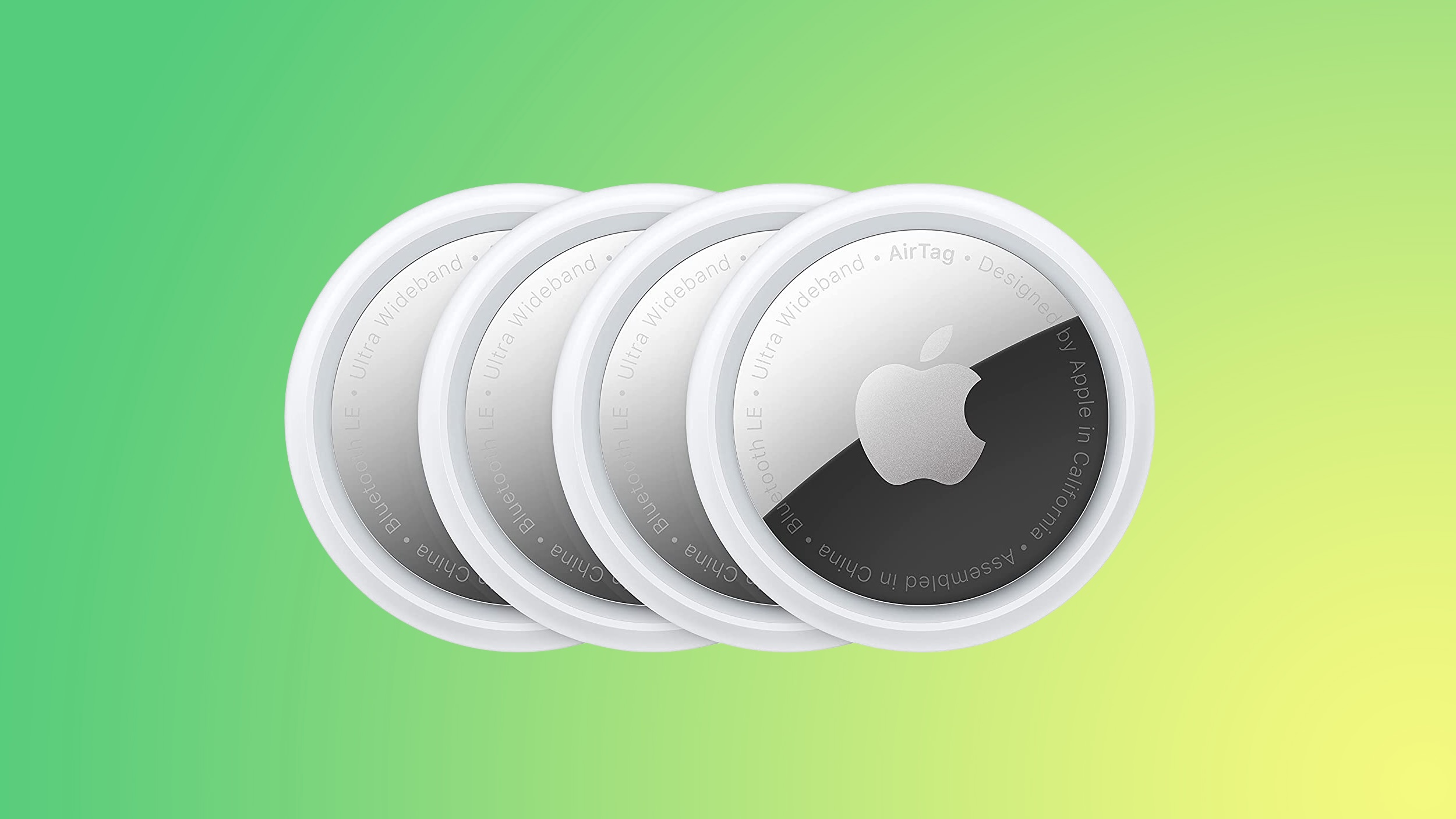
Overall, this is a solid second-best price on the AirTag 4-pack that's within $1 of the Amazon all-time low price. Deals on the 1-Pack have been fluctuating for a few days and are currently gone, but an all-time low price could return soon.


These first generation models will eventually stop being sold by third-party retailers like Amazon, so if you've been waiting for a deal now is the time to buy. Apple just debuted the all-new AirTag, featuring longer range for tracking items and a louder speaker.

If you're on the hunt for more discounts, be sure to visit our Apple Deals roundup where we recap the best Apple-related bargains of the past week.


Deals Newsletter


Interested in hearing more about the best deals you can find in 2026? Sign up for our Deals Newsletter and we'll keep you updated so you don't miss the biggest deals of the season!


Related Roundup: Apple Deals

This article, "AirTag 1 Gets Major Discount With 4-Pack at $64" first appeared on MacRumors.com

Discuss this article in our forums

  •  

Apple Explains 'MacBook Neo' Name

Until a last-minute leak revealed the MacBook Neo name, it was widely assumed that Apple's lower-cost MacBook would simply be named "MacBook." After all, Apple offered a plain "MacBook" from 2006 to 2012, and again from 2015 to 2019. In the end, Apple did go with MacBook Neo branding, and it has explained why in a new interview.


In short, Apple said MacBook Neo sounds fresh.

"We wanted something that felt fun and friendly, and fresh, and felt like it really suited the spirit of this product," said Colleen Novielli, a Mac product marketing director, in conversation with TechRadar's Lance Ulanoff.

Indeed, Apple has emphasized the MacBook Neo's newness.

"MacBook Neo is new, exciting, original, and HERE," said Apple's marketing chief Greg Joswiak, in a social media post on Wednesday. "With a beautiful aluminum design, 13-inch Liquid Retina display, 16 hours of battery life, and the power of Apple silicon, you'll fly through everyday tasks. It'll be love at first Mac."

Many of the MacBook Neo lifestyle images that Apple shared show young people. The more affordable laptop will undoubtedly be popular with students.


The colorful MacBook Neo starts at just $599 in the U.S., and at an even lower $499 for college students. Available in Blush, Citrus, Indigo, and Silver, the MacBook Neo is powered by a version of the A18 Pro chip from the iPhone, and it is equipped with a 13-inch display, up to 512GB of storage, and a non-configurable 8GB of RAM.

With the MacBook Neo, which launches on Wednesday, March 11, Apple could reshape the lower-end laptop market in a big way.
Related Roundup: MacBook Neo

This article, "Apple Explains 'MacBook Neo' Name" first appeared on MacRumors.com

Discuss this article in our forums

  •  

M3 vs. M4 iPad Air Buyer's Guide: All Differences Compared

Apple's latest iPad Air is a minor upgrade over last year's model, but there are still some changes worth noting beyond a new chip.


The eighth-generation ‌iPad Air‌ builds on the foundation of last year's model with a series of specific upgrades focused on performance, memory, and connectivity. While the overall design and experience remains the same, the newer model introduces Apple's M4 chip, additional unified memory, Apple-designed wireless hardware, and support for newer connectivity standards. Here's everything that differs between the 2025 and 2026 ‌iPad Air‌ models:


‌iPad Air‌ (seventh-generation, 2025) ‌iPad Air‌ (eighth-generation, 2026)
M3 chip M4 chip
8GB unified memory 12GB unified memory
Broadcom wireless chip Apple N1 wireless chip
Wi-Fi 6E connectivity Wi-Fi 7 connectivity
Bluetooth 5.3 connectivity Bluetooth 6 connectivity
Qualcomm SDX70M 5G modem Apple C1X modem


The largest change between the two models is the transition from Apple's M3 chip to the newer M4 chip. Beyond modest CPU performance gains, the M4 introduces architectural improvements that increase transistor count, boost machine learning performance, improve memory bandwidth, and enhance efficiency through updated fabrication technology and redesigned cores.


M3 Chip M4 Chip
Made using TSMC's 3nm technology (N3) Made using TSMC's enhanced ‌3nm‌ technology (N3E)
Based on iPhone 15 Pro's A17 Pro chip (2023) Based on iPhone 16's A18 chip (2024)
25 billion transistors 28 billion transistors (+12%)
8-core CPU
(4 performance + 4 efficiency cores)
8-core CPU
(3 performance + 5 efficiency cores)
4.05 GHz CPU clock speed 4.3 GHz CPU clock speed
16-core Neural Engine, 18 trillion operations per second 16-core Neural Engine, 38 trillion operations per second (+111%)
LPDDR5 memory LPDDR5X memory
100 GB/s memory bandwidth 120 GB/s memory bandwidth (+20%)
Dedicated display engine
GPU with standard power efficiency More power-efficient GPU: Maintains performance with significantly less power


Overall, the upgrade from the 2025 iPad Air to the 2026 ‌iPad Air‌ is minor. The new model introduces a faster M4 chip, more unified memory, and newer wireless technologies, but the broader experience remains fundamentally unchanged in any noticeable way.

Apple itself signals how incremental the update is: the company continues to advertise the same battery life, despite the introduction of the more efficient C1X modem, and the device retains identical color options and even the same marketing wallpapers. For the overwhelming majority of ‌iPad Air‌ users, the performance difference between the two models is likely to be negligible, especially for everyday tasks.

The new ‌iPad Air‌ is primarily aimed at buyers who simply want a capable, well-balanced iPad rather than those seeking a major upgrade from a more recent model. The Air continues to occupy the middle ground in Apple's lineup, offering significantly more power and capability than the entry-level ‌iPad‌ while remaining substantially less expensive than the iPad Pro. The transition to the M4 chip, additional memory, and newer connectivity standards like Wi-Fi 7 means that new buyers receive more modern hardware and longer-term headroom, making the device somewhat more future-proof.

For existing users, however, there is little reason to upgrade. Anyone using an M3-based ‌iPad Air‌ will see minimal real-world benefits from moving to the M4 model, and even owners of M1 or M2 versions are unlikely to experience transformative improvements in typical use. Instead, the update simply ensures that customers purchasing a new ‌iPad Air‌ today receive Apple's newer underlying technology in a familiar package.
Related Roundup: iPad Air
Buyer's Guide: iPad Air (Buy Now)
Related Forum: iPad

This article, "M3 vs. M4 iPad Air Buyer's Guide: All Differences Compared" first appeared on MacRumors.com

Discuss this article in our forums

  •  

Apple's Brand New M4 iPad Air Gets First Cash Discount at Best Buy, Up to $50 Off

It's Apple pre-order week, and we've already covered all of the offers you can find on iPhone 17e, MacBook Neo, MacBook Air, and MacBook Pro. In addition to these deals, Best Buy is providing $40 in savings on the new 128GB Wi-Fi M4 iPad Air, with My Best Buy Plus/Total members getting an extra $10 off.

Note: MacRumors is an affiliate partner with Best Buy. When you click a link and make a purchase, we may receive a small payment, which helps us keep the site running.

With this discount, all shoppers can get the 128GB Wi-Fi M4 iPad Air for $559.00, down from $599.00. If you have a My Best Buy Plus/Total membership, you can get the tablet for $549.00.


Otherwise, Best Buy is offering $50 discounts on all other models of the M4 iPad Air, but these require a My Best Buy Plus/Total membership. Only the 128GB models have a discount available to all shoppers.

If you're on the hunt for more discounts, be sure to visit our Apple Deals roundup where we recap the best Apple-related bargains of the past week.


Deals Newsletter


Interested in hearing more about the best deals you can find in 2026? Sign up for our Deals Newsletter and we'll keep you updated so you don't miss the biggest deals of the season!


Related Roundup: Apple Deals

This article, "Apple's Brand New M4 iPad Air Gets First Cash Discount at Best Buy, Up to $50 Off" first appeared on MacRumors.com

Discuss this article in our forums

  •  

iPhone 17e Has 8GB of RAM as Expected

Apple does not advertise RAM amounts in iPhones, but MacRumors has confirmed this information through Apple's developer tool Xcode.


Like the iPhone 16e, the iPhone 17e is equipped with 8GB of RAM, according to the Xcode data. This was the expected amount of RAM, and it is the minimum required for a device to be compatible with Apple Intelligence.

This means both the standard iPhone 17 model and the lower-end iPhone 17e are equipped with the A19 chip and 8GB of RAM. However, the iPhone 17e has a slightly limited 4-core GPU, while the iPhone 17 has a 5-core GPU.

iPhone 17e can be pre-ordered now and launches on Wednesday, March 11.
Related Roundup: iPhone 17e
Buyer's Guide: iPhone 17e (Buy Now)

This article, "iPhone 17e Has 8GB of RAM as Expected" first appeared on MacRumors.com

Discuss this article in our forums

  •  

This iOS Exploit Kit Has 23 Attacks – But Lockdown Mode Stops It Cold

Google's Threat Intelligence Group (GTIG) has a new report out about a powerful iOS exploit kit called "Coruna," which traveled from a surveillance vendor's customer to a Russian espionage group to Chinese cybercriminals, revealing a sophisticated exploit "supply chain" in the process.


Described as one of the most comprehensive iOS exploit toolkits to have been documented publicly, Coruna targets iPhones running iOS 13.0 through iOS 17.2.1, containing 23 exploits across four years of iOS versions.

According to GTIG, it was first spotted in February 2025, when it was used by a customer of a commercial surveillance vendor. By summer 2025, the same framework appeared in watering hole attacks (where an attacker compromises websites that their intended targets are likely to visit) by a suspected Russian espionage group targeting Ukrainian users.

Then, in late in 2025, a China-based, financially motivated actor deployed it across a large network of fake financial and crypto websites. GTIG said it was unclear how the exploit kit got passed from actor to actor, but that it suggests an active market for "second hand" zero-day exploits.

As for the kit's contents, it's described as extremely well-engineered. When someone visits an infected website, it figures out what kind of iPhone they're using and what software version it's running, then picks the right attack for that specific device. If the user has Apple's Lockdown Mode turned on though, the kit bails – it doesn't even try.

The attack code is scrambled with strong encryption, so it's hard for security researchers to intercept and analyze, and it's packaged in a custom format that the developers apparently invented themselves. The code also includes detailed notes written in English explaining how it all works, and uses attack techniques that haven't been seen publicly before, according to GTIG's analysis.

The kit targets cryptocurrency wallets and financial data, and is capable of hooking into 18 different crypto apps to exfiltrate wallet credentials. The payload can decode QR codes from images on disk, and it also has a module to analyze blobs of text to look for BIP39 word sequences or very specific keywords like "backup phrase" or "bank account." It even scans Apple Notes for typical seed phrases.

Anyone still on iOS 17.2.1 or earlier is potentially vulnerable to the exploit kit, which doesn't work against newer iOS versions, so make sure to update if you can. Otherwise, the takeaway seems to be that Apple's Lockdown Mode is doing its job to ward off such a powerful exploit kit, and that can only be good news for those who enable it.
This article, "This iOS Exploit Kit Has 23 Attacks – But Lockdown Mode Stops It Cold" first appeared on MacRumors.com

Discuss this article in our forums

  •  

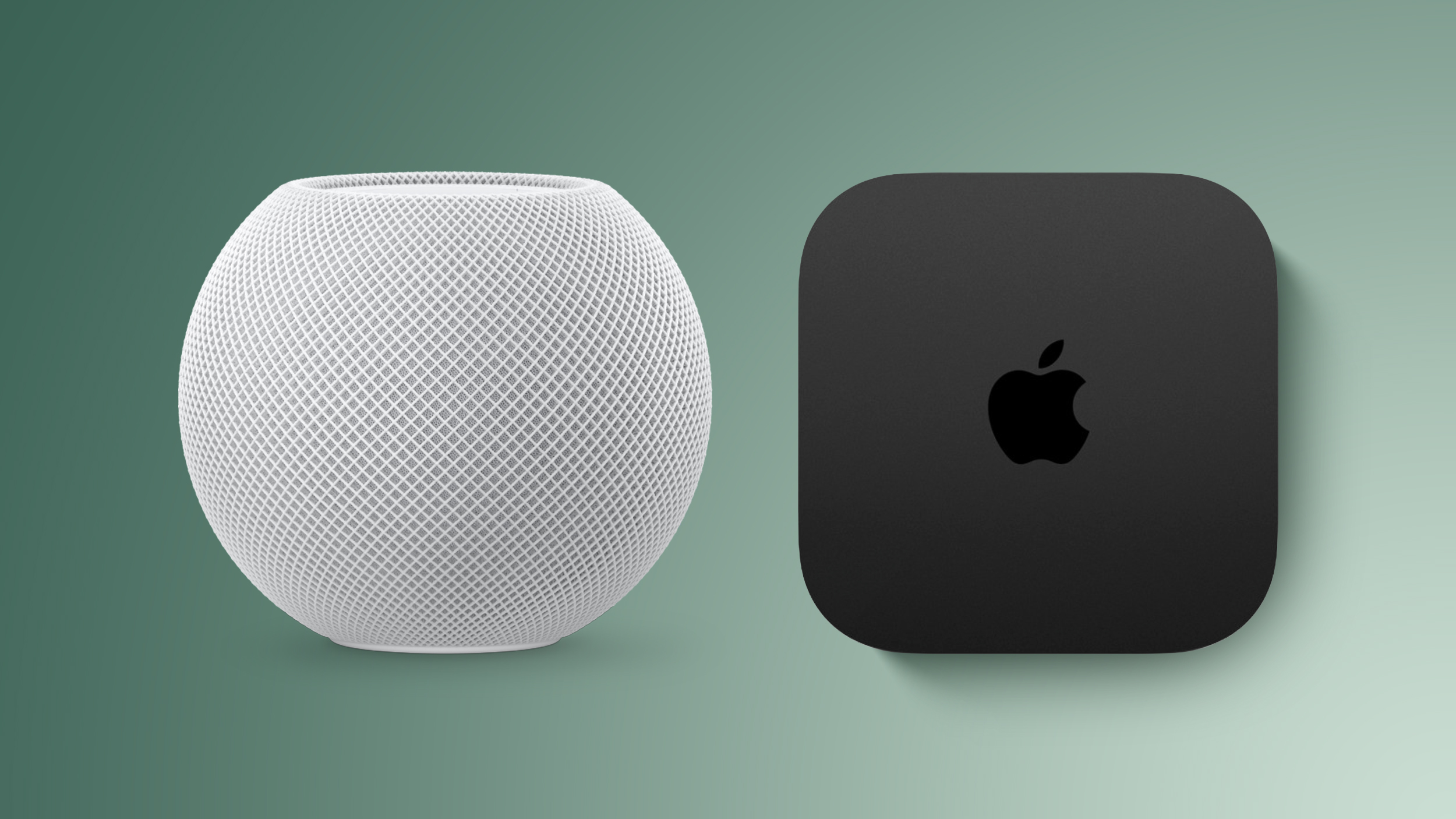
New Apple TV and HomePod Mini Are Still Missing, Here's Why

Apple this week unveiled seven products, ranging from the iPhone 17e to the MacBook Neo, but new Apple TV and HomePod mini models were not among them.


Given that there have been rumors about the next-generation Apple TV and HomePod mini since all the way back in late 2024, some customers are wondering why the devices have yet to launch, and the answer likely relates to Siri.

In September, Bloomberg's Mark Gurman reported that the next Apple TV and HomePod mini would both support the more personalized version of Siri powered by Apple Intelligence. Apple originally aimed to release the revamped Siri last year, but it was pushed back, and the Apple TV and HomePod mini are likely delayed as a result. We suspect that Apple's long-rumored smart home hub is also held up by the Siri delay.

Apple has proceeded with releasing some other new products that will eventually support the more personalized version of Siri, but it will likely be a tentpole feature of Apple's all-new smart home hub, and likely the next Apple TV and HomePod mini too. Apple may announce a set of new home products tied to the new Siri.

In January, Apple and Google announced that Google Gemini will help power future Apple Intelligence features, including a more personalized Siri coming this year. Apple has yet to provide a more specific timeframe, but Gurman reported that the personalized Siri features are currently slated for either iOS 26.5 or iOS 27.

iOS 26.5 will likely be released in May, following a beta testing period beginning in April. iOS 27 will debut at Apple's annual developers conference WWDC in June, and that update should be released to all users in September. There would be corresponding tvOS and HomePod software updates released at the same times. Accordingly, the new Apple TV and HomePod mini might not be announced until April to September this year.

Earlier rumors claimed the next Apple TV would be equipped with the A17 Pro chip, which is the oldest chip that supports Apple Intelligence. The device is also expected to feature Apple's N1 chip for Wi-Fi 7, Bluetooth 6, and Thread.

As for the HomePod mini, it is expected to use an Apple Watch's S9 chip or newer, but it is not entirely clear how that chip would be capable enough to support the revamped Siri powered by Apple Intelligence. Other rumored features include the N1 chip, improved sound quality, a newer Ultra Wideband chip, and a red color option.

The current Apple TV was unveiled in October 2022, while the HomePod mini debuted in October 2020, so both devices are due for upgrades. Hopefully, the more personalized Siri arrives in the next few months, and the two devices follow soon after.
Related Roundups: Apple TV, HomePod mini

This article, "New Apple TV and HomePod Mini Are Still Missing, Here's Why" first appeared on MacRumors.com

Discuss this article in our forums

  •  
❌