Mysterious explosions plagued Bucks County for months near homes of men now accused in alleged ISIS-inspired NYC terror plot. Police found no evidence, Fox News Digital confirmed.
Harris County Judge Lina Hidalgo claims she was shoved by rodeo staff during a VIP dispute; rodeo officials say she demanded access without a paid wristband.
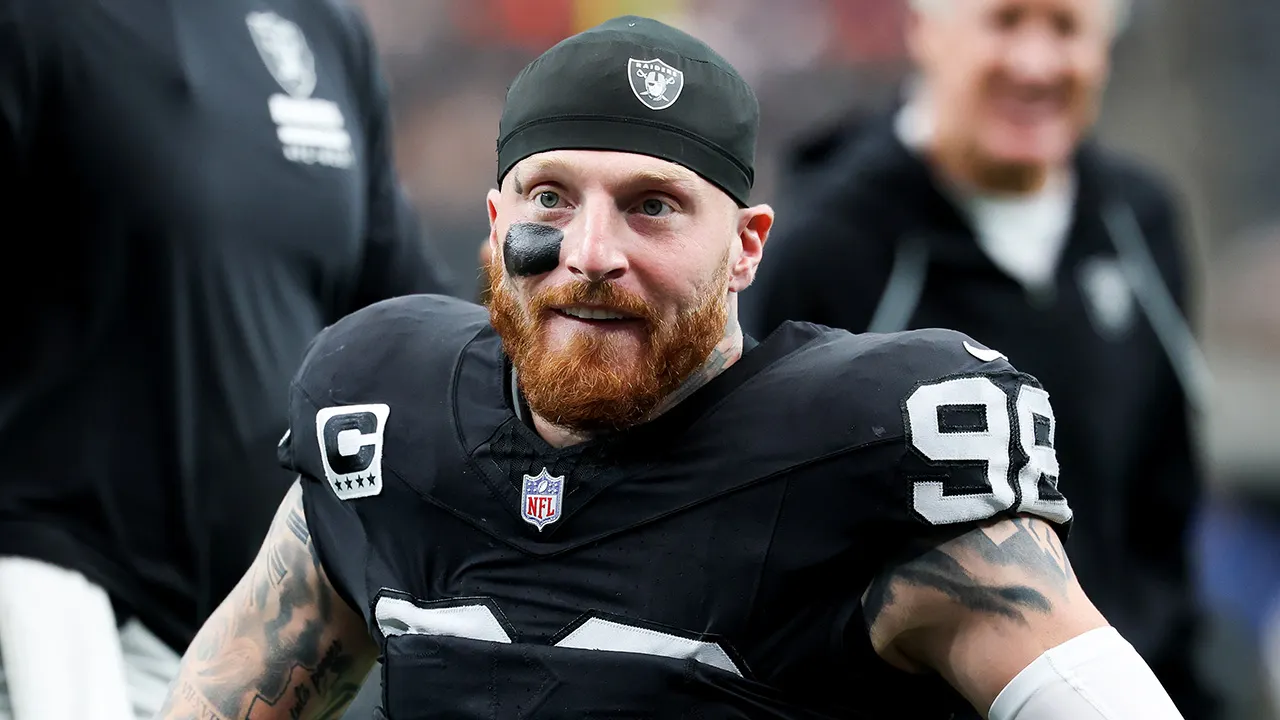
Star edge rusher Maxx Crosby declared he was "Raider" after the Baltimore Ravens backed out of their trade with the Las Vegas Raiders earlier in the week.
Matthew Fox returns to TV in "The Madison," a new drama from "Yellowstone" creator Taylor Sheridan. The "Lost" star joins Kurt Russell and Michelle Pfeiffer in the series.
Florida nurse Rene Perez is accused of murdering co-worker Linda Campitelli after a two-year affair. Authorities allege he beat her to death during a birthday celebration in October 2024.
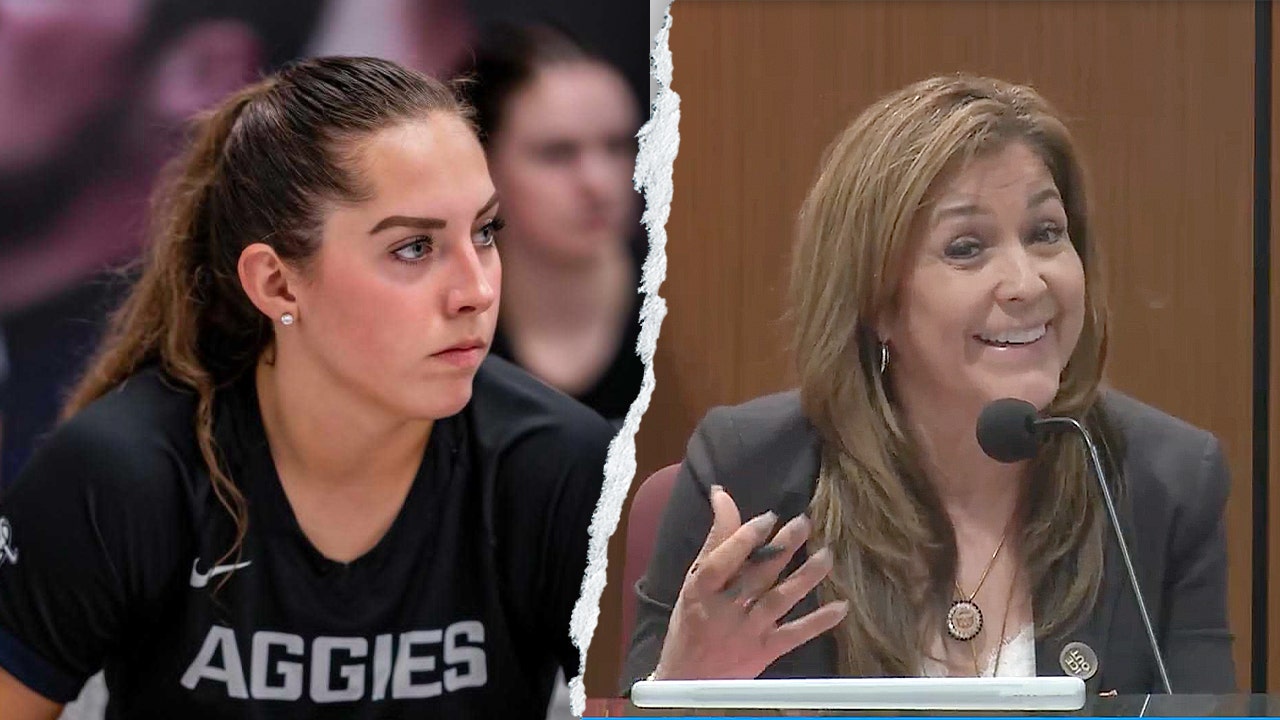
Arizona senator Catherine Miranda faces backlash after questioning volleyball activist's competitiveness during heated transgender sports bill hearing.
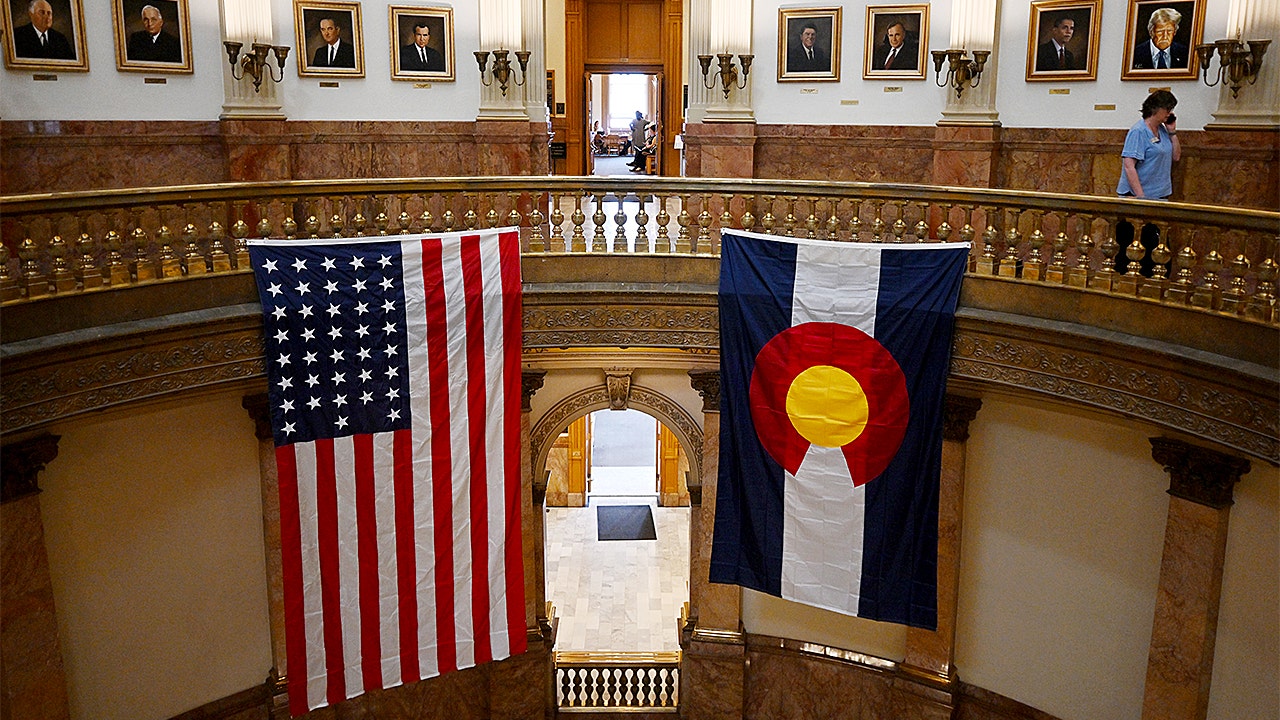
Michael Allen, a GOP attorney general candidate, said he was “shocked" by a Democratic proposal to legalize prostitution, saying it would “open the floodgates" to human trafficking.
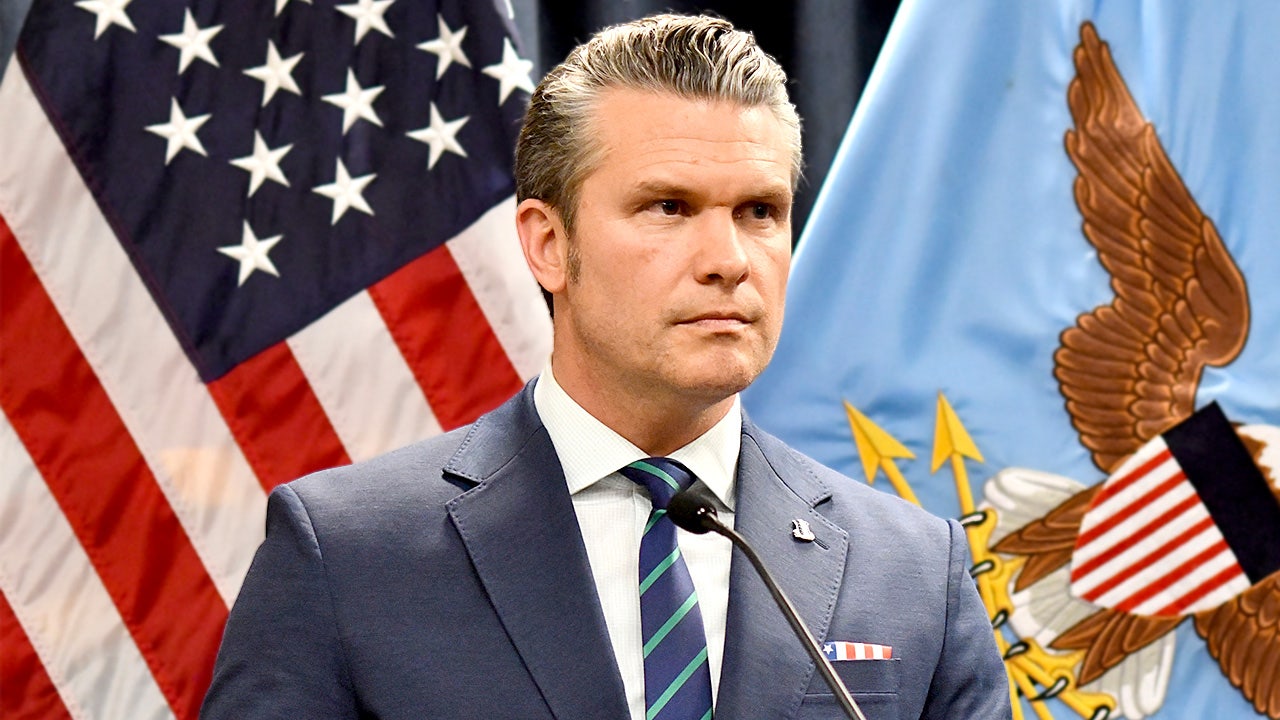
Fox News co-host Joey Jones defends military steak and lobster spending, saying rare surf and turf nights boost morale during tough deployments overseas.
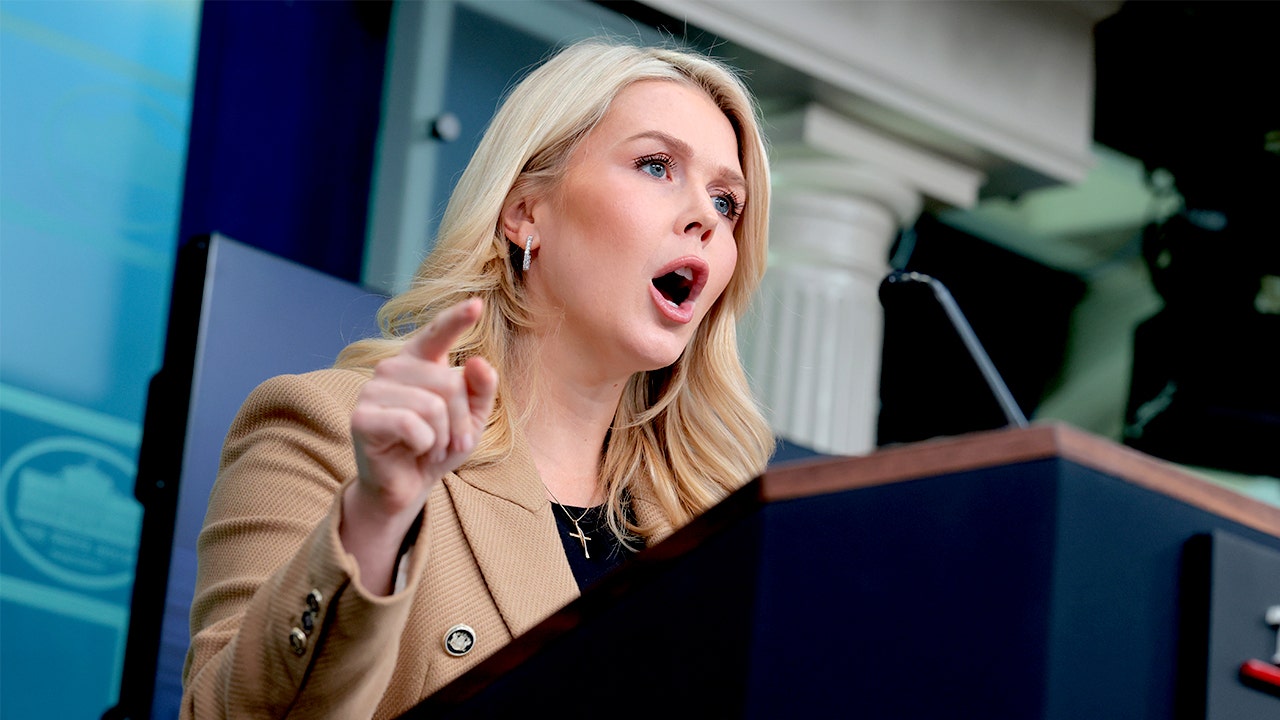
Karoline Leavitt blasts ABC News for Iran drone attack story, saying no such threat exists and the network alarmed Americans with misleading framing about California attacks.
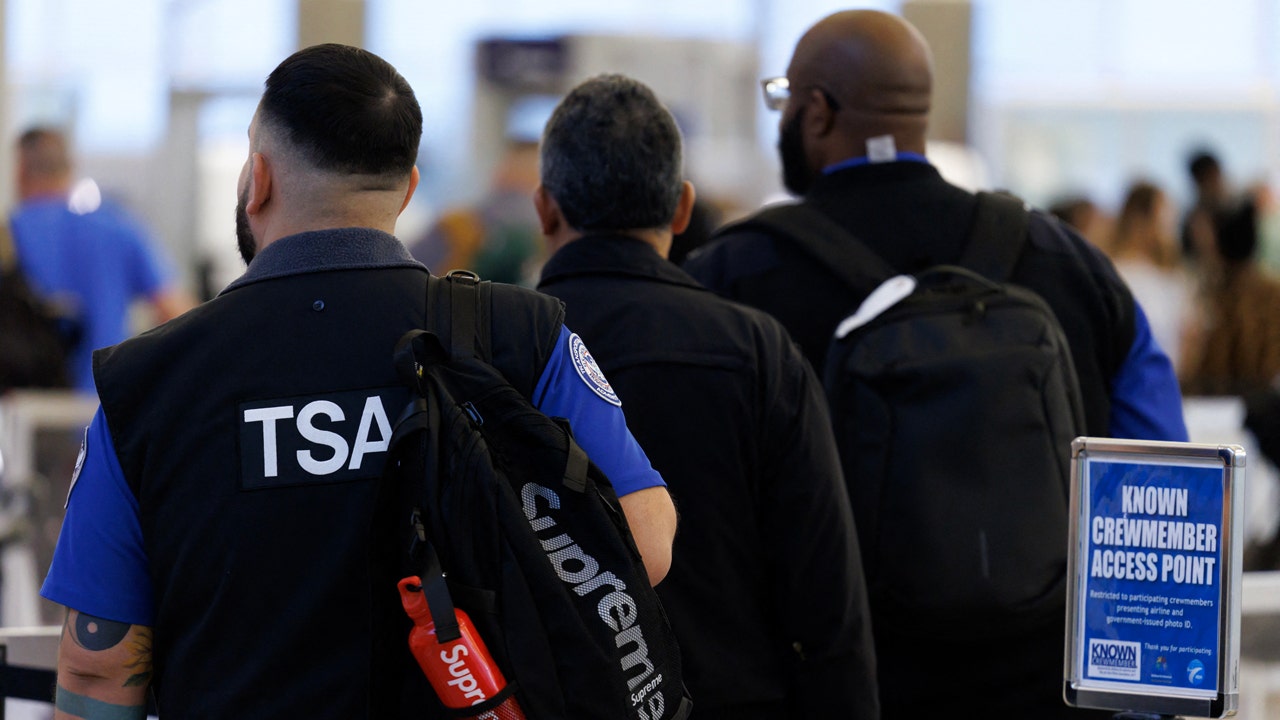
Airports nationwide launch donation drives to support TSA officers working without pay during government funding lapse, with gift cards and food pantries.
Suspected Old Dominion University shooter identified as former National Guard soldier convicted of supporting ISIS. Mohamed Bailor Jalloh served 11 years in prison.
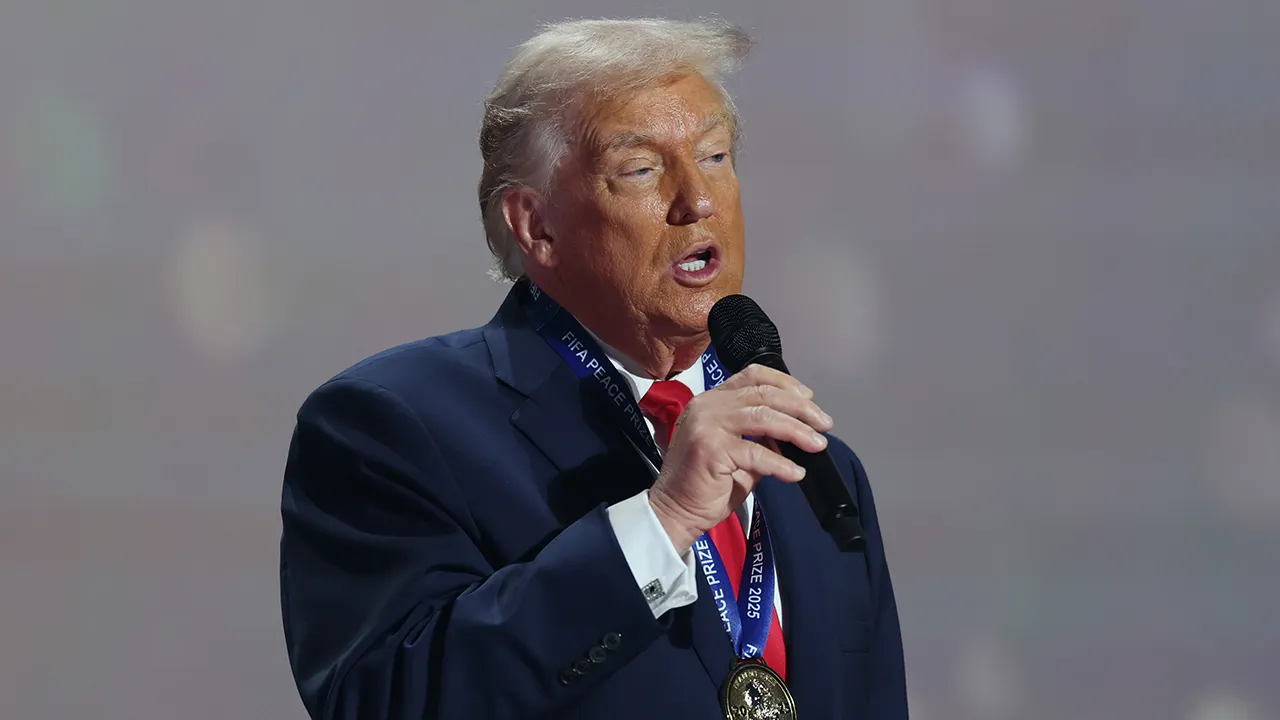
President Donald Trump said Iran's national soccer team is "welcome" to play in the World Cup, but cautioned it might not be "appropriate" to compete amid the ongoing conflict.
"Star Trek" legend William Shatner reveals he shattered his shoulder in a horse riding accident and needs surgery. The 94-year-old actor shares details of the injury.
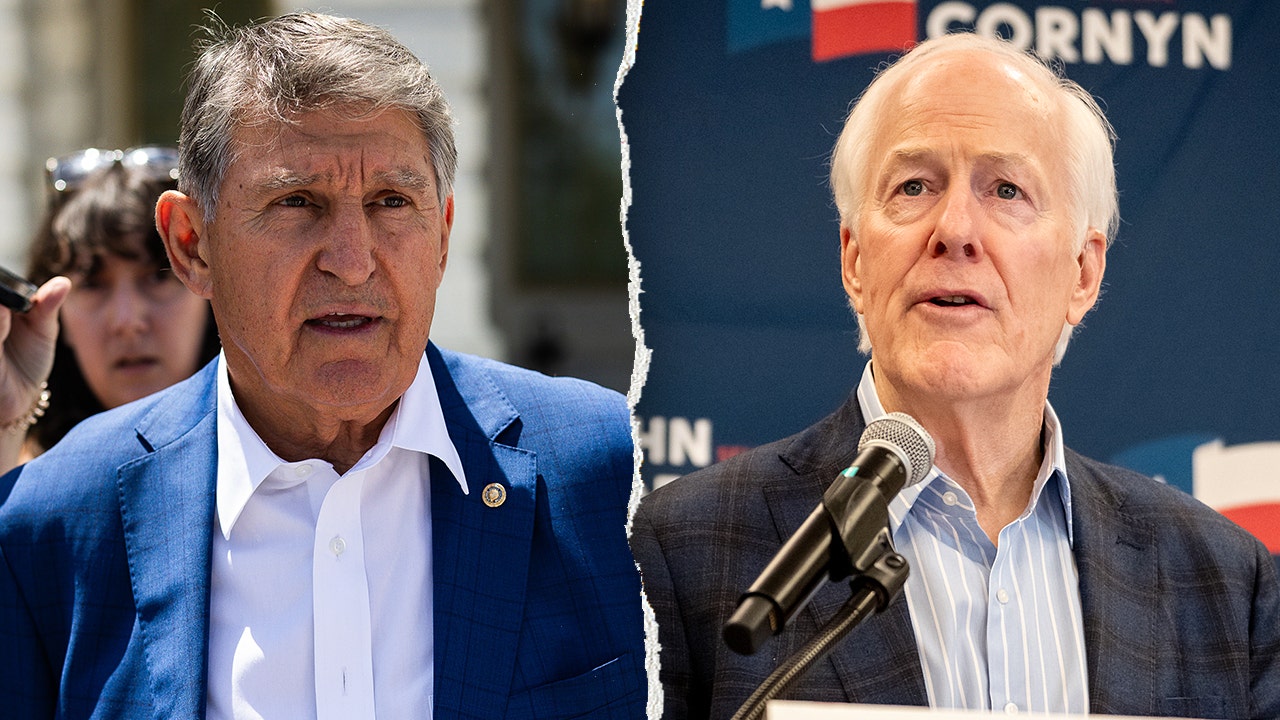
Former senator Joe Manchin accused John Cornyn of abandoning his longstanding support for the filibuster for political convenience, calling the reversal "deeply disappointing."
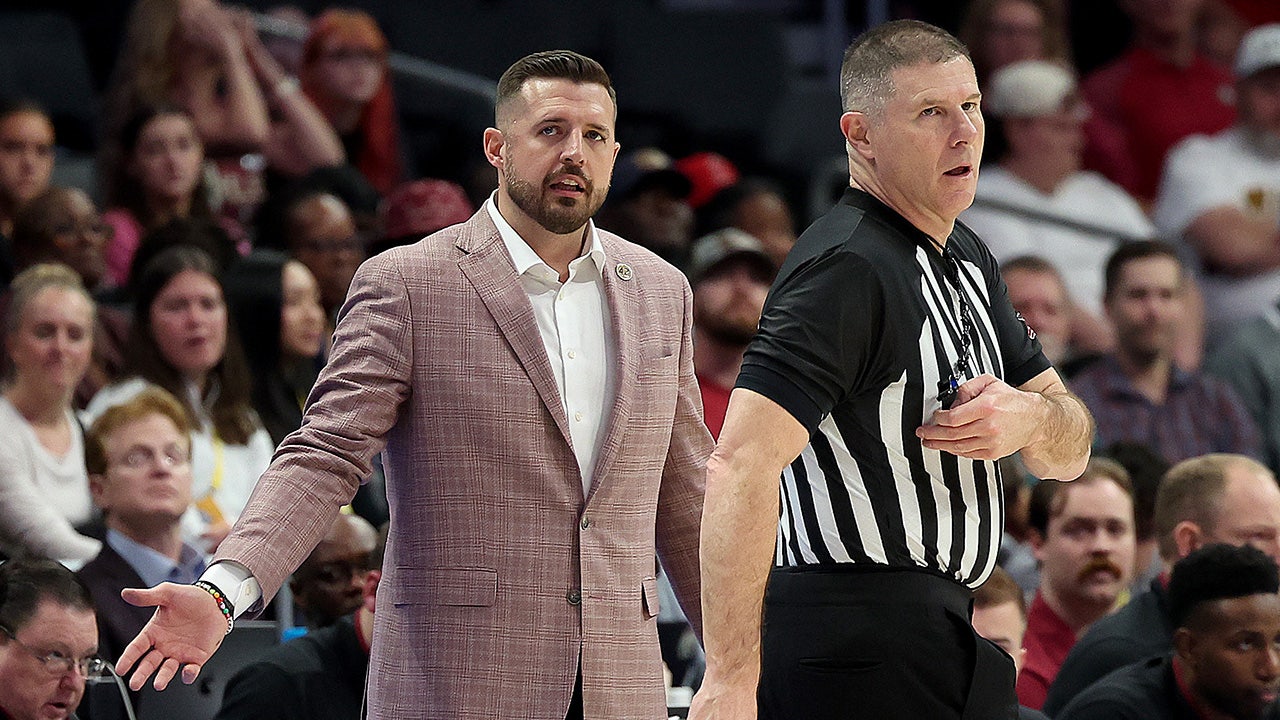
Florida State basketball staffer Michael Rubin went viral after his challenge suggestion lead to an overturned call in the team's ACC Tournament victory over California.
Daily multivitamin use slowed biological aging by about four months in a two-year study of nearly 1,000 participants, with the biggest benefits in older adults.
 Connexion