↩ Accueil

Vue lecture

Final Fantasy Pixel Remaster surpasses 6 million sales

Square Enix has confirmed that its Final Fantasy Pixel Remaster series has officially surpassed six million units sold worldwide. The collection, which revitalises the first six entries in the long-running RPG franchise, has proven a commercial success since its initial rollout in 2021, validating the publisher's strategy of preserving its back catalogue with uniform standards for modern platforms.

While Square Enix has often faced criticism for its handling of legacy ports, the Pixel Remaster initiative appears to have struck the right chord with gamers. The project involved a complete overhaul of Final Fantasy I through VI, unifying the visual style across the NES and SNES eras. The original pixel artist, Kazuko Shibuya, returned to redraw the 2D character sprites, ensuring the new assets remained faithful to the source material. On the audio front, legendary composer Nobuo Uematsu supervised and orchestrated arrangements of the soundtracks, replacing the synthesized tunes of the 8-bit and 16-bit hardware.

The sales figures shared by Square Enix reflect performance across a staggered release schedule spanning multiple years and ecosystems. The first wave hit Steam, iOS, and Android between July 2021 and February 2022. Following sustained demand from console players, the collection was released on PlayStation 4 and Nintendo Switch in April 2023. Most recently, the series landed on Xbox Series X|S and the Microsoft Store in 2024, making the collection playable natively on all major current-gen hardware.

Beyond the audiovisual facelift, the commercial longevity of the bundle is likely aided by the inclusion of modern convenience features that respect player time. Square Enix implemented toggle-based boosters, allowing users to adjust experience gain, automate combat, or disable random encounters entirely. These optional tools have made the notoriously grind-heavy 8-bit entries significantly more palatable for a contemporary audience accustomed to faster pacing.

KitGuru says: It took Square Enix a few tries to get these ports right, but the sales numbers don't lie. With six million copies sold, the Pixel Remaster series stands as one of the publisher's most successful attempts at leveraging its heritage.

The post Final Fantasy Pixel Remaster surpasses 6 million sales first appeared on KitGuru.

  •  

The Game Awards 2025 breaks records again with 171 million live views

This year's Game Awards has once again proven its dominance in the gaming calendar, setting a new viewership record for its 2025 broadcast. According to data reported by the organization, The Game Awards secured an estimated 171 million global live views, marking an 11% increase over the 154 million figure recorded in 2024.

Note that this figure represents strictly live tune-ins for the main show. It excludes the long tail of trailer views, social media clips, and viewership from premium partners like Prime Video. The data is aggregated across major open platforms, including YouTube, Twitch, TikTok Live, Steam, X, and Facebook, as well as major regional players such as JioHotstar in India and various Chinese streaming services.

Platform-specific metrics paint a picture of steady growth rather than explosive spikes. On YouTube, the official 4K stream saw an 8% rise in concurrent viewers, contributing to a total platform peak of over 2.4 million when co-streams are factored in. Twitch performance remained good as well, with peak concurrents climbing 5% to settle just above 1.8 million.

This trajectory continues a decade-long trend for the event, which has grown from a modest 1.9 million viewers in 2014 to the juggernaut it is today. The most significant historical leaps occurred in 2018, when it jumped to 26.2 million, and in 2020, when it hit 83 million. The 2025 numbers suggest that while the growth curve is flattening, the ceiling has not yet been reached.

KitGuru says: Did you watch the show? What platform were you watching it on?

The post The Game Awards 2025 breaks records again with 171 million live views first appeared on KitGuru.
  •  

PC gaming growth outpaces console as global market hits $197 billion

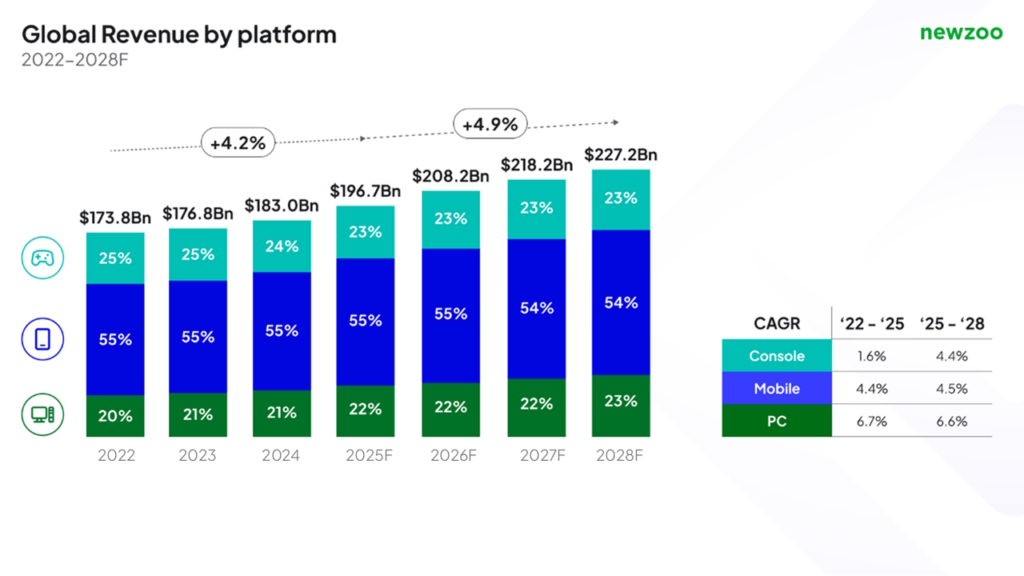
Global analytics firm Newzoo has provided an optimistic year-in-review for 2025 in gaming. The broader global picture shows an industry on the rise, driven heavily by a resurgence in PC gaming and the arrival of the Nintendo Switch 2.

Newzoo (via VGC) projects that the global video game market will close 2025 with a total value of $197 billion, representing a healthy 7.5% increase over 2024. Although steeper than in recent years, analysts warn that looming economic factors like tariffs, the rising cost of living, and emerging memory shortages could dampen this momentum as we head into 2026.

The breakdown of this growth offers an interesting insight into current player habits. Mobile gaming remains the dominant revenue generator, expected to reach $108 billion, up 7.7% year on year. However, the PC sector has emerged as the growth leader, rising 10.4% to reach $43 billion. This expansion outpaces the console market, which is forecast to grow modestly by 4.2% to $45 billion.

Image credit: Newzoo

According to Michiel Buijsman, Newzoo’s Chief Market Analyst, the surge in PC revenue isn't necessarily due to a sudden influx of new players, but rather existing enthusiasts spending more deeply within the ecosystems they already inhabit. The top 10 PC games by revenue in 2025 were all released in 2025, and notably, none were free-to-play titles. This list included a mix of established brands and three completely new IPs, highlighting the platform's openness to system-driven design and varied experiences.

In contrast, the console market remains heavily reliant on established familiarity. The top 10 revenue generators on console were exclusively existing franchises, with half of the list comprised of annual releases. Electronic Arts appears to be the primary beneficiary of this trend, publishing nearly half of the top-performing titles. However, the standout success on the console front is undoubtedly Pokémon Legends Z-A, which managed to crack the top rankings despite being exclusive to a single platform.

Perhaps the biggest surprise taken from the engagement data is the reversal of fortunes between the industry's two biggest shooters. While Call of Duty: Black Ops 7 ranked only in the top 10 console titles by monthly active users (MAUs), Battlefield 6 has demonstrated remarkable staying power. EA's shooter appeared across all revenue and engagement lists for both PC and console, suggesting that 2025 will go down as the year Battlefield finally reclaimed the crown from its rival.

Significant structural changes and indie success also defined the year. Sandfall Interactive’s Clair Obscur: Expedition 33 capped off a stellar year for independent developers by sweeping The Game Awards, proving that non-AAA titles can still dominate the discourse. Meanwhile, on the corporate side, the industry is grappling with consolidation, exemplified by EA's move to take the company private.

KitGuru says: If PC growth momentum continues over the coming years, the platform has a pretty good chance of catching up to consoles. If someone said this 20 years ago, it would probably be called crazy, but today, it's closer to reality than ever.

The post PC gaming growth outpaces console as global market hits $197 billion first appeared on KitGuru.
  •  

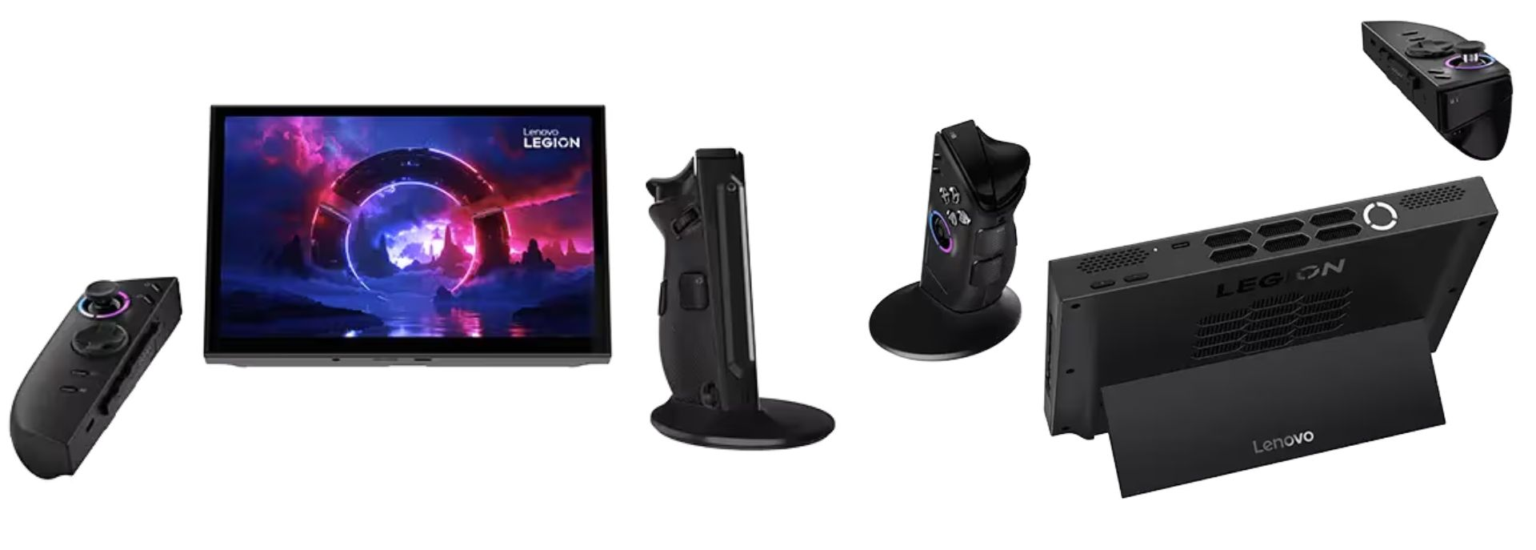
Lenovo is reportedly preparing a SteamOS-powered Legion Go Gen 2 for 2026

If recent reports are to be believed, Lenovo is planning to announce a new handheld at CES 2026. According to a new report, the manufacturer is preparing to unveil a version of its Legion Go Gen 2 running Valve's SteamOS, making it the first Ryzen Z2 Extreme-powered console running Valve's OS natively.

This development would mark Lenovo's second foray into the SteamOS ecosystem, following the Legion Go S. However, this Gen 2 model with SteamOS targets the high-end enthusiast. According to Windows Latest, the hardware configuration mirrors the Windows variant, meaning it would pack AMD's Ryzen Z2 Extreme APU, featuring eight Zen 5 cores and integrated Radeon 890M graphics. This CPU is backed by up to 32GB of LPDDR5X-8000 memory and a PCIe Gen4 M.2 2242 SSD with capacities up to 2TB.

Image credit: Windows Latest

The display specifications remain equally impressive, with the unit retaining the 8.8-inch PureSight OLED panel found on its Windows sibling. This screen offers a 1920×1200 resolution at a 16:10 aspect ratio, a 144Hz refresh rate, and 500 nits of peak brightness. To keep this hardware running without a wall socket, Lenovo has equipped the device with a 74Wh battery and 65W USB-C charging.

If this report proves true, then the Legion Go Gen 2 would become the first officially supported device to pair the Ryzen Z2 Extreme with SteamOS, potentially offering a significant performance leap over the current Steam Deck OLED. For now, we await official confirmation, which could arrive during CES next month.

KitGuru says: This device would offer a significantly more powerful alternative to the Steam Deck. Now we'll just have to wait and see how much it will cost. 

The post Lenovo is reportedly preparing a SteamOS-powered Legion Go Gen 2 for 2026 first appeared on KitGuru.
  •  

AMD quietly lists low-power Radeon RX 9060 XT with 140W TDP

AMD has updated its product lineup with a new entry-level SKU based on the RDNA 4 architecture. Dubbed the Radeon RX 9060 XT Low-Power, this new variant aims to deliver the same core specifications as the standard model while operating within a tighter thermal envelope.

The card was first found on AMD's China regional website (via ITHome) before appearing on the global domain. According to the official specifications, the primary differentiator for this “LP” model is a reduction in total board power. While the standard Radeon RX 9060 XT is rated at 160W, this new variant has been tuned down to 140W. Consequently, the recommended PSU requirement has dropped to a modest 450W, making it an attractive drop-in upgrade for pre-built systems with limited headroom.

Despite the reduction in power consumption, the silicon configuration appears untouched. The card uses a die featuring 29.7 billion transistors and retains the full 32 CUs and 2,048 stream processors found in its fully fledged sibling. The architectural breakdown includes 32 ray tracing accelerators and 64 AI accelerators, alongside 128 texture units and 64 ROPs. This suggests that, rather than cutting physical cores, AMD has likely applied more conservative clock-speed curves to meet the lower-power target. The card is equipped with 32 MB of AMD Infinity Cache and up to 16 GB of GDDR6 memory across a 128-bit bus, operating at up to 20 Gbps.

It is currently unclear whether this low-power variant will see a widespread retail release or remain exclusive to system integrators. Unlike high-end SKUs that face export restrictions, there is no regulatory reason to limit an entry-level GPU, reinforcing the theory that this is simply a specialized bin aimed at optimizing performance-per-watt for specific thermal environments.

KitGuru says: Shaving 20W off the TDP doesn't sound like much, but in the world of SFF builds and OEM power supplies, it can be the difference between a stable system and a shutdown. It will be interesting to see if this “LP” badge results in a tangible performance penalty in gaming.

The post AMD quietly lists low-power Radeon RX 9060 XT with 140W TDP first appeared on KitGuru.
  •  

Theorycraft Games shutting down Supervive just five months after 1.0 launch

The brutal reality of the live-service market has claimed another victim. Theorycraft Games, the studio founded by former ex-Riot Games developers, has announced that it will permanently close the servers for its debut title, Supervive, on February 25th, 2026. The decision comes less than half a year after the game officially left beta.

When Supervive was first unveiled in 2024, it carried significant expectations. The project was directed by industry veterans such as Joe Tung, a former executive VP at Riot Games, and promised to mix the strategic depth of a MOBA with the tension of a battle royale. However, despite a promising “open prototyping” phase and a 1.0 launch in July 2025, the game failed to maintain an audience.

In a FAQ released alongside the announcement, the development team explained that while they were proud of the mechanical systems they had built, the title could not hold player attention. Executive Producer Jenn Nam expanded on this, noting that while “a huge number” of users had downloaded and tried Supervive, the majority abandoned the game after only a short period. This left the studio with a low active user base. As seen on SteamDB, the concurrent player count has been peaking at 400, a figure that makes ongoing maintenance and server costs financially unviable.

Nam indicated that the studio will use this experience to change its development strategy moving forward. Future projects are expected to aim for a scope that falls “between independent and AAA,” suggesting a move away from the live-service model. The studio warned that it expects to “go dark” for an extended period while prototyping these new concepts.

For the remaining community, the end is now in sight. Supervive will remain playable until the servers go offline on February 25th, 2026. Theorycraft has disabled all real-money transactions effective immediately and is offering full refunds for any purchases made since September 16th. Although development has ceased, a final patch was deployed yesterday, introducing a new game mode, various bug fixes, and a final cosmetic bundle, which is being distributed to all players for free as a parting gift.

KitGuru says: The MOBA and Battle Royale markets are tough, and maintaining a live-service game with only a few hundred players is simply impossible. Hopefully, the team can learn from this experience and create a more sustainable project in the future.

The post Theorycraft Games shutting down Supervive just five months after 1.0 launch first appeared on KitGuru.
  •  

Warner Bros. confirms Hogwarts Legacy has surpassed 40 million sales

It has been nearly three years since Avalanche Software first invited players into its recreation of the Wizarding World, and the commercial momentum shows little sign of slowing down. Warner Bros. Games has officially confirmed today that Hogwarts Legacy has now crossed the 40 million unit sales milestone, cementing its place as one of the most successful RPGs of the current generation.

While the game launched to massive numbers on PC and current-gen consoles, its release strategy ensured it remained relevant for a long time. The initial wave was followed by last-gen ports for PlayStation 4 and Xbox One in May 2023, with a Nintendo Switch version arriving later that year. Most recently, the title received an enhancement for the Nintendo Switch 2 in June 2025, introducing higher-fidelity assets and improved performance for the handheld successor. This streak of releases helped the game sell over 40 million copies, as the developer announced on X.

Developed under the Portkey Games label, Hogwarts Legacy succeeded by breaking away from the familiar narrative of the books and films. By setting the action in the 1800s and casting the player as a fifth-year student with no prior ties to the Potter timeline, Avalanche Software allowed for a degree of role-playing freedom that resonated with both hardcore fans and casual gamers. The decision to skip the “early years” of schooling in favour of immediate high-stakes combat and open-world exploration appears to have been a winning formula.

KitGuru says: Selling 40 million copies in under three years is a staggering achievement for a single-player, full-price release. Did you play the game?

The post Warner Bros. confirms Hogwarts Legacy has surpassed 40 million sales first appeared on KitGuru.

  •  

Jonsbo unveils D401 Black mid-tower with double tempered glass panels

Jonsbo is expanding its chassis lineup with the release of the D401 Black, a mid-tower case that breaks away from traditional box aesthetics. Featuring an external frame finished in dark metallic grey, the case is designed to offer a balance of structural rigidity and open-air visual appeal for showcase builds.

Jonsbo has equipped the D401 (via Hermitage Akihabara) with large tempered glass panels on both the front and left side, providing a panoramic view of the hardware. While glass-heavy “aquarium” style cases often suffer from airflow restrictions, the D401 attempts to mitigate this with a right-side panel featuring dedicated venting, working in tandem with perforations across the top and bottom panels to create unobstructed channels for intake and exhaust.

Cooling support is substantial for a chassis of this class. The layout supports a variety of configurations, with up to three 120 mm fans on the side panel and either three 120 mm or two 140 mm fans on the top. Unusually for a standard mid-tower, the PSU shroud is also perforated to mount three additional 120 mm fans, feeding fresh air directly into the GPU. Regarding liquid-cooling compatibility, the case supports dual 360mm radiators simultaneously (top and side), making it a viable candidate for custom loops or high-end AIOs.

Internally, the D401 Black supports Mini-ITX to ATX motherboards, with seven rear expansion slots. Graphics card clearance is generous at 439 mm, while air cooler height is capped at 169 mm. The design also supports vertical GPU mounting, though builders will need a separate riser cable. Power supplies up to 200 mm in length can be fitted. Storage options are kept relatively minimal to maintain the clean interior aesthetic, with a convertible drive bay supporting either a 3.5-inch HDD or a 2.5-inch SSD, alongside two dedicated 2.5-inch mounts. The I/O panel, located at the bottom of the left panel, covers the essentials, including USB connectivity (1x Type-C 3.2 and 2x Type-A 3.0) and standard audio jacks.

KitGuru says: The D401 is an aesthetically pleasing case with room for almost anything you want to throw at it. However, looks aren't enough, and the limited storage options, I/O panel location, and interrupted panoramic view might deter some from pursuing this case.

The post Jonsbo unveils D401 Black mid-tower with double tempered glass panels first appeared on KitGuru.
  •  

Arctic aims for improved longevity with new high-viscosity MX-7 thermal paste

Arctic has officially retired the MX-6 from its flagship position, replacing it with the new MX-7 compound. While the company has long been a staple in thermal pastes, this latest iteration marks a distinct shift in formulation strategy, moving towards a significantly higher viscosity to combat the “pump-out” effect common in modern, high-heat-density processors.

Arctic has engineered MX-7 to be considerably thicker than its predecessors, a design choice explicitly aimed at long-term stability. The phenomenon of pump-out, where thermal cycles cause lower-viscosity pastes to migrate away from the die centre, has become a frequent headache for direct-die cooling applications on GPUs and gaming laptops. By increasing the cohesiveness of the mixture, Arctic claims the MX-7 will maintain its bond line integrity far longer than standard pastes.

However, this change in consistency requires some builders to change how they apply it. The manufacturer explicitly advises against the old “spread with a spatula” technique that was popular with the softer MX-4. Due to the high viscosity, manual spreading is likely to result in uneven ridges. Instead, Arctic recommends applying a generous amount in a cross pattern and allowing the mounting pressure to distribute the material. This ensures a uniform layer that fills microscopic imperfections without introducing air pockets.

The compound is fully non-conductive and non-capacitive, meaning that any accidental overspill onto the system carries no risk of short circuits. Arctic has also integrated a QR-code-based authenticity check on the packaging to ensure you're getting the real thing. The MX-7 is now available at a launch discount, with the 2g syringe starting at €6.49. The 4g variant comes in at €6.99, and the 8g tube at €8.49. For those needing to clean up old residue, a bundle version including a 4g syringe and six MX-Cleaner wipes is available for €8.29.

KitGuru says: Have you ever used Arctic MX thermal pastes? Were you happy with the results? Would you consider the new MX-7 if you had to replace the thermal paste of a GPU/CPU?

The post Arctic aims for improved longevity with new high-viscosity MX-7 thermal paste first appeared on KitGuru.
  •  

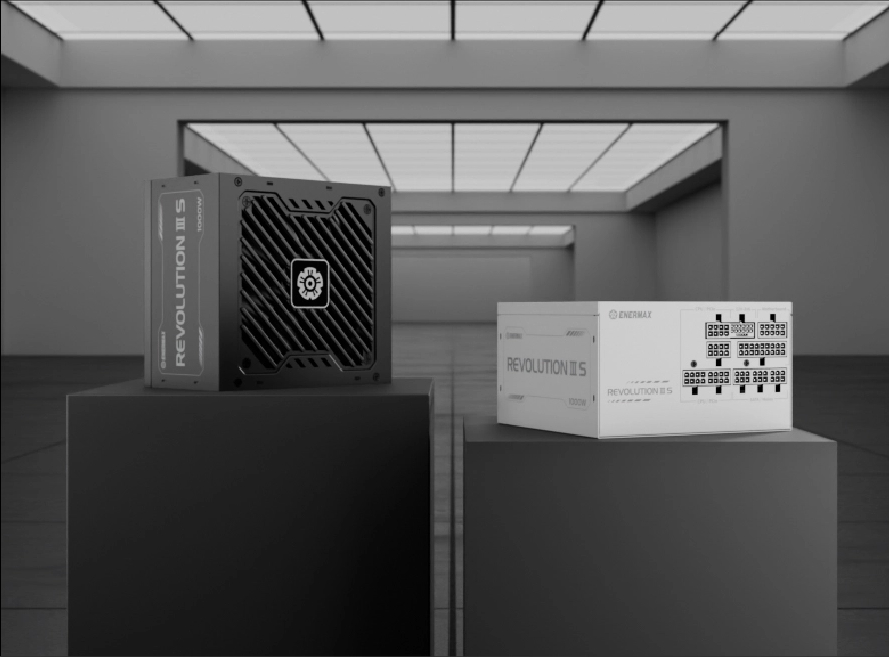
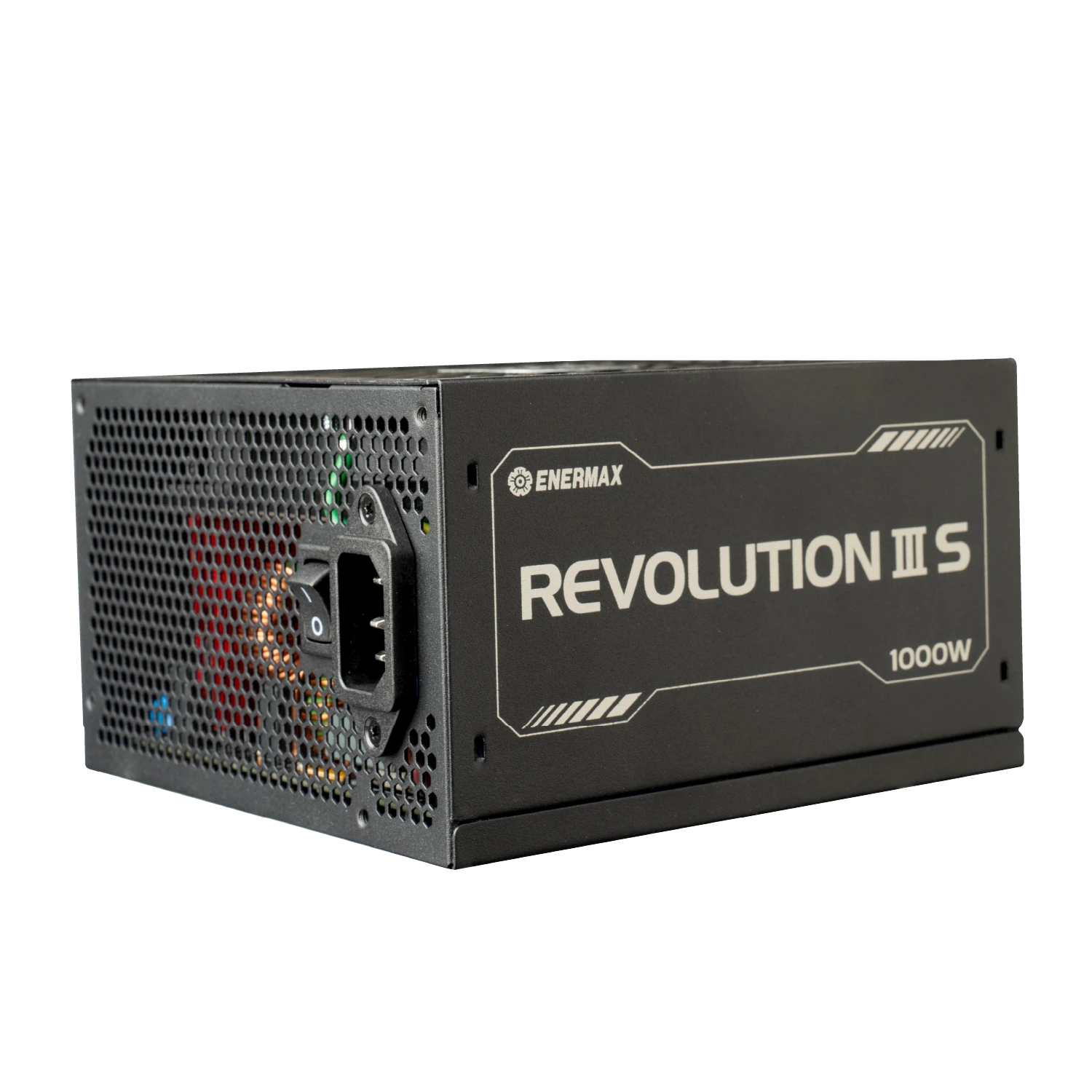
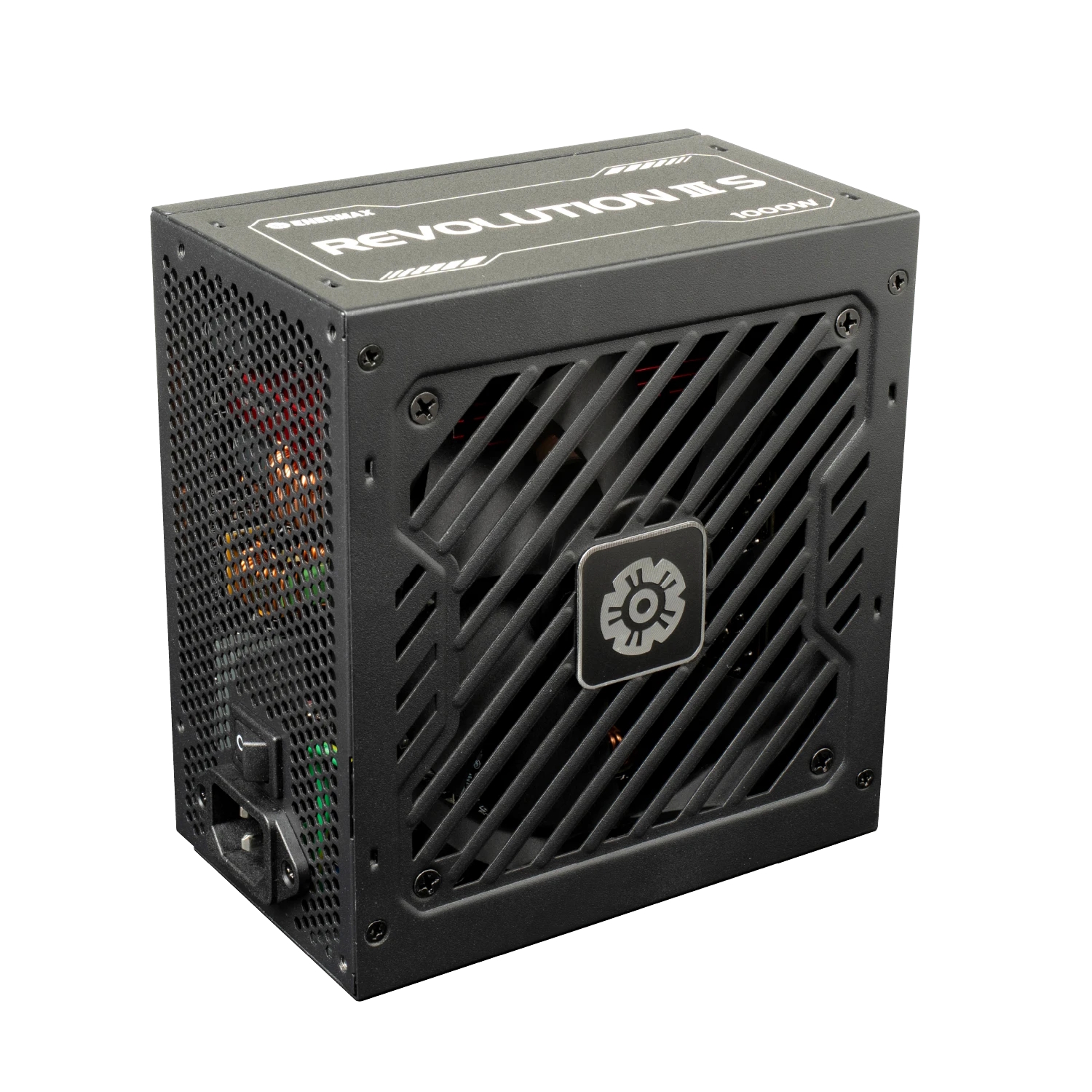
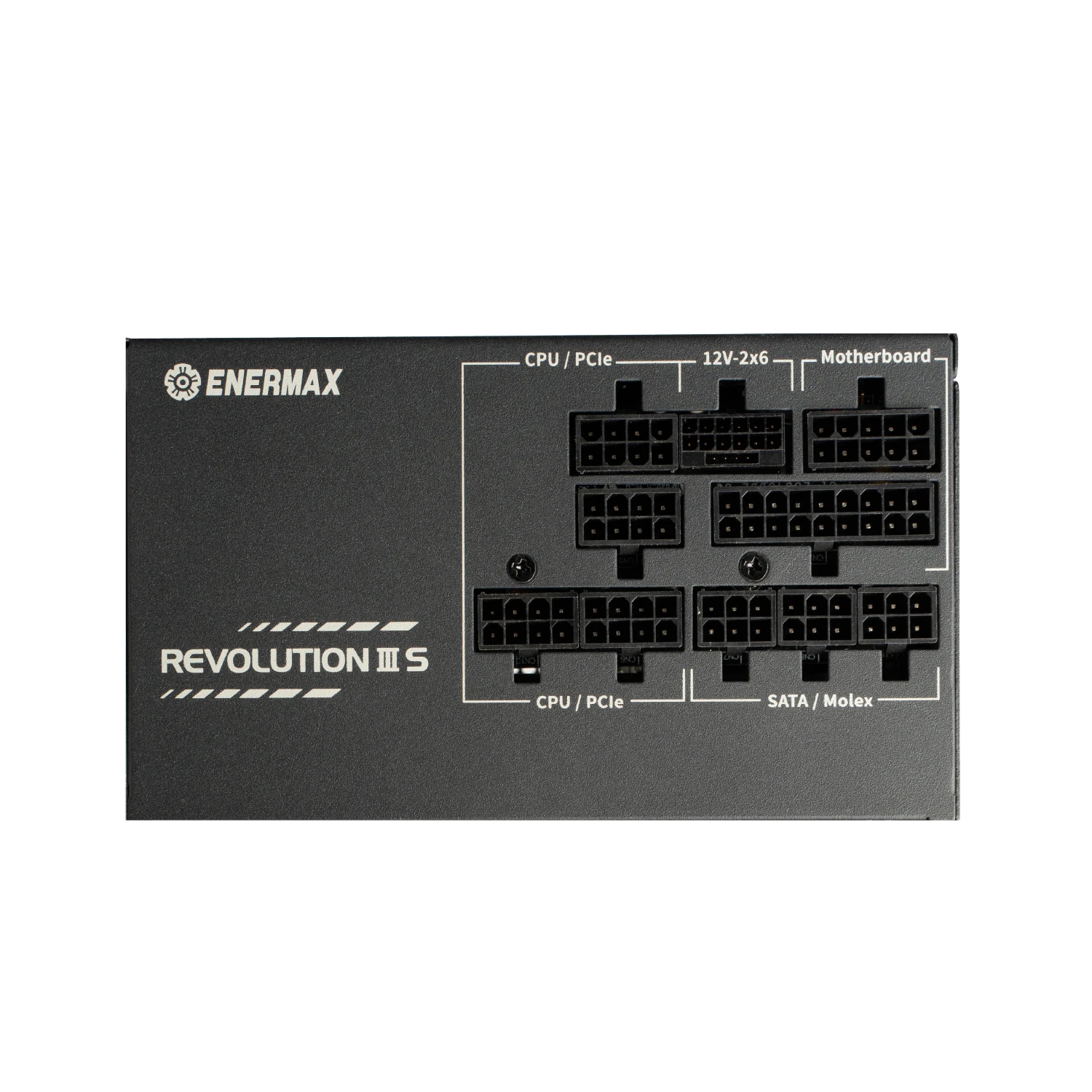
Enermax debuts Revolution III S 1000W PSU with 13-year warranty and ATX 3.1 support

Enermax has expanded its high-end power supply portfolio with the introduction of the Revolution III S 1000W, a new unit targeting the premium segment of the market. Available in black and white, this latest entry focuses heavily on future-proofing, featuring full compliance with the Intel ATX 3.1 standard. Perhaps the most aggressive move with this launch is the manufacturer's decision to back the unit with a 13-year warranty. This duration exceeds the industry-standard 10-year coverage typically seen on flagship units from competitors like Corsair or Seasonic.

Efficiency is a key selling point for the Revolution III S, which has secured Platinum certification across three major testing bodies: 80 Plus, Cybenetics, and PPLP. This ensures tight voltage regulation and reduced thermal waste, which is managed by a 120 mm fluid-dynamic bearing fan. Enermax has tuned the cooling curve for silence, implementing a semi-fanless mode that keeps the fan stationary until the load exceeds 60%. For a 1000W unit, this means the power supply remains passive during most desktop tasks and even gaming scenarios.

The PSU uses 100% Japanese capacitors and includes a native 12V-2×6 connector capable of delivering up to 600W down a single cable, ensuring compatibility with current and future flagship graphics cards without the need for adapters. The cabling solution uses mesh-sleeving rather than standard ribbon cables, designed to improve flexibility and airflow management within the chassis.

The Revolution III S 1000W is scheduled to hit retailers in January 2026. Pricing is set at $179.99/€159.99 for the standard black model, while the white variant commands a slight premium at $189.99/€169.99.

KitGuru says: We've seen plenty of PSUs with 12-year warranties over the last decade, but a 13-year warranty isn't that common. This alone might be enough for the Revolution III S 1000W to stand out in the market.

The post Enermax debuts Revolution III S 1000W PSU with 13-year warranty and ATX 3.1 support first appeared on KitGuru.
  •  

HDD prices climb as AI surge revitalises mechanical storage market

It's not just high-speed SSDs and memory that AI companies are seeking to buy up. It appears that HDDs may also be impacted, as according to new reports, prices for standard hard disk drives have risen by around 4 percent over the past quarter, the sharpest price increase in the past two years, signalling that demand is rising and supply  is reducing. 

While SSDs have largely conquered the consumer drive market, HDDs are finding a resurgence in specific enterprise sectors and regions. According to Digitimes (via Tom's Hardware), a significant driver of this growth is the Chinese market, where a push towards locally manufactured PCs has led to increased adoption of 3.5-inch desktop drives. Additionally, concerns regarding long-term data retention on SSDs have prompted some entities to favour magnetic storage for archiving. Moreover, major US cloud service providers are acquiring exabyte-class storage to support the massive datasets required for AI model training, utilising HDDs for scenarios where capacity is prioritised over raw IOPS.

In retail pricing, things still look relatively unchanged. Still, given that this is already the third consecutive quarter of price hikes and that analysts warn the trend is likely to continue, consumers will eventually see more price increases. And with NAND flash facing its own supply constraints, the pressure on the HDD market may increase further, potentially leading to shortages as manufacturers prioritise high-margin enterprise customers over the consumer segment.

To address the demand, manufacturers like Seagate are heavily investing in Heat-Assisted Magnetic Recording (HAMR) technology, with a 55 TB prototype already under development. However, until these next-generation drives hit mass production and stabilise the supply chain, HDD prices will likely continue to climb slowly but consistently, at least as long as demand increases at the same pace.

KitGuru says: It seems that all consumer hardware is at risk of being too expensive. After RAM and SSDs (and GPUs to a lesser degree), now even HDDs are apparently being gobbled by the enterprise segment.

The post HDD prices climb as AI surge revitalises mechanical storage market first appeared on KitGuru.
  •  

Larian launches Divnity: Original Sin 2 Definitive Edition for Switch 2 and current-gen consoles

Following weeks of speculation centered around a mysterious statue discovered in the desert, Larian Studios finally clarified at The Game Awards what that was all about. As suspected, the teaser campaign was a prelude to the official reveal of Divinity, the studio's first major project following Baldur's Gate 3. While the reveal was limited to a cinematic trailer, it confirms that the developer is returning to its proprietary IP.

To capitalise on the renewed interest in the Divinity franchise, the studio announced Divinity: Original Sin II – Definitive Edition for PlayStation 5, Xbox Series X|S, and Nintendo Switch 2. This brings the critically acclaimed RPG to modern hardware with official support, rather than relying on backward compatibility.

These new versions offer a modest suite of enhancements over their last-gen counterparts, though the core experience remains essentially unchanged. For existing fans, Larian has confirmed that this is a free upgrade. Owners of the game on PlayStation 4, Xbox One, or the original Nintendo Switch can access the native current-gen version at no additional cost.

For those who haven't yet played the title often cited as one of the genre's best, the timing couldn't be better. The game has been discounted across digital storefronts for the pre-Christmas sales period, making it more accessible for players looking to understand the studio's roots before the next chapter begins.

KitGuru says: Have you already played Divinity: Original Sin 2? Are you planning to buy its Definitive Edition for one of the new platforms that just received it?

The post Larian launches Divnity: Original Sin 2 Definitive Edition for Switch 2 and current-gen consoles first appeared on KitGuru.
  •  

Ubisoft acquires Amazon Games Montreal and March of Giants MOBA

Earlier this year, Amazon decided to massively scale back its gaming business after failing to produce a hit. Now just a couple of months later, Amazon has actually sold off one of its studios to Ubisoft, along with the rights to its MOBA game, March of Giants. 

Ubisoft announced that it had acquired Amazon Games Montreal this week. The studio will now join Ubisoft's roster of studios, and mark Ubisoft's second studio in the city of Montreal.

As pointed out by Eurogamer, this move also reunites Ubisoft with former Rainbow Six Siege director, Xavier Marquis, who had left Ubisoft in 2019.

The studio that Ubisoft has acquired was most known for its MOBA game, March of Giants, which Ubisoft now also owns. Ubisoft seems to be excited about this, as its executives believe that the MOBA market will double in revenue by 2030. That trend might be true, but it is likely to be primarily driven by the growing mobile MOBA market. March of Giants is currently only confirmed for PC and has yet to receive a console or mobile announcement.

KitGuru Says: Did you try March of Giants during its closed playtest earlier this year? Are you looking forward to the official release in 2026? 

The post Ubisoft acquires Amazon Games Montreal and March of Giants MOBA first appeared on KitGuru.
  •  

SK Hynix has reportedly forecast consumer memory shortages through 2028

Gamers and PC enthusiasts may face prolonged, inflated component prices, as SK Hynix has reportedly forecast that the shortage of DRAM could last until 2028. This may not only impact current-generation products like DDR5 and GDDR7, but also previous-gen DDR4 memory, GDDR6 and even LPDDR, which is typically used in mobile devices. 

The report comes from BullsLab Jay, who also stated that the current inventory drying up will not be met with the traditional response of ramping up production capacity for consumer-grade goods, signaling a potential long-term price hike for consoles, graphics cards, and system memory.

The driving force behind these supply issues is the strategic shift toward AI infrastructure. SK Hynix noted that its most cutting-edge memory technologies, specifically HBM and SOCAMM, will be exempt from these shortages, as the company plans to funnel its manufacturing resources and capacity expansions almost exclusively into these types of memory to satisfy the needs of the AI server market. While SK Hynix is aggressively installing new equipment, it's entirely dedicated to advanced storage solutions and HBM for data centres rather than the commodity DRAM used in consumer electronics.

This divergence in strategy highlights a growing rift in the semiconductor industry, where consumer needs are taking a backseat to enterprise AI requirements. Unless manufacturers increase production of memory for consumer electronics, buyers should prepare to pay more for most memory-dependent devices.

KitGuru says: If you are planning to buy something with DRAM but haven't done so yet, consider doing it ASAP. It seems things won't improve anytime soon.

The post SK Hynix has reportedly forecast consumer memory shortages through 2028 first appeared on KitGuru.

  •  

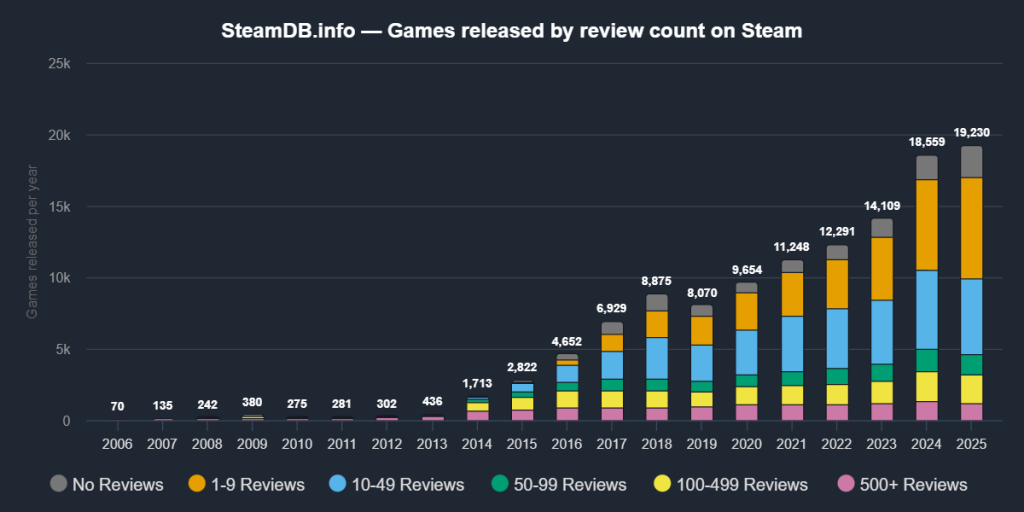
Steam data shows over 19,000 games released in 2025

Data compiled by SteamDB has given us a look at just how many games came to the Steam platform this year. As of December 2025, over 19,000 titles have launched on Steam this year, although a good number of them seemed to come and go without garnering any significant traction. 

While Steam's open publishing model has successfully lowered the barrier to entry, it has made standing out an immense challenge for independent developers lacking substantial marketing budgets. SteamDB's data, brought to our attention by GamingOnLinux, suggests this is a persistent trend, as only slightly more than 20% of the approximately 19,000 games released in the previous year garnered enough player activity for Valve to enable community features such as trading cards and badges.

Despite Valve's implementation of discovery tools such as wishlists, algorithmic queues, and curator networks, shop visibility remains a source of frustration for indie developers and smaller studios. Developers and players alike struggle to understand the mechanisms that determine which games get promoted, leading many creators to seek external solutions or community-organised initiatives to boost the profile of niche genres.

KitGuru says: While Steam has democratised distribution, the sheer noise of the marketplace means that launch counts are reaching all-time highs while actual discovery becomes increasingly subdued.

The post Steam data shows over 19,000 games released in 2025 first appeared on KitGuru.

  •  

HKC teases M10 Ultra, the world’s first RGB MiniLED gaming monitor

Chinese display manufacturer HKC is preparing to launch the M10 Ultra, a groundbreaking gaming monitor that claims to be the first to use RGB MiniLED technology. While official details remain scarce, a leak report has provided a first look at the display.

X user @realVictor_M (via Wccftech) shared an image of the upcoming monitor. The M10 Ultra features a native 4K panel with a 165 Hz refresh rate that supports dual-mode function, allowing it to switch to Full HD at 330 Hz. Perhaps the most striking specification is its colour performance; thanks to the use of discrete Red, Green, and Blue LEDs rather than the traditional blue or white backlighting found in standard MiniLED displays, the M10 Ultra achieves an exceptional 100% coverage of the BT.2020 colour space.

This RGB MiniLED technology from HKC represents a major leap forward in colour reproduction. By eliminating the need for colour conversion layers, the display can achieve higher saturation and efficiency. The leak suggests the monitor can deliver 1,000 nits of brightness in HDR mode, with some reports indicating the underlying technology could push peak brightness up to 8,000 nits. Ideally sized for desktop use, the screen is expected to be a 27-inch model, housed in a chassis with a fully ergonomic stand and an RGB ring on the rear.

Connectivity on the M10 Ultra is also quite decent. Unlike many current flagships, which are bottlenecked by older interfaces, this monitor reportedly supports DisplayPort 2.1, enough to drive uncompressed 4K at 165 Hz with 10-bit colour depth. The I/O selection is rounded out by a USB-C port capable of delivering 98W of power.

KitGuru says: Do you think this RGB MiniLED technology will be considerably better than the standard MiniLED tech?

The post HKC teases M10 Ultra, the world’s first RGB MiniLED gaming monitor first appeared on KitGuru.
  •  

Sandfall celebrates GOTY win with free update for Clair Obscur: Expedition 33

Fresh from securing the Game of the Year award at TGA 2025, Sandfall Interactive has immediately launched new content for its turn-based RPG, Clair Obscur: Expedition 33. Rather than gating this new content behind a pay wall, the studio has released the DLC for free to commemorate the accolades, offering both new gameplay challenges and technical updates across all platforms.

The update expands the game world with a completely new playable environment, giving players a good reason to jump back in. This update also includes additional tracks from award-winning composer Lorien Testard, maintaining the high audio standards set by the base game. For those who have already optimised their party builds, the patch introduces the Endless Tower, a late-game gauntlet designed to test combat efficiency against a succession of high-level bosses.

Beyond the content expansion, the update addresses a frequent community request by implementing a Photo Mode. This allows users to capture the game's distinct art style without HUD interference. The studio has also significantly broadened the game's accessibility, adding text and UI localization for seven new regions, including Czech, Ukrainian, Latin American Spanish, Turkish, Vietnamese, Thai, and Indonesian.

Additionally, the patch delivers a suite of general performance optimisations and bug fixes. The release notes specifically highlight improvements to handheld gaming PCs, ensuring smoother frame rates and better stability on devices like the Steam Deck. The free content update is available for download now on PC, PlayStation 5, and Xbox Series X|S.

KitGuru says: Have you already tried Clair Obscur: Expedition 33? Are you planning to come back to see the content brought by the new update?

The post Sandfall celebrates GOTY win with free update for Clair Obscur: Expedition 33 first appeared on KitGuru.
  •  

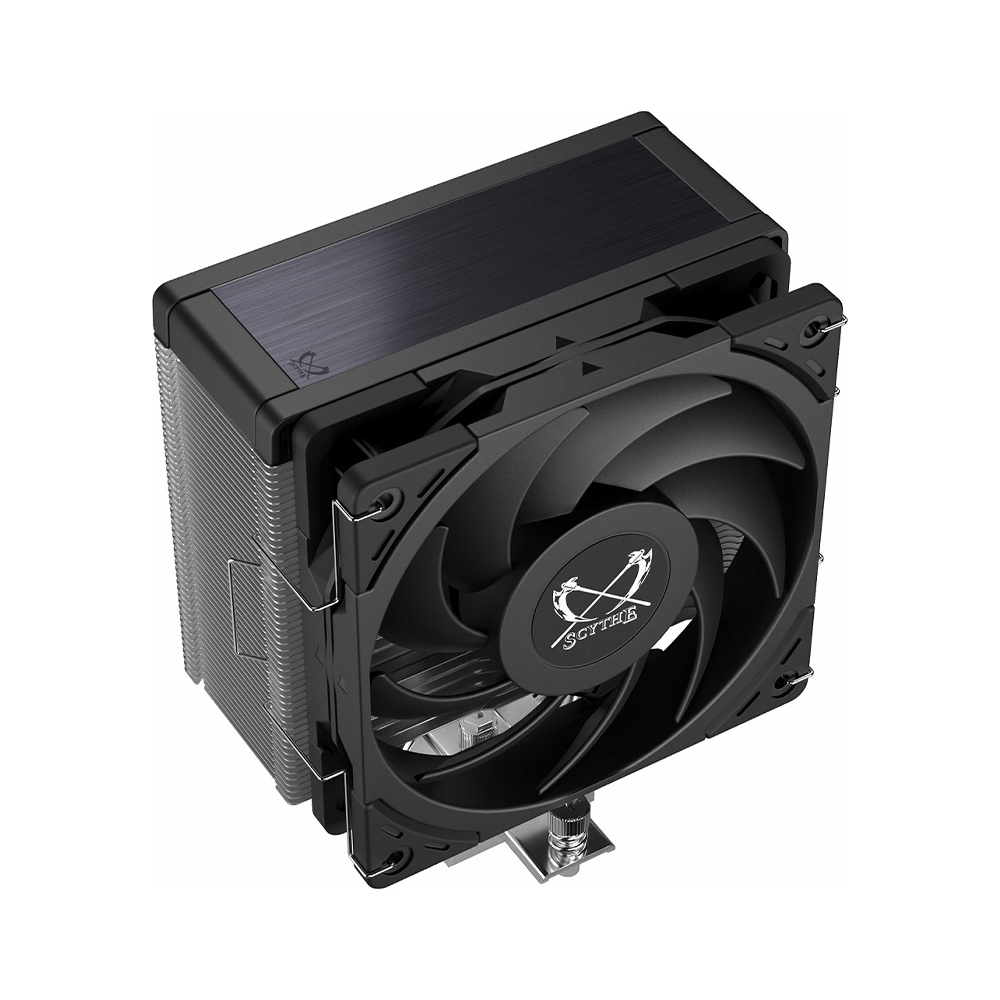
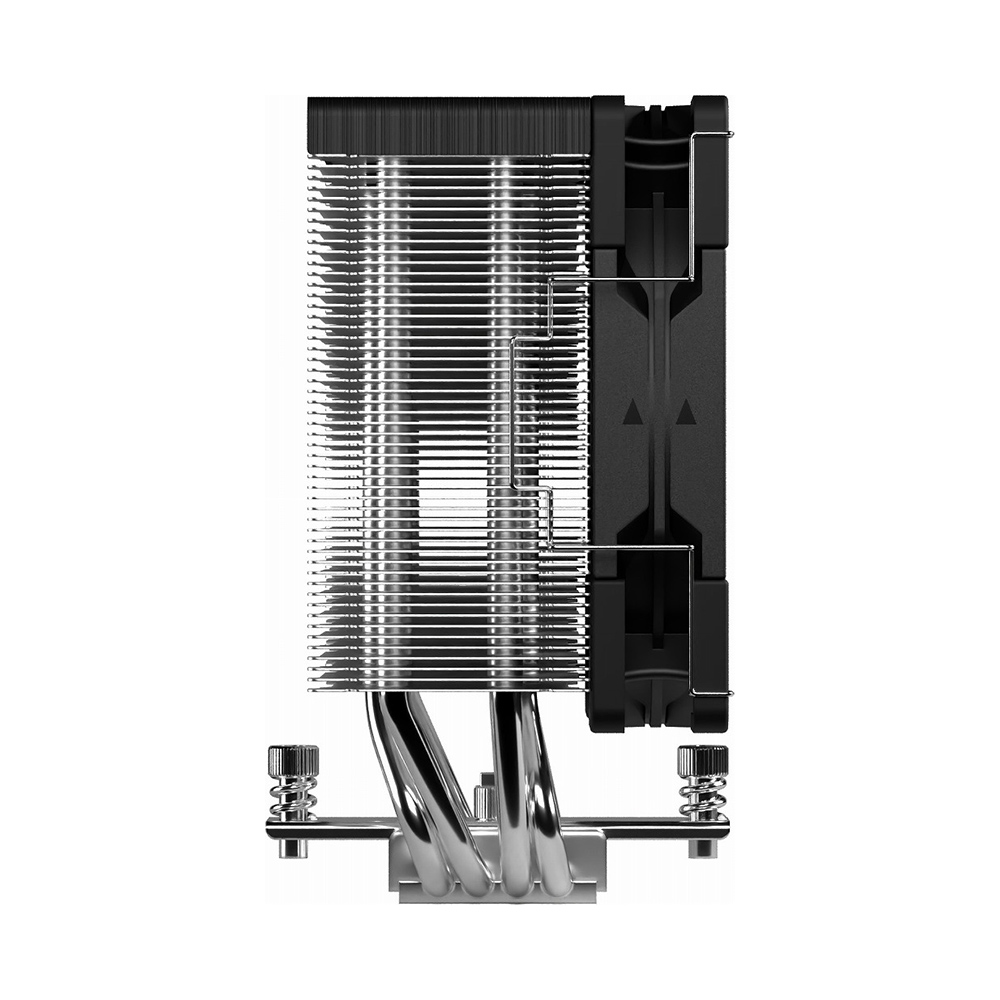
Scythe launches Kotetsu Mark 4 CPU cooler with upgraded Wonder Tornado fan

Scythe Japan has officially introduced the Kotetsu Mark 4 (model SCKTT-4000), the latest iteration of its popular entry-level air cooler. Designed to replace the Kotetsu Mark 3, this new model retains the signature single-tower form factor while integrating significant performance upgrades, most notably the transition to the new Wonder Tornado 120 mm PWM fan.

Brought to our attention by ITHome (via TechPowerUP), the new Kotetsu Mark 4 features four 6 mm nickel-plated heatpipes, maintaining the thermal transfer standards of its predecessor. Physically, the Mark 4 is slightly more compact than the Mark 3, measuring 134×155×80 mm compared to the previous 138×154×80 mm, and weighing 771 g, including the fan. The aesthetic has also been refined with a redesigned top cover that offers a cleaner, more premium look for system builders who value attention to detail.

The new fan choice is what drives the performance improvements. Replacing the Kaze Flex II used in the previous generation, the Wonder Tornado 120 mm fan operates between 350 (±200) RPM and 2000 RPM. This configuration delivers a rated airflow of up to 60.29 CFM and a static pressure range of 0.05 to 2.45 mmH₂O. These specifications ensure the cooler is well-equipped to handle modern mainstream processors, even in space-constrained mid-tower cases, with noise levels ranging from 3.0 dBA to 28.88 dBA.

Scythe has ensured broad compatibility for the new unit, supporting AMD's AM4 and AM5 platforms as well as Intel's LGA 1851, 1700, 1200, and 115X sockets. The cooler is currently priced at ¥3,480 (approximately £17) in Japan.

KitGuru says: Although it won't top any performance charts, the Kotetsu Mark 4 could be a solution worth considering for someone building an entry-level system that wants something more than your typical stock cooler.

The post Scythe launches Kotetsu Mark 4 CPU cooler with upgraded Wonder Tornado fan first appeared on KitGuru.
  •  

Creative Assembly officially unveils Total War: Warhammer 40,000

SEGA and Creative Assembly have officially announced Total War: Warhammer 40,000, marking a historic shift for the award-winning strategy franchise as it leaves the fantasy realm for the grim darkness of the 41st Millennium. Revealed at The Game Awards with a cinematic trailer, the upcoming title places players in the Era Indomitus, where they will wage war on a galactic scale. This new entry promises to maintain the series' signature blend of turn-based strategy and massive real-time battles, but expanded to include planetary conquest, fleet management, and apocalyptic weaponry.

At launch, players will be able to command four factions: the Space Marines, the Astra Militarum, the Orks, and the Aeldari. Each faction will feature distinct playstyles and challenges across both campaign and battle modes. The game will include a variety of units ranging from standard battleline infantry and tanks to massive walkers and war engines.

A new feature for the series is deep army customisation. Players will have the freedom to personalize their forces or create entirely new thematic armies. This includes customizing names, color schemes, and heraldry, as well as defining specific traits and tactics for their commanders.

In a first for the franchise, Total War: Warhammer 40,000 will debut on consoles alongside the PC release. The game is confirmed for PlayStation 5 and Xbox Series X|S, bringing the massive scale of Total War battles to console players for the first time. No release date has been set yet.

KitGuru says: Do you like Total War games? What do you think of bringing the game series to the Warhammer 40K universe?

The post Creative Assembly officially unveils Total War: Warhammer 40,000 first appeared on KitGuru.
  •  

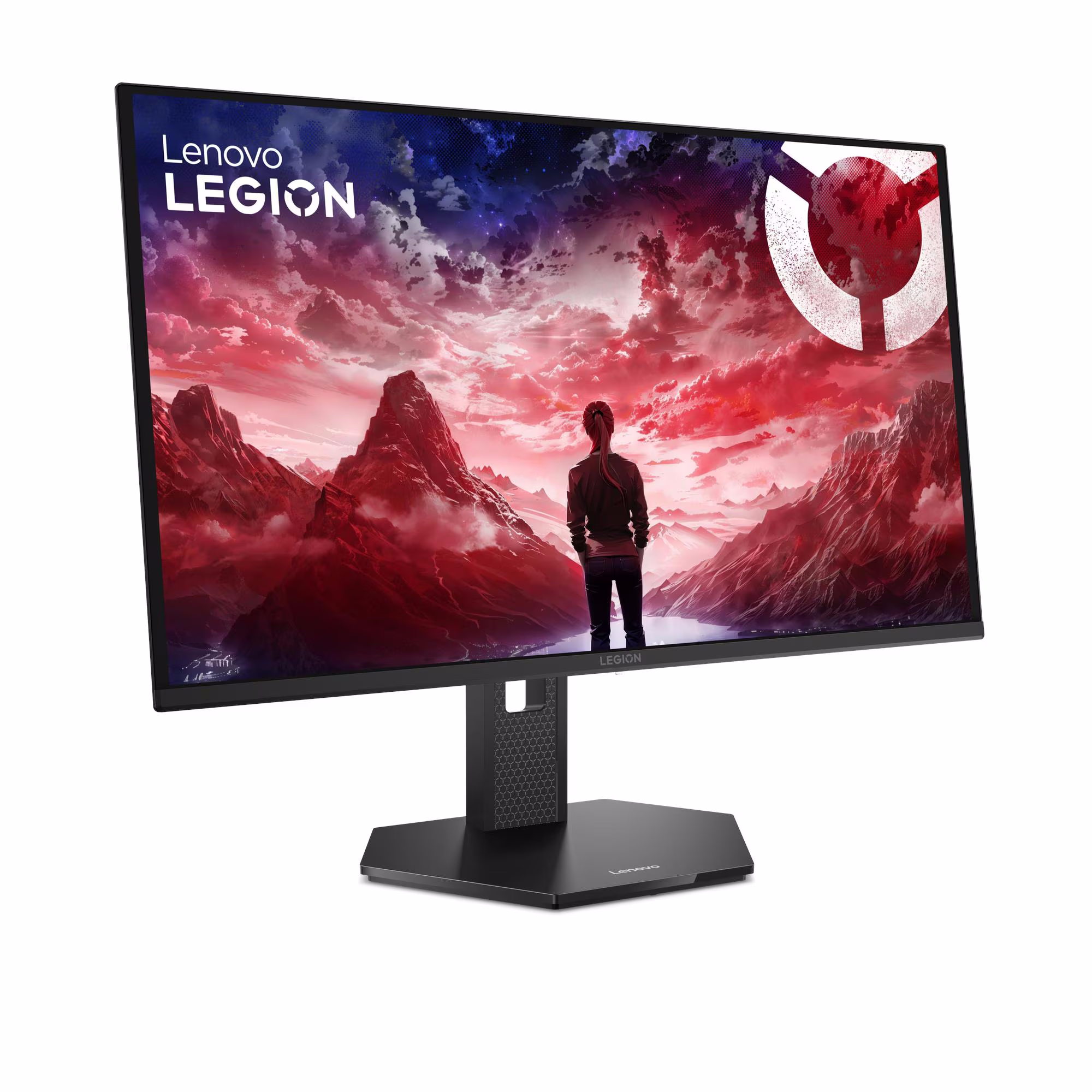
Lenovo lists new Legion 27Q-10 OLED gaming monitor

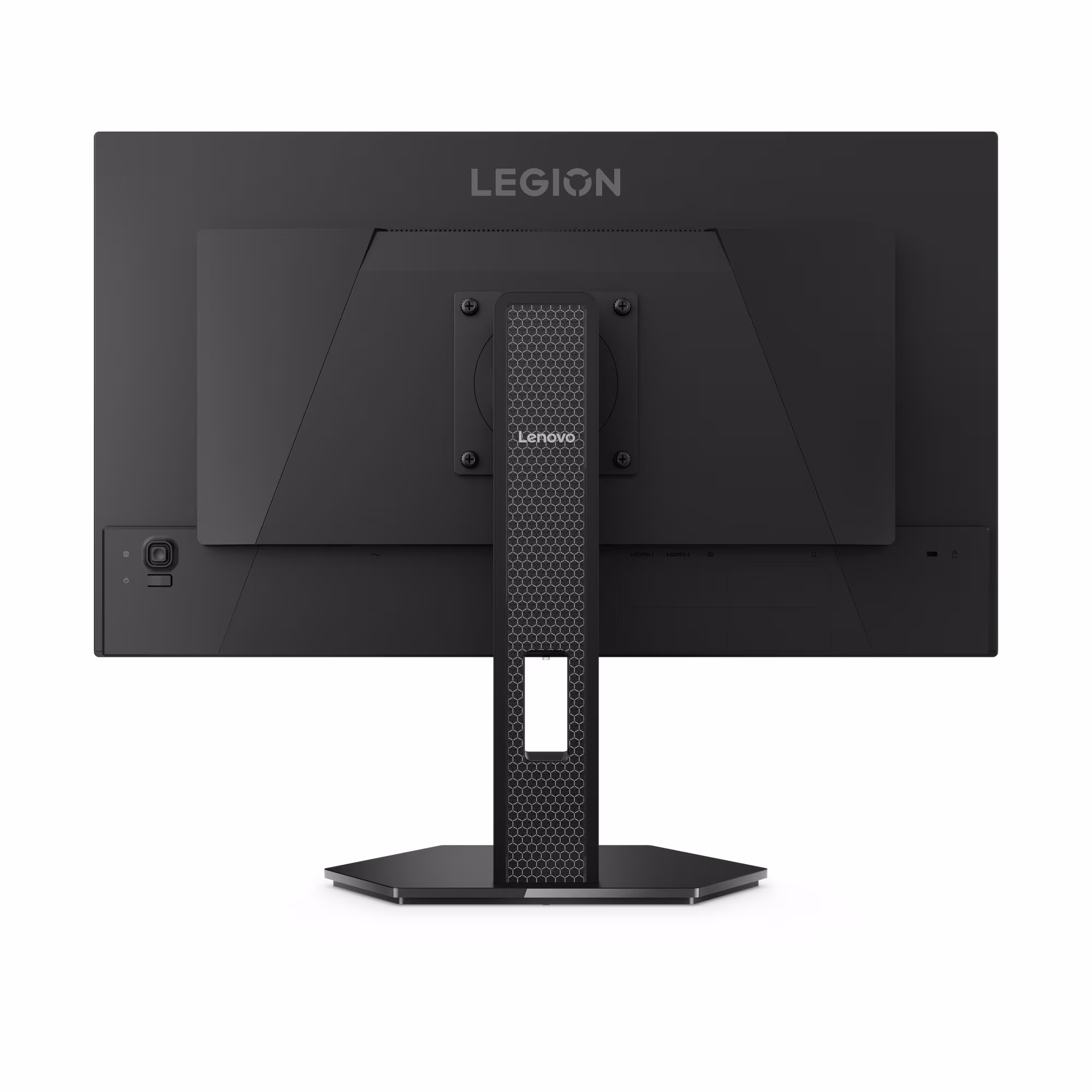
Lenovo has quietly listed a new gaming monitor that will surely cause some confusion due to its naming convention. The new Legion 27Q-10 OLED sits awkwardly between two existing products: the budget-friendly IPS model, named Legion 27Q-10, and the higher-specification Legion Pro 27Q-10. 

This new Legion 27Q-10 OLED (via Prad) monitor features a 26.5-inch QD-OLED panel with QHD resolution and a 240Hz refresh rate, representing a slight step down from the Pro version, which uses a similar panel overclocked to 280Hz. The panel boasts a contrast ratio of 1,500,000:1, 10-bit color depth, and 99% coverage of both DCI-P3 and sRGB color spaces. In terms of motion clarity, the screen has a 0.03ms G2G response time and a VESA ClearMR 13000 certification. FreeSync Premium is included to handle variable refresh rates, ensuring tear-free gameplay, although the monitor lacks official DisplayHDR certification despite supporting HDR10 signals with a peak brightness of 400 nits.

Potential buyers should be aware of a specific connectivity limitation, though. While the monitor includes two HDMI 2.1 ports, they use the older TMDS signaling protocol rather than the full-bandwidth FRL standard. This effectively limits the HDMI bandwidth to HDMI 2.0 speeds, capping the refresh rate at 144 Hz when using an HDMI cable. To unlock the full 240 Hz potential of the display, users must rely on the single DisplayPort 1.4 connection. Additionally, the monitor has a headphone output.

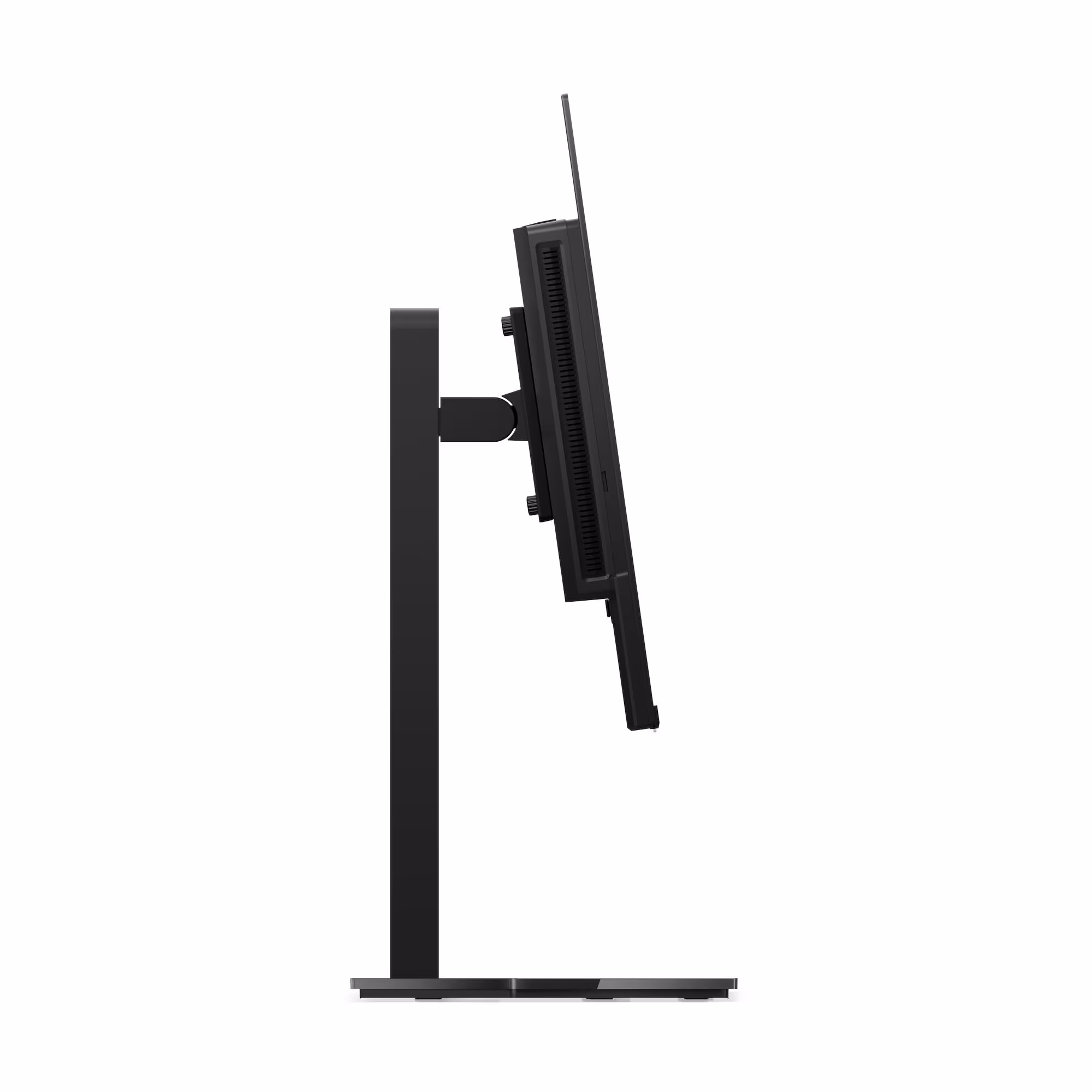
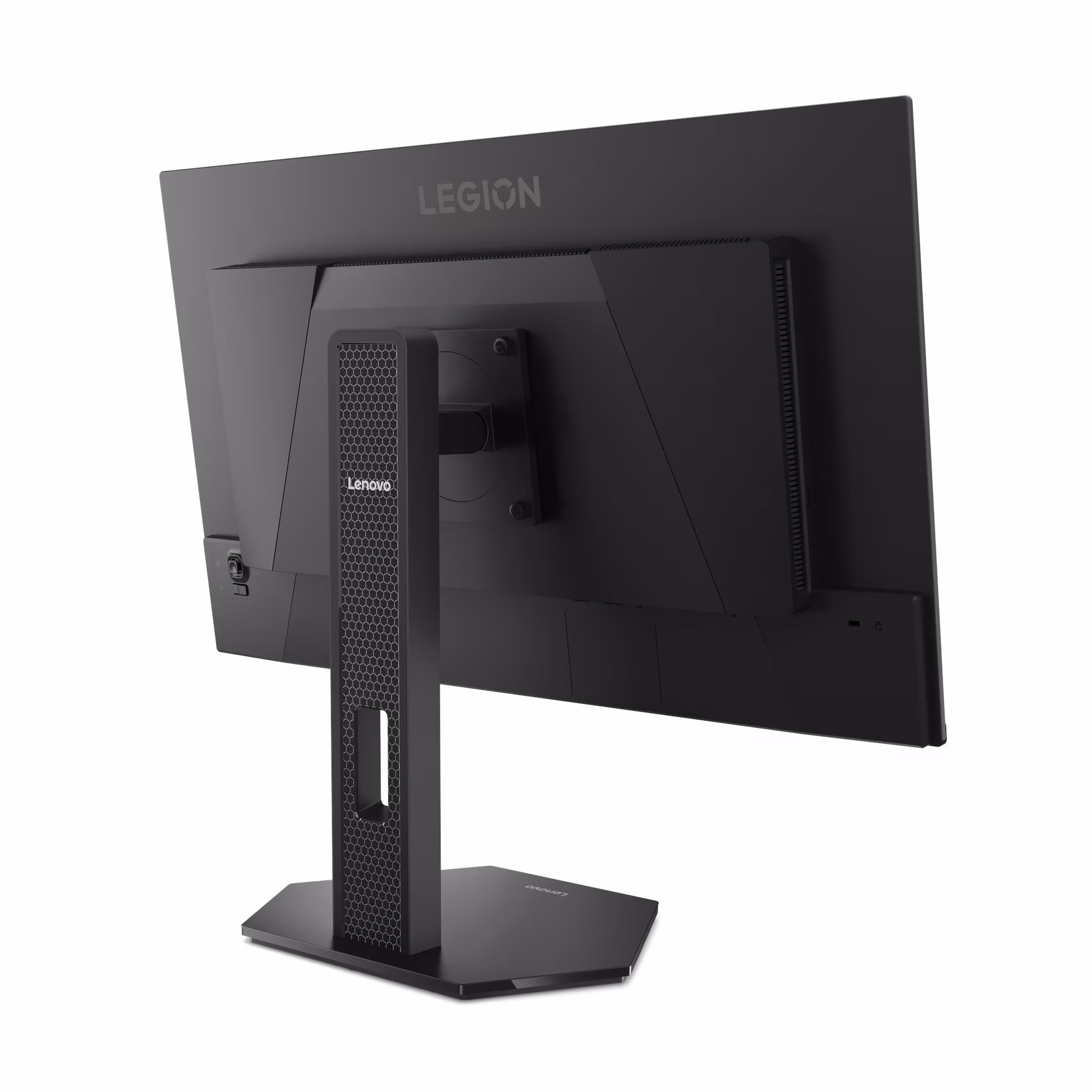
The stand offers solid ergonomic capabilities, with tilt, swivel, pivot, and height adjustment, along with support for standard 100 x 100mm VESA mounts. Lenovo includes a three-year warranty with this monitor. While an official release date for Europe is pending, pricing should be aggressive. This model will sit under the Legion Pro 27Q-10 in the line-up, which currently retailing at £500, so this new model should be a bit cheaper, making it one of the most affordable entry points into OLED gaming.

KitGuru says: How much would you be willing to spend on a monitor with such specs?

The post Lenovo lists new Legion 27Q-10 OLED gaming monitor first appeared on KitGuru.
  •  

Remedy reveals Control Resonant, a reality-warping sequel coming in 2026

Remedy has officially unveiled Control Resonant, the highly anticipated sequel to their award-winning supernatural thriller. Set for a 2026 release, this action-adventure RPG expands the franchise's scope significantly, moving the chaos from the confined corridors of the Oldest House to the open, distorted streets of New York City. The title is being self-published by Remedy with co-financing and production support from Annapurna Pictures.

The narrative shifts perspective to Dylan Faden, the troubled brother of the original protagonist, Jesse Faden. After years of confinement, Dylan is deployed by his former captors to the Federal Bureau of Control to combat a cosmic entity actively rewriting the laws of nature. His mission is both tactical and deeply personal; while fighting through a Manhattan on the brink of paranormal annihilation, he must search for his missing sister and struggle to maintain his humanity against the overwhelming power he wields.

Gameplay represents a significant change for the series, transitioning into a more Devil May Cry-like format. Players will master a deep progression system and wield the Aberrant, a shapeshifting melee weapon that adapts to different combat scenarios. The environment itself acts as both playground and adversary, featuring gravity-defying landscapes and metaphysical zones that reflect Dylan's fractured psyche.

Despite being a sequel, Remedy has designed the game to be accessible to newcomers so that players can jump straight into this adventure without prior knowledge of the first game. The game will launch on PlayStation 5, Xbox Series X|S, PC via Steam and Epic Games Store, and Mac.

KitGuru says: Did you play the original Control? Do you think the gameplay changes will attract more players to this universe?

The post Remedy reveals Control Resonant, a reality-warping sequel coming in 2026 first appeared on KitGuru.

  •