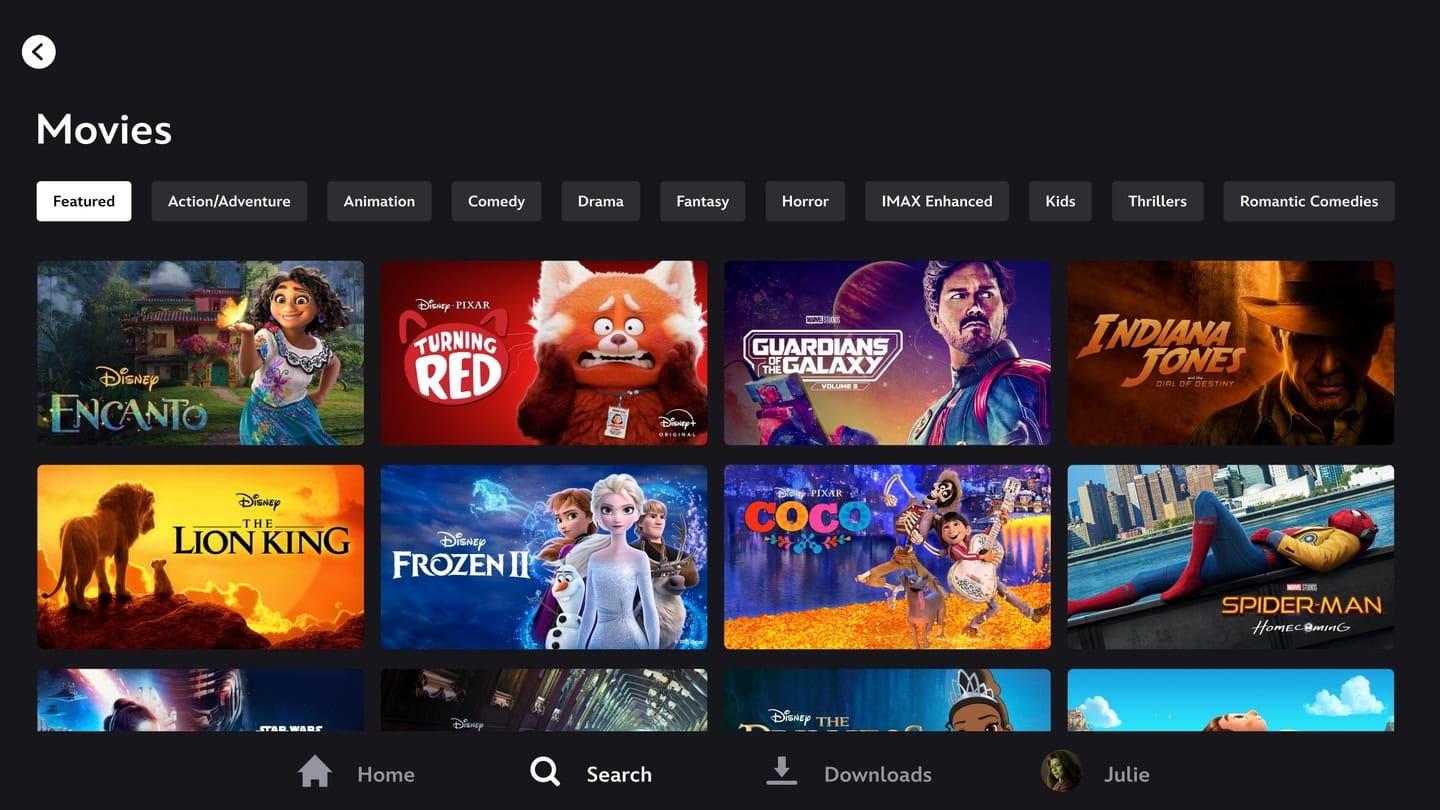
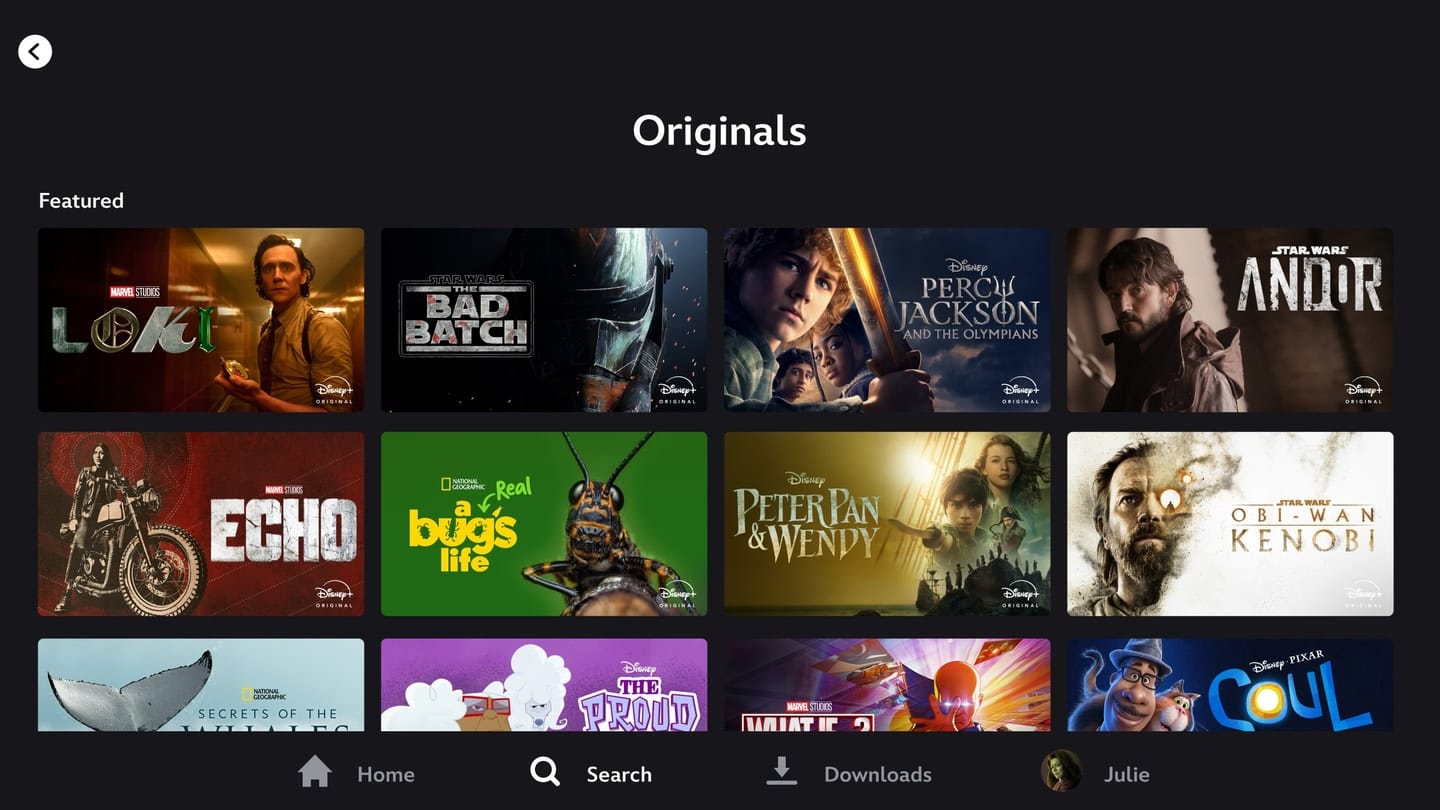
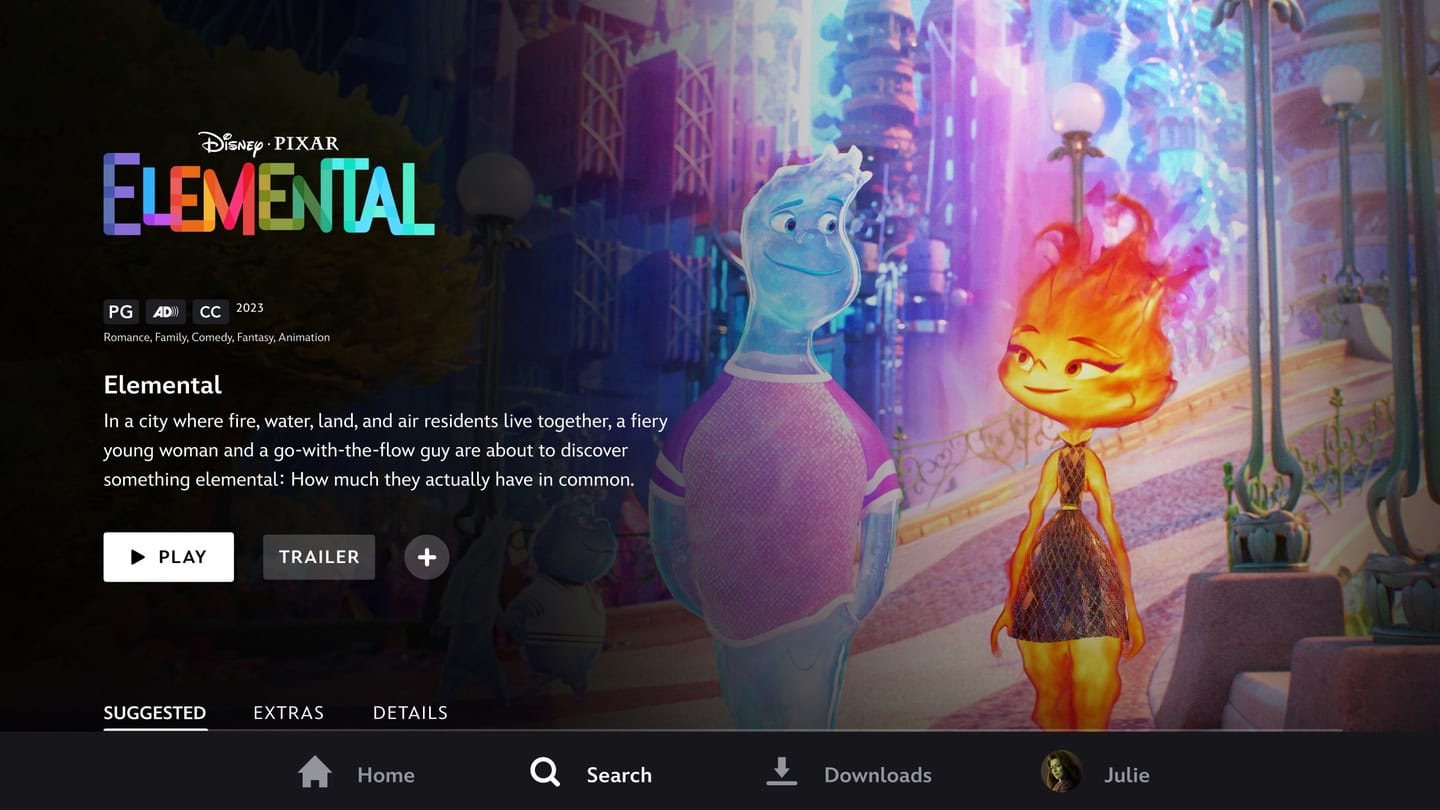
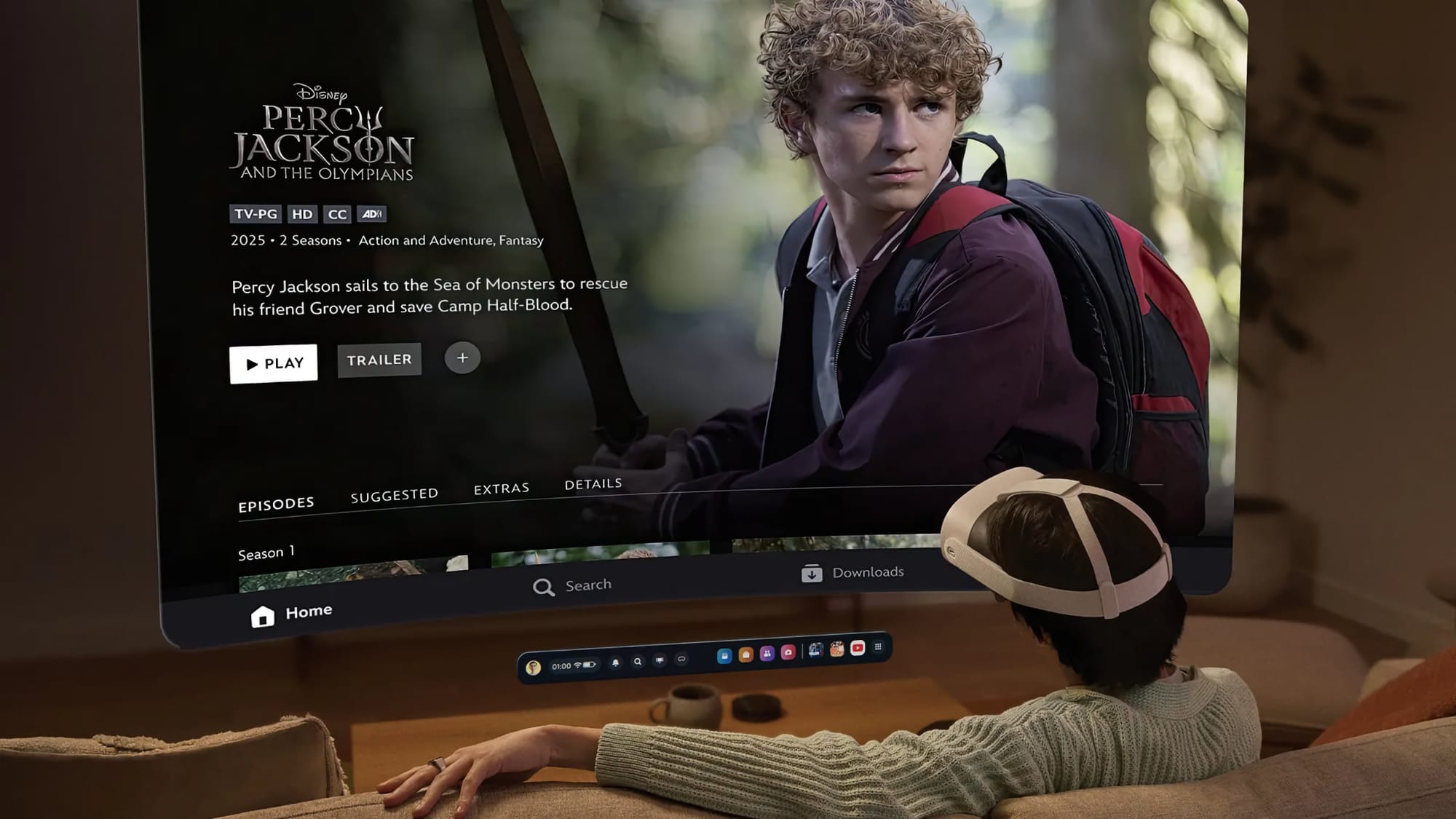
Quest headsets now have an official Disney+ app, with support for downloads and Dolby Atmos immersive audio.
It was already possible to watch Disney+ via the website in the Horizon OS web browser, but this is limited to 720p.
With the official app, Meta says Disney+ streams at up to 4K resolution with Dolby Vision HDR for all subscribers of the service. Quest 3 only has 2K regular LCD panels, so the direct benefits of 4K and HDR over 1080p SDR will be marginal, but the increased bitrate that comes alongside the higher resolution version should be very noticeable on the giant virtual screen, in terms of seeing fewer compression artifacts.
Subscribers of the Disney+ Premium tier also get Dolby Atmos immersive audio in supported titles, a feature added to Horizon OS in v71 last year, as well as the ability to download content for offline viewing. That means you can now bring your Quest on a plane and watch Disney+ movies you've prepared, for example.
Window screenshots of Disney+ on Quest.
What isn't supported on the Quest Disney+ app that is on the visionOS version, however, is 3D. Despite headsets being the ideal way to watch 3D movies, solving the problems of traditional 3D glasses in cinemas, the Quest app is limited to 2D only. It also lacks the custom 3D environments of the visionOS Disney+ app, such as the Alien: Earth Containment Room.
You can grab Disney+ on the Meta Horizon Store for free, and you'll need a Disney+ subscription, of course. Meta claims that the app is currently only available in the US, but I was able to download and use it in the UK, despite not using a VPN or proxy of any kind.
The only other major streaming platform with an app on Quest's store with download support is Amazon Prime Video, which arrived on Meta's platform alongside the launch of Quest 3S.
Netflix, meanwhile, is available in the web browser at up to 1080p, due to Meta working with the platform last year to implement full DRM support.
Nous continuons sur notre lancée de récompenser celles et ceux qui chaque mois contribuent au site LinuxFr.org (dépêches, commentaires, logo, journaux, correctifs, etc.). Vous n’êtes pas sans risquer de gagner un livre des éditions Eyrolles, ENI et D-Booker. Voici les gagnants du mois de novembre 2025 :
Certaines personnes n’ont pas pu être jointes ou n’ont pas répondu. Les lots ont été réattribués automatiquement. N’oubliez pas de mettre une adresse de courriel valable dans votre compte ou lors de la proposition d’une dépêche. En effet, c’est notre seul moyen de vous contacter, que ce soit pour les lots ou des questions sur votre dépêche lors de sa modération. Tous nos remerciements aux contributeurs du site ainsi qu’aux éditions Eyrolles, ENI et D-Booker.
Comme tout le monde, Amazon Games avait ouvert un studio à Montréal. Et comme tout le monde, ils avaient utilisé Ubisoft comme leur Pôle emploi. Ils avaient commencé à bosser sur un jeu multi, March of Giants, annoncé officiellement en septembre. Il s'agit d'un MOBA à la DOTA qui se joue en quatre contre quatre dans une sorte de Première Guerre mondiale version steampunk. L'un des héros s'appelle même "Le Poilu". Une première alpha du jeu a eu lieu.
Mais récemment...
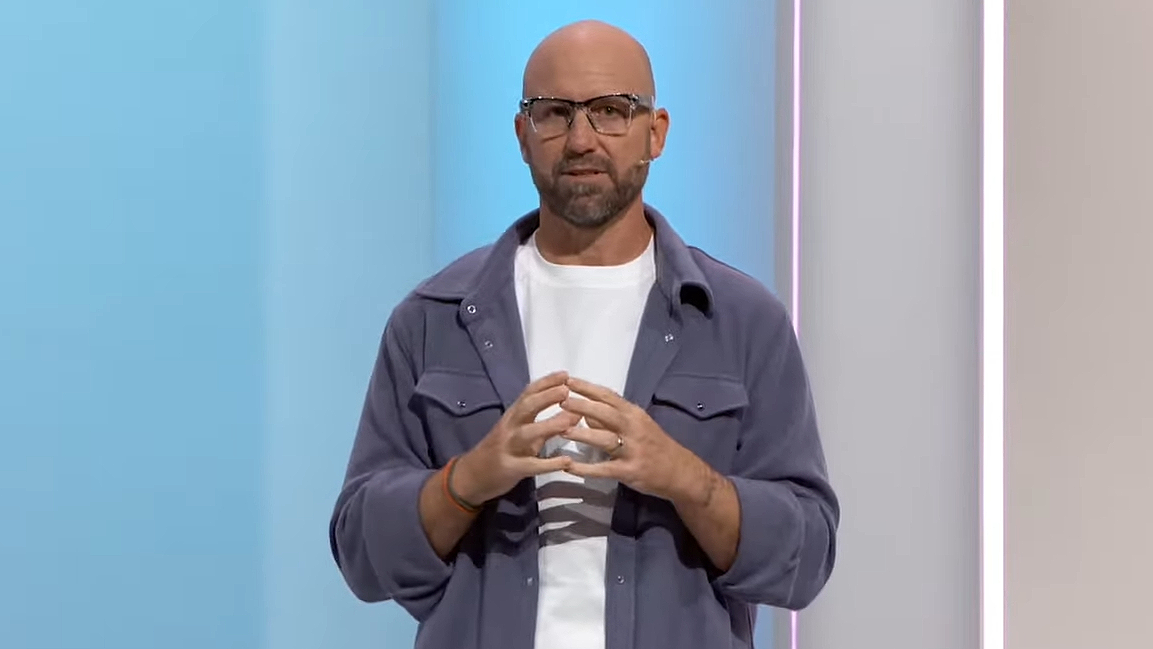
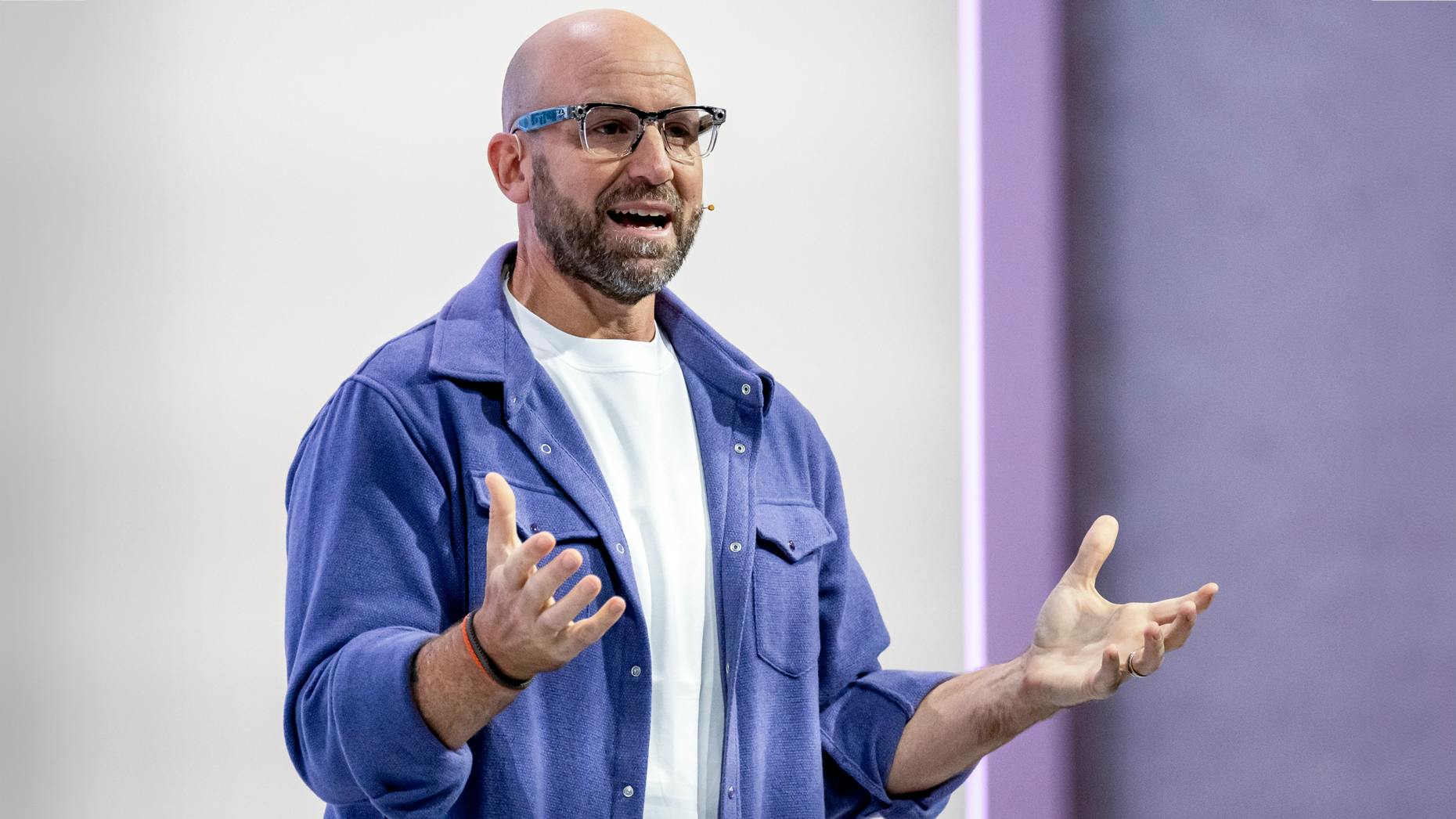
Meta's CTO has responded to speculation of VR being "dead" at the company.
After reports from outlets like Bloomberg, The New York Times, The Wall Street Journal, and Business Insider suggested that Meta is "considering" a cut "as high as 30%" for its "metaverse" teams, Meta issued an official statement confirming "shifting some of our investment from Metaverse toward AI glasses and Wearables".
"Within our overall Reality Labs portfolio we are shifting some of our investment from Metaverse toward AI glasses and Wearables given the momentum there," the official statement read. "We aren't planning any broader changes than that."
Following this, in an "ask-me-anything" session on his Instagram page, Meta's CTO Andrew Bosworth was asked the question "Is VR dead for Meta now? You seem to have moved on to glasses and AI?".
Here's how Bosworth responded:
0:00
/1:00
Every now and then there's just a narrative that people cannot help writing, and I'll give you the way to know.
First of all, the answer is no: VR is not dead. We're also investing a lot in glasses and AI, and that's the trick.
The way to know if there's a convenient narrative is if it appears zero-sum. Meta is a big company. We can invest in many things. We can invest in VR, glasses, and AI — and by the way, we have been for years.
Every year we go through a budget process, and in that budget process, we ask every team, "Hey, can you do the same work more effectively?" We've got better tools, we've got AI, we've got things. You're trying to right-size it. How big is the market? How fast is it growing? Is that what we expected? If it's slower than we expected, let's make sure our burn rate is lower. If it's faster than expected, let's double down and make sure we take advantage and don't cede it to other people. You're being smart about it, but it's normal stuff.
Bosworth's response doesn't contradict Meta's official confirmation of shifting some investment "from Metaverse toward AI glasses and Wearables", but seems to push back on the framing of a 30% spending cut meaning the company no longer investing in VR at all, suggesting that it can work on VR, glasses, and AI concurrently.
Meta's funding shift from Horizon Worlds and VR to smart glasses comes just over a year after a leaked memo from Bosworth told Reality Labs staff that 2025 will determine whether their projects are "the work of visionaries or a legendary misadventure".
In the memo, Bosworth described 2025 as "the most critical year in my 8 years at Reality Labs", and told staff they "need to drive sales, retention, and engagement across the board but especially in MR". Note that at the time, Meta was using MR to refer to VR too, a nomenclature that it ended earlier this year.
"And Horizon Worlds on mobile absolutely has to break out for our long term plans to have a chance", Bosworth added.
Since then, Reality Labs saw its highest-ever quarterly revenue in Q4 2024 with the launch of Quest 3S, which was the top-selling console on Amazon US for Christmas. But this momentum did not carry through into 2025 at all.
The first two quarters of 2025 saw Quest sales decline year-over-year, revealing that while Quest 3S was a popular stocking stuffer, it simply is not a successful year-round product. While Q3 saw a rebound, Meta explained that this was due to retailers stocking up on Quest 3S for this year's holiday season.
Meanwhile, Meta has continued to push its Horizon Worlds "metaverse" platform with multi-million-dollar creator competitions, especially focused on smartphone-only worlds, as the company hopes to scale the platform from a social VR space to a cross-platform Roblox and Fortnite competitor. But this doesn't seem to have gained much traction.
This relative stagnation in its Quest and Horizon Worlds efforts comes as the company is seeing skyrocketing sales and significant public and investor interest in its smart glasses.
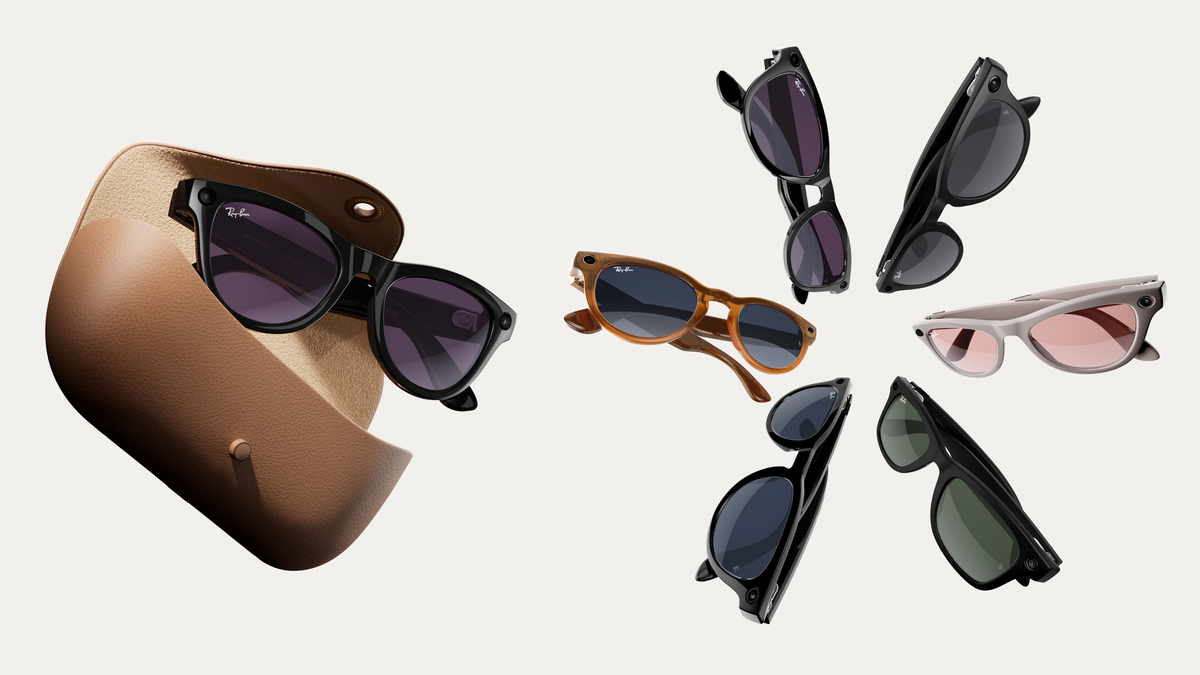
Back in February, in its Q4 2024 earnings call, Meta's partner EssilorLuxottica said that the Ray-Ban Meta glasses had sold 2 million units, and in its Q2 2025 call in July said that sales had more than tripled since last year, performing "exceptionally well".
In its Q2 2025 call in July, the company said that the glasses were performing "exceptionally well" in the market, with sales having more than tripled compared to 2024.
This doesn't mean Meta isn't working on new headsets, though. Leaked memos reveal that it plans to launch its rumored ultralight headset with a tethered compute puck in the first half of 2027, and that it recently started work on a gaming-focused Quest 4 set to be a "large upgrade" over Quest 3, though at a higher price.
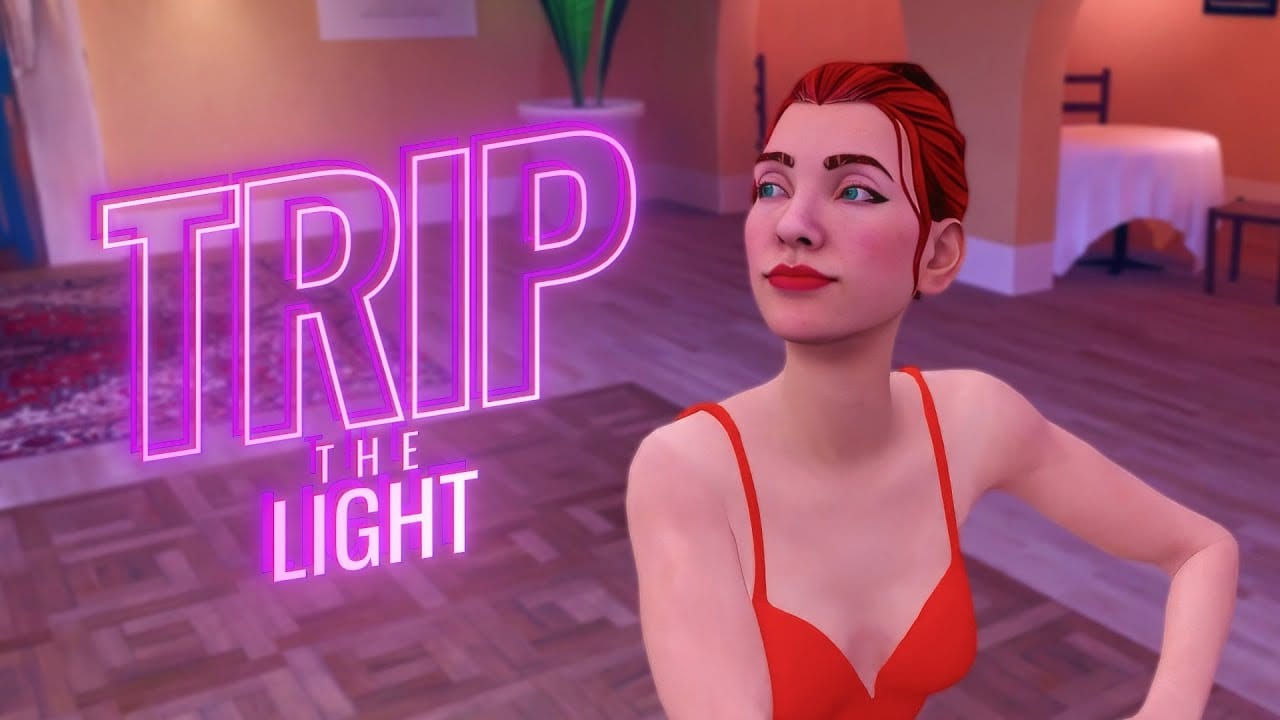
Trip the Light is a VR dancing game that recently entered early access on Quest.
Developed by Dark Arts Software, Trip the Light is a dancing game that uses both fully immersive VR environments and mixed reality passthrough to see your own surroundings. First appearing last month on the wider Quest platform, the game lets you work with a digital partner to learn new dance routines, complete challenges, score points, and gradually build up combos.
In its current early access build, Trip the Light aims to teach you Salsa using virtual instructors that the studio states are based on real-life professionals. There's also a 'Rhythm Challenge' mode that tests you to follow solo dance styles like hip-hop, line dancing, and club moves.
More dance styles are promised to be coming soon, and buying the early access release grants you the 'First Dance Edition.' It's not clear what further features can be expected for the full release, though Dark Arts Software confirmed that early adopters will receive “all of the basic modes, features, and assets that we build between now [and] then.”
Trip the Light is out now on the wider Meta Quest platform.
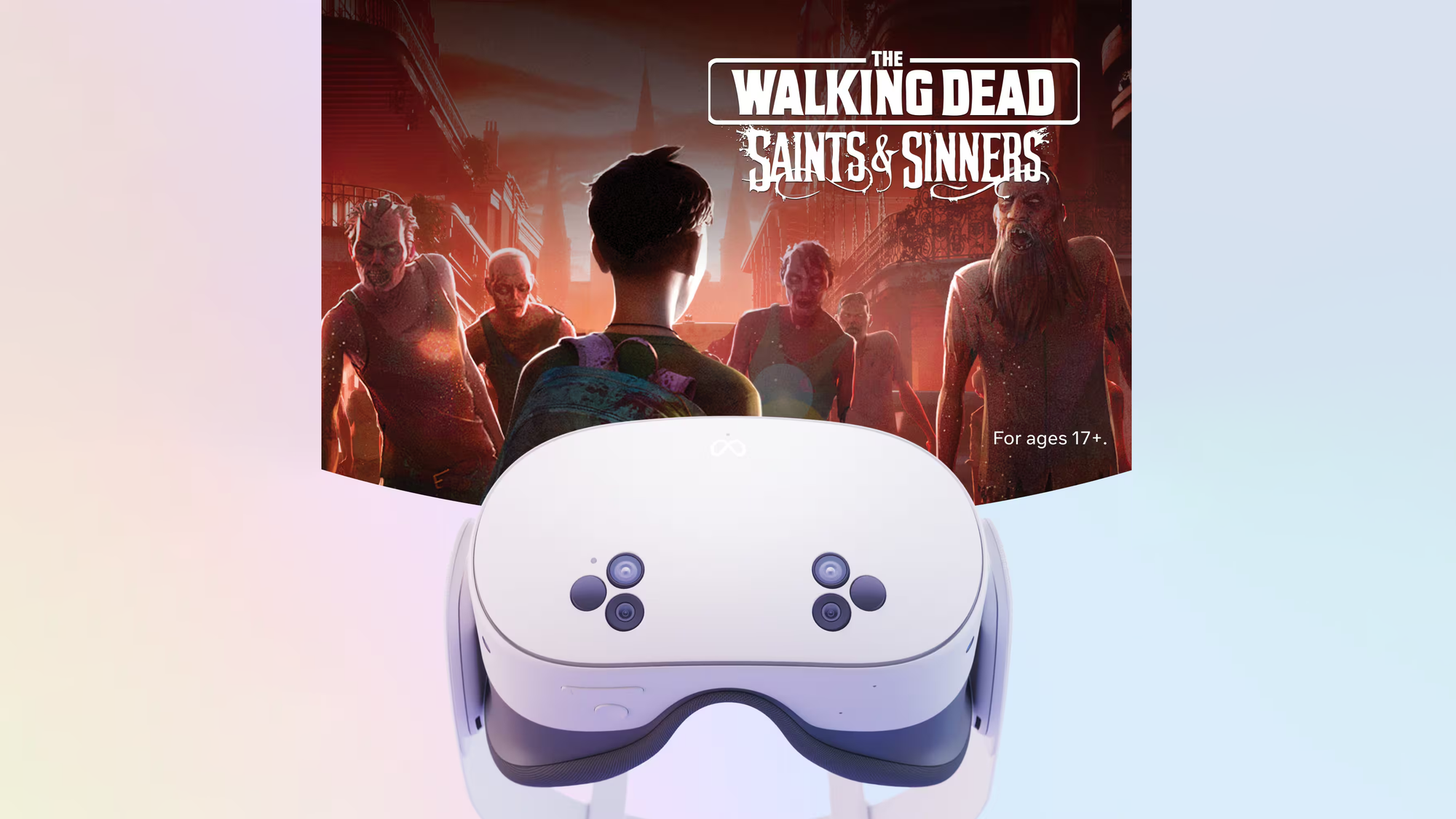
Quest 3S is on sale for $250 again, and from Best Buy it comes with a $50 gift card, 1 month of Xbox Game Pass Ultimate, and The Walking Dead: Saints & Sinners.
For Black Friday 2025, the 128GB model of the headset was on sale for $250 ($50 off its regular $300 price), and the 256GB storage model for $330 ($70 off its regular $400 price), in a sale that ended after December 2. On top of this, Best Buy was providing $110 of perks. Now, Meta has brought the sale back, and Best Buy has brought its deal back too.
You can find the deal for the 128GB base model of Quest 3S here, and for the 256GB model here.
Both deals end after 11:59 pm PT on January 3, giving plenty of time to order for a holiday season gift.
In both cases, you still get 3 months of the Meta Horizon+ subscription, as with all purchases of new Meta Quest headsets.
You could use the $50 Best Buy gift card to get the Elite Strap to make the headset more comfortable for just $20, for example, while during the 1 month of Xbox Game Pass Ultimate (normally $30) you can play popular flatscreen games like Call of Duty on a giant virtual screen.
As for The Walking Dead: Saints & Sinners, it's also normally $30, and it's widely considered to be one of the best VR games of all time due to its physics-based combat system, earning an 'Essential' score in our review.
While Quest 3S can run all the same content as Quest 3, and has the same fundamental capabilities (including the same XR2 Gen 2 chipset and 8GB RAM), if you have the funds we always recommend Quest 3 over Quest 3S. The proper Quest 3 features Meta's advanced pancake lenses which are clearer and sharper over a wider area, have a wider field of view, and are fully horizontally adjustable, suitable for essentially everyone's eyes. These pancake lenses also enable Quest 3 to be thinner, which makes the headset feel slightly less heavy.
Still, at $250 and with $110 worth of perks Quest 3S is hard to say no to, and it could be an impulse gift for the holiday season to bring a friend or loved one into VR and mixed reality.
Loin de nous l’idée de boucler sur les augmentations du prix de la RAM, mais il s’avère que ComputerBase a mis en ligne aujourd’hui quelques éléments factuels qui méritent qu’on s’y intéresse. Nos confrères ont quantifié les hausses observées depuis le 15 septembre, soit sur une période de trois mois... [Tout lire]
Bubbling up: A schematic representation of a volcanic system and a snapshot of one of the team’s experiments. The shear-induced bubbles are marked with red ellipses. (Courtesy: O Roche)
An international team of researchers has discovered a new mechanism that can trigger the formation of bubbles in magma – a major driver of volcanic eruptions. The finding could improve our understanding of volcanic hazards by improving models of magma flow through conduits beneath Earth’s surface.
Volcanic eruptions are thought to occur when magma deep within the Earth’s crust decompresses. This decompression allows volatile chemicals dissolved in the magma to escape in gaseous form, producing bubbles. The more bubbles there are in the viscous magma, the faster it will rise, until eventually it tears itself apart.
Magma shearing forces could induce bubble nucleation
The new work, however, suggests that this explanation is incomplete. In their study, Roche and colleagues at UCA, the French National Research Institute for Sustainable Development (IRD), Brown University in the US and ETH Zurich in Switzerland began with the assumption that the mechanical energy in magma comes from the pressure gradient between the nucleus of a gas bubble and the ambient liquid. “However, mechanical energy may also be provided by shear stress in the magma when it is in motion,” Roche notes. “We therefore hypothesized that magma shearing forces could induce bubble nucleation too.”
To test their theory, the researchers reproduced the internal movements of magma in liquid polyethylene oxide saturated with carbon dioxide at 80°C. They then set up a device to observe bubble nucleation in situ while the material was experiencing shear stress. They found that the energy provided by viscous shear is large enough to trigger bubble formation – even if decompression isn’t present.
The effect, which the team calls shear-induced bubble nucleation, depends on the magma’s viscosity and on the amount of gas it contains. According to Roche, the presence of this effect could help researchers determine whether an eruption is likely to be explosive or effusive. “Understanding which mechanism is at play is fundamental for hazard assessment,” he says. “If many gas bubbles grow deep in the volcano conduit in a volatile-rich magma, for example, they can combine with each other and form larger bubbles that then open up degassing conduits connected to the surface.
“This process will lead to effusive eruptions, which is counterintuitive (but supported by some earlier observations),” he tells Physics World. “It calls for the development of new conduit flow models to predict eruptive style for given initial conditions (essentially volatile content) in the magma chamber.”
Enhanced predictive power
By integrating this mechanism into future predictive models, the researchers aim to develop tools that anticipate the intensity of eruptions better, allowing scientists and local authorities to improve the way they manage volcanic hazards.
Looking ahead, they are planning new shear experiments on liquids that contain solid particles, mimicking crystals that form in magma and are believed to facilitate bubble nucleation. In the longer term, they plan to study combinations of shear and compression, though Roche acknowledges that this “will be challenging technically”.
« Cette folie durera combien de temps ?! » : c’est le commentaire de l’un d’entre vous, se définissant comme un passionné de jeux vidéo, en réaction à l’officialisation d’une hausse de 50 % du prix des mises à niveau DDR5 par Framework pour ses ordinateurs portables. Les justifications fournies apportaient déjà un élément de réponse : plusieurs années avant que l’offre ne puisse s’adapter à la demande... [Tout lire]
Academics who switch to hybrid working and remote collaboration do less impactful research. That’s according to an analysis of how scientists’ collaboration networks and academic outputs evolved before, during and after the COVID-19 pandemic (arXiv: 2511.18481). It involved studying author data from the arXiv preprint repository and the online bibliographic catalogue OpenAlex.
To explore the geographic spread of collaboration networks, Sara Venturini from the Massachusetts Institute of Technology and colleagues looked at the average distance between the institutions of co-authors. They found that while the average distance between team members on publications increased from 2000 to 2021, there was a particularly sharp rise after 2022.
This pattern, the researchers claim, suggests that the pandemic led to scientists collaborating more often with geographically distant colleagues. They found consistent patterns when they separated papers related to COVID-19 from those in unrelated areas, suggesting the trend was not solely driven by research on COVID-19.
The researchers also examined how the number of citations a paper received within a year of publication changed with distance between the co-authors’ institutions. In general, as the average distance between collaborators increases, citations fall, the authors found.
They suggest that remote and hybrid working hampers research quality by reducing spontaneous, serendipitous in-person interactions that can lead to deep discussions and idea exchange.
Despite what the authors say is a “concerning decline” in citation impact, there are, however, benefits to increasing remote interactions. In particular, as the geography of collaboration networks increases, so too does international partnerships and authorship diversity.
Remote tools
Lingfei Wu, a computational social scientist at the University of Pittsburgh, who was not involved in the study, told Physics World that he was surprised by the finding that remote teams produce less impactful work.
“In our earlier research, we found that historically, remote collaborations tended to produce more impactful but less innovative work,” notes Wu. “For example, the Human Genome Project published in 2001 shows how large, geographically distributed teams can also deliver highly impactful science. One would expect the pandemic-era shift toward remote collaboration to increase impact rather than diminish it.”
Wu says his work suggests that remote work is effective for implementing ideas but less effective for generating them, indicating that scientists need a balance between remote and in-person interactions. “Use remote tools for efficient execution, but reserve in-person time for discussion, brainstorming, and informal exchange,” he adds.
There are 12 questions in total: blue is your current question and white means unanswered, with green and red being right and wrong. Check your scores at the end – and why not test your colleagues too?
How did you do?
10–12 Top shot – congratulations, you’re the next John Hopfield
7–9 Strong skills – good, but not quite Nobel standard
4–6 Weak performance – should have asked ChatGPT
0–3 Worse than random – are you a bot?
Physics World‘s coverage of this interactive quiz is supported by Reports on Progress in Physics, which offers unparalleled visibility for your ground-breaking research.
En cette fin d'année, Signify lance une mise à jour pour tous les utilisateurs de Hue qui fait parler d'elle au sein de la communauté. Les nouveautés donnent l'impression d'être l'une de ces rares démarches où l'on se rend compte que les développeurs ont vraiment écouté les utilisateurs.
Sur les emballages de médicaments, la notice imprimée devrait bientôt disparaître complètement. L'UE mise sur les codes QR et les informations numériques pour informer les patients. Voyons ce que cela implique pour vous, et ce qu'il en est pour ceux qui n'ont pas de smartphone.
Géographie, astronomie, démographie, arts… Voici une sélection de livres parus récemment. Une déambulation scientifique qui vous mènera du désert d’Atacama au fin fond de l’Univers.
Apple nous vante depuis longtemps l’idée selon laquelle il serait possible, voire même souhaitable, de se passer d’un Mac au profit de l’iPad. On se rappelle de la publicité à succès pour l’iPad Pro « What’s a computer » d’il y a quelques années… Avec l’ajout progressif de fonctionnalités propres au Mac comme le clavier, le trackpad, le multitâche, les puces Apple Silicon… sur le papier, tout est là.
Mais dans les faits, pour avoir moi-même essayé de délaisser mon MacBook Pro pour un iPad Pro, iPadOS reste une vraie limite. Multitâche limité, applications bridées, ergonomie inférieure… Il est techniquement possible de travailler sur iPad mais c’est souvent loin d’être souhaitable.
Et le fameux combo iPad Pro + Magic Keyboard est selon moi une fausse bonne idée car plus lourd et moins stable qu’un MacBook Air. L’iPad, a cependant ses qualités et je l’utilise aujourd’hui en complément de mon Mac comme pour de la prise de notes manuscrites et la consommation de contenus.
Le choix de l’iPad n’est donc pas aussi évident qu’Apple peut l’insinuer. L’iPad est un excellent produit mais le vendre comme un remplacement pur et dur du Mac est trompeur pour la majorité des utilisateurs.
Mais qu’il s’agisse d’un Mac ou un d’un iPad, il s’agit du genre de beau cadeau qui fait toujours plaisir. Le Black Friday a été cette année marqué par de nombreuses promotions sur les derniers modèles. Mais, alors que les autres enseignes sont retournées aux tarifs habituels, il est bon de savoir à une dizaine de jours de Noël qu’Amazon continue de proposer de nombreuses promotions (voire même les mêmes tarifs que pendant le Black Friday, avec livraison garantie avant Noël). En voici quelques exemples :
The Einarex Pulse PM400 is a sturdy microATX case with a beautiful wooden accent and some ARGB highlights. Packed with three ARGB fans and sporting a clear glass panel, it certainly has a lot going for it if you build an air cooled system, so lets dive in and see how it holds up under the limelight.
Merci à vous de suivre le flux Rss de www.sospc.name.
NWinfo est un programme qui vous permet d'obtenir des informations détaillées sur votre Système et ses matériels.
Vous pouvez facilement accéder et analyser les informations critiques ; il est conçu pour vous aider à optimiser les performances de votre ordinateur en fournissant des informations précieuses.
Vous allez le voir, son interface est originale, ce qu'il faut retenir c'est que c'est un programme portable et qui fonctionne à partir d'XP.
Je vous l'ai présenté pour la dernière fois en version 1.4.2 en juillet dernier, et petit à petit son développement est poursuivi.
La dernière version est la 1.5.1 publiée le 03/12/25, je vous propose de l'essayer.
If a major disaster like Fukushima or Chornobyl ever happens again, the world would know almost straight away, thanks to an array of government and DIY radiation-monitoring programs running globally.
LinuxFr.org propose des dépêches et articles, soumis par tout un chacun, puis revus et corrigés par l’équipe de modération avant publication. C’est la partie la plus visible de LinuxFr.org, ce sont les dépêches qui sont le plus lues et suivies, sur le site, via Atom/RSS, ou bien via partage par messagerie instantanée, par courriel, ou encore via médias sociaux.
Ce que l’on sait moins, c’est que LinuxFr.org vous propose également de publier directement vos propres articles, sans validation a priori de lʼéquipe de modération. Ceux-ci s’appellent des journaux. Voici un florilège d’une dizaine de ces journaux parmi les mieux notés par les utilisateurs et les utilisatrices… qui notent. Lumière sur ceux du mois de novembre passé.
Alain Marschall, Olivier Truchot, notre productrice Anais Sainz, notre agriculteur Didier Giraud et la chroniqueur du Super Moscato Show, Eric di Meco, ont été intronisés, ce week-end, dans la confrérie de la poularde de Bresse comme "chevaliers de la Belle Poule". Vive la poularde de Bresse.
Les Grandes Gueules, le talk-show de la liberté d'expression, autour du duo Alain Marschall/Olivier Truchot. Trois heures de débats parfois musclés avec vos GG toutes issues de la société civile : médecin, éleveur, prof, chef d'entreprise, fonctionnaire, avocat... L'actualité vue et commentée par des Grandes Gueules qui défendent leurs idées, points de vues, opinions toujours variées ! Et par les auditeurs du 3216 qui n'hésitent pas à rappeler nos GG à l'ordre ! Avec : Flora Ghebali, Yves Camdeborde, Charles Consigny.
This quiz was first published in February 2025. Now you can enjoy it in our new interactive quiz format and check your final score. There are 18 questions in total: blue is your current question and white means unanswered, with green and red being right and wrong.
 Connexion

 UploadVRDavid Heaney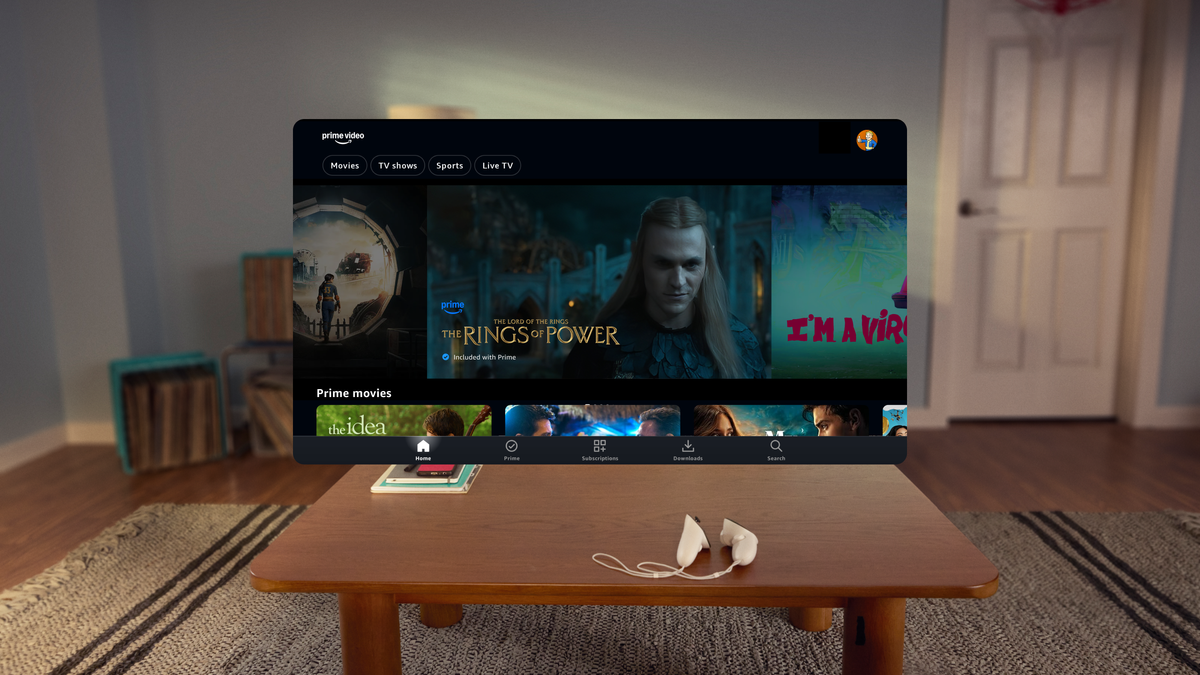











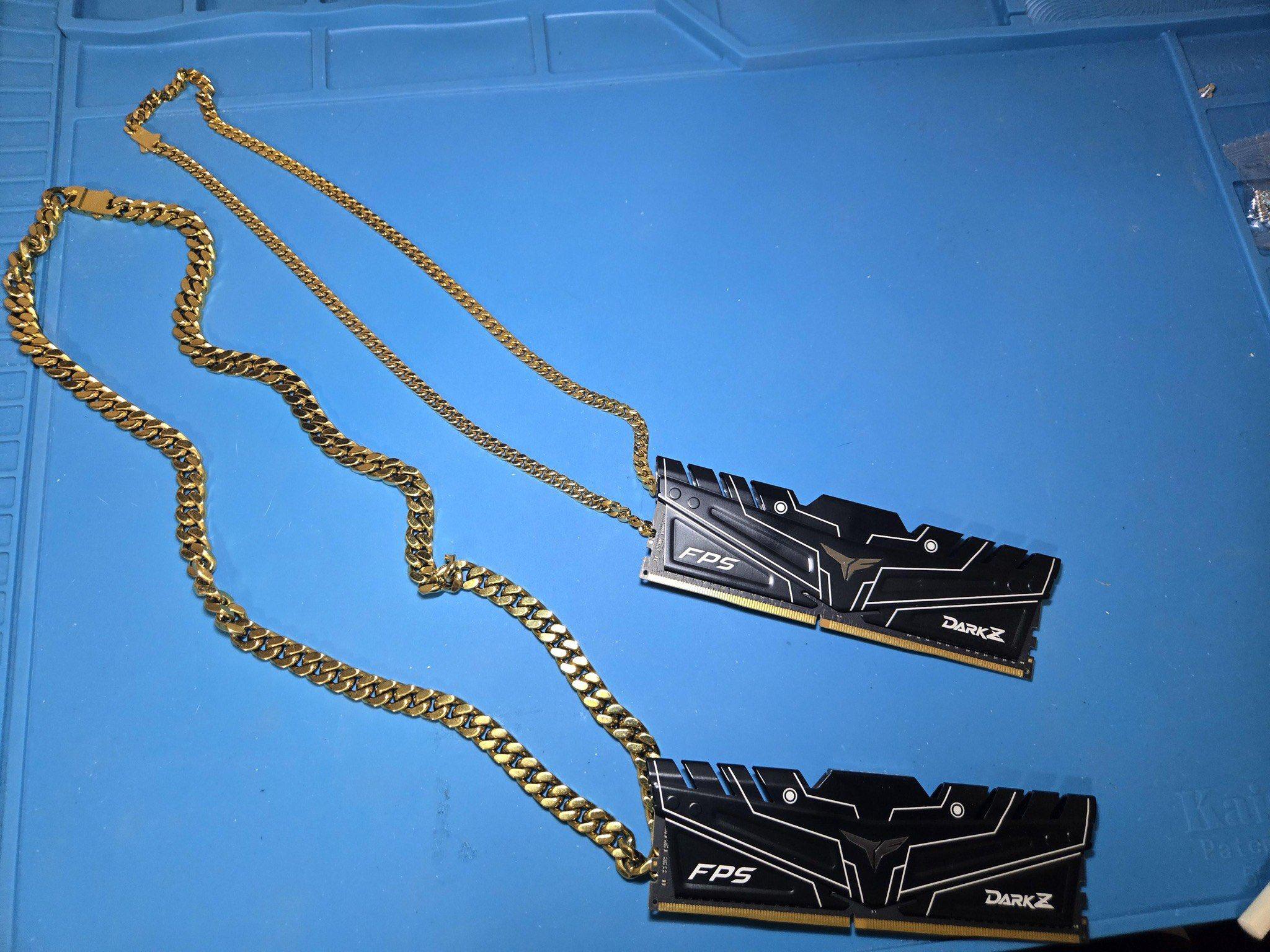 Loin de nous l’idée de boucler sur les augmentations du prix de la RAM, mais il s’avère que ComputerBase a mis en ligne aujourd’hui quelques éléments factuels qui méritent qu’on s’y intéresse. Nos confrères ont quantifié les hausses observées depuis le 15 septembre, soit sur une période de trois mois...
 « Cette folie durera combien de temps ?! » : c’est le commentaire de l’un d’entre vous, se définissant comme un passionné de jeux vidéo, en réaction à l’officialisation d’une hausse de 50 % du prix des mises à niveau DDR5 par Framework pour ses ordinateurs portables. Les justifications fournies apportaient déjà un élément de réponse : plusieurs années avant que l’offre ne puisse s’adapter à la demande...