↩ Accueil

Vue lecture

Ten-ion system brings us a step closer to large-scale qubit registers

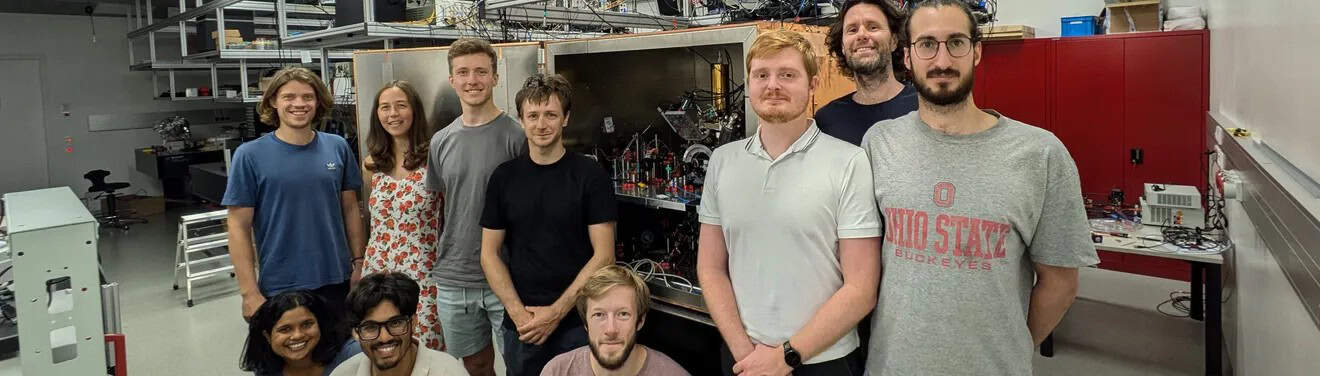
Photo of the members of Ben Lanyon's research group
Team effort Based at the University of Innsbruck, Ben Lanyon’s group has created a novel qubit register by trapping ten ions. (Courtesy: Victor Krutyanskiy/University of Innsbruck)

Researchers in Austria have entangled matter-based qubits with photonic qubits in a ten-ion system. The technique is scalable to larger ion-qubit registers, paving the way for the creation of larger and more complex quantum networks.

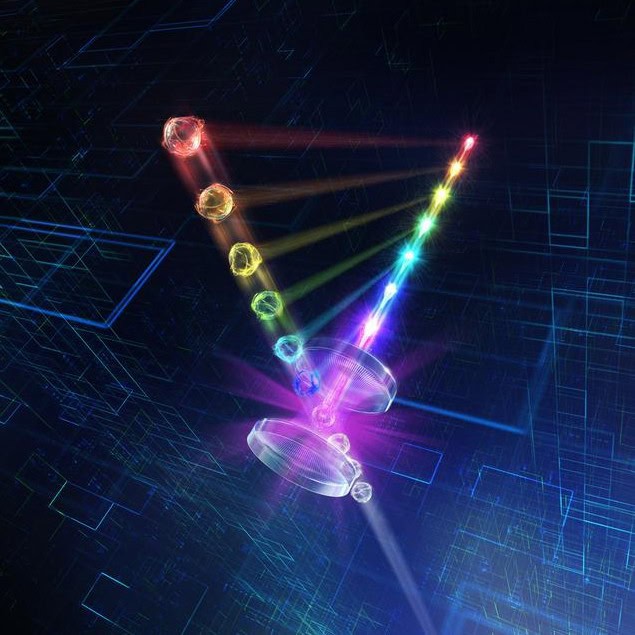
Visualization of the ten ion quantum
Ions in motion Each ion (large object) is moved one at a time into the “sweet spot” of the optical cavity. Once there, a laser beam drives the emission of a single photon (small object), entangled with the ion. The colours indicate ion–photon entanglement. (Courtesy: Universität Innsbruck/Harald Ritsch)

Quantum networks consist of matter-based nodes that store and process quantum information and are linked through photons (quanta of light). Already, Ben Lanyon’s group at the University of Innsbruck has made advances in this direction by entangling two ions in different systems. Now, in a new paper published in Physical Review Letters , they describe how they have developed and demonstrated a new method to entangle a string of ten ions with photons. In the future, this approach could enable the entanglement of sets of ions in different locations through light, rather than one ion at a time.

To achieve this, Lanyon and colleagues trapped a chain of 10 calcium ions in a linear trap in an optical cavity. By changing the trapping voltages in the trap, each ion was moved, one-by-one, into the cavity. Once inside, the ion was placed in the “sweet spot”, where the ion’s interaction with the cavity is the strongest. There, the ion  emitted a single photon when exposed to a 393 nm Raman laser beam. This beam was tightly focused on one ion, guaranteeing that the emitted photon – collected in a single-mode optical fibre – comes out from one ion at a time. This process was carried out ten times, one per ion, to obtain a train of ten photons.

By using quantum state tomography, the researchers reconstructed the density matrix, which describes the correlation between the states of ions (i) and photons (j).  To do so, they measure every ion and photon state in three different basis, resulting in nine Pauli-basis configurations of quantum measurements. From the density matrix, the concurrence (a measure of entanglement) between the ion (i) and photon (j) was found to be positive only when  i = j, and equal to zero otherwise. This implies that the ion is uniquely entangled with the photon it produced, and unentangled with the photon produced by other ions.

From the density matrix, they also calculate the fidelity with the Bell state (a state of maximum entanglement), yielding an average 92%. As Marco Canteri points out, “this fidelity characterizes the quality of entanglement between the ion-photon pair for i=j”.

This work developed and demonstrated a technique whereby matter-based qubits and photonic qubits can be entangled, one  at a time, in ion strings.  Now, the group aims to “demonstrate universal quantum logic within the photon-interfaced 10-ion register and, building up towards entangling two remote 10-ion processors through the exchange of photons between them,” explains team member Victor Krutyanskiy. If this method effectively scales to larger systems, more complex quantum networks could be built. This would lead to applications in quantum communication and quantum sensing.

The post Ten-ion system brings us a step closer to large-scale qubit registers appeared first on Physics World.


  •  

Quelques mois avec les Leica Q3 et Q43

En août 2025, j’ai fait quelque chose qui me semblait jusque-là inimaginable: acheter un boîtier Leica. Il faut dire que, même si j’avais beaucoup aimé mon Leica Digilux 4 dont j’ai parlé ici en 2009, pour moi, ce n’était pas vraiment un boîtier Leica, puisqu’il s’agissait de l’équivalent d’un Panasonic LX3, les deux avec une optique Leica, mais une manière propre à Leica de gérer les JPEG qui faisait malgré tout la ... Continuer la lecture

💾

  •  

TEST de LAN Party Adventure – Un puzzle-game nostalgique, cosy et relaxant

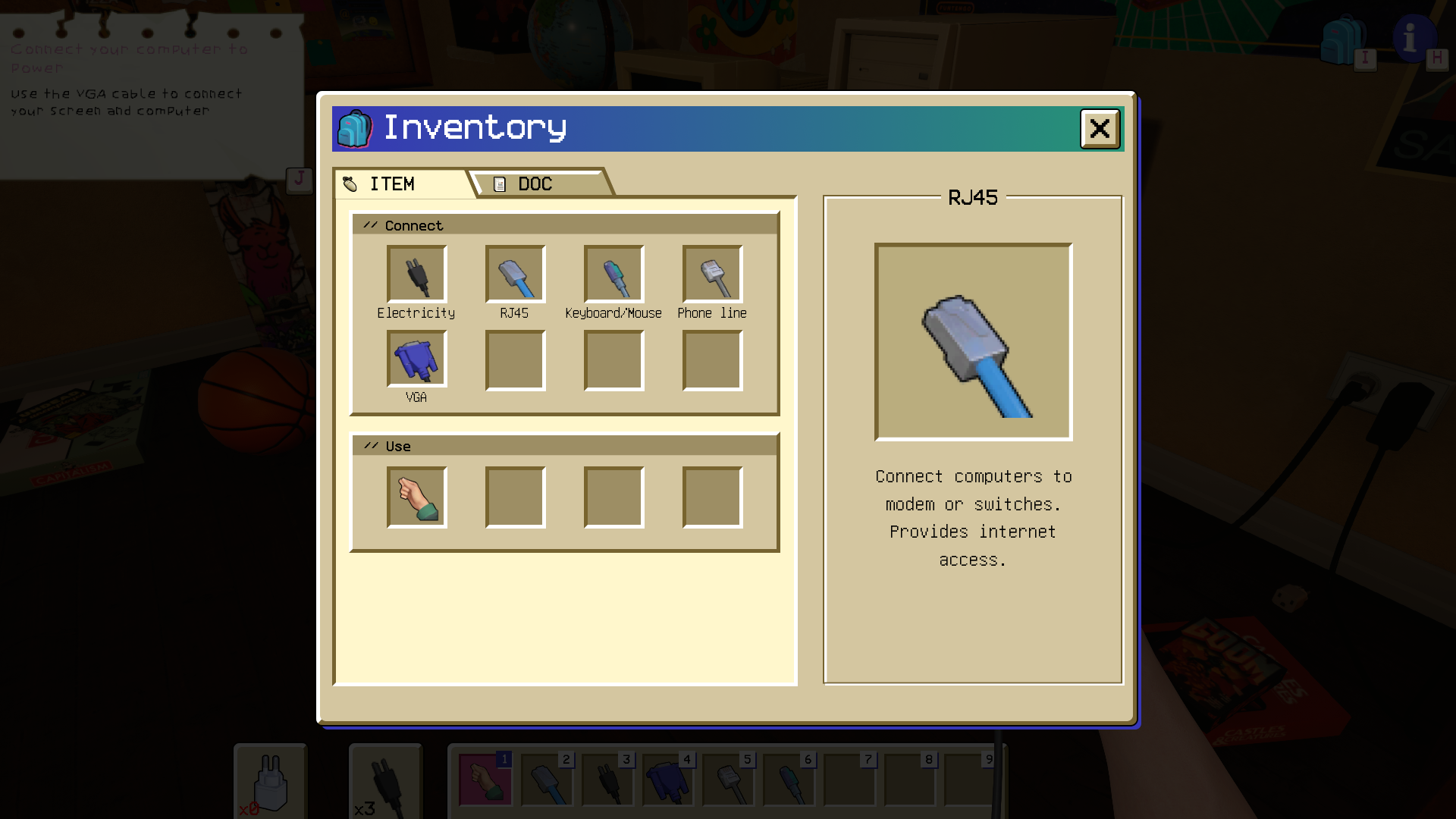
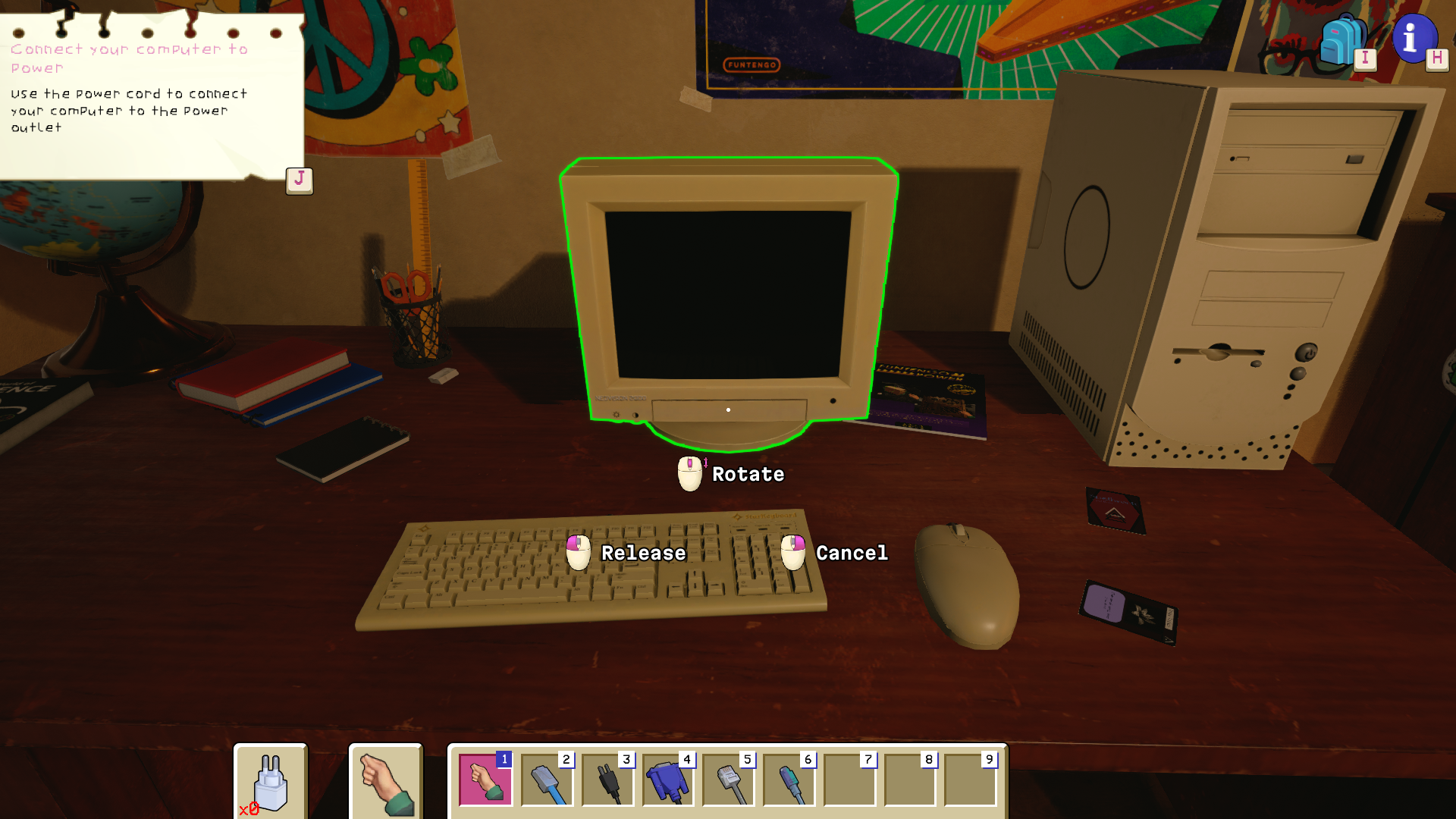
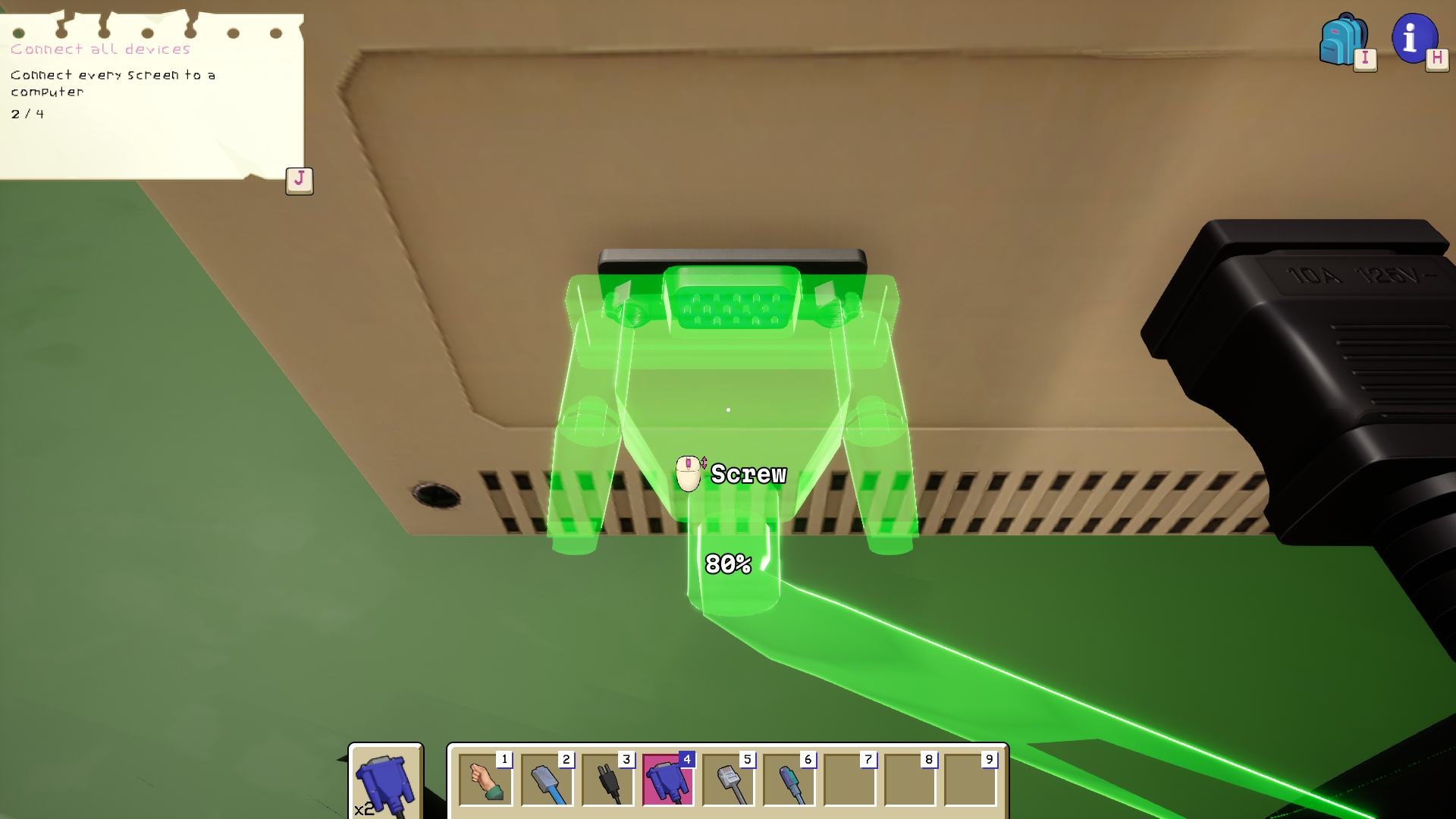
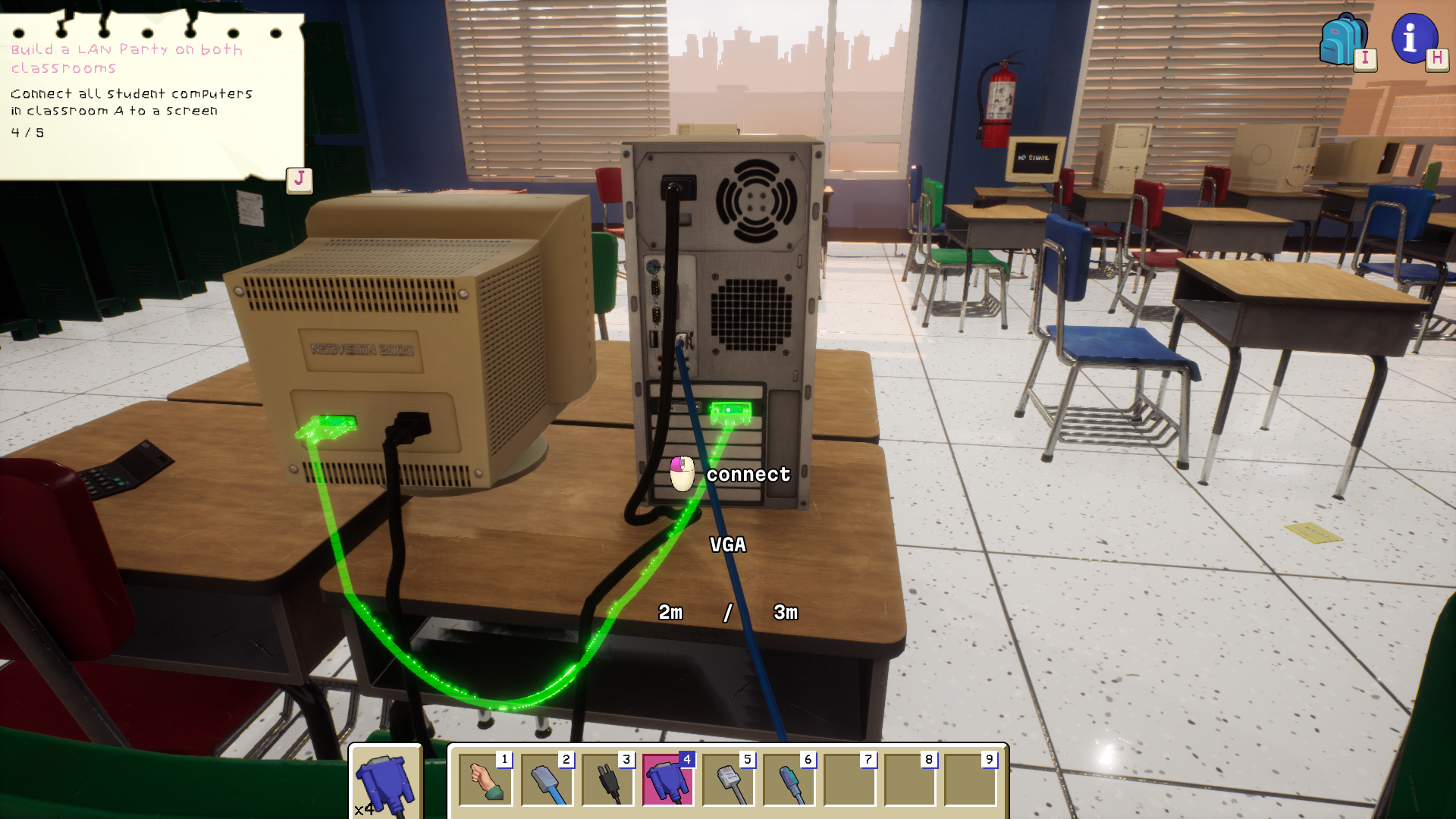
LAN Party Adventure est un puzzle-game disponible sur Steam. Développé par Leap Game Studios, il mélange réflexion et nostalgie dans une ambiance particulièrement relaxante. Le concept est simple et terriblement efficace : brancher et connecter des ordinateurs du début des années 2000. On manipule des câbles VGA bleus, des multiprises et des cartes réseau pour constituer de véritables LAN. Joué à la première personne, le titre offre des puzzles à la complexité croissante. Voyons ensemble ce qu’il a dans le ventre… 

Class of 1999

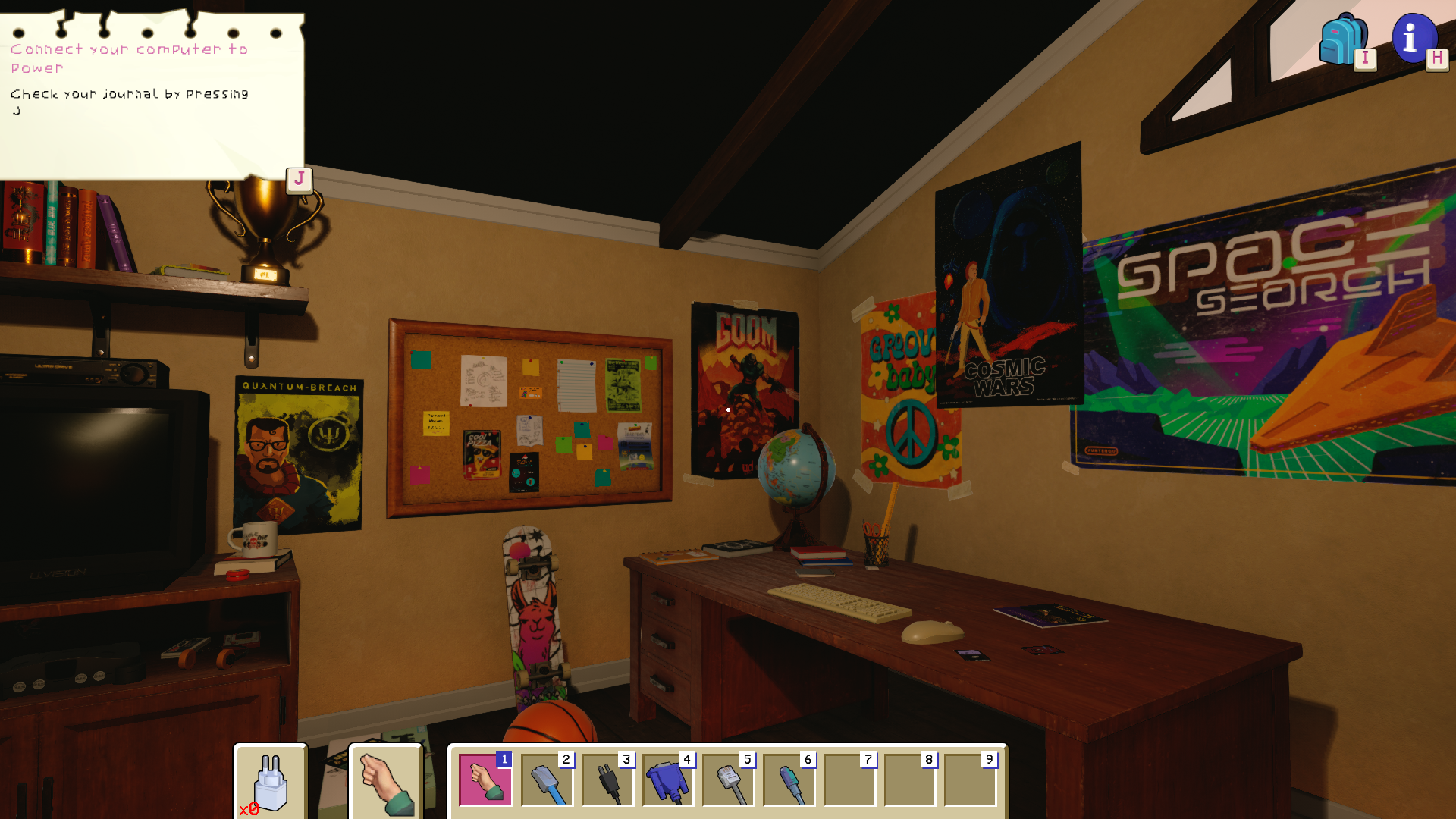
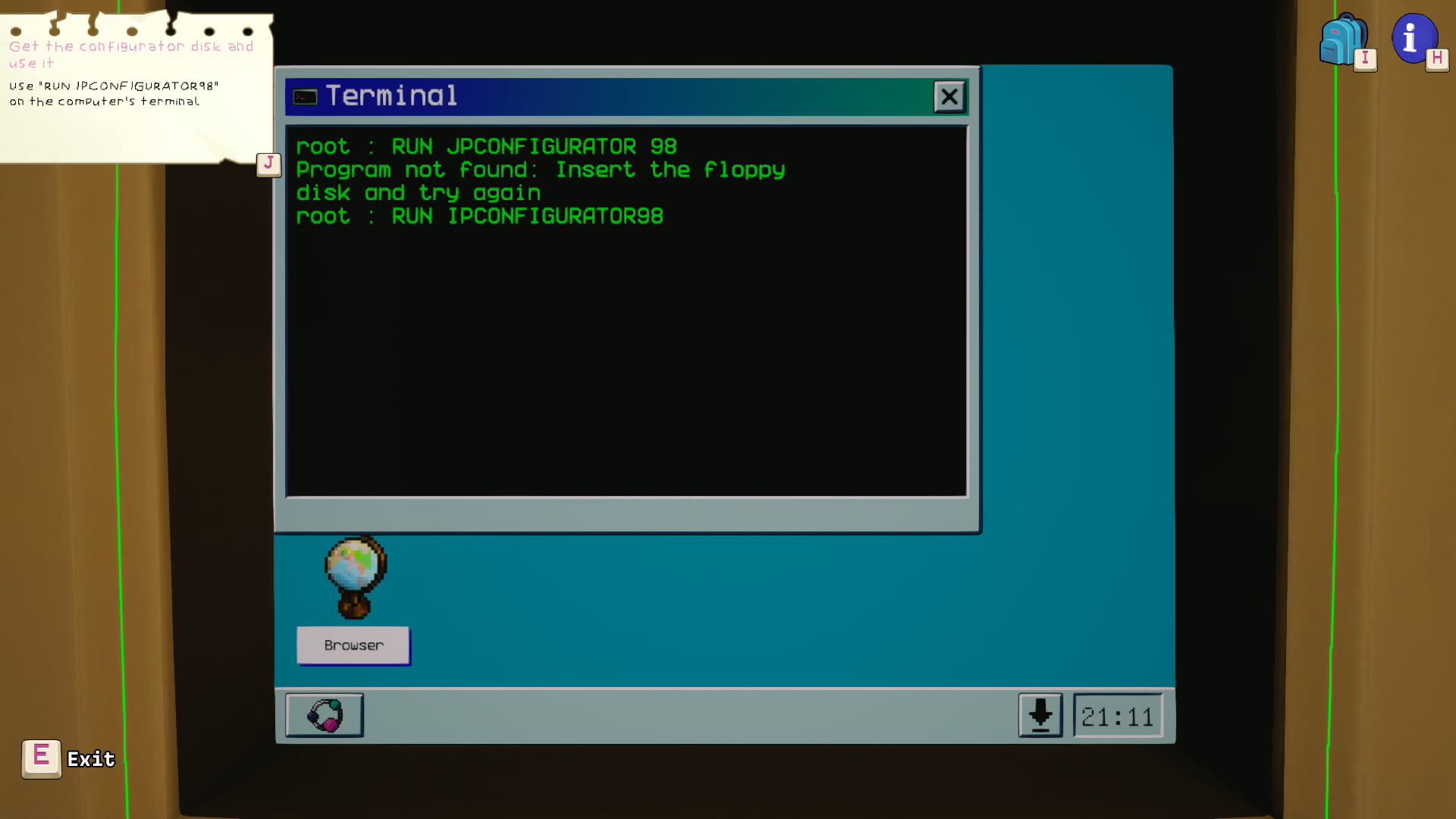
Le jeu vous place dans la peau d’un lycéen de l’an 2000. Vêtu de son plus beau t-shirt KoRn sous un hoodie Adidas délicieusement vintage, vous êtes le roi des ordinateurs. A tel point que vos potes vous appellent dès qu’ils ont un problème informatique. Vous commencez donc par installer votre PC dans votre chambre. Un tutoriel simple et efficace qui permet de s’immerger dans un ambiance que les moins de 35 ans ne peuvent pas connaître. On connecte les câbles et on tape des lignes de codes comme au bon vieux temps. Une boucle de gameplay qui m’évoque furieusement Motorcycle Mechanic Simulator. Un jeu dans lequel j’ai englouti une bonne vingtaine d’heures. 

On n’est pas chez mémé

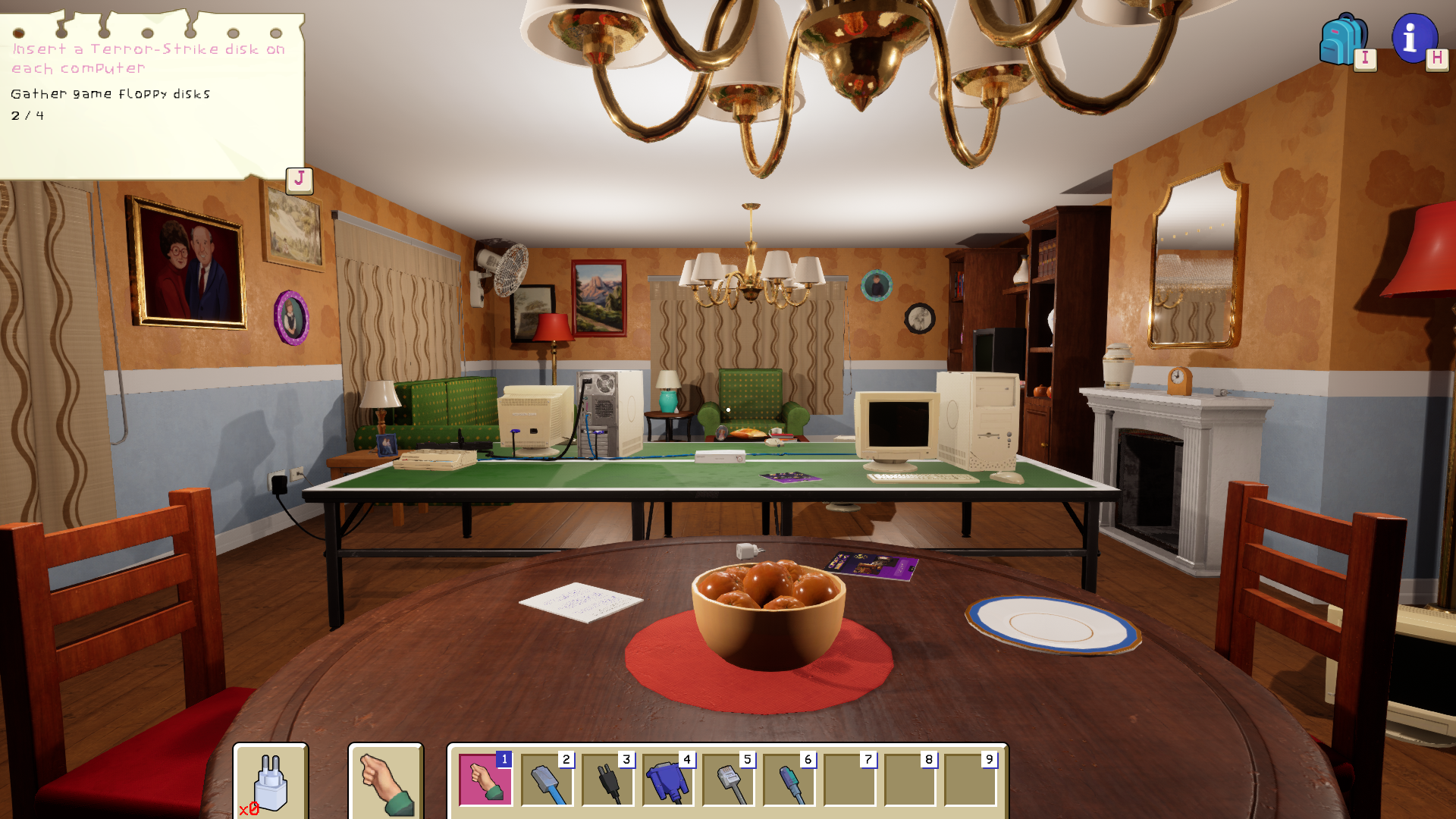
L’un des charmes du jeu réside dans la variété de ses environnements. Chaque niveau propose une nouvelle ambiance. On passe d’une chambre d’ado couverte de posters, à un salon vieillot, ou encore à une salle de classe aux néons froids. Ces décors, simples mais jolis, renforcent le côté cosy et relaxant du jeu. Tout en éveillant la fibre nostalgique de ceux ayant grandi à cette époque. La musique se résume quant à elle à quelques morceaux d’ambiance qui se marient plutôt bien avec le contexte. 

C’était mieux avant

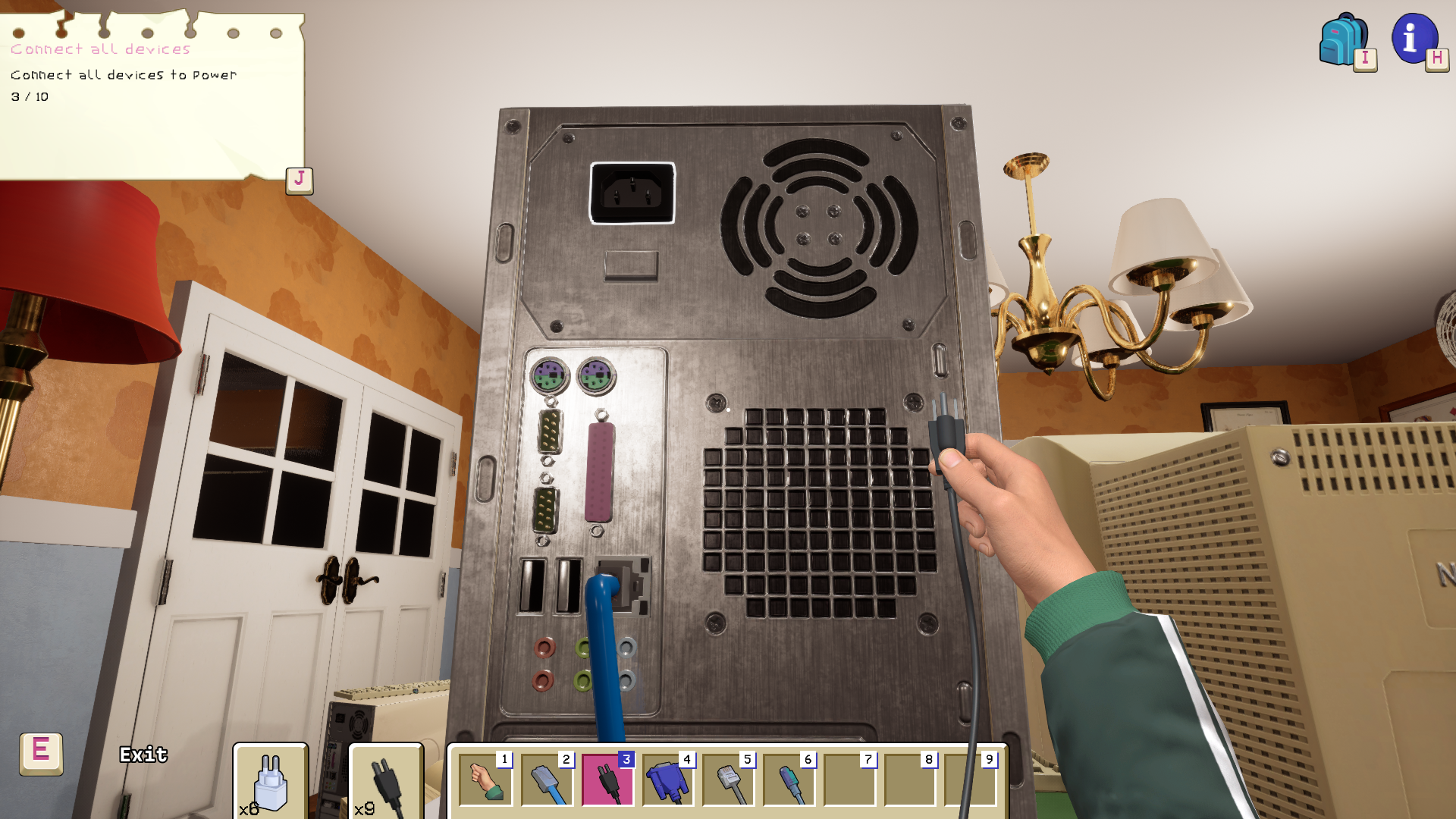
Les références à la culture gaming des années 2000 sont omniprésentes : vieux moniteurs CRT, tours beige, câbles entortillés, stickers rétro… Et bien sûr, ces fameux câbles VGA bleus que tous PCistes de l’époque ont un jour manipulés. Ce souci du détail participe pleinement au charme du jeu. On esquisse aussi un sourire devant les jaquettes parodiques de Doom, Counter Strike, ou encore Starcraft. 

Le Club des 5

En plus des puzzles, un mystère relie les différents niveaux. Car on ne se contente pas de brancher des PC pour passer la nuit à se fragger entre amis. L’un d’entre eux disparaît subitement, ce qui sert de fil conducteur à l’intrigue. Cette touche narrative ajoute une dimension d’enquête inattendue. Elle donne envie de progresser pour découvrir ce qui se cache derrière ces installations informatiques de plus en plus complexes.

Le bug de l’an 2000

Le jeu n’est pas exempt de défauts. Impossible, par exemple, de déplacer un ordinateur une fois qu’il est branché. Une petite erreur de placement peut donc forcer le joueur à tout déconnecter, ce qui casse parfois le rythme.

Malgré ce bémol, LAN Party Adventure reste un puzzle-game cosy, relaxant et terriblement nostalgique. Pour les amateurs de réflexion, de mystère et de vibes rétro, c’est une petite pépite sympathique à découvrir absolument. Vive la multiprise !

Test réalisé par Florian

Cet article TEST de LAN Party Adventure – Un puzzle-game nostalgique, cosy et relaxant est apparu en premier sur Insert Coin.

  •  

Réchauffement : peut-on réduire le CO2 océanique ?

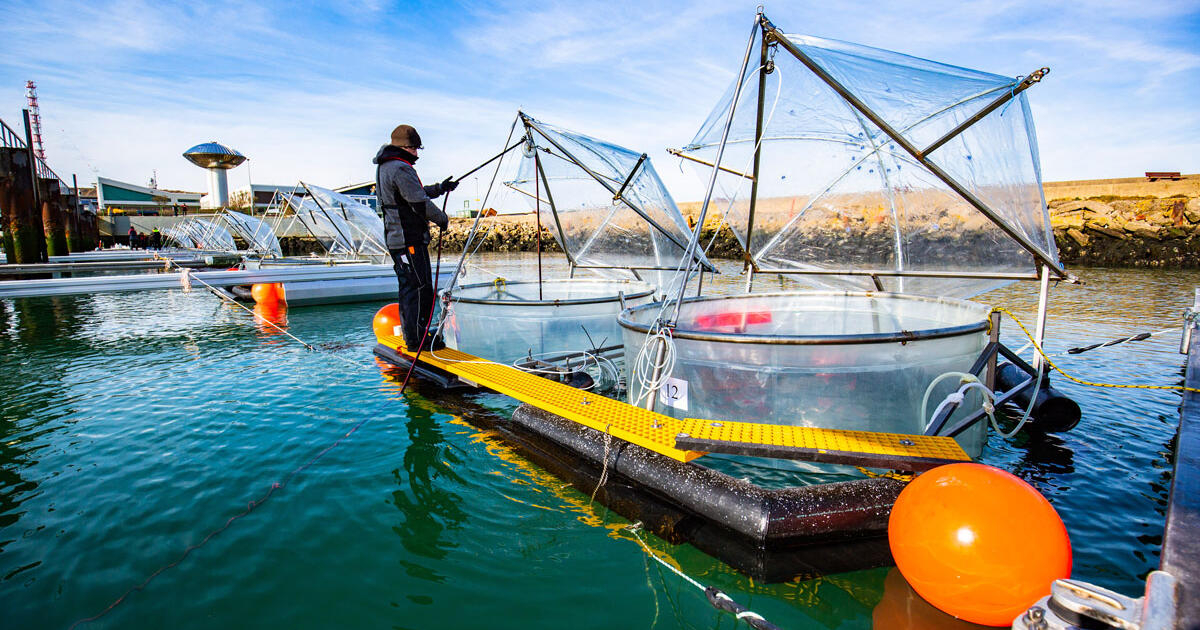
Face à l’urgence climatique, les techniques d’élimination du CO₂ dissous dans l’océan suscitent quelques espoirs et beaucoup d’inquiétudes. Comment procéder ? Quelles règles se donner ? Qui doit décider ? Les éclairages du biogéochimiste Olivier Sulpis, chargé d’évaluer ces méthodes.

  •  

Non-invasive wearable device measures blood flow to the brain

Measuring blood flow to the brain is essential for diagnosing and developing treatments for neurological disorders such as stroke, vascular dementia or traumatic brain injury. Performing this measurement non-invasively is challenging, however, and achieved predominantly using costly MRI and nuclear medicine imaging techniques.

Emerging as an alternative, modalities based on optical transcranial measurement are cost-effective and easy to use. In particular, speckle contrast optical spectroscopy (SCOS) – an offshoot of laser speckle contrast imaging, which uses laser light speckles to visualize blood vessels – can measure cerebral blood flow (CBF) with high temporal resolution, typically above 30 Hz, and cerebral blood volume (CBV) through optical signal attenuation.

Researchers at the California Institute of Technology (Caltech) and the Keck School of Medicine’s USC Neurorestoration Center have designed a lightweight SCOS system that accurately measures blood flow to the brain, distinguishing it from blood flow to the scalp. Co-senior author Charles Liu of the Keck School of Medicine and team describe the system and their initial experimentation with it in APL Bioengineering.

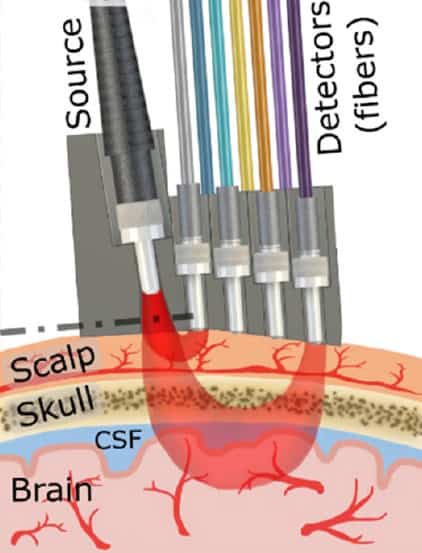
Detection channels in a speckle contrast optical spectroscopy system
Seven simultaneous measurements Detection channels with differing source-to-detector distances monitor blood dynamics in the scalp, skull and brain layers. (Courtesy: CC BY 4.0/APL Bioeng. 10.1063/5.0263953)

The SCOS system consists of a 3D-printed head mount designed for secure placement over the temple region. It holds a single 830 nm laser illumination fibre and seven detector fibres positioned at seven different source-to-detector (S–D) distances (between 0.6 and 2.6 cm) to simultaneously capture blood flow dynamics across layers of the scalp, skull and brain. Fibres with shorter S–D distances acquire shallower optical data from the scalp, while those with greater distances obtain deeper and broader data. The seven channels are synchronized to exhibit identical oscillation frequencies corresponding to the heart rate and cardiac cycle.

When the SCOS system directs the laser light onto a sample, multiple random scattering events occur before the light exits the sample, creating speckles. These speckles, which materialize on rapid timescales, are the result of interference of light travelling along different trajectories. Movement within the sample (of red blood cells, for instance) causes dynamic changes in the speckle field. These changes are captured by a multi-million-pixel camera with a frame rate above 30 frames/s and quantified by calculating the speckle contrast value for each image.

Human testing

The researchers used the SCOS system to perform CBF and CBV measurements in 20 healthy volunteers. To isolate and obtain surface blood dynamics from brain signals, the researchers gently pressed on the superficial temporal artery (a terminal branch of the external carotid artery that supplies blood to the face and scalp) to block blood flow to the scalp.

In tests on the volunteers, when temporal artery blood flow was occluded for 8 s, scalp-sensitive channels exhibited significant decreases in blood flow while brain-sensitive channels showed minimal change, enabling signals from the internal carotid artery that supplies blood to the brain to be clearly distinguished. Additionally, the team found that positioning the detector 2.3 cm or more away from the source allowed for optimal brain blood flow measurement while minimizing interference from the scalp.

“Combined with the simultaneous measurements at seven S–D separations, this approach enables the first quantitative experimental assessment of how scalp and brain signal contributions vary with depth in SCOS-based CBF measurements and, more broadly, in optical measurements,” they write. “This work also provides crucial insights into the optimal device S–D distance configuration for preferentially probing brain signal over scalp signal, with a practical and subject-friendly alternative for evaluating depth sensitivity, and complements more advanced, hardware-intensive strategies such as time-domain gating.”

The researchers are now working to improve the signal-to-noise ratio of the system. They plan to introduce a compact, portable laser and develop a custom-designed extended camera that spans over 3 cm in one dimension, enabling simultaneous and continuous measurement of blood dynamics across S–D distances from 0.5 to 3.5 cm. These design advancements will enhance spatial resolution and enable deeper brain measurements.

“This crucial step will help transition the system into a compact, wearable form suitable for clinical use,” comments Liu. “Importantly, the measurements described in this publication were achieved in human subjects in a very similar manner to how the final device will be used, greatly reducing barriers to clinical application.”

“I believe this study will advance the engineering of SCOS systems and bring us closer to a wearable, clinically practical device for monitoring brain blood flow,” adds co-author Simon Mahler, now at Stevens Institute of Technology. “I am particularly excited about the next stage of this project: developing a wearable SCOS system that can simultaneously measure both scalp and brain blood flow, which will unlock many fascinating new experiments.”

The post Non-invasive wearable device measures blood flow to the brain appeared first on Physics World.

  •  
❌