↩ Accueil

Vue lecture

CES 2026: PNY targets SFF enthusiasts with dual-slot GeForce RTX 5080 and 5070 Slim

PNY has officially entered the 2026 Small Form Factor (SFF) market at CES 2026, unveiling a trio of Blackwell-based graphics cards designed to fit where most modern flagships cannot. The new GeForce RTX 5080, RTX 5070 Ti and RTX 5070 Slim models all adhere to a strict dual-slot, 40mm-thick design, making them suitable for SFF builds. By leveraging a redesigned thermal solution that utilises a vapour chamber and an aluminium backplate, PNY aims to provide the full performance of Nvidia's reference specifications without the massive physical footprint

The flagship of this compact series is the PNY GeForce RTX 5080 16GB Slim. PNY is shipping both standard and factory-overclocked versions, with the OC model boosting up to 2730MHz. Cooling a 360W TDP dual-slot card measuring 300mm in length and 40mm in thickness is no small feat, which is why PNY has equipped the 5080 with dual 120mm fans. These fans are designed to move more air at lower RPMs, theoretically keeping the noise floor manageable even during heavy 4K gaming loads
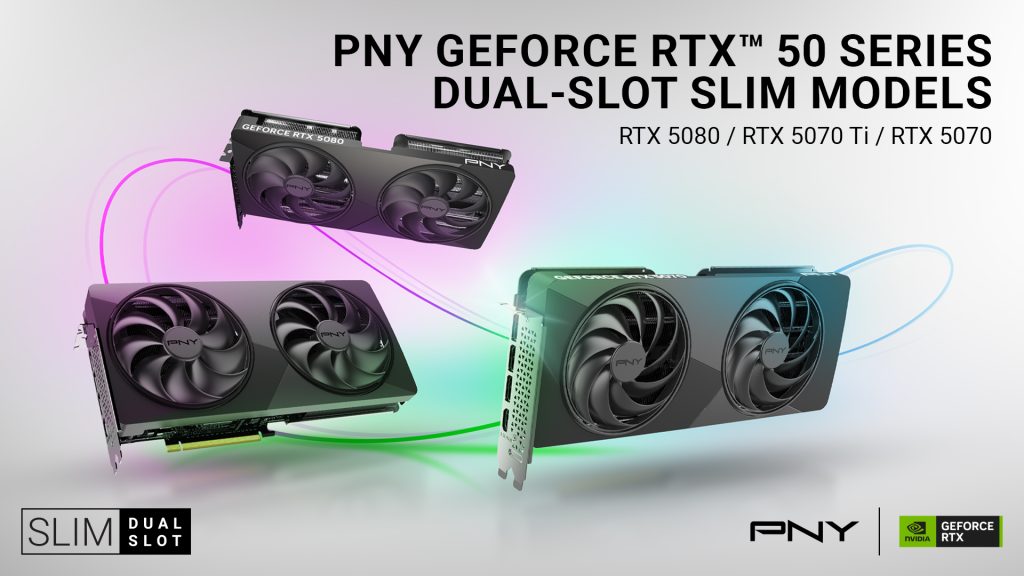
Sitting just below the flagship, the RTX 5070 Ti Slim is arguably the most interesting entry for SFF builders, as Nvidia isn't producing a Founders Edition for this SKU. PNY's version has a 300W TDP and fits into a slightly shorter 290mm chassis. Further down the stack, the RTX 5070 Slim is even smaller, measuring 128mm wide and featuring a pair of 100mm fans. All three models use a PCIe 5.0 interface and offer modern display connectivity, including three DisplayPort 2.1b outputs and a single HDMI 2.1b port.

Software control is handled by PNY's VelocityX suite, which allows for real-time telemetry monitoring, custom fan curves and manual OC. While the cards lack the ARGB lighting found on the more mainstream Epic-X series, the clean, industrial aesthetic is clearly aimed at users who prefer performance over flair. PNY expects these units to hit retail shelves in February 2026.

Discuss on our Facebook page, HERE.

KitGuru says: PNY is filling a gap in the market here, particularly with the dual-slot RTX 5070 Ti. For those building in restrictive spaces, these Slim models might be one of the few ways to get a high-end RTX 50 card on their systems.

The post CES 2026: PNY targets SFF enthusiasts with dual-slot GeForce RTX 5080 and 5070 Slim first appeared on KitGuru.
  •  

CES 2026: Tryx expands its lineup with new cooling solutions and cases

Following the launch of its Panorama series last year, Tryx has made a mark on the PC hardware market. At CES 2026, the brand is expanding its lineup to new segments with a trio of products that push the limits of how much screen real estate you can realistically fit inside a chassis. Headlining the launch is the Stage 360 AIO, a liquid cooler that ditches the single-panel approach for a unique “spliced” dual-display setup. Alongside the AIO comes a “lifestyle” chassis with a cross-flow fan design and the company’s first high-end CPU cooler, the Turris 620.

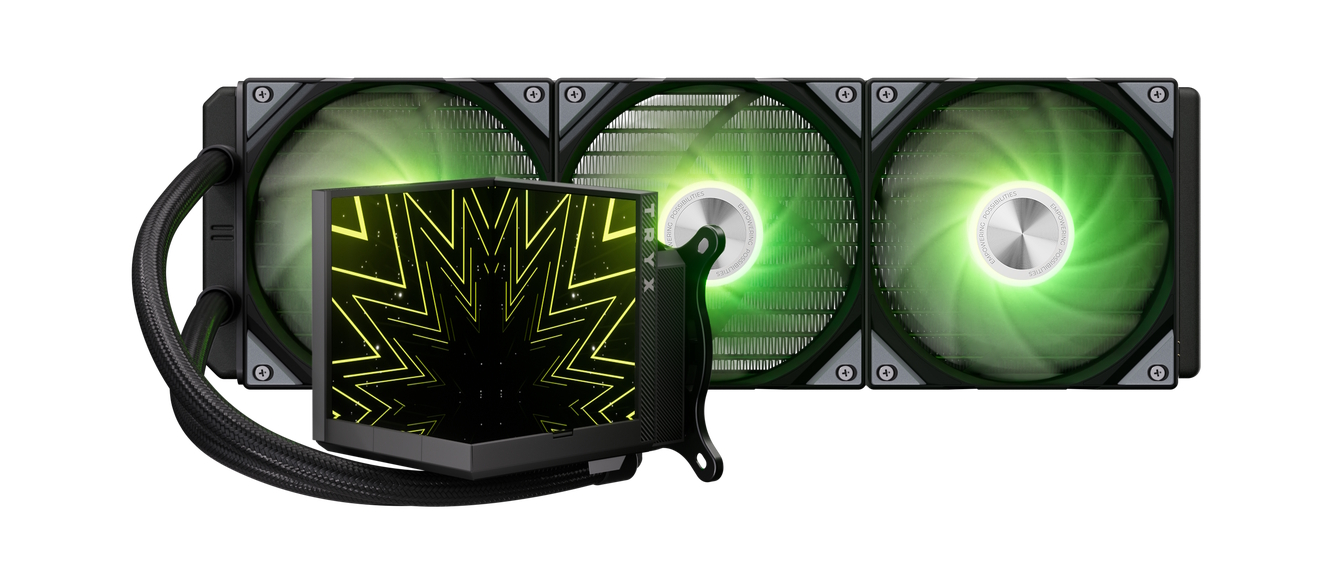
The Stage 360 liquid cooler offers an upgrade over typical LCD-on-pump systems. Rather than a single large screen, Tryx has integrated two 4.0-inch IPS displays onto an aluminium pump base, “spliced” together to create a continuous visual stage. With a pixel density of 254 PPI and a 720×720 resolution per panel, the visual fidelity is high enough to display detailed animations or even support small physical figurines placed on the base. Configuration is handled through the company’s Kanali software. Under the hood, the unit relies on 8th-gen Asetek technology and triple Rota SL ARGB fans to handle a rated TDP of 280W.

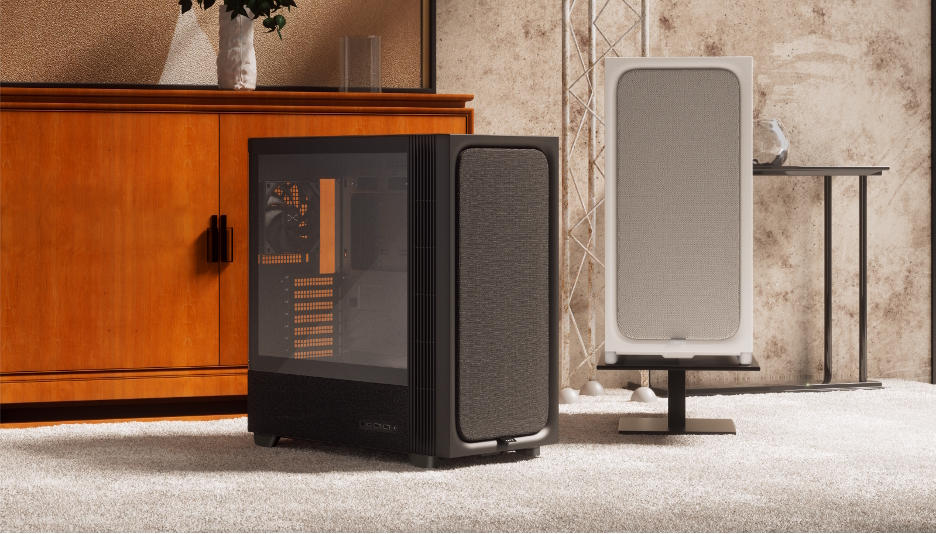
Moving to the chassis, the Flova F50 mid-tower was designed to blend a PC case with home aesthetics. The case features ventilated fabric-finished panels available in black, white or pink. However, the real innovation is the proprietary Tryx Cross-Flow (TCF) fan. Unlike traditional axial fans that push air in a straight line, the TCF is a side-mounted drum-style fan that creates a 90-degree airflow channel. This uniform wall of air is intended to eliminate dead spots over the motherboard and GPU while operating at an ultra-quiet 20 dBA. The case is also modern in its compatibility, offering full support for back-connect motherboards like Asus BTF and MSI Project Zero.

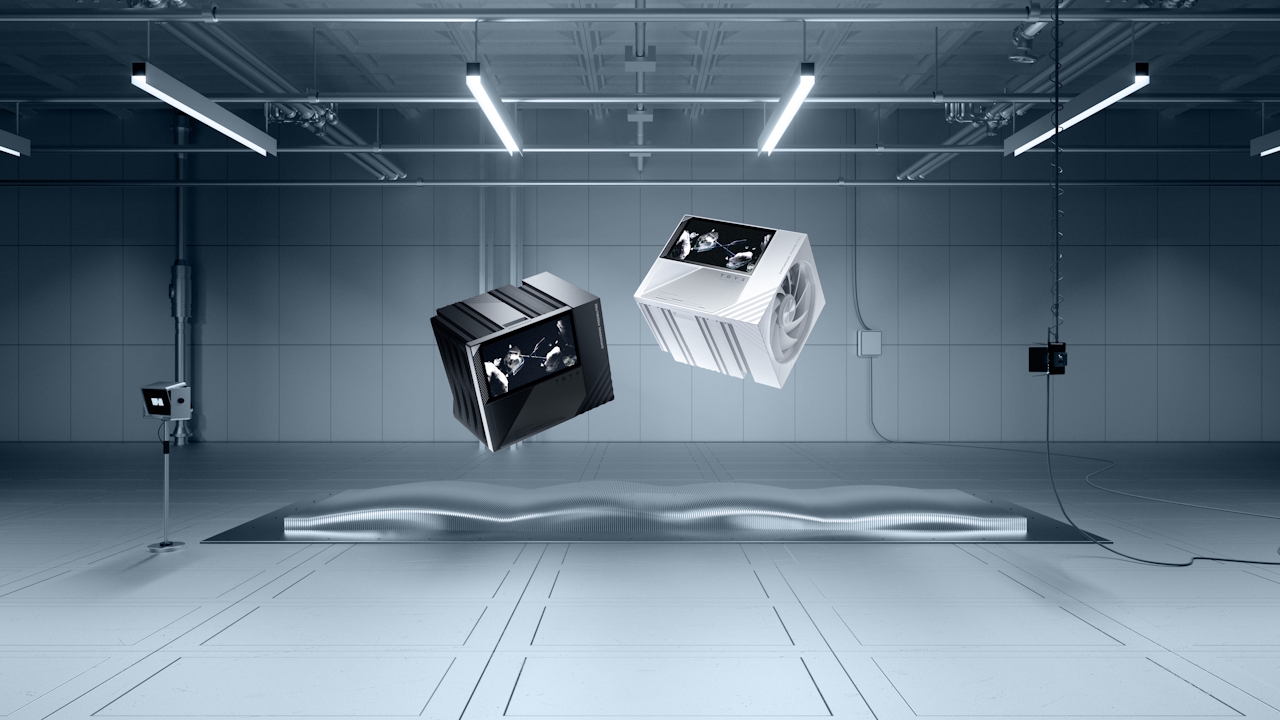
For those who prefer air cooling but still want the “screen-on-everything” aesthetic, the Turris 620 aims to deliver. This dual-tower heatsink features a massive 5.0-inch ultra-wide HD IPS display that is magnetically mounted to the top. The cooler uses a six-heatpipe configuration and a nickel-plated micro-convex base, and it can tame CPUs up to 280W. Installation is simplified through a rail system for the Rota fans, allowing them to be snapped into place without the usual struggle of wire clips.

The Stage 360 is expected to hit European shelves in February 2026 for £199.99/€229.99. The Flova F50 will arrive around the same time, starting at £129.99/€144.99, while the Turris 620 is slated for a March release with pricing to be confirmed closer to launch.

Discuss on our Facebook page, HERE.

KitGuru says: The engineering behind the Flova F50's cross-flow fan is legitimately interesting. If that TCF fan can actually deliver on its promise of silent, uniform cooling, Tryx might have more than just coolers with big displays on its hands.

The post CES 2026: Tryx expands its lineup with new cooling solutions and cases first appeared on KitGuru.

  •  

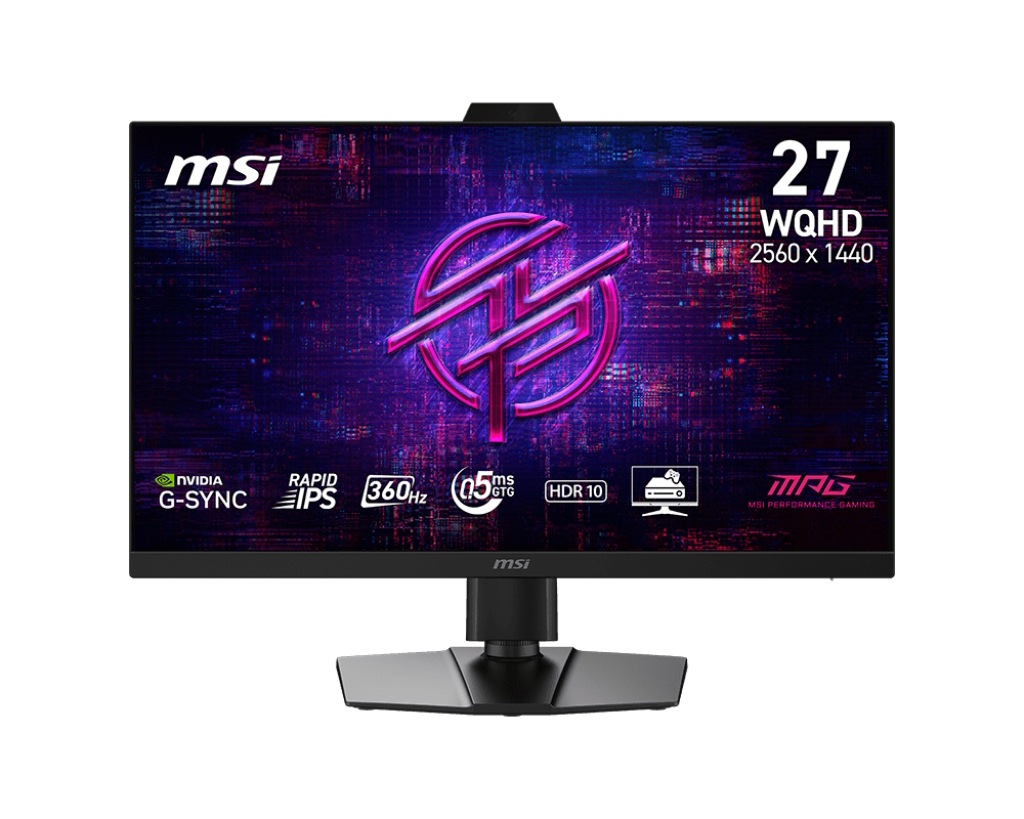
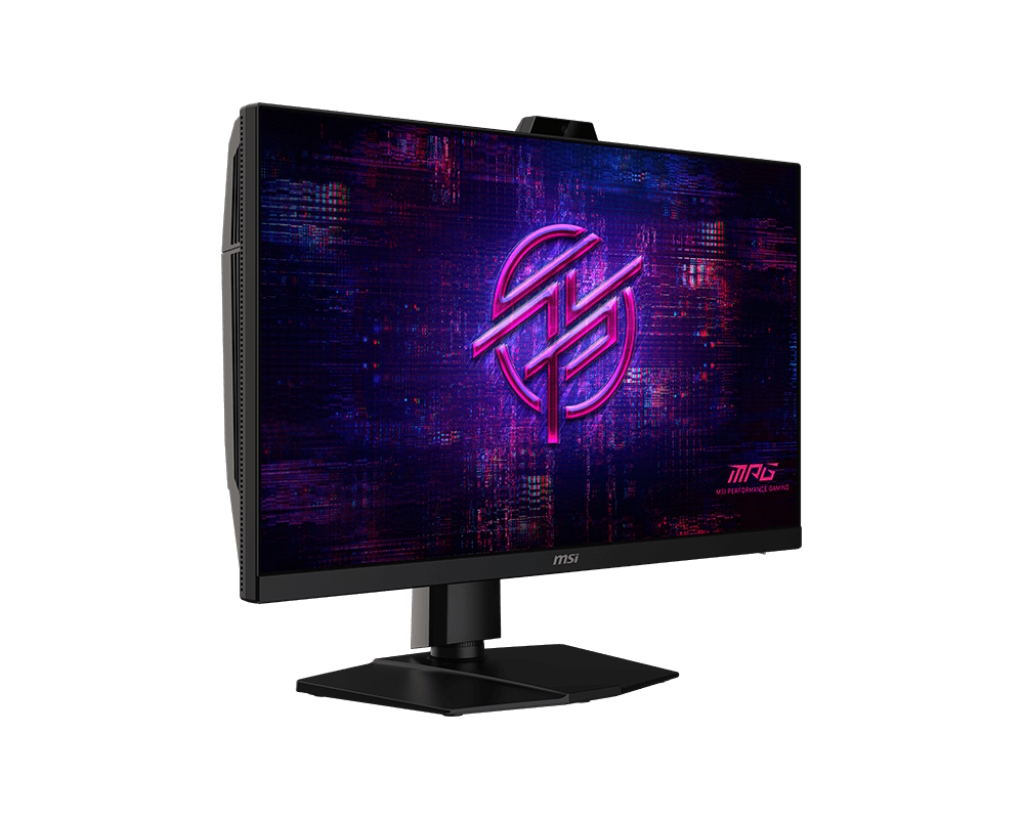
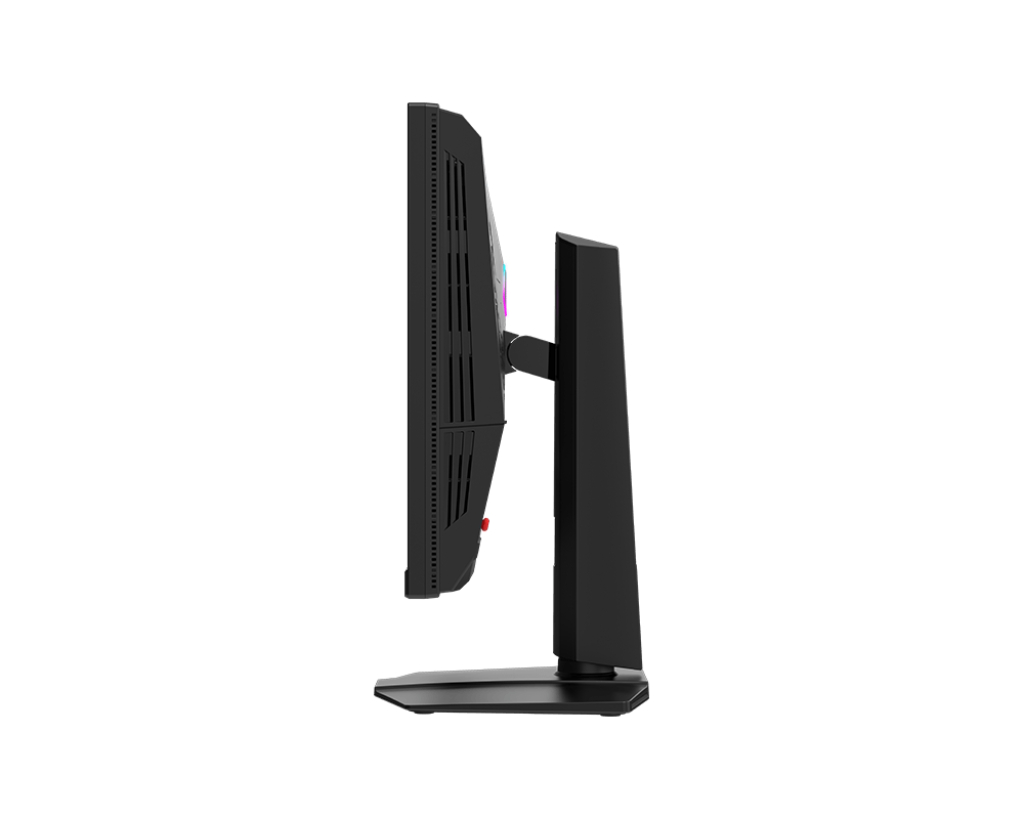
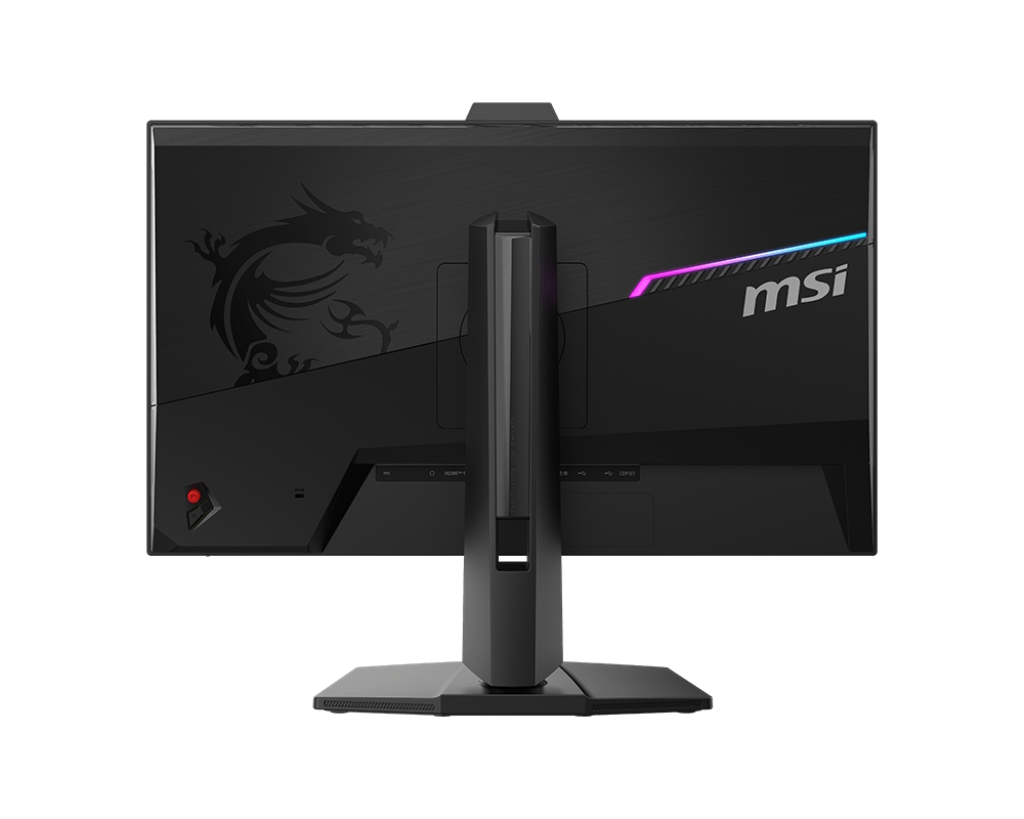
CES 2026: MSI introduces the MPG 272QRF X36, its first Nvidia G-Sync Pulsar monitor

MSI has officially launched the MPG 272QRF X36, a monitor developed in close partnership with Nvidia to spearhead the arrival of G‑Sync Pulsar technology. Aimed at the competitive gaming market, this 27‑inch Rapid IPS display pairs a native WQHD (2560 x 1440) resolution with a 360Hz refresh rate. While high‑refresh displays are increasingly common in the competitive scene, the MPG 272QRF X36 distinguishes itself by finally unifying variable refresh rate (VRR) and backlight strobing without the traditional compromises of flickering or screen tearing

Nvidia’s G‑Sync Pulsar technology is what makes this possible. Historically, gamers had to choose between the stutter‑free experience of G‑Sync and the superior motion clarity of backlight strobing (ULMB). Pulsar eliminates this by using variable‑frequency backlight strobing to synchronise with the GPU’s fluctuating frame rate. By dividing the backlight into multiple horizontal sections and utilising a “rolling scan” technique, the monitor pulses the backlight for only 25% of each frame duration. This ensures pixels have time to stabilise before they are illuminated, resulting in what Nvidia claims is a fourfold improvement in motion clarity (240 FPS has the motion clarity of 960Hz).

Beyond raw speed, the MPG 272QRF X36 integrates several quality‑of‑life features for varying environments. The G‑Sync Ambient Adaptive system utilises an on‑board light sensor to monitor the user’s surroundings, automatically adjusting brightness and colour temperature to maintain optimal contrast while reducing eye strain. Competitive players who still prefer lower resolutions for performance reasons will also find value in the 25″ Mode simulation. This feature provides pixel‑perfect scaling for resolutions such as 1920 x 1080 and 1280 x 960, allowing players to use a smaller windowed area with reduced interpolation artefacts or blur.

The monitor uses a Rapid IPS panel with 10‑bit colour support (8‑bit + FRC) and a peak brightness rating of 500 nits. Connectivity includes dual HDMI 2.1 ports and a DisplayPort 1.4a input. The display also supports user‑updatable firmware directly from Nvidia, allowing the G‑Sync module to receive performance optimisations post‑purchase. The MPG 272QRF X36 is priced at $649.99.

Discuss on our Facebook page, HERE.

KitGuru says: Nvidia's G-Sync Pulsar is very promising. However, considering you're getting a 27-inch IPS panel when you could get a 27/32-inch 4K OLED monitor for the same price, potential buyers will have to evaluate if they really value motion clarity that much.

The post CES 2026: MSI introduces the MPG 272QRF X36, its first Nvidia G-Sync Pulsar monitor first appeared on KitGuru.
  •  

CES 2026: Corsair unveils new peripherals for the enthusiast segment

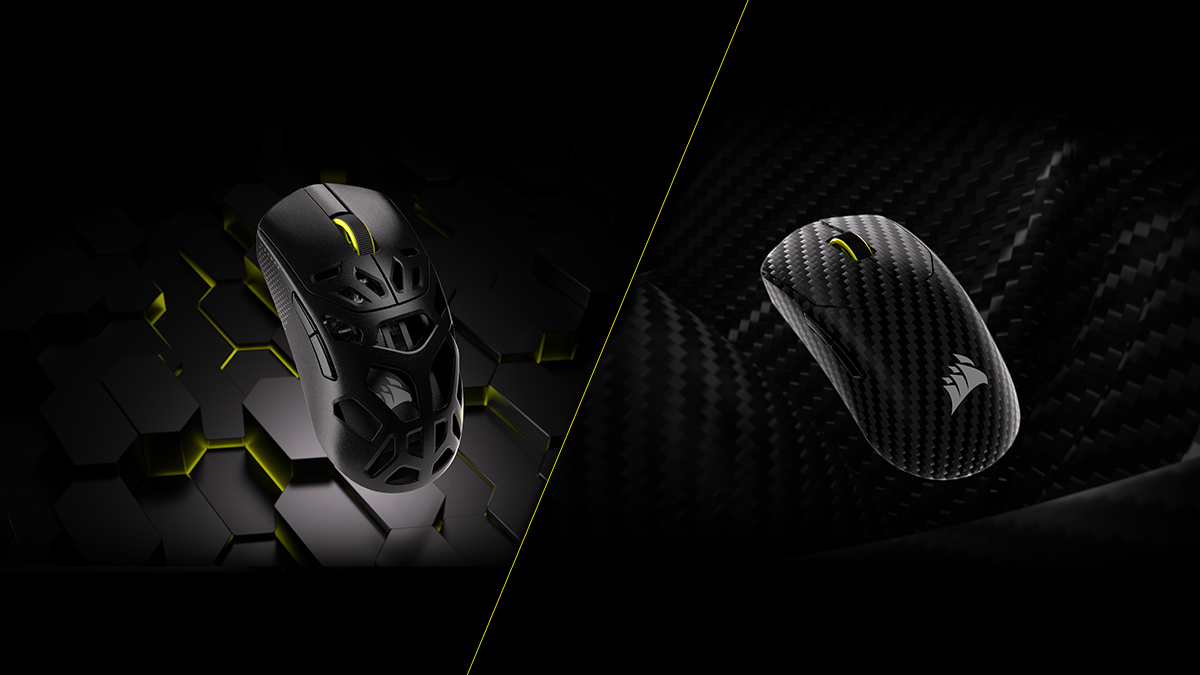
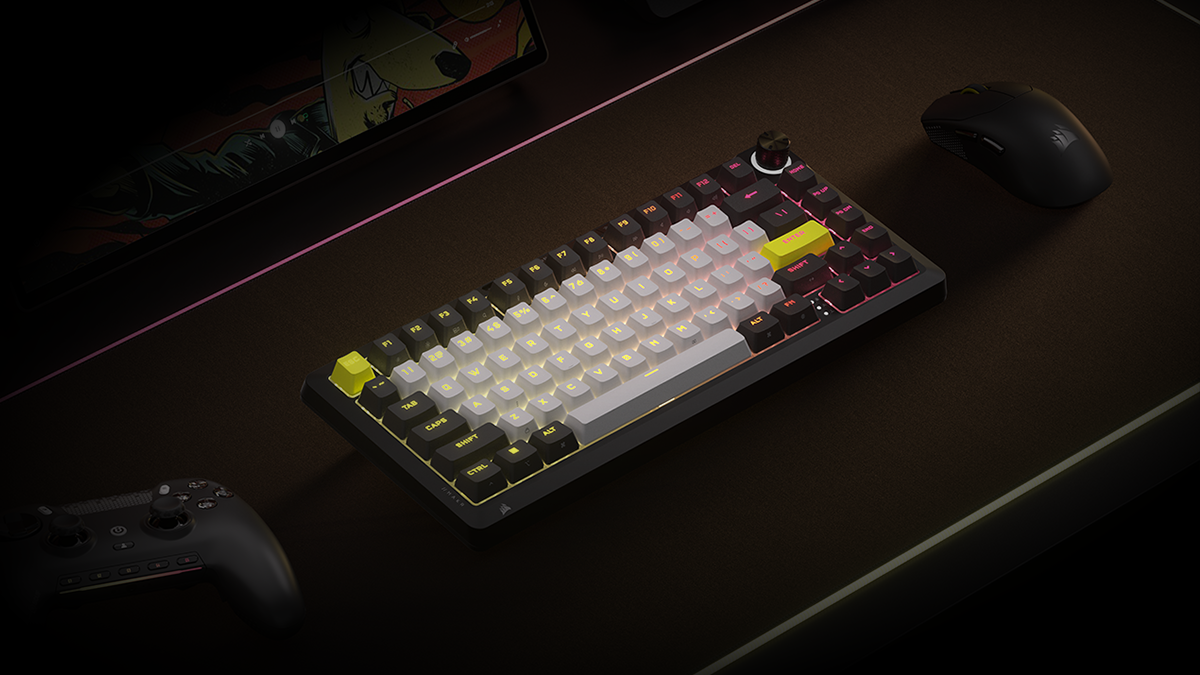
Corsair has arrived at CES 2026 with a clear focus on the upper echelons of competitive play, unveiling a refreshed peripheral lineup that prioritises new materials and rapid‑response Hall Effect technology. For mice, Corsair is introducing two iterations of the Sabre V2 Pro wireless mouse: one built from carbon fibre and the other from magnesium alloy. As for keyboards, the company has revealed the Makr Pro 75, an enthusiast‑grade mechanical keyboard that brings magnetic switch functionality to the Makr platform.

The new Sabre V2 Pro Wireless variants use high‑rigidity shells while keeping weight to a minimum. The Sabre V2 Pro CF utilises a 55g carbon fibre unibody, while the Sabre V2 Pro MG features a 56g magnesium alloy chassis. Both models retain the 8000Hz hyper‑polling capability and the 33,000 DPI Marksman S optical sensor found in the ultralight model. These material‑focused versions instead aim to eliminate micro‑flex during high‑intensity sessions. Battery life is rated at up to 120 hours at a 1000Hz polling rate, dropping to around 21 hours at 8000Hz.

The Makr Pro 75 serves as the spiritual successor to the original Makr 75. Unlike its predecessor, which focused heavily on the barebones experience, the Pro 75 arrives as a fully assembled unit featuring MGX Hyperdrive magnetic switches. These Hall Effect switches enable performance features such as Rapid Trigger and FlashTap SOCD, allowing near‑instantaneous counter‑strafing and movement resets. The keyboard maintains its enthusiast roots with an aluminium frame, an FR4 switch plate, and eight layers of internal sound damping. Modularity remains a key selling point, with support for secondary modules such as an LCD or a wireless add‑on.

To complement the new hardware, Corsair also debuted the MM Pro Control Large esports‑tuned cloth mousepad. Designed for high‑precision tracking, the pad features a 4mm‑thick cushioned surface and a hex‑patterned polyurethane base to ensure stability during rapid flicks. The sloped edges are intended to provide more consistent stopping power, helping players who struggle with overtravel on standard cloth surfaces.

All these peripherals are now on sale, with the Sabre V2 Pro CF priced at £159.99 and the MG at £119.99. The new Makr Pro 75 is £219.99, and the MM Pro Control Large is £49.99.

Discuss on our Facebook page, HERE.

KitGuru says: While a 56g magnesium mouse might seem counterintuitive compared to the 36g plastic original, the added structural rigidity and premium feel could be a major draw for players who find ultralight plastic a bit too “toy‑like”

The post CES 2026: Corsair unveils new peripherals for the enthusiast segment first appeared on KitGuru.
  •  

CES 2026: Razer goes all-in on AI with Project Ava and Snapdragon-powered wearables

Razer is using its CES 2026 campaign to showcase its “AI Gaming Ecosystem”, moving beyond traditional peripherals and into autonomous digital companions and enterprise‑grade AI workstations. The lineup is headlined by Project Ava, a physical evolution of Razer’s earlier AI coaching software, and Project Motoko, an AI‑integrated headset positioned as an alternative to smart glasses for the AI‑driven generation.

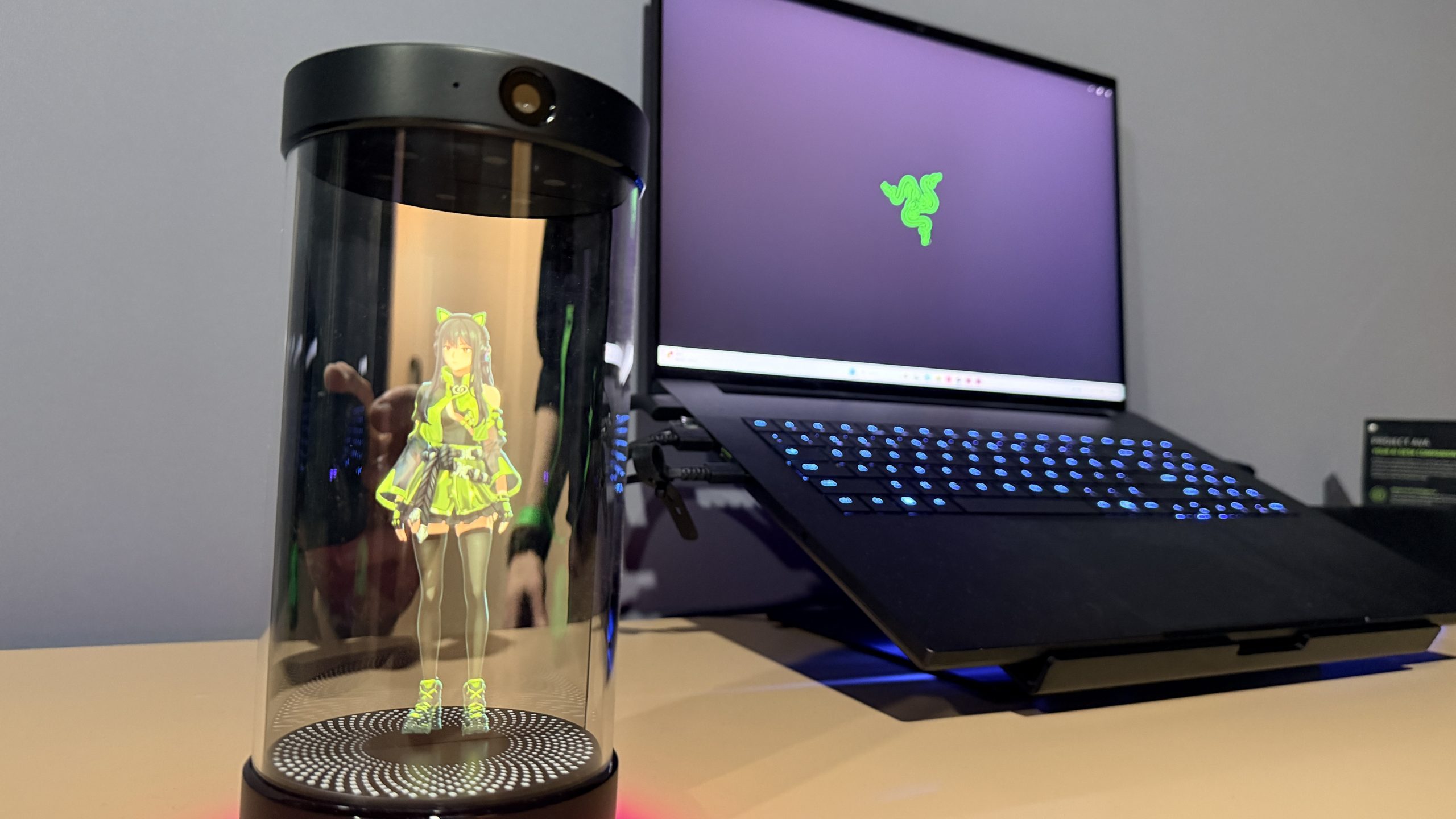
Starting with Project Ava, this cylindrical desktop device houses a 5.5‑inch animated avatar inside a transparent shell. Evolving from an abstract esports coach into a full “digital partner”, Ava uses a top‑mounted camera and PC Vision Mode to monitor gameplay or productivity in real time. Whether offering weapon loadout recommendations in shooters or managing your calendar while you work, Ava is designed as a persona‑driven assistant that sits beside your monitor rather than appearing as an on‑screen overlay. Razer has already opened reservations in the US, featuring the default character “Kira”, with support for custom avatars planned for the future.

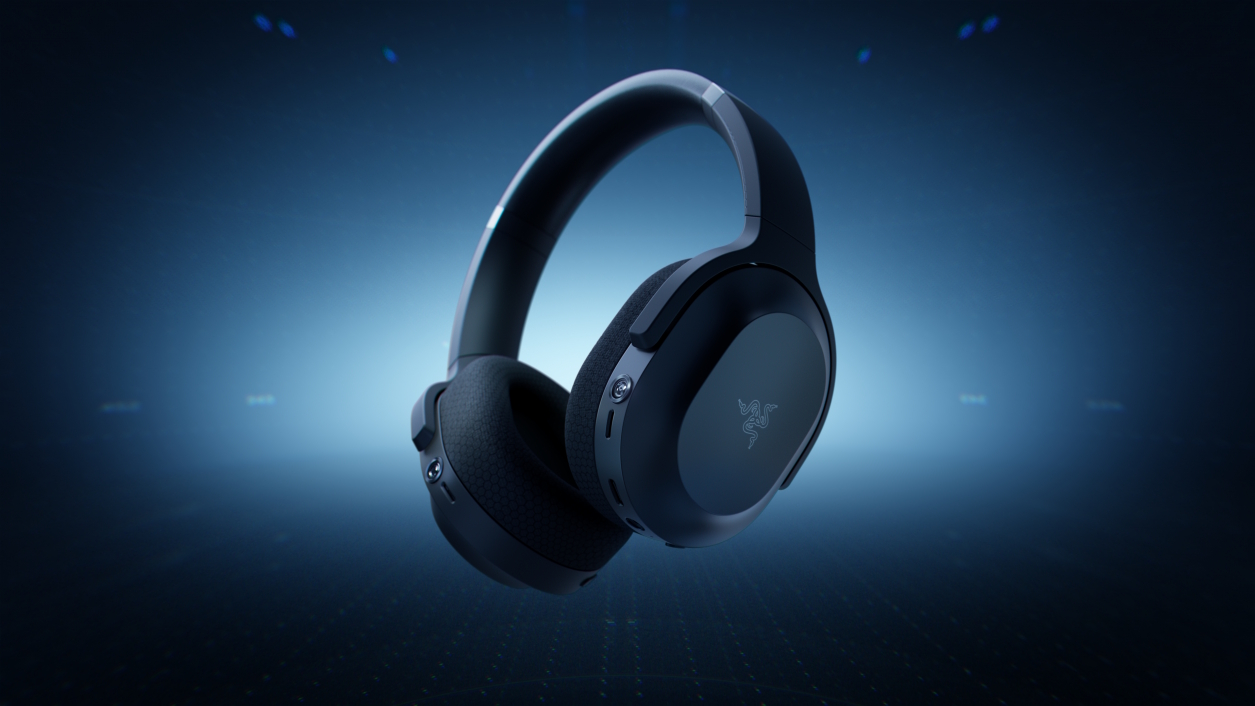
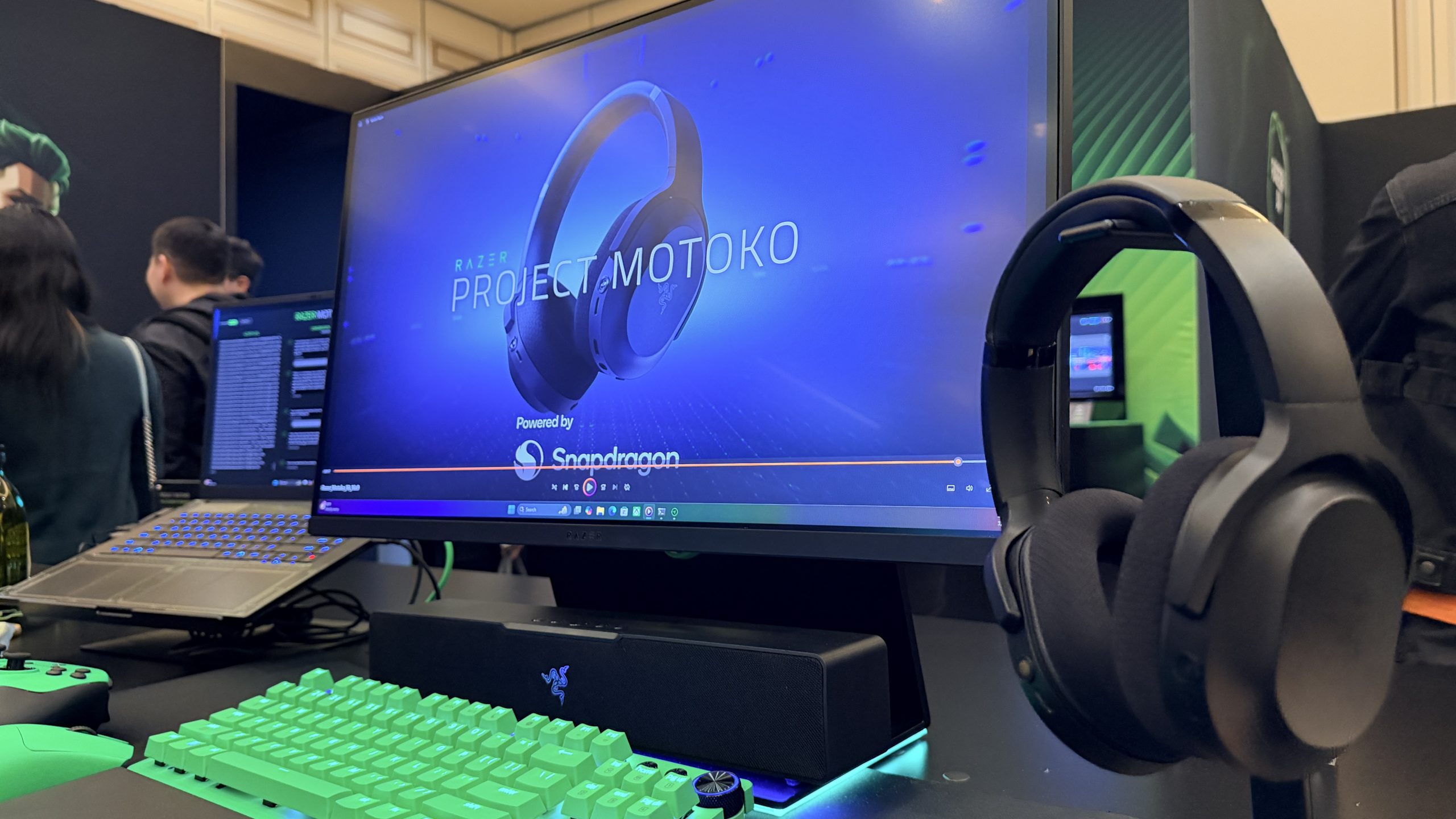
For users on the move, Project Motoko introduces an AI‑powered wireless headset built on Qualcomm Snapdragon silicon. Unlike current smart glasses, Motoko relies on high‑fidelity audio feedback and dual first‑person cameras to deliver visual and environmental awareness. It supports translation, object recognition, and real‑time guidance, all while offering up to 40 hours of battery life. Razer is keeping the platform engine‑agnostic, enabling it to run local or cloud‑based models from OpenAI, Google, or even Tenstorrent’s mobile accelerators.

Razer is also making a pivot into the enterprise and research sectors with a dedicated suite of AI development tools:

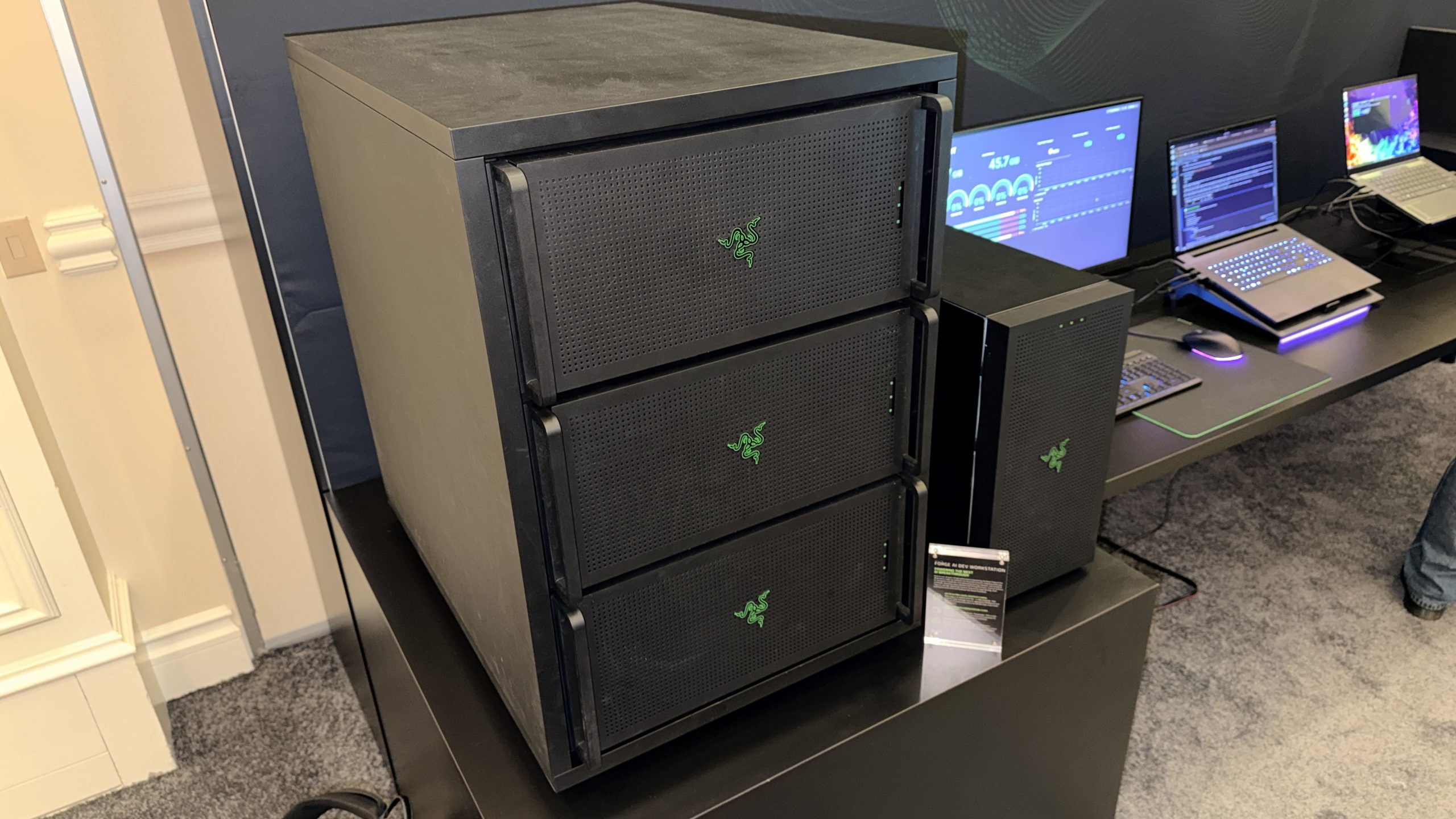
  • Razer Forge AI Dev Workstation: A localised powerhouse built for training Large Language Models (LLMs) and running complex simulations. It supports multiple professional GPUs (including the Nvidia RTX Pro 6000 Blackwell series) and workstation-class CPUs from the AMD Threadripper Pro or Intel Xeon W lines.
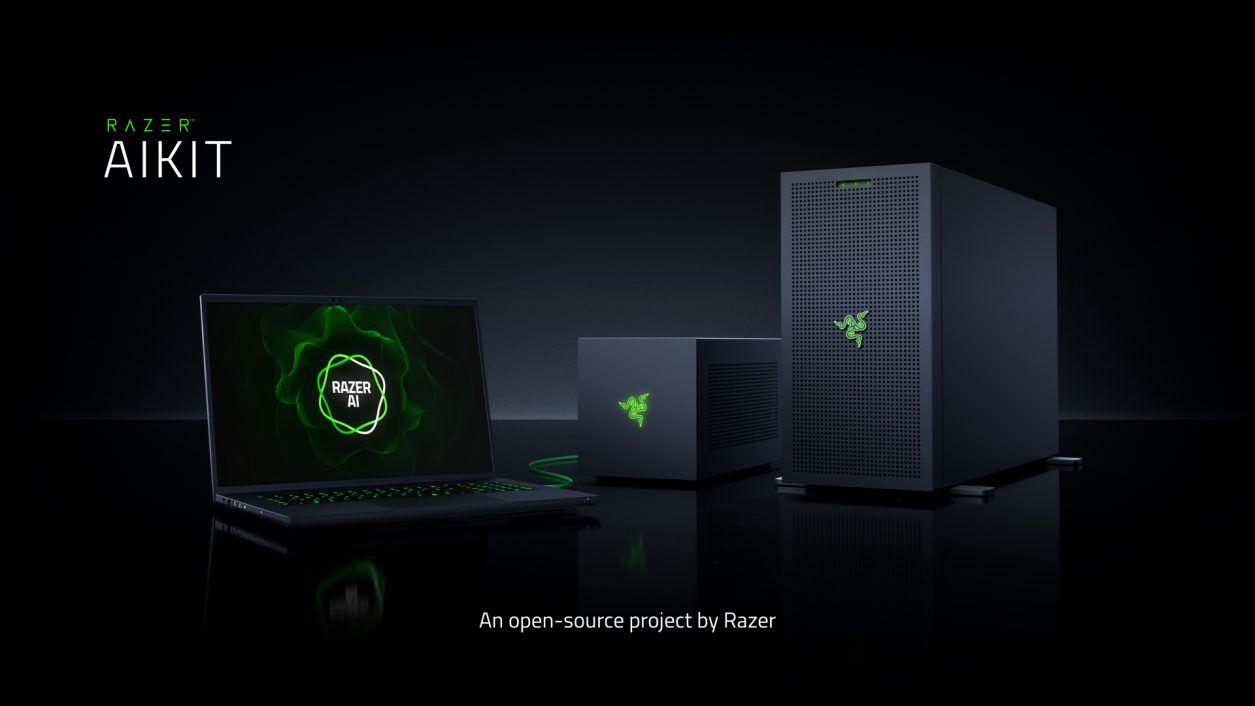
  • Razer AIKit: An open-source, local-first workflow tool available on GitHub. It allows researchers to fine-tune models on local hardware with cloud-comparable performance, featuring automatic GPU discovery and cluster formation.
  • Tenstorrent Partnership: In collaboration with Jim Keller's Tenstorrent, Razer is launching a compact AI accelerator that connects via Thunderbolt 5. Using “Wormhole” technology, these modular units can be daisy-chained to provide desktop-class generative AI performance to laptops and handheld PCs.

Razer’s gaming chair lineup has also been refreshed with the Razer Iskur V2 NewGen. While maintaining the price point of its predecessor, the NewGen model introduces Razer’s Gen‑2 EPU Leather with “CoolTouch” technology and a more breathable dual‑density foam cushion. For those seeking something beyond a standard office chair, Project Madison is a concept seat that integrates Sensa HD Haptics directly into the frame, vibrating in sync with game events or THX Spatial Audio for a multisensory experience.

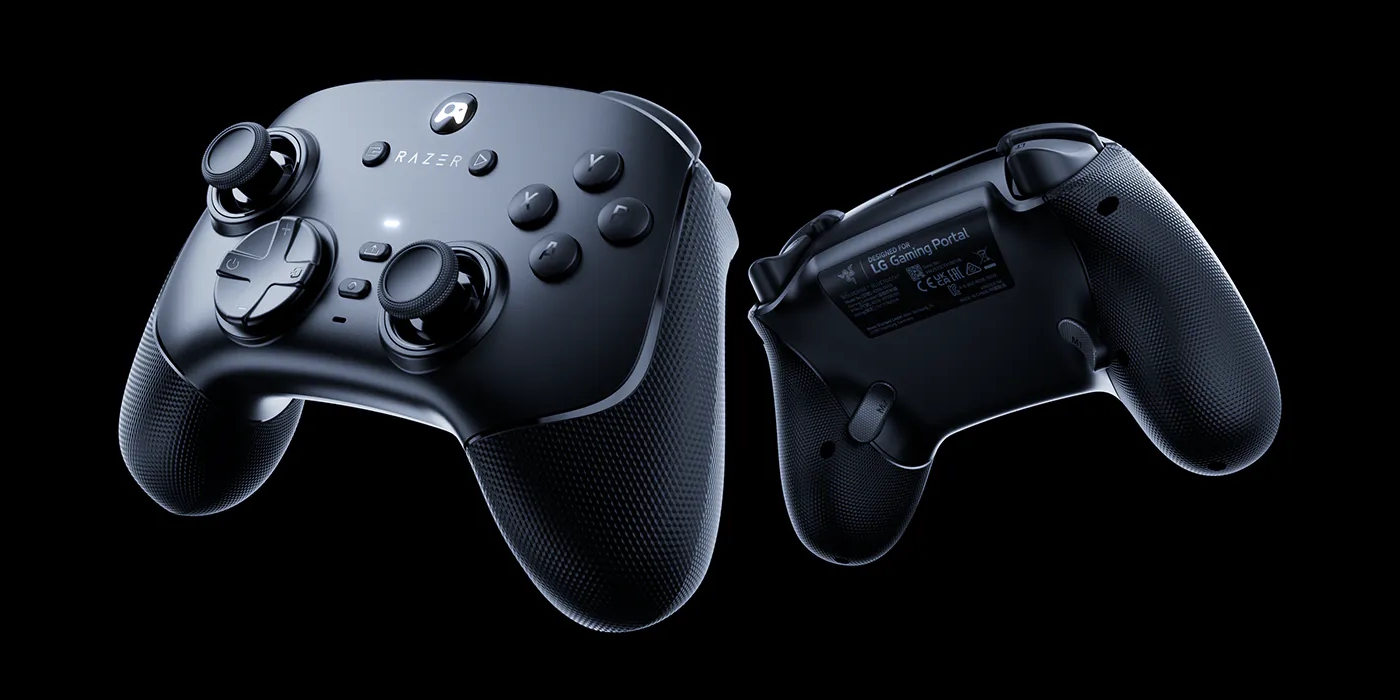
Lastly, the new Razer Wolverine V3 Bluetooth arrives as the “world’s fastest” wireless controller optimised for cloud gaming. Developed in partnership with LG, it features ultra‑low‑latency Bluetooth and integrated TV controls, allowing users to navigate LG’s gaming portals and cloud services without a separate remote.

KitGuru says: With this announcement, it's safe to say that Razer is no longer just a gaming brand. It's positioning itself as a hardware provider for the AI era. While Project Ava is probably the most interesting product for its core audience, the Forge workstation and the Tenstorrent accelerator suggest Razer is serious about capturing the professional AI market as well.

The post CES 2026: Razer goes all-in on AI with Project Ava and Snapdragon-powered wearables first appeared on KitGuru.

  •  

CES 2026: Intel launches 18A ‘Panther Lake’ Core Ultra 3 CPUs

Intel has officially launched its third-generation Core Ultra mobile processors at CES 2026, marking the long-awaited debut of its Intel 18A process technology. Also known as Panther Lake, the Core Ultra Series 3 is the first compute platform designed and manufactured entirely in the US using 18A silicon. With a focus on mobile efficiency and integrated graphics, Intel is claiming a 76% uplift in gaming performance and a 60% improvement in multithreaded performance over the previous generation.

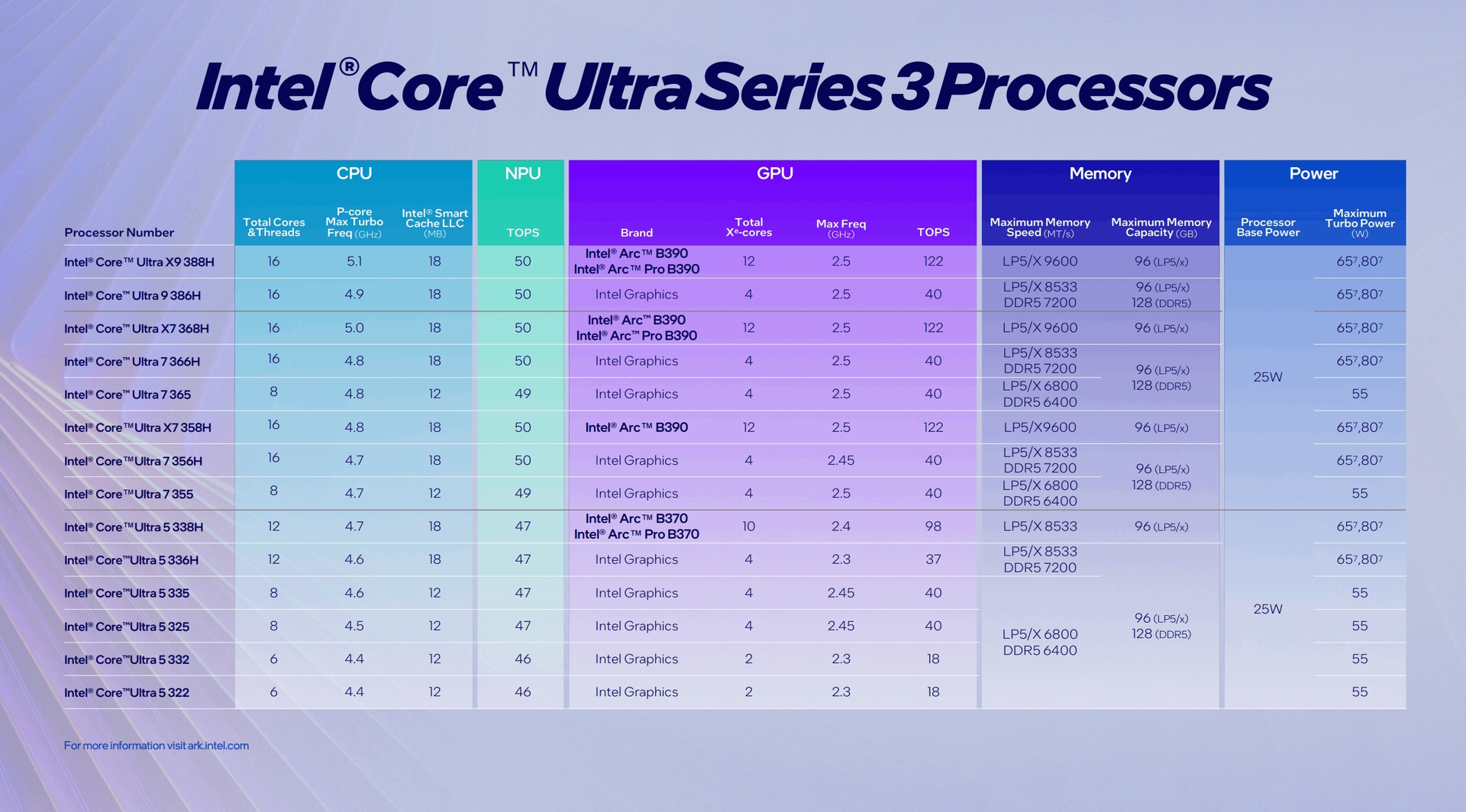
The Core Ultra Series 3 lineup introduces a new naming convention. The flagship Intel Core Ultra X9 388H and Ultra X7 models feature a dedicated “X” prefix, denoting the inclusion of the new Arc B‑series integrated GPU. Built on the Xe3 architecture (derived from the upcoming Battlemage desktop series), the top-tier B390 iGPU includes 12 Xe-cores and is reportedly capable of matching the performance of a discrete Nvidia RTX 4050 laptop GPU. To further boost frame rates, these integrated graphics support XeSS 3, which incorporates AI-driven multi-frame generation similar to DLSS 4.

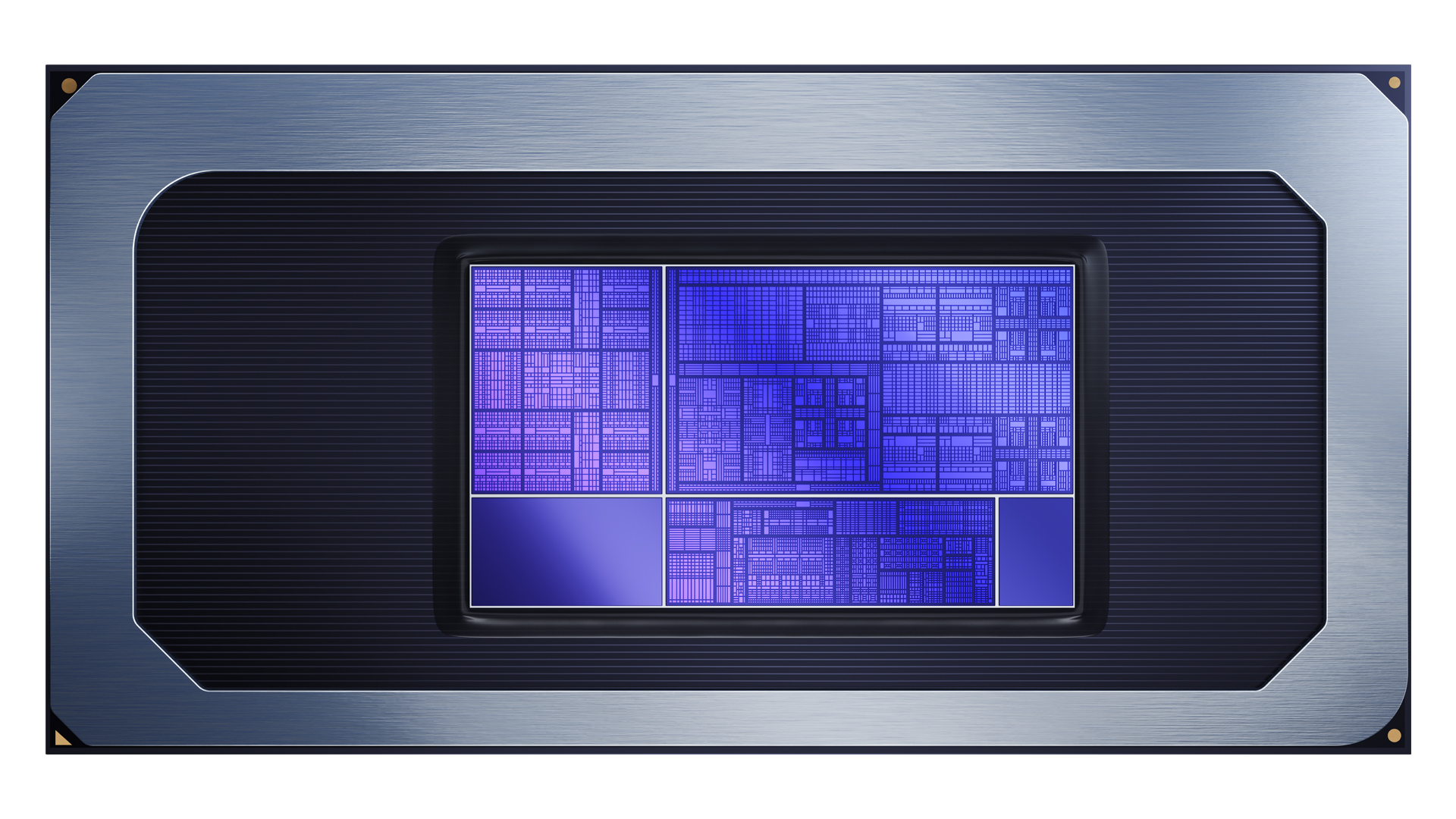
Architecturally, Panther Lake features a multi-tile design. The compute tile, built on the 18A node, introduces a new core configuration with up to four Cougar Cove P-cores, eight Darkmont E-cores, and four low-power Darkmont E-cores. Despite a lower P-core count than the previous generation, Intel claims that architectural refinements and the die shrink deliver a 60% improvement in multithreaded performance at 25W. The NPU has also been upgraded to the NPU 5 architecture, delivering 50 standalone TOPS for local AI tasks and meeting the requirements of Microsoft’s latest Copilot+ PC standards.

For the first time, these processors are certified for 24/7 reliability across a temperature range from -40°C to 100°C. In robotics and video analytics workloads, Intel says the integrated AI acceleration offers a significant total cost of ownership (TCO) advantage, delivering up to 4.5× higher throughput on vision language models (VLMs) compared to traditional CPU-plus-discrete-GPU configurations. Intel also claims these chips can offer up to 27 hours of battery life.

Laptops powered by the Intel Core Ultra Series 3 are available for pre-order now. Global retail availability is scheduled for January 27th, 2026, with more than 200 designs from partners including MSI, Lenovo, and ASUS expected to reach the market in the first half of the year.

KitGuru says: Intel's 18A node is finally here, and on paper, Panther Lake looks very competitive. It will be interesting to put these chips to the test in the months ahead. 

The post CES 2026: Intel launches 18A ‘Panther Lake’ Core Ultra 3 CPUs first appeared on KitGuru.
  •  
❌