 Connexion
The Japanese gardening technique of kokedama will bring a touch of magic into your home

Recreate a centuries-old technique from the far east with moss, soil, twine, bonsai compost – and a little patience
I’ve lived in the same corner of London for the best part of 15 years, and increasingly the pavements and parks are layered like onion skins, holding memories of my youth that I don’t realise are there until I return. This week I took my newborn daughter to Peckham in south-east London, to meet a friend in a cafe I’d never heard of. When I turned up, I realised it used to be a regular haunt of mine, and suddenly I was both a tired woman in her late 30s with two kids, and also 22, unemployed and making the most of happy hour.
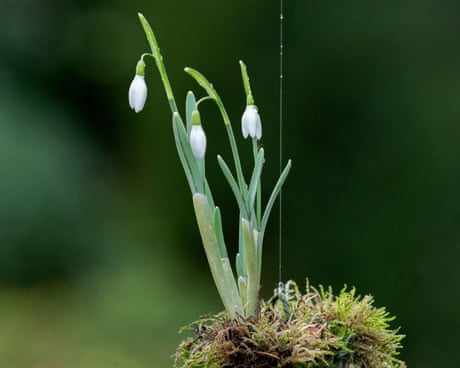
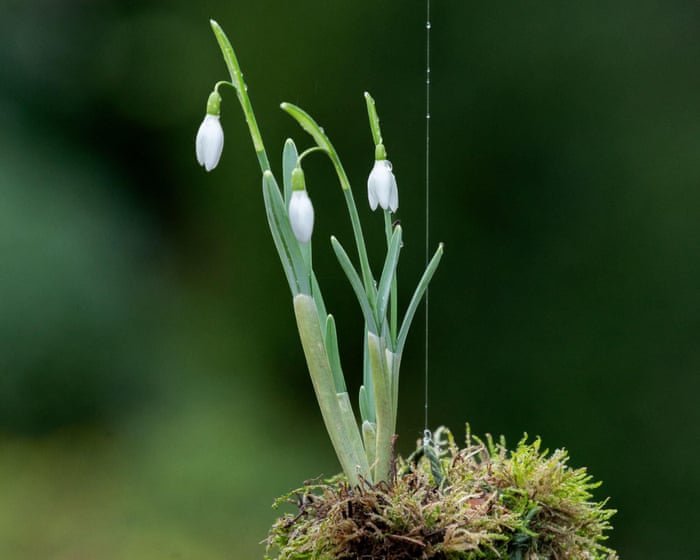
I bring this up because of what was on the table: a kokedama. If you’re unfamiliar, the word translates to “moss ball”. A decade ago, I saw them hanging outside the doorways of houses in deserted, snow-covered mountain villages in Japan, holding the tremulous fronds of overwintering ferns. The technique dates back centuries, a side-product of the art of bonsai that has become popular in its own right. Kokedama are a lot easier to create at home than bonsai trees: plants’ rootballs are removed from their pots and packed tightly with dense moss, before being bound with the string that can be used to hang them up with.
Continue reading...
© Photograph: Ros Crosland/Alamy
© Photograph: Ros Crosland/Alamy
© Photograph: Ros Crosland/Alamy
