 Connexion
‘There’s only one bed’, ‘fake dating’ and ‘opposites attract’: how tropes took over romance

They’re all over blurbs and social media, but do these bite-size labels lead to formulaic fiction? Plus the classics reimagined for a modern reader
Opposites attract. He falls first. Coffee shop. Forced proximity. Sports romance. University sports romance. Ivy League university sports romance! Best friend’s brother. Brother’s best friend. Slow burn. Age gap. Amnesia. Wounded hero. Single father. Single mother. Language barrier. The bodyguard. Fake dating. Marriage of convenience.
If this list means nothing to you, you’re not a romance reader. Tropes, as these bullet-point ideas have come to be known, have taken over romance. Those who write, market and read romantic fiction use them to pinpoint exactly what to expect before the first page is turned. On Instagram, Amazon and bookshop posters you’ll find covers annotated with arrows and faux-handwritten labels reading “slow-burn” or “home-town boy/new girl in town”. Turn over any romance title and they’ll be there listed in the blurb.
Continue reading...
© Illustration: Inès Pagniez/The Guardian
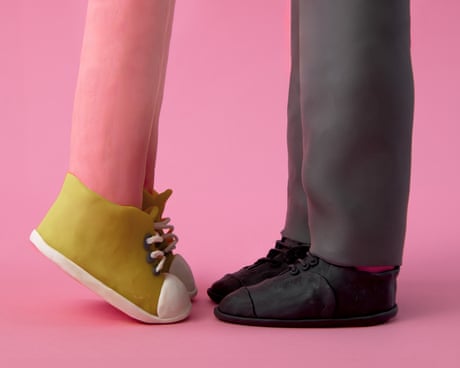
© Illustration: Inès Pagniez/The Guardian
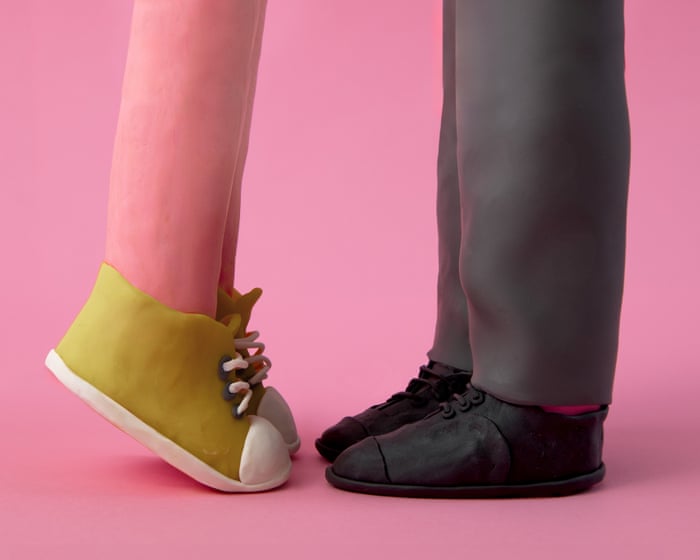
© Illustration: Inès Pagniez/The Guardian
