↩ Accueil

Vue lecture

‘A very paternalistic attitude’: why is female desire still not taken seriously?

In documentary The Pink Pill, the fight to provide access to the so-called ‘female Viagra’ exposes an industry that still discounts the needs of women

Barbara Gattuso had been happily married for decades when she signed up, in the late 2000s, for a clinical trial involving a potentially revolutionary new drug. She and her husband had once had a fulfilling sex life, both pre- and post-children. But at some point during her perimenopausal years, her desire disappeared. It wasn’t stress, fatigue or relationship issues, though her lack of libido certainly contributed to those. It was more like a mysterious evaporation – like “somebody pulled the plug”, as she recalls in a new documentary on flibanserin, the experimental drug that proffered potential relief.

Originally developed as an anti-depressant by the German company Boehringer Ingelheim, flibanserin had instead shown promise as a treatment for low female libido, working on neurotransmitters in the so-called “sex center” of the brain. In a video from that trial filmed by Dr Irwin Goldstein, the “godfather of sexual medicine” and a key consultant on Viagra – that revolutionary blue pill for men with erectile dysfunction – Gattuso appears nearly giddy. She was chasing her husband around again, she said. She felt “phenomenal”, like a “new woman on this drug”. She was plugged in.

Continue reading...

© Photograph: Paramount
© Photograph: Paramount
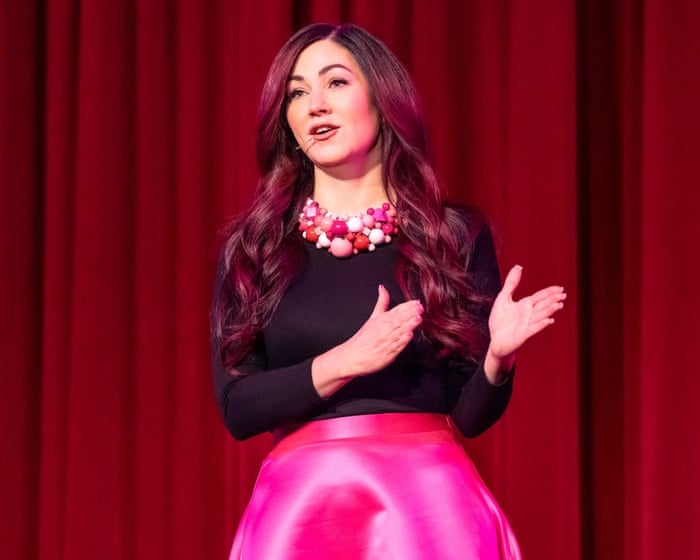
© Photograph: Paramount

  •  

Even in these depressing times, Love is Blind is profoundly bleak television

The 10th season of Netflix’s reality TV show has given us old-fashioned gender roles, bad behavior and a dark look at what dating looks like in 2026

In this rotted year that is 2026, there is no shortage of things to depress us: domestic terrorism by federal agents, war, the predominance of AI and sports-betting ads at the Super Bowl. The Epstein files. The Fifa peace prize. Six more weeks of winter. The need for escapism, or catharsis, or both, is as pressing as ever. And yet the thing that has depressed me most, in the low-stakes “I can actually wrap my brain around this” way is the pinnacle of smooth-brained, escapist entertainment: the new season of Netflix’s Love Is Blind, set in Ohio.

To be clear, Love Is Blind has never been a good show, even by reality TV standards. The first season of the series, in which young, generally attractive singles form emotional connections in “pods” and then get engaged sight unseen, had the good(ish) fortune of premiering just before a pandemic that gave “pod” a terribly relatable new valence; even still, it was described as “toxic”, “revolting” and, of course, “totally addictive”. At its best, the show can voyeuristically poke at our judgments and vocalize uncomfortable feelings, bringing up issues of race, politics, weight, attractiveness and age on top of the usual alcohol-aided drama, idealized romance and classic reality TV victim and villainy. At worst, it’s boring. Generally, it’s pleasantly baffling – modern dating sucks, for sure, but getting married after six weeks? That’s unrelatable content, perfect second-screen fare. But the Ohio version, and I say this with much love and ardent loyalty for my home state, has reached new lows, both on the level of production and in the spectacle itself.

Continue reading...

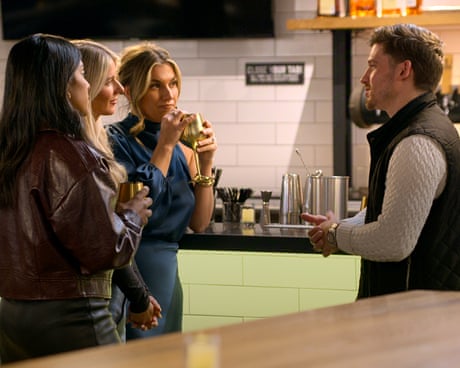
© Photograph: COURTESY OF NETFLIX

© Photograph: COURTESY OF NETFLIX

© Photograph: COURTESY OF NETFLIX

  •  
❌